I’ve always believed golf instruction works best when it is segmented. Grouping golfers by skill level, swing tendencies or physical ability makes it easier for players to apply advice that actually fits their game.
That is why this video from The Art of Simple Golf, titled “The 1 Golf Swing Lie That KILLS Distance After 50,” caught my attention. The “over 50” angle sits in an interesting space. It is not quite senior golf, but it is also not the prime speed years. That in-between group is where many golfers start questioning their distance and wondering if decline is inevitable.
Here are four golf tips from this video aimed at players over 50; three I agree with and one I’m not sold on.
Tip 1: Stop swinging slow and easy
I agree
“Swing smooth” and “take it easy” are common refrains aimed at golfers. The problem is that slow and easy often turns into tentative.
What this video gets right is the emphasis on commitment, not effort. Committed swings produce better sequencing and more reliable contact. Tentative swings lead to rushed transitions and weak strikes.
From a distance standpoint, these mistakes matter. I’ve found that when golfers try to swing slowly and easily, they often forget to turn, transfer weight and even square the clubface. Go after the ball. It’s worth it.
Tip 2: Reduce excessive movement in search of power
I agree
Many golfers are told to load hard into the trail side to create power. In practice, excessive lateral movement introduces timing demands and makes it harder to keep the low point consistent.
Staying more centered simplifies the swing and makes it easier to return the club to the ball. Fewer moving parts usually lead to better contact.
This tip is especially relevant for golfers who feel like they are swinging hard but not seeing results. Often, the issue is not lack of speed but a golf swing that is no longer efficient.
Tip 3: Stop trying to manufacture wrist hinge
I agree
The video makes a strong case for letting the wrist hinge happen naturally. Trying to create it intentionally often narrows the swing and reduces width. You’ll really struggle with this in the long game.
Width matters for distance. A wider arc gives the club more room to build speed without forcing positions. Most golfers already have enough wrist hinge. Problems tend to start when players try to add more of it on purpose.
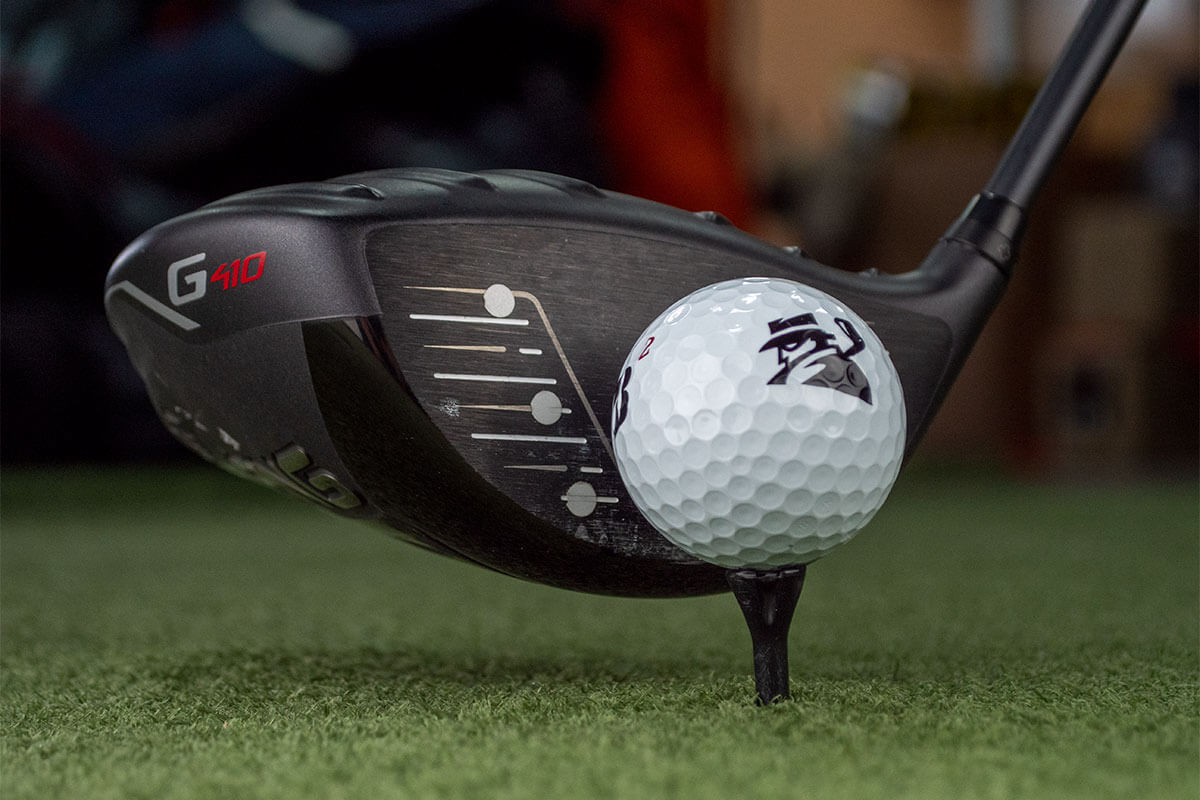
Tip 4: Tee the ball lower to find the center of the face
This is the one I’m not sold on
I understand the logic behind this advice. If you are popping the ball up or skying the driver, incorrect tee height can absolutely be part of the problem.
However, our tee height testing has shown that teeing the ball higher can produce more distance when it is done correctly. Higher tee height often improves launch and reduces spin which can lead to more carry.
Where I do agree is that golfers sometimes take the “tee it high” advice too far. If you are skying the ball or missing high on the face, adjusting tee height makes sense. Don’t forget to check your ball position and angle of attack as well.
The bottom line? If you are striking it well, there is no reason to abandon a higher tee.
Final thoughts
This video gets more right than wrong. The most important takeaway is not really about turning 50. It is about efficiency when you are looking to increase distance.
Distance loss is rarely caused by age alone. More often, it comes from swings that add unnecessary complexity and lose quality of contact. Simplifying motion and swinging with commitment does more for distance than chasing new mechanics or assuming decline is inevitable.
The post 4 Golf Tips For Players Over 50: 3 I Agree With, 1 I’m Not Sold On appeared first on MyGolfSpy.
