In the wake of the intriguing Brandon Nimmo-for-Marcus Semien swap, we asked MLB Insider Mark Feinsand to break down the deal’s impact on the free agent and trade markets.
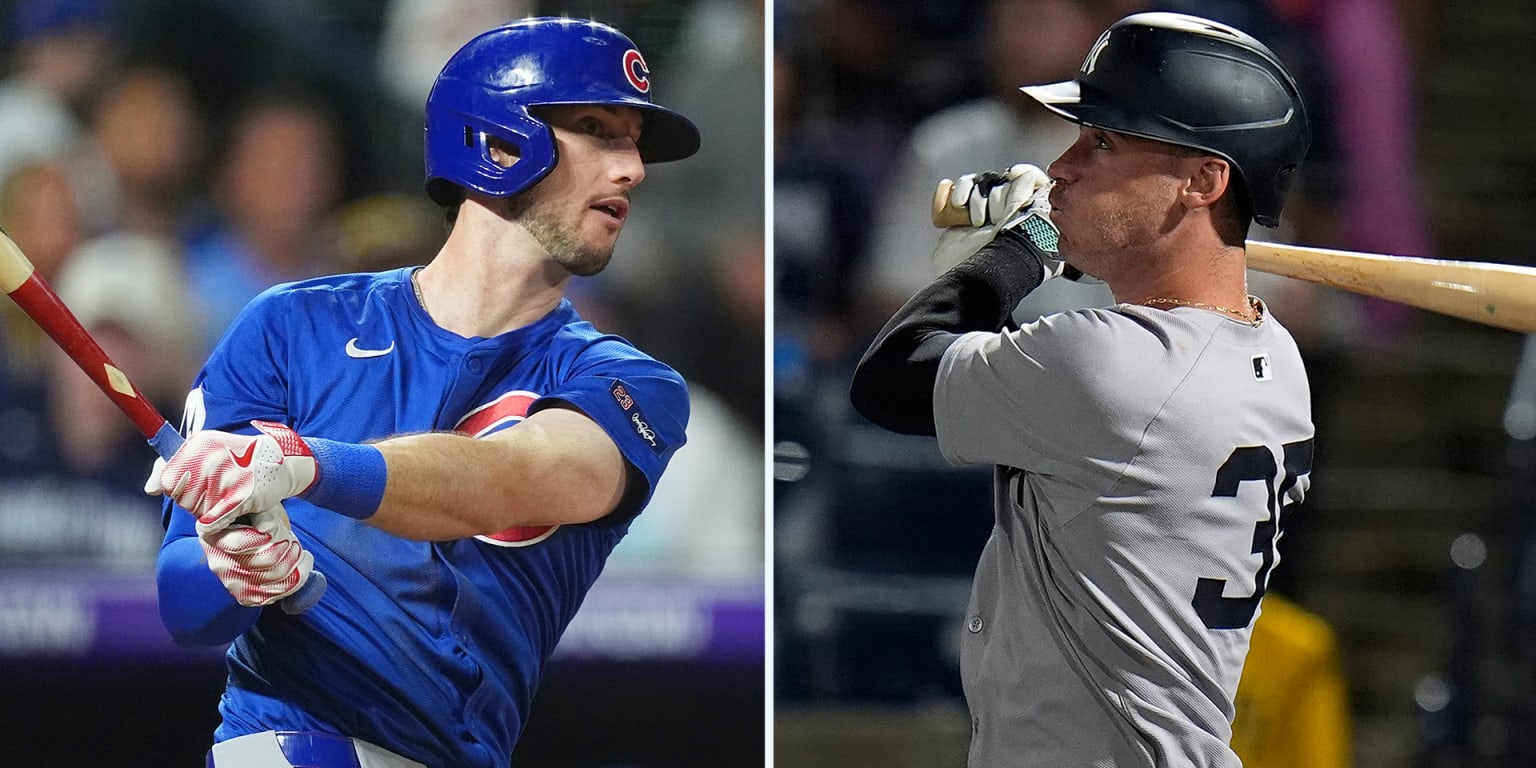
1. Which free agent is most affected by this? For example, does this make the Mets a player for Kyle Tucker or Cody Bellinger now that an outfield spot is opened up?
Trading Nimmo certainly creates a vacancy in the Mets’ outfield, and given that the widespread belief was that they were already planning on making a push for Tucker and/or Bellinger, this deal makes it all but certain that they will try to sign one of those two outfielders. For Tucker and Bellinger, having the big-budget Mets involved in any potential bidding war has to be viewed as a positive.
2. What might this mean for the Rangers the rest of the winter?
Texas is trying to contend while getting younger at the same time, all while doing so on a budget that has some restraints. The trade will save the Rangers some money over the next two years; Nimmo will earn $20.5 million annually through 2030, while Semien will earn $26 million in each of the next two years before his salary drops to $20 million in 2028, which is the final year of his contract. Texas also received $5 million in the deal, cutting down their commitment to Nimmo a bit further.
In the two seasons since winning the World Series in 2023, the Rangers have finished with 78 and 81 wins, so the Semien trade — which came only two days after the club non-tendered four players, including Adolis García and Jonah Heim — could have been made with the idea of further shaking things up. It’s possible that Texas could have more moves up its sleeve this winter, though it remains to be seen whether those come via free agency or more trades.
3. What might this mean for the Mets the rest of the winter? Does it have any impact on the likelihood of Alonso returning?
Stearns wanted to shake up the Mets’ core a little following their disappointing 2025, and this trade certainly accomplishes that. The Mets have maintained their interest in re-signing Alonso, so this trade shouldn’t have much impact on that pursuit.
By acquiring Semien, the Mets have more flexibility regarding their roster plan this winter. Semien takes over at second base, allowing McNeil or Benge to play left field — if they don’t sign Tucker or Bellinger. Either McNeil or Benge could also wind up in center field depending on how the winter shakes out.
Semien joins shortstop Francisco Lindor and third baseman Mark Vientos in the infield, though Vientos could move to first base if Alonso signs elsewhere, opening the door for Brett Baty — or a third baseman from outside the organization (Alex Bregman?) to take over the hot corner.
One thing this trade did not change: the Mets’ need for pitching, which should still be high on New York’s list of priorities.
4. We’ve now seen a couple of 1-for-1 trades of big leaguers in the last week (Taylor Ward for Grayson Rodriguez) … Is there anything to make of this trend?
I’m not sure there’s much to make of the trend; these were simply two trades between teams that matched up well. Neither of them were trades to help a team rebuild, which is when we tend to see the 3-for-1 or 4-for-1 type of deals loaded with Minor Leaguers.
The Mets have made it clear they want to improve their infield defense, which the addition of Semien will surely do. The Rangers were seeking a hitter with strong on-base skills, and though Nimmo has fallen off a bit the past two years, he has a lengthy track record of doing just that. The trade just made sense, and while we’re not accustomed to seeing many old fashioned “baseball trades,” they can and do still happen from time to time.
A dozen years ago, the Tigers traded Prince Fielder to the Rangers for Ian Kinsler. In 2019, the Marlins traded Zac Gallen to the Diamondbacks for Jazz Chisholm Jr. These 1-for-1 trades happen, but it’s rare to see two teams make a deal of this magnitude when both sides are trying to contend. The offseason is a time for teams to consider where they have depth and to utilize that depth to help fill other holes. Trades like these can accomplish those goals.
