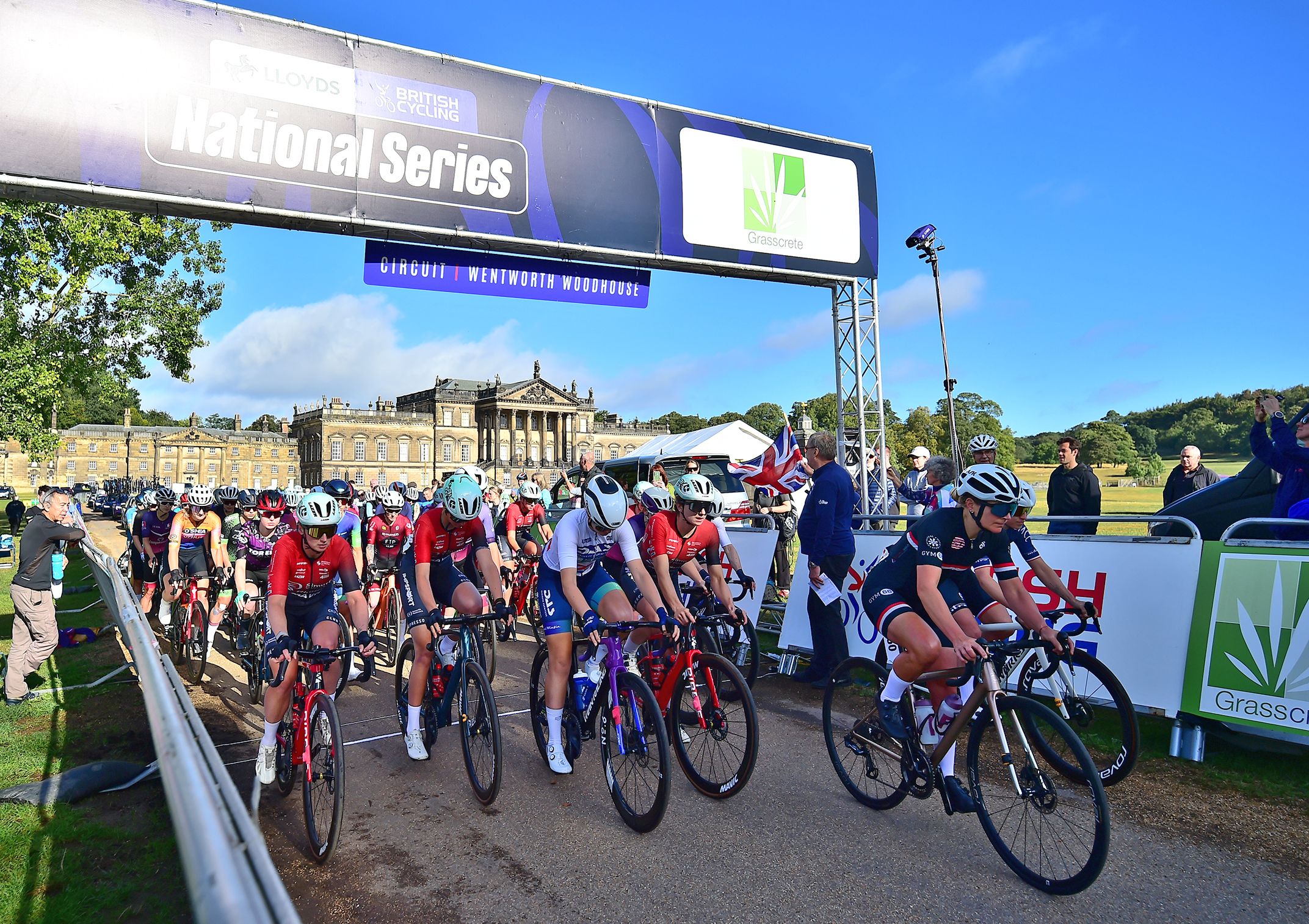
British Cycling has launched a new wide ranging competition framework as it looks to revive a flagging domestic racing scene over the coming years. The plan, published on Thursday afternoon, looks at all aspects of a cyclist’s touch points with the sport, from discovering as a newcomer to racing at the highest level of domestic competition.
The framework is the result of 12 months of consultation with members, riders and communities and creates a format to help British Cycling deliver a “simpler, more fun and effective competition structure across all disciplines by 2029”. The work will continue through 2026 as they design and then deliver the changes to put it into practice.
“This project comes at a pivotal moment in the evolution of our sport as we undertake a bold and comprehensive transformation of our competition framework, so it reflects the needs of riders, coaches, volunteers and communities across the country,” Amy Gardner, sport and participation director at BC, said
“It will play a vital role in delivering British Cycling’s strategic priorities to support and grow the sport, and the framework sets out our vision for a modern, inclusive and high-quality competition structure that will shape the future of competitive cycling in Britain.”
Comment: can the governing body revive the racing scene?
Simon Richardson
Before Simon joined Cycling Weekly, and in the years since, he has raced domestically on the road both at a local and national level. He has organised races, volunteered at other events and sat on various committees. All this alongside his regular reporting on the cycling scene
The challenges of delivering cycling events for people at all levels are well established, and British Cycling has always been in the firing line when it comes to shortcomings across the sport and the changes that are needed.
When the sport was booming in the period up to 2012, BC enjoyed big investment from the likes of Sky, growing membership, good will and enthusiasm for the sport across the board.
The domestic sport was seemingly in rude health, although the fundamentals underpinning it were in all truth the same as they’d always been. There has been a seismic shift since then and many volunteer organisers tell us that putting an event on is now more hassle than it’s worth (mainly paperwork and costs), and lay the blame at BC’s door.
While not untrue, the difficulties are not all the fault of the governing body as organising events involves permissions from various stake holders, risk assessments, insurance, and various other costs that aren’t all in their control.
Keep in mind BC oversees road and track racing, mountain bike (cross country and downhill), cyclo-cross, speedway, and now gravel and you get more of an idea of the task facing them. Each of these disciplines have unique requirements which can also be area specific. In road racing for example, the South East region struggles to put on big events due to the density of the population and resulting number of cars on the road.
Other parts of the country will have a lack of facilities and infrastructure, or issues over land use preventing them from organising the events they’d like. Like most things in life, it gets ever more complex the deeper you dive into it.
Having this framework does seem like a strong starting point, but the hard work is about to begin.
Explore More
