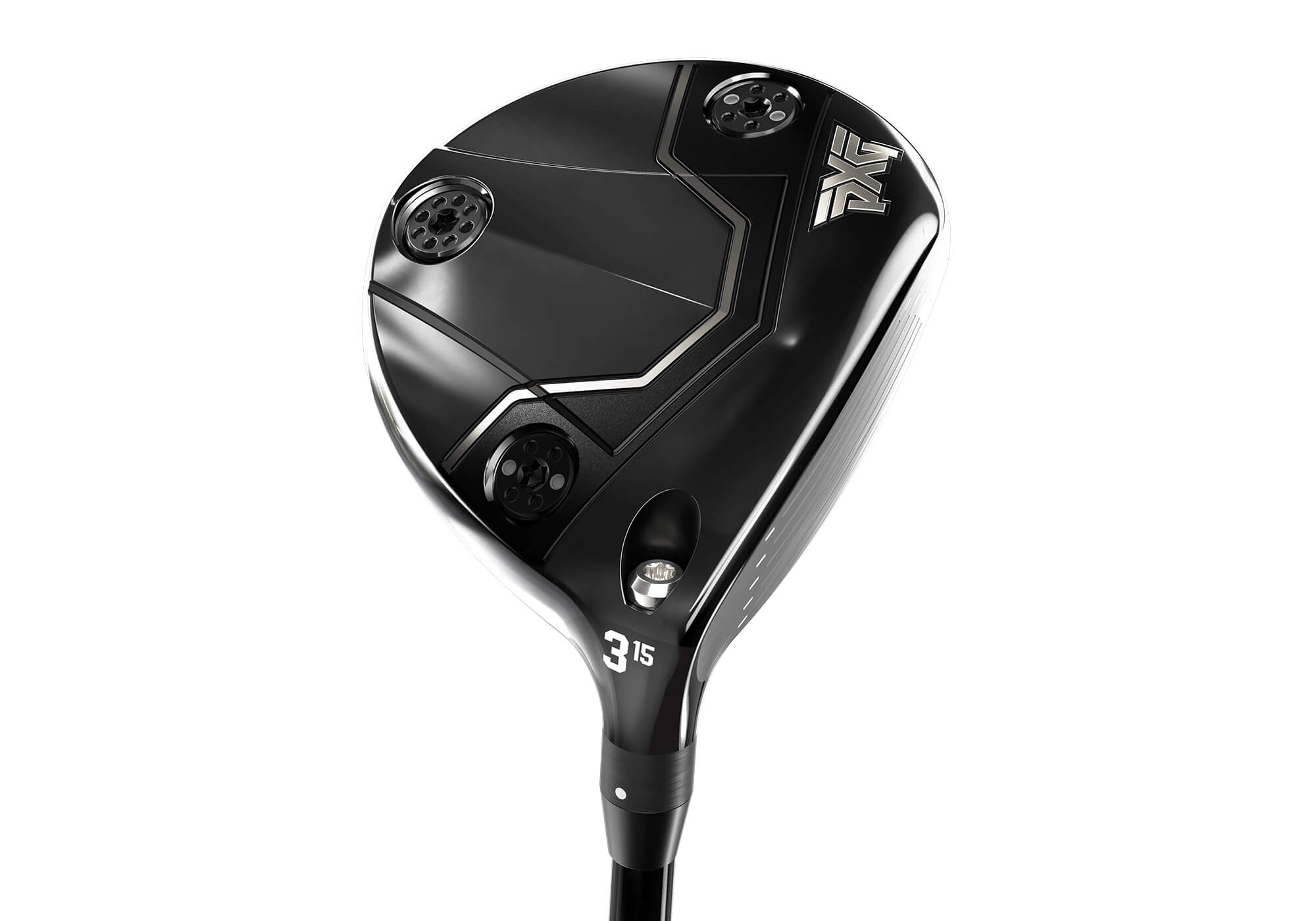
It’s pretty much the nature of the business that fairway woods and hybrids play second fiddle to the larger and infinitely more interesting driver. The fact of the matter is that while golfers aren’t afraid to replace drivers with near alarming regularity, fairway woods and hybrids tend to stick in the bag longer … a lot longer.
Frankly, I’m hard-pressed to find any issue with that. Higher-lofted options notwithstanding, for many golfers, fairway woods are the most difficult clubs in the bag to hit. As for hybrids? Well, they’ve fallen out of favor in recent years (in no small part to the growing popularity of 7- and 9-wood offerings). Plenty of you say that although you like the idea of hybrids, they go nowhere but left when you hit them. Others simply prefer traditional long irons, utility clubs and basically anything else to a hybrid.
All of this is a roundabout way of saying that if you already have a fairway wood or hybrid that works for you, you’re well within your right mind to demand a higher level of proof that the latest new thing is better than what you have.
Said another way: If it ain’t broke, don’t fix it.
Still, there isn’t a bona-fide golf brand that’s going to skip an annual or biannual replacement cycle for fairway woods and hybrids. Even if you or I don’t need (or want) a new one. Somebody does (probably).
So, I suppose, if you’re going to release new models, why not go big? To its credit, PXG is giving golfers plenty of options with what is easily its most comprehensive fairway and hybrid lineup it’s ever created. And while I haven’t performed an exhaustive market-wide inventory, I suspect it’s among the most comprehensive in golf.
Key technologies
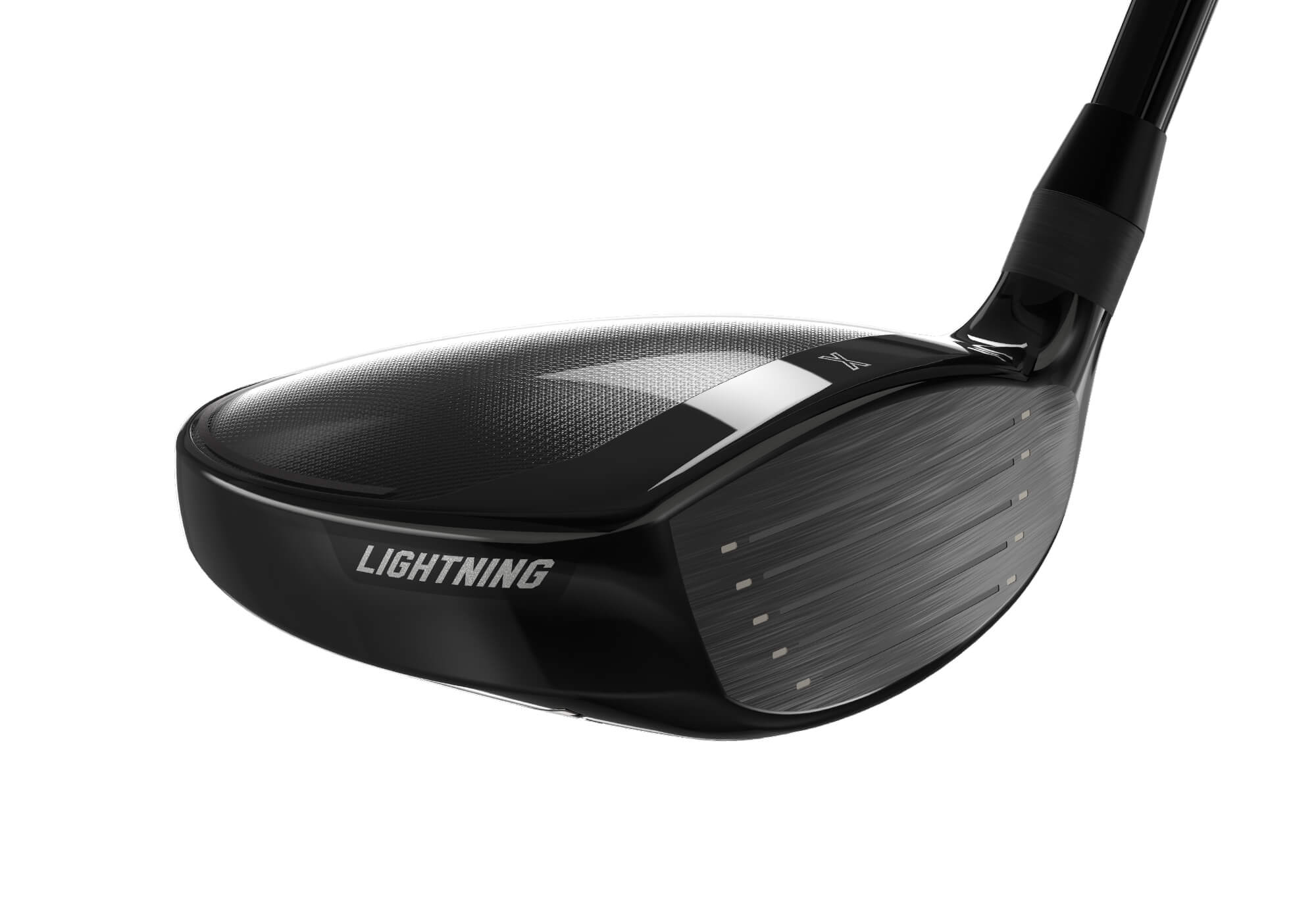
The Lightning fairways and hybrids share several design pillars with their driver counterparts: a carbon crown, variable face thickness design and three-port weight system that allows PXG fitters to tweak launch, spin and, to an extent, forgiveness.
Still, I’d be remiss not to mention what isn’t part of the designs.
Unlike the new family of Lightning drivers, there are no Frequency-tuned Faces to be found in the smaller clubs.
As you might imagine, PXG kicked the tires on the idea, but the data suggested it wasn’t worth doing.
According to PXG, the smaller, thicker faces of fairway woods and hybrids already vibrate near the same natural frequency as a golf ball during impact. That means the primary resonance mode PXG deliberately shifted into the face of their drivers was already in the right spot. As PXG’s Chief Product Officer Brad Schweigert explained, “The benefit curve flattens quickly as you shrink the face. With fairways and hybrids, we were already near the harmonic sweet spot so adding that extra stiffness didn’t make sense.”
So, rather than chasing a negligible speed gain, PXG shifted its attention to fine-tuning mass distribution and impact stability—areas that provide opportunities for meaningful performance gains in fairway woods and hybrids.

PXG used the same modal analysis tools developed during the driver project to measure how these smaller heads behave dynamically. The findings guided subtle changes in wall thickness, rib placement and CG distribution that collectively produced measurable improvements in consistency.
Some key numbers to consider:
The perimeter of the Lightning fairway woods is 12.5 percent thinner than Black Ops, while the face insert on the hybrid is six percent thinner.
At impact, the Lightning fairway wood flexes four percent more and the hybrid flexes three percent more.
As with the drivers, there are no otherworldly promises here. With both the fairway wood and hybrids, all of the above gets you just a tick more ball speed, roughly a degree higher launch, and a couple of yards of additional carry distance.
PXG has also bumped MOI relative to Black Ops, which helps to explain why the company is also claiming tighter dispersion with most of the standard models, with the greatest benefit appears to come in the 7-wood.
With that out of the way, let’s dig a bit deeper into both categories.
PXG Lightning fairway woods
Lightning “Standard” models
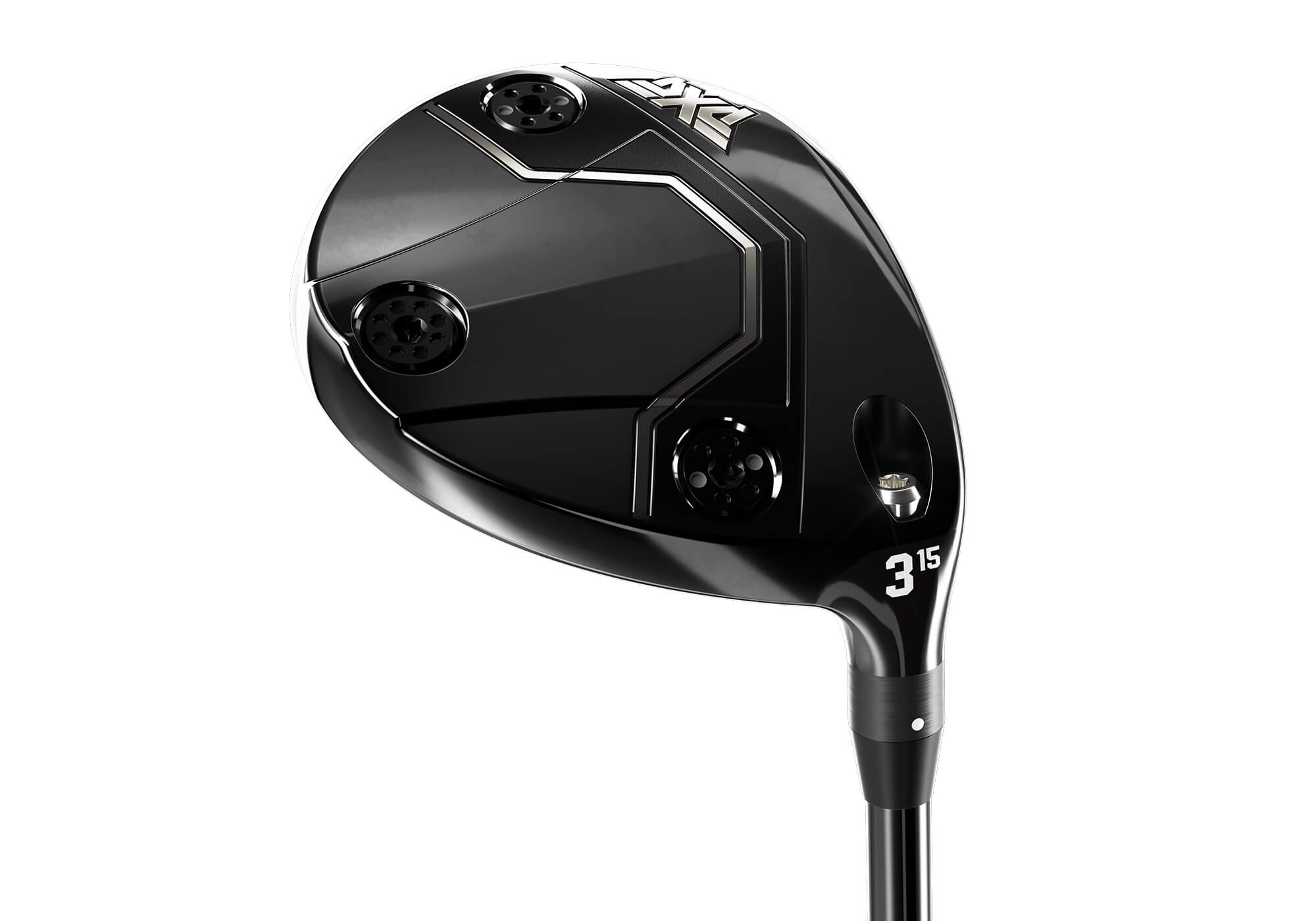
The Standard models are the “every golfer” option. They feature a larger footprint, a shallower face and a CG pushed low and back. That combination creates higher launch, slightly more spin, with more forgiveness.
Every loft—and there are a lot of them—features a three-weight configuration to help fitters (and DIYers) dial in optimal trajectory.
The standard model of PXG Lightning fairway woods is available in 3-, 4-, 5-, 7-, 9- and 11-wood versions. If you’re wondering, that covers a loft range from 15 to 27 degrees which, depending on the loft spec of your iron, gives you coverage equivalent to a 6- or 7-iron.
Bruh.
Lightning Tour fairways
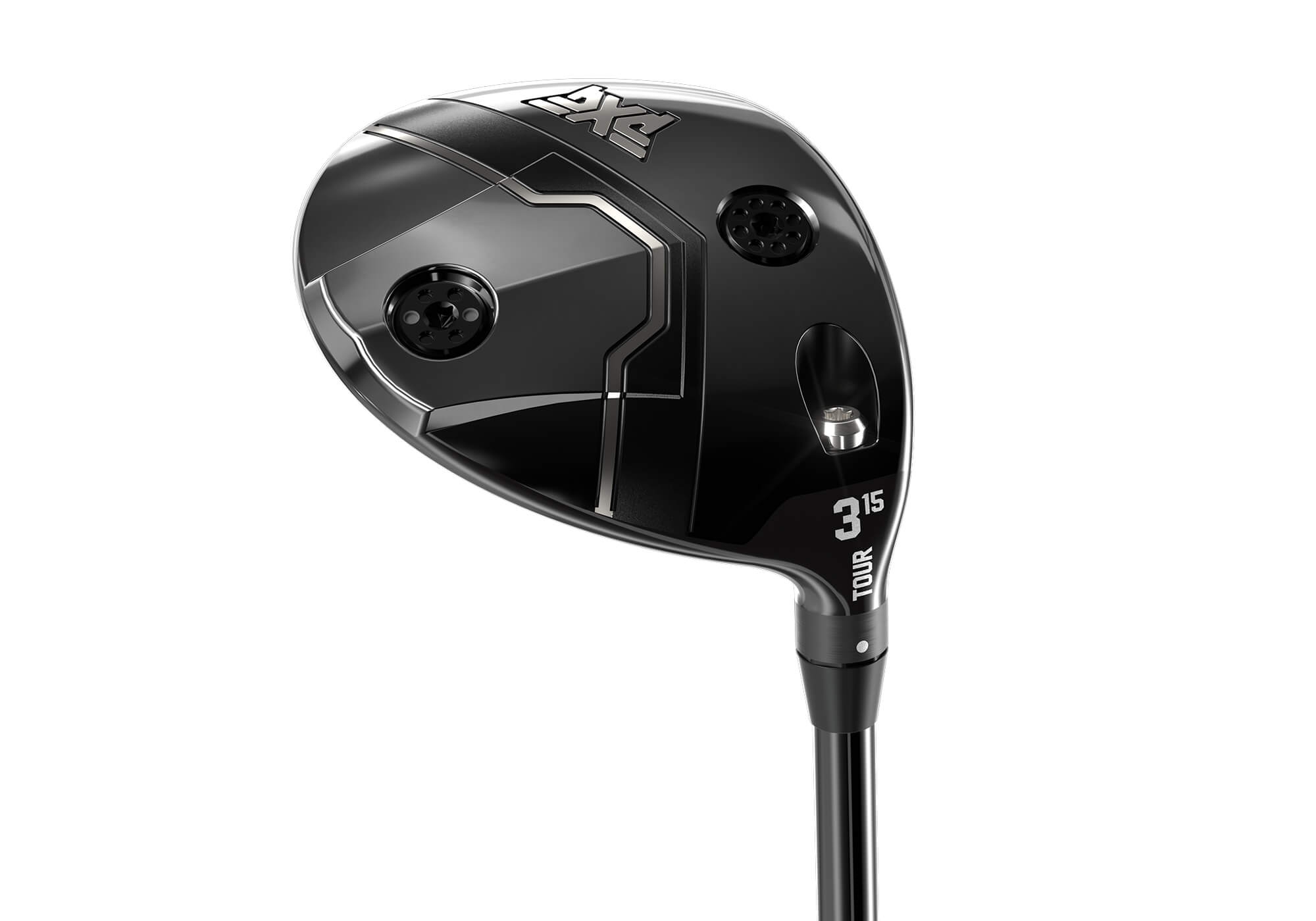
The Tour models, by contrast, offer a deeper face and a more compact profile. Loft for loft, expect a flatter, more penetrating ball flight, with lower MOI relative to the standard model.
Guys, you know how this works. The Tour model is the small one.
The PXG Lightning Tour fairway wood is limited to just two lofts—a 15-degree 3-wood and an 18-degree 5-wood. While the standard fairway is available in both right- and left-handed across the board, the Tour 5 is available in right-hand only.
PXG Lightning hybrids
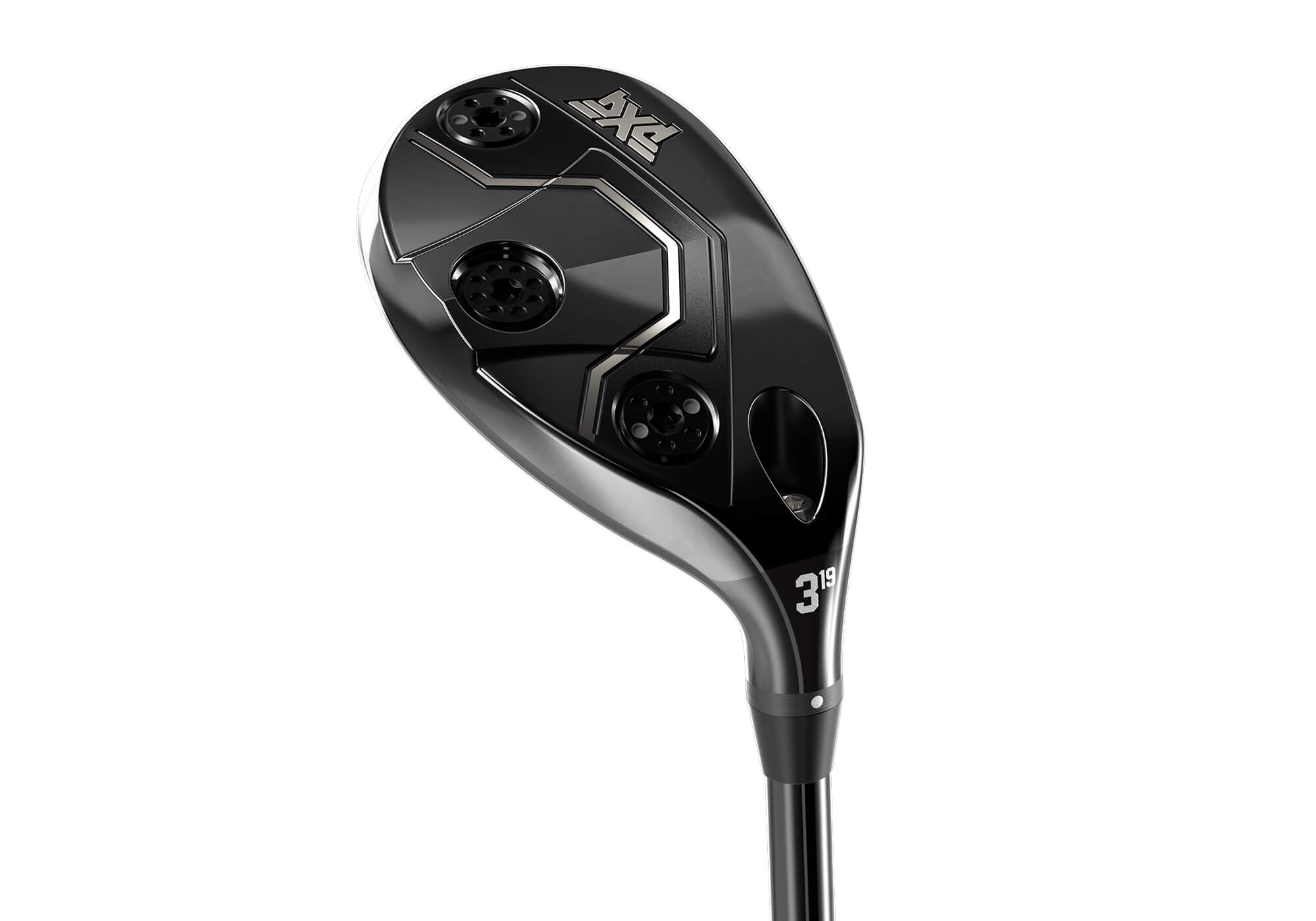
While there is no Tour model in the Lightning hybrid lineup, the list of available options is every bit as rich as the fairway woods.
The Lightning hybrid lineup covers everything from 17-degree 2-hybrid through a comically fun 34-degree 8-hybrid.
For whatever it’s worth, I was a big fan of the PXG GEN2 hybrid. The downside to that, I suppose, is that from GEN3 through Black Ops, there wasn’t anything I liked nearly as much. Other than a couple of TaylorMade models and the Titleist GT3, there hasn’t been anything in the category that has appealed to me.
While it’s too early to say for sure, and the sample size is small (I’m apparently not entirely alone in loving the GEN2), the early feedback suggests that with Lightning, PXG has finally recaptured some of the magic.
El ocho
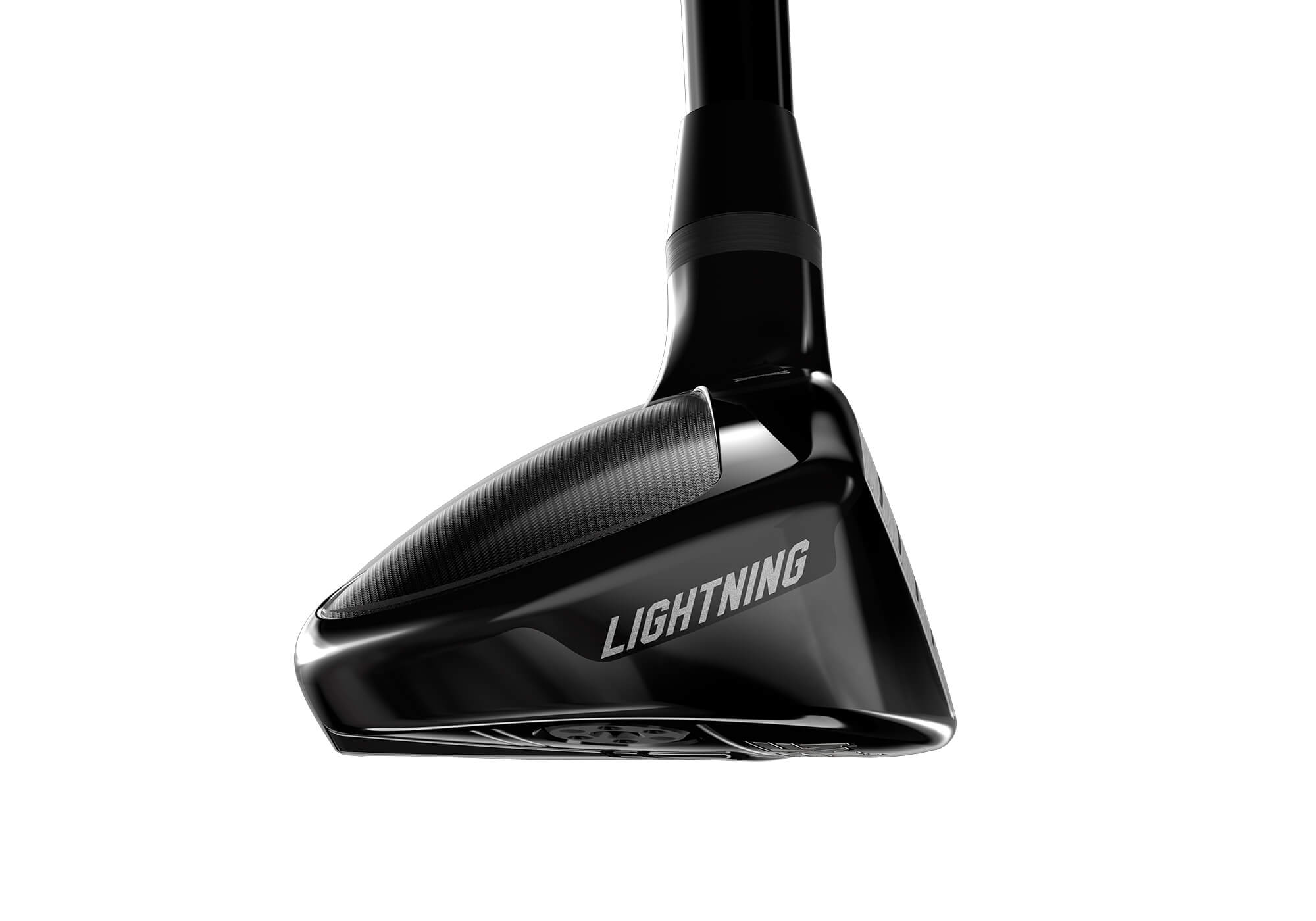
I’d also be remiss not to specifically mention the 8-hybrid, which I admittedly dismissed out of hand until my buddy Brian at GolfWRX convinced me to give a few whacks on the range.
To be sure, there’s a lot of loft staring back at you at address, so much so that it’s almost like it doesn’t have a crown, but swinging it is unadulterated bliss. It launches high, flies high and, despite some suspect swings, it flew nowhere but straight.
I’m not saying you should put it in your bag but if you have the opportunity to try one, you should absolutely do it. It’s a reminder that there are still opportunities to simplify the game and make it more fun in the process.
With the exception of the 2, all PXG Lightning hybrid lofts are available in both right- and left-hand models.
The takeaway
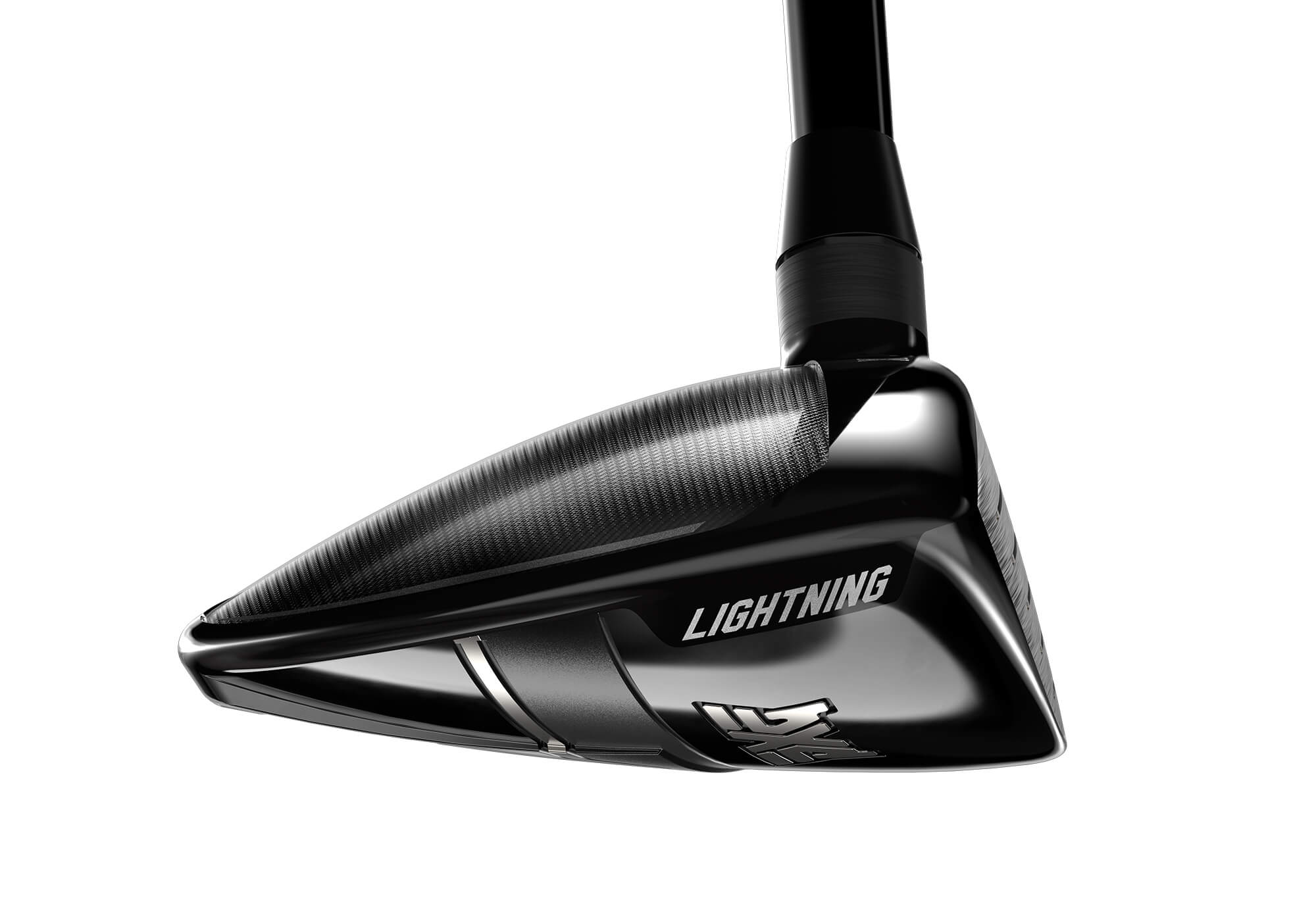
Where the Lightning driver was about timing—syncing the flex of face and ball—the fairways and hybrids are about control and, I suppose, options.
The Tour fairways cater to players who prefer shaping shots and squeezing spin; the Standard fairways make it easier to find the center and keep it there. And the hybrids, especially the higher-lofted ones, are simply fun—fast, forgiving and easy on the eyes.
Specs, pricing, availability
PXG Lightning Fairway Woods Specifications
| Club | Loft | Lie Angle | Length | Head Weight | Notes |
|---|---|---|---|---|---|
| 3 Wood | 15° | 58.5° | 43″ | 215g | RH and LH |
| 4 Wood | 17° | 58.5° | 43″ | 215g | RH and LH |
| 5 Wood | 18° | 59° | 42.5″ | 220g | RH and LH |
| 7 Wood | 22° | 59.5° | 42″ | 225g | RH and LH |
| 9 Wood | 24° | 60° | 41.5″ | 230g | RH and LH |
| 11 Wood | 27° | 60.5° | 41″ | 235g | RH and LH |
PXG Lightning Tour Fairway Woods Specifications
| Club | Loft | Lie Angle | Length | Head Weight | Notes |
|---|---|---|---|---|---|
| 3 Wood | 15° | 58° | 43″ | 215g | RH and LH |
| 5 Wood | 18° | 58.5° | 42.5″ | 220g | RH only |
PXG Lightning Hybrids Specifications
| Club | Loft | Lie Angle | Length | Head Weight | Notes |
|---|---|---|---|---|---|
| 2 Hybrid | 17° | 58° | 40.75″ | 230g | RH only |
| 3 Hybrid | 19° | 58.5° | 40.25″ | 235g | RH and LH |
| 4 Hybrid | 22° | 59° | 39.75″ | 240g | RH and LH |
| 5 Hybrid | 25° | 59.5° | 39.25″ | 245g | RH and LH |
| 6 Hybrid | 28° | 60° | 38.75″ | 250g | RH and LH |
| 7 Hybrid | 31° | 60.5° | 38.25″ | 255g | RH and LH |
| 8 Hybrid | 34° | 61° | 37.75″ | 260g | RH and LH |
PXG Lightning Fairway Woods and Hybrids are available now.
The post PXG Lightning Fairway Woods And Hybrids: Extending The Charge appeared first on MyGolfSpy.
