It’s been a year and a half since PXG rolled out its Black Ops drivers—well within conventional replacement windows, which is to say the company isn’t rushing anything. But what happened over the last 18 months or so wasn’t conventional at all. The team was on a mission to crack a fundamental problem: When you’re already bumping up against the limits of what the USGA allows, where do you find more speed?
The answer, it turns out, wasn’t about making the face thinner or the body lighter. It was about timing: understanding how the club and ball vibrate together in that split-second collision and synchronizing them in ways nobody else was really talking about.
The result is Lightning, a new metalwoods family with new model names. PXG’s signature weighting, carbon construction and custom-fit philosophy remain intact. But, this time, despite what the product name suggests, the story isn’t so much about flash as it is about physics—what really happens within the confines of the clubhead in that split-second when face meets ball.
Fair warning: We’re about to get into some serious nerd shit. Maybe it’s not as sexy as strapping yourself to a hog and rolling around in the mud (not sure that’s actually sexy), but sometimes telling a meaningful tech story is enough. At least it should be.
The Lightning concept
For all the bluster of the early days of PXG, behind the scenes the R&D team has always been pretty much no nonsense. The company provides as much, if not more, data than anyone (with the disclaimer that most comes from internal testing). More often than not, core technologies have been rooted in physics, not fantasy, and that’s no different this time around.
With that, there’s no inexplicable magic behind the Lightning design. No bold claims of unheard-of distances or world-beating faces. Instead, the focus is on something subtler: what happens in a few ten-thousandths of a second when the face and ball collide.
The flagship technology of the PXG Lightning driver lineup is called Frequency-tuned Face technology but, in reality, it has more to do with the body of the club than the face itself. This time around, there aren’t any new materials or updated polymer fillings. This story boils down to timing: how the face and ball flex, rebound and exchange energy in that blink-of-an-eye moment that determines everything.
The pitch is simple: if you can get the face and ball vibrating in sync, you can capture a bit more speed. No miracles. It comes with no promises that the Frequency-tuned Face will turn you into Bryson off the tee but it does offer real, measurable, gains just the same.
WTF? How?
As for how PXG got here … Like most larger golf equipment companies, PXG does a fair amount of competitor testing. While robot testing the current generation of products, PXG’s engineers noticed that one competitor consistently produced slightly higher ball speeds. The margins weren’t huge, maybe a single mile per hour, but they were consistent—the kind of outlier that begs for an explanation.
So they started probing (literally). Using actuators and sensors, the team began mapping how different parts of a driver head vibrate under load. What they found was that in that faster competitor, the dominant vibration mode lived in the face. In contrast, PXG’s own Black Ops (and pretty much everything else on the market) showed its primary mode in the sole. That difference explained at least part of the speed gap.
I warned you that you were in for a heavy dose of nerd shit so now is probably a good time to explain the concept of a dominant mode.
When you hit a driver, a bunch of different vibration modes kick off simultaneously. The dominant mode—always the lowest frequency and highest amplitude of the bunch—is the one that matters most.
The others happen, too, but at higher frequencies and lower amplitudes. They’re kind of like background noise.
If that dominant mode is living in the sole instead of the face, energy bleeds into the body when it should be transferring to the ball. It’s like having the bass player drown out the lead singer; the music plays, but the melody—in this case, speed—gets lost in the noise.
So PXG did what PXG does: they started modeling, prototyping and dissecting every variable that could shift that mode forward—materials, wall thickness, rib placement, even how carbon panels are bonded. The goal was to move that dominant mode into the face and line up its natural frequency with the timing of ball compression.
How the Frequency-tuned Face works
When a driver face meets a golf ball, it flexes—that part you already know. The finer detail is that it doesn’t flex in one clean motion. It vibrates in patterns, like ripples in a drumhead. Engineers call these patterns modes and each structure has many of them—some helpful, some less so.
The intent behind PXG’s Lightning drivers is to push that dominant mode forward into the face and raise its frequency to around 4,500 hertz (that will be on the quiz). That matters, because it closely matches the tempo of a golf ball’s compression-and-release cycle. When those two rhythms line up, the face and ball move together instead of fighting each other, wasting less energy and producing a cleaner, faster transfer at impact.
For those interested in a frame of reference, in PXG’s previous Black Ops driver, engineers identified the dominant mode around 3,800 Hz and living in the sole. That meant some of the impact energy was bleeding into the body. For Lightning, the goal was to push that mode into the face and stiffen everything else so it couldn’t compete.
That led to a reworked structure centered on what PXG calls a “spined sole.” Think of a flat sheet of paper: it’s easy to bend when it’s smooth but fold it once and suddenly it resists movement along that fold. Same material, dramatically stiffer. By adding a raised structural “crease” through the sole—essentially a spine—PXG created a stronger, more stable platform that resists flexing during impact.
The new geometry borrows from some familiar sole shapes. There are elements reminiscent of drop-sole or MOI-generators but, this time, the sole features are more angular and implemented with a different intent. The bottom of the club isn’t flat so much as faceted, with defined planes converging along the spine. And while there’s certainly some inherent MOI benefit, that’s not the point. The primary goal was to quiet the body and let the face carry the tune.
Combined with a roughly 84 percent increase in carbon coverage compared to Black Ops, the result is a body that’s lighter, stiffer and better controlled. In other words, the body stays quiet so the face can sing.
As should be clear by now, PXG isn’t suggesting it’s the first to go down this road. You can find research and even some patents in this particular arena dating back to the early 2000s.
For PXG, its requency-tuned Face project started with PXG engineers seeking to understand why the Titleist GT3 was winning the ball-speed battle. What’s notable is that PXG found that, for pretty much everything else on the market right now, the dominant mode lives in the body. The idea of shifting the primary mode to the face, intentionally or otherwise, was unique—at least among the current competitive set.
What the numbers suggest
PXG’s robot testing shows an average gain of about one mile per hour in ball speed and roughly two to four yards of carry versus previous generations. It’s not the mythical 10 more yards, but it’s measurable and meaningful—and, crucially, it comes without breaking USGA rules.
The face isn’t more flexible; it’s better timed.
Etched Face Technology — Control in all conditions
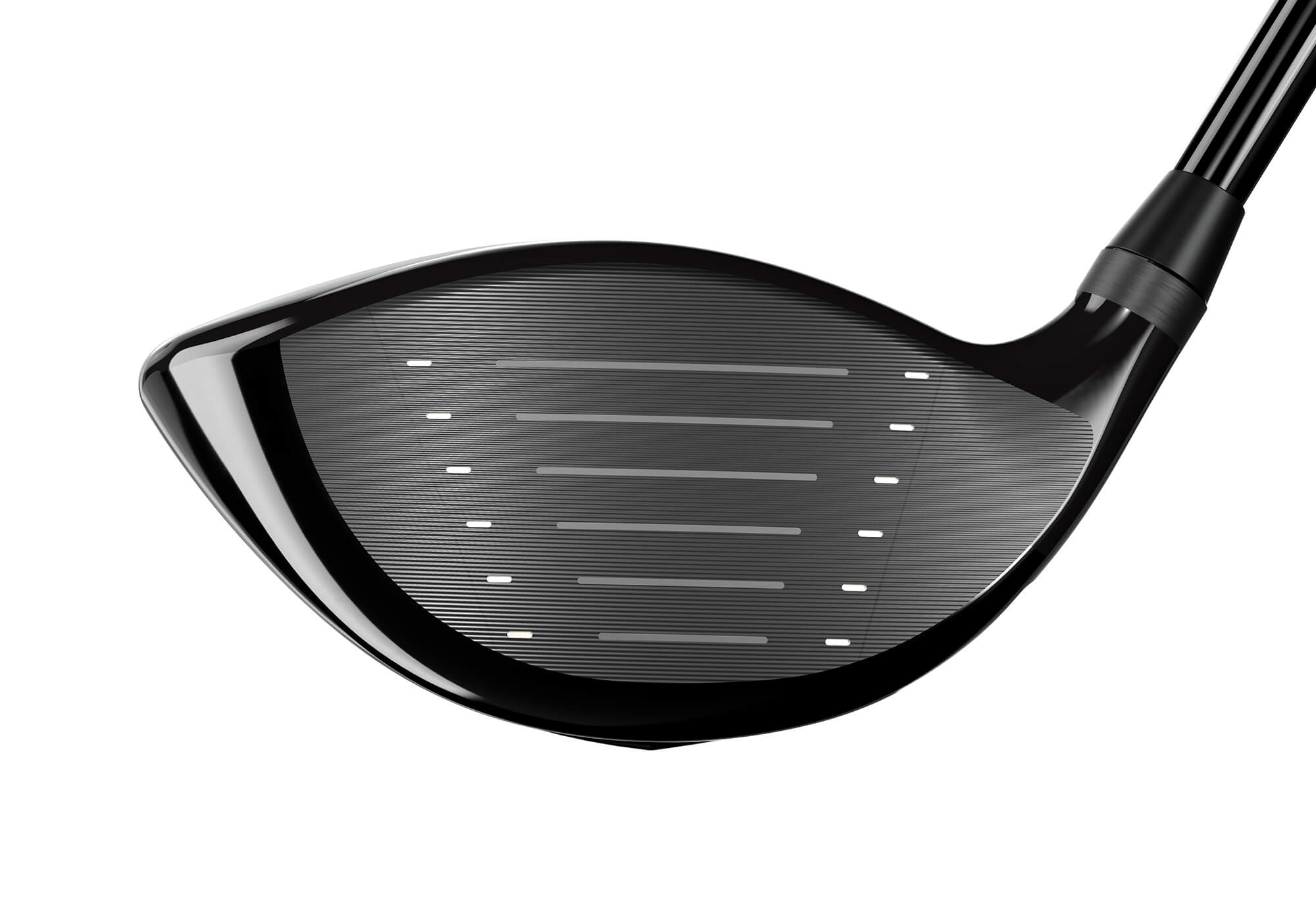
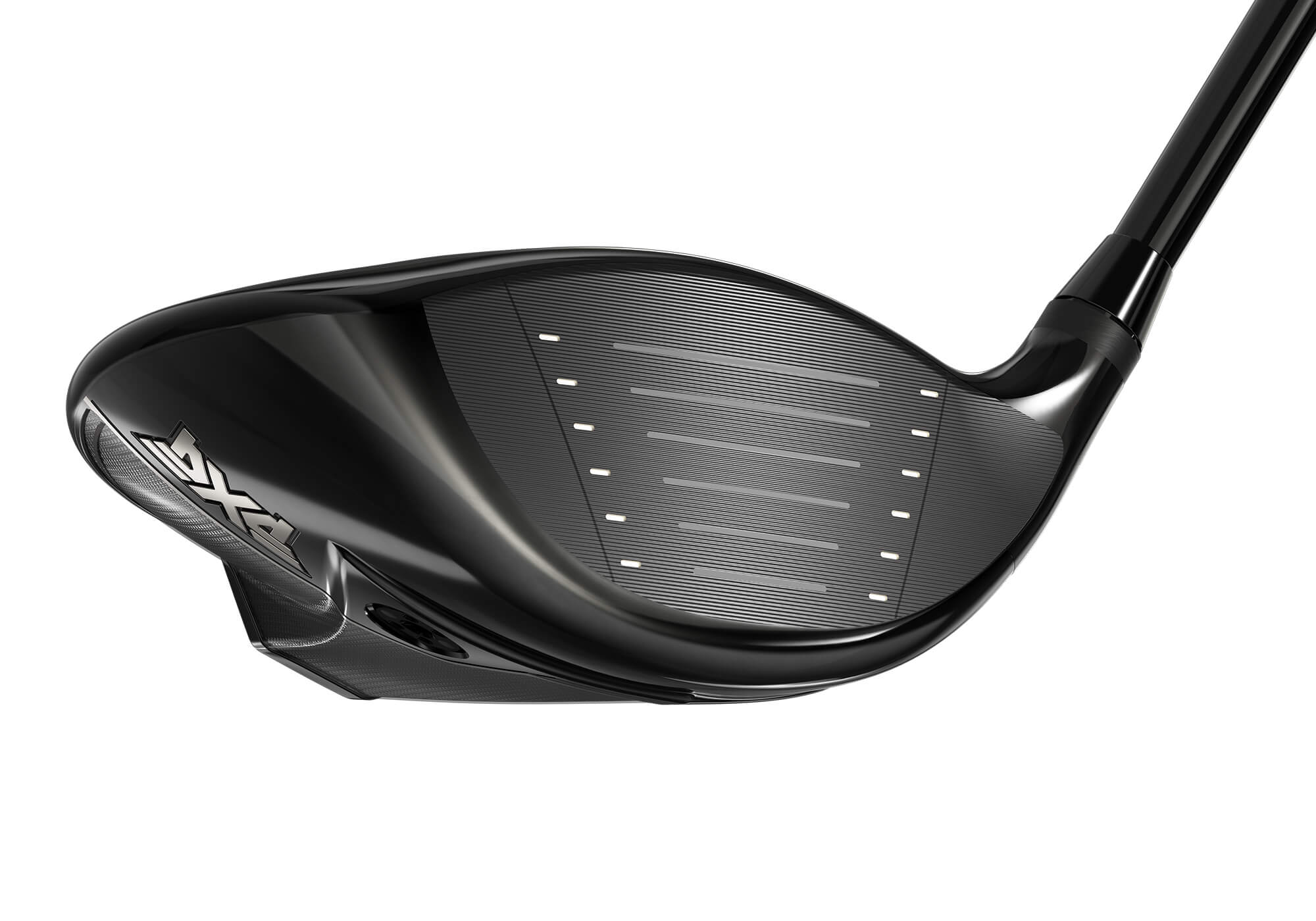
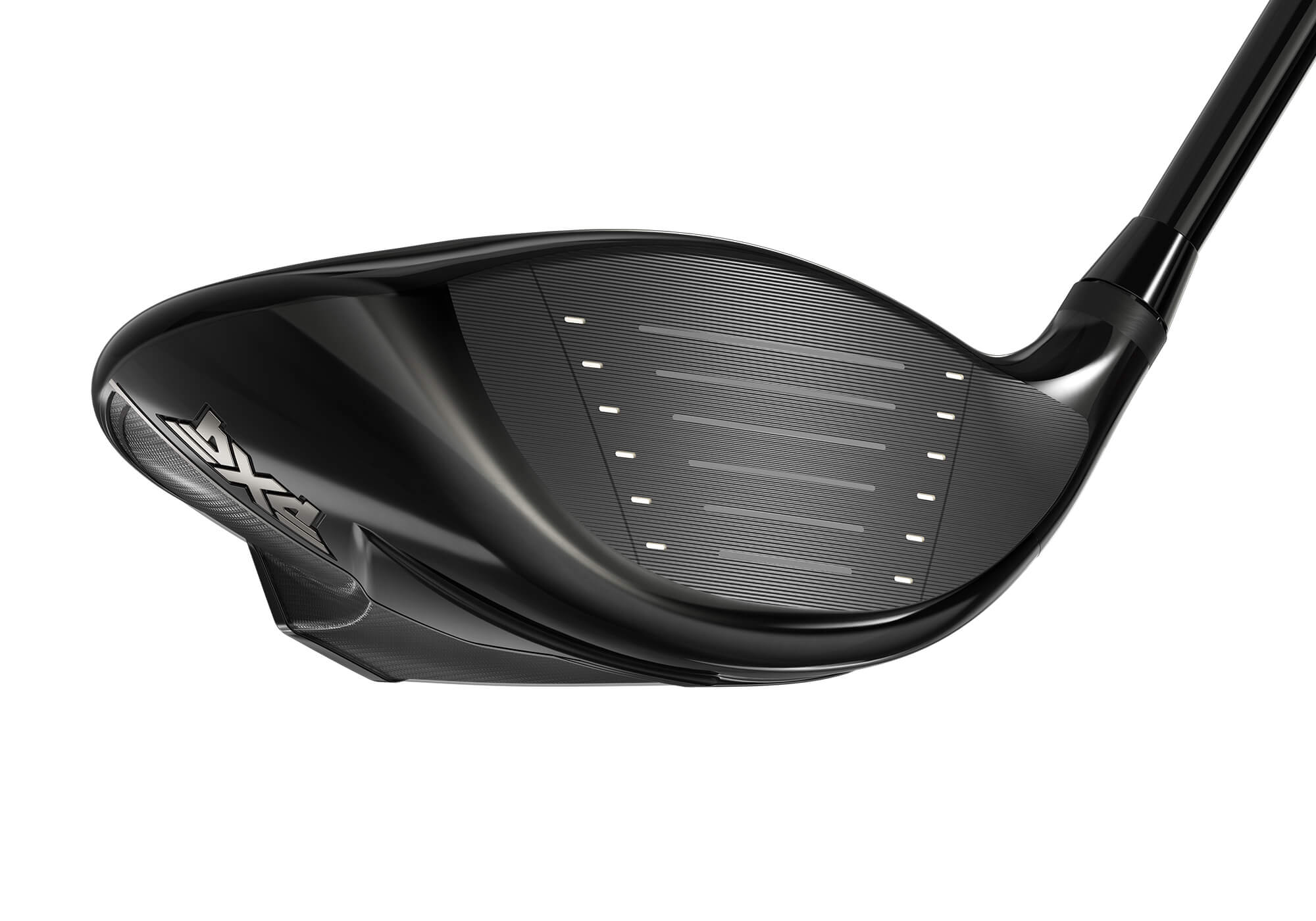
While the Frequency-tuned Face is the lead story, PXG has also introduced another key technology in the Lightning driver lineup. Etched Face Technology is simply a laser-etched face pattern that serves both functional and aesthetic purposes. According to PXG, the etched pattern provides stronger visual contrast between the face and crown—helping with alignment at address—while also providing a micro-texture that functions like “micro-grooves” across the hitting area.
In robot testing, PXG compared Lightning heads with and without the etched pattern under dry and wet conditions. The results showed that the etched surface maintained tighter dispersion and greater control, especially in wet conditions where traditional faces typically see increased variability.
In simple terms, the etched pattern helps the face “grip” the ball slightly better at impact, reducing slip and maintaining consistent spin rates even when moisture is present. PXG says the grooves contribute to more consistent carry and tighter shot groupings.
Why ride the Lightning?
With all of that said, you might be wondering what PXG sees as its advantage in the marketplace. The data by PXG suggests that it has closed the speed gap. At some speeds, the company says it’s a tick faster; in others, it’s just a tick slower.
So, ultimately, what PXG is offering is a driver that’s as fast as absolutely anything on the market while offering higher MOI than most of the competitive set (we’ll dig into that below) along with whatever real-world benefits you get from the new Etched Face.
The PXG Lightning lineup
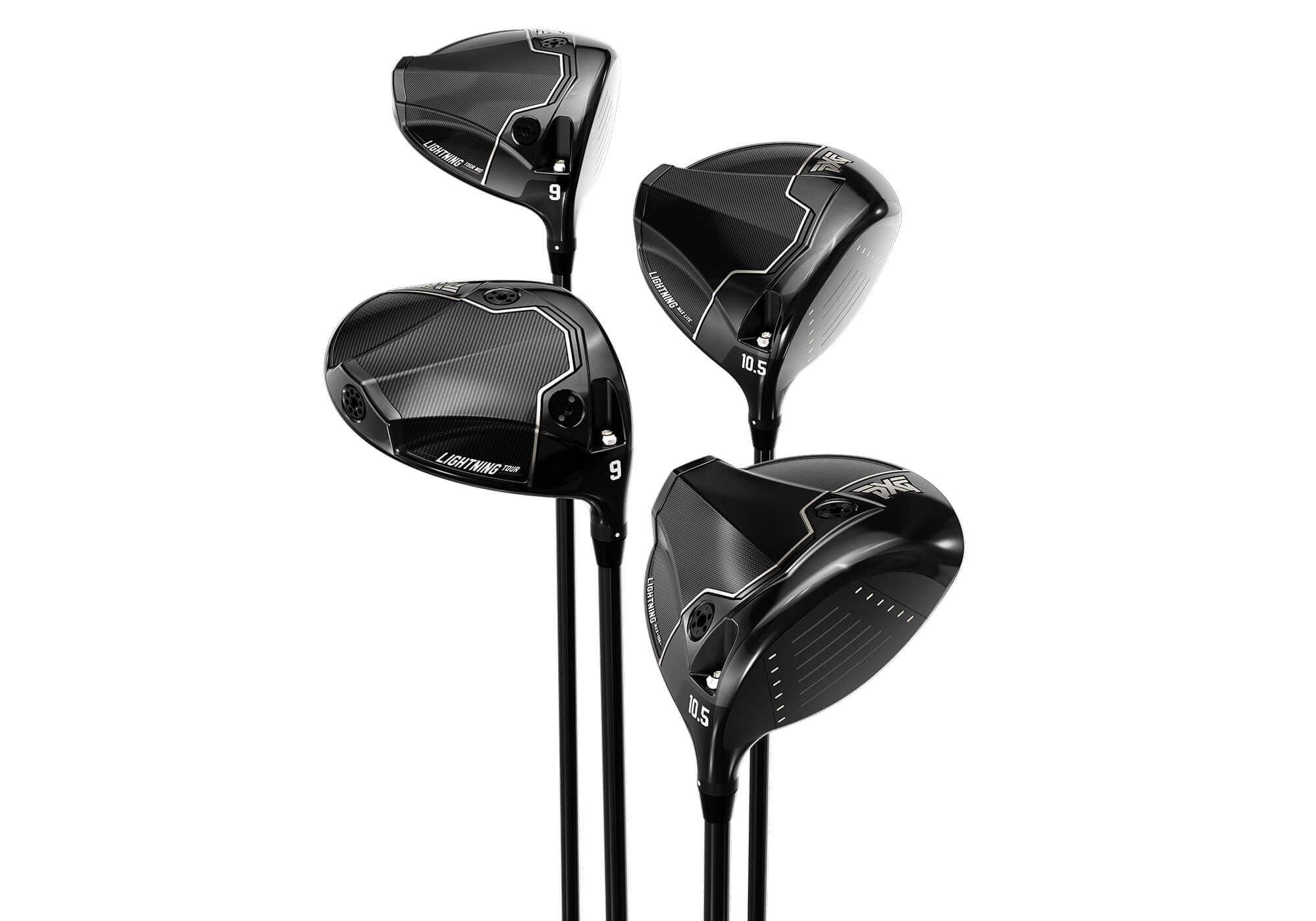
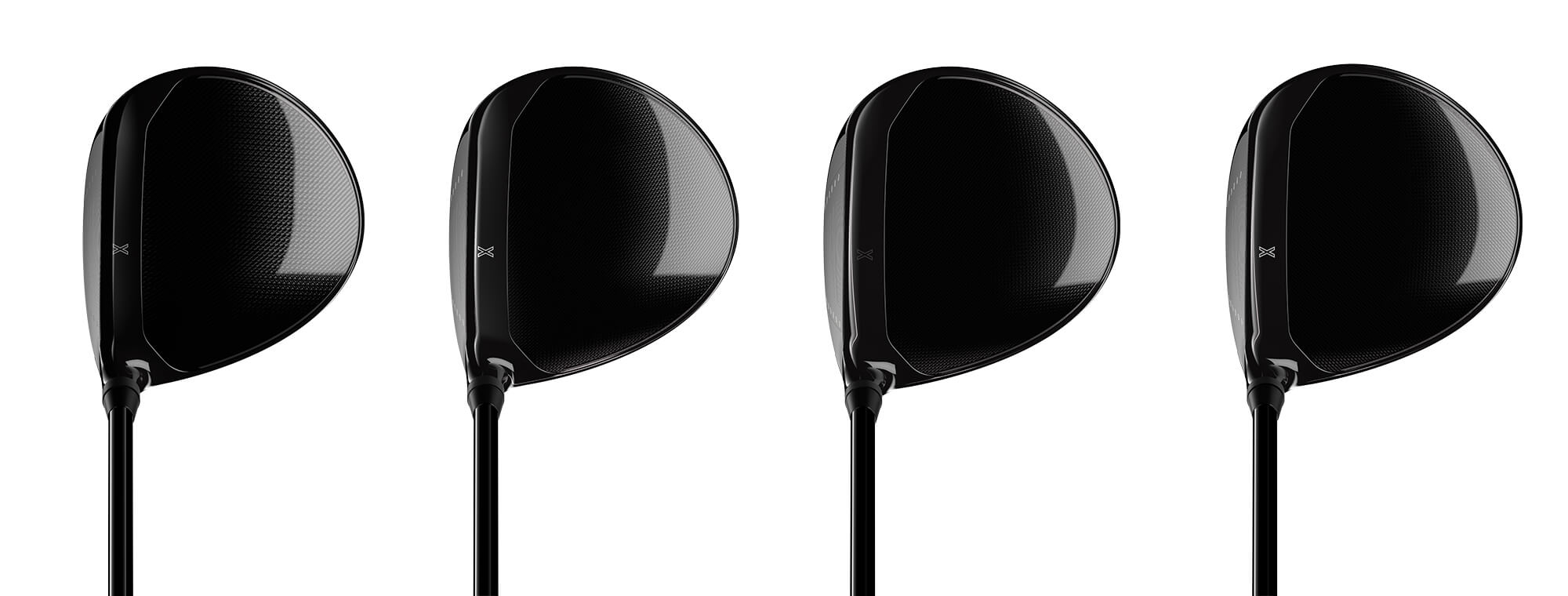
The Lightning family launches with four heads: Tour, Tour Mid, Max 10K+, Max Lite. Each shares the same face technology but PXG shapes, weights and tunes them differently to target specific player needs.
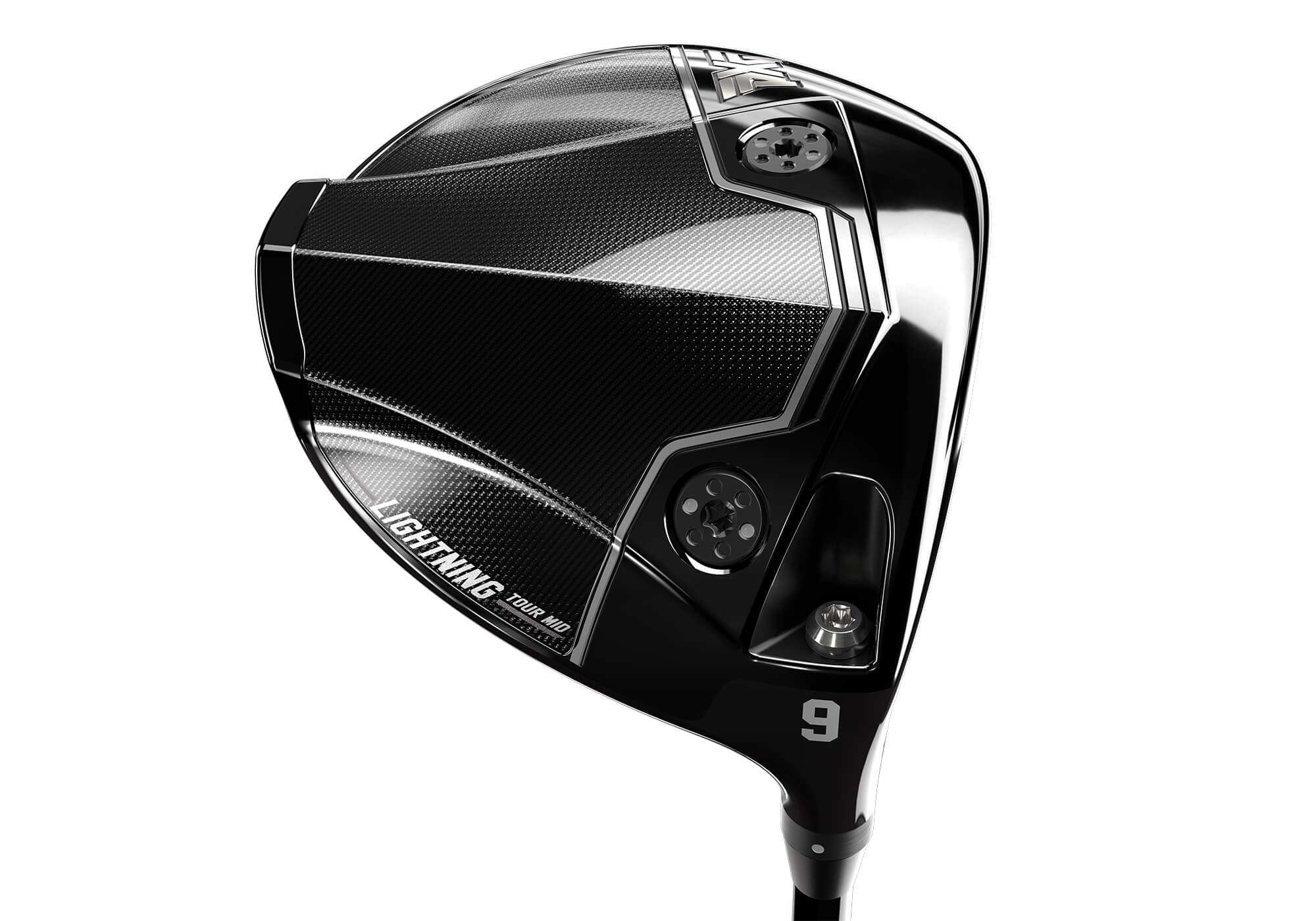
Lightning Tour
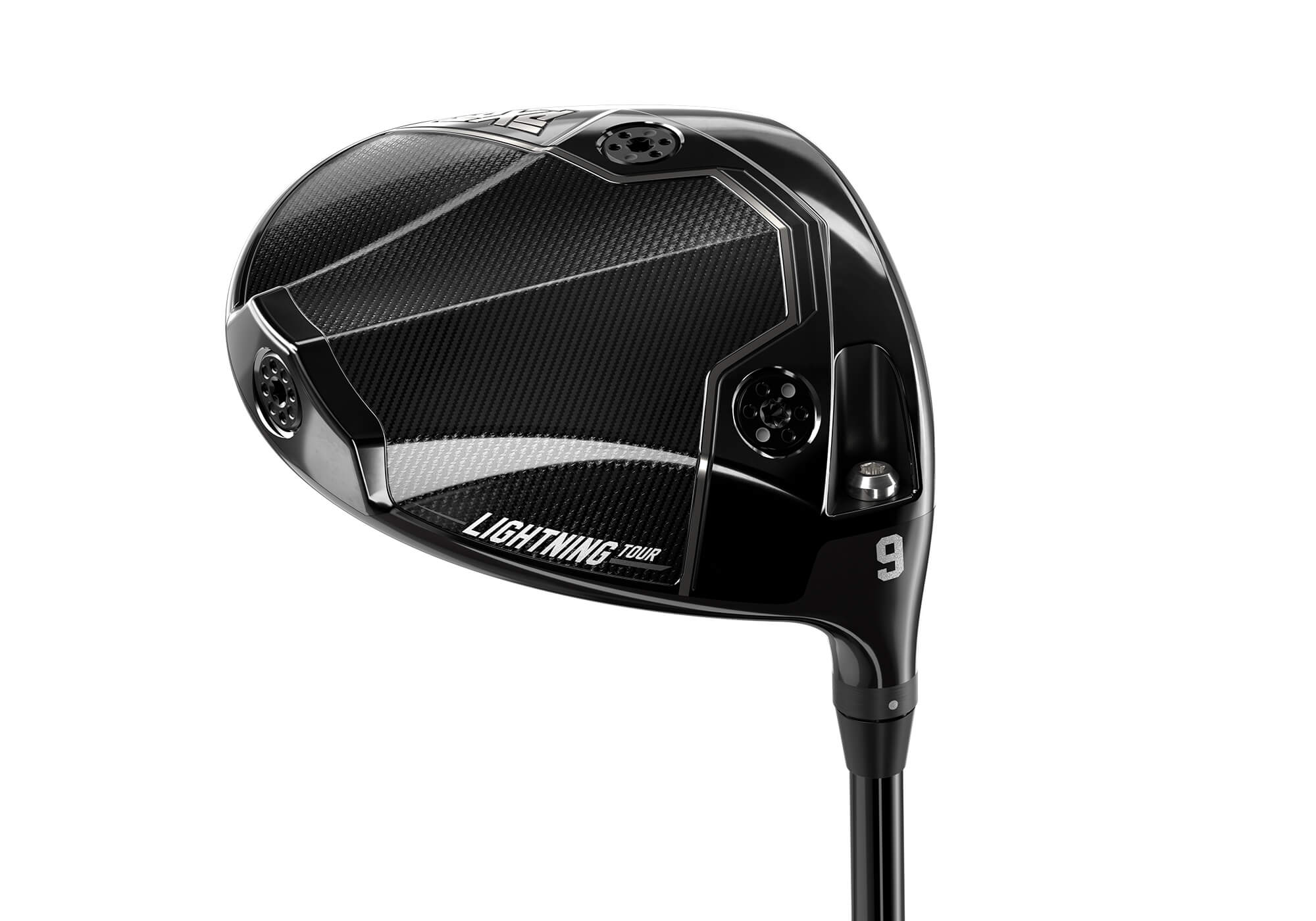
This is PXG’s purist model. It offers the most compact footprint (still 460cc) with a classic tour shape. If you want to call it the LS model, that’s fair. It offers a flatter, penetrating flight. I suppose it also qualifies as the most workable of the Lightning family, but that’s generally code for less draw bias.
As is typical with drivers that fall into the LS category, the PXG Lightning Tour should produce the highest ball speed. The tradeoff is that it’s also the lowest MOI offering in the family.
By PXG’s numbers, the Lightning Tour has a total MOI value of just under 8,300 g*cm^2. 4,900 is the heel-to-toe measurement that most golfers associate with MOI. Among LS models, that places it behind only the PING G440 LST, which, for what it’s worth, is the least “LS” of the LS models on the market right now.
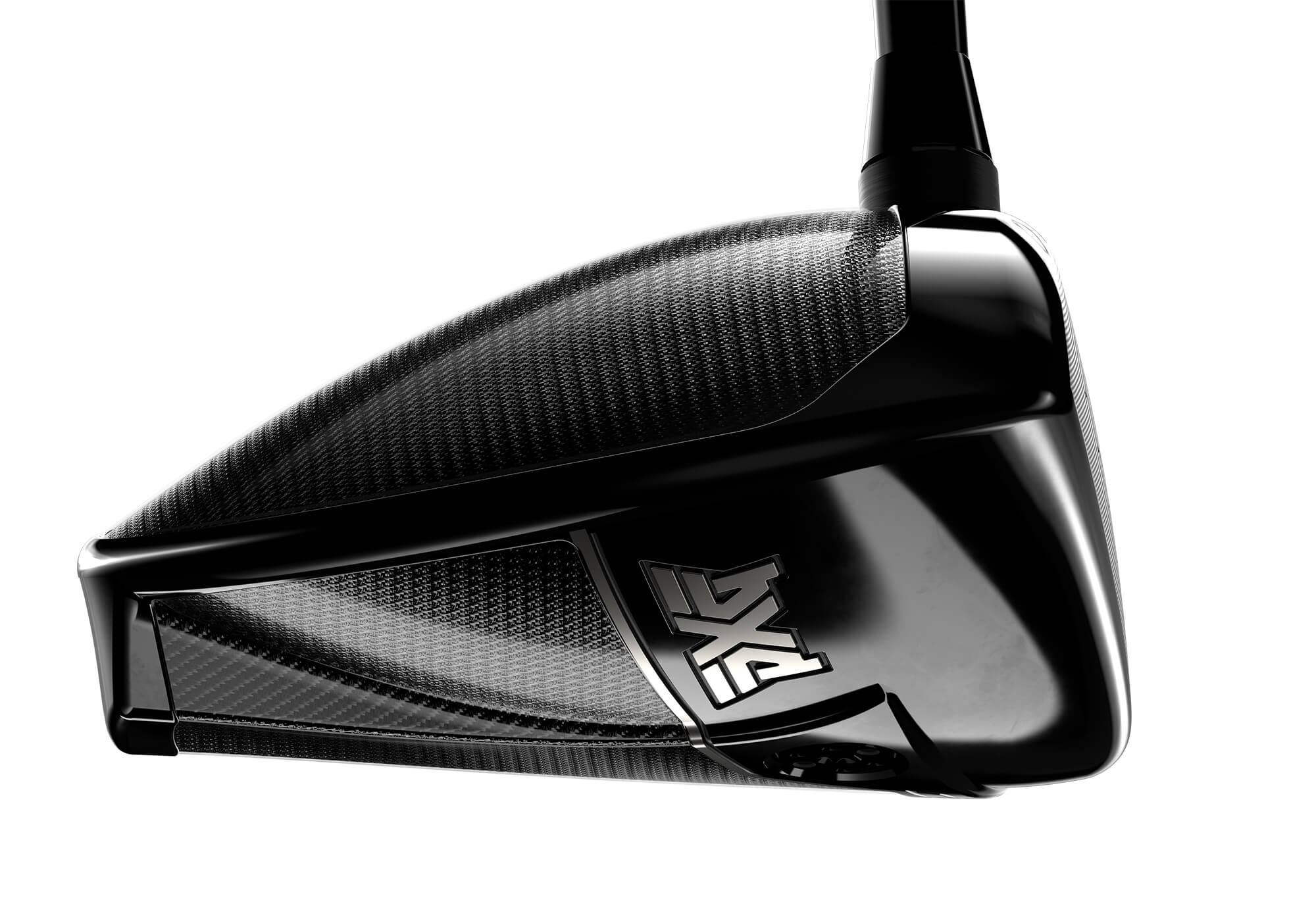
Internally, the PXG Lighting Tour carries the same 4,500-Hz face tuning as every Lightning driver but with less back weighting and tighter perimeter mass to maintain a forward center of gravity. That helps it launch lower and spin less, giving it the fastest potential ball speeds in the lineup—if you can find the middle.
In robot testing, the Tour version held its own against Titleist’s GT3, trading blows in raw speed while delivering marginally better efficiency when struck slightly off-center.
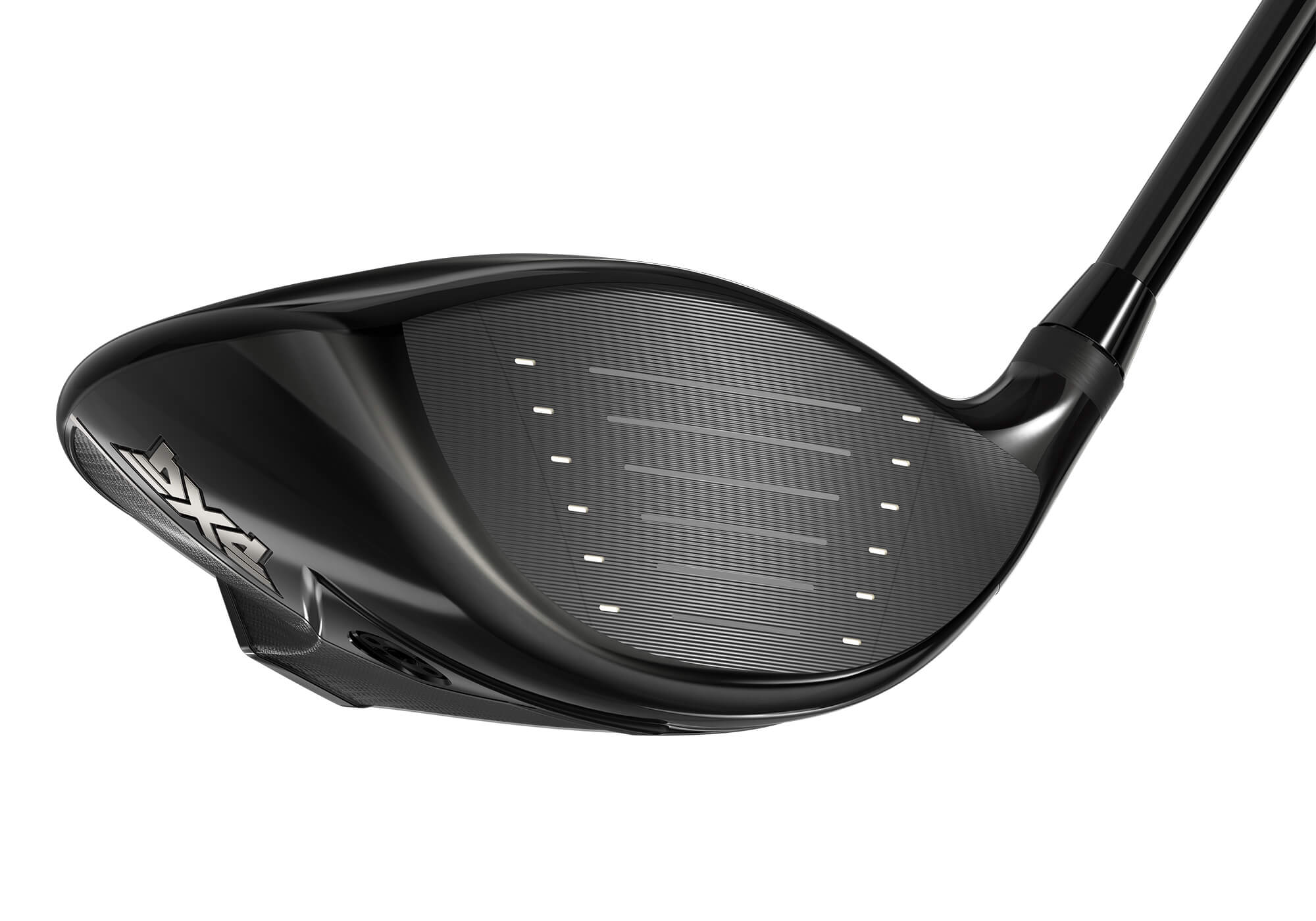
The stock build features two 7.5-gram and one 2.5-gram weights to further dial in trajectory and control.
The PXG Lightning Tour driver is available in eight, nine and 10.5 degrees in right-hand and nine degrees in left-hand. With a lie angle of 59 degrees, it’s one degree flatter than everything else in the Lightning driver family.
Lightning Tour Mid
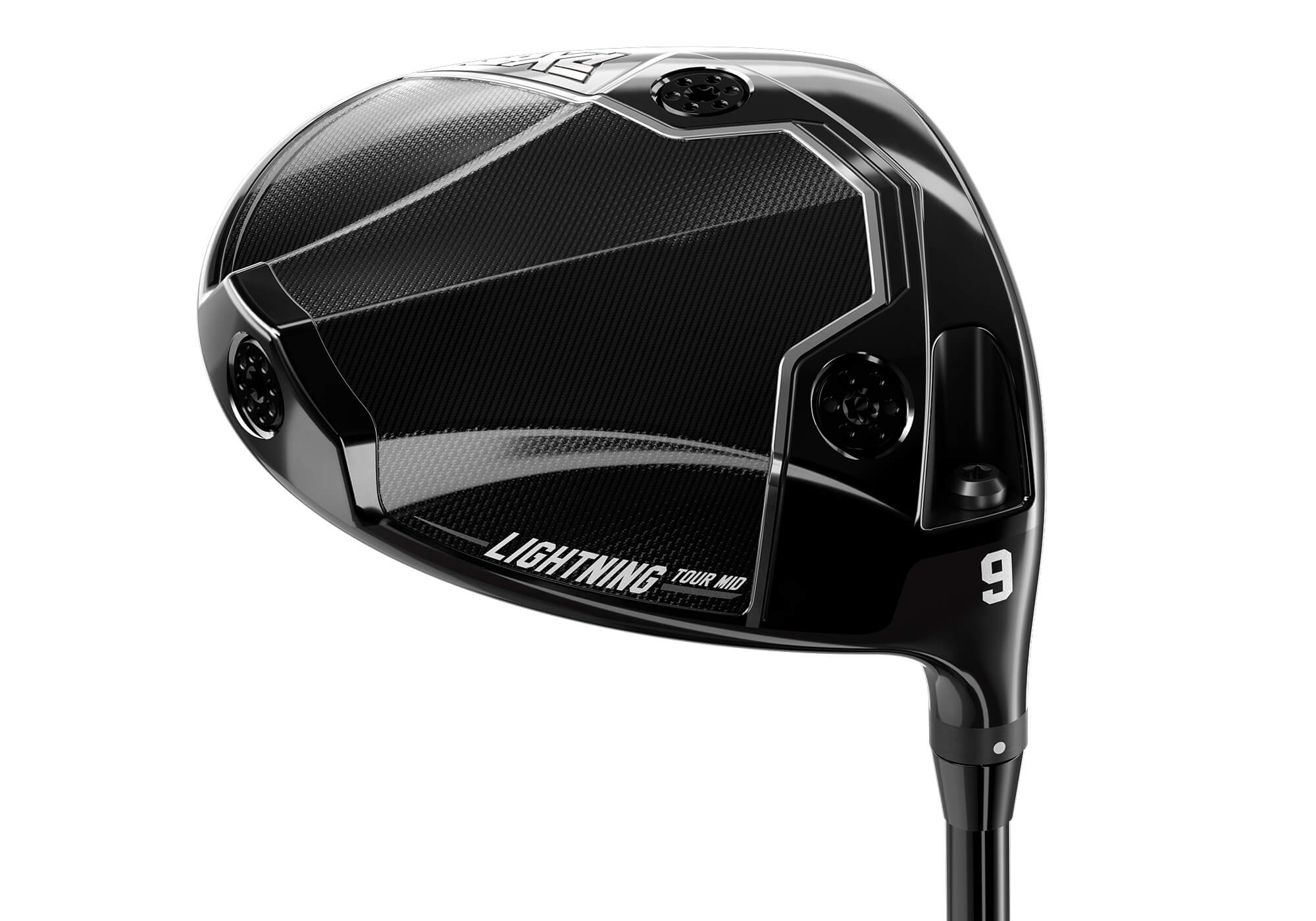
The Tour Mid softens the edges, literally and figuratively. The profile is only slightly less compact than the Tour model. I certainly wouldn’t describe as oversized or remotely like anything in the Max category, but that extra bit of stretch from face to trailing edge gives you a bit of added forgiveness.
The center of gravity sits a hair farther back, launch is marginally higher, and spin creeps up just enough to help average players keep the ball airborne.
PXG says the Lightning Tour Mid has a combined MOI of just over 9,100 with more than 5,300 of it coming in the heel-to-toe direction. That’s actually about 300 points lower in the heel/toe direction and roughly 500 points lower overall than Black Ops, suggesting the Tour Mid has just a hint of a better player’s … or at least lower spin … slant.
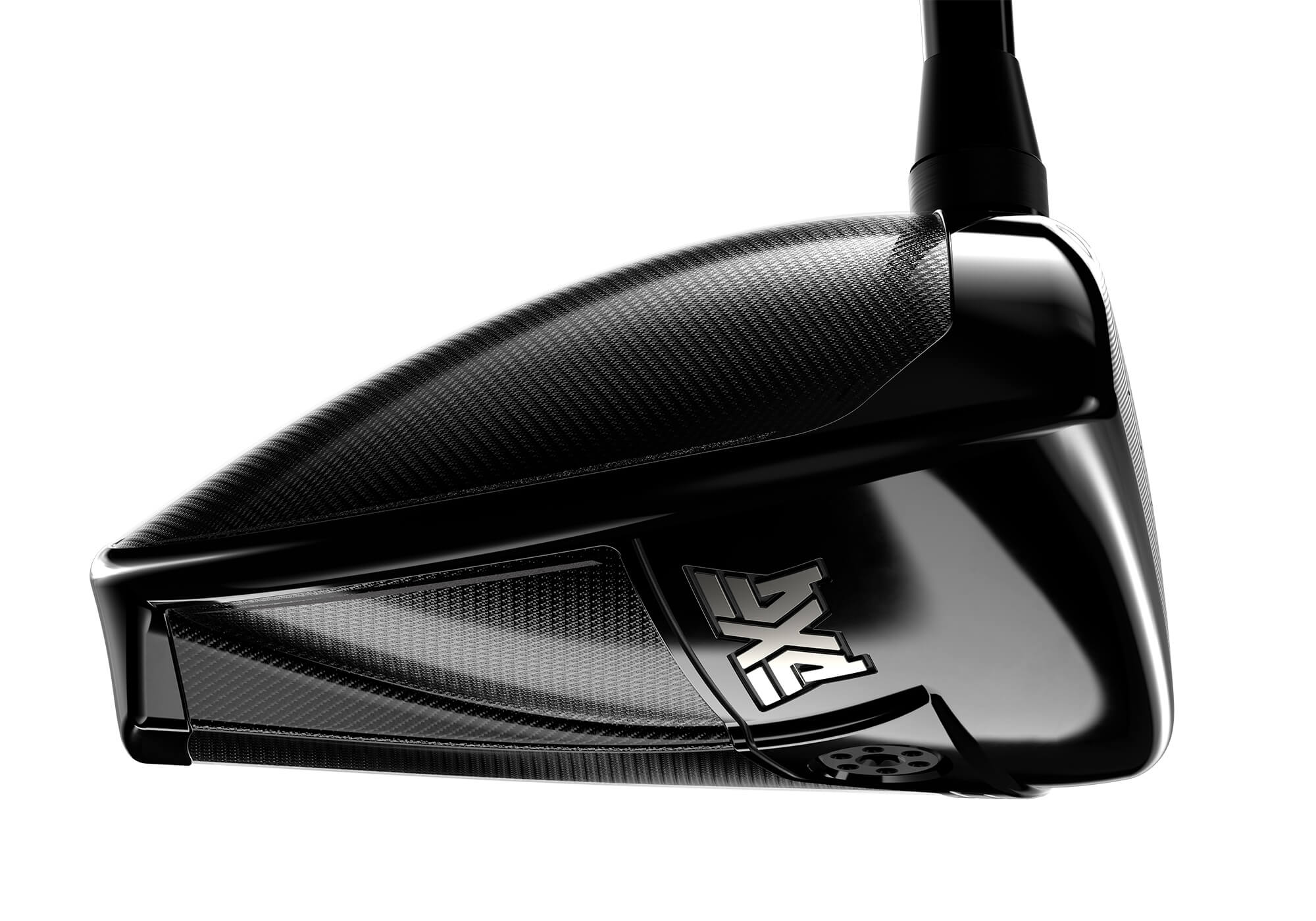
Among the competitive set (mostly middle-of-the-market “core” models), PXG’s measurements suggest it trails only the PING G440 MAX which, like the G440LS, leans heavily to the forgiving end of the spectrum.
For most golfers who still like a traditional profile but want forgiveness that doesn’t feel like a crutch, Tour Mid will likely be the sweet spot. It’s still fast, still clean-sounding and still distinctly PXG—just not as punishing.
The stock build features two 2.5-gram and one 15-gram weight.
The PXG Lightning Tour Mid driver is available in eight, nine and 10.5 degrees in right-hand and nine and 10.5 in left-hand.
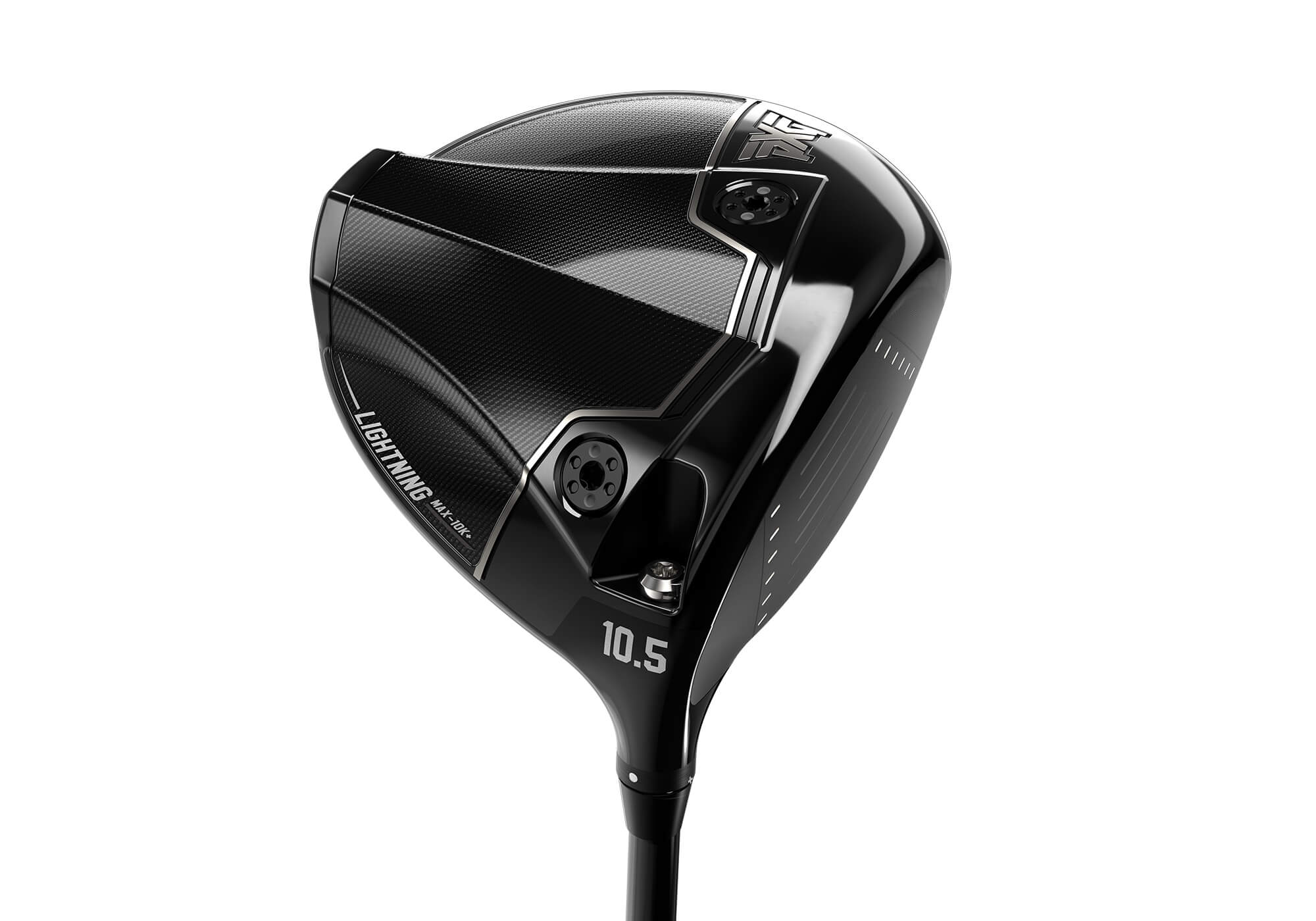
Lightning Max-10K+
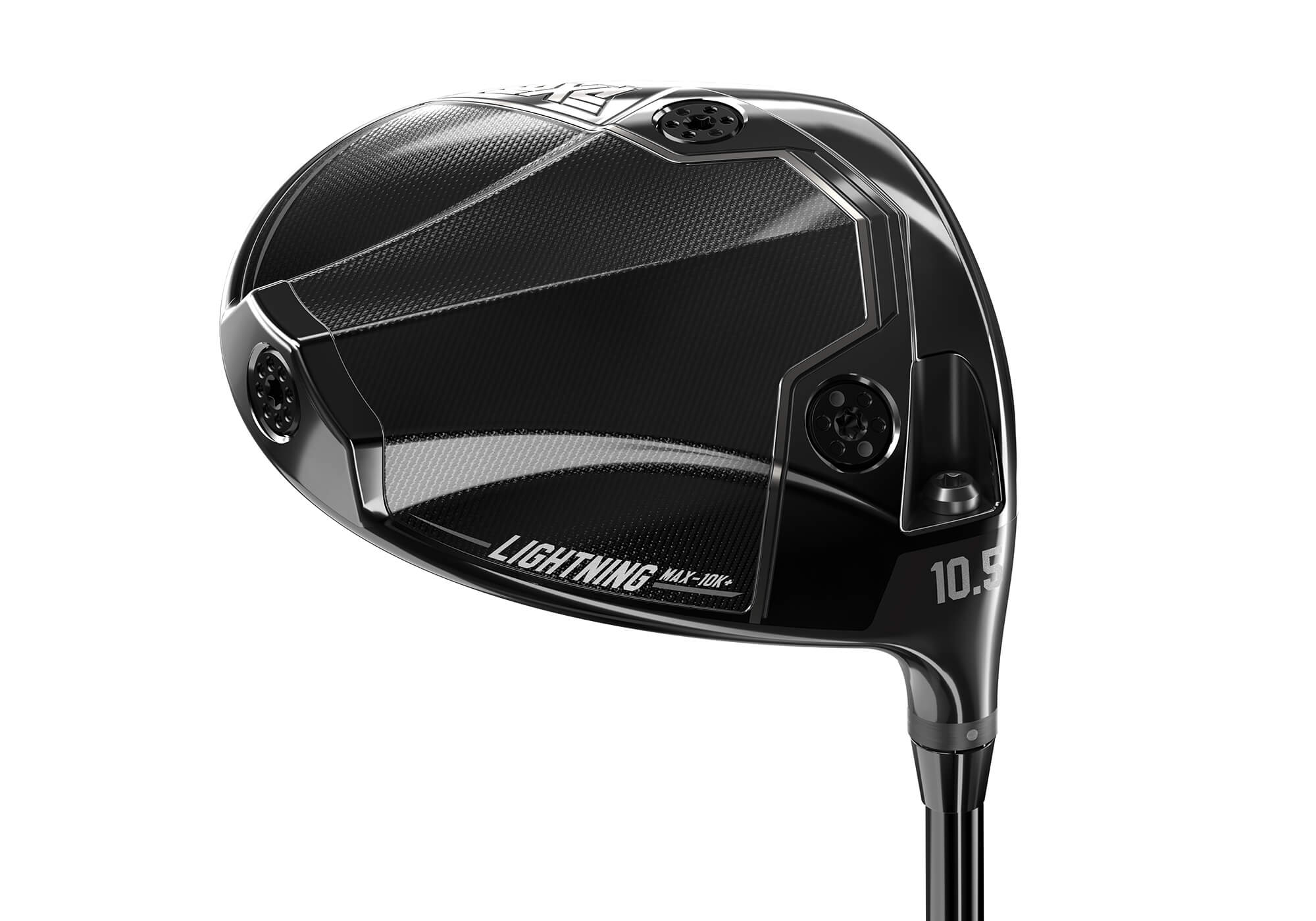
If forgiveness (or at least high MOI) is the goal, the Max-10K+ is what you’re looking for.
It’s a more elongated 460cc design with a larger (flatter) footprint.
As with other “10K” models, the name comes from its combined MOI figure of just over 10,000. PXG’s charts suggest that just under 5,800 of that comes in the heel-to-toe direction which, while not at the absolute limit, pushes it close enough (plus or minus tolerances) where you’re unlikely to notice the difference. A fun little side note that wasn’t discussed in PXG’s presentation: one of the competitive models measured tested over the USGA limit.
Folks, tolerances can sometimes work to your advantage.
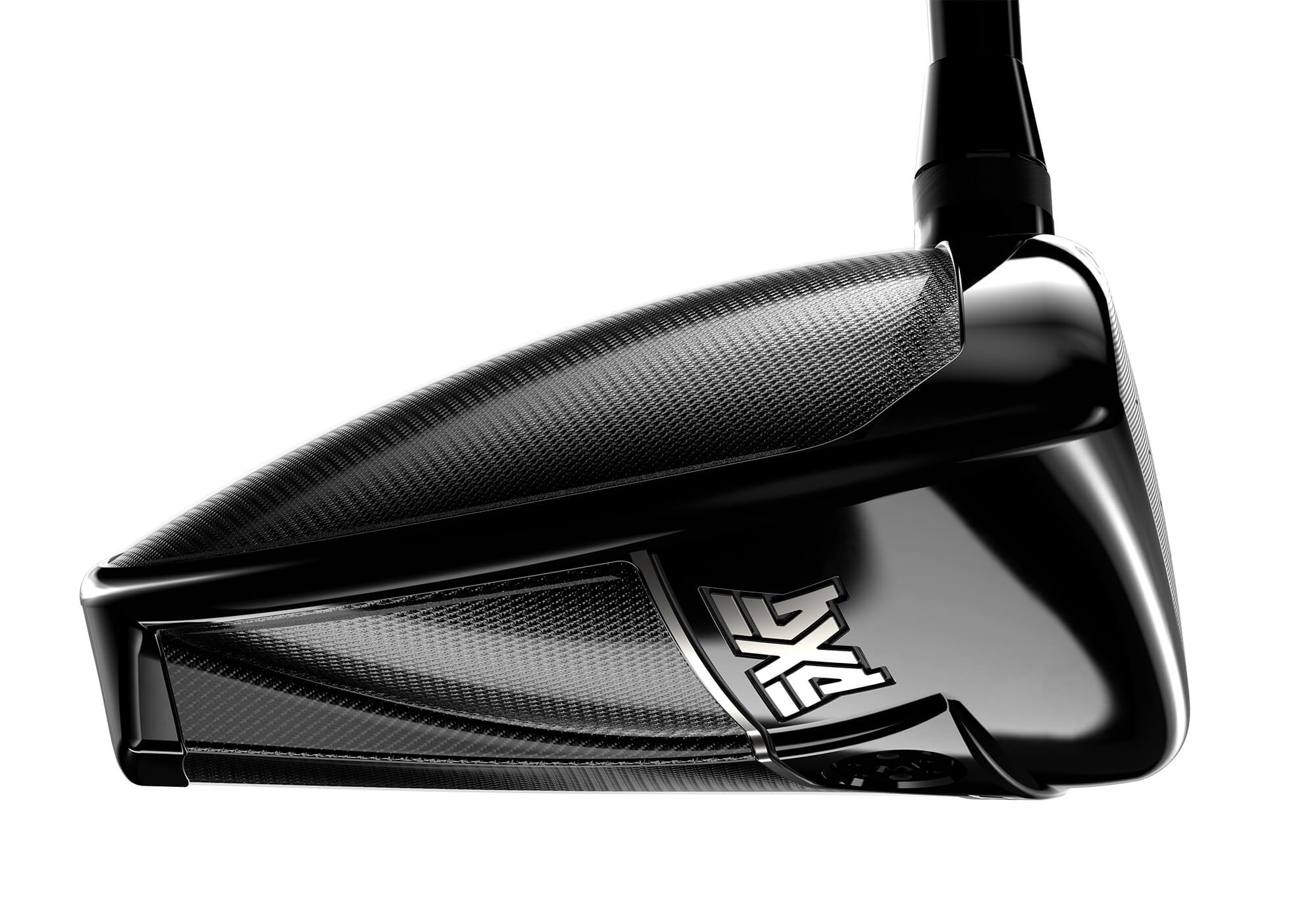
On a related note, while PXG’s Lightning Max-10K+ can technically take a 20-gram weight, PXG maxes out what you can buy with a 17.5-gram weight in the back. The extra 2.5 grams would push it over the USGA limit.
(That’s not to say you couldn’t order a 20-gram weight and swap them yourself. That’s totally hypothetical, of course. Nobody would ever do that.)
You may also notice that the forward weights in the Max-10K+ are placed more centrally than previous PXG designs. Just like adding more mass to the rear, pushing the weights closer to the perimeter would result in the Lightning Max-10K+ exceeding the USGA MOI limit.
For what it’s worth, like the Tour Mid, the stock build for the Lightning Max-10K+ features two 2.5-gram weights and one 15-gram weight.
Even within legal trim, PXG says the 10K+ is the most forgiving driver it has made to date. With that, PXG’s data shows that ball speed drop-off across the face is the lowest of the four Lightning models.
The PXG Lightning Max-10K+ driver is available in eight, nine and 10.5 degrees in right-hand and nine and 10.5 degrees in left-hand.
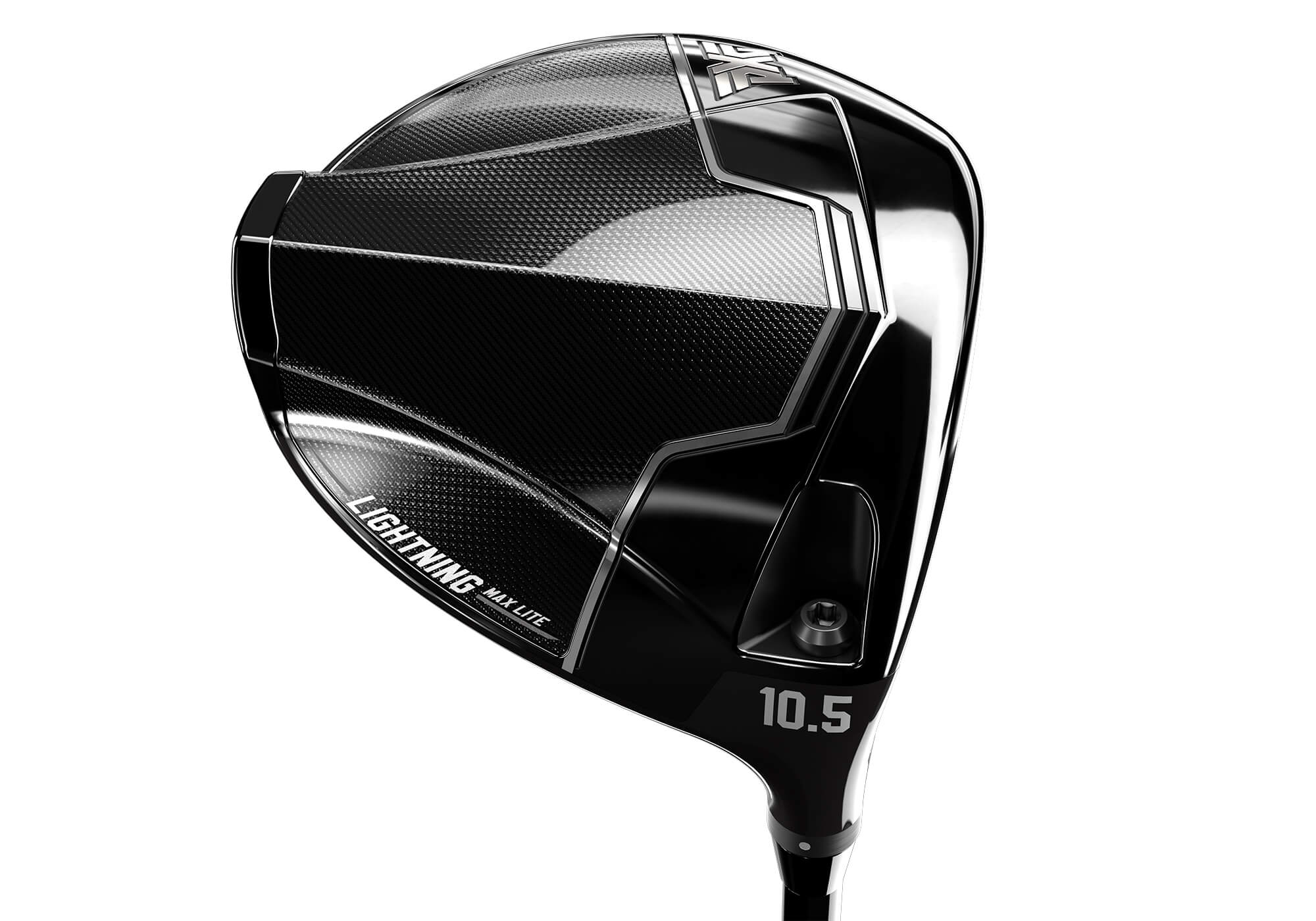
Lightning Max Lite
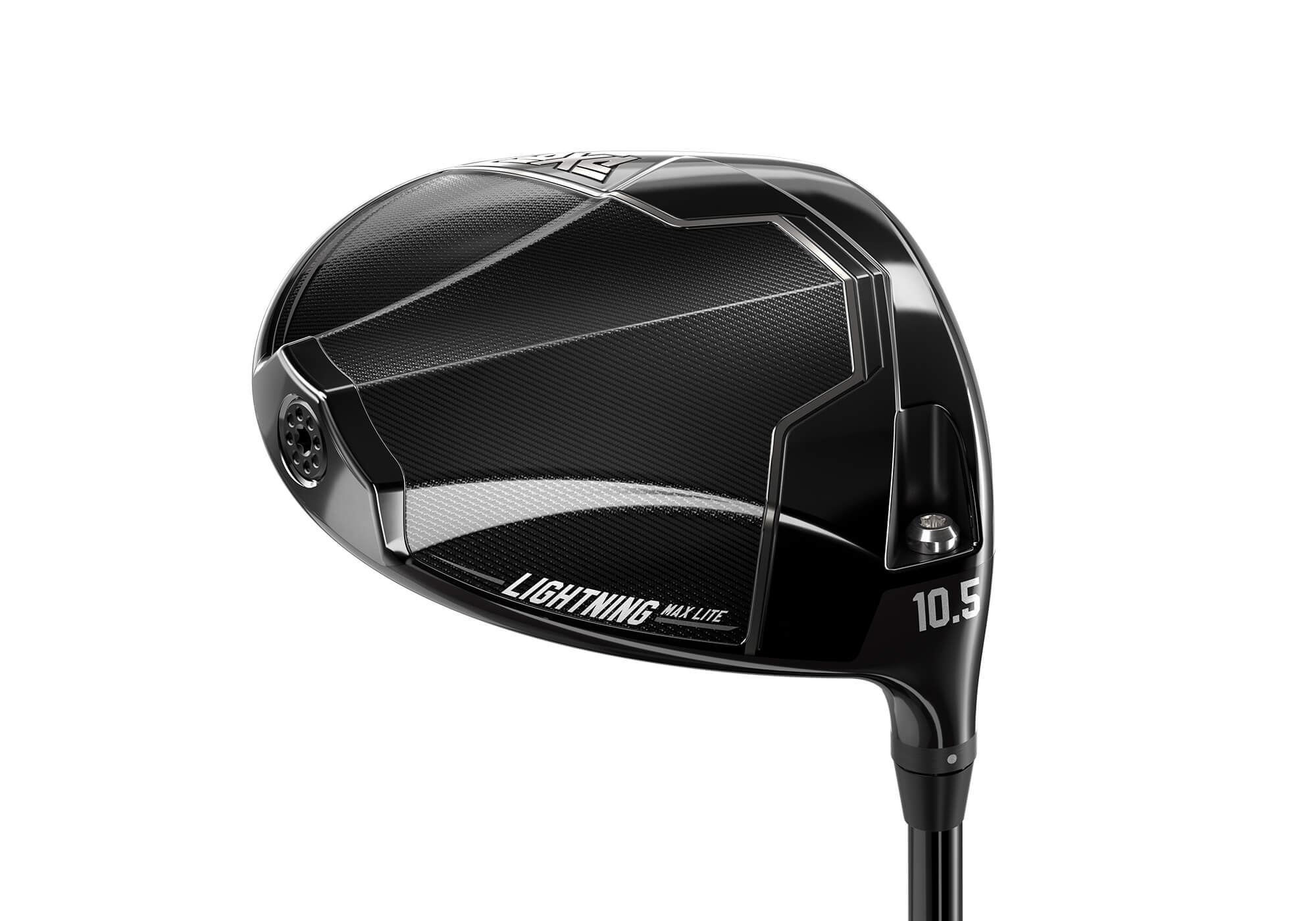
The Lite model rounds out the lineup, built for moderate swing speeds or players who benefit from a lighter overall head. Despite shedding grams, it still carries the frequency-tuned architecture.
As with other “Lite” drivers, the goal here is weight reduction that works to the benefit of otherwise speed-challenged golfers.
At 189 grams, the stock head weight is 14 grams lighter than other Lightning models, but the single weight port gives fitters the flexibility to build from 179 grams up to 196.
As weight is a significant contributing factor to MOI, there is a penalty to be paid for the lighter head. The good news is that most lower speed players don’t really need the extra forgiveness and with a combined MOI of nearly 8,300 (4,900 heel-to-toe), the Lightning Max Lite is a long way from unforgiving anyway.
It’s a rare case where “Lite” doesn’t mean “less engineered.”
The PXG Lightning Max Lite is available in 10.5 and 11.5 degrees in both right- and left-hand.
Feel and sound
One side effect of all this frequency work is sound and Lightning sounds different than previous PXG models. Because energy isn’t sloshing through the sole or crown, impact registers as a sharper, more face-forward tone. PXG calls it “clean” and that’s accurate: less hollow, less echo-y and more like a quick crack than a metallic boom.
Feel follows suit. The sensation is solid but not muted. Whether players love that or not will depend on preference but it’s unmistakably distinct from prior PXG drivers.
My fitting experience
For what it’s worth, my own fitting session was illuminating. I didn’t bother trying the Lite version—unofficially, I’m too fast and too young for it. (Let me have this. Please.)
The Max 10K+ didn’t agree with me. With the back-CG setup, it felt like Peter Dinklage was hitching a ride on the back of the clubhead. I’ve never been a back-CG, max-MOI guy, so this didn’t come as any real surprise.
I love the look of the smaller Tour head but, for me, the flight was lower than ideal. I wasn’t looking to add the spin that would come with more loft and while it pains me to admit it, I simply wasn’t as consistent with it as I was with the Tour Mid. At least it still has “Tour” in the name, which makes me feel slightly better about it.
The most interesting twist: I was fitted into a shaft (Ventus Red) that’s never really worked for me in the past. In the fitting bay—and in the Drive, Pitch & Putt challenge at PXG’s launch event—it absolutely did. I’m genuinely curious to see if that translates to the course.
The takeaway
PXG’s Lightning project isn’t about bending rules or rewriting physics. It’s about timing. Instead of chasing thinner faces, PXG focused on synchronizing the club and ball. It’s a not entirely sexy piece of engineering that probably won’t headline a commercial but will matter to players who care about what really happens at impact.
In real-world terms, the gains are modest but meaningful. The drivers are faster—by a measurable, albeit not huge, margin—and more consistent on mishits.
Maybe that’s the point. With PXG Lightning drivers, you don’t need to hit perfect shots—just well-timed ones.
Specs, fitting considerations, price, availability
| Model | Available Lofts (RH / LH) | Lie Angle | Head Weight | Notes |
|---|---|---|---|---|
| Lightning Max-10K+ | RH: 9°, 10.5°, 12° / LH: 9°, 10.5°, 12° | 60° | 203 g | MOI ~10,095 g·cm²; PXG will not sell with 20g back weight. |
| Lightning Tour Mid | RH: 8°, 9°, 10.5° / LH: 9°, 10.5° | 60° | 203 g | MOI ~9,122 g·cm²; slightly larger profile with mid-spin, neutral flight. |
| Lightning Tour | RH: 8°, 9°, 10.5° / LH: 9° | 59° | 203 g | MOI ~8,290 g·cm²; most compact, lowest-spinning option. |
| Lightning Max Lite | RH: 10.5°, 11.5° / LH: 10.5°, 11.5° | 60° | 189 g | MOI ~9,667 g·cm²; lightweight build (179–196 g adjustable range). |
PXG Lightning drivers are available now.
The post PXG Lightning Drivers: Timing The Moment Of Impact appeared first on MyGolfSpy.
