ORLANDO, Fla. — The Cubs do not traditionally dive too deep into free-agent waters when it comes to adding to the bullpen. In such a volatile part of a roster, president of baseball operations Jed Hoyer prefers to find other avenues beyond multiyear deals for solving relief needs.
That stance has loosened some, as evidenced by the signing of righty Phil Maton to a two-year contract last month and the Cubs’ pursuit of Tanner Scott last winter before he inked a four-year pact with the Dodgers. Chicago’s multiple bullpen vacancies and need for impact arms at the back end have necessitated more flexibility within its typical modus operandi.
“You want to be disciplined, but you don’t want to be rigid,” Cubs general manager Carter Hawkins said on Tuesday evening at the Winter Meetings. “And we have to be agile and understand that we don’t have everything perfect and we might have to make changes. And our context changes. Our needs change.”
The context for the Cubs is this: Brad Keller, Caleb Thielbar, Drew Pomeranz and Andrew Kittredge — four of the primary arms at the end of last season’s 92-win campaign — are not in the picture right now. Kittredge was traded to the Orioles earlier this winter, while Keller, Thielbar and Pomeranz are among Chicago’s many free agents.
The Cubs’ bullpen is a near-empty cupboard as a result.
When the relief market began to move quickly last month, Chicago jumped at the opportunity to add Maton to the mix via his $14.5 million deal. Asked Monday if the Cubs could still pursue established arms on multiyear pacts, Hoyer replied: “I think we can definitely be in that market.”
The Dodgers struck again in that space on Tuesday, reaching a three-year, $69 million deal with free-agent closer Edwin Díaz, sources told MLB.com’s Mark Feinsand. Devin Williams (Mets), Raisel Iglesias (Braves), Ryan Helsley (Orioles) and Emilio Pagán (Reds) have also come off the board. Robert Suarez and Pete Fairbanks are among the late-inning arms still out there in free agency, along with Keller.
“If you look at just our current depth chart and where there are spots,” Hawkins said, “there’s a bigger gap in our bullpen. It’s an easier conversation to have. Other deals, other moves, oftentimes kind of require a double bank shot to make it all work. It’s just a lot cleaner thinking about our bullpen, so those are definitely conversations we’re having both on the trade and free-agent market.”
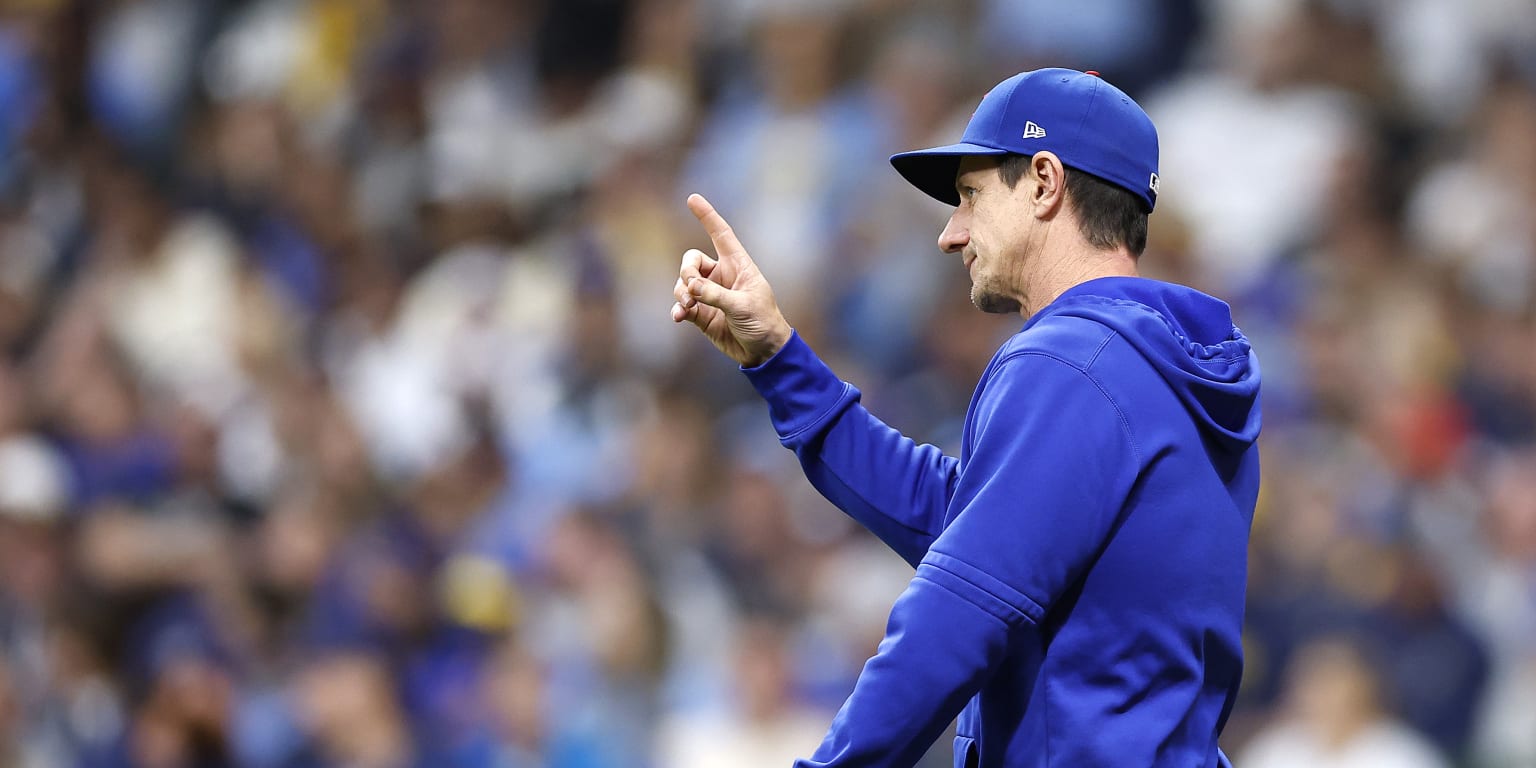
When the Cubs were in the midst of a midyear makeover in the bullpen last season, manager Craig Counsell called the hunt for relief arms a 365-day process. In his first two years at the helm, Counsell has seen Hoyer’s front-office team make adjustments during a campaign, using waivers, trades and small signings to build depth, take a chance and see what sticks.
Looking at the Cubs’ Opening Day bullpen last year, only Keller (a non-roster invitee) and Thielbar (one-year deal) lasted the entire season. Three others (Julian Merryweather, Nate Pearson and Ryan Pressly) were jettisoned in-season and another (Eli Morgan) was non-tendered this winter.
Porter Hodge, who emerged as a closing option as a rookie in ’24, dealt with injuries, struggles and spent time back at Triple-A Iowa last season. Colin Rea started in the bullpen, but then worked as a starter for most of the year due to injuries. Daniel Palencia — who saved 22 games in ’25 — opened the year in the Minors.
The Cubs’ bullpen finished fifth in the National League with a 3.78 ERA, but not without a turbulent journey to identifying the right combination en route to the playoffs.
“What we thought about our bullpen going into the season,” Counsell said on Tuesday, “we were wrong. We were pretty wrong on it. We ended up pitching pretty well, but I think [compared to] the start of the season, it maybe wasn’t the guys that we expected to do it.
“So, it just shows, I think it’s: Get a bunch of good arms and kind of see what happens. And have enough ability to pivot when you have to during the season.”
Some of that will include still searching for bullpen fits through smaller transactions, which remains Hoyer’s preferred method. But expect the Cubs to keep looking for larger moves on that front to address what is a real need for reinforcements.
“We’ve got a lot of work to do completing our bullpen,” Counsell said. “You’re never going to be satisfied with what you have from a pitching perspective.”
