How do you break a habit?
By Rasika Ratnaparkhi
Do you have a habit you wish you could change? Most of us do. If you think deeply, you will probably find at least one that slows you down, something that drains away your time and energy and maybe something that’s just not good for you. Breaking such habits is not easy. You might try to resist it, to fight the urge and stay firm. But it’s difficult. There is another approach. Instead of fighting a habit, replace it with something meaningful. From personal experience, I have found this to be far more powerful. When the mind discovers new excitement and purpose, the old habit slowly begins to fade on its own.
Gambling is a good example. It’s thrilling, addictive. Sometimes it’s disguised as harmless fun. It feeds on the human desire for risk and reward. But if that same energy is redirected toward something positive, imagine the results! And that’s not just theory. There are real stories that prove it.
This story comes from Neerodi, a small town in Tamil Nadu. Most people there are fishermen. After long hours of fishing, cards are a source of entertainment for them. Gambling became a part of their daily life many years ago. It started affecting the children as well. Some of them started working to earn extra money for the household. They ended up carrying responsibilities far beyond their age. It was not just about money. It was also about what they were learning. They could easily pick up the wrong priorities. But change happened through two young boys.
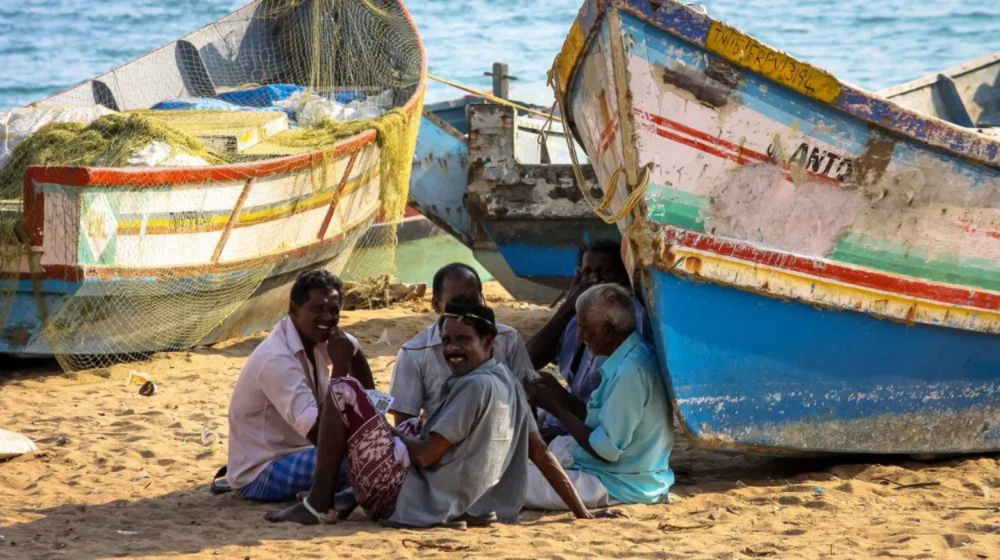
Most people in Neerodi work as fishermen, and the village is known as the “Fishing Village” of Tamil Nadu | Photo: Neerodi Facebook page
In Neerodi, a few elders used to play chess on a small wooden board that would cost barely Rs. 100. Two little kids, Tito and Santo, would sit beside them and observe the moves. Soon, they began trying to play on their own. Seeing their interest, the elders allowed the boys to use the board after their games.
At the time, football was the only popular sport in the village. Chess was unfamiliar, almost invisible! Marlet and her husband, Mr. Wilbert, who are parents of Tito and Santo, knew nothing about tournaments or competitive play. But for them, everything changed when they noticed a newspaper announcement for a tournament in Nagercoil. They decided to take their children to the tournament. It became the first time anyone from their village travelled such a distance just to play chess. They reached the venue only minutes before the event began, totally unaware that registrations had already closed. But the organisers were kind enough to let the boys participate. And to their surprise, 5-year-old Santo won third prize in the Under-8 category. But when the results were out, the family was confused about the final standings. They shared it with the Chief Arbiter, IA Ephrame M. He patiently explained the Buchholz tiebreak system to them. That conversation changed everything.
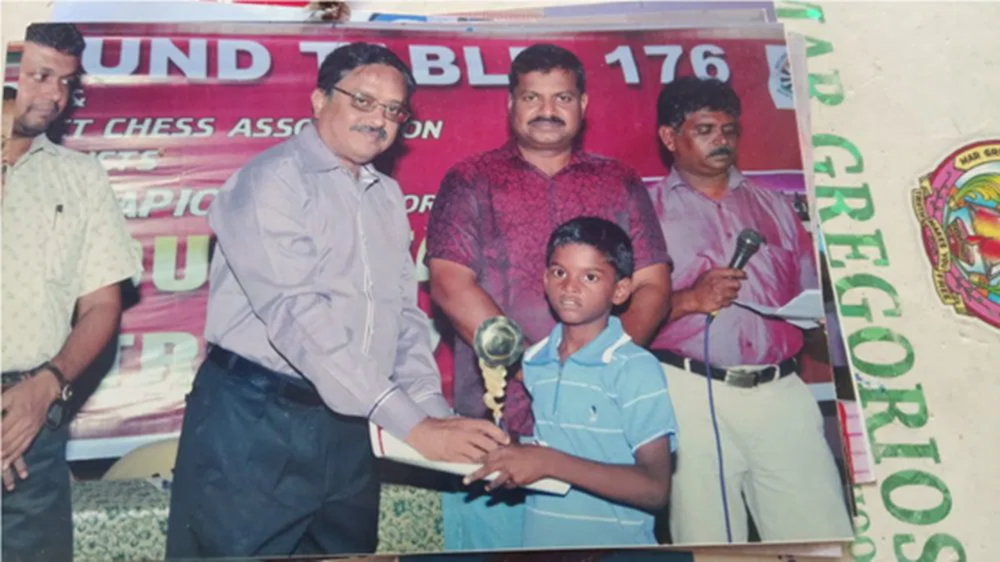
Santo Wilbert receiving the trophy from the president of the Kanyakumari district Chess Association in the U-7 Category
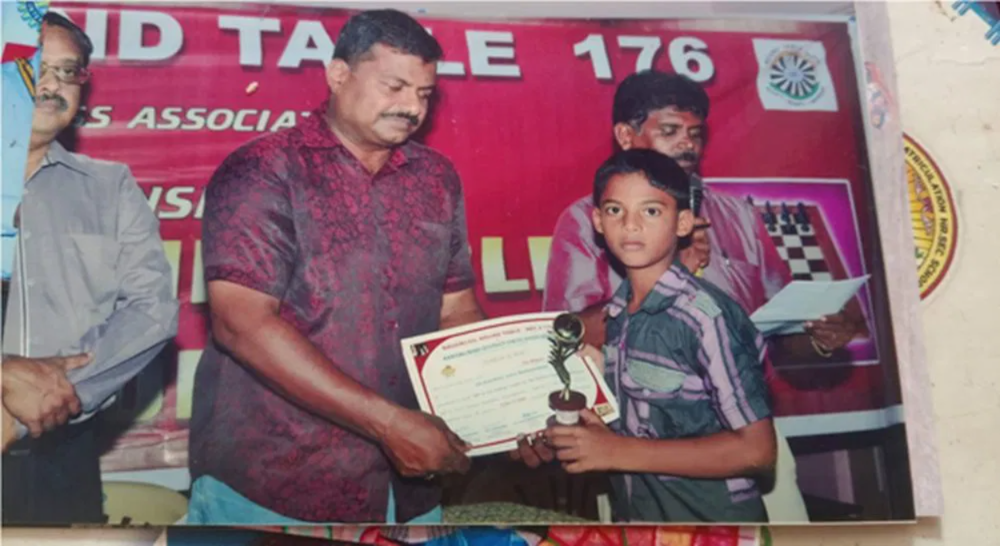
Tito Wilbert receiving the trophy from Mr. Dino, the Chairman of Nagercoil Round Table, in the U-9 Category
How the vision took shape
Reflecting on his own journey, Ephrame once said.
I had spent years in chess in multiple roles, as a player, coach, arbiter, organiser and office bearer. At one point, I began to think about what more I could do. How could my lifelong experience in chess benefit society?
The encounter with the Wilbert family gave him an answer. When they contacted him again for guidance, he felt inspired to show the story of these two boys to draw more people toward chess and, through it, bring a positive change to Neerodi.
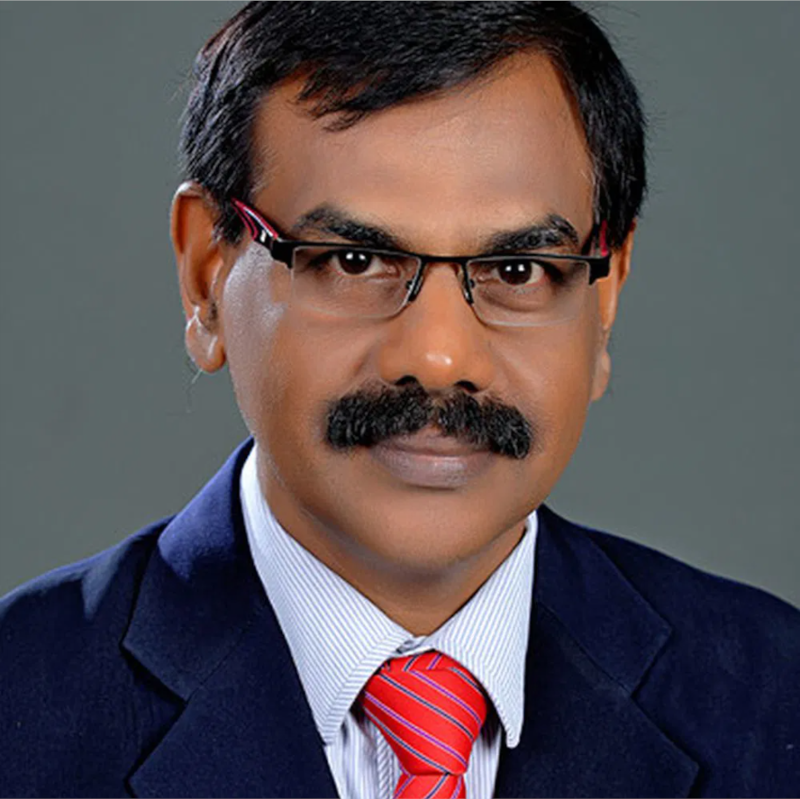
IA Ephrame M of Tamil Nadu, a key figure behind the grassroots chess movement in Neerodi
Families began thinking, “If two boys from their own community could learn the game, travel for tournaments, and win prizes, perhaps their children could too”. Slowly, the chessboard began replacing the cards. “The most important part is motivation. Helping people understand how chess benefits real-life thinking, decision-making and discipline. Once they see these values, they naturally become interested and eager to learn”, Ephrame explained.
As Marlet accompanied her children to tournaments, another transformation began. While the boys played, she closely observed the arbiters. “I watched how the arbiters conducted the events with discipline and clarity. I admired their work”, she shared.
During one such event, Ephrame encouraged her to consider becoming an arbiter herself. She shared her desire to support children from fishing communities and help chess reach more families. He advised her to take the FIDE Arbiter examination so she could guide young players better. This decision was not easy for Marlet. In 2013, the seminar fee of Rs. 25,000 felt overwhelming. But Ephrame spoke to her husband and explained how this qualification could benefit the entire community. Before the seminar, he also conducted a week-long training program with model exams to boost her confidence.
During this period, he shared his project idea, “Chess Replaces Gambling”. Marlet and her husband immediately liked the concept. They decided to implement it in Neerodi. Masters Chess Academy and Ephrame helped them distribute chess sets to the community. Some volunteers received training to teach basics in nearby schools.
**
The journey of the “Chess Replaces Gambling” project | Video: Andrews Ephrame
Ephrame trained Marlet as an arbiter and as a trainer under the Chess in Schools program. He also worked with Mr. Wilbert, though Wilbert later stepped back due to limited teaching experience. He also visited a nearby matriculation school in Marthandamthurai and convinced the principal to introduce chess as an extracurricular activity. But the school had one simple condition. A coach had to be arranged. Marlet stepped into that role.
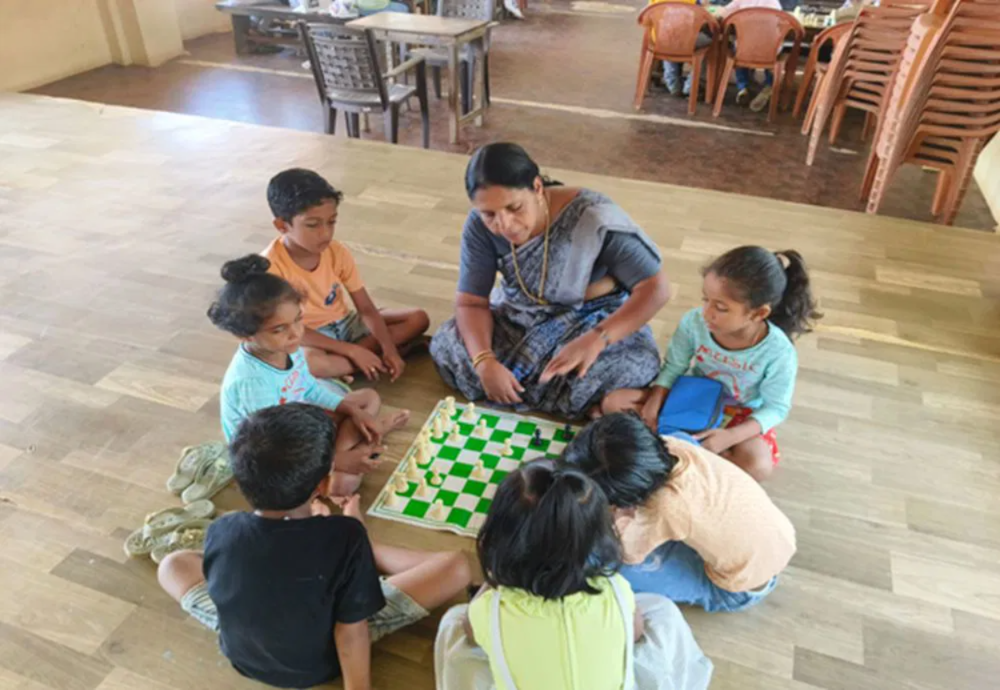
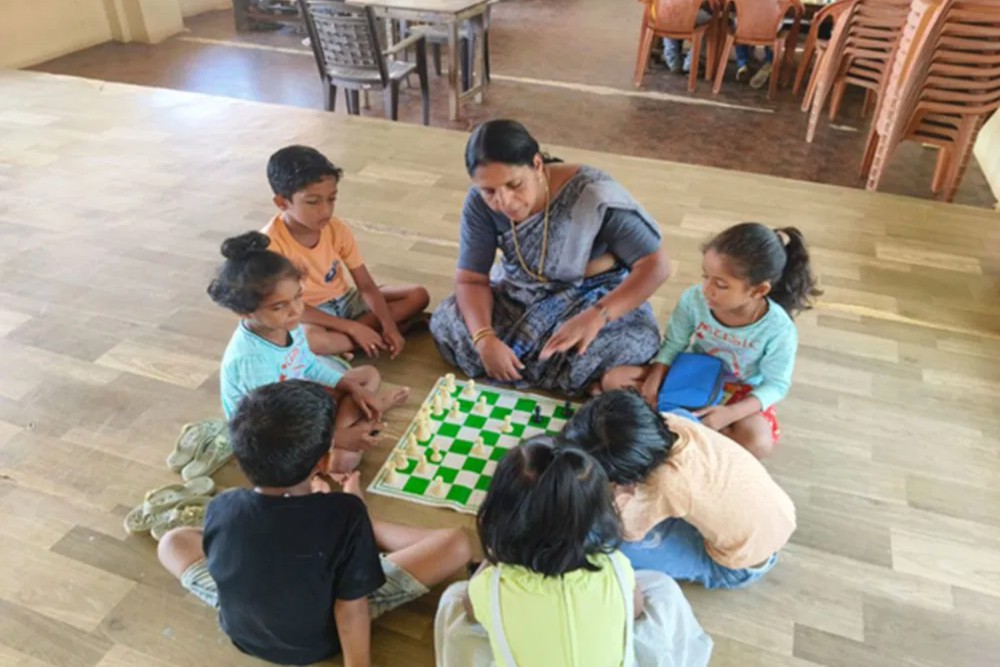
Coastal Children training program by IA Jain Marlet
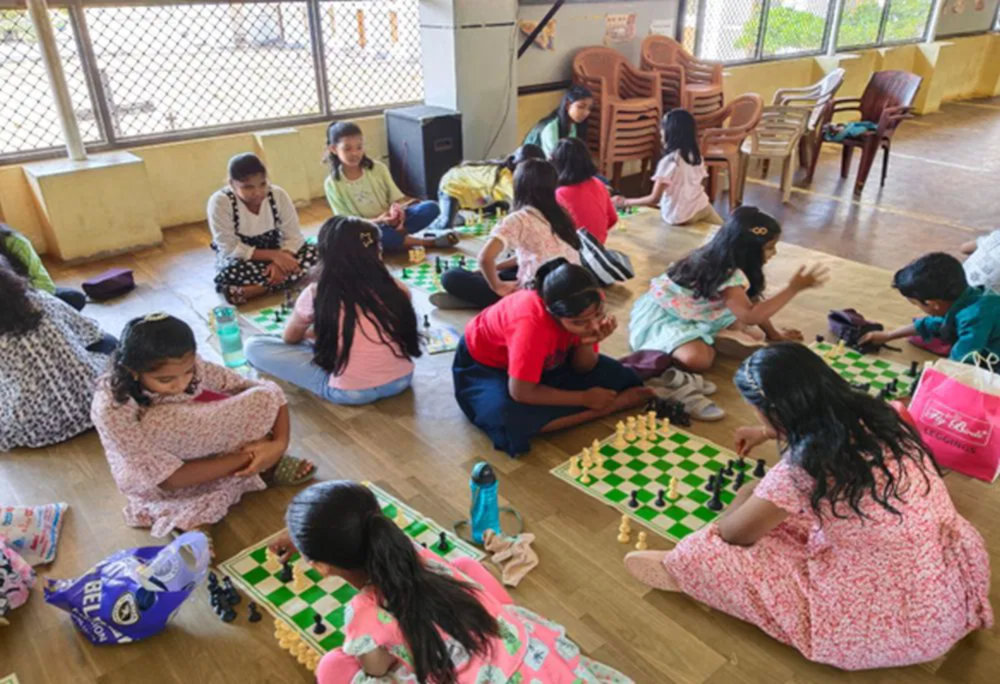
Young students enjoying a chess session in Neerodi, Tamil Nadu
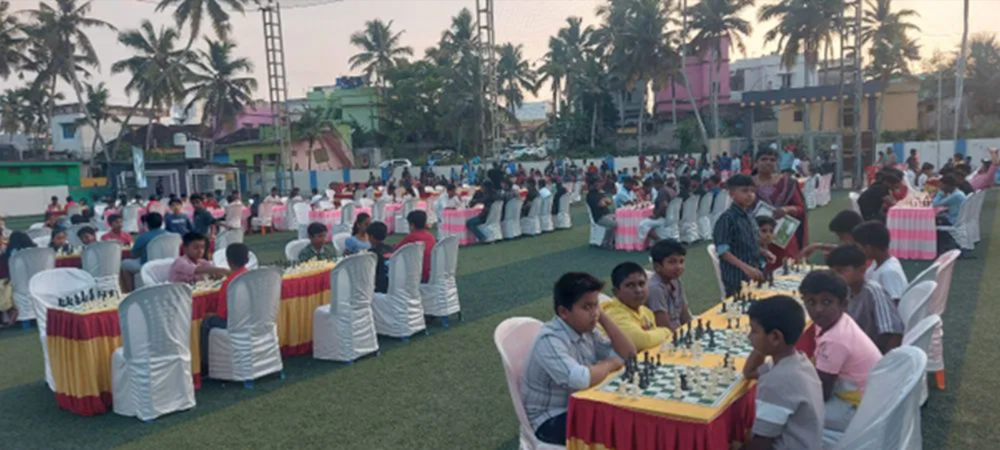
The 3rd St. Xavier’s Chess tournament held in December 2024
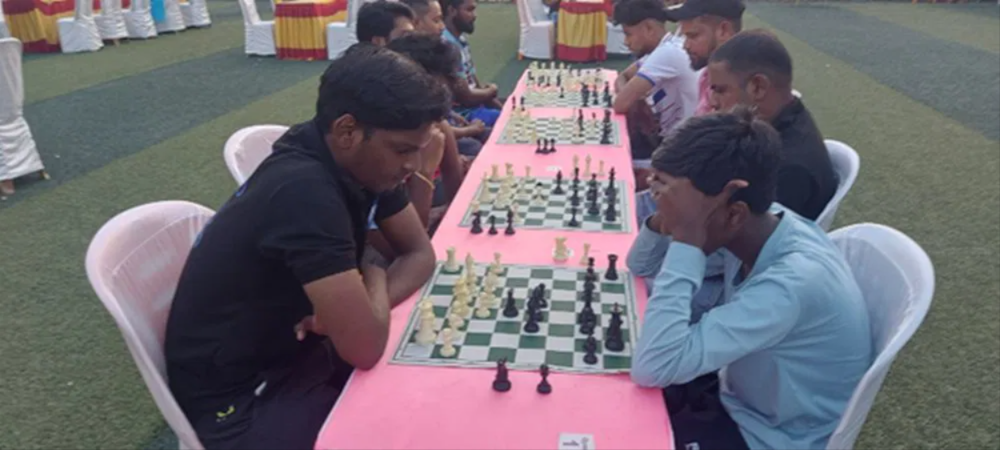
The 3rd St. Xavier’s Chess tournament held in December 2024
Under her guidance, children from coastal villages began participating in tournaments in Nagercoil and beyond. Many won prizes. Parents who once viewed chess with curiosity now saw its value firsthand. Local parish priests noticed the growing interest and began arranging sponsorships for tournaments. Community spaces were offered as venues. Local sponsors stepped in. Chess became a collective movement in Neerodi!
Over time, Ephrame trained nearly 25 coaches and arbiters who visited schools across the district under the Chess in Schools program. Thousands of children learned the basics of chess. The same model slowly reached other coastal villages.
Ephrame planted the first seed. Many hands watered it every day.
One of Marlet’s most unforgettable experiences came in 2022, when she organised a major tournament exclusively for the fishermen community. She said:
We wanted to conduct a professional event, almost on the level of an international tournament, even though our budget was limited. I didn’t know who would sponsor it, but I had complete faith. Our community members contributed little by little, and soon many youngsters joined me.
The tournament began at 4 PM and continued until midnight! It featured U-7, U-9 and Open categories exclusively for fishermen. The response exceeded expectations! Over 220 entries came from the village alone. Many players were unfamiliar with chess clocks and learned to use them during the event itself. Ephrame was present as the chief guest. The turnout and the seriousness with which the participants played reaffirmed that the community had begun to believe.
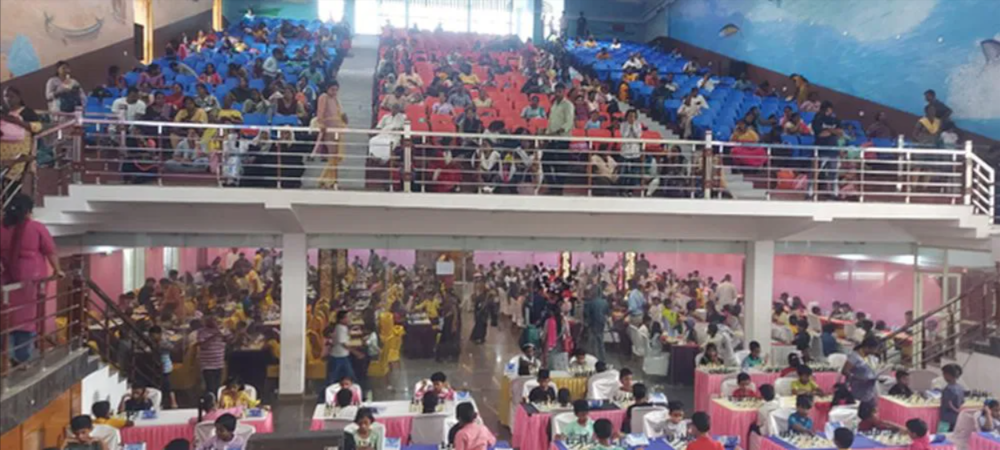
Children from across the region participated in a big chess tournament in Neerodi
Data, plans, practice – the new Opening Report In ChessBase there are always attempts to show the typical plans of an opening variation. In the age of engines, chess is much more concrete than previously thought. But amateurs in particular love openings with clear plans, see the London System. In ChessBase ’26, three functions deal with the display of plans. The new opening report examines which piece moves or pawn advances are significant for each important variation. In the reference search you can now see on the board where the pieces usually go. If you start the new Monte Carlo analysis, the board also shows the most common figure paths.
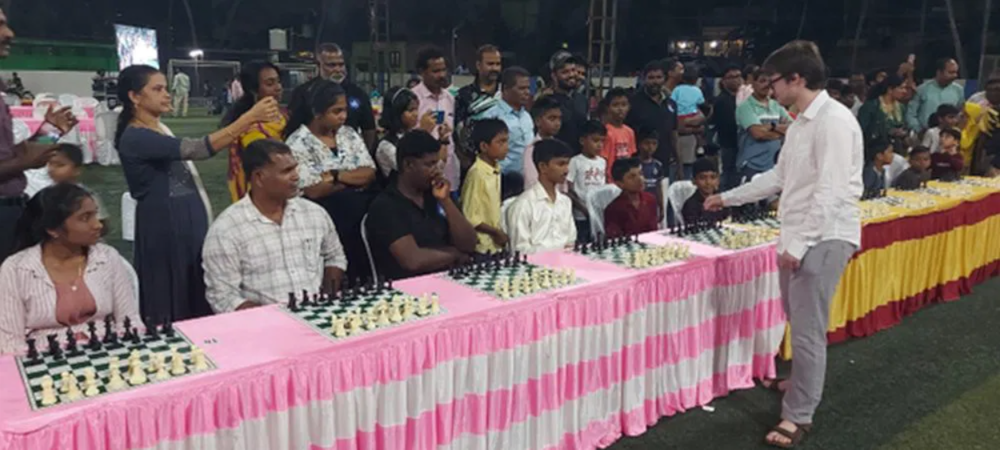
Emilio Profili from France playing a simul against 30 coastal players
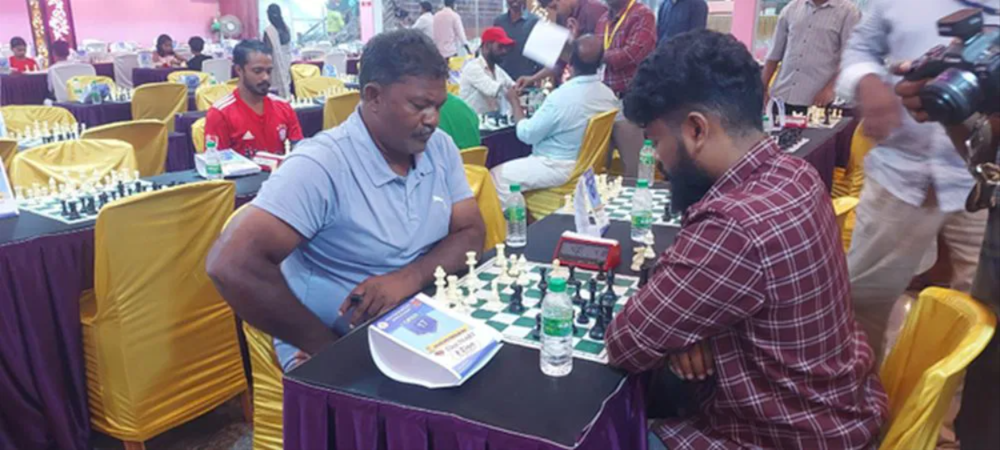
A local fisherman who spends his mornings at sea took part in the Thoothoor tournament. His dedication shows how deeply chess has become part of coastal life
Today, parents from Neerodi and nearby villages proudly take their children to district and state tournaments. Chess is respected. People ask when the next event will be held. Parents bring their children to chess academies. This growth has been steady and organic. Neerodi now no longer needs to be known for cards. The old habit has been replaced by another one. Such stories show how the right choices can change habits and move entire communities forward.
The Caro Kann is a very tricky opening. Black’s play is based on controlling and fighting for key light squares. It is a line which was very fashionable in late 90s and early 2000s due to the successes of greats like Karpov, Anand, Dreev etc. Recently due to strong engines lot of key developments have been made and some new lines have been introduced, while others have been refuted altogether. I have analyzed the new trends carefully and found some new ideas for Black.
