In the eighteenth and nineteenth centuries, as chess enthusiasts began to organise themselves, coffee houses in the major cities became meeting places for the early masters of the game. The Café de la Régence in Paris and the Café Central in Vienna are the most famous of these venues. Both still exist today, although no longer as places to play chess.
By the second half of the nineteenth century at the latest, London had become the capital of international chess. The major London tournaments of 1851 and 1862 were the result of a vibrant chess scene that flourished in the city’s clubs and cafés. There were many such establishments. Well-known names from London’s coffee-house chess culture include Slaughter’s Coffee House, opened in 1692, where leading players of the time such as Cunningham, Stamma and the mathematician De Moivre were regulars; the Garrick Chess Divan, a small venue dedicated exclusively to chess; Parsloe’s, where Philidor regularly gave lectures; Gliddon’s Divan, frequented by Howard Staunton; and, of course, the famous Simpson’s-in-the-Strand, which opened in 1828 as the “Grand Cigar Divan”, a smoking room and coffee lounge. “Strand” is the name of the street, referring to its location along the River Thames.
From around 1840 until the mid-1860s, Simpson’s – then known as the Grand Divan in the Strand – was not only the centre of London’s chess scene, but also a meeting place for the city’s political and intellectual high society. Towards the end of the nineteenth century, Arthur Conan Doyle (1859–1930) was also a frequent visitor to the “Divan in the Strand”, which did not always operate under the name Simpson’s and at times carried different names. In a virtual sense, his famous characters Sherlock Holmes and Dr Watson sat beside him. The venue, at various times a coffee house and at others a restaurant, is occasionally mentioned in his novels.
The quality of the food was legendary, especially the meat grilled over an open fire. The dishes were brought to the tables on silver serving trolleys.
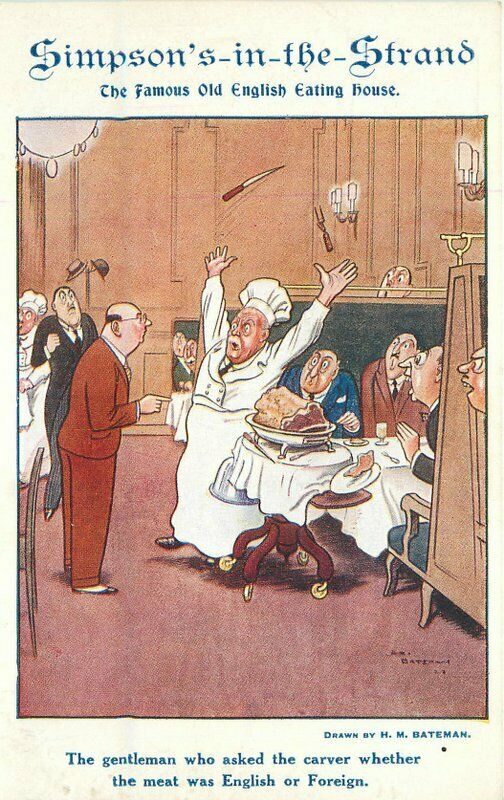
The image shows the famous caricature “The gentleman who asked the carver whether the meat was English or foreign” by H. M. Bateman from 1928. The scene is set in the restaurant Simpson’s-in-the-Strand in London. The question provoked outrage from the chef.
Some strong players earned a modest living at Simpson’s by playing for money against weaker opponents. Spectators could also make money by betting on the right player. Chess expertise paid off immediately.
Among the chess players, Henry Edward Bird (1829–1908) was perhaps the most regular visitor. Bird had virtually moved into Simpson’s at the age of sixteen and, according to contemporaries, left the establishment only to sleep elsewhere or when travelling to tournaments away from London.
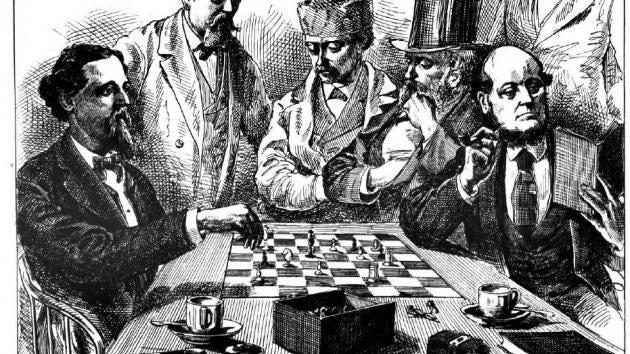
Henry Bird (on the right) | Source: British Chess News
From 1862 onwards, Wilhelm Steinitz was also among the regular guests. The combative Steinitz occasionally clashed with other patrons there as well and was even banned from the premises for several weeks — a severe punishment for a chess player.
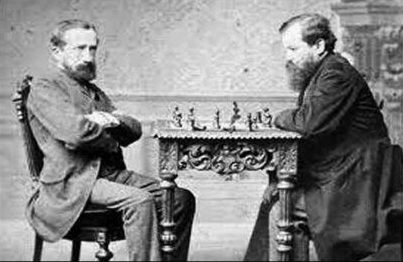
Steinitz’s rival in the claim to be the world’s strongest chess player, Johannes Hermann Zukertort, was also a regular presence at Simpson’s. In 1886, Steinitz and Zukertort contested the first match for the World Chess Championship, although it was played in the United States.
Zukertort returned as the defeated player, ill and exhausted. Two years later, on 19 June 1888, he collapsed during a casual game against Sylvain Meyer at Simpson’s Divan and died the following morning without regaining consciousness.
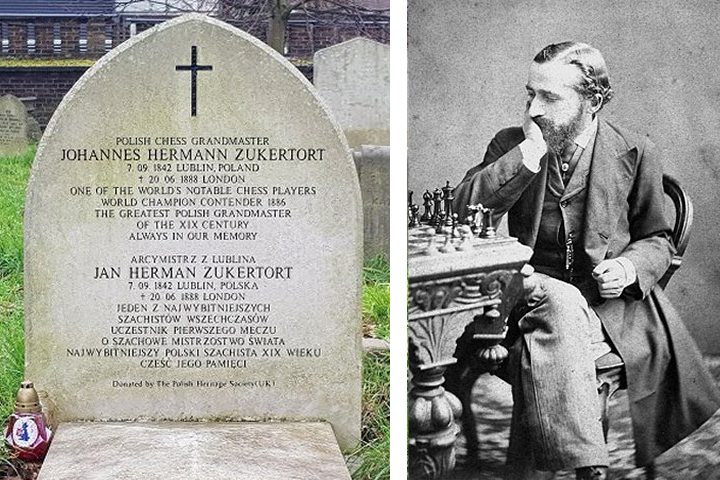
“Through the sudden death of Mr Zukertort, the royal game of chess has lost one of its most interesting and brilliant exponents,” Henry Bird lamented.
After the chess players were moved into a cramped room on the upper floor, Simpson’s gradually lost its importance as a meeting place around 1870. The players instead migrated to the newly founded Westminster Chess Club. The venue, however, continued to operate as a restaurant serving traditional English cuisine. In the early twentieth century the building was remodelled and experienced a new heyday as a restaurant after the First World War. After the Second World War, Simpson’s became the first and only restaurant in Great Britain to be awarded a Michelin star when the guide was launched in 1974. Until 1984, women were only permitted to use the upstairs dining room at lunchtime; this restriction was lifted in that year.
From time to time, chess enthusiasts attempted to revive the old chess tradition. In 1980, the final of the club championship was held there. In 2003, a tournament in honour of Howard Staunton was organised to mark the venue’s 175th anniversary. A small number of successor events followed until 2009.
In 1846, Lionel Kieseritzky reported on a visit to Simpson’s in the Deutsche Schachzeitung: “Every visitor, upon entering the shop through which the staircase to the hall leads, must pay one shilling, in return for which he receives a cigar and a ticket that entitles him upstairs to a cup of coffee or tea, or a lemonade.”
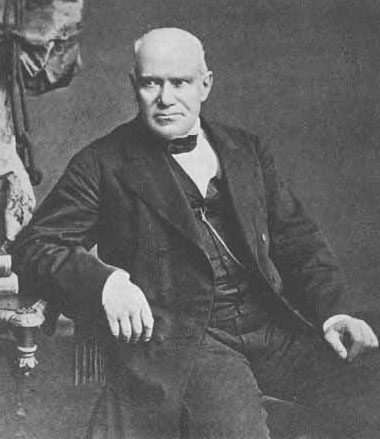
Adolf Anderssen
In 1851, Adolf Anderssen and Lionel Kieseritzky played several casual games on the sidelines of the first major international chess tournament in London. One of these entered chess history as the “Immortal Game”, in which Anderssen sacrificed two rooks and delivered checkmate.
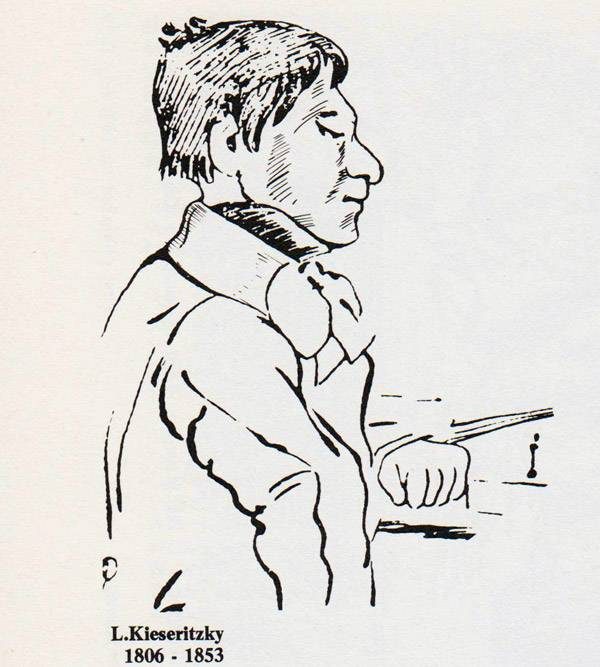
It was Kieseritzky who preserved the game for his contemporaries and for posterity.
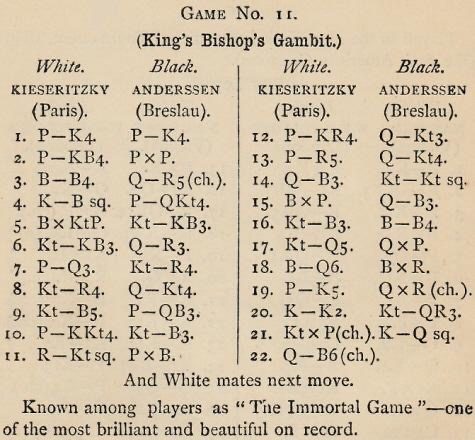
Steinitz commented on the game as follows: “This, and Anderssen’s subsequent conduct of the attack, mark the limits of the genius and brilliance that have been displayed in actual competitive play up to our time.”
In recent decades the venue changed hands several times. It was renovated once more in 2017, but was forced to close in 2020 due to economic difficulties. Much of the interior, including the famous silver serving trolleys, was unfortunately sold off. For a time, the permanent closure of this institution appeared imminent.
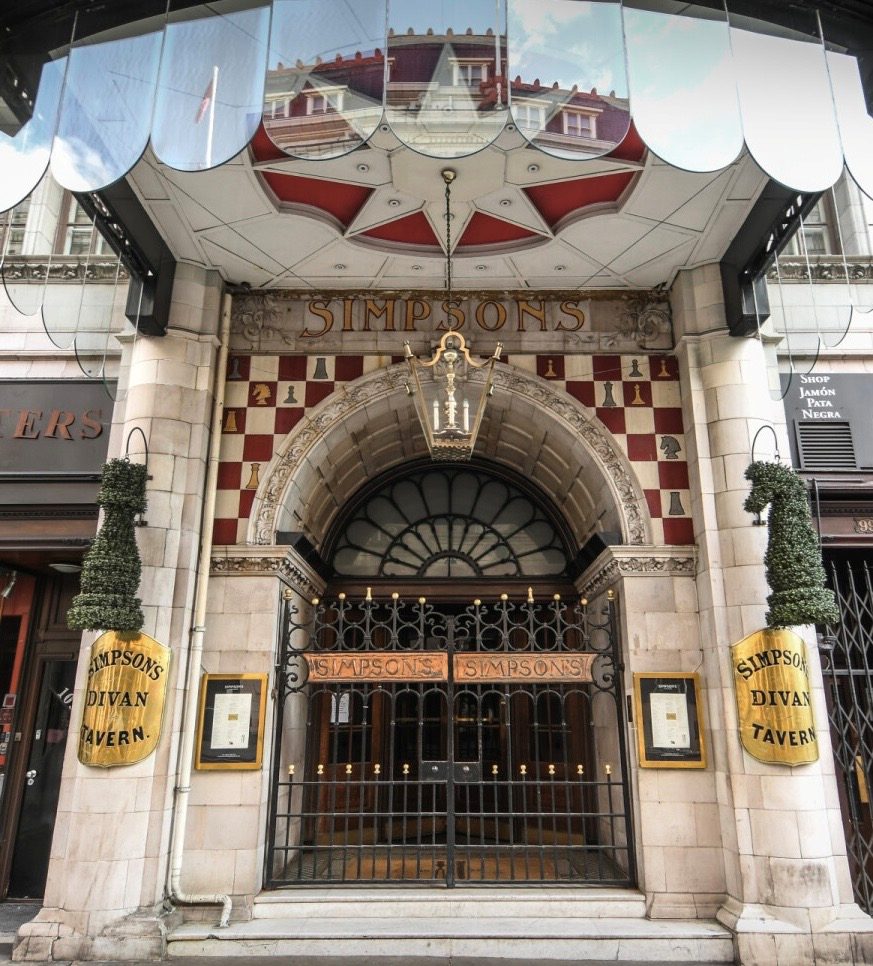
More recently, Simpson’s has reopened under the stewardship of the Savoy hotel group and the well-known restaurateur Jeremy King. Restored in its original décor, the venue comprises two very formal dining rooms, two bars, and a ballroom that can also be hired for private events. In principle, this would once again allow for the staging of chess events and tournaments.
A frequent guest at the venerable Simpson’s was also the English musician and chess enthusiast Jason Kouchak.
|
|
|
| Jason Kouchak & Burberry’s Equestrian Knight | Jason & a ‘Queen’ from the Burberry design team. |
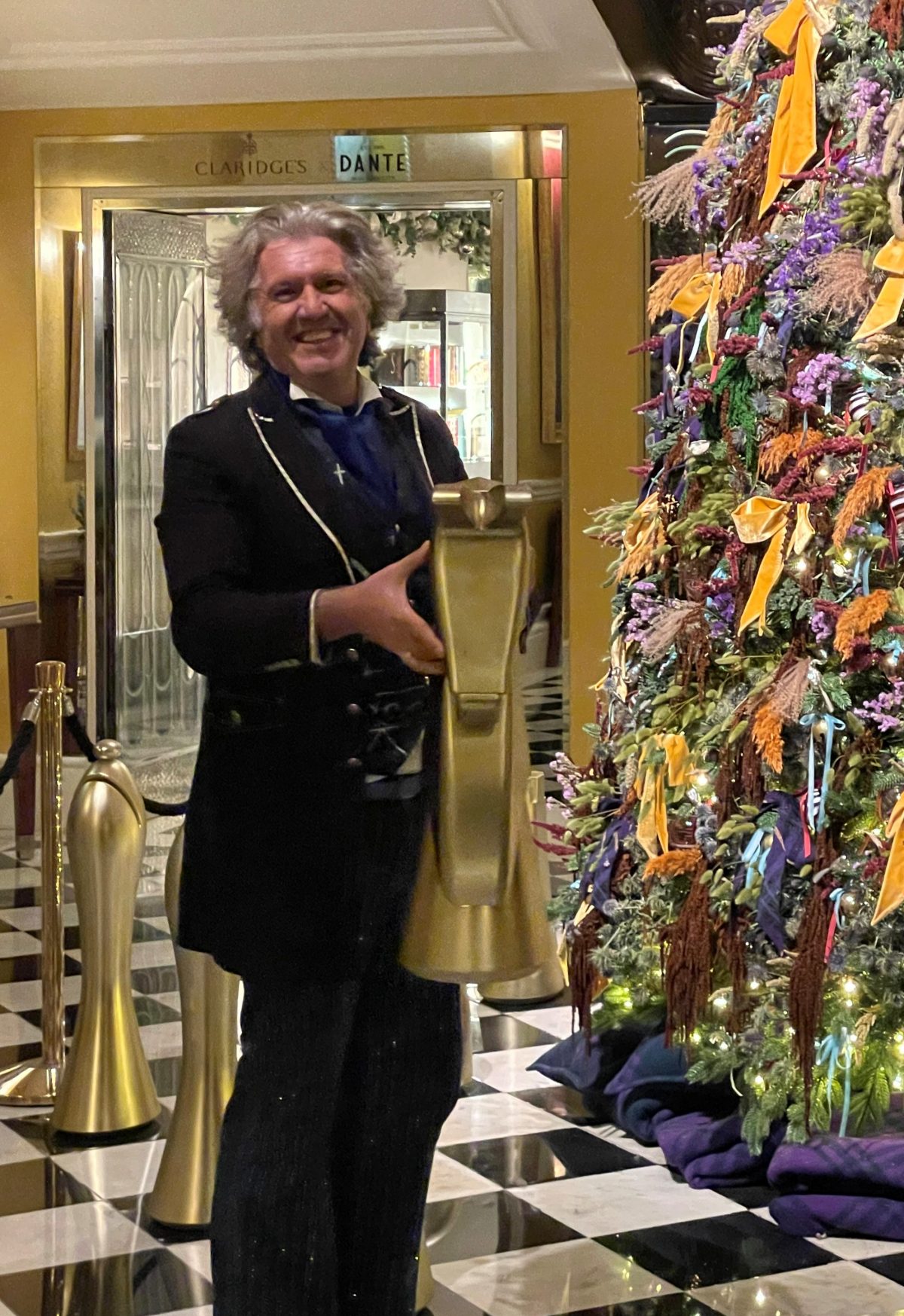
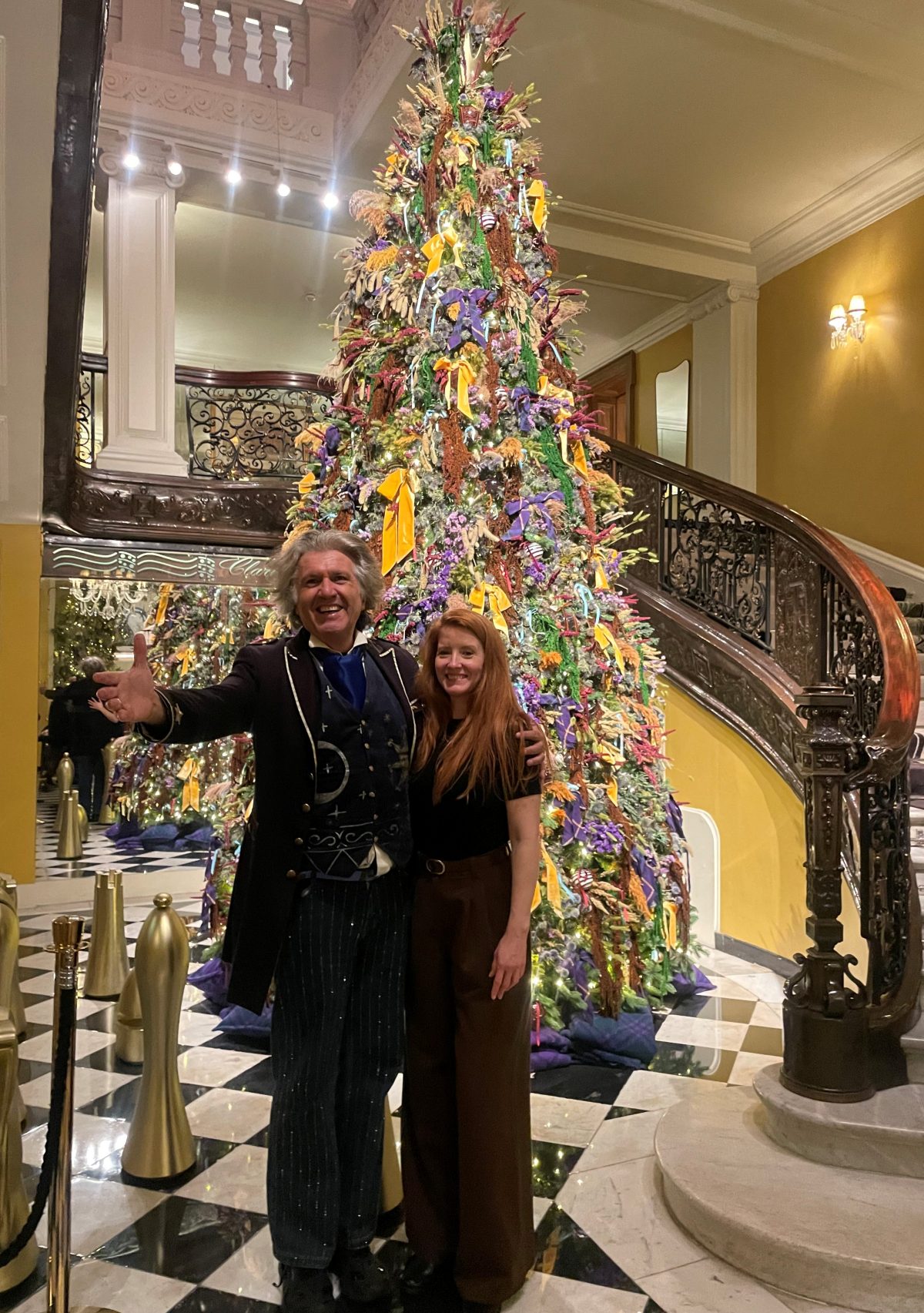
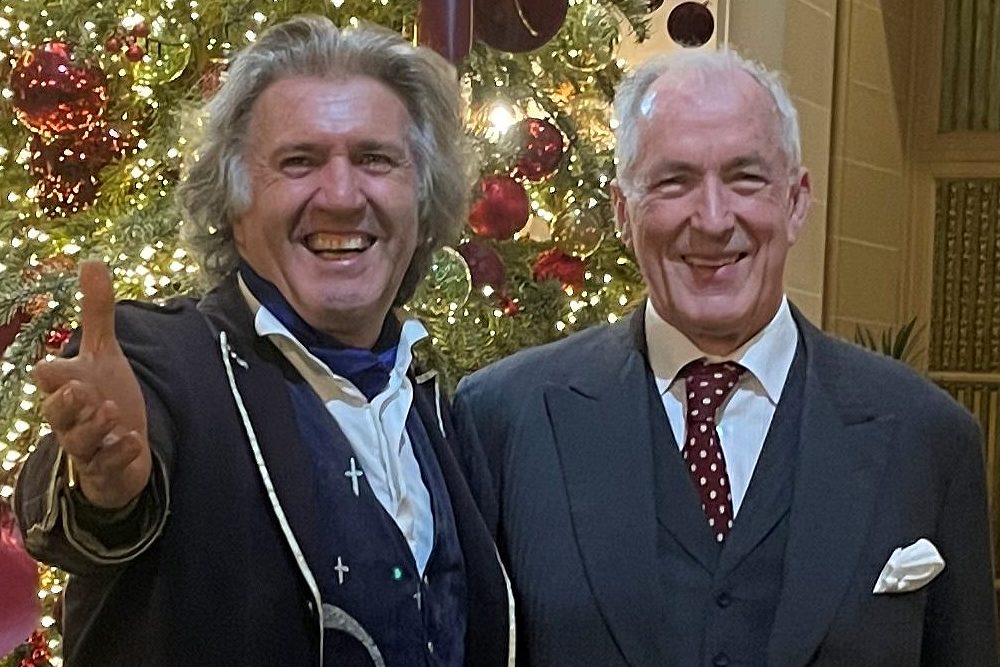
He is particularly pleased about the reopening and regards it as an early Christmas present. “Simpson’s is the spiritual home of British chess. Everyone of note in nineteenth-century chess was a visitor here. But the restaurant was also the finest address for English cuisine,” says Jason Kouchak. “I love an old film that shows people eating and playing chess.”
Jeremy King is equally aware of the venue’s significance and of his new role. “Simpson’s is the last of the great ‘grande dame’ restaurants that has retained its original décor and its historic connection to chess, and the prospect of restoring it to its former glory represents the pinnacle of my career.”
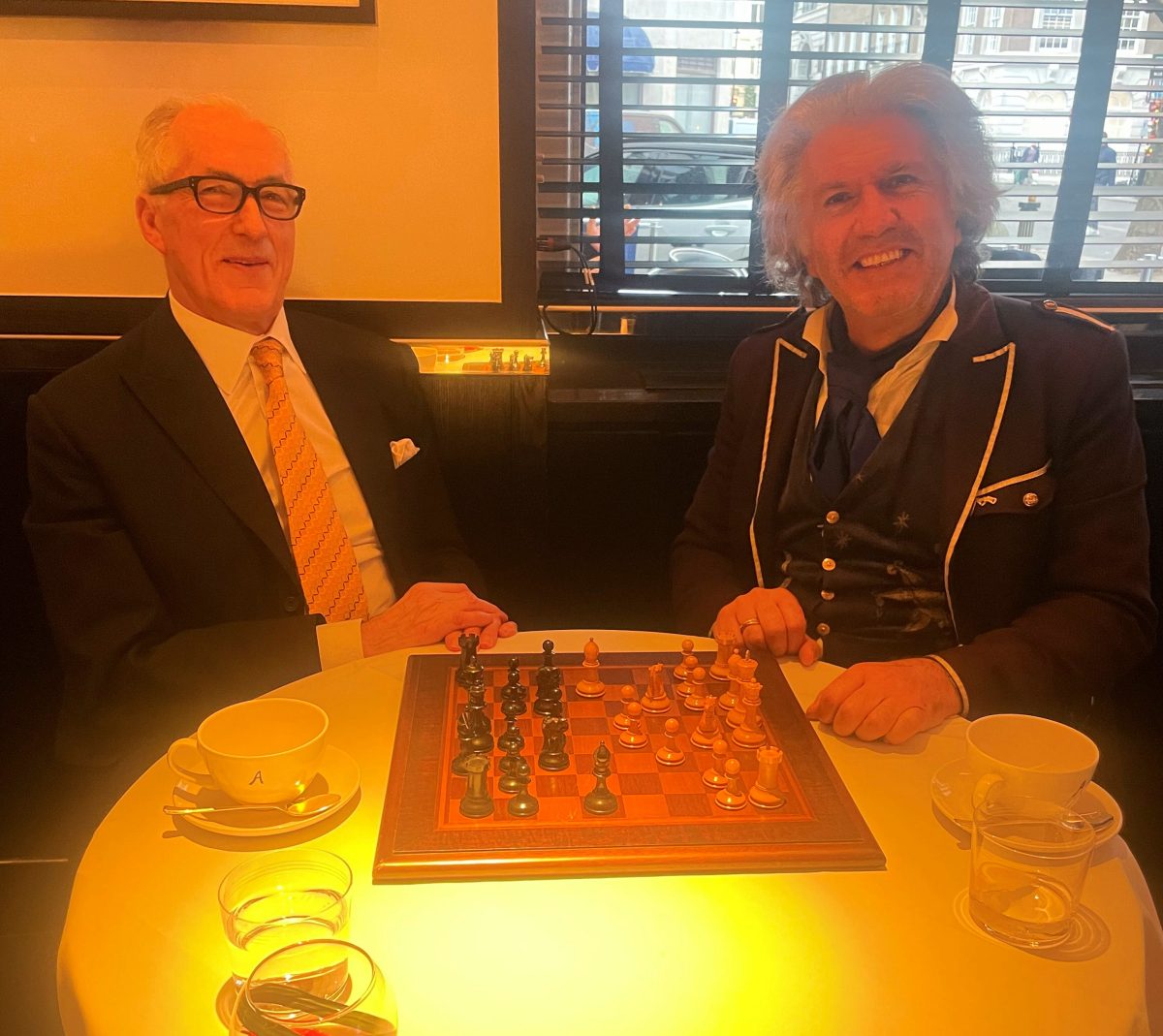
Jeremy King and Jason Kouchak with a historic Staunton chess set.
Together, they also plan to revive the chess tradition at Simpson’s. Jason Kouchak intends to add music to the combination of dining and chess. From early March 2026, a series of chess-themed evenings titled “King’s Gambit” is scheduled to take place, hosted by Jason Kouchak and Jeremy King. The programme will include, among other things, “Jazz Chess”, a variant of blitz chess, blindfold chess, and talks by grandmasters about their chess heroes of the nineteenth century.
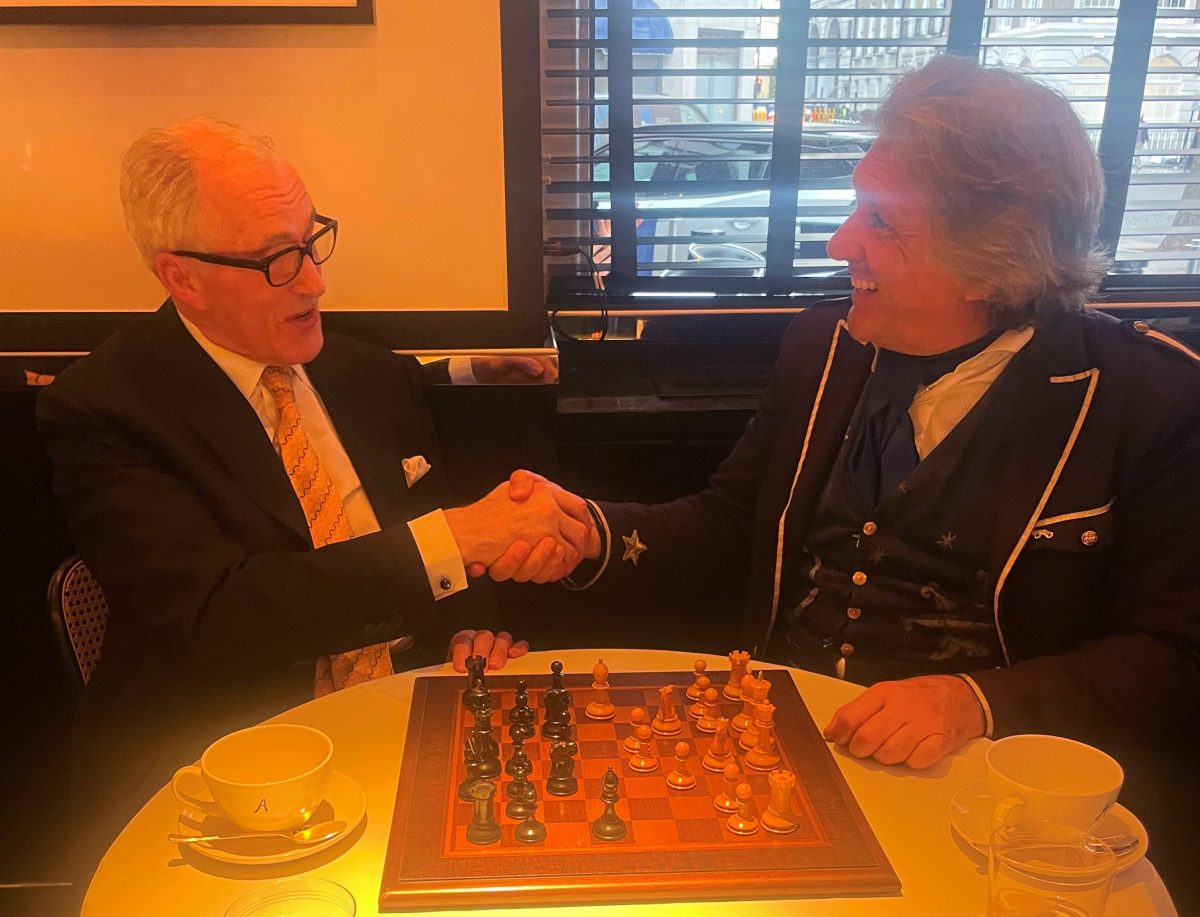
“Deal!”
“It is a wonderful opportunity to recreate an artistic atmosphere at Simpson’s through English cuisine, chess and music. We value the history of this great institution while at the same time bringing it fully into the twenty-first century.”
Chess grandmasters and grand maîtres of the kitchen will come together.
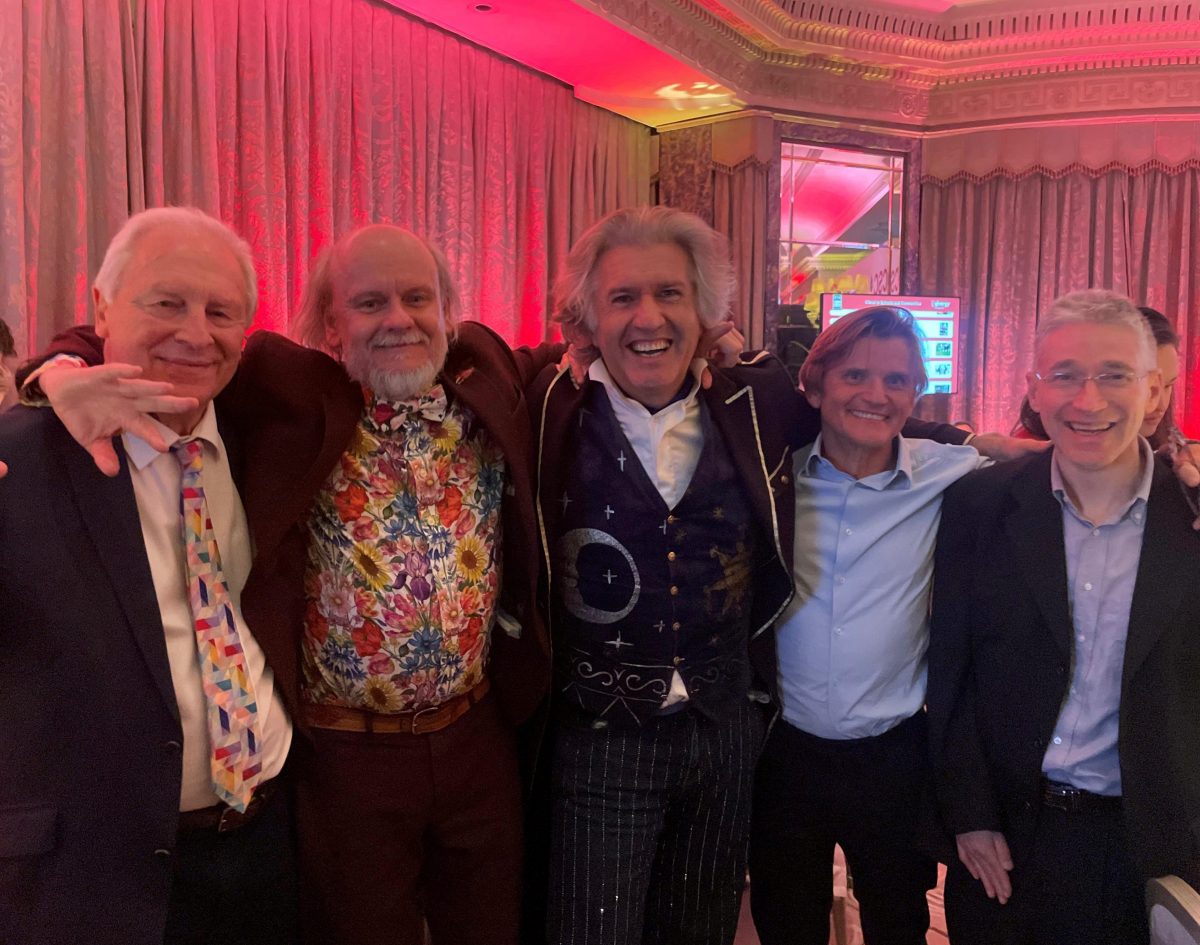
Grandmasters and Grandmaestros: Barry Martin, Stuart Conquest, Jason Kouchak, Richard Farleigh and Michael Adams
Christmas
Christmas at home: is there a better way to celebrate the festive season than with a glass of Château Latour Grand Vin Pauillac?
Christmas Wine Song
Wine or whisky? The choice is yours.
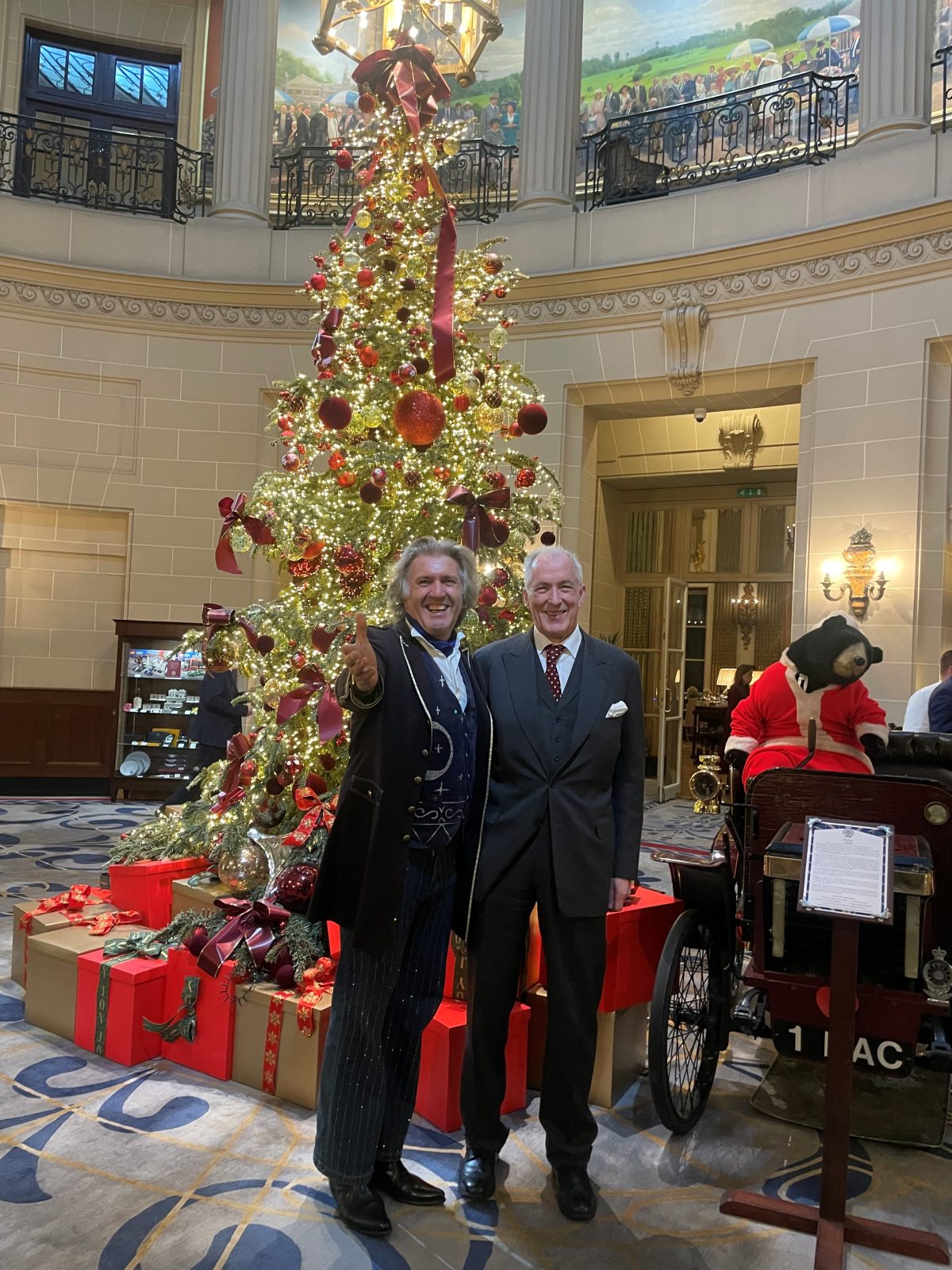
Jeremy King and Jason Kouchak wish you a Merry Christmas and look forward to welcoming you to Simpson’s.
With sincere thanks to Jason Kouchak for inspiration and material.
