WWE’s decision to expand WWE SmackDown back to a three-hour format has sparked immediate pushback from longtime observers who believe the move prioritizes volume over quality.
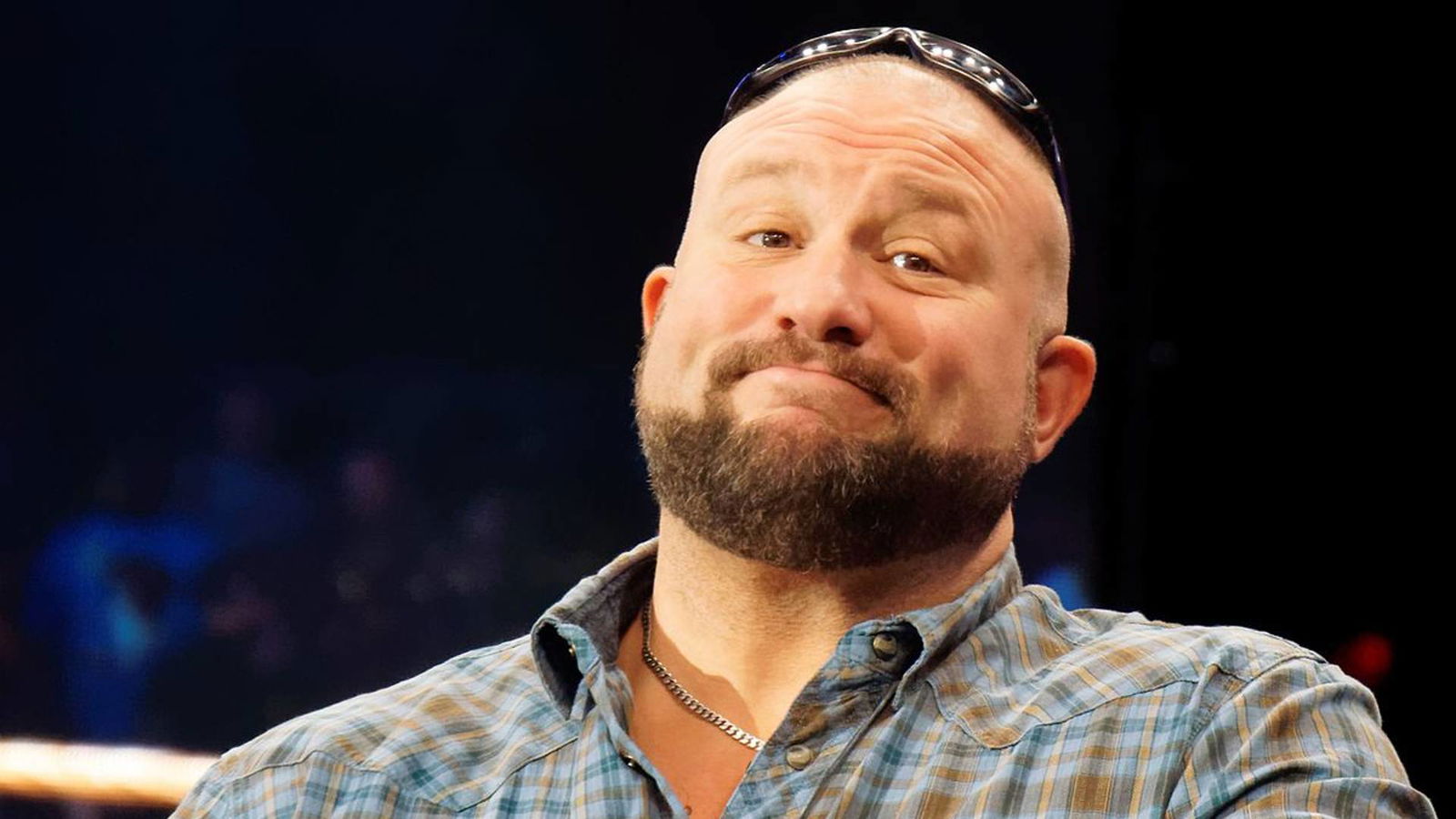
The change, set to take effect in early 2026 when SmackDown broadcasts from Buffalo, New York, marks a reversal of the show’s recent two-hour structure. While the extra hour adds more weekly content to WWE’s schedule, not everyone sees that as a positive. On Busted Open Radio, Bully Ray was blunt in his assessment, arguing that three-hour wrestling shows are inherently exhausting, regardless of promotion. From his perspective, stretching episodic storytelling across that length, especially with frequent commercial breaks, dilutes focus rather than enhancing it.
Co-host Dave LaGreca echoed those concerns, shifting the discussion toward sustainability. He pointed out that unlike seasonal sports such as the NFL, WWE produces long-form television nearly year-round. With WWE Raw already running close to three hours weekly, LaGreca questioned whether creative teams can realistically maintain momentum, pacing, and consistency across multiple extended broadcasts every week.
That skepticism doesn’t mean SmackDown lacks bright spots. LaGreca acknowledged that strong segments still emerge, citing a recent vignette involving Drew McIntyre and Undisputed WWE Champion Cody Rhodes, where Rhodes confronted McIntyre at his home while negotiations played out through Nick Aldis. Moments like that, however, raised a larger question: will expanding the runtime create more opportunities for standout storytelling or simply more filler to get through each Friday night?
What Fans Should Know
The three-hour wrestling show isn’t new territory for WWE, but history shows it’s rarely been a creative advantage. When Raw permanently moved to three hours in 2012, the extra time didn’t lead to deeper stories; it led to repetition, elongated promos, and segments designed to fill space rather than advance characters. The concern with SmackDown returning to that format isn’t about fatigue alone; it’s about whether WWE can avoid the same structural pitfalls that have historically flattened momentum once urgency is lost.
From a booking perspective, longer runtimes often expose weaknesses rather than strengths. Wrestlers who are hot can feel overexposed, while mid-card acts struggle to maintain focus across multiple segments in a single night. Over time, this creates a pattern where storylines stall instead of escalate. Fans should pay attention to whether SmackDown uses the third hour to resolve angles or merely extend them. That difference determines whether the show feels purposeful or padded.
Ultimately, this change matters because it directly affects the weekly fan experience. Wrestling thrives on anticipation, not endurance. If the added hour is used to deepen rivalries and spotlight underutilized talent, it could be a net positive. If it becomes a dumping ground for rematches and filler, viewers will feel it immediately. Understanding that history helps fans temper expectations and evaluate the show on more than just the promise of “more content.”
