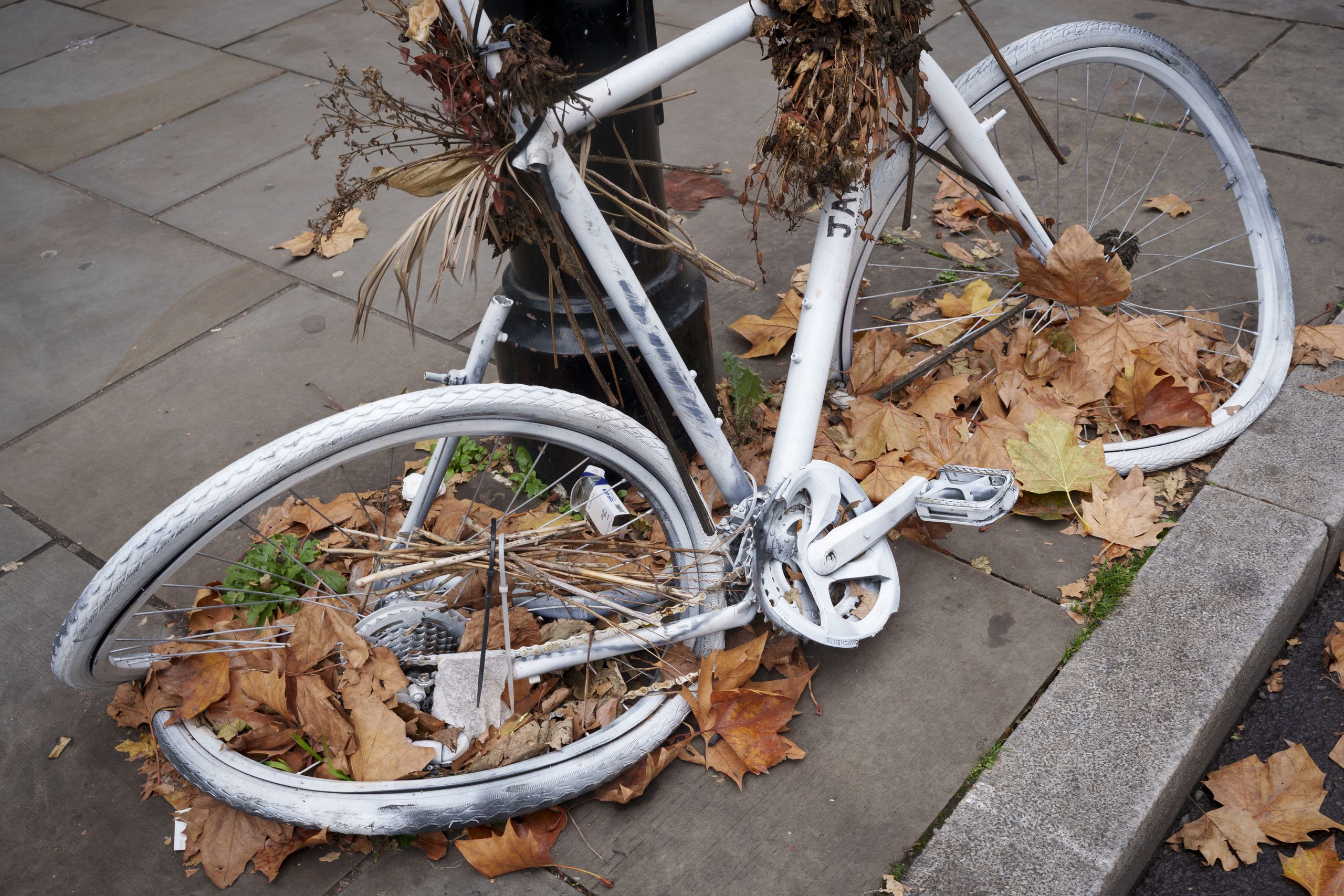
To the south of my home city of Bristol, England, there’s a bustling shopping road called North Street, filled with independent stores and bars. It’s the kind of road that is filled with life, but it also has a dual purpose as a busy road out of the city, so there is always traffic. It nominally has a 20mph speed limit, but that is seemingly disregarded by many of the motorists that use it. It’s the kind of road which would make a lot more sense without cars, or at least fewer.
On Sunday, a cyclist was killed on that road by a hit-and-run driver. In broad daylight. Not that there are ever any excusing factors in this, but this was an ordinary Sunday. As of Tuesday, little has been released about the victim, or the incident, only that a man died on the scene, and two further men were arrested, after the car was located.
News editor at Cycling Weekly, Adam brings his weekly opinion on the goings on at the upper echelons of our sport. This piece is part of The Leadout, a newsletter series from Cycling Weekly and Cyclingnews. To get this in your inbox, subscribe here. As ever, email adam.becket@futurenet.com – should you wish to add anything, or suggest a topic.
It has left a cycling community scared. We all cycle along North Street all the time – according to Strava, I’ve ridden past the spot where a cyclist died over 400 times. A column on local news site Bristol 24/7 revealed that a family has stopped their daughter from cycling to school due to fear of something happening again. They won’t be alone. That it is such a well-traversed route means it feels personal, like it could have been any of us.
On hearing of the tragedy, my first thought was how it could easily be someone I knew; Bristol isn’t a small city, but the cycling world is reasonably tight-knit. Cycling this week, one wonders whether that close pass or car pulling out is going to cause something disastrous. It is a hard mindset to get out of.
People message each other “stay safe out there”, but is being vigilant enough? You could be the most careful, diligent, brightly clothed cyclist possible, and a person in a 1,500kg block of metal could still immeasurably alter your life. If someone is speeding in a residential area, everyone is in danger. Cars aren’t toys.
It feels a bit redundant to try and be safe when what is needed is a societal change in our attitude towards motor vehicles, to transport, to who is in charge of our roads. Many streets in Britain were designed pre-car, and yet are now dominated by ever bigger vehicles, taking over space designed for everyone. Only a revolutionary approach to road and infrastructure design will solve this, yet the overwhelming car-driving majority push back on anything that might impinge on their rights to go anywhere, all the time. Meanwhile, people feel unsafe cycling, are discouraged, and perhaps retreat back to their vehicles.
Bristol is a great city to be a cyclist in. The Mendips, the Cotswolds and south Wales are all within riding distance, but it remains a bad city to cycle in. When I came to university here, over a decade ago, it was championed as Britain’s first ‘cycling city’, but that feels a long way off. North Street was the site of the latest tragedy, but there are other roads which feel just as dangerous, if not more.
As cyclists, we’re left stunned, saddened and angry that we face mortal danger every time we pedal. This feels awful because it’s my city, where I know so many people who ride bikes and it’s supposed to be better, but this could be anywhere. What do we do? The problem feels too big to solve.
Last week, the British government announced a new road safety strategy to reduce casualties on our roads, but it doesn’t go far enough. Change is needed to how we think about our cities, how we design infrastructure for cyclists, walkers, wheelers first, not the car-centric approach which has dominated for too long. Liveable neighbourhoods and 15-minute cities might have been seized upon by the right-wing as something to fight back against, but we need to fight for safer roads, and also fewer cars. The car lobby has been in charge for too long.
One cyclist killed by a driver is too many. My love and solidarity go out to his family and friends, and to all those who have been through incidents or near misses. Staying safe is not enough.
This piece is part of The Leadout, the offering of newsletters from Cycling Weekly and Cyclingnews. To get this in your inbox, subscribe here.
If you want to get in touch with Adam, email adam.becket@futurenet.com.
