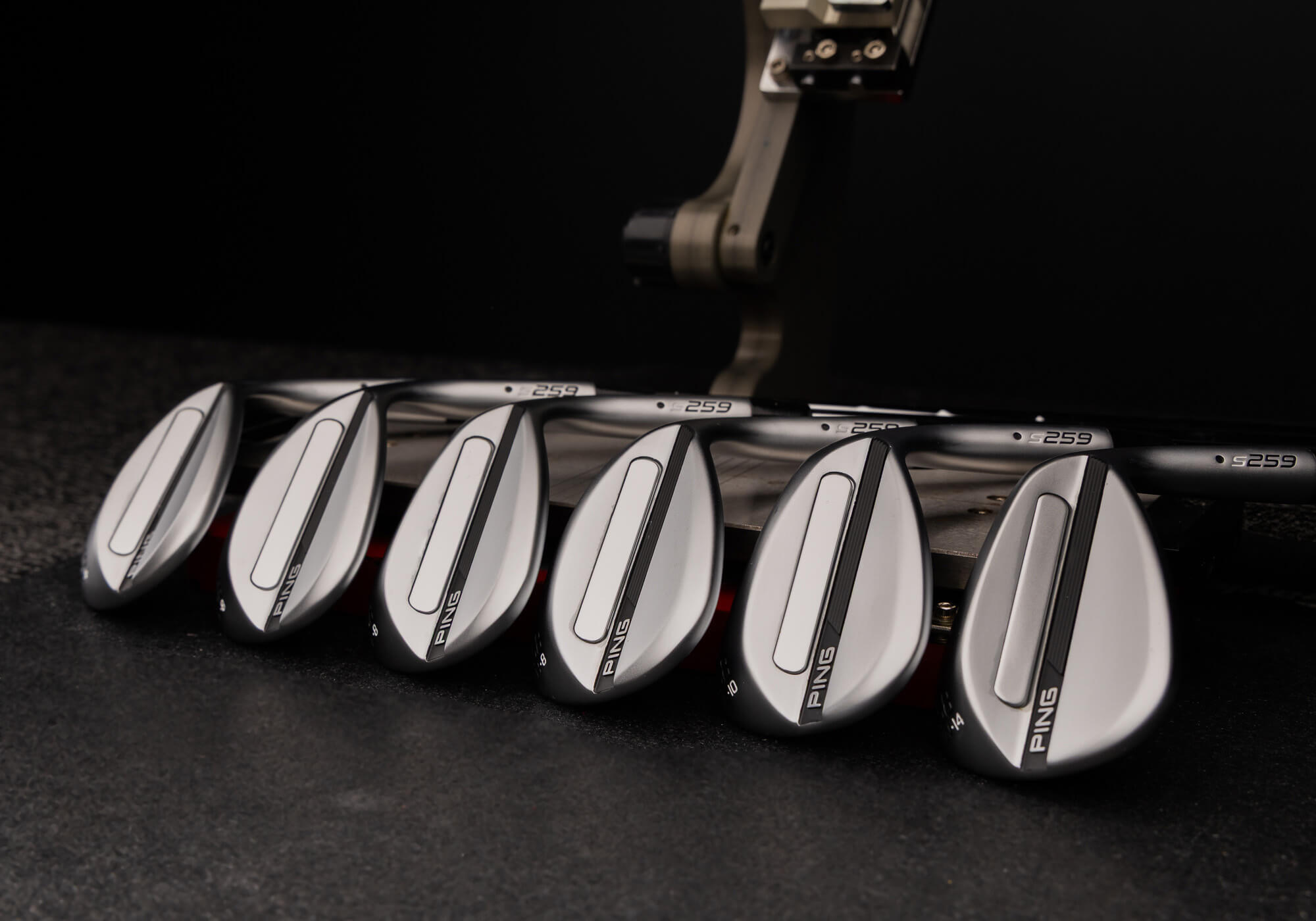
There’s a universal question every OEM must face.
When you have a club that’s first team All-Conference, consensus All-American and a Heisman Trophy winner, what do you do when the clock strikes 12 and it’s time to release a new one?
Well, you could leave well enough alone and let it ride. However, other than Archie Griffin, no one has ever won two Heisman Trophies. Besides, letting it ride without trying to make it better has never really been PING’s style.
PING is facing a daunting challenge with its new S259 wedges. The PING S159 copped top honors in MyGolfSpy’s wedge testing in 2024. It was a great leap forward for PING wedges in accuracy and consistency. Those improvements, along with best-in-class spin, put the S159 in its own stratosphere.
Now comes the S259. As you’d expect, PING is treading carefully here. The changes are subtle yet purposeful, understated yet specific. Does that make it “better?”
If you think in terms of evolution rather than revolution, you’ll get a pretty good idea.
PING S259 wedges: Better or just different?
It’ll be better for all concerned to think of the S259 wedges as being the next evolution of PING’s “S” series wedges. If you have S159 wedges (or any other wedge, for that matter) that aren’t worn out and due for replacement, there’s nothing here to make you want to dump what you have and jump on the S259 bandwagon.
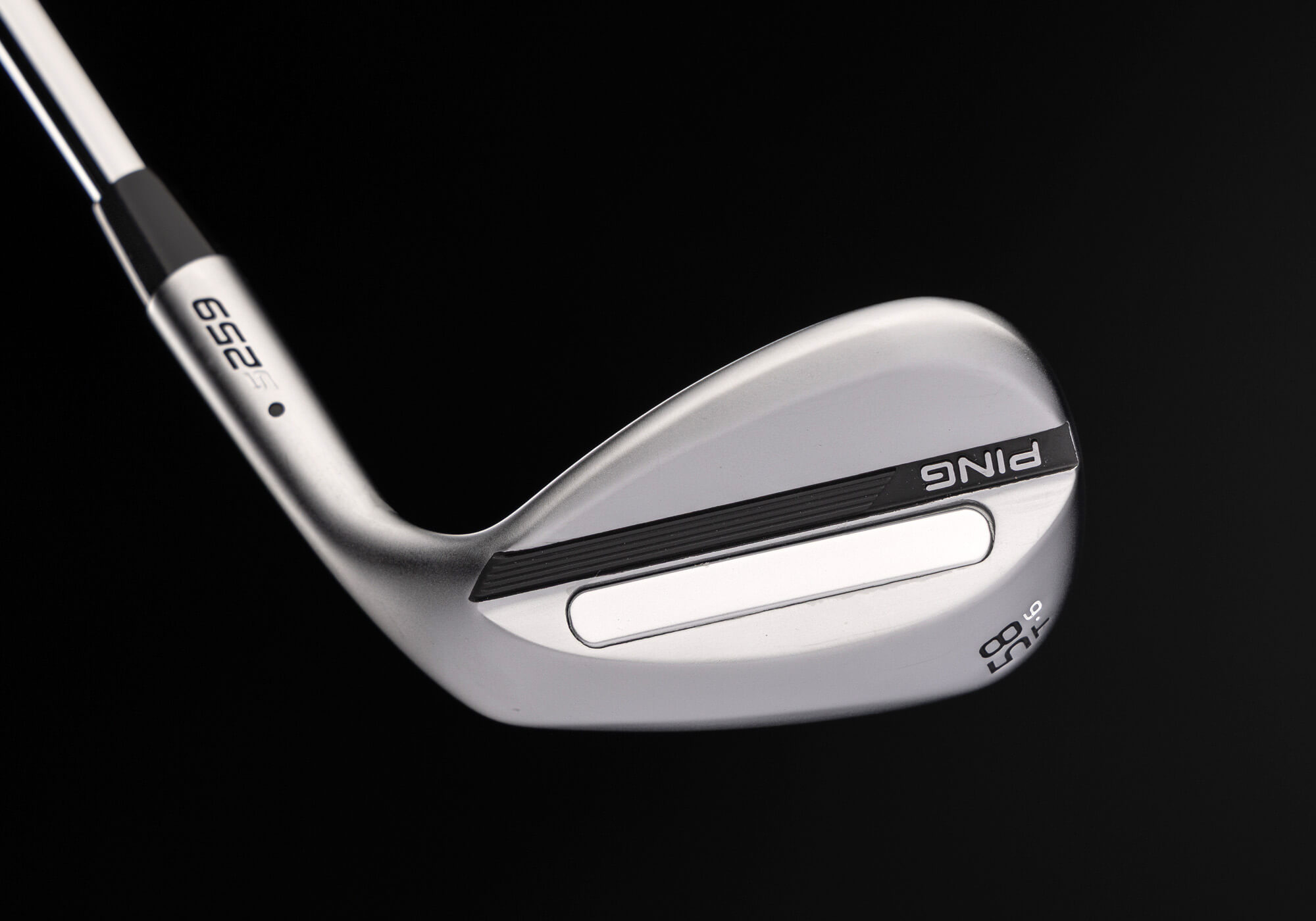
That said, if you are in the market for new wedges, PING has done enough to keep the S259 in the must-demo discussion. Filed under the heading of subtle-yet-purposeful are tweaks to existing sole grinds and a more refined face-to-hosel transition in higher-lofted models. Understated-yet-specific updates include a newly designed proprietary wedge grip and the elimination of PING’s classic Eye 2 head shape in the E grind.
Sexy, right?
“One of the things we strive to do in wedges is to identify different player archetypes,” PING Senior Design Engineer Jacob Clarke tells MyGolfSpy. “We want to understand delivery characteristics, situations and what types of players will be using them.”
The updates that will matter most to you will be the tweaks in sole grinds – and their corresponding benefits – as well as the versatility tweaks in some of the higher-lofted models.
The sole grind saga
Eight years ago, PING was surprised at how many of its staffers weren’t using PING wedges.
“That was a big red flag for us,” says Clarke. “We’ve made a ton of progress since then. I can only think of one or two that have a wedge in their bag that isn’t PING.”
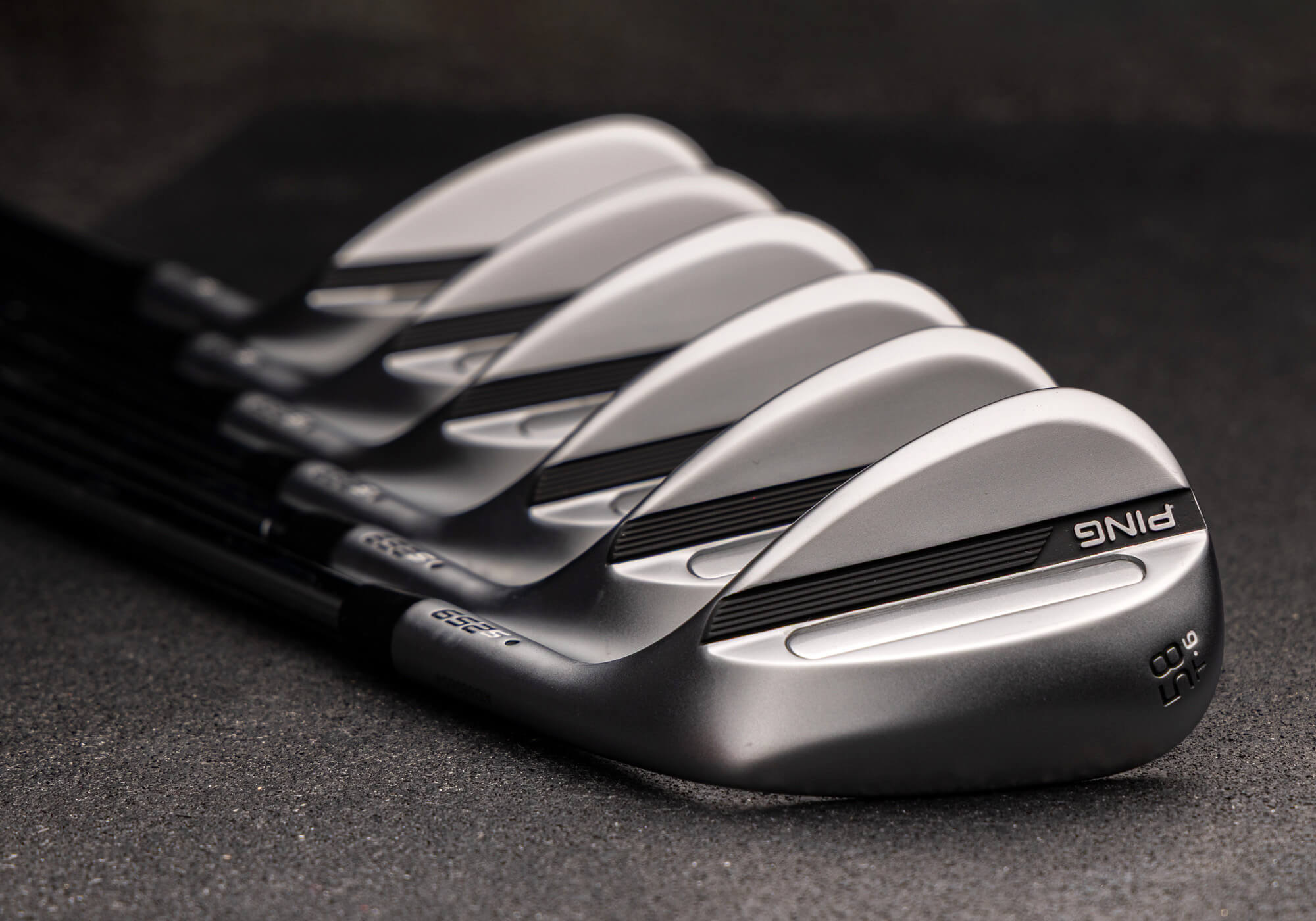
PING’s biggest area of improvement over the years has been in sole grind options. If you go back to 2015 and the original Glide wedges, PING offered three sole options. However, instead of talking about sole shapes and specific areas of relief, it spoke only in terms of sole width. That has evolved over the years to the point where the S159 line featured six distinct sole grinds.
For 2026, PING is making some subtle changes to its higher-lofted T and E grinds to enhance playability around the green.
“Players have this perception, especially when they open the face, that if the heel profile extends a bit further into the hosel, they can get under the ball better,” explains Clarke. “That visual gives them more confidence. The heel is a bit shorter, especially on the lob wedge.”
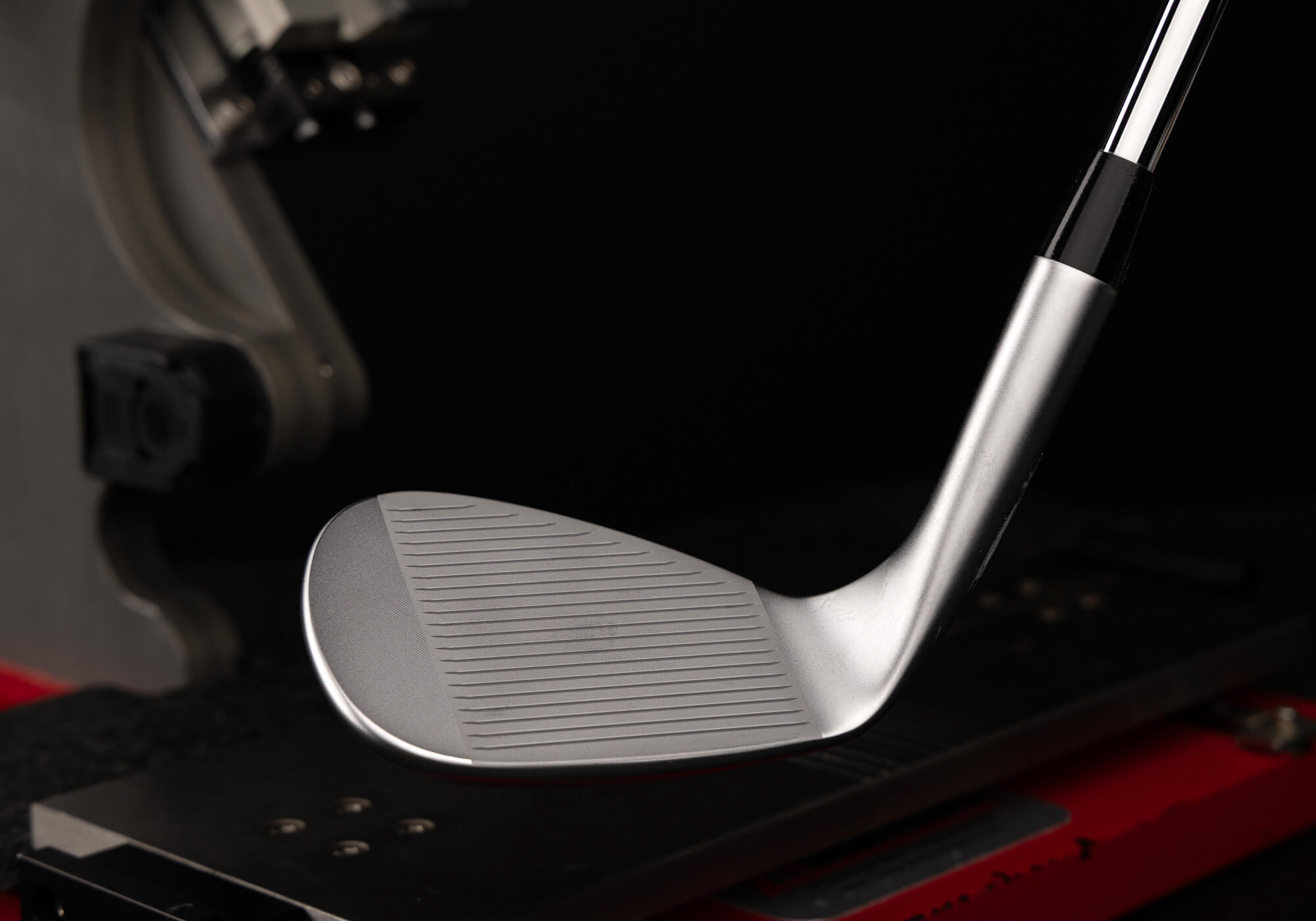
How subtle are the changes? Well, from heel side to the toe, you won’t notice any difference from the S159. The changes in the T and E grinds are almost exclusively in progression from the face profile into the hosel.
“Open the face and get under the ball – that’s the big benefit,” Clarke says. “It’s one of those small, nuanced things that’s difficult to measure. That’s one of those things a robot can’t tell you. Players say they feel like they can see more of the clubface.”
So long, Eye 2 …
While both the T and E grind models will feature re-imagined heel transitions, the E is getting the biggest overhaul in the S259 lineup.
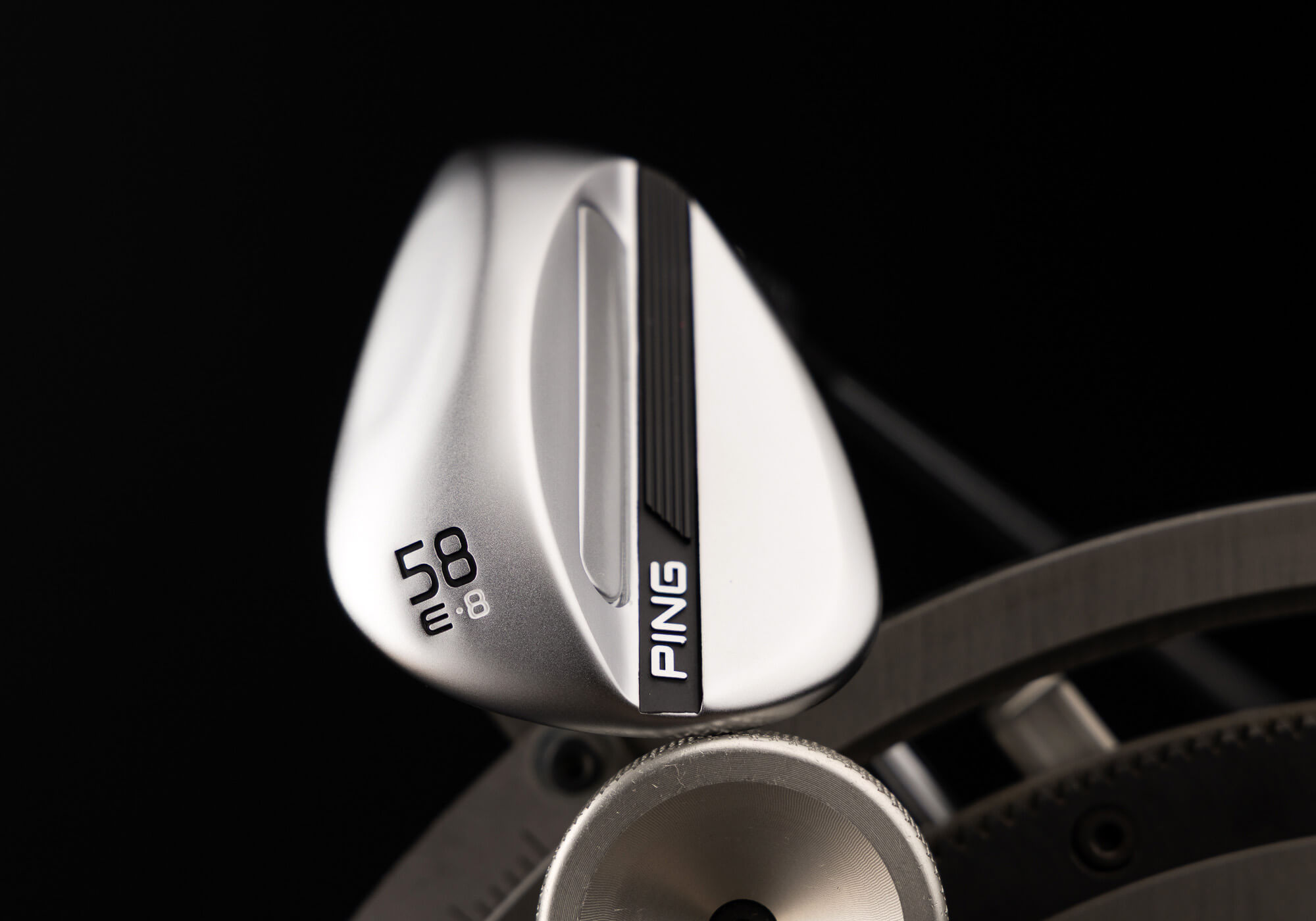
PING’s E grind dates back to Glide 3.0 in 2019. Back then, it was called the Eye Sole and included a retro-looking PING Eye 2 head shape, high toe and all. That head shape lasted through S159 but PING thinks the nostalgia has run its course.
“The Eye 2 design was really popular when it first came out,” says Clarke. “It slowly dwindled over time, though. People would just look down on it and be like, ‘no way.’”
The grind itself, however, was popular on the PGA Tour. PING decided to keep it, just in a more approachable head shape.
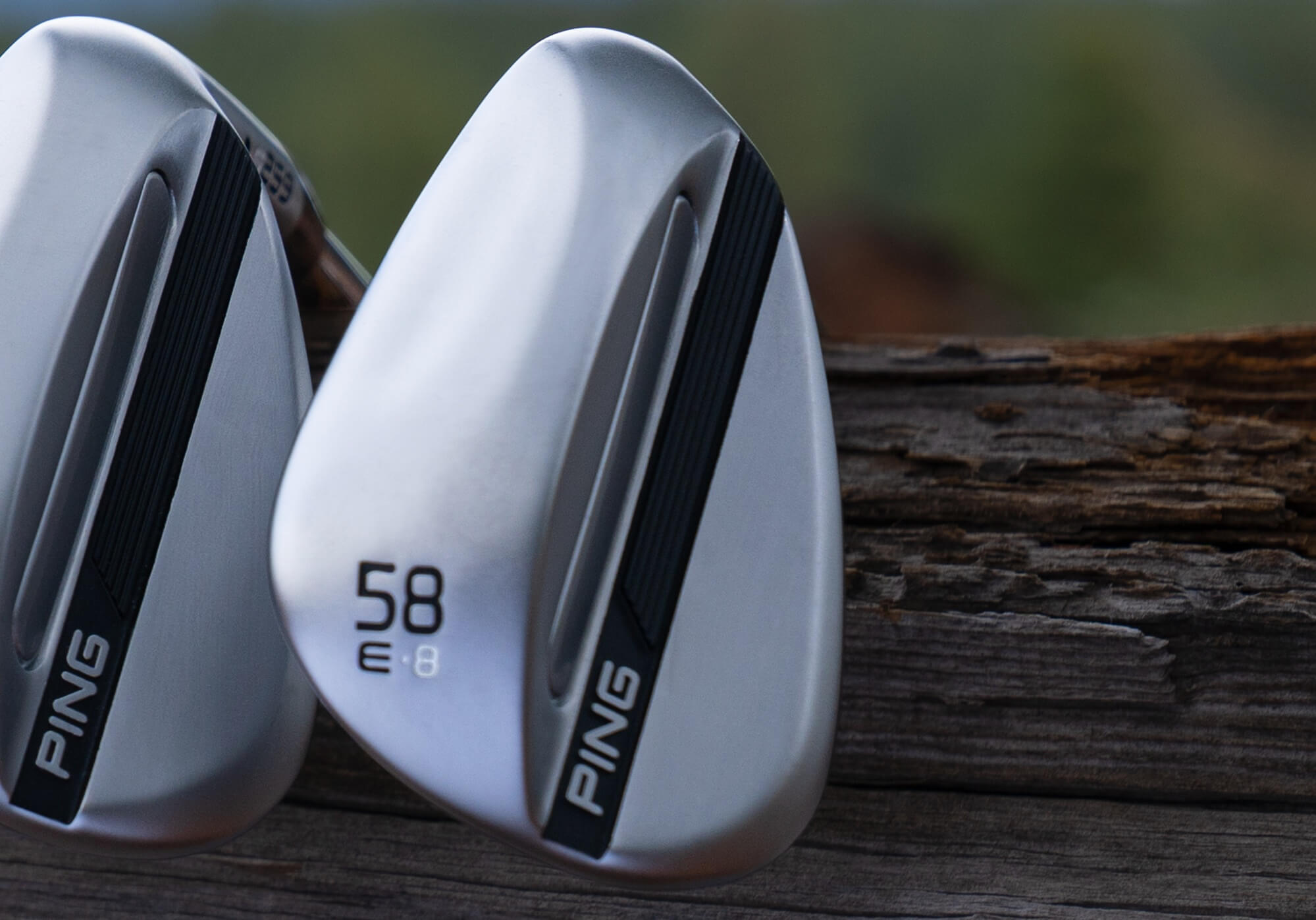
“It has the steepest trailing-edge relief on the heel side,” says Clarke. “That allows you to open it up in a bunker. You can get the leading edge underneath the ball to generate height. Then the whole wide section of the sole kicks in and gets the club out of the sand quickly.
More subtlety …
Changes to the E and T grinds are the most noticeable updates to the PING S259 wedge lineup. Other updates are considerably more subtle.
For example, PING is adding 50- and 52-degree lofts to its wide-soled W grind so it now runs from 50 to 60 degrees. The idea is to help players transition from a wider-soled iron, like the PING G440, into a PING wedge.
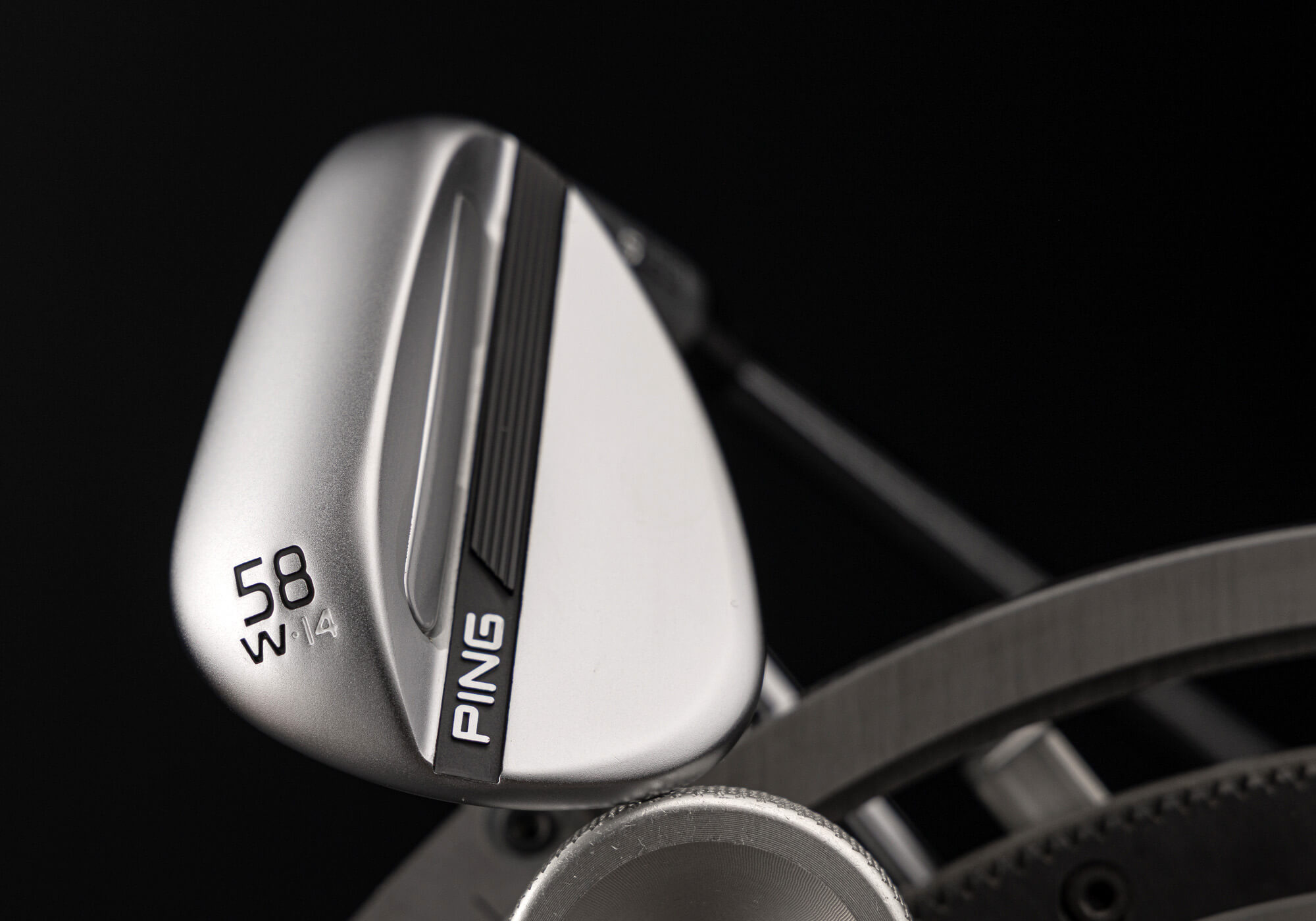
“That’s something our Proving Ground fitters have asked for,” Clarke says. “It was always a pretty big jump for a G440 player to go into an S159 wedge, given the overall width of the sole.”
PING is also updating its proprietary wedge grip, called Dyla-Grip. It’s three-quarters of an inch longer than a standard grip and PING has equipped it with new indicators for hand position. The new version features horizontal lines for hand placement along with vertical lines for different face orientations to help you open it up consistently.
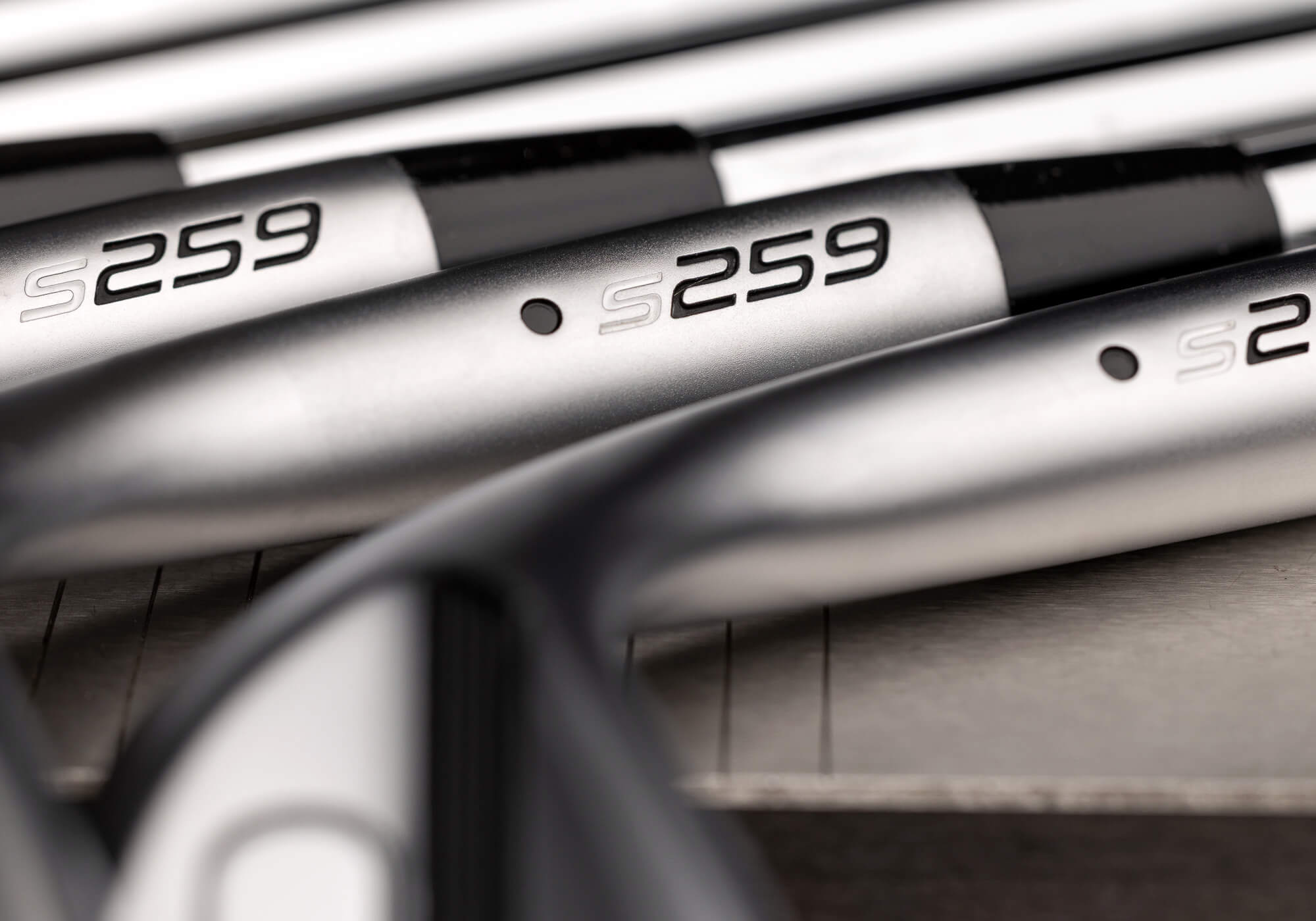
“The first line over from center is about as open as you hit it from the turf,” says Clarke. “The final line is about as open as you hit it from the bunker.”
There are also some new V-lines at the bottom of the grip to help determine shaft lean.
“For players that manipulate ball position to hit different trajectories, they can have those checks in place,” he adds. “If a player doesn’t want any part of it, that’s fine. It’s just a grip.”
PING S259 wedges: Final thoughts
We’ve experienced dozens of equipment conversations with PING over the years. While every OEM addresses the technical details with us in extreme depth, PING is unique in the language it uses and the nuances it presents.
And when it comes to updating a product as successful as the S159, the company takes its cue from the Hippocratic Oath.
Do no harm.
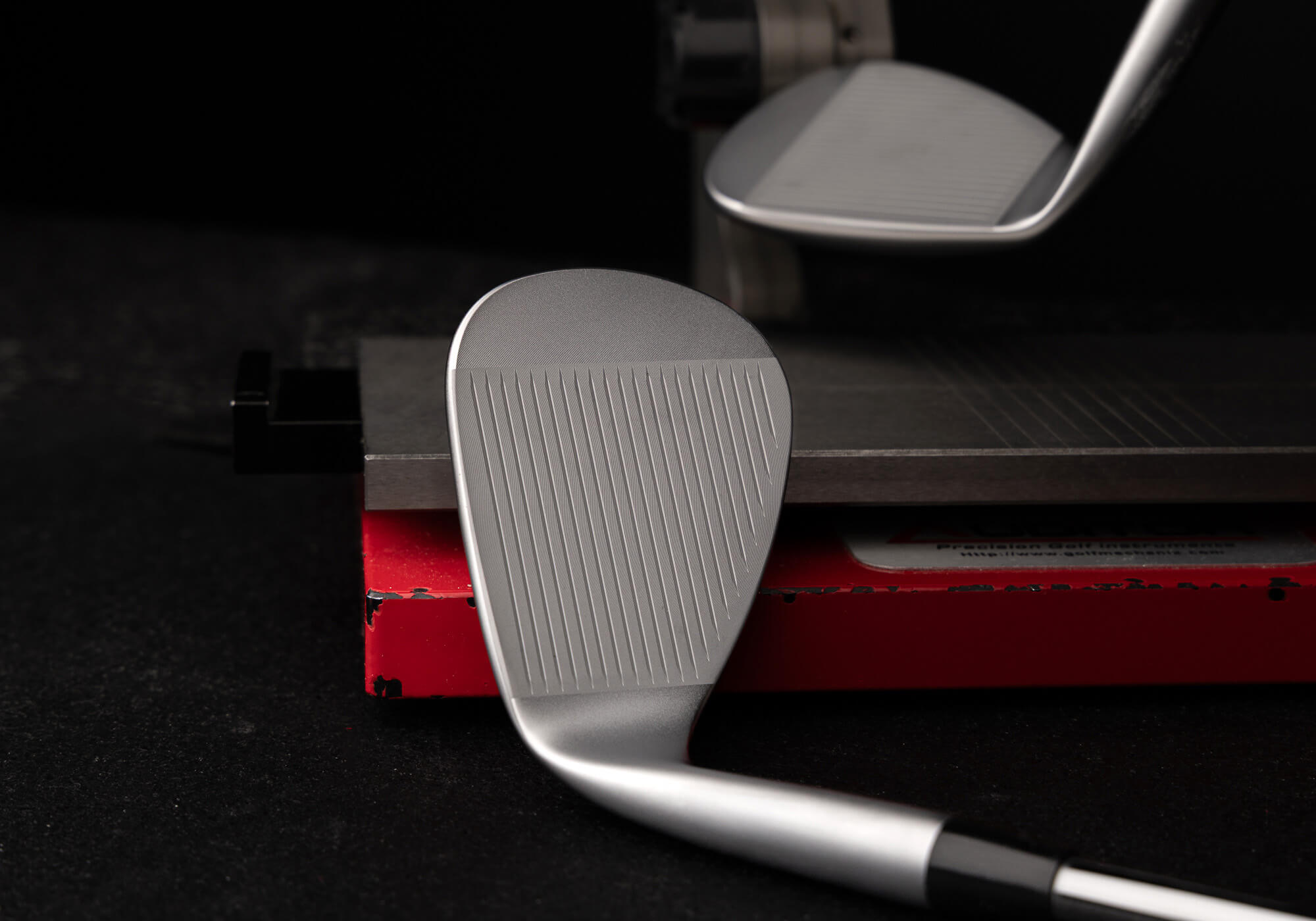
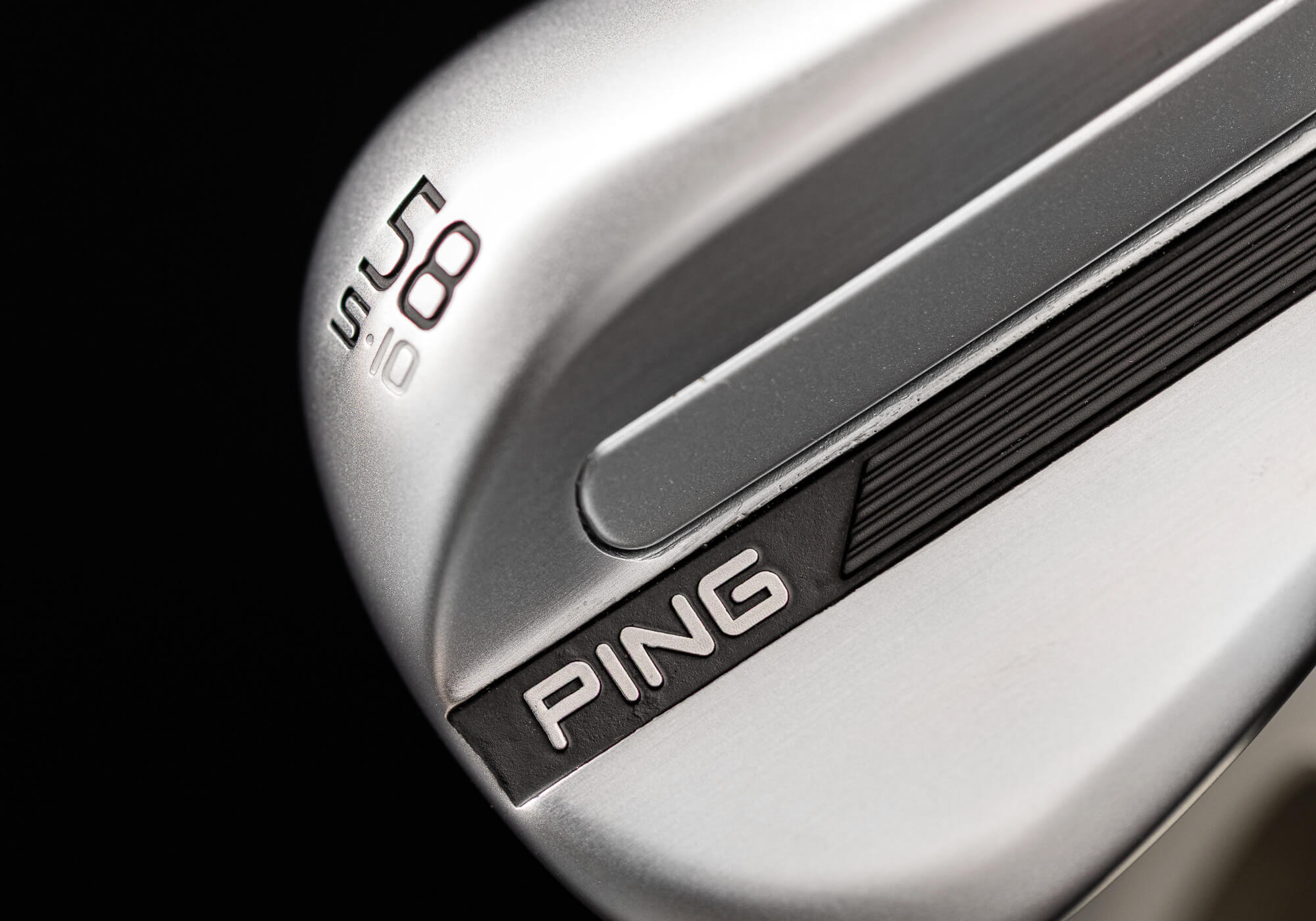
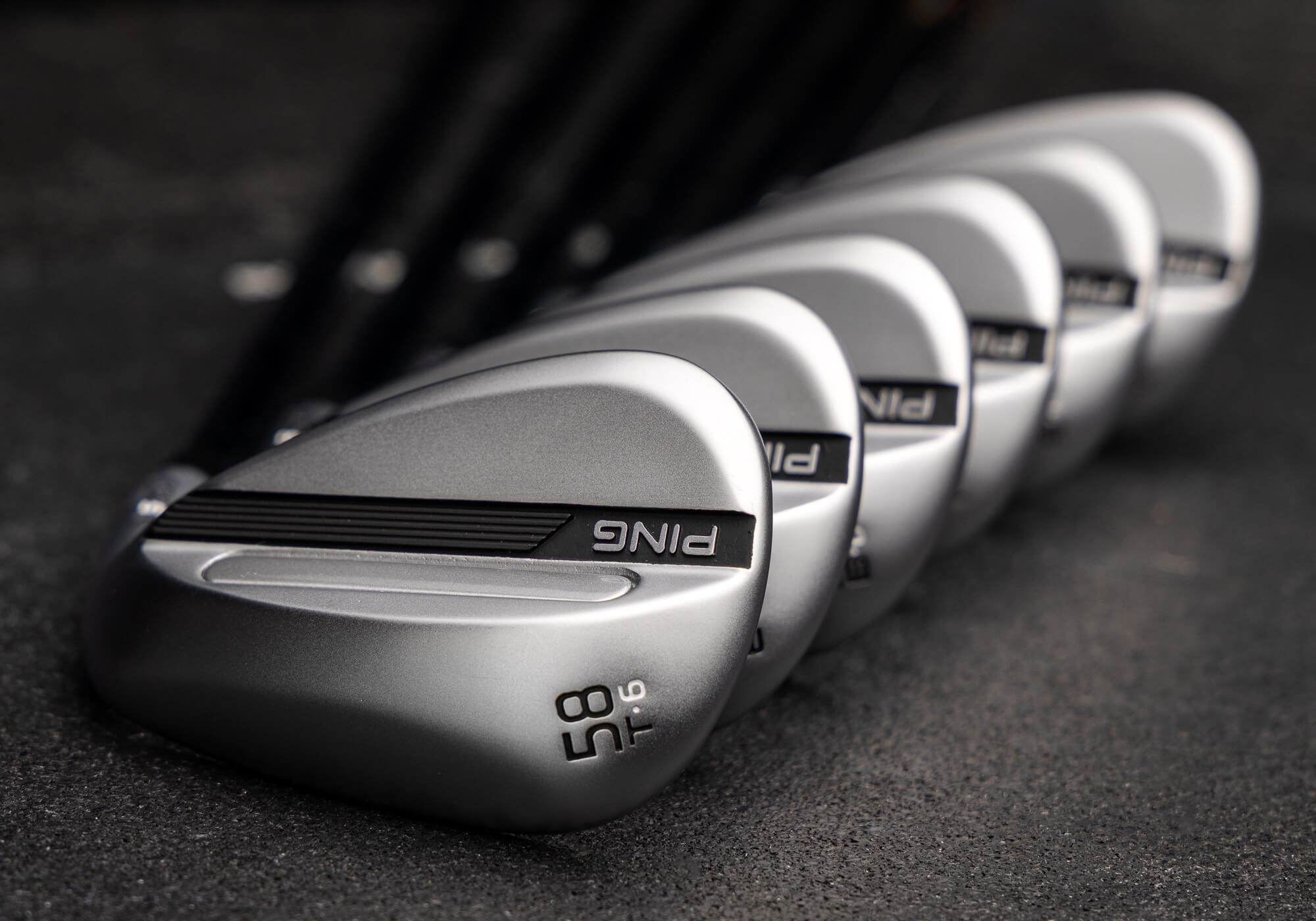
The S259 updates are small, subtle, and have everything to do with playability. PING has made the elastomer insert just a tad bigger, which should bring some feel benefit while also creating a bit more discretionary weight. The face blast on the S259 wedges is also a bit more aggressive, creating more peaks and valleys to help preserve spin.
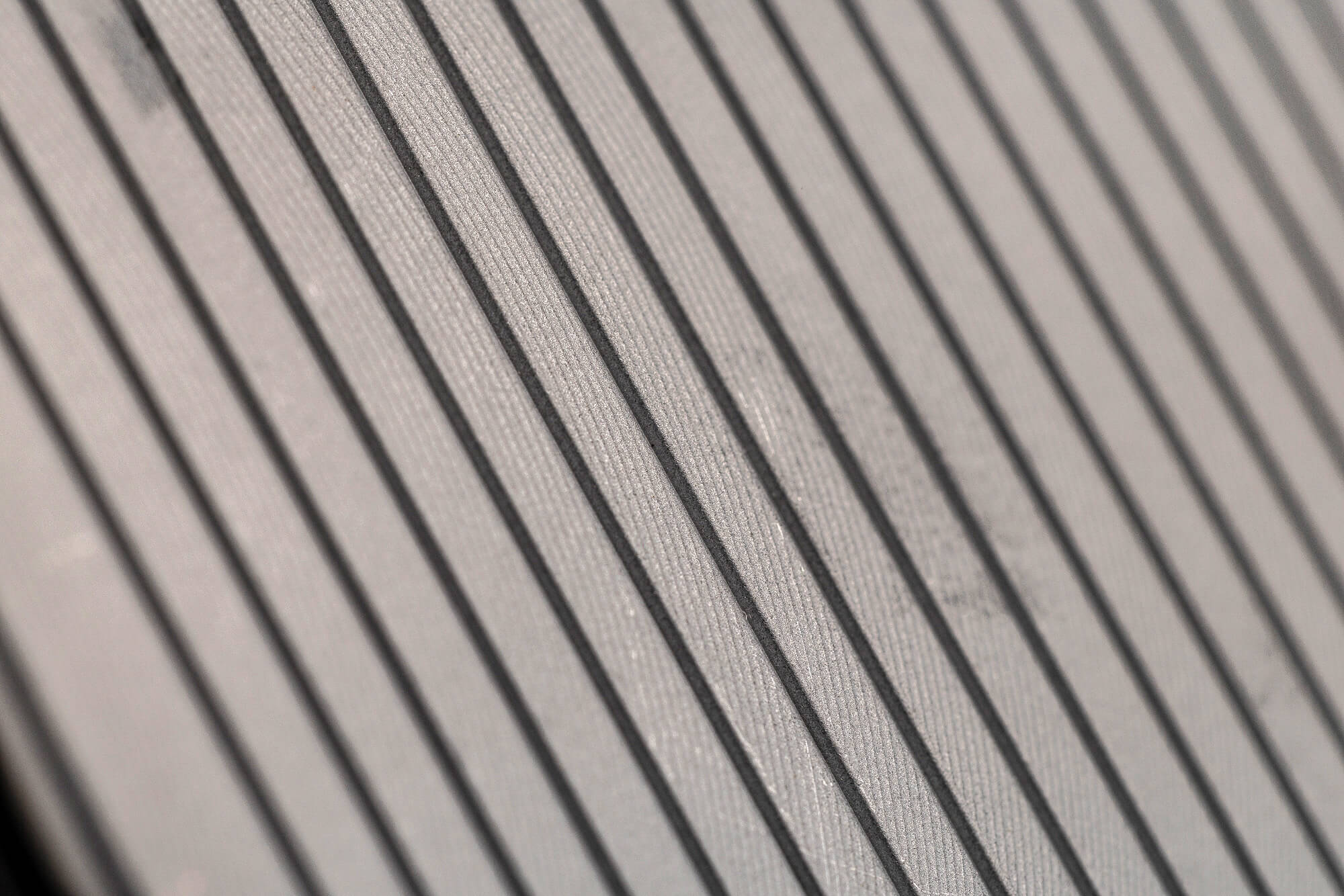
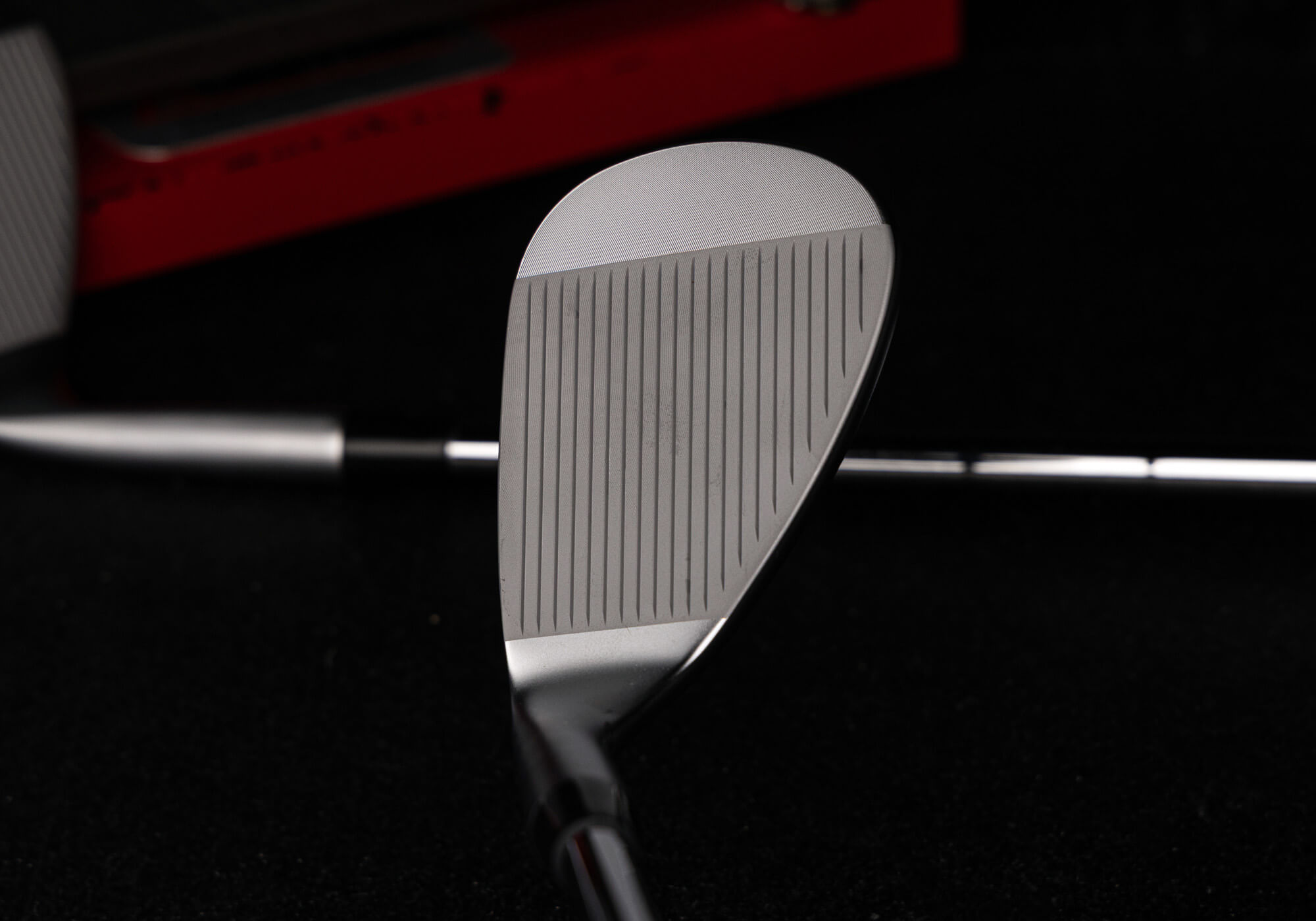
And if you recall the shortened bottom groove on the S159, you’ll find that PING has extended that to a full length. Through testing, PING found that something as minor as the visible length of that groove can impact aim and face position.
“With that really short bottom groove, players perceived the leading edge to be more rounded because their eye is drawn more to the furthest point forward,” says Clarke. “When you have a full-length groove, they tend to look at the whole leading edge shape.”
Yep, PING is just plain different.
PING S259 wedges: Grind options, price, availability
PING is offering its new S259 in six grind options. All loft ranges are in two-degree increments.
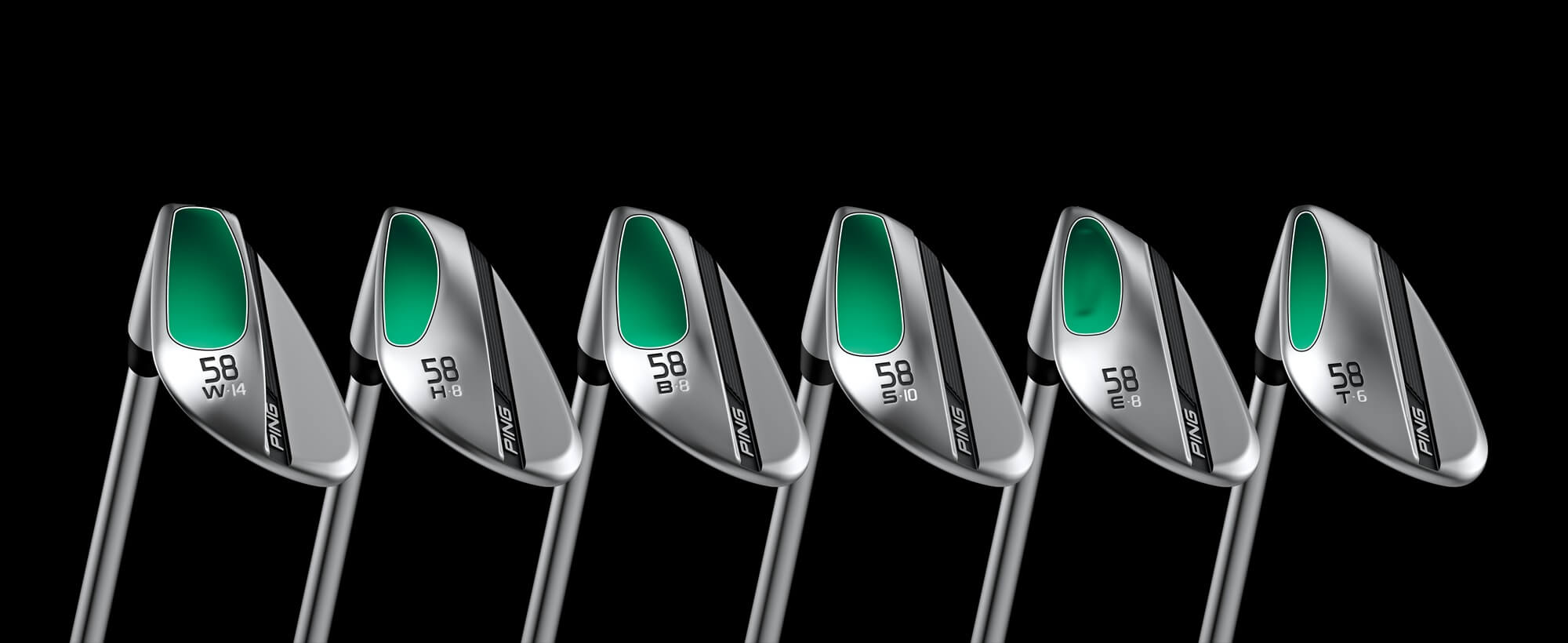
S Grind: Mid-bounce for square-faced full shots with slight heel and trail-edge relief for greenside versatility. Available in 50- to 60-degree lofts.
H Grind: A half-moon grind for versatility in softer conditions, good for steeper swings. Available in 54- to 60-degree lofts.
B Grind: For shallow attack angles and a square setup. It’s low bounce with a wider sole. Available in 58- and 60-degree models.
T Grind: Lowest effective bounce with the most versatility. New steeper trail-edge relief makes open-faced shots easier and more controllable. Available in 58- to 62-degree lofts.
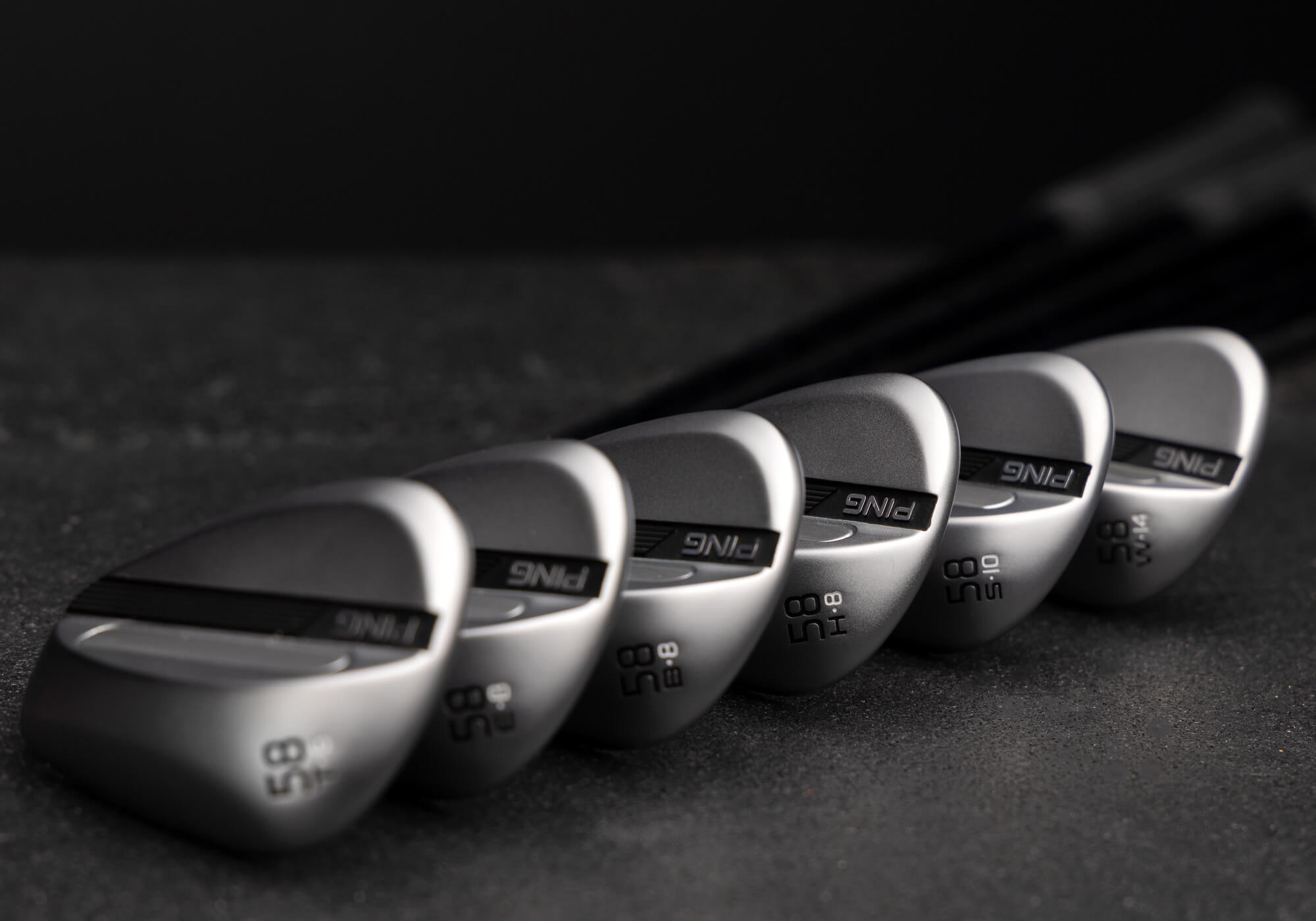
W Grind: Wide sole for maximum forgiveness and easy transition from wide-soled irons. Best for steep swings with a lot of shaft lean. Available in 50- through 60-degree lofts.
E Grind: Eye 2-style dish in the mid-sole makes it effective from tight lies, wider back edge bounce makes it a reliable bunker club. Available in 58- and 60-degree lofts.
PING’s proprietary Z-Z115 wedge shaft is the stock steel shaft while the PING Alta CB Blue is the stock graphite. PING also offers plenty of no-upcharge shaft options through its custom department.
The new Dyla-Grip is also standard. They’ll be available in PING’s traditional Hydropearl 2.0 Chrome finish as well as in Midnight, a highly durable black QPQ finish.
As for price, well, it’s 2026 and it is what it is: $217.50 MSRP in steel, $232.50 in graphite. Additionally, last year’s model, the S159 is on sale for $179.99 while supplies last.
The new PING S259 wedges are available for fitting and pre-order starting today.
For more information, visit the PING website.
The post Can The New PING S259 Wedges Really Be An Improvement Over A Modern Classic? appeared first on MyGolfSpy.
