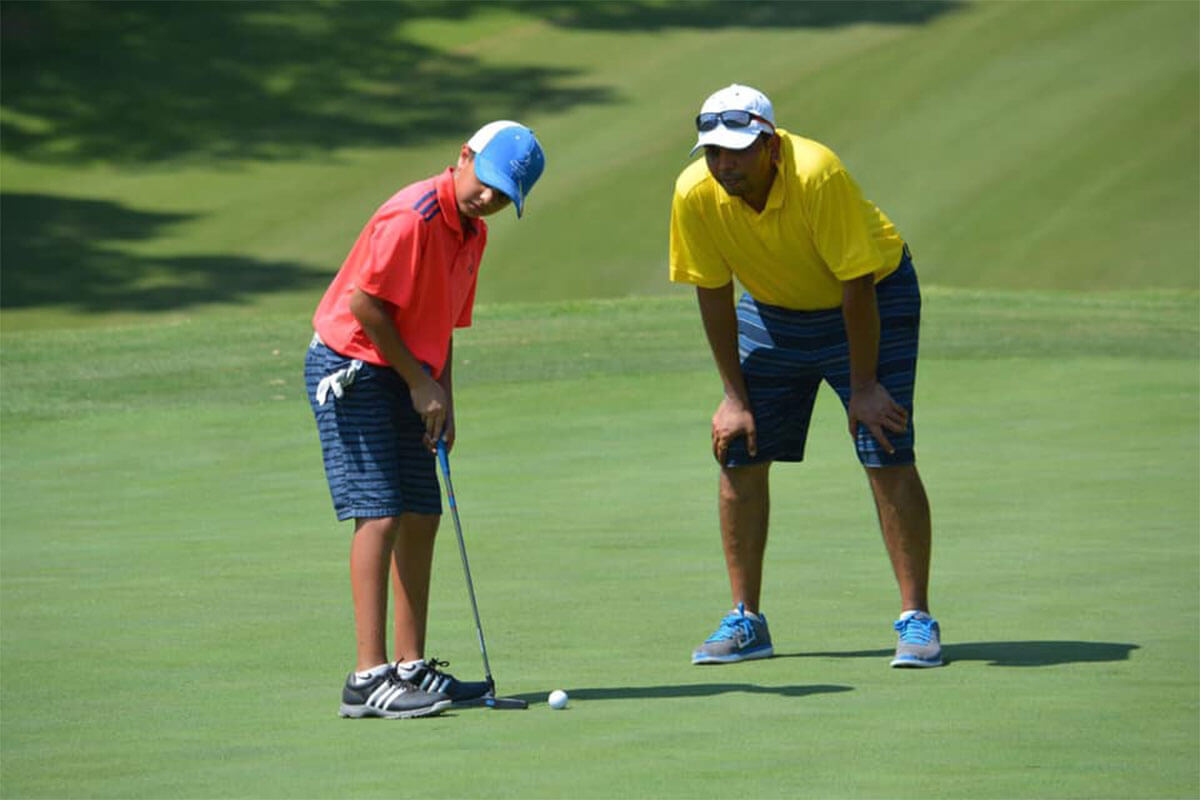
When I was PGA professional, I taught thousands of junior lessons. With that experience, and now as the mom of two kids who enjoy golf, I’ve seen the same mistake repeated year after year: parents buy clubs labeled for a certain age range and assume that is good enough.
Most of the time, it is not.
I have watched kids with solid fundamentals struggle to get the ball in the air, lose confidence and slowly disengage from the game, not because they lacked ability but because their clubs did not fit.
The biggest mistake parents make
Many junior golf sets are sold by age range, e.g., seven to nine, 10 to 12, etc. That approach is convenient but it ignores how kids actually grow and swing.
Two kids the same age can be very different in height, strength, coordination and swing speed. When clubs are selected by age alone, kids often struggle with contact, ball flight and consistency.
Age tells you very little about whether a set of clubs will actually work.
Height-based fitting is a better starting point
U.S. Kids Golf gets this part right. Using height is far more effective than age-based sizing. It helps get club length closer to what a child needs to stand in a comfortable posture and make a natural swing.
This is a smart first step and far better than buying solely based on age.
However, height alone does not tell the full story. It does not account for shaft weight, club balance or lie angle. Those factors become increasingly important as kids develop better contact and faster swings.
Why shaft weight matters more than parents expect
One of the most common assumptions in junior golf is that lighter clubs are always better. That is not always true.
Clubs that are too light can cause kids to lose awareness of the clubhead.
I saw this firsthand with my daughter. She had good fundamentals but struggled to get shots in the air with very light junior clubs. When she switched to better-fitted clubs that were heavier, the change was immediate. Ball flight improved and contact became more consistent.
The clubs finally matched her strength and swing, something that can’t be measured with height or age alone.
Lie angle still matters for juniors
Lie angle is often overlooked in junior fitting. It should not be.
Lie angle affects how the club sits on the ground at impact. If the club is too upright, heel contact and pulls are common. If it is too flat, toe contact and pushes show up.
When lie angle is off, kids are forced to compensate without understanding why. Getting lie angle reasonably close helps kids strike the ball more cleanly and see more predictable ball flight early on.
What are your options?
Once you understand what matters in junior golf clubs, the next step is choosing the right path. For most parents, there are three realistic options.
Option 1: PING junior fitting
The easiest and most accurate option
PING’s junior fitting system is the most straightforward way to get clubs that fit. Parents take basic measurements, answer a few questions and receive clear recommendations for length, lie angle and appropriate club weight.
This removes guesswork and eliminates age-based sizing. PING designs junior clubs with progressive weighting and offers ways to adjust clubs as kids grow. If your child is serious about golf and you want accuracy without trial and error, this is the best solution.
Option 2: U.S. Kids Golf height-based fitting
A good system with more variability
U.S. Kids uses height, which is far better than buying by age. They also offer multiple equipment lines including lighter options and heavier Tour Series clubs for stronger juniors.
This works well when parents understand that not every child of the same height needs the same club weight. Local U.S. Kids fitters can also help when available.
Option 3: Height-based boxed sets
Acceptable for some beginners but not ideal for all
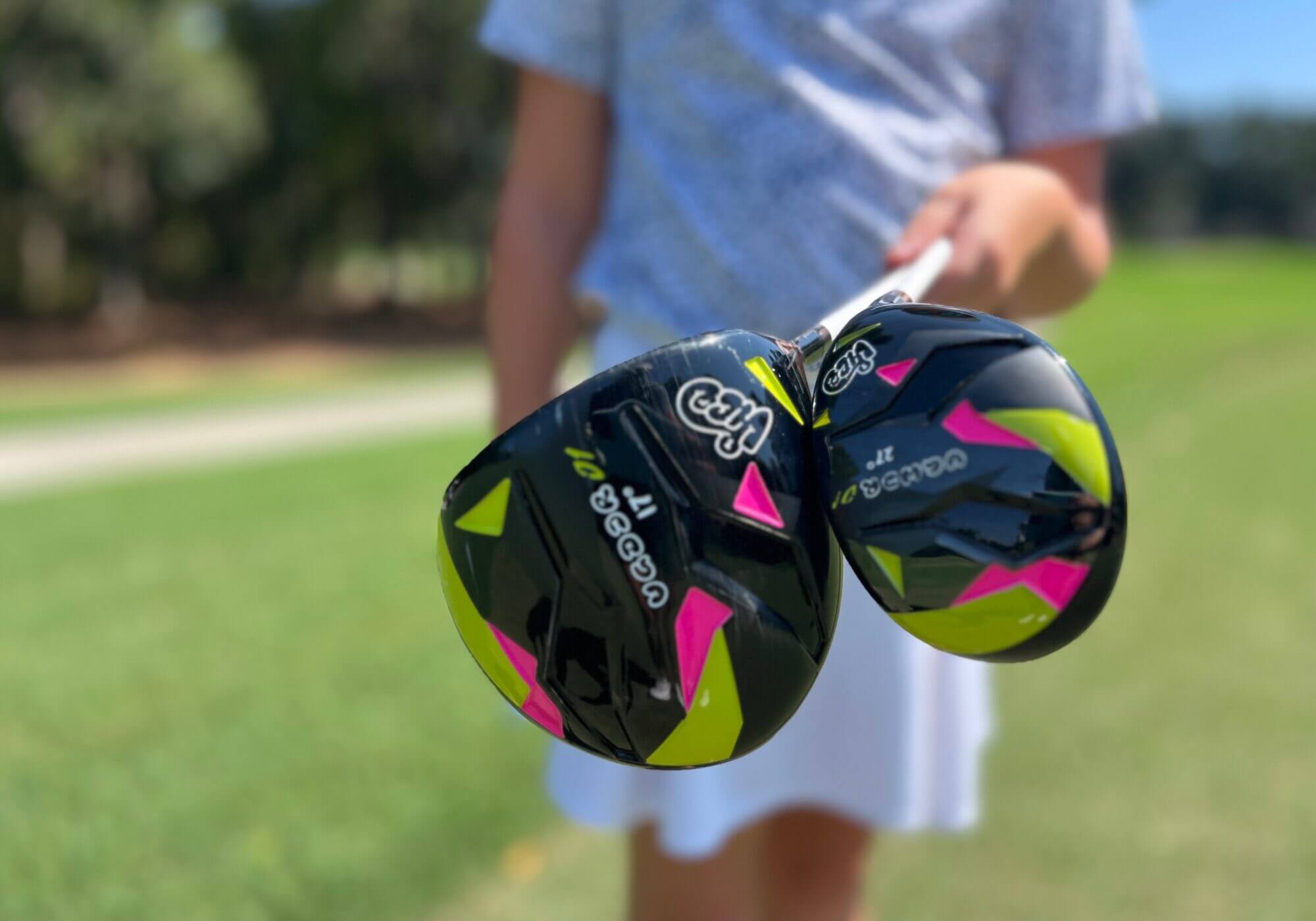
Height-based boxed sets from brands like Vice Golf can work for beginners but options for weight, lie angle and adjustability are limited.
The clubs themselves are fine. The fit will not work for every child, especially as kids grow stronger or develop faster than average.
My top five rules for buying junior golf clubs
If you’re new to buying junior golf clubs, here are the five things I suggest starting with to make sure you get this right.
If a club makes golf harder, it does not belong in the bag
It does not matter if the club fits your child next year. If they cannot launch it, control it or enjoy hitting it today, it is the wrong club.
Progress matters more than completeness
A smaller set that produces consistent contact is better than a full set your child cannot use yet. Golf is learned through repetition, the extra options won’t help them.
Watch ball flight, not swing speed
If your child struggles to get the ball in the air or launches everything low, the issue is often equipment, not effort or mechanics.
Do not assume “light” means junior-friendly
As kids get stronger, clubs that are too light can hold them back. Feeling the clubhead matters for tempo, sequencing and launch.
Choose systems that grow with the golfer
Brands that allow individual club purchases or future adjustments make far more sense for juniors who love the game than boxed sets that lock you into one configuration.
Final takeaway
Junior golf club fitting does not need to be complicated but if you are not careful, it is easy to spend money on clubs that do not work for your child. A beginner boxed set ca introduce a child to the game and, for some kids, that is all they ever need.
But if you are serious about making junior golf a real part of your child’s life, it is worth taking a little extra time to get the fit right. Clubs that fit help kids enjoy the game, see better results and stick with it longer.
The post How To Fit Junior Golf Clubs Correctly (And Avoid The Mistakes Most Parents Make) appeared first on MyGolfSpy.
