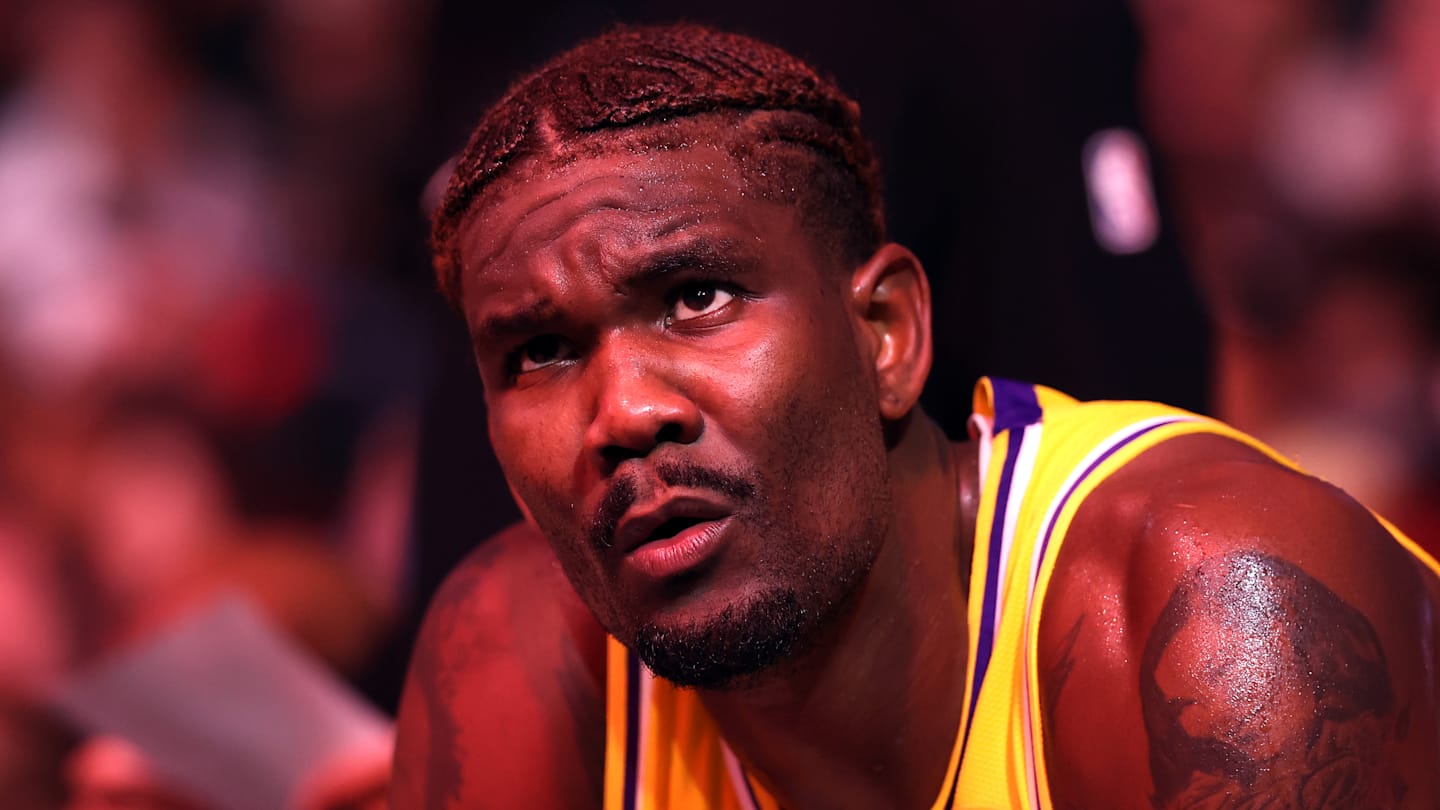
The Lakers hoped Deandre Ayton would look different in their environment. With more structure and higher stakes, the belief was that his talent would finally translate into consistent impact.
Instead, the Lakers are discovering a reality that both the Phoenix Suns and the Portland Trail Blazers already understood. Ayton’s issues were never about ability. They were about effort, defensive instincts, and growth.
Effort questions follow Deandre Ayton everywhere he goes
Ayton still has elite size and touch around the basket. Those traits have never disappeared.
What continues to frustrate teams is how often the motor runs cold.
NBA insiders have highlighted repeated sequences where Ayton gets outrun by opposing centers, jogs back in transition, or reacts late on defensive rotations. Those lapses immediately put pressure on teammates and expose team wide defensive weaknesses.
In Los Angeles, where defensive accountability is non negotiable for a contender, those moments are impossible to hide. What once felt like occasional lapses now look like a pattern.
Zach Lowe’s criticism cuts to the core of the Ayton problem
That pattern recently drew a sharp comment from Zach Lowe, who described Ayton as “just a lump of clay.” The remark was less about disrespect and more about disappointment.
Lowe’s point was clear. After years in the league, Ayton still feels unfinished. His defensive awareness, urgency, and feel for the game have not developed the way teams expected from a former number one pick.
That critique aligns perfectly with why Phoenix never fully trusted him as a defensive anchor and why Portland was comfortable treating him as a temporary piece rather than a cornerstone. Talent without consistent growth eventually forces hard decisions.
Ayton is good starter but not the solution to the Lakers’ problems
Ayton is not a bad player. He is a legitimate NBA starter who can score efficiently and rebound his position.
The problem is the gap between expectations and reality. Right now, he profiles closer to a top 20 starting center than a true difference maker. For a team chasing championships, that distinction matters.
Against elite competition, Ayton does not tilt matchups defensively. He does not consistently protect the rim, control the paint, or set a physical tone. That leaves teammates compensating and systems bending around his limitations.
Phoenix learned this during playoff runs. Portland recognized it during their reset. Now the Lakers are learning the same lesson in real time.
Ayton remains talented. But in the NBA, talent without urgency, defensive commitment, and growth eventually answers the same question everywhere. That is why two franchises felt fine letting him go, and why Los Angeles is now facing the same uncomfortable truth. He might be soon on the chopping block. True defensive players like Giannis or Jaren Jackson could be quickly targeted, and Ayton might be part of a package next to Austin.
