While the new Phantom release is likely to garner most of the release season attention, don’t sleep on these three new Scotty Cameron Studio Style models.
The rebirth of the Cameron Studio Style name was a big deal in the putterverse last year. Nothing like a little dab of nostalgia to get golfers to reach into their wallets.
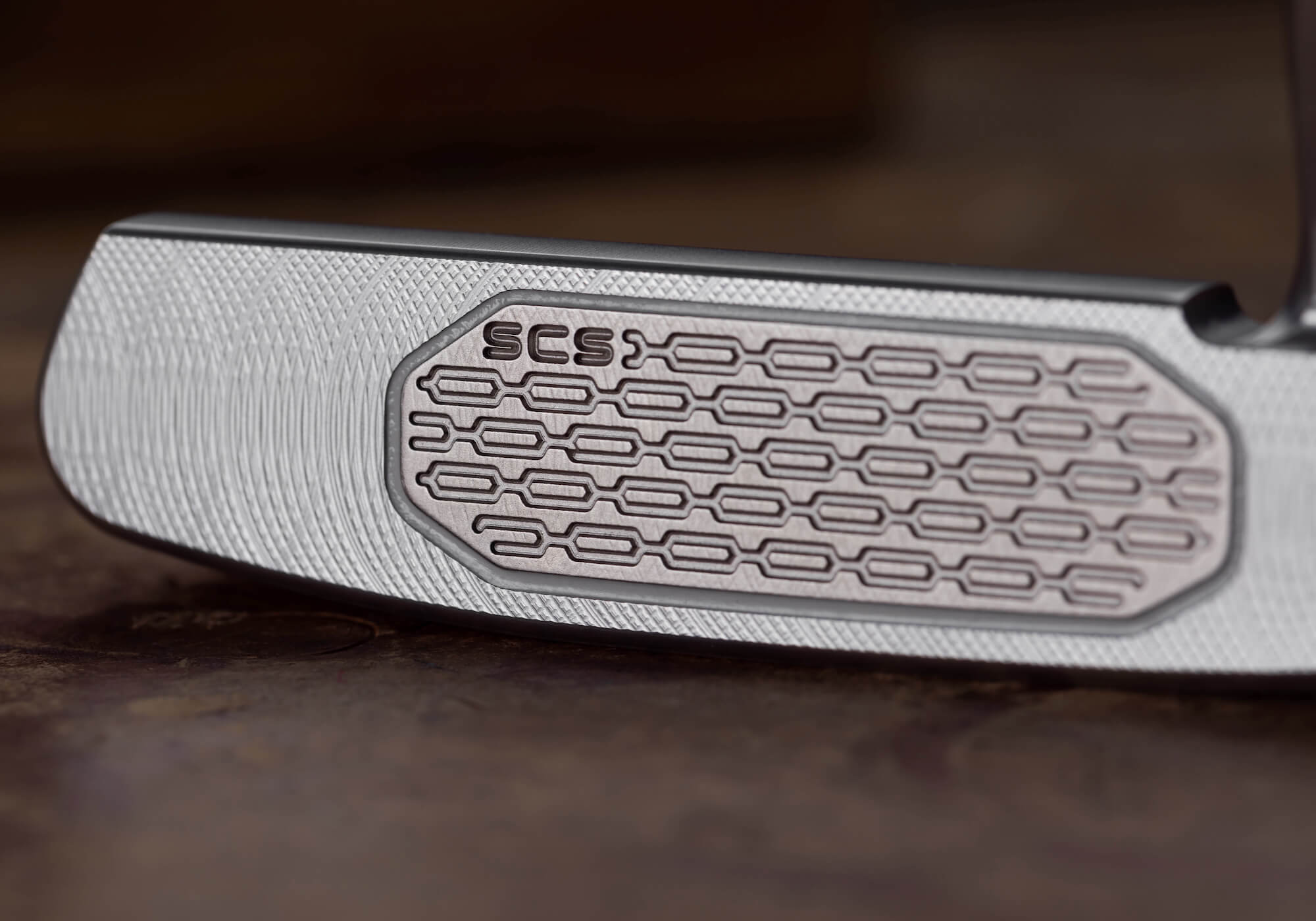
Ultimately, it wasn’t the name that was the big story of the Studio Style line. That honor belonged to the new Studio Carbon Steel (SCS) face insert.
The SCS insert evoked some nostalgia as well, reminding Cameron fans of the face inserts in their beloved Terrylium and original Studio Style heirloom putters.
Nostalgia only carries things so far. It may motivate someone to check out a putter but the putter still has to perform. That was the strength of the SCS insert. Not only did it elicit memories of Camerons past but it felt better than any Cameron face in recent memory.
With this line extension, golfers now have three more Studio Style putters to choose from.
(Spoiler alert: One of the models is going to pile even more nostalgia on top of the existing Studio Style nostalgia.)
Studio Carbon Steel (SCS) insert
As I said, the return of the Studio Style name was an attention getter but what makes the 2026 line worthy of extension is the insert.
Although some of us may have hoped for a Teryllium or German stainless-steel insert, the design team at Scotty Cameron determined that carbon steel was the material of choice when it came to softness.
Longtime putter collectors have sung the praises of carbon steel for decades because of its soft feel. So much so that they will oil their putters after use or just accept that carbon steel will rust a bit over time.
Somewhere along the way, most milled putter production switched to stainless steel, likely because of its improved durability and resistance to the elements. New deep milling techniques could soften the stainless-steel faces to a point but the soft feel of carbon steel was tough to effectively replicate.
Perceived softness relates to impact tone
I remember when I first had someone explain to me the softness difference between carbon steel and stainless steel. Calling any kind of steel “soft” seemed ridiculous. They are both steel, after all.
One could likely hammer a nail into a board with a carbon-steel putter just as effectively as they could with a stainless-steel one.
After many years of metallurgy night classes at the local community college, I learned about all of the major metal hardness scales. Understanding the Rockwell, Brinell, Vickers and Mohs Hardness scales allowed me to understand the subtle differences in metal hardness.
(I still secretly believe all steels are hard.)
In terms of putters, the metal hardness is only part of the softness story. It also involves the sound produced by the putter at impact. Your brain interprets the tone you hear as soft or firm.
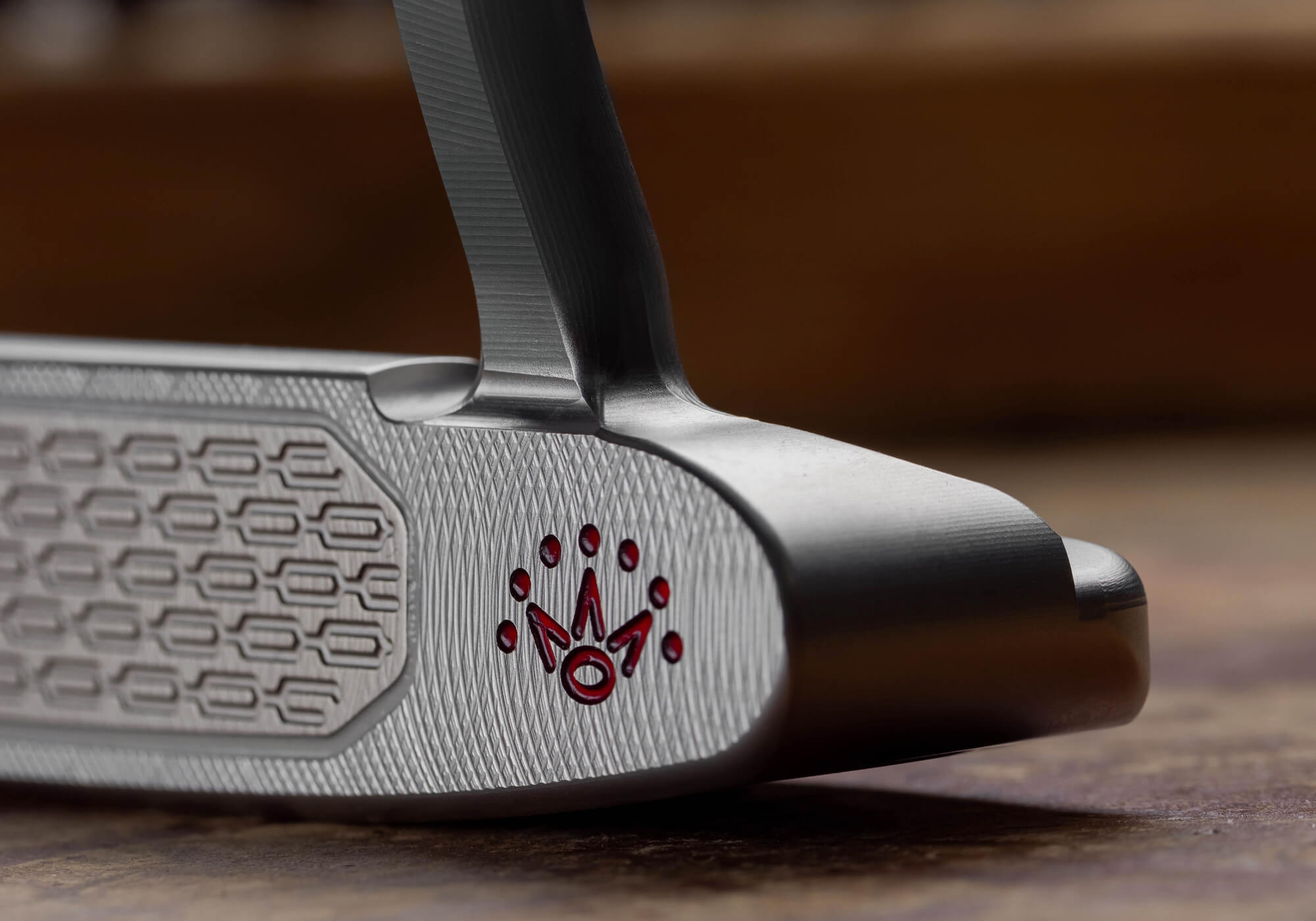
Anything that influences the tone of the putter, such as shape, material and milling, will influence the feel of the putter. A putter that is clicky will be perceived as firm while one with a more muted tone will be viewed as softer.
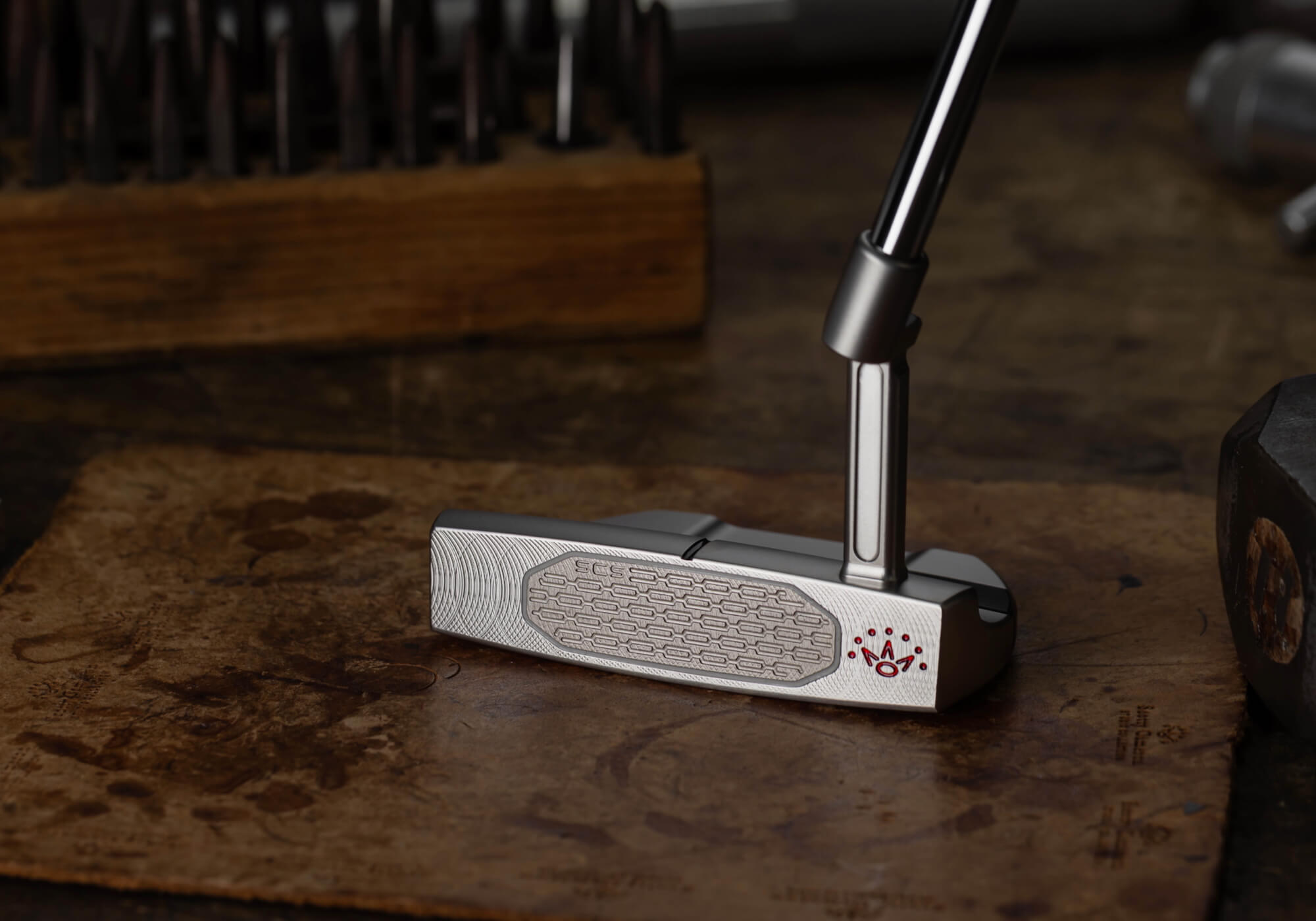
Long story short, the combination of the carbon steel, the anti-rust nickel coating and the badass-looking chainlink milling give the Studio Style putters a soft tone and feel at impact.
Enough of me putting my Associates degree to use, let’s check out the new Studio Style Models.
Studio Style Fastback 2 and Fastback 2 Long Design
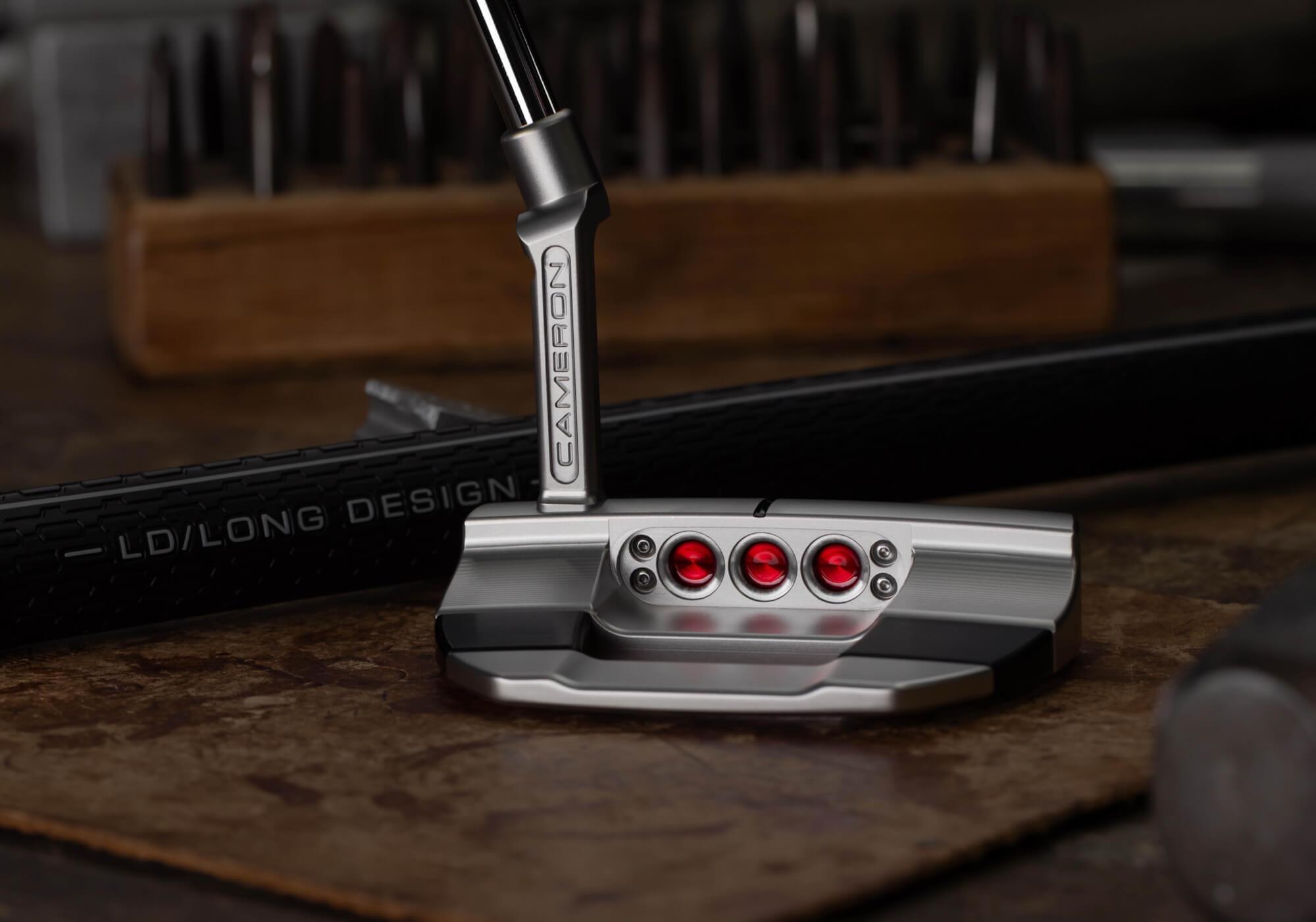
The first two models are the same shape but with different build parameters. Both the standard and Long Design Fastback 2 models start with the mid-mallet Fastback shape introduced in 2025. From there, each is equipped with a plumber’s neck which is why they have a “2” in their names.
Both models feature contrasting silver and black bands to help with alignment and weight distribution. In terms of alignment schemes, many find this pattern quite versatile.
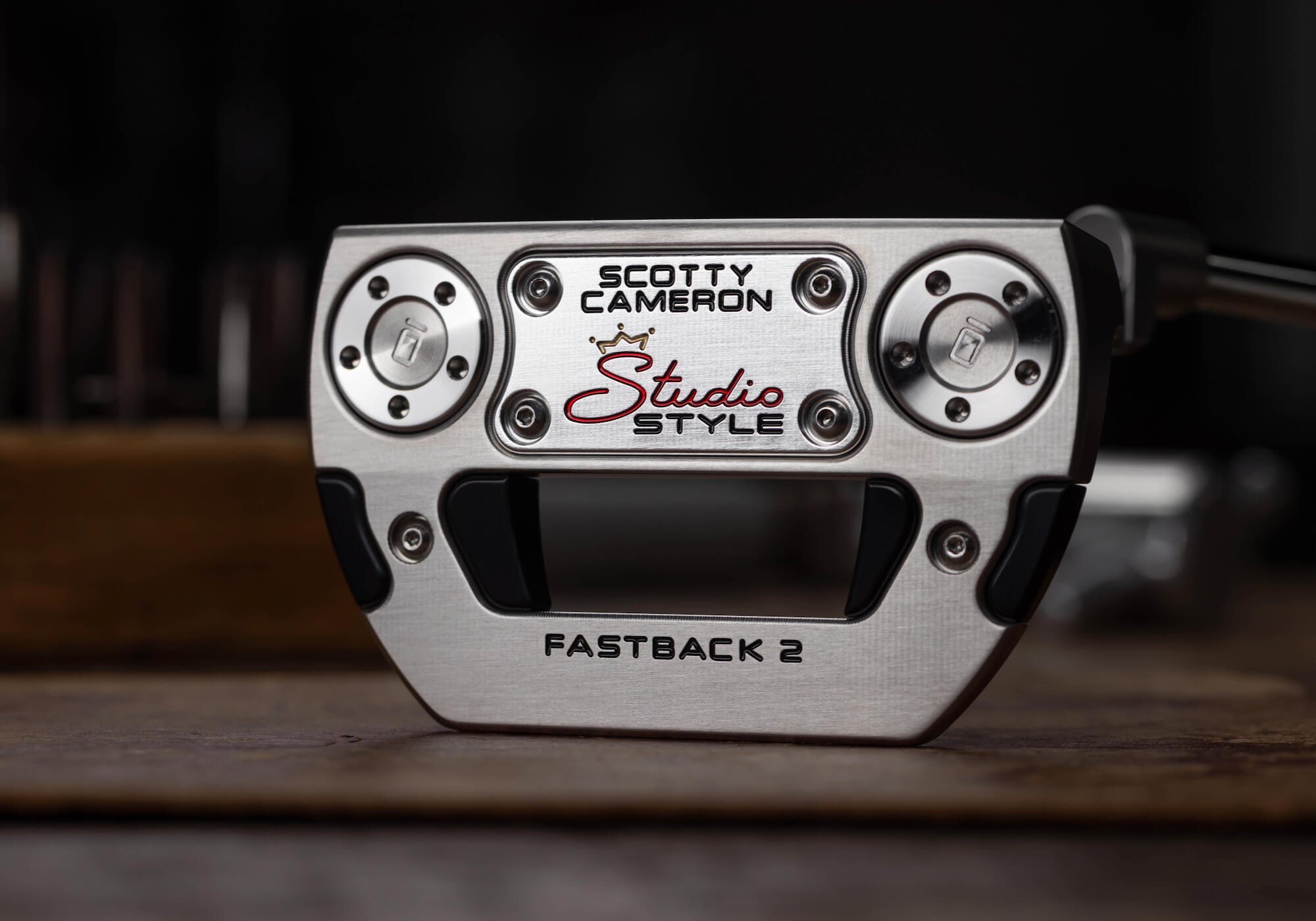
The standard Fastback 2 model comes in the expected lengths and weights. For the counterbalanced Fastback 2 Long Design, the shaft is stiffer, with the length extended to 38 inches. To compensate for the longer shaft and 17-inch grip, 25-gram tungsten weights are screwed into the sole.
(By the way, if you are looking for a blacked-out Fastback 2, take a look at last year’s Xperimental release.)
Both models will be available in right- and left-handed configurations.
Studio Style Santa Fe

I told you there was a double dose of nostalgia on the way. Those of you late to the putter party are probably thinking this putter is a Newport 1.5. You are not wrong; you just don’t know that Santa Fe was the original name for the Newport with a flow neck.
While the numerical Newport 1.5 name probably does a better job of explaining the putter build in the modern era (Newport shape with the 0.5 neck), I prefer the Santa Fe name.
I think an excess of numbers and rules takes something away from Cameron’s Art of Putting aesthetic.
(Like I should talk. I’m the poster child for over-analysis. Heck, I’ve written 10,000 words about a new golf bag!)
Even so, there are times when I just want to take a putter named Santa Fe and roll some balls with it. I don’t need to think about the number of the neck or any of that hardness nonsense that I blathered on about above.
Sorry, lefties, you are out of luck with this one.
It’s not a huge Cameron release but it’s a fun one
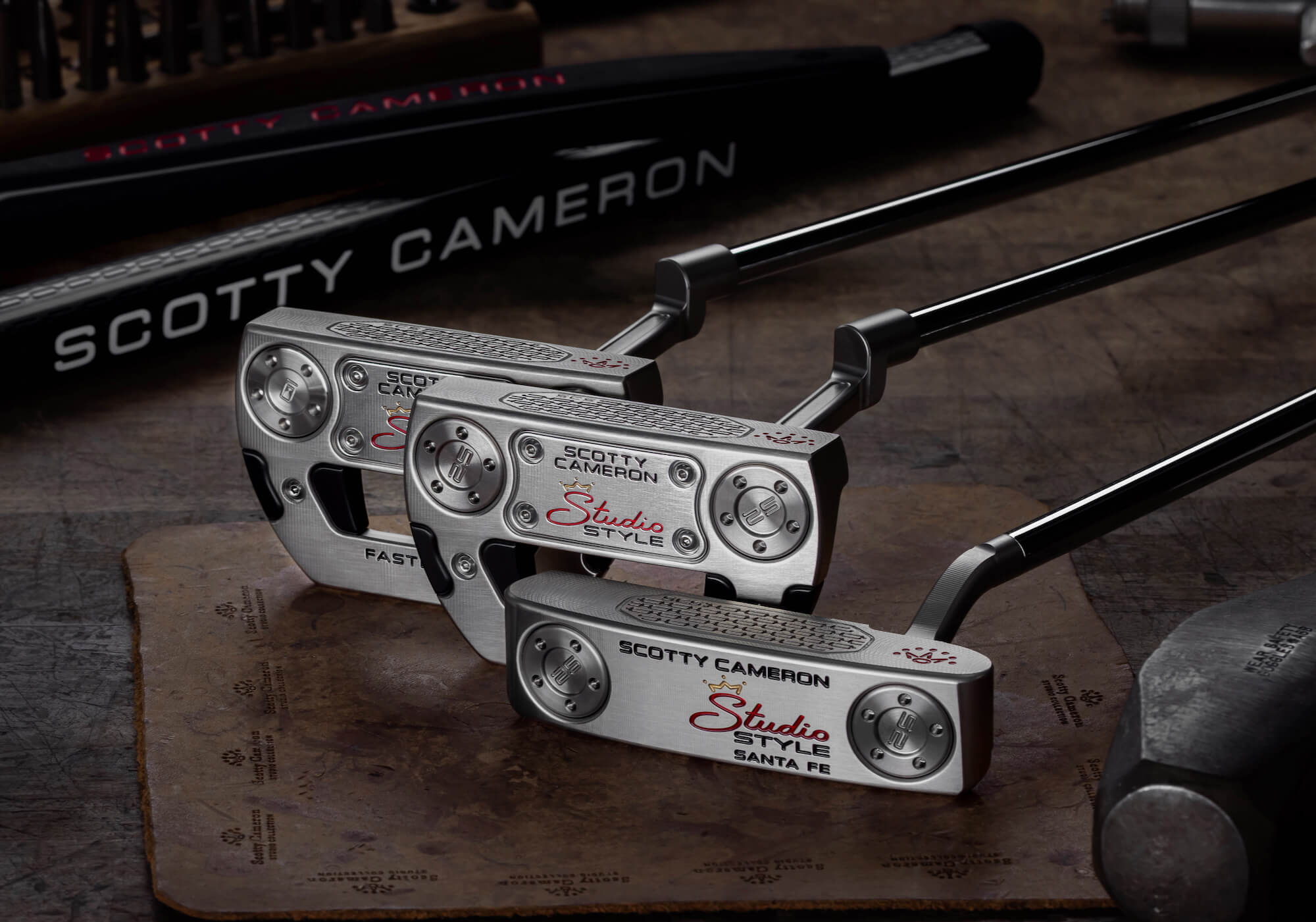
A three-putter extension is not intended to be earthshaking but that doesn’t mean it can’t be meaningful and enjoyable. Most importantly, the three new heads represent new fitting options for those not served by the 2025 Studio Style release.
Fastback fitting options now are quite expansive. You have the face-balanced Fastback, the slight-hang Fastback 2 and the deep-hanging Fastback 1.5. If you are looking for zero torque, the Fastback OC has you covered.
Pricing is the same as last year with the stock length models being $499 and the Long Design Fastback 2 costing $50 more at $549.
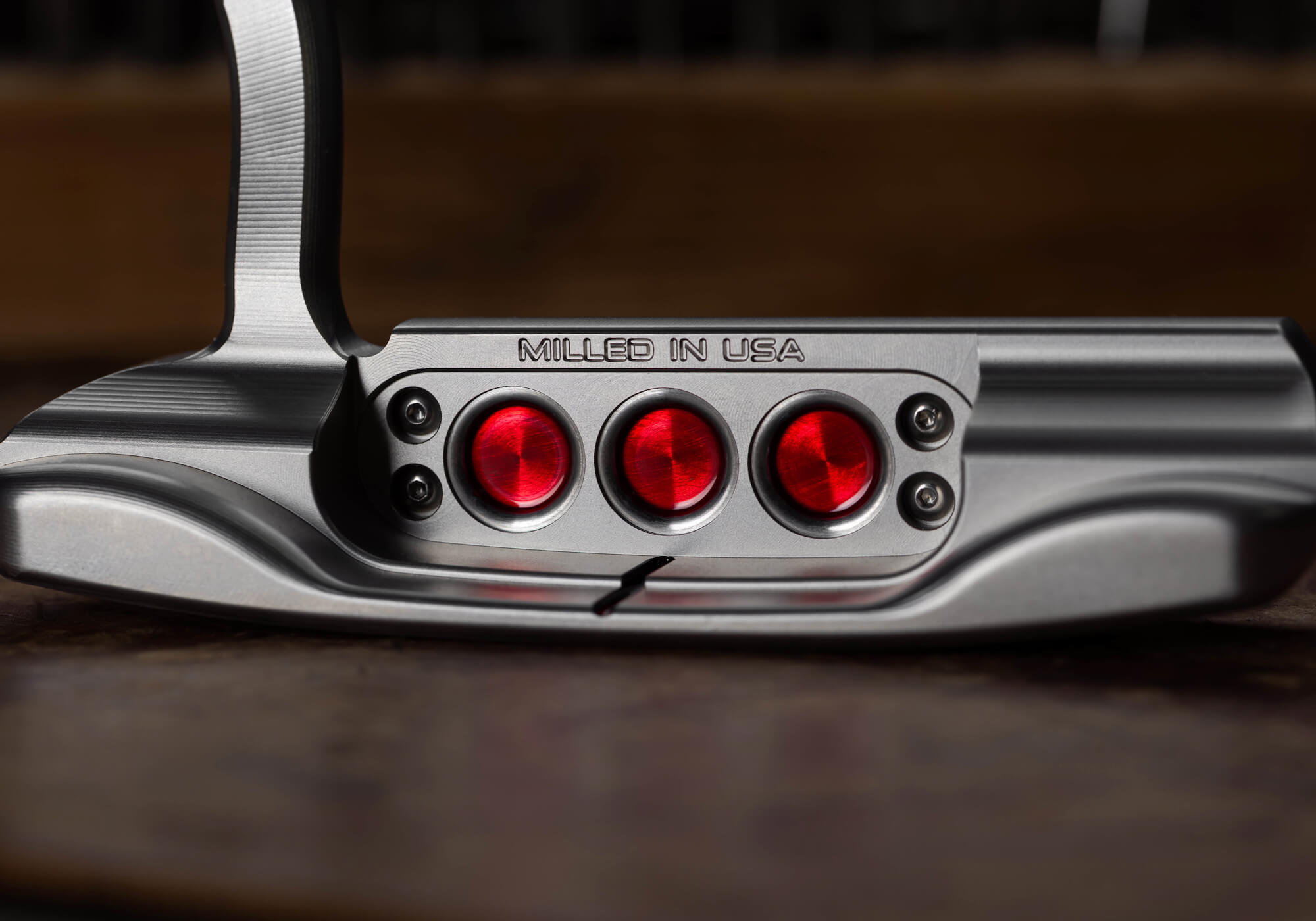
The Santa Fe doesn’t quite fit my stroke but I still want to roll balls with it.
Those of you who are one-putter people may not relate but collectors know some of the putters in the collection are there for fun sessions on the practice green. These days, I use mostly zero-torque mallet putters on the course but I have a few putters that get time on the grass purely for fun.
I can see the Studio Style Santa Fe joining my Laguna 1.5 in this capacity. Crack a beverage and roll some balls just for the sake of enjoying the warm afternoon on the turf.
On this rainy winter day, that sounds like a spectacular afternoon to me.
The post Scotty Cameron Extends The Studio Style Line appeared first on MyGolfSpy.
