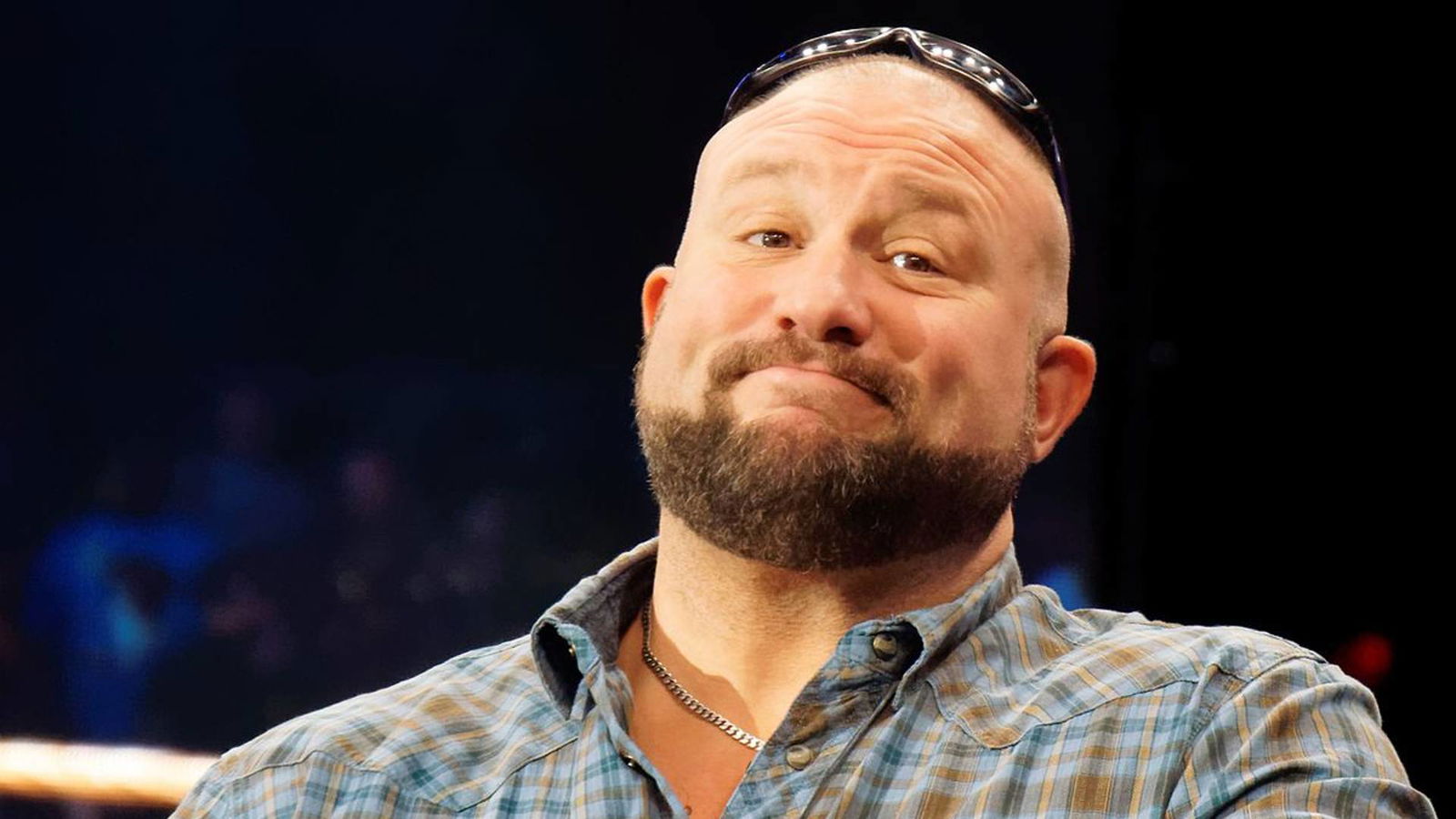
The spotlight on TNA has grown noticeably brighter following Impact’s long-anticipated debut on AMC, and not everyone inside the bubble believes the job is finished just because the platform has improved. According to Bully Ray, the locker room now has to recalibrate its mindset to match the opportunity in front of it.
Appearing on Busted Open, Ray, who has deep roots in TNA and served as a guest commentator on the AMC premiere, offered a blunt assessment of the company’s internal culture. He made it clear that while the environment is healthy, comfort alone will not carry the product forward. “One of the biggest things that this locker room needs to do is believe,” Ray said, before acknowledging the positive atmosphere backstage. “It’s good… everybody gets along.”
That praise, however, came with a sharp pivot. Ray described the current TNA locker room as one of the most unified he has experienced, placing it just behind his time in ECW. Still, unity without urgency, in his view, is a liability. “Other than the ECW locker room, this TNA locker room [is] one of the best locker rooms I’ve ever been a part of,” he noted. Then came the challenge. “Yeah, but that’s all fine and good. But that doesn’t give you that killer instinct, that eye of the tiger… Enough with the happy, joy, joy bullsh*t. Go out there and attack.”
From Ray’s perspective, belief has to translate into competitive pressure, both on screen and behind the curtain. He urged talent to push one another relentlessly in every segment, drawing a comparison to the culture that once defined WWE under Vince McMahon. That era, Ray recalled, thrived on an unspoken fear of being outperformed, a dynamic that forced wrestlers to sharpen their work night after night.
“This locker room has to know that they can step up and put on a product,” Ray continued. For him, merely being grateful for television time is no longer an acceptable standard. “You can’t just be in the mindset of, ‘I’m happy to be here.’ It’s not going to cut it.”
Ray also framed the conversation in broader business terms. TNA is no longer operating in relative obscurity; it is now airing on the same network that built cultural juggernauts like The Walking Dead and Breaking Bad. In his view, that reality removes any remaining excuses. The roster asked for a bigger stage and now it has one.
That framing adds context to the pressure TNA faces as it reintroduces itself to a wider audience. A strong network partner raises expectations not just for match quality, but for presentation, confidence, and long-term creative direction, all of which shape how fans and industry observers perceive the brand.
Looking ahead, the challenge for TNA will be whether that internal cohesion can evolve into the sharper competitive edge Ray is calling for. If the roster embraces that shift, the AMC era could become more than a distribution upgrade, it could redefine how the company positions itself in the modern wrestling landscape.
Transcript: WrestlingInc
