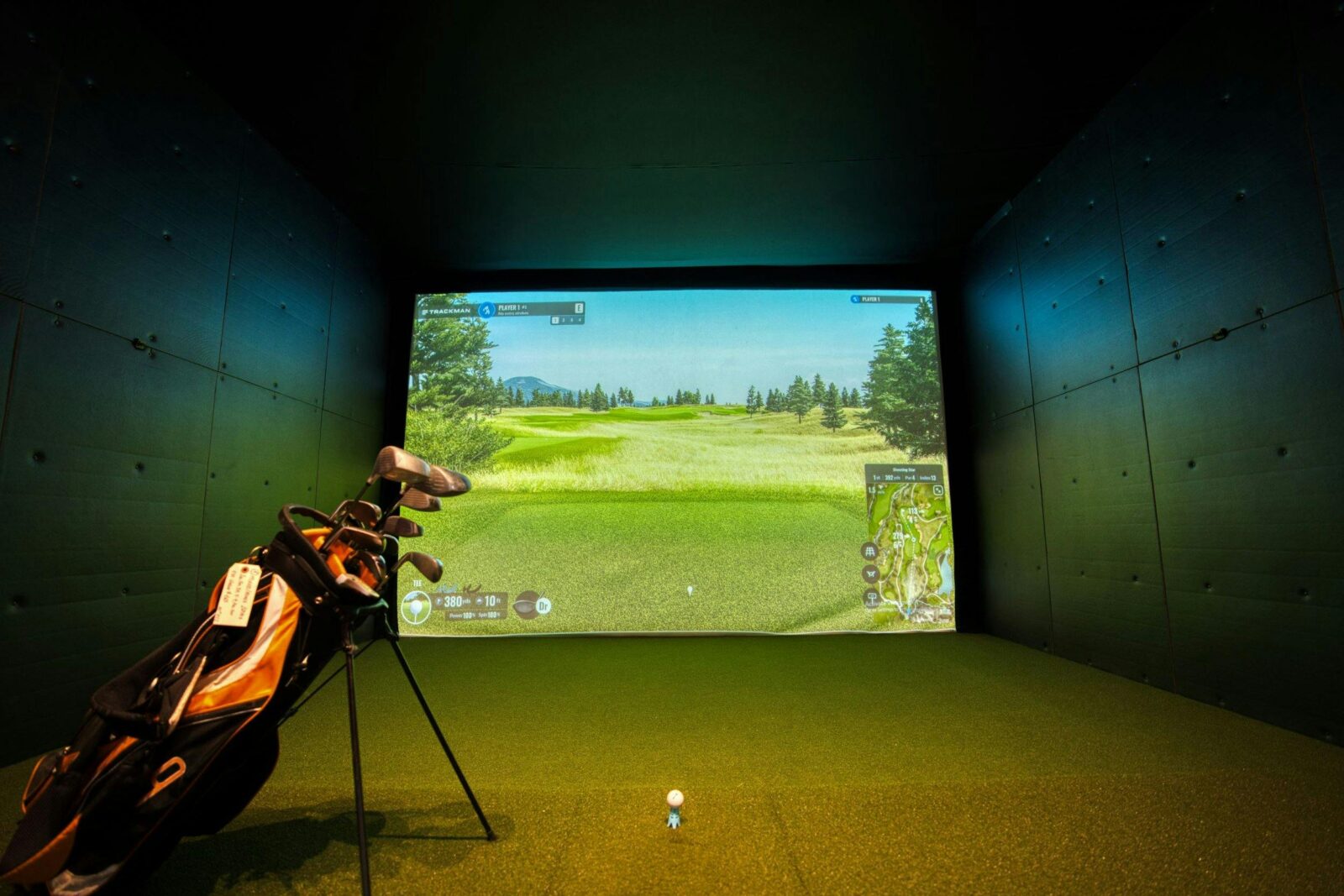
Winter weather and short daylight hours limit outdoor practice for most UK golfers. Setting up a proper indoor practice area gives you year-round access to focused training. The right equipment makes indoor work productive rather than just convenient.
Indoor practice lets you work on specific swing changes without weather interruptions. You can track ball flight data and build muscle memory. Smart equipment choices determine whether your indoor sessions actually improve your game.
Choose the Right Launch Monitor Technology
Launch monitors transformed how golfers practice indoors by providing accurate ball flight data. Modern units range from basic swing speed trackers to advanced systems. Your choice depends on available space and training goals.
Understanding Launch Monitor Options
Different technologies suit different practice spaces and budgets. Radar-based monitors work well in smaller spaces since they track from behind. Camera systems need more room but often provide detailed club data. Consider your ceiling height and available floor space before investing.
A square launch monitor offers portable technology for home setups. These compact devices fit most practice areas. They provide reliable distance and direction feedback. Connection to smartphones or tablets gives you instant shot analysis.
Key Metrics to Track
Most golfers benefit from monitoring three core measurements:
- Carry distance shows your power development over time
- Ball speed indicates how efficiently you transfer energy at impact
- Club path helps diagnose swing faults and directional issues
Advanced players may want spin rates and launch angle data. Start with core metrics and expand as your practice routine develops. Too many numbers create confusion rather than clarity.
Set Up Your Space Properly
Room dimensions affect equipment choices and practice safety. Your setup needs proper measurements to work effectively. Poor planning leads to damaged equipment or restricted swings.
Measuring Your Practice Area
Measure ceiling height at the hitting position first. Your tallest club needs clearance through impact. Most setups require at least 9 feet of overhead space. Allow 10 feet behind the hitting area for your stance and backswing.
Place the impact screen or net at least 8 feet ahead. This distance lets the ball travel naturally. Side barriers prevent errant shots from damaging walls or windows. Your practice space should feel stable through aggressive swings.
Lighting and Flooring Considerations
Lighting matters more than most golfers expect. Position lights above and slightly behind you. This placement avoids shadows at address. Bright, even lighting helps you see ball contact clearly. Avoid placing lights directly in front where they create glare.
Flooring stability supports consistent contact. Concrete or solid wood floors work better than carpet over padding. Add rubber mats under hitting surfaces to reduce noise. According to research from the USGA, proper practice surfaces significantly reduce injury risk during training sessions.
Use Quality Hitting Mats and Nets
Hitting mats simulate turf interaction during impact. Your mat choice affects both comfort and skill development. Cheap mats with hard backing cause wrist and elbow strain. Quality mats feature gel or foam underlays that absorb shock.
Selecting the Right Mat
Look for mats with replaceable turf sections around the hitting zone. This feature extends mat life since the impact area wears faster. Some mats include adjustable tee holders for driver practice. Invest in quality because you’ll use this equipment thousands of times.
Choosing Impact Screens or Nets
Impact screens or nets stop balls safely while providing visual targets. Screens work with projector systems for simulator experiences. Nets offer simpler solutions for pure practice sessions. Both need proper anchoring to walls or frames.
Consider net size relative to your accuracy level. Larger nets forgive mishits during swing changes. A 10-foot width works as a good minimum. Smaller nets work for experienced players with consistent contact. Proper backstops reduce practice injuries according to sports medicine studies.
Track Meaningful Data Points
Recording practice data reveals patterns over time. Most launch monitors include apps that store session history. Review trends in carry distance and dispersion rather than individual shots.
Focus on three key metrics during typical practice sessions:
- Carry distance tracks your power development
- Lateral dispersion shows your directional control
- Club path data helps diagnose swing faults
Set benchmark targets based on your current abilities. Trying to match tour player numbers frustrates most amateurs. Measure improvement against your own baseline statistics. Small consistent gains build better habits than chasing unrealistic goals.
Save detailed data from monthly test sessions. Hit 10 shots with each club and record averages. Compare these results quarterly to track genuine progress. Daily practice sessions need less detailed tracking.
Build Repeatable Practice Routines
Structure beats random ball beating every time. Plan each indoor session with specific goals before starting. Work on one swing element per session rather than fixing everything simultaneously.
Warm Up Properly
Start with half swings using short irons. This primes movement patterns without fatigue. Progress to full swings once you feel loose and connected. Save driver practice for the end when you understand your swing.
Balance Technical Work with Playing Practice
Mix technical work with simulated on-course practice. Spend half your time on pure swing development. Use the other half playing imaginary holes with real consequences. This balance builds both mechanics and course management skills.
End each session with 10 comfortable swings using your favorite club. Finish on positive feelings rather than grinding through fatigue. Indoor practice should leave you eager for the next session.
