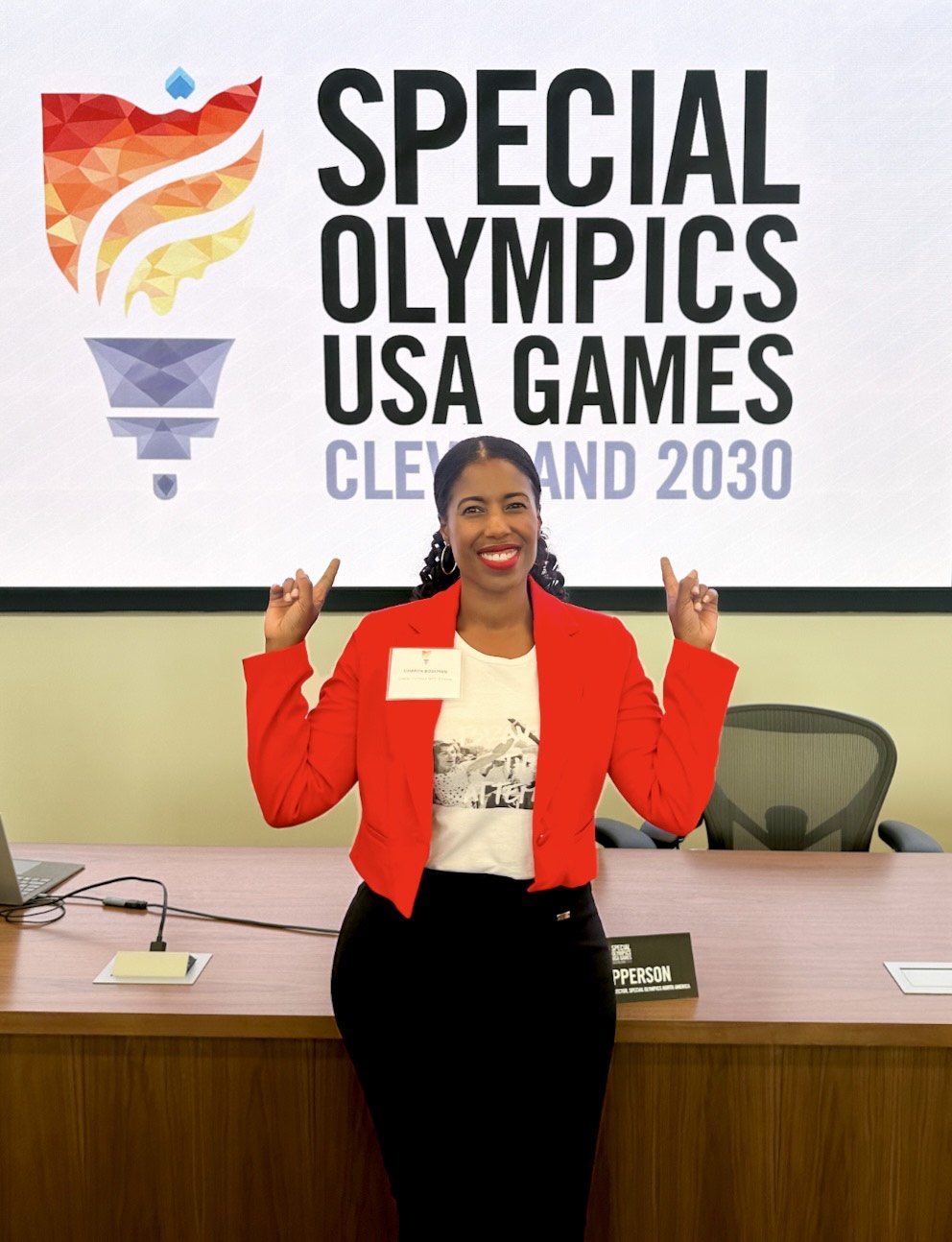
As Special Olympics celebrates Black History Month, we are spotlighting some of our staff to learn about their journey with Special Olympics and share insights into what the month means to them.
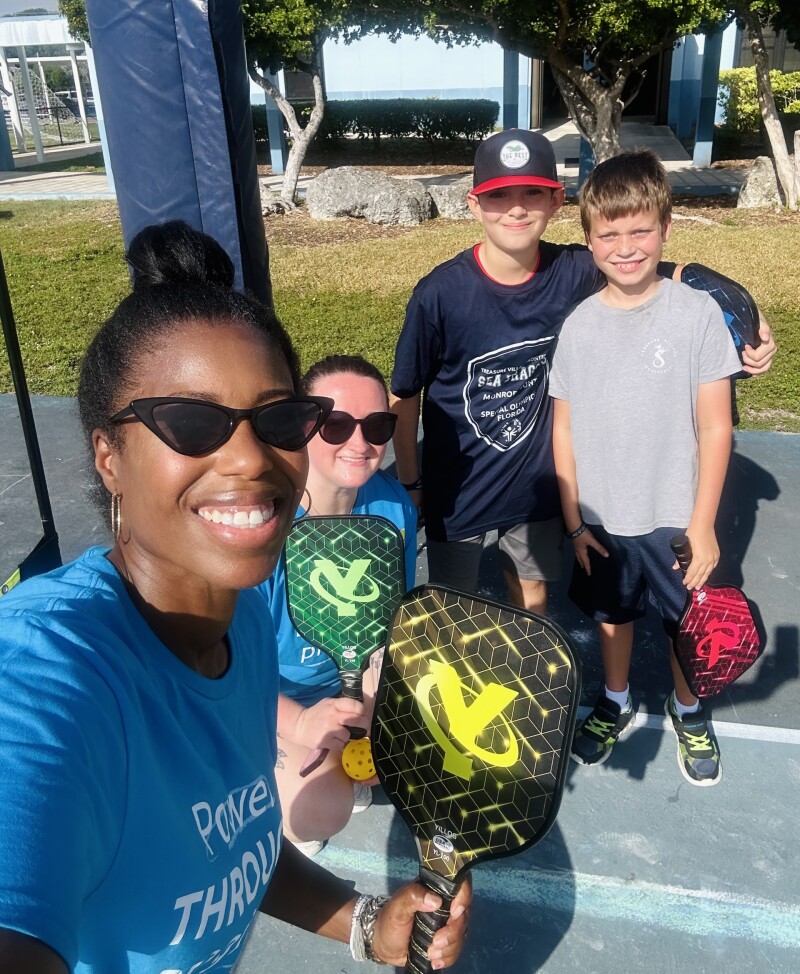
Charita Boseman has been part of Special Olympics movement since 2015, beginning at Special Olympics International, and joined Special Olympics North America in 2022, where she serves as a Senior Manager of Health. Over the past decade, she has been part of USA Games Seattle 2018, the 50th anniversary of Special Olympics at the Unified Football World Cup Chicago 2018, Canada National Winter Games Calgary 2024, and three Special Olympics World Games: Los Angeles 2015, Austria 2017, and Abu Dhabi 2019.
How long have you been part of Special Olympics?
It’shard to believe this June will mark 11 years since I joined the Special Olympics movement. After earning my master’s degree in Health Promotion and Sports Science,I transitioned off a CDC grant while working at a national public health nonprofit in Washington, D.C. when I came across an opportunity with Special Olympics’ Global Health team and was pleasantly surprised to learn that health is such a significant and integral part of the movement, which ultimately led me to apply and join.
Have you seen a way in which Black history has been celebrated over the years?
Yes! As an organization, we have been intentional about recognizing and uplifting Black leaders and athletes within our community. We also bring a global perspective to these celebrations by including colleagues from across the Black diaspora, which helps highlight the diversity of Black experiences. In addition, we have hosted Black sports professionals who have shared their personal journeys and insights from the sports industry, creating opportunities for learning, reflection, and connection.
How do you think institutions and individuals actively promote racial equity beyond performative gestures?
Institutions can move beyond performative gestures by committing to equitable recruitment and retention practices, educating staff about implicit bias, and ensuring that opportunities are fair and accessible to all. Organizations should regularly assess who they are serving and who they are not to understand gaps in inclusion and take meaningful steps to address them. At the individual level, people in the workplace can promote racial equity by advocating for others, showing empathy towards marginalized voices, and actively reflecting on and challenging the biases that can surface in everyday professional environments.
What Black historical figure inspires you and why?
I would say Angela Davis, a living Black historical figure. She previously served on the board of an organization where I once worked, and I had the opportunity to meet her, which made her impact feel especially personal. Angela Davis consistently challenges people to imagine alternatives to inequitable systems, particularly in the areas of racial justice and gender equity. She embodies integrity and empathy, standing firm in her convictions even at great personal cost to advocate for marginalized communities. Her courage, fearlessness, and unapologetic commitment to challenging the status quo inspires me to do the same!
What advice would you share with Black women who want to pursue careers in sport?
Careers in sport can be hard for women as a whole to break through and that can be especially true for Black women. Be intentional about building connections within spaces that have been created to support underrepresented communities in sports. Find your niche and lean into what makes you unique and valuable. Connect with Black women who are thriving in the field, stay curious, ask questions, and learn from their experiences. Most importantly, get exposed to as many opportunities and perspectives as possible because visibility, relationships, and confidence can make a meaningful difference
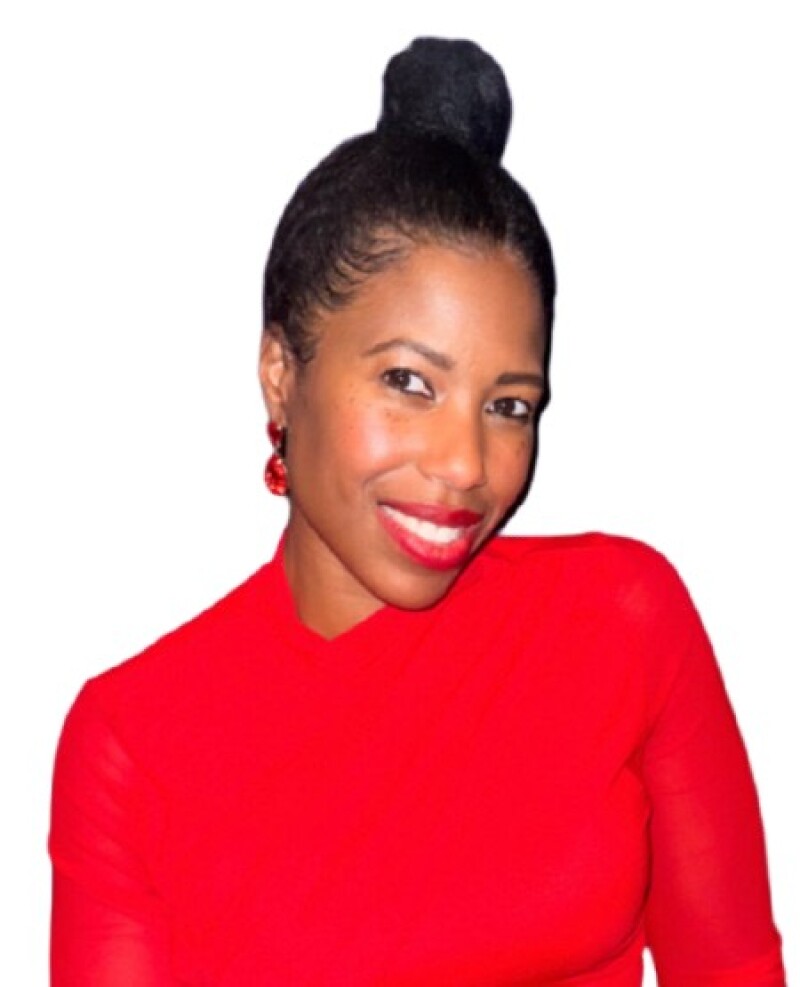
Charita closed out her interview sharing, “Always remember the importance of staying true to who you are. Know the value you bring to the table, remain innovative and engaged, and lead with both kindness and a bold passion for what you do!”
About Black History Month
Since 1976, Black History Month has been celebrated each February in the U.S. to honor the achievements and contributions Black Americans have made to this country.
Since its inception in 1968, Black American athletes and staff have been at the forefront of the Special Olympics movement, leading the way for inclusion for people with and without intellectual disabilities.
The message of inclusion extends to all people, no matter race or ethnicity. Visit our Black History Month page to learn about more stories of impact.
