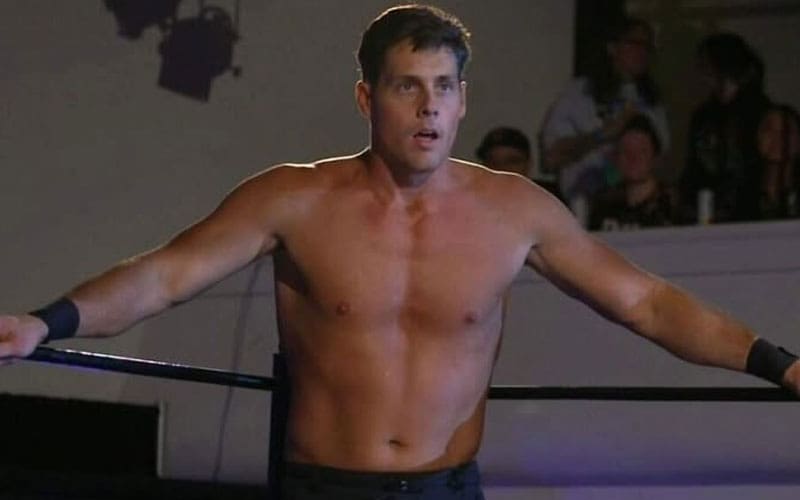
The idea of Sting’s son quietly getting in-ring experience has sparked curiosity across the wrestling world, but Eric Bischoff isn’t looking at it through a hype lens. Instead, he’s focused on the reality of what it takes to step into professional wrestling at all — and how unforgiving that reality becomes when your last name is Sting.
During the 83 Weeks podcast, the discussion came up while Bischoff was reacting to reports that Sting’s son has been working AEW dark matches, gaining reps away from television cameras. Before even touching the legacy aspect, Bischoff made it clear that wrestling is already an extreme environment for anyone, regardless of background. He explained that pro wrestling places performers under instant judgment, with live crowds, physical exposure, and constant evaluation all happening at once.
“It’s a lot of pressure though. I mean, I have mixed emotions about it. There’s going to — first of all, there’s so much pressure on anybody that’s going to step into this world and go out there and perform in your underwear. It’s just, you know, it’s a lot.”
That baseline stress, Bischoff noted, is something many people underestimate when they casually talk about “trying wrestling.” And that’s before a famous name enters the equation.
Once the conversation shifted to lineage, Bischoff didn’t hesitate to draw a clear line between a normal learning curve and the expectations that come with being Sting’s son. In his view, the pressure doesn’t just increase — it fundamentally changes.
“But when your dad is Sting, that’s a whole different level of pressure, different kind of pressure.”
According to Bischoff, expectations won’t be patient, comparisons will be unavoidable, and every mistake will be magnified through the lens of one of wrestling’s most respected legacies. It’s not just about learning the craft — it’s about doing so while carrying a name fans already associate with greatness.
Bischoff also pointed out that the weight of the situation doesn’t fall solely on the son. Sting himself will feel it too, knowing firsthand how ruthless the business can be once the spotlight turns on.
Despite those concerns, Bischoff wasn’t dismissive or negative. His tone was cautious but sincere, acknowledging the emotional significance of a son following his father into such a unique profession while recognizing how heavy the expectations could become once things move beyond dark matches.
Whether easing into AEW through untelevised matches is enough to soften that pressure remains to be seen — but Bischoff made one thing clear: the grind starts long before the cameras are rolling.
Do you think working dark matches is the right way for Sting’s son to build confidence, or does the legacy guarantee overwhelming pressure no matter how slowly he’s introduced? Let us know what you think and drop your thoughts in the comments.
Please credit Ringside News if you use the above transcript in your publication.
