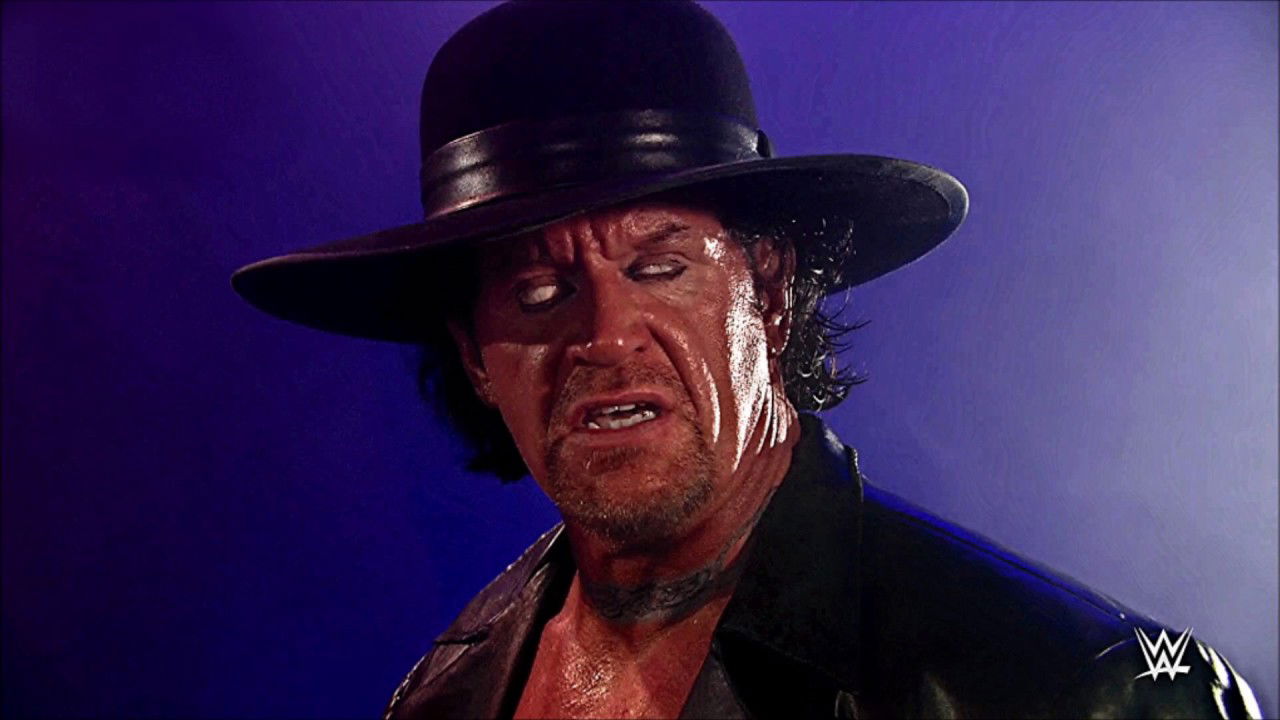
The Undertaker is often discussed as a singular creation, a once-in-a-generation character that could only exist in WWE’s system. What gets lost in that mythology is the idea that even wrestling’s most iconic figures were once fans themselves, absorbing influences long before they ever stepped into a ring. The origins of those influences still matter, especially at a time when fans debate whether modern wrestling has lost its sense of mystique.
Before Mark Calaway ever became The Undertaker, he was a kid growing up in Houston, glued to local wrestling and quietly forming his own ideas about what made a character feel real. During a recent conversation on Cody Rhodes’ podcast, Calaway pushed back on assumptions about who inspired him most, revealing that one of his earliest wrestling heroes was not who fans usually expect.
Calaway traced his fandom back to NWA Houston Wrestling, promoted by Paul Bosch, and singled out a name that often surprises people. “So I loved Mil Máscaras,” Calaway explained, acknowledging that many fans struggle to believe it. The appeal, he said, went beyond wins and losses. “I don’t know if it was the mask and how fluid and how cool it was.” Years later, he would even share a card with the legendary luchador during his WCW run, a full-circle moment that stuck with him.
What truly left a mark, though, was Máscaras’ total commitment to his persona. Calaway described a backstage encounter that permanently altered how he viewed wrestling gimmicks. “I just stopped, like: should I be here right now?” he recalled, describing the moment he realized Máscaras was showering with his mask on. “Oh man, he even protects it back here too!” Calaway added, clarifying with a laugh that he was not intentionally watching the scene unfold.
That level of dedication resonated deeply. Máscaras only briefly removed the mask to wash his face before putting it back on, and the moment stayed with Calaway. “When I started really having a gimmick, I always thought back to Mil,” he said, emphasizing how that commitment to character influenced his own approach once The Undertaker persona took shape.
Calaway’s reflections extended beyond luchadores to the broader atmosphere of Houston wrestling in that era. He described seeing traveling attractions like André the Giant for the first time and even shaking André’s hand as a teenager. He also recalled the terror he felt watching The Sheik and Abdullah the Butcher up close, seated in the aisle with a friend and daring themselves to heckle villains who felt genuinely dangerous. “You believed everything they did was legit,” Calaway said. “And we were right there.”
Those memories underline a broader truth about professional wrestling. The performers who leave the deepest legacies are often shaped by environments where character mattered as much as athleticism, and where the line between performance and belief was carefully guarded. Calaway’s admiration for Mil Máscaras was not about copying a style. It was about learning how fully committing to a persona could elevate everything else.
In an era where fans frequently debate whether kayfabe can still exist, Calaway’s stories serve as a reminder that wrestling’s magic has always depended on performers protecting the illusion wherever possible. That lesson did not come from a boardroom or a creative meeting. It came from a masked man in a Houston locker room who never broke character, even when no one was supposed to be watching.
