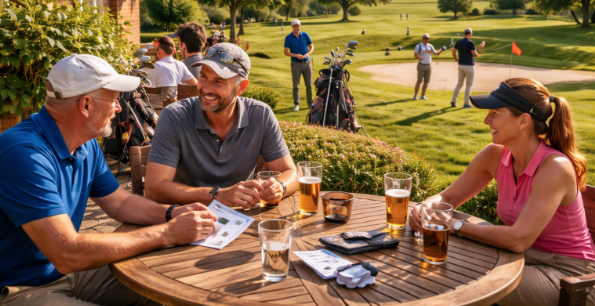
Golf in the UK has always held a specific place in everyday sporting life. It does not exist only through major tournaments or television coverage. Instead, it grows from local courses, regular players, weekend routines, and quiet traditions that continue to evolve. Modern golf culture reflects how people actually play, watch, travel, and talk about the game today. Discussions around leisure, sport, and travel choices, visible even in broader lifestyle spaces such as win airlines, show how closely golf now connects with everyday decisions rather than distant prestige.
Local courses as the foundation of golf culture
Local golf courses remain the backbone of the sport in the UK. They shape habits, expectations, and attitudes more than international tournaments ever could. Most players experience golf first and most often at nearby courses.
These courses influence culture through:
- accessibility for regular play
- shared routines among members
- familiarity with course layout and conditions
Local grounds encourage consistent participation and long-term engagement.
Community life around the course
Many UK golf courses function as social spaces as much as sporting venues. Players meet regularly, share updates, and maintain long-standing relationships.
This community aspect develops through:
- weekly competitions
- informal practice sessions
- clubhouse gatherings
The course becomes a place of continuity rather than spectacle.
Course variety across regions
Golf culture in the UK benefits from the wide range of course types. Coastal links, inland parkland courses, and urban layouts offer different playing experiences.
This variety shapes expectations by:
- encouraging adaptability
- influencing playing styles
- exposing players to changing conditions
Golfers learn flexibility early in their playing lives.
Equipment choices in everyday golf
Equipment trends influence how players approach the game, but most decisions remain practical rather than experimental. Players look for consistency and comfort.
Common factors affecting equipment choices include:
- ease of use
- durability
- familiarity
Most players avoid constant changes and stick with setups that feel reliable.
Technology without obsession
Technology plays a role in modern golf, yet it rarely dominates everyday play. Players use tools that support their routine rather than disrupt it.
Technology usually appears through:
- basic performance tracking
- course apps
- simple training aids
These tools assist rather than redefine the experience.
Equipment and confidence
Equipment affects confidence more than performance metrics. Players feel more relaxed when tools match their expectations.
Confidence grows through:
- repeated use
- predictable results
- personal comfort
This emotional element shapes equipment loyalty.
Second-hand and shared equipment culture
In the UK, second-hand clubs and shared gear remain common. Many players begin with borrowed or pre-owned equipment.
This practice supports:
- accessibility
- lower entry costs
- gradual investment
Golf culture stays open rather than exclusive.
Travel as part of the golf experience
Travel influences modern golf culture more than before. Players increasingly plan short trips around golf rather than long-distance events.
Golf-related travel includes:
- weekend breaks
- regional course visits
- seasonal travel planning
Travel enhances experience without changing everyday routines.
Domestic golf trips
Many golfers prefer domestic travel. UK destinations offer variety without long travel times.
Domestic trips allow:
- easier scheduling
- familiar conditions
- reduced planning effort
These trips fit naturally into work-life balance.
International travel and aspiration
International golf travel exists, but it often remains occasional. Players view it as a reward rather than a necessity.
International trips usually focus on:
- specific courses
- combined leisure activities
- limited time frames
Such experiences complement local play.
Fans and spectatorship
Modern golf culture includes fans who may not play regularly. Their engagement comes through media, events, and casual interest.
Fan engagement appears through:
- watching tournaments
- following local players
- attending open events
Spectatorship stays connected to everyday interest.
Media and golf discussion
Media influences how fans and players talk about golf. Coverage now extends beyond results.
Discussions often focus on:
- playing conditions
- course design
- practical tips
This content supports informed engagement.
Informal learning through observation
Many players improve by watching others rather than formal instruction. Observation plays a key role.
Learning happens through:
- watching playing partners
- listening to advice
- repeating routines
This informal approach keeps golf approachable.
Equipment trends and patience
Equipment trends move slowly within everyday golf culture. Players resist constant updates.
Patience appears through:
- long-term use
- gradual upgrades
- careful selection
This mindset values stability.
Social golf over competition
For many, golf serves as a social activity first. Competition matters, but it does not dominate.
Social golf emphasizes:
- shared rounds
- relaxed scoring
- conversation during play
This balance shapes modern culture.
Time management and golf habits
Time constraints influence how often people play. Many golfers adapt schedules carefully.
Time management strategies include:
- shorter rounds
- early tee times
- flexible practice sessions
Golf fits into daily life rather than interrupting it.
Weather and adaptation
UK weather plays a constant role. Players adapt expectations rather than resist conditions.
Adaptation includes:
- seasonal clothing choices
- adjusted playing schedules
- acceptance of variability
Weather becomes part of the experience.
Generational perspectives
Different generations approach golf differently. Older players value tradition, while younger players focus on convenience.
These perspectives coexist through:
- shared spaces
- flexible formats
- mutual respect
Golf culture evolves without division.
Cost awareness
Cost remains a practical concern. Players balance enjoyment with affordability.
Cost awareness appears through:
- membership choices
- equipment budgeting
- selective travel
This approach supports sustainability.
Comparison of key influences
| Aspect | Primary influence | Everyday impact |
| Local courses | Accessibility | High |
| Equipment trends | Comfort and familiarity | Moderate |
| Travel experiences | Variety and leisure balance | Occasional |
| Media coverage | Information and discussion | Continuous |
This balance reflects realistic priorities.
Inclusivity in modern golf
Golf culture in the UK continues to open up. Accessibility improves through local initiatives and shared spaces.
Inclusivity grows via:
- beginner-friendly courses
- relaxed dress codes
- community events
These changes widen participation.
Course etiquette and shared norms
Etiquette remains important but adapts subtly. Players follow shared norms without strict enforcement.
Etiquette focuses on:
- pace of play
- respect for others
- care for the course
These habits support smooth interaction.
Everyday motivations for playing
People play golf for many reasons, rarely for competition alone.
Motivations include:
- physical activity
- mental focus
- social connection
These reasons shape consistent participation.
Golf and personal routine
Golf becomes part of personal routine rather than a special event.
Routine integration appears through:
- regular practice days
- predictable schedules
- familiar partners
This stability sustains engagement.
Looking ahead at UK golf culture
Modern golf culture in the UK will likely continue its steady evolution. Local courses will remain central. Equipment choices will stay practical. Travel will supplement, not replace, everyday play.
Future patterns may include:
- continued focus on accessibility
- stable equipment habits
- balanced travel experiences
Change will remain gradual.
Conclusion
Modern golf culture in the UK grows from everyday realities rather than spectacle. Local courses shape habits and social life. Equipment trends influence comfort more than performance. Travel experiences add variety without replacing routine. Together, these elements form a culture grounded in regular play, shared spaces, and practical choices. Golf continues to adapt quietly, staying connected to how players and fans actually live, play, and engage with the sport today.
