As MyGolfSpy’s resident history buff, I’m fascinated by how various OEMs got to where they are today. The arc of their existence and the products that made them (or, for that matter, broke them) is an endless source of fascination. Often, that story can help explain why one company thrived while another one veered off into obscurity.
Today, I want to dive into the products that made PING PING and their contemporary counterparts that still make PING PING.
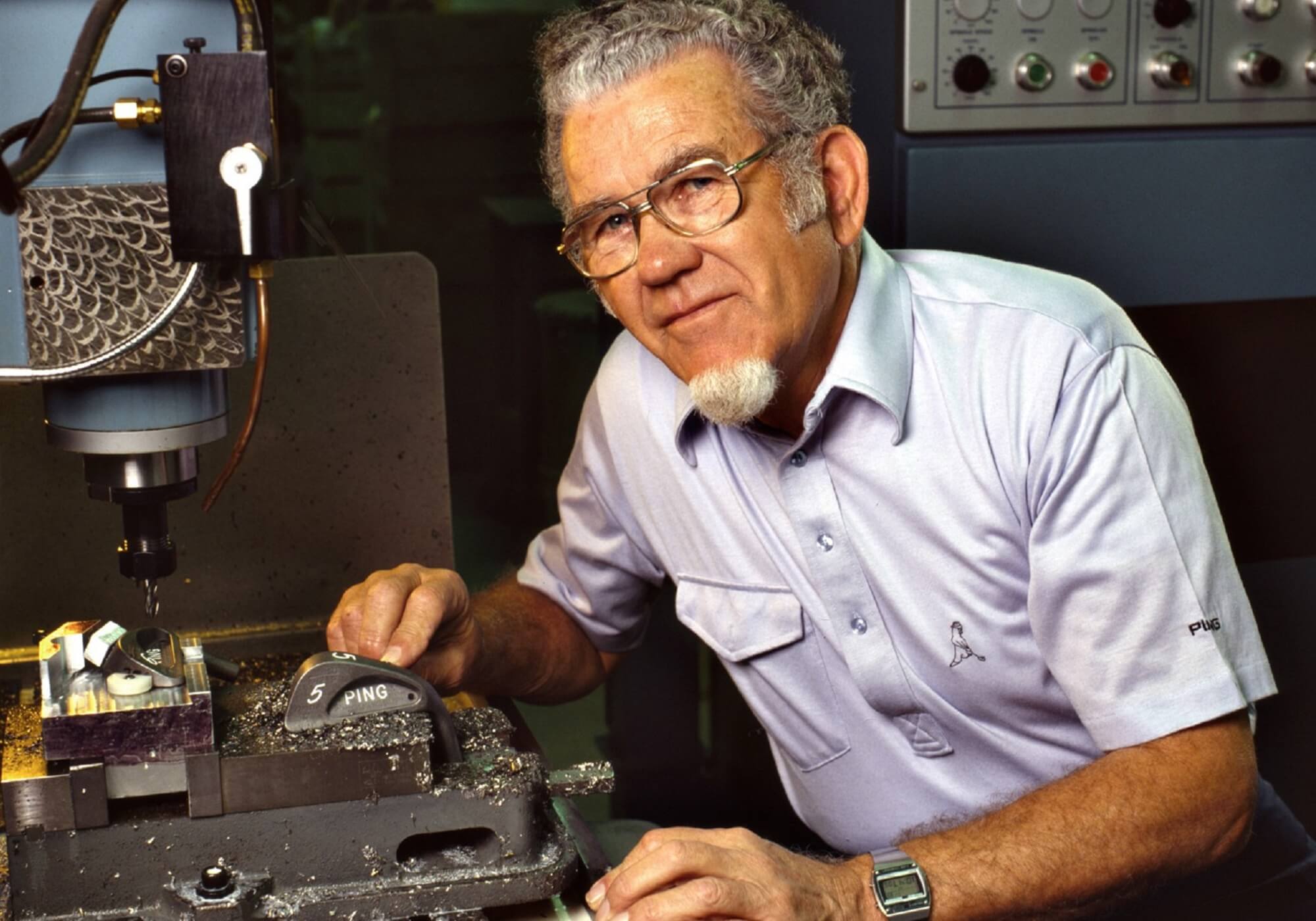
If you think back to when PING was in its infancy, golf clubs weren’t being designed by engineers. They were being crafted, usually by technically minded former Tour pros hired by OEMs. Toney Penna of MacGregor is a prime example.
Karsten Solheim, the engineer who never did get his engineering degree, changed all that.
By applying objective analysis, physics and problem solving, Solheim set a never-ending goal: to make the game easier and more enjoyable for everyone.
PING can rightfully take credit for either inventing or popularizing many of the core technologies club designers use today. These include perimeter weighting, cavity-back design, advanced heat treatment, robot testing, high-speed photography, custom fitting and investment casting.
Did you know?
Virtually everyone agrees that PING popularized investment casting. It wasn’t, however, the first to achieve big commercial success with it. That would be Lynx, whose Master Model iron was the first investment-cast iron to sell in mass quantities. Karsten Solheim’s K-series and PING Eye irons, however, would soon take over.
Then came the PING Eye 2. It became the best-selling iron ever and made investment casting the industry standard. While PING today offers plenty of forged options, investment casting remains a major part of what it does.

The PING i530 player’s distance iron, for example, features a forged maraging steel face with an investment cast 17-4 stainless steel body. The i530 (the i540 is coming next month) and its more compact sibling, the i240, share plenty of DNA with the PING Eye 2. Both feature perimeter weighting, are more forgiving than you’d expect and have sneaky-low centers of gravity for higher launch.
Karsten learned early on that low-CG/high-launching irons needed stronger lofts to keep the ball from ballooning. As a byproduct, stronger lofts make the ball go farther.
Who doesn’t love that?

But here’s the kicker: stronger-lofted irons spin less. Karsten’s second version of the PING Eye 2 included a unique neck adjustment that increased spin and helped hold greens better. That DNA remains with PING today in the form of Spinsistency. The i530 (and, we presume, the new i540) features MicroMax grooves. The idea is that more grooves closer together will impart more spin. On a player’s distance iron, that’s a tremendous help.
The original PING Hoofer
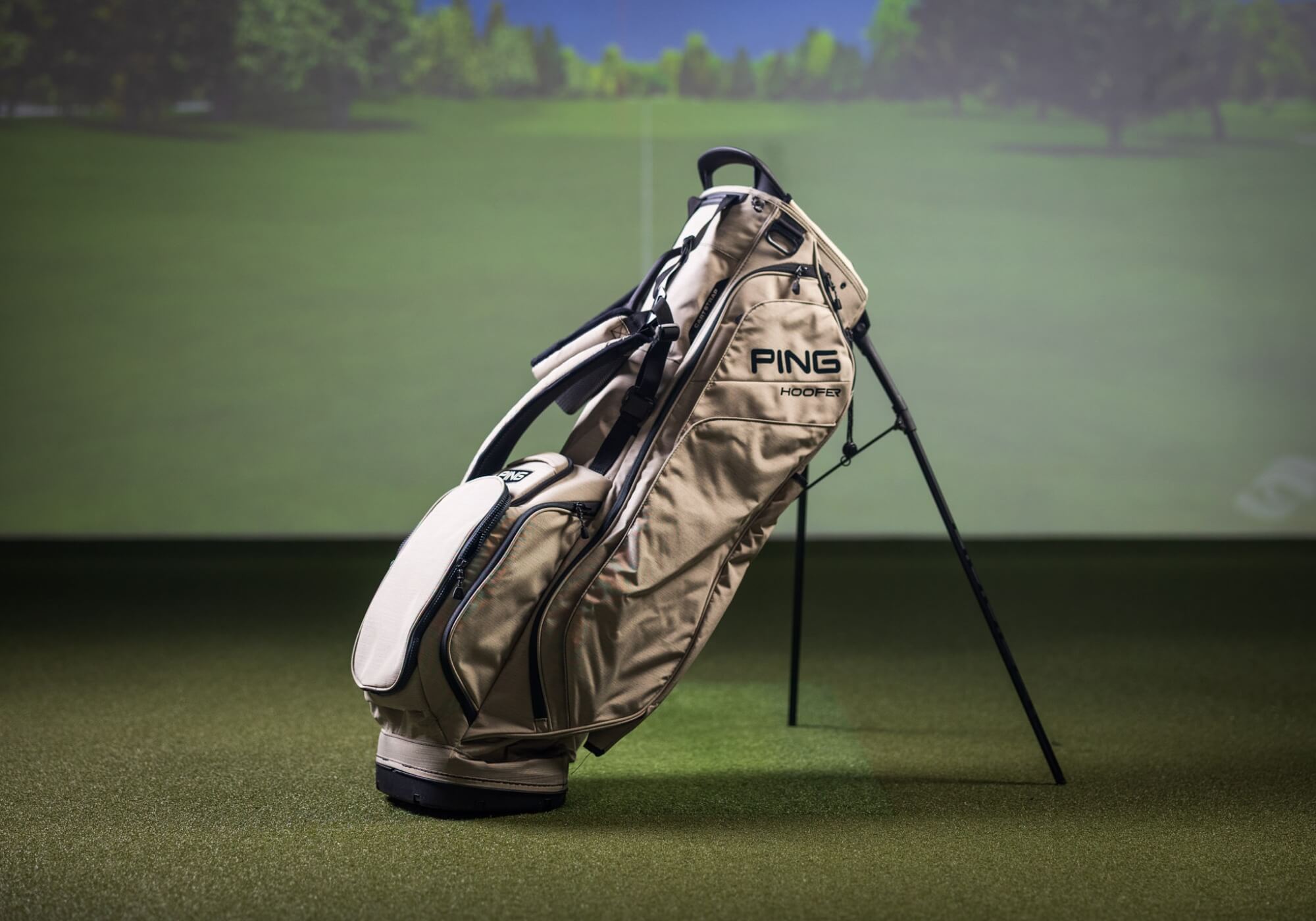
If you’ve been paying attention to MyGolfSpy’s bag testing over the last decade, you know all about the PING Hoofer. It’s taken top honors in our stand bag testing seven out of the last nine years. In the years the Hoofer didn’t win (2018 and 2022), it came a close second.
But did you know the Hoofer goes back to the late 1980s?
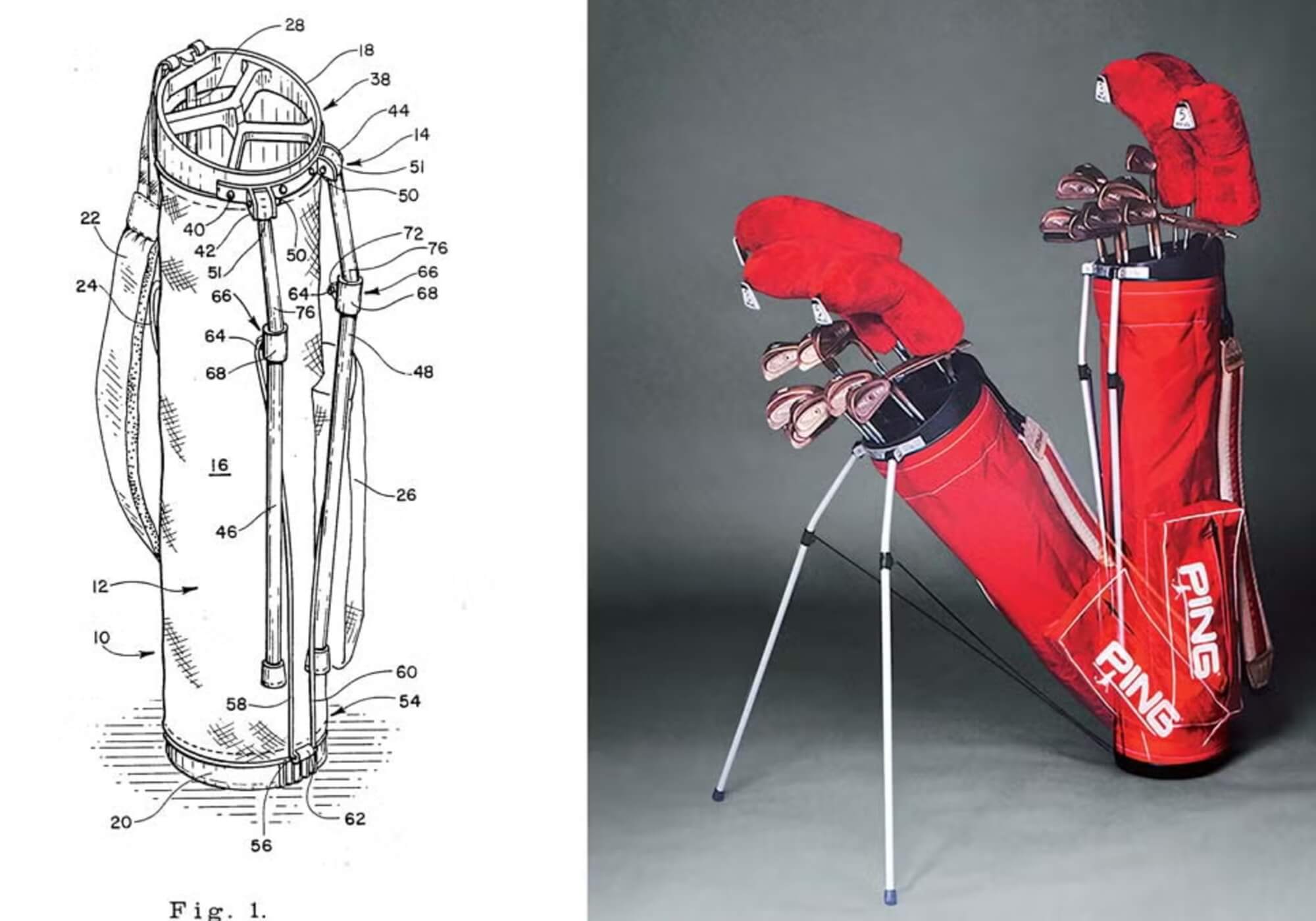
PING released various bags before then but the Hoofer was the first PING original, with patent drawings dated 1989. It was one of the first stand bags to use aluminum legs, with a simpler, cleaner and more functional design than the clunkier mechanisms used at the time.
It’s no exaggeration to say the original Hoofer was a great leap forward for stand bags. It was the first truly functional, lightweight and reliable model in golf. As a result, PING’s bag division eventually grew to be as large as its putter business.
Today’s Hoofer is a more than worthy successor. The stand mechanism is durable and its weight distribution makes it suitable for carrying or on push carts. The Hoofer also features high-quality zippers, 16 well-planned pockets and 11 colorways for some greenside pizzazz.
We don’t have a MyGolfSpy Hall of Fame (maybe we should) but if we did, the PING Hoofer would be a first-ballot inductee.

Driver aerodynamics
Say what you want about PING’s Turbulators but don’t doubt for a minute that there’s science behind them. PING’s first drivers date back to 1968 and, even then, Karsten knew aerodynamics mattered. One problem, though. He didn’t have a wind tunnel.
So, he did what any self-respecting engineer would do: he found another way.
Karsten had son Allan drive their old Saab down a deserted stretch of highway in the Arizona desert. He then stuck a driver, with a special gauge attached, out the window. Once Allan hit 100 mph, Karsten took some readings to measure that driver’s aerodynamics.
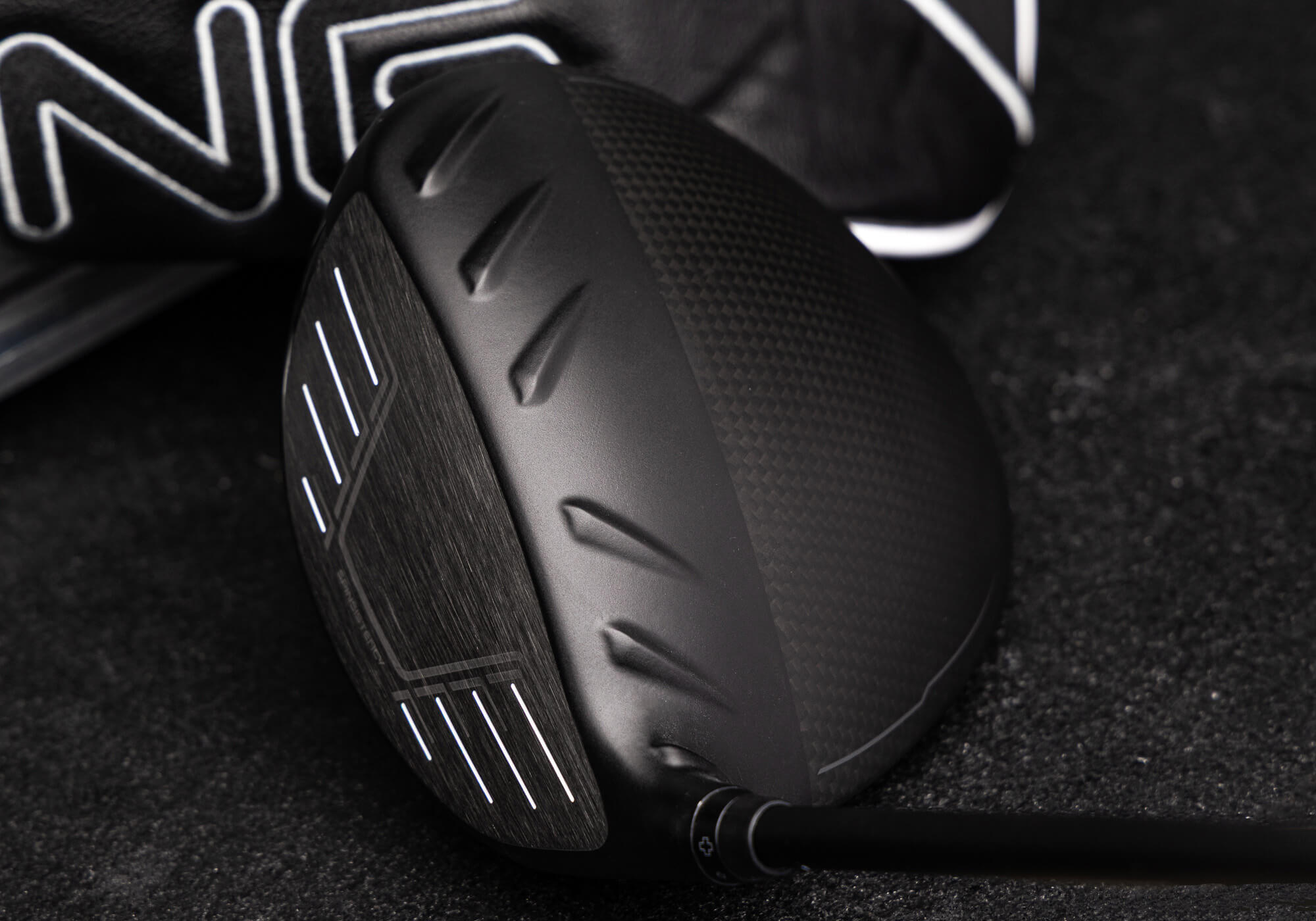
Again, say what you want about Turbulators but you can’t argue with performance. PING’s G430 Max 10K ran away and hid from the competition in MyGolfSpy’s 2024 testing. To prove that performance was no fluke, it finished a strong second to the Callaway Elyte Triple Diamond in 2025. It is, quite simply, one of the best drivers we’ve ever tested.
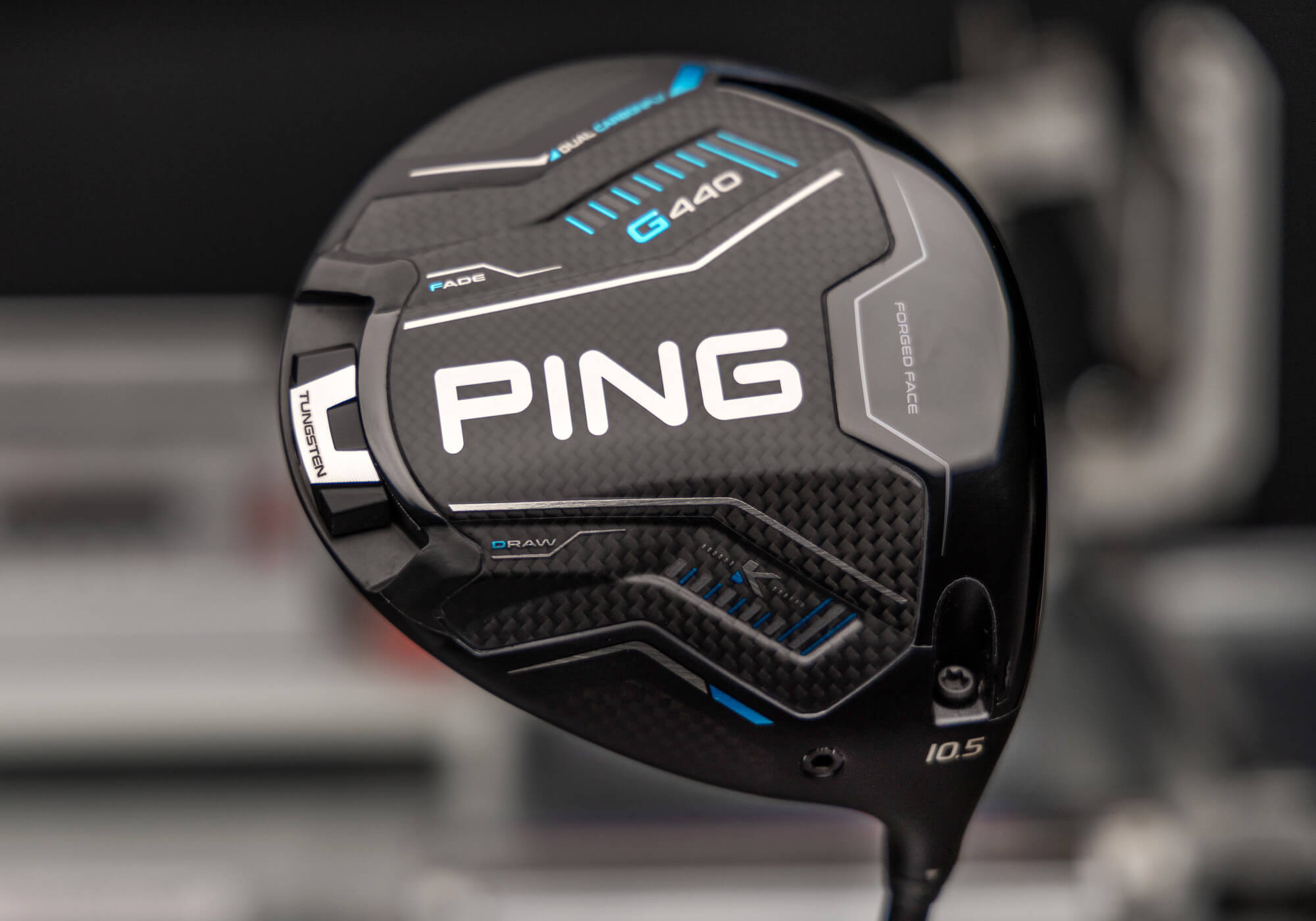
This year’s model, the PING G440K, has a tough act to follow. PING says the new version balances 10K combined MOI with elevated ball speed. That’s not as easy as you might think and this year’s testing will determine whether PING can actually pull it off.
Of crossovers and driving irons
PING has a relatively short history when it comes to utility irons but it’s still dotted with top performers. The PING iCrossover, launched in October 2022, was the company’s first serious foray into the utility iron market. At the time, PING insisted it was not a driving iron.
Despite PING’s insistence, MyGolfSpy crowned it the Best Driving Iron of 2023, and it wasn’t particularly close. It repeated in 2024, finishing first in distance and accuracy and third in forgiveness.

For some reason, PING decided to overhaul the entire lineup last summer. Instead of insisting it was not a driving iron, the company decided its new PING iDi is, in fact, a driving iron. There’s no pretense, either. The Di portion of the iDi name does, in fact, stand for “driving iron.”
Its maiden voyage in MyGolfSpy testing was not as spectacular as the iCrossover’s. The iDi finished a close second in MyGolfSpy’s 2025 testing, just behind the Titleist U505. It offered decent enough distance and forgiveness but stumbled a bit on accuracy. A good fitting, therefore, is a must.

The Anser is in the question
Blade putters may or may not be passe but there’s no debating the generational influence of the PING Anser. The story of how Karsten went from a rough sketch on the inner sleeve of a record album to a working prototype in three days is the stuff of legend.
Seriously, click on that link. It’s an incredible story.

The Anser’s design patent expired in 1980. For some unknown and borderline unimaginable reason, PING decided not to renew it. It didn’t take long, then, for every company on the planet to come out with their own version. “Zero-torque” at me all you want but the Anser remains the most copied putter in golf history.
The Anser is the OG perimeter-weighted putter and it’s one of Karsten’s many, many lasting contributions to the game. As such, the timeless design remains a staple in PING’s lineup. The newest PING Anser features tungsten toe and heel weighting, a contrasting platinum face and a black cavity section.

The Anser 2 may be the closest thing to the original Anser with a slightly longer and narrower profile than the current Anser. PING has added thicker versions of the Anser to appeal to the “almost mallet” crowd. The Anser D and Anser 2D have deeper profiles (hence the “D”) to provide more stroke stability. The Anser 2D is Tony Finau’s favorite.
What does any of this mean to you?
I’ve had several fascinating conversations with PING company historian Rob Griffin over the years (yes, PING has an official company historian) and each time I walk away with a new appreciation for Karsten’s contributions.
“He always said his No. 1 goal was to make the game easier for people to play,” says Griffin. “I never heard him talk about how many clubs we sold or anything like that. His goal was to make the best golf clubs he could and make the game easier and more enjoyable for people.”

We’ve also said before in this space that even if you’re not playing PING clubs, the clubs you are playing have some PING in them. It’s no stretch to say that Karsten taught the industry how to build a modern golf club. Whether it’s the concept of custom fitting, perimeter weighting or driver aerodynamics, even PING competitors trace it back to what Karsten was doing.
“Karsten came along, using science and mechanical engineering,” explains Griffin. “He just turned the golf industry upside down.”

Anyway, we hope you enjoyed this little connect-the-dots experience with PING. It’s an easy lift, given that we’re now into the third generation of Solheim leadership at the company. We can only imagine that other OEM lineages would be equally as fascinating.
Let us know what you think.
The post Just What Is It That Makes PING PING? appeared first on MyGolfSpy.
