
We’ve all been in that group. The one that takes 5 1/2 hours to play 18 holes. The one in which every shot involves three practice swings, a consultation with the rangefinder and an internal debate about club selection. The one that backs up the entire course.
Nobody wants to be that group but nobody wants to feel rushed, either. The good news is that playing faster doesn’t mean playing worse. It means playing smarter.
The pace problem
Slow play has always been one of golf’s most annoying epidemics. The irony is that most slow players don’t think they’re slow. They think they’re being thorough, deliberate. They think all that extra time helps them play better. It doesn’t. And it just makes everyone else miserable.
The fact is that fast players often score better. They get into a rhythm, don’t overthink, trust their instincts and keep moving.
What actually slows you down
It’s not necessarily the time you spend over the ball. What kills pace is everything else. It’s walking slowly between shots. It’s waiting until you reach your ball to start thinking about what club you need. It’s taking four practice swings when one would do. It’s not being ready to hit when it’s your turn.
The biggest timewaster is indecision. You stand there debating between an 8-iron and a 9-iron for two minutes. You read a putt from six different angles. You’re not being careful. You’re procrastinating because you’re afraid of hitting a bad shot. Here’s the truth. All that extra time doesn’t prevent bad shots; it just delays them.
The “ready golf” mindset
Ready golf is simple. If you’re ready to hit and it’s safe, hit. Don’t wait for someone who’s slightly farther away if they’re still looking for their ball in the woods. Don’t stand around watching every shot when you could be walking to your ball. Don’t wait to be invited to putt out if you’re inside three feet.
This doesn’t mean rushing. It means being efficient. It means thinking ahead. While someone else is hitting, you’re already figuring out your yardage and selecting your club. When you get to your ball, you’re ready to go. One look at the target, one practice swing if you need it, then hit.
The pre-shot routine that works
Pros have pre-shot routines that take about 20 seconds. Not two minutes. Twenty seconds. They’ve already done their thinking before they step up to the ball. By the time they’re in their stance, they’re committed. They’re not second-guessing. They’re executing.
Your routine should be the same every time and it should be quick. Stand behind the ball, pick your target, take your stance, maybe one practice swing, then go. That’s it. If you’re taking longer than 30 seconds from the time you step up to the ball until you swing, you’re overthinking it.
The walking pace
Walk with purpose. Not a jog, just a normal walking pace. Don’t stroll like you’re at the beach. Don’t stop to chat in the middle of the fairway. Get to your ball, assess the situation, hit the shot, move on.
If you’re riding in a cart, think ahead about positioning. Drop off your partner at their ball and then drive to yours. Don’t both get out at one ball, watch that shot, then drive together to the next ball. That’s inefficient. Split up when it makes sense.
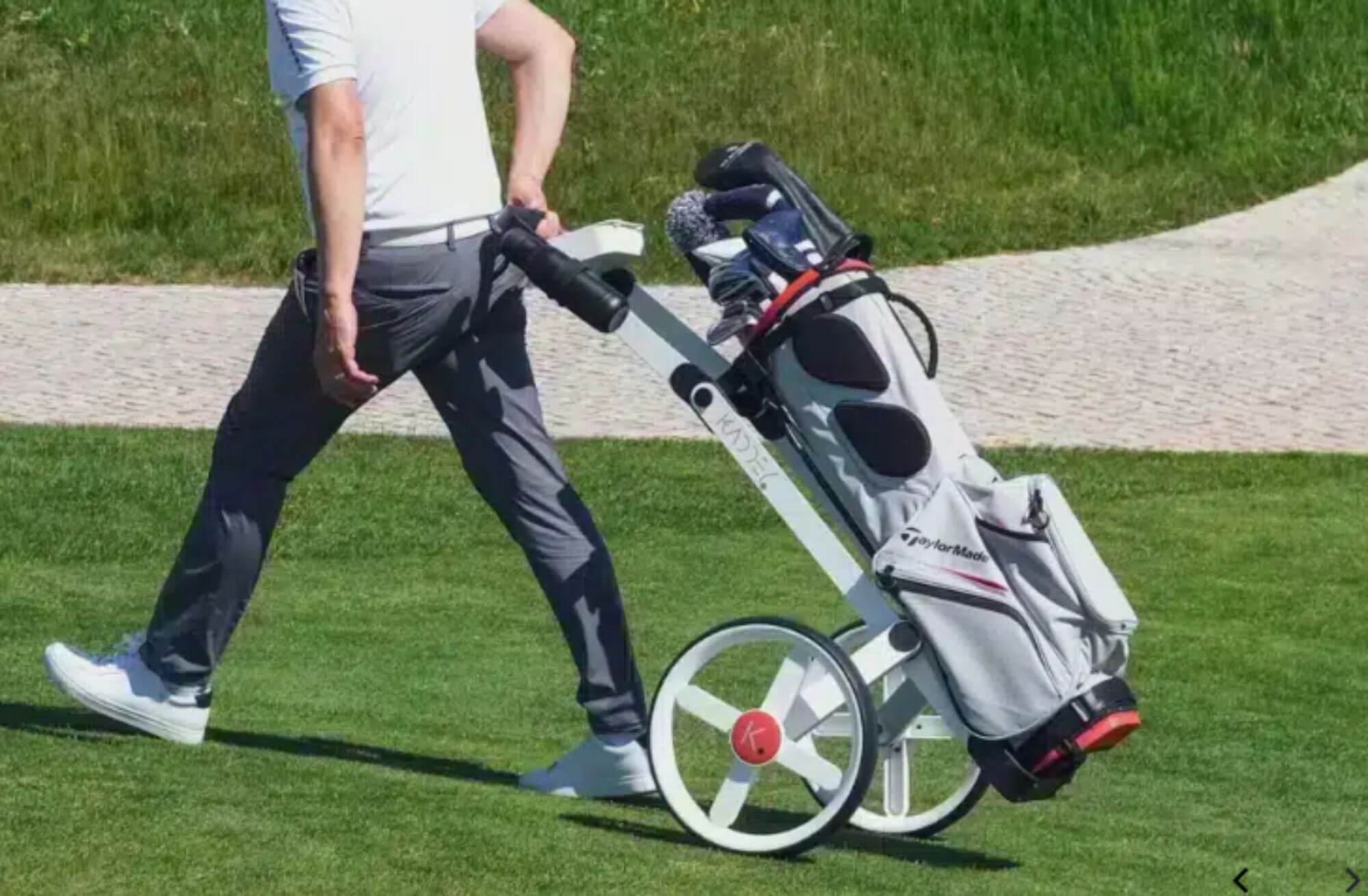
The equipment habits
Carry multiple clubs with you when you’re not sure what you’ll need. If you’re between clubs, take both. Don’t hit your approach shot, realize you need a different club for the next shot, then walk all the way back to the cart.
Keep your gear organized. Know in which pocket your tees, balls, ball marker, glove, etc., are. Don’t waste time digging through your bag looking for these items.
The putting efficiency
Mark your ball when you need to but if you’re away and there’s no interference, just putt. Don’t mark everything. Don’t read putts from eight angles. Pick a line, trust it, hit it. If you miss, you miss. All that extra reading wasn’t going to help anyway.
When you’re close, finish. Don’t mark a two-footer and make everyone wait while you go through your full routine. Just knock it in and move on. Your playing partners will thank you.

The simple truth
Playing faster doesn’t mean playing carelessly. It means eliminating wasted time, being ready and trusting yourself instead of overthinking every decision. The best part is that when you play faster, you usually play better. You stay in rhythm. You don’t have time to get nervous. You just play golf. Try it for one round. Walk with purpose. Be prepared when it’s your turn. Commit to your decisions quickly. You’ll finish in four hours instead of five, and you’ll probably shoot a better score. That’s not a coincidence. That’s what happens when you stop getting in your own way. And everyone else’s.
The post How To Play Faster Golf Without Feeling Rushed appeared first on MyGolfSpy.
