In an era when athletic departments are forced to find new revenue streams to stay financially viable, a 4-square-inch jersey patch might offer a solution.
Athletic departments on Aug. 1 can begin cashing in on the uniform sponsorship patches that NCAA Division I leaders approved last month. The patches have the potential to generate millions of dollars for schools, World Emblem CEO Randy Carr said.
Carr estimated patches for top football and basketball brands could “realistically land in the high six figures to low seven figures annually.”
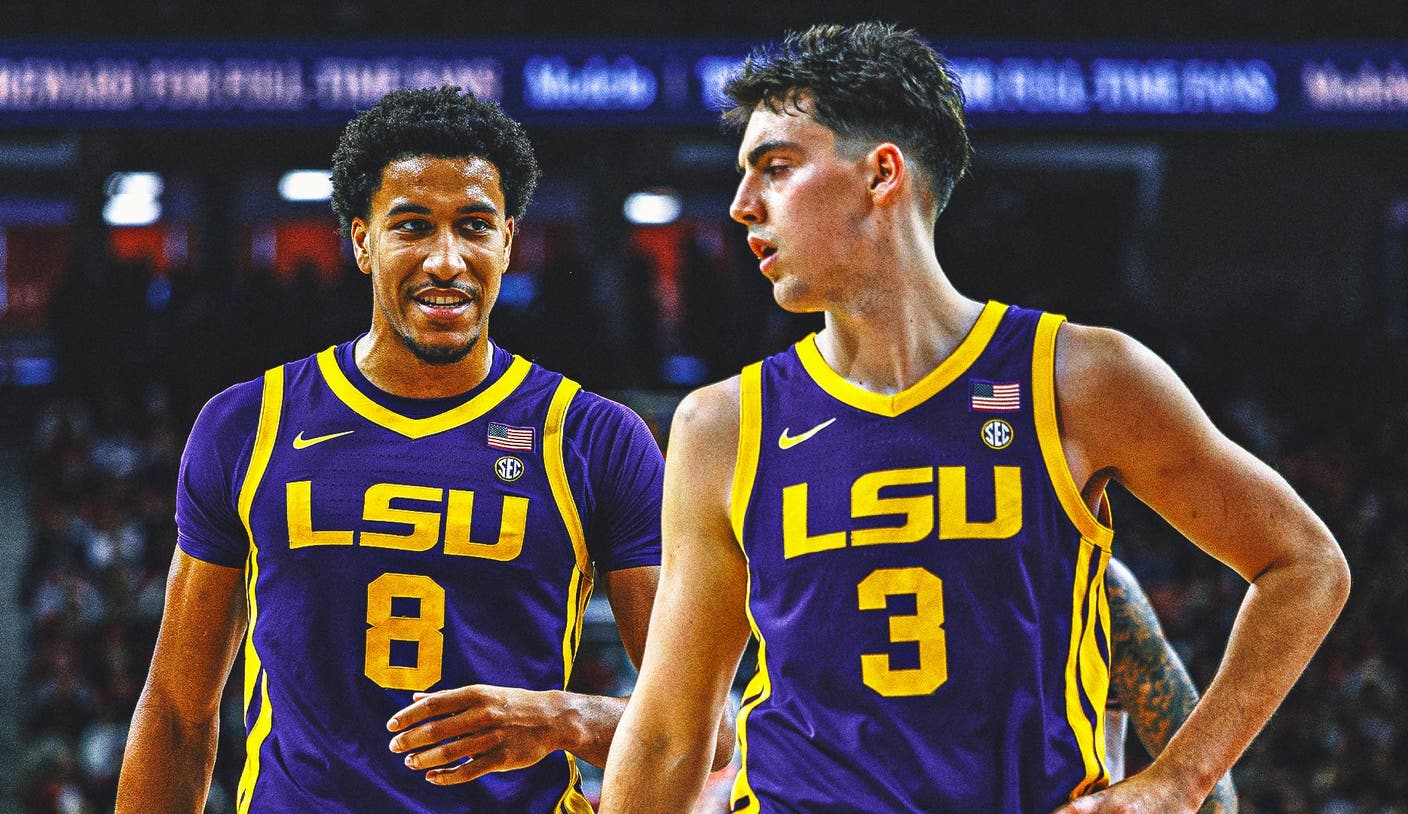
In Baton Rouge, Louisiana, there already is a multimillion-dollar deal lined up. LSU on Monday unveiled its partnership with Woodside Energy. The logo will match the school’s signature purple-and-gold color scheme and will be featured on all 21 of LSU’s varsity uniforms starting in the 2026-2027 athletic calendar.
“At LSU, we’re going to be really aggressive in revenue opportunities going forward, and the jersey patch is a big piece of that,” deputy athletic director Clay Harris said.
The professionalization of college athletics, accelerated by the introduction of name, image and likeness deals and the approval of a $2.8 billion NCAA settlement, has altered how prospective college athletes may evaluate their options. Decisions aren’t always based on the best academic and athletic fit when six- and seven-figure deals enter the conversation.
Even programs like Houston men’s basketball, which made it to the national title game during the NCAA Tournament last year, are struggling to keep up financially.
“We have a very poor athletic department,” coach Kelvin Sampson said after Houston’s recent win against UCF. “We were poor when I got here, and we’re still poor.”
Sampson expressed concern about the limited funds available, especially when trying to attract new talent. The team’s budget, which he thinks is the lowest of any Power Four team, isn’t enough to recruit at the level Sampson aims for.
Shifts in the landscape have forced universities to get creative and explore a variety of revenue streams, whether that calls for upping ticket prices, hosting concerts, creating exclusive fan experiences or pursuing new licensing deals.
“Schools now are looking to pull every revenue lever that they possibly can, not only to cover the cost of the 20.5 million on the rev-share, but also to support all the additional expectations and accountabilities that come with this new student-athlete experience,” said Solly Fulp, the vice president of NIL growth and development at media and technology company Learfield.
An evolving landscape has led schools to take a fresh look at revenue opportunities. Jersey patches are just the latest addition in a broader revenue strategy at LSU.
“It’s one of many new opportunities that athletic departments are having to explore to generate new revenue,” Harris said. “It’s a new era of college sports, and opportunities like this and initiatives like this have to be explored.”
Like most changes in college athletics, uniform patches could bring concerns about straying from tradition. Carr warned that patches are effective only when tastefully executed.
“It only works if it’s done with discipline. Uniforms shouldn’t turn into billboards,” Carr said. “Patches can generate meaningful revenue without compromising the integrity of college sports.”
But with resources, time and efforts targeted toward generating new revenue streams comes the expectation of financial gain. And in the early stages of the revenue-sharing era, it’s all still trial and error for athletic departments.
“The accountability to execute has been higher than ever,” Fulp said. “As we unlock these revenue opportunities, the universities expect execution that comes with that.”
Reporting by The Associated Press.
