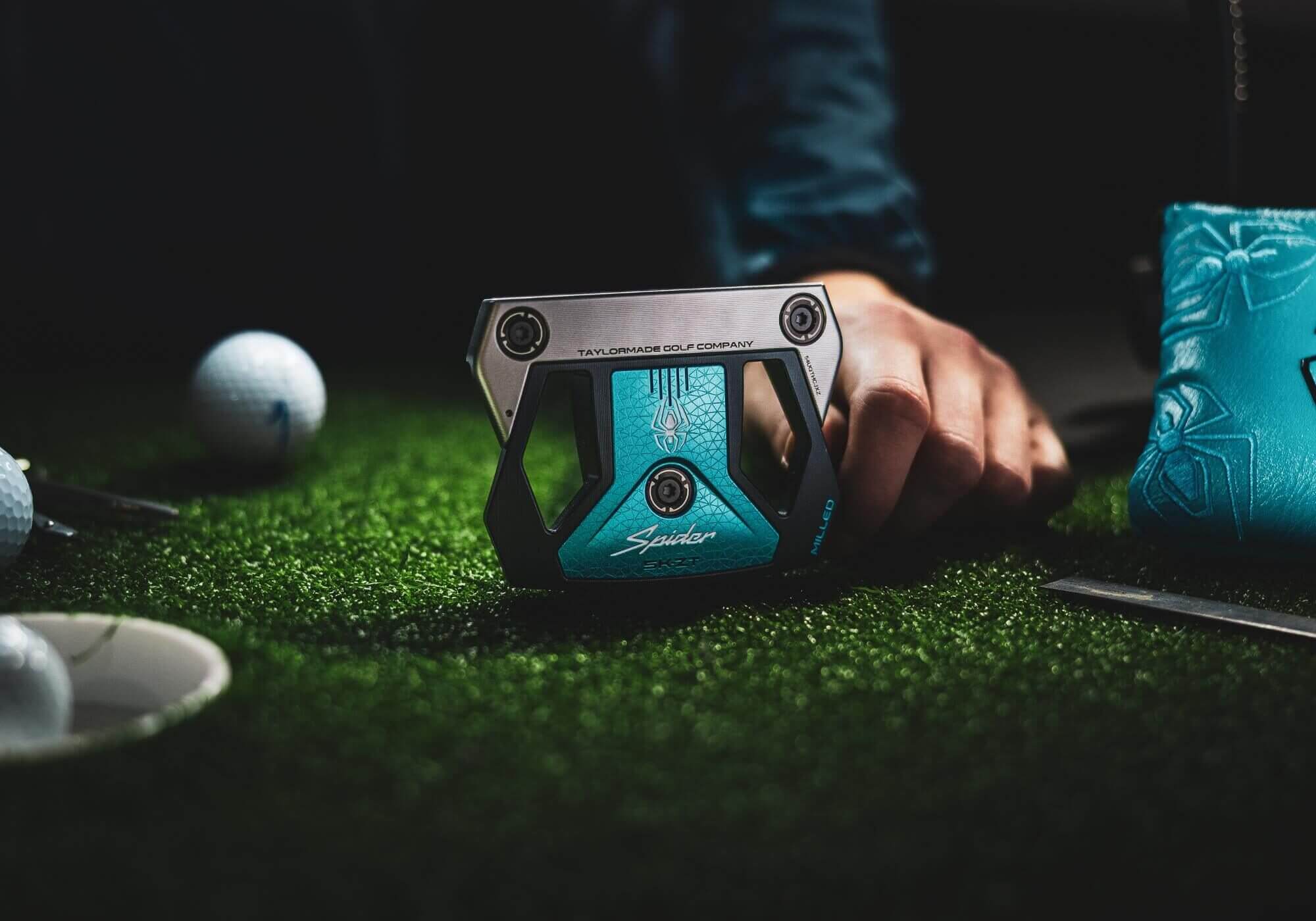
Zero torque is one of the fastest-growing concepts in putter design. The premise is simple: reduce unwanted face twist and help golfers return the face to square more consistently.
In our 2025 putter-type comparison, the top zero-torque model and the top mallet finished in a statistical tie for best overall PuttView Handicap. The leading blade trailed both. That tells us zero torque isn’t a gimmick. It performs at a high level against traditional designs.
But performance at the category level is only part of the story.
Inside the zero-torque category itself, the data shows meaningful separation in performance of each model.
What zero torque actually does
Zero-torque designs are engineered so the putter head resists twisting during the stroke. Instead of feeling like you have to time the release or manually square the face, the head wants to stay more stable.
If you struggle with open-face misses or inconsistent start lines, that stability can help. It can reduce face-rotation and make your stroke feel more repeatable.
What zero torque does not automatically control is speed, leave distance or how a putter performs from specific ranges.
And that’s where our 2025 PuttView data becomes important.
What the 2025 data shows
In our 2025 Most Wanted Zero-Torque Putter test, we logged 10,880 putts across 17 models using PuttView Handicap as the scoring metric. Every putter in the field produced a negative PuttView Handicap, meaning each performed better than the benchmark.
However, performance inside the category was not uniform.
Some models separated at short range. Others excelled at medium distance. If zero torque created one consistent performance profile, those differences wouldn’t be as extreme.
Here’s a simplified look at how several of the top models split by distance:
| Putter | Short | Medium | Long |
|---|---|---|---|
| L.A.B. OZ.1i | -8.1 | -5.8 | -8.7 |
| TaylorMade Spider 5K ZT | -5.5 | -7.0 | -10.2 |
| Bettinardi Antidote SB2 | -6.4 | -7.7 | -6.0 |
| PXG Allan | -8.0 | -2.6 | -8.3 |
Negative numbers represent Strokes Gained relative to the PuttView benchmark. More negative is better.
The TaylorMade Spider 5K ZT dominated long putts. The Bettinardi Antidote SB2 separated itself at medium range. The L.A.B. Golf OZ.1i showed strong short and long performance. The PXG Allan excelled short and long but dipped significantly at medium distance.
Medium-range performance also showed the largest separation in the full test pool. That range has historically been one of the biggest scoring differentiators in putter testing.
Zero torque stabilizes the face. It does not eliminate performance variation within the category.
What golfers should take from this
The more golfers I talk to, the more I hear zero torque described like it’s the magic trick on the greens.
There’s no question it offers a benefit. Reducing face twist can help certain players start the ball on line more consistently. Our testing shows the category performs well and can compete directly with the best mallets on the market.
But after more than 10,000 putts in our 2025 test, zero torque is not the whole story. Even within the same design concept, performance still varies.
That’s why getting fitted for a putter is so important.
Zero torque can be a powerful tool but it isn’t a universal fix.
The post Not All Zero-Torque Putters Are Designed To Do the Same Thing appeared first on MyGolfSpy.
