If you’re in the market for an electric push cart (or “trolley” as they say in the UK), MotoCaddy wants your attention. The UK-based company has rolled out its 2026 lineup with four updated models that promise more technology, cleaner aesthetics, and—because this is 2026—higher price tags.
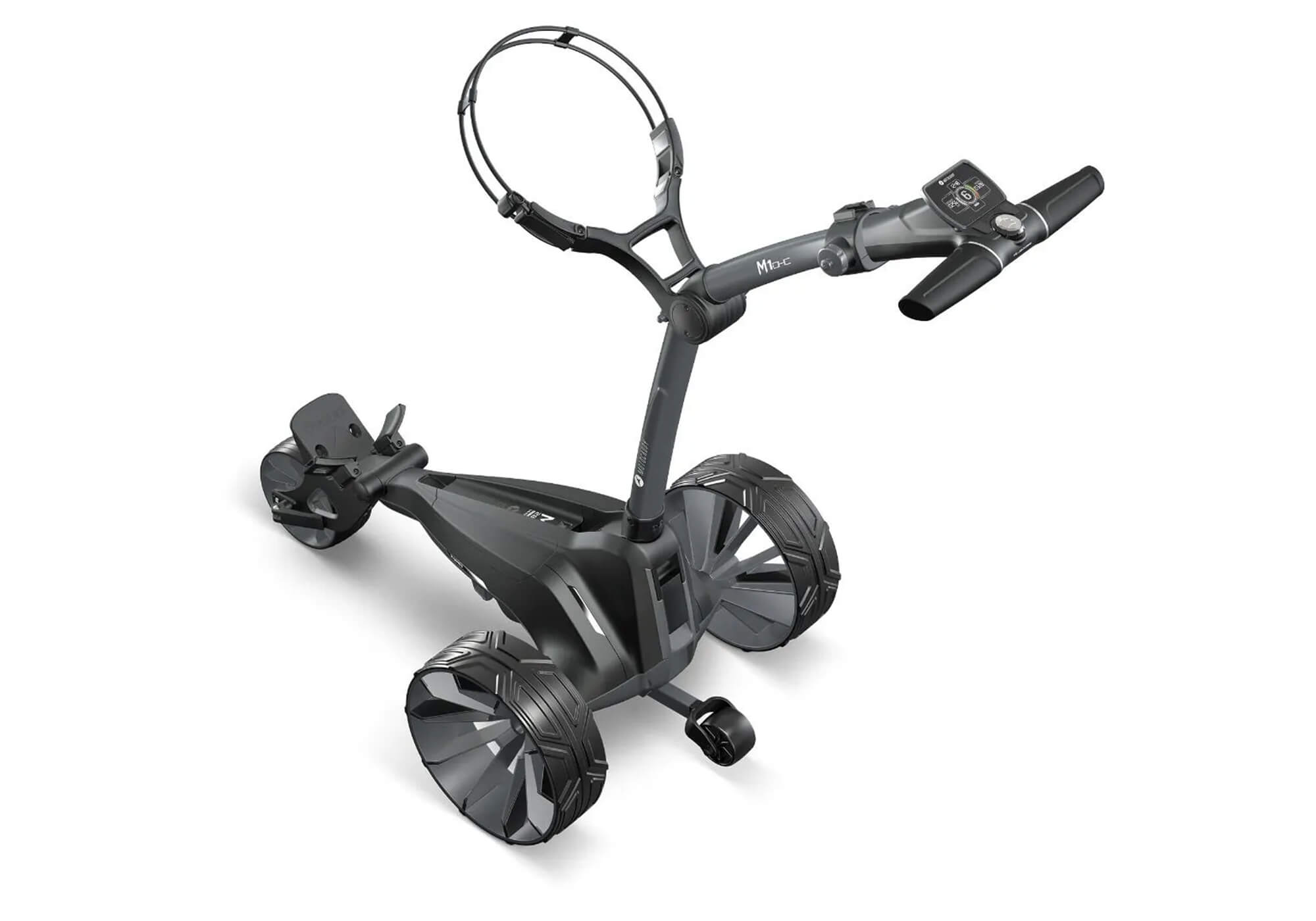
The headliners are updates to the award-winning M7 GPS REMOTE and M7 REMOTE, joined by refreshed M5 GPS DHC and M1 DHC models. All four get what MotoCaddy calls “strikingly modern looks with cleaner lines,” which in the golf equipment world typically means they found a way to make last year’s perfectly functional design look dated.
What’s actually new
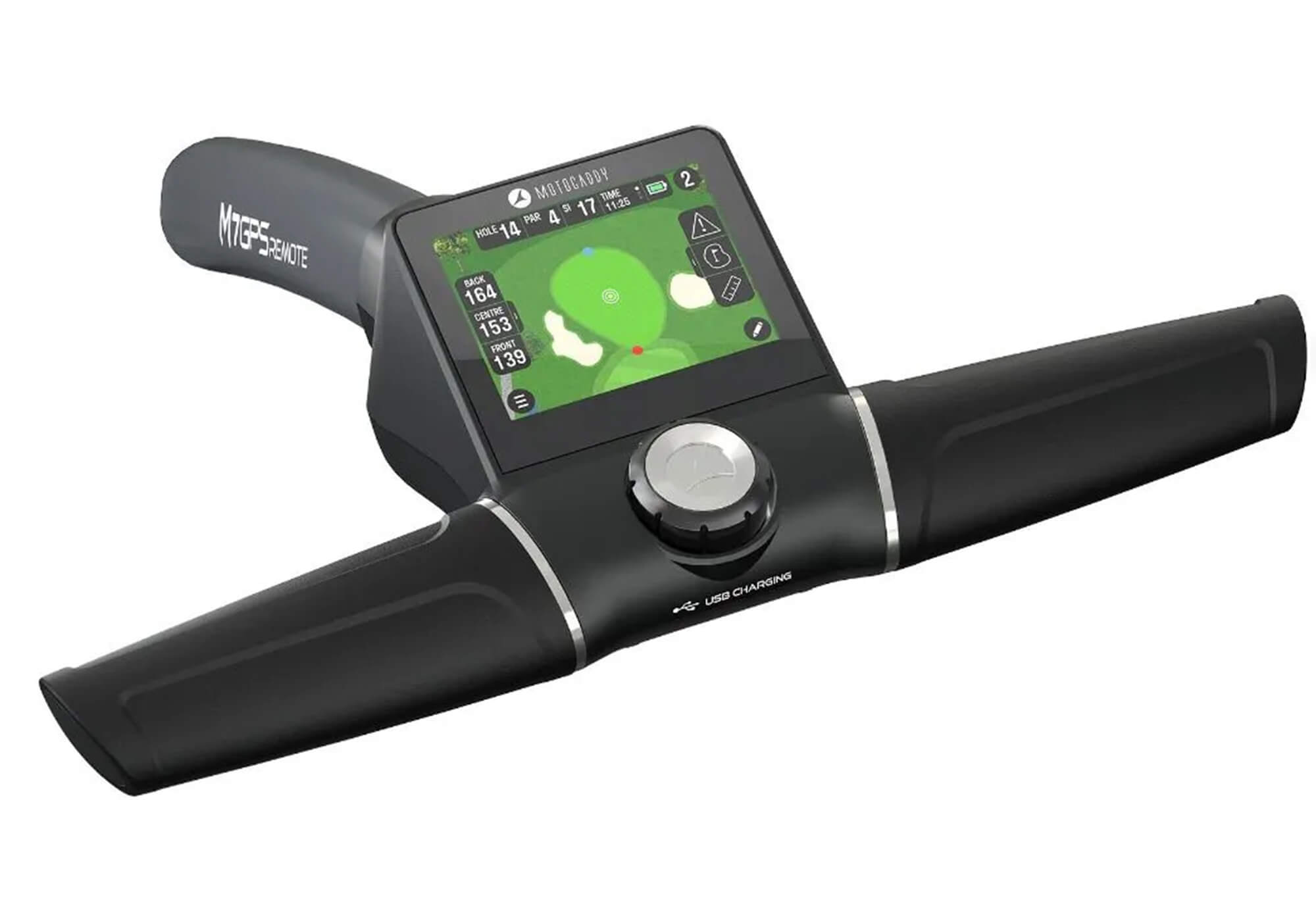
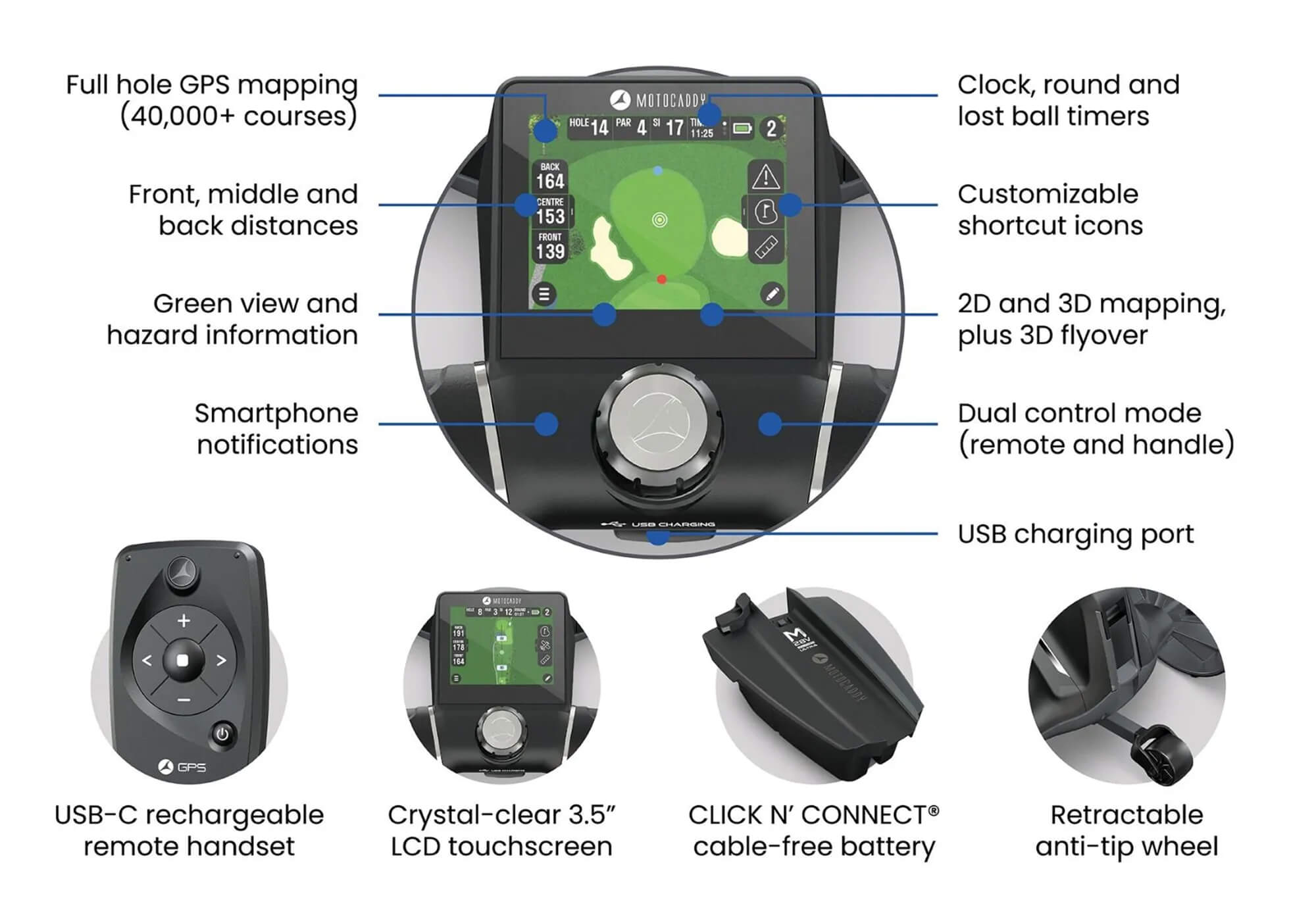
The most significant updates center around the GPS functionality and overall design language. MotoCaddy’s GPS models now feature what they’re calling customizable interfaces—think smartphone-style personalization where you can choose your preferred shortcuts and display options.
The system lets golfers toggle between 2D and 3D mapping (including an “immersive 3D hole flyover), portrait or landscape views, and light or dark mode. There’s also Wi-Fi for over-the-air updates, because apparently even push carts need software patches now.
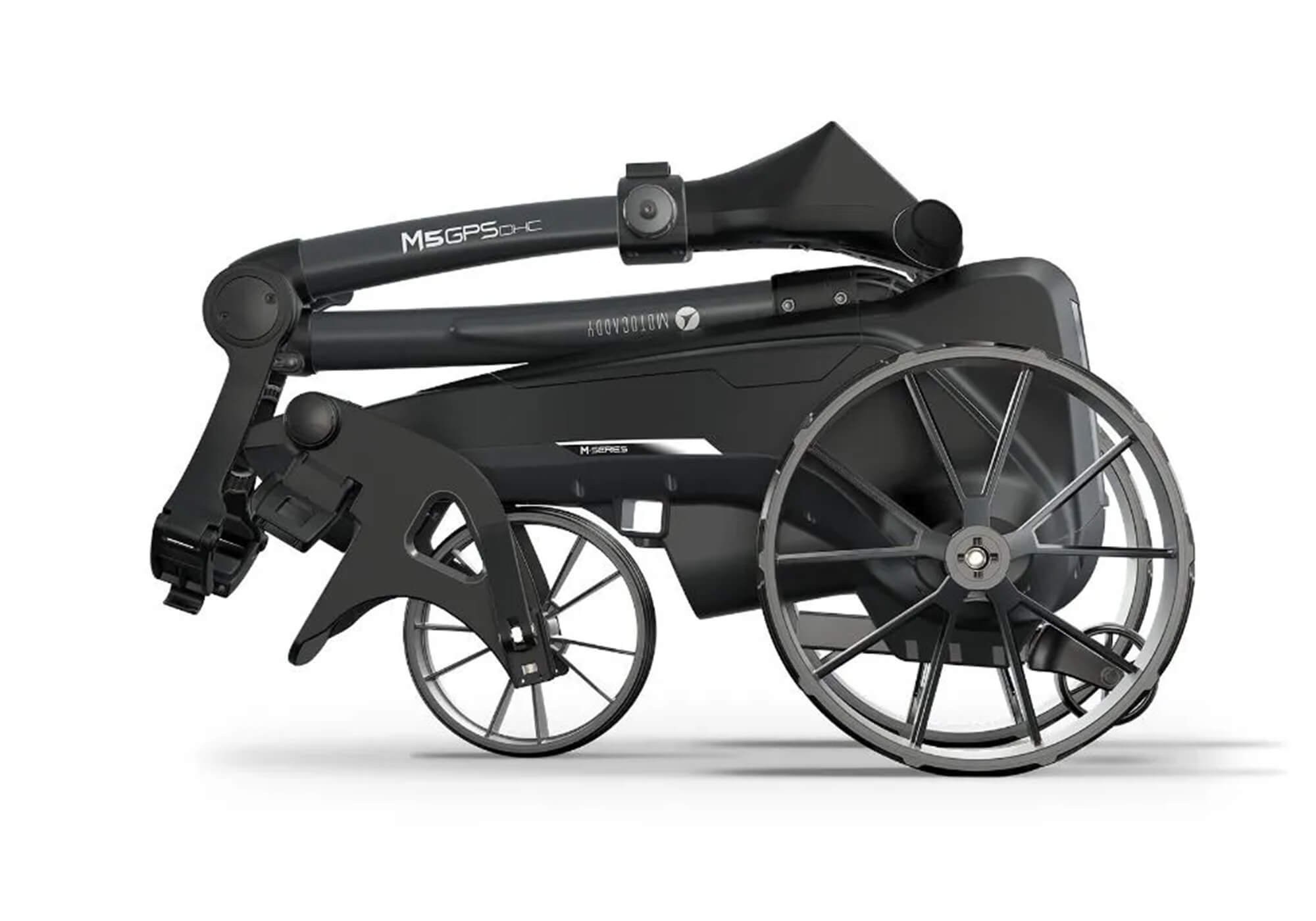
All models continue to feature MotoCaddy’s CLICK ‘N’ CONNECT cable-free battery technology, which admittedly is pretty slick. The battery pops in and out without cables, automatically powers off when you fold the cart, and includes a pop-up charging port that MotoCaddy says is “innovative” and “exclusive to the brand.”
The Downhill Control (DHC) technology is now standard across all models. It’s a bit of wizardy that automatically regulates speed on slopes. For those who’ve chased a runaway cart down a hill, this isn’t just a nice-to-have; it’s sanity preservation.
The lineup breakdown
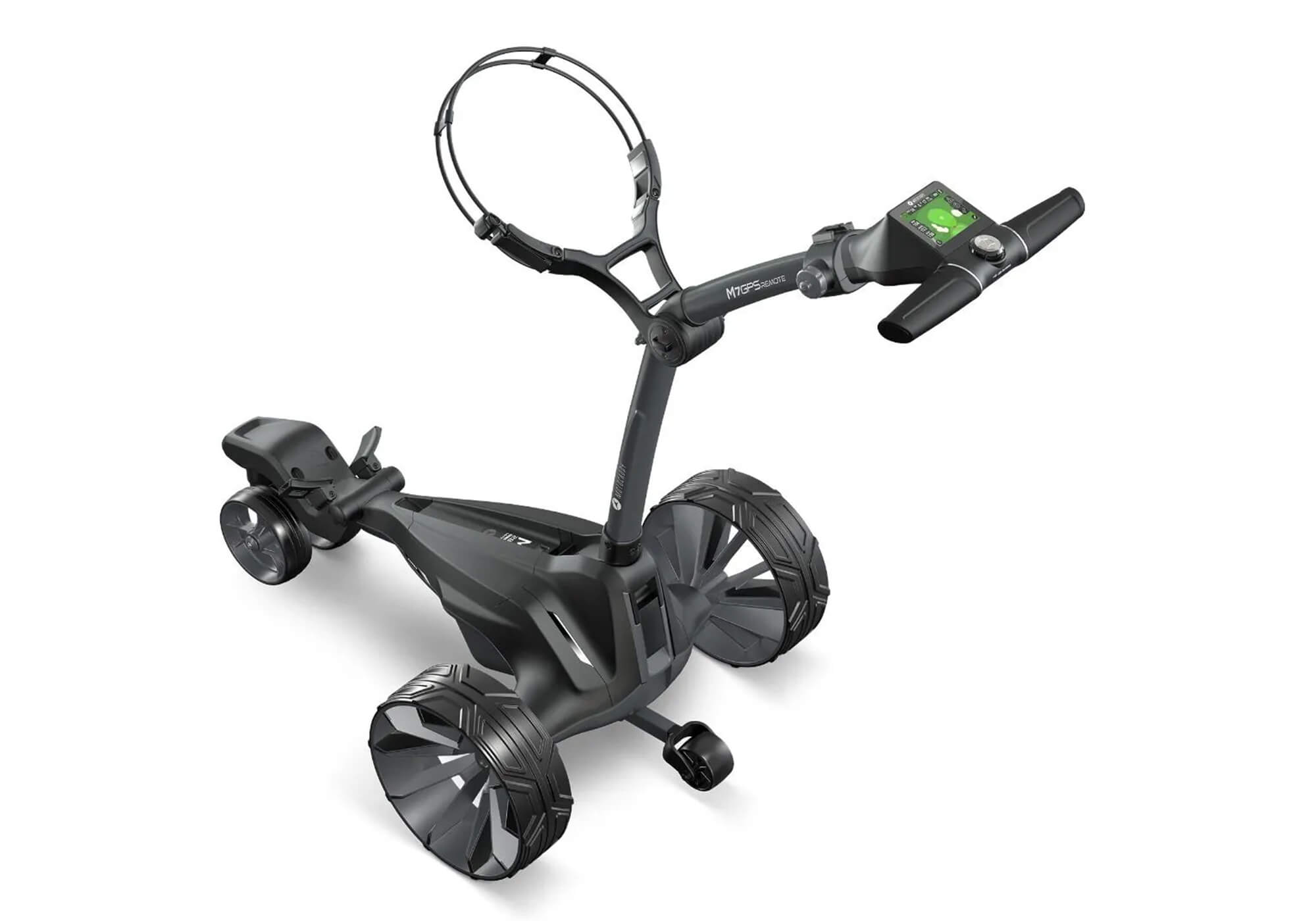
M7 GPS REMOTE ($2,099) – This is MotoCaddy’s flagship, combining remote control functionality with full GPS integration. The 3.5-inch touchscreen offers hole mapping, hazard information, and distances for over 40,000 preloaded courses. The remote has a 100-yard range, which should cover most scenarios unless you’re regularly playing 600-yard par 5s.
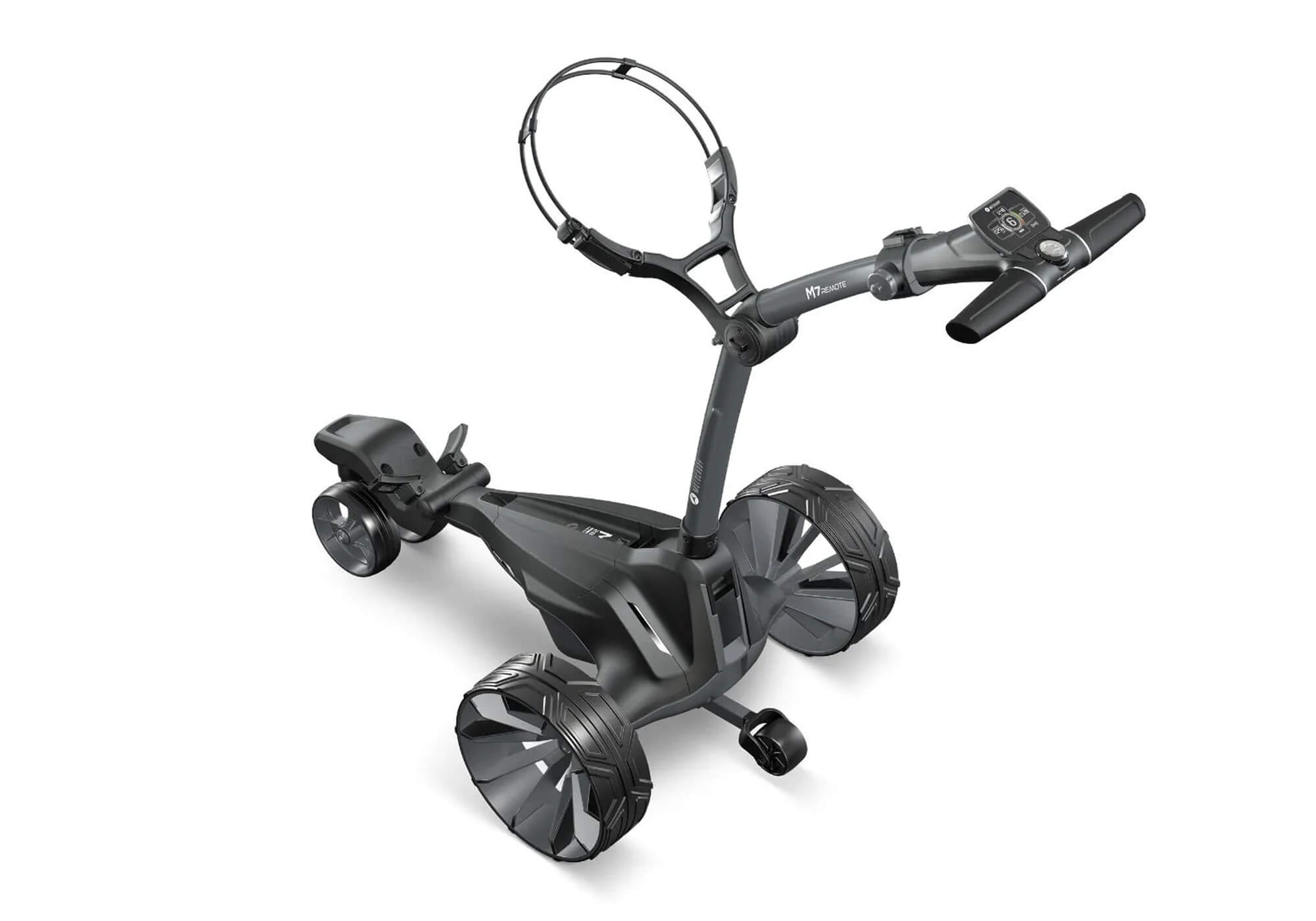
M7 REMOTE ($1,699) – All the remote functionality without the GPS. You get the same responsive control, the 2.8″ widescreen display, and features like distance tracking and round timers. If you’re already carrying a GPS watch or using your phone for distances, this might make more sense.
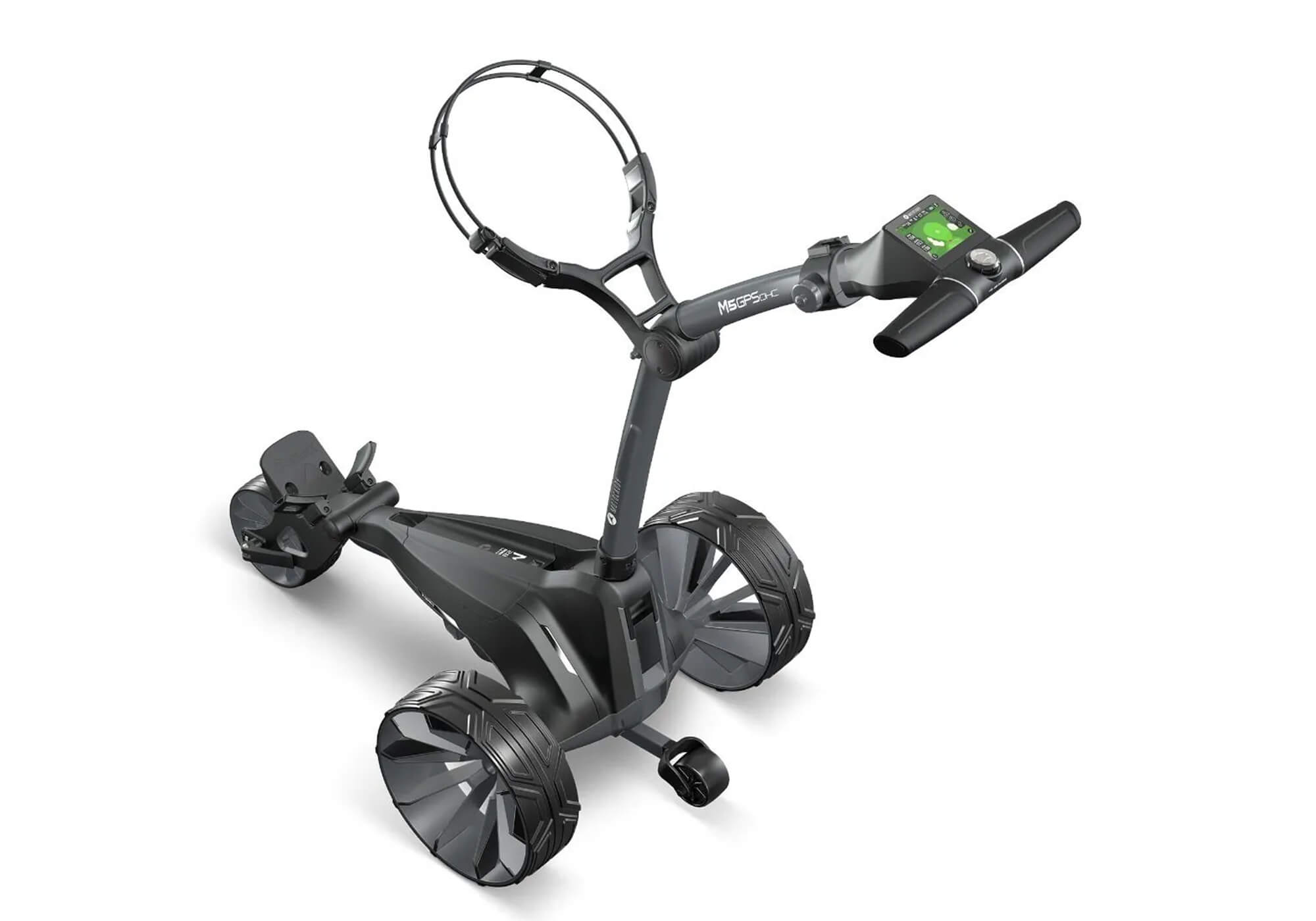
M5 GPS DHC ($1,499) – MotoCaddy describes this as “one of their most popular models,” which probably means it hits the sweet spot between features and price. The 3.5″ touchscreen provides GPS mapping and smartphone connectivity without the remote control complexity.
M1 DHC ($1,099) – The entry point, though “entry” is relative when you’re talking about eleven hundred dollars for a push cart. Simple folding system, 2.8″ display, nine speed settings, and all the core functionality without the GPS bells and whistles.
The reality check
Here’s the thing about electric push carts: they’re genuinely useful. If you walk regularly and don’t want to carry a bag for 18 holes, a quality electric cart can be a game-changer. The question is whether you need—or want to pay for—all this technology.
The GPS integration is undeniably slick, but most golfers are already carrying a GPS device (any phone, for example) in their pocket, on their wrist, or both. The 3D hole flyovers and customizable interfaces are impressive from a tech standpoint, but they don’t fundamentally change the cart’s primary job: hauling your stuff around the course.
The remote control functionality is where things get interesting. Being able to send your cart ahead or around obstacles while you’re playing a shot has real practical value. The 100-yard range means you can park it well clear of your landing area and retrieve it without backtracking.
What’s less clear is whether the average golfer needs the full GPS integration that comes with the top models. If you’re already comfortable with your existing distance-measuring setup, the M7 REMOTE at $1,699 might make more sense than the full GPS version at $2,099.
The bottom line
MotoCaddy’s 2026 lineup represents solid evolution rather than revolution. The design updates are welcome—last year’s models were starting to look a bit dated—and the technology improvements are genuinely useful.
The pricing reflects the broader trend in golf equipment: even push carts are getting the premium treatment. Whether that’s justified depends on how much you value integrated technology versus the simplicity of just pushing your bag around the course.
For golfers who walk regularly and want to eliminate the physical strain of carrying clubs, any of these models will do the job well. The question is how much you want to pay for the privilege of having your push cart talk to your phone.
Availability
The new MotoCaddy models are available for pre-order now, with delivery expected this spring.
The post MotoCaddy’s 2026 lineup: More tech, sleeker looks appeared first on MyGolfSpy.
