PXG won’t last two years.
Back in 2013, when Bob Parsons launched his golf club company with prices that made your accountant weep and a marketing approach that made more than a few eyes roll, the over/under among most industry observers—and MyGolfSpy readers—was about 24 months.
Prices well above market averages, an approach to pricing that suggested a “pay-per-screw” business model? Check.
Brash, arguably arrogant, marketing that seemed to dare you not to hate the brand? Double check. Did Bob Parsons, the GoDaddy billionaire, think selling golf clubs would be as easy as selling domain names?
Apparently.
Those first-generation clubs were priced orders of magnitude higher than anything else in the industry. Parsons described his clubs and his brand as a luxury, but an affordable luxury. Insomuch as bag of clubs could be had for a bit less than a cost of a Bentley, I suppose he had a point.
Still, more than a few smart people suggested PXG wouldn’t last. That it was all flash, no substance: a rich guy’s vanity project that would flame out as soon as he got bored, the novelty wore off or golfers realized they could get similar performance for half the price.
Yet here we are a decade and counting later and PXG isn’t just still around. The brand has inarguably evolved, perhaps even into something that Parsons himself hadn’t planned on.
Case in point: Parsons once said you wouldn’t find PXG at the annual PGA Merchandise Show. “Ferrari doesn’t go to the Detroit auto show,” he said.
Just over a decade later, Parsons announced that PXG would be at the 2026 PGA Show.
The arrival: Bold, different, expensive as hell

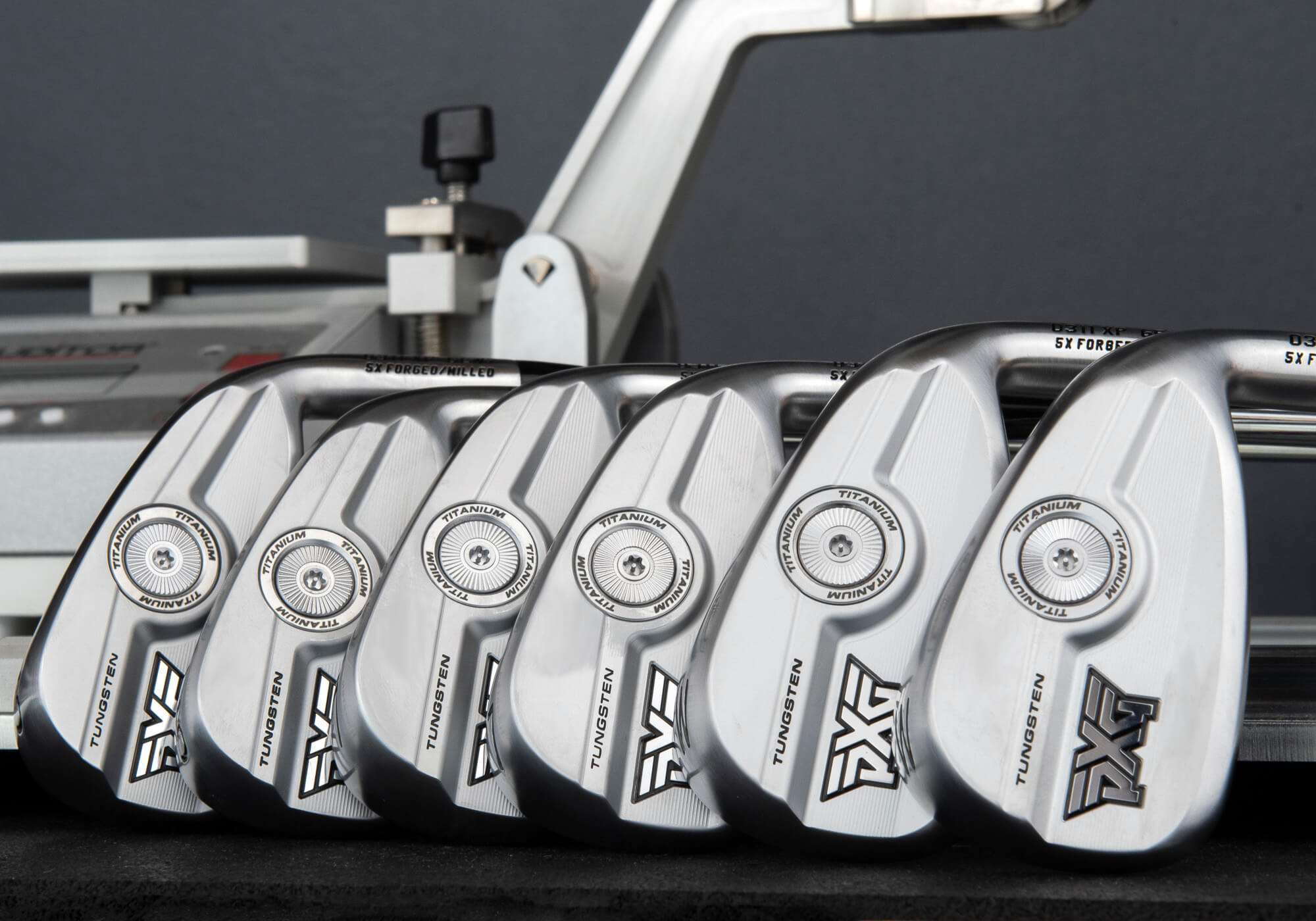
The first generation of PXG clubs (the irons anyway) were bold, innovative and absolutely different from anything else on the market. The original 0311 irons looked like an engineering challenge to see how many screws (excuse me, weight ports), you could fit into an iron head. The marketing was equally subtle, which is to say, it wasn’t.
For all the eye-rolling the golf establishment did, the irons were an industry line in the sand of sorts. I’d argue that those first PXG irons set the standard for what has become the player’s distance category. Whether they were any better than what existed previously will always be up for debate but there was no arguing that Parsons and his team were pushing the limits of how much technology (and screws) you could pack into a golf club.

The same can’t be said about the first generation of metalwoods. While I’d argue the original 0317 hybrid was among the very best available, the fairway woods, like most in the market, would have been easily overlooked if not for the price tag. The 0811 driver was significantly more memorable but for the wrong reasons. It spun like a modern 5-iron and distance suffered for it.
A year or so later, Parsons told me they really thought they had something with the driver while almost immediately acknowledging that they were wrong.
Say what you will about Parsons but he’s never been shy to acknowledge missteps while not dwelling on them any longer than it takes to learn from them.
The experience and the influencers

From day one, PXG understood something that most golf companies were still figuring out: the experience mattered as much as the product. Long before other brands caught on to the “fitting experience” trend gaining popularity in today’s market, PXG was flying customers to Arizona and rolling out the red carpet.
While the current version of the PXG experience at Scottsdale National Golf Club can be had for around $30,000 (after an application and invite), the original iteration was a three-day experience that included fittings, clubs, on-course time with PXG engineers, and pretty much all you could eat and drink at Parsons’ exclusive golf course.
The cost of the premium package? Just $99,000. And while that sounds absurd to most of us, it served its purpose as a vehicle to grow membership and help establish Scottsdale National as one of the most exclusive golf clubs in the country.
(A quick aside: at least one PXG customer notoriously figured out how to ensure he got his money’s worth. Scottsdale National boasts an impressive wine collection and, with the right selections, it’s not hard to come out ahead on the deal. As a result, the experience now comes with some additional guardrails.)
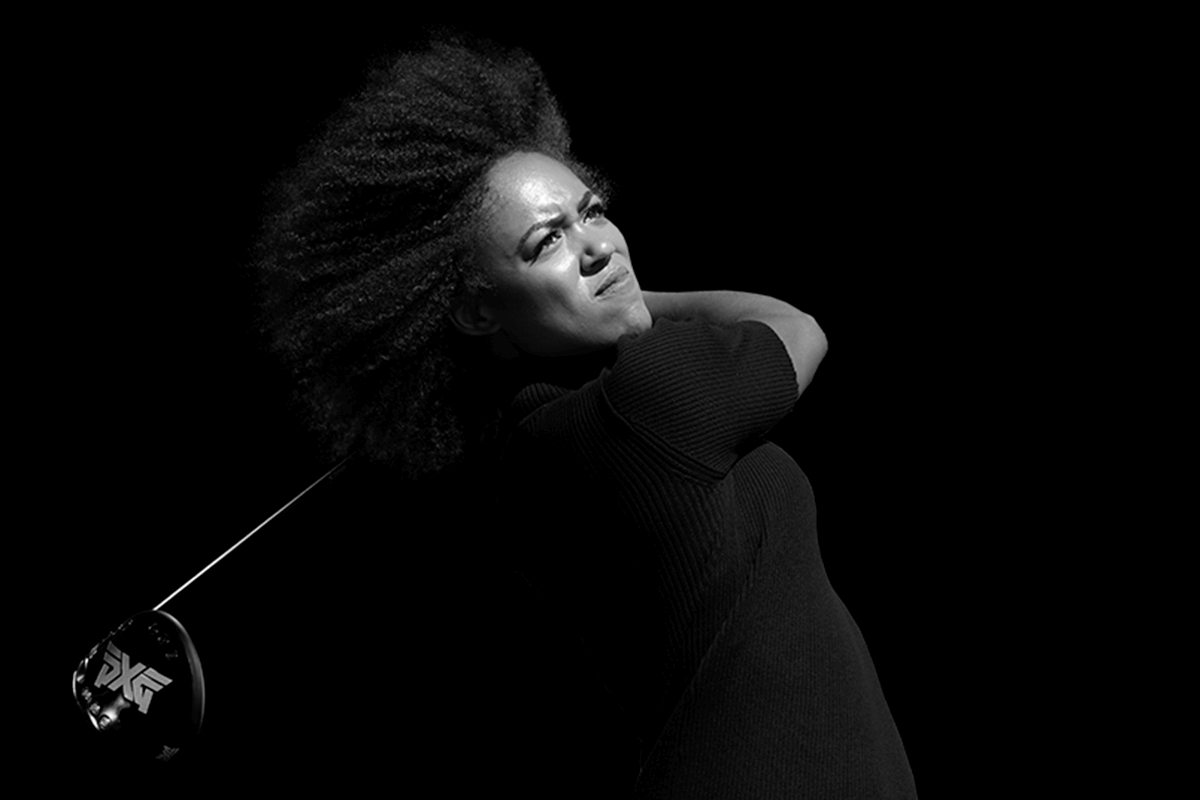
PXG was also early on the influencer bandwagon as the first major equipment brand to land Paige Spiranac although that relationship didn’t survive the contract period. The same was true of long-drive star Troy Mullins. Like many brands since, PXG learned influencers will follow the money and move on just as fast.
Influence, it seems, can be bought. Loyalty, not so much.
On the PGA Tour, PXG did its best to compete at the highest level. They weren’t landing A-list talent but they managed to sign Zach Johnson and Billy Horschel as early adopters. While nobody will argue there’s much parity to be found between Zach Johnson and Tiger Woods or Rory McIlroy, the signings were nevertheless impressive considering the brand had about 10 minutes’ worth of industry history.
Despite its premium placement, it wasn’t lost on PXG that to penetrate the golf market, it would need to expand beyond the sport’s most affluent participants. In those early years, lifestyle products like hats and towels served as the affordable gateway to PXG products.
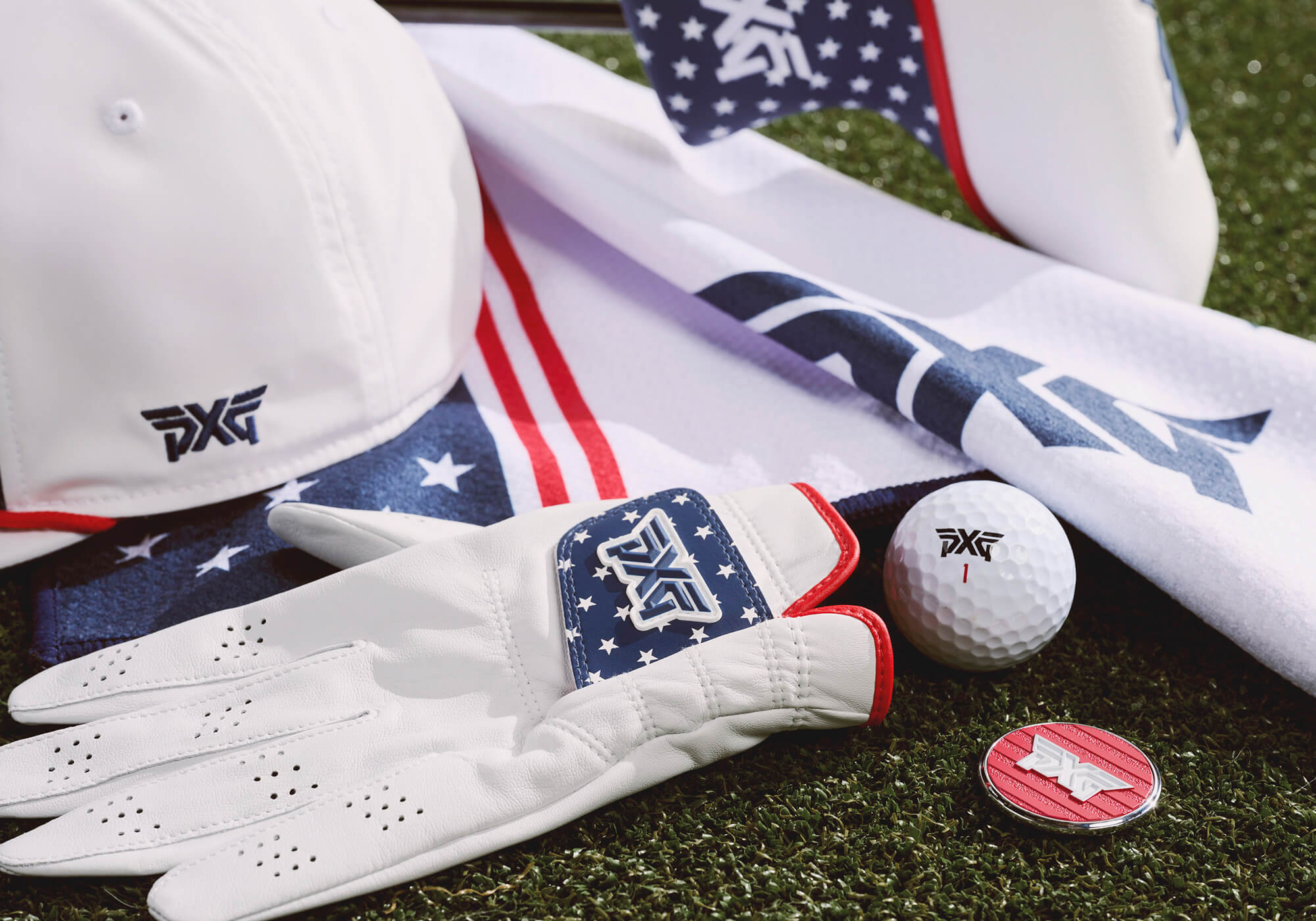
I vividly remember seeing photos of my wife’s cousin who lives in Hong Kong wearing a PXG hat on the course. It goes without saying that PXG wasn’t the first brand to lean into the lifestyle approach but given the modern state of the golf market, I’d argue they were solidly half a decade ahead of the current trend.
With that, it probably shouldn’t surprise anyone that the apparel side of the business continues to grow.
The chaos: When premium became bargain basement

While the premium business model remained PXG’s bread and butter, 2019 brought the first real curve ball: the 0211 series. These were more affordable cast-body irons designed to provide a lower-priced entry point to the PXG ecosystem. It was a smart move … in theory.
And it worked … right up until all hell broke loose.
2020 happened and PXG’s world—like everyone else’s—got turned upside down.
The year got off to a bumpy start even before COVID. PXG parted ways with its director of tournament player relations which led to Billy Horschel and newly signed Chez Reavie walking away from their contracts. That was just the beginning and, as it turned out, not just for PXG.

When COVID hit, PXG made some bold moves. The company released a pair of prototype drivers and extended hero pricing to everyone—not just military and first responders. What was originally supposed to be a limited promotion got extended again and again, until it basically became what PXG clubs cost.
Inarguably, PXG got plenty right in the early days of COVID. While other companies tightened their purse strings, PXG bet on opportunity. They invested heavily in shaft and grip inventory and, for a good portion of the pandemic, they were quite literally the only OEM that could offer certain popular models.
They also made some mistakes. PXG was perhaps a little too bullish on their ability to sell huge quantities of product. They missed the mark on projections for 0211 metalwoods which explains why, at one point, you could order a brand-new 0211 driver for less than $200.

Almost overnight, golf’s most premium brand had become the industry’s biggest bargain. I remember joking at the time that maybe Ferrari doesn’t exhibit at the Detroit Auto Show but, apparently, Yugo doesn’t, either.
All jokes aside, growing pains are a part of every company’s story. Parsons once told me he believed every successful brand needs to evolve and that expanding accessibility was always part of the PXG plan. As a result of its inventory problems, perhaps it was, for a time, a little more accessible than originally planned.
The stability: Finding the middle ground

Post-COVID, PXG has normalized. You might even say stabilized. The ultra-premium days are largely behind them as are the deep discounts although it’s worth mentioning that PXG’s avoidance of big-box retail has given the company unprecedented control over its own pricing. It’s almost radical that a company can put its own products on sale without raising the ire of retailers forced to comply with MAP (minimum advertised price) rules.
While you can still find a few true premium offerings (those fully milled Sugar Daddy wedges, for example), most PXG products now are priced on par with industry averages. The company is no longer promoting itself as light years ahead of the competition. Instead, they’re focusing on incremental improvements and adding more levers for its fitters to pull.

While the company shares more matter-of-fact internal test data than arguably anyone in golf and speed and forgiveness are never far from the conversation, there’s an acknowledgement inside PXG that fitting is the gateway to improvement. It’s not just about the gear; it’s about finding the right gear for each individual golfer.
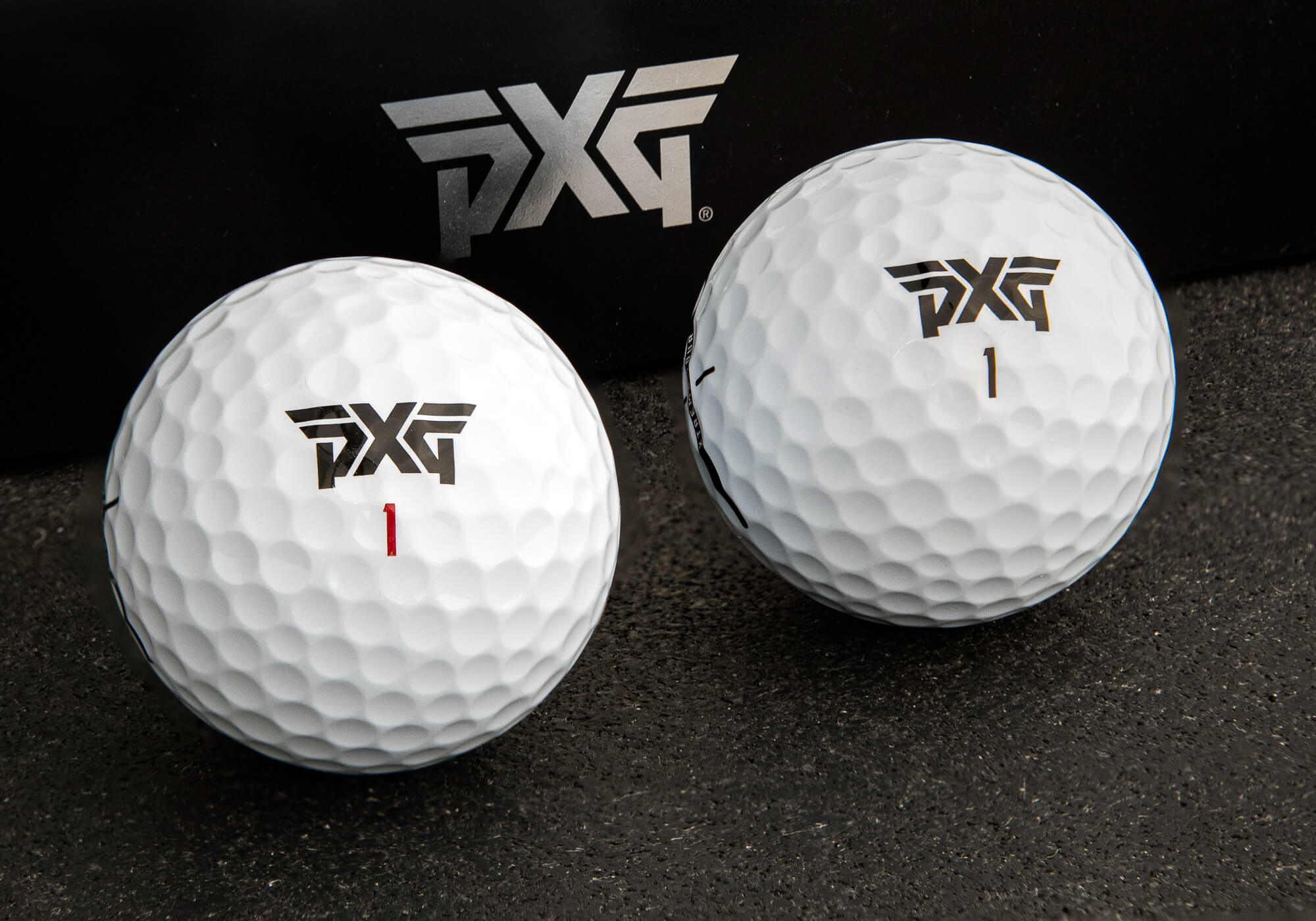
PXG’s golf balls are in their second generation and continue to test well. While there were some manufacturing issues out of the gate, the quality of the product has improved and likely contributed to improvements in the Kirkland Signature ball, which is made at the same facility. It’s one of many ways PXG has subtly played a role in advancing the industry.
The company has leaned into part of what made it special from the beginning.
The experience once reserved for the ultra-affluent has been reimagined within the confines of PXG’s stores. Inside PXG’s retail locations (of which there are just shy of 40 in the U.S.A), the company strives to make fitting fun and performance-enhancing. They encourage customers to keep in contact with their fitter. It’s the kind of thing you’ll tell your friends about and want to do again yourself.
That retail presence provides a one-on-one relationship that no other brand offers at scale. It’s become one of PXG’s biggest differentiators in a crowded marketplace.
Heroes’ pricing isn’t extended to everyone like it was during COVID but it has been expanded to include educators. As someone whose wife works in education and knows plenty of teachers, that hasn’t gone unnoticed.
Earlier this month, the company launched its new Lightning metalwoods. Notably, the company isn’t claiming they’re the fastest in golf but they do believe they offer a unique combination of speed and forgiveness that compares favorably to anything in the industry, especially for golfers who take the time to get properly fitted.
Looking forward: Evolution beyond product
Stability is not stagnation. PXG continues to evolve.
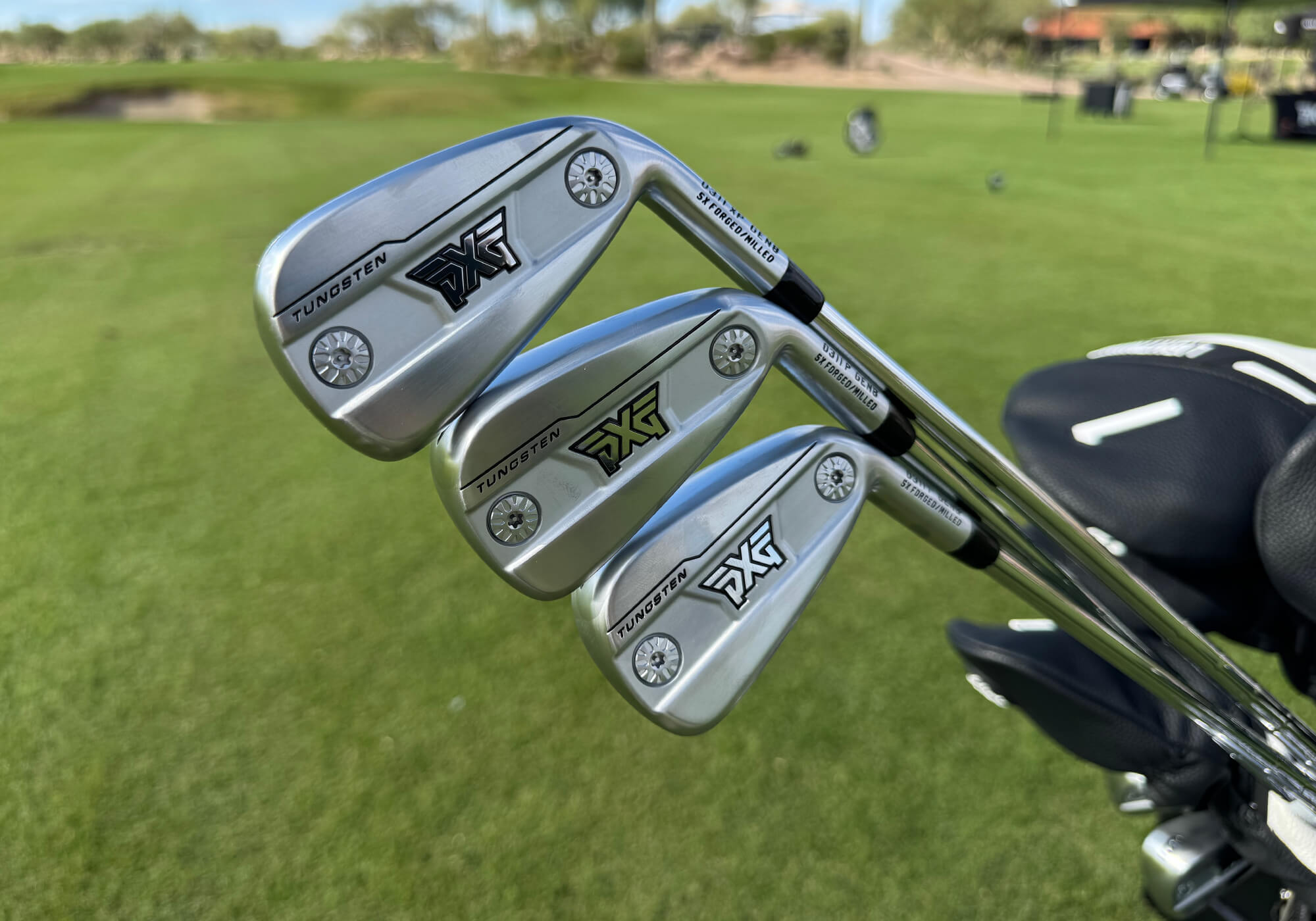
Its eighth generation of signature irons are on the way and while they’ll offer significantly fewer screws than the original PXG irons, they’ll provide fitters with yet another lever that can be pulled to help deliver even more performance to golfers. They won’t be the cheapest on the market, but they’ll be competitively priced and should be able to hold their own and then some with most everything else in the category.
Nevertheless, expect the misplaced references to PXG pricing to continue in much the same way as jokes about TaylorMade releasing drivers every six months. Those days are long in the rearview mirror but golfers’ memories fade slowly.
The company is planning for that future in ways that extend beyond its products. When I spoke with the now 75-year-old Parsons in October, he told me he’s still involved with PXG on a day-to-day basis. He still tests absolutely everything but he’s not as omnipresent as he once was.
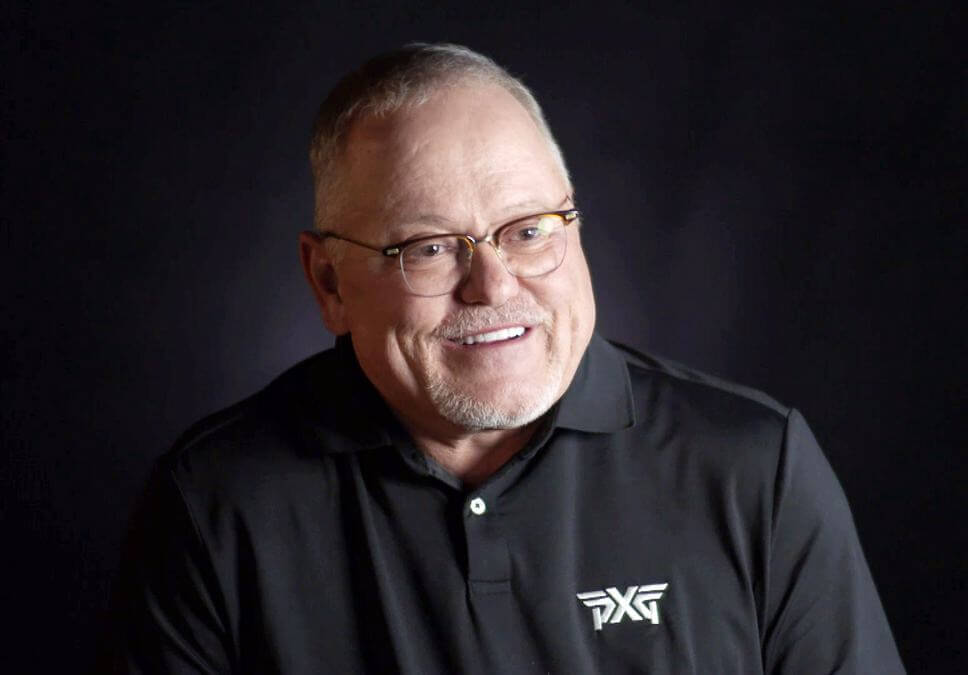
Shortly after that conversation, PXG announced the promotion of Brad Schweigert, one of the original PING engineers that Parsons hired to help launch the company, from chief product officer to chief operations officer. Schweigert now oversees product, operations, marketing and sales.
What that means for the future of the brand remains to be seen.
While we wait to see what the future holds for PXG, it’s worth acknowledging what it has accomplished over the last decade. They essentially established the modern “player’s distance” category. Their premium pricing led competitors to put out their own premium offerings, testing market response to higher prices when the technologies genuinely cost more to produce than the mass market will bear. That’s trickle-down innovation at work.
The PGA Tour has become less of a focus not because PXG is giving up on proving its mettle but because they’re choosing their investments more wisely. There have been major victories from Celine Boutier on the women’s side to Rocco Mediate on the Champions Tour. But rather than throwing money at established tour players of questionable ROI, PXG has chosen to invest in up-and-comers like Jake Knapp and Mason Andersen. While Zach Johnson (the original PXG ambassador who remains on staff), the new strategy offers lower cost and higher upside potential.
So here we are, more than a decade later.
PXG has blown past that two-year expiration date by five times and counting. Earlier this year, they launched a new website, perhaps a sign of its evolving identity. Parsons’ signature black-and-white has been replaced by shades of yellow and teal. Last time I saw Bob Parsons, he was wearing a navy blazer.
Given enough time, everything changes.

On the redesigned website, Parsons himself features less prominently than PXG engineers (and even a Christmas elf … tis’ the season).
What some called a billionaire’s vanity project has evolved into an established mainstream brand that focuses on the experience of everyday golfers, championing a fitting-first philosophy focused on all golfers while continuing to chase innovation.
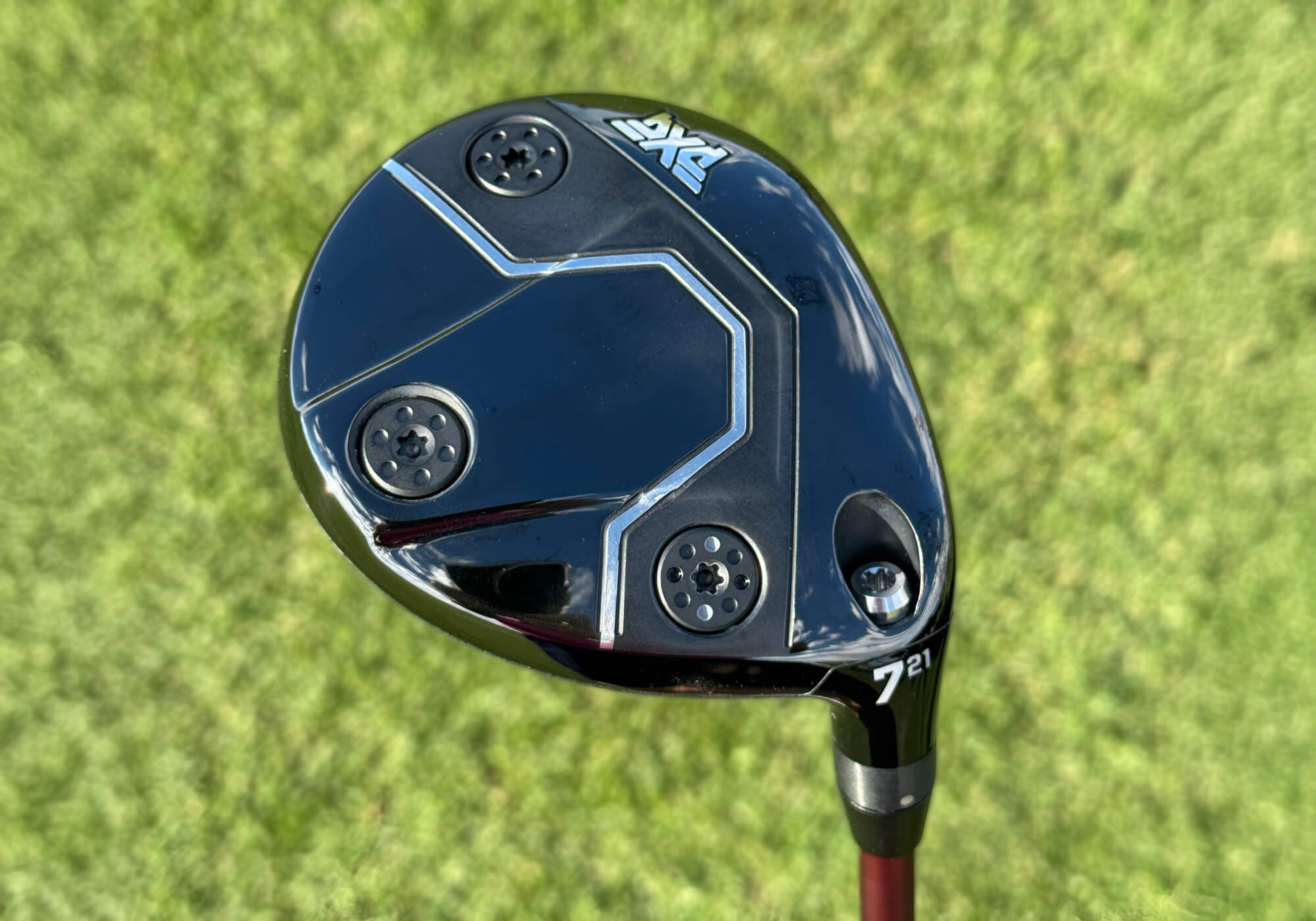
The screws that were part of the initial brand identity are still there (although fewer), the prices are more reasonable and the experience remains premium. It turns out that when you combine genuine innovation with a commitment to making golfers better, sustainability follows.
The post A Decade Of Disruption: The PXG Effect Continues appeared first on MyGolfSpy.
