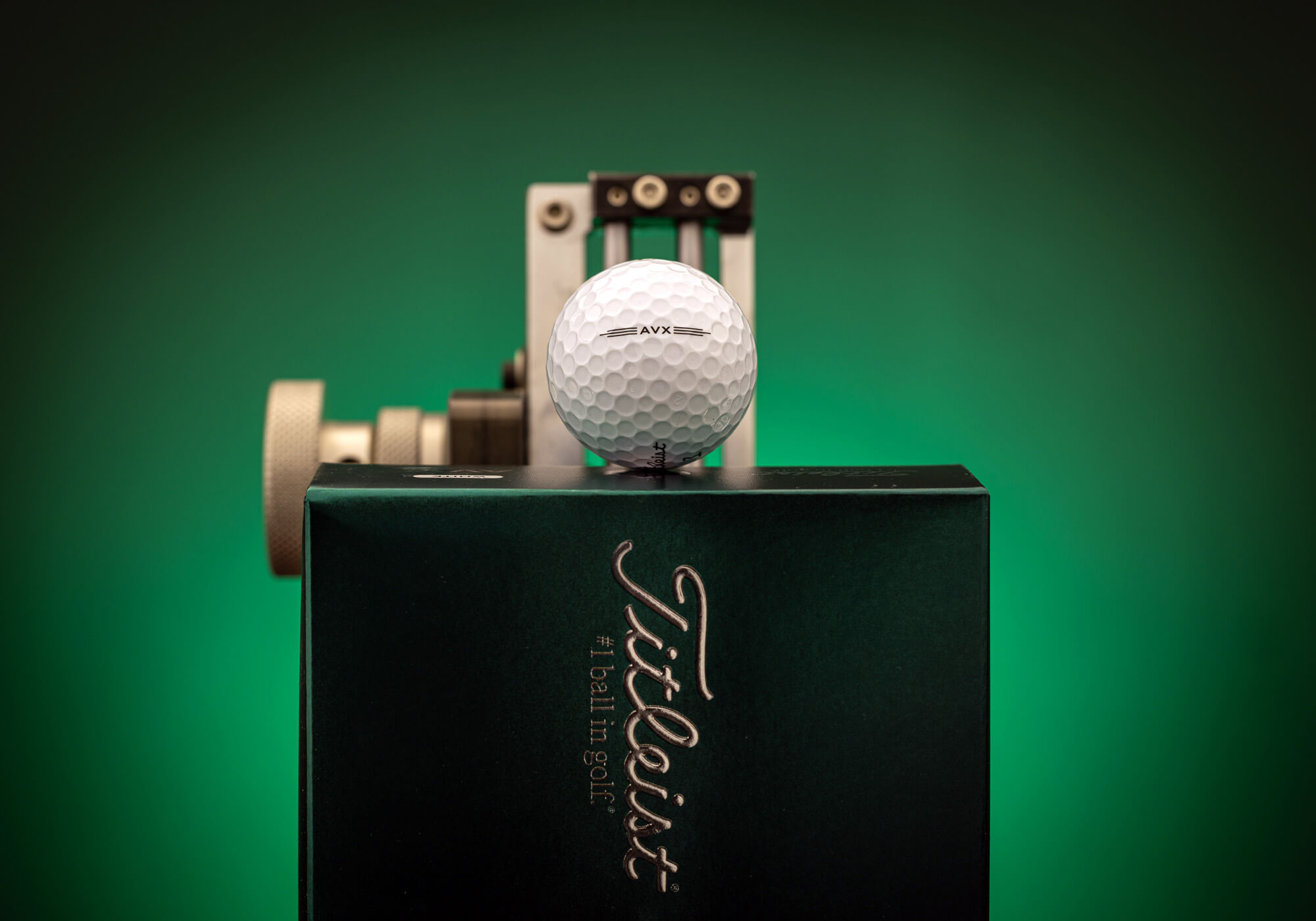
When Titleist launched AVX in 2018, it was designed as a kind of fountain-of-youth golf ball—lower-spinning and lower-flying than anything in the Pro V1 family and, hey, that softer feel was an added bonus that golfers in the primary AVX demographic love.
For 2026, Titleist hasn’t fundamentally changed AVX but the company says the new ball is faster without compromising the identity that differentiates AVX from those other Titleist urethane golf balls.
A brief history of AVX
AVX was designed for moderate swing speed players searching for lost distance. Early AVX development and validation leaned heavily on testing in the Sun Belt and focused on golfers who still wanted urethane-level performance but weren’t exactly flirting with tour-level speed. The logic was straightforward: if ball speed is starting to slip, distance has to come from somewhere else.
That somewhere else was lower spin and flatter flight.
What’s changed since then is not AVX’s intent, but its reach. While moderate-speed players remain core to the design philosophy, AVX has steadily expanded beyond its initial audience, finding a place in the bags of golfers looking for a different kind of urethane performance. AVX can be an option for faster players who suffer from high spin (particularly off the driver). And while it’s not reason enough for me to recommend AVX, there are certainly those who like the idea of playing a Titleist ball and prefer the softer feel.
What’s new for 2026
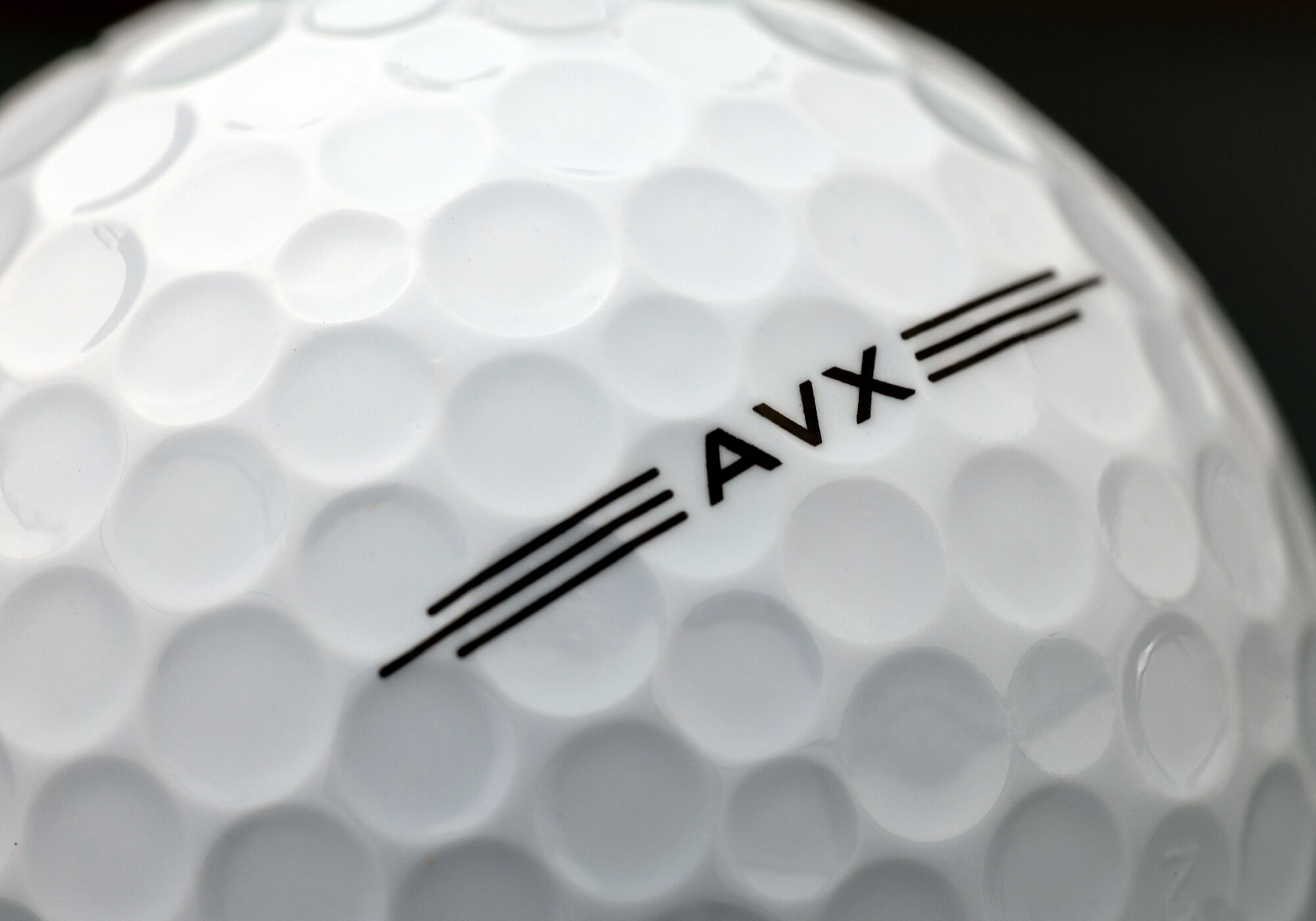
The 2026 AVX update doesn’t bring any wholesale changes but enough has been tweaked to suggest a better-performing ball.
At the center of the update is a reworked core designed to add speed. Those same core tweaks are paired with a reformulated casing layer, which results in lower long-game spin. Increased speed plus low spin explains where AVX’s added distance comes from.
Of course, if not accounted for, spin drops can trickle their way through the bag so, to offset the core changes and maintain spin around the green, Titleist reformulated AVX’s cover, making it thicker and softer to increase greenside spin.
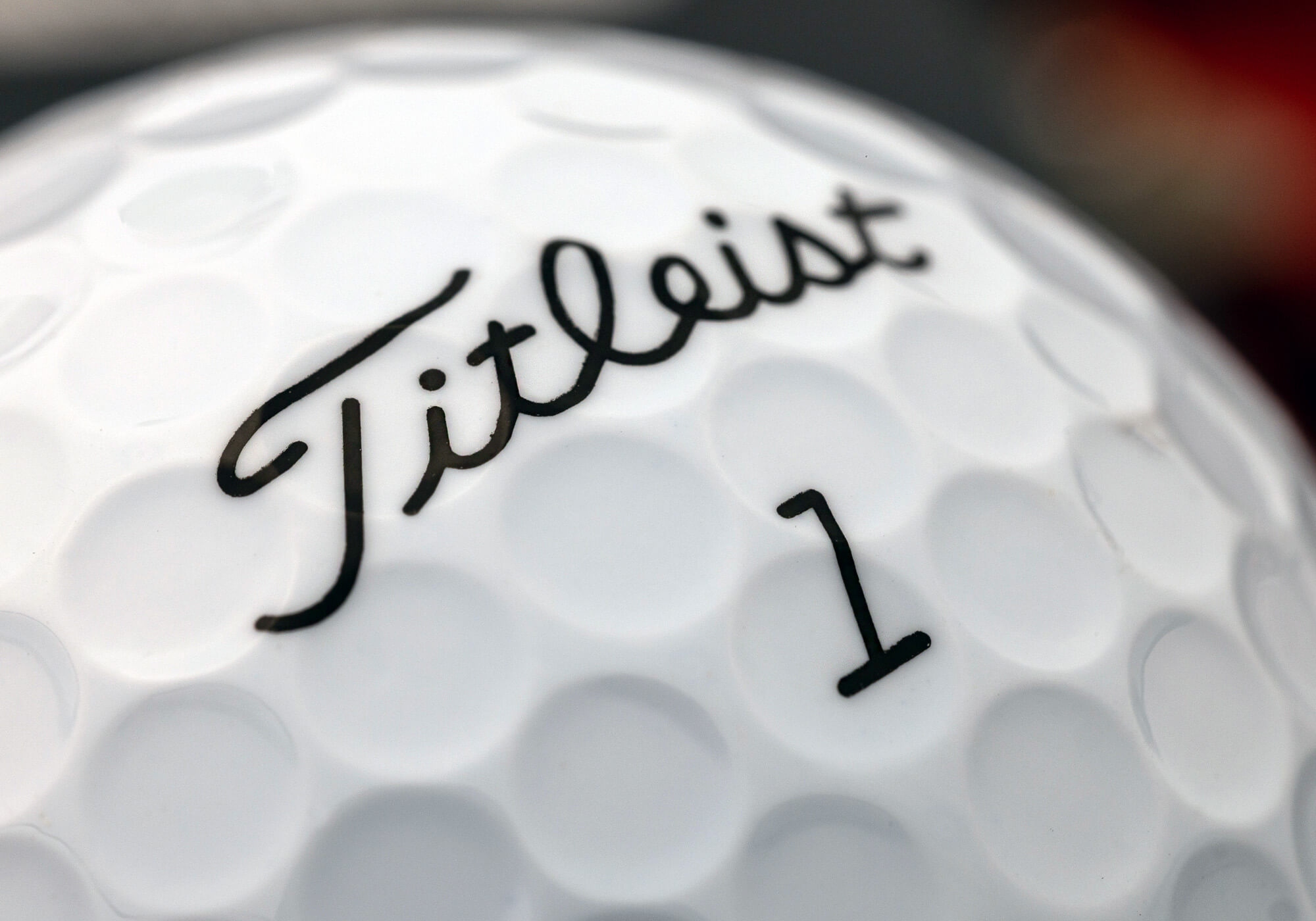
Rounding out the update is a new aerodynamic package designed to produce a more penetrating and predictable ball flight. AVX remains lower-flying than anything in the Pro V1 family but the updated pattern improves flight efficiency, particularly off the tee.
The net result is a ball that is faster than the previous AVX and more effective at delivering distance through reduced spin and controlled flight without drifting away from the identity that defines AVX.
Still not Pro V1 (and still not trying to be)
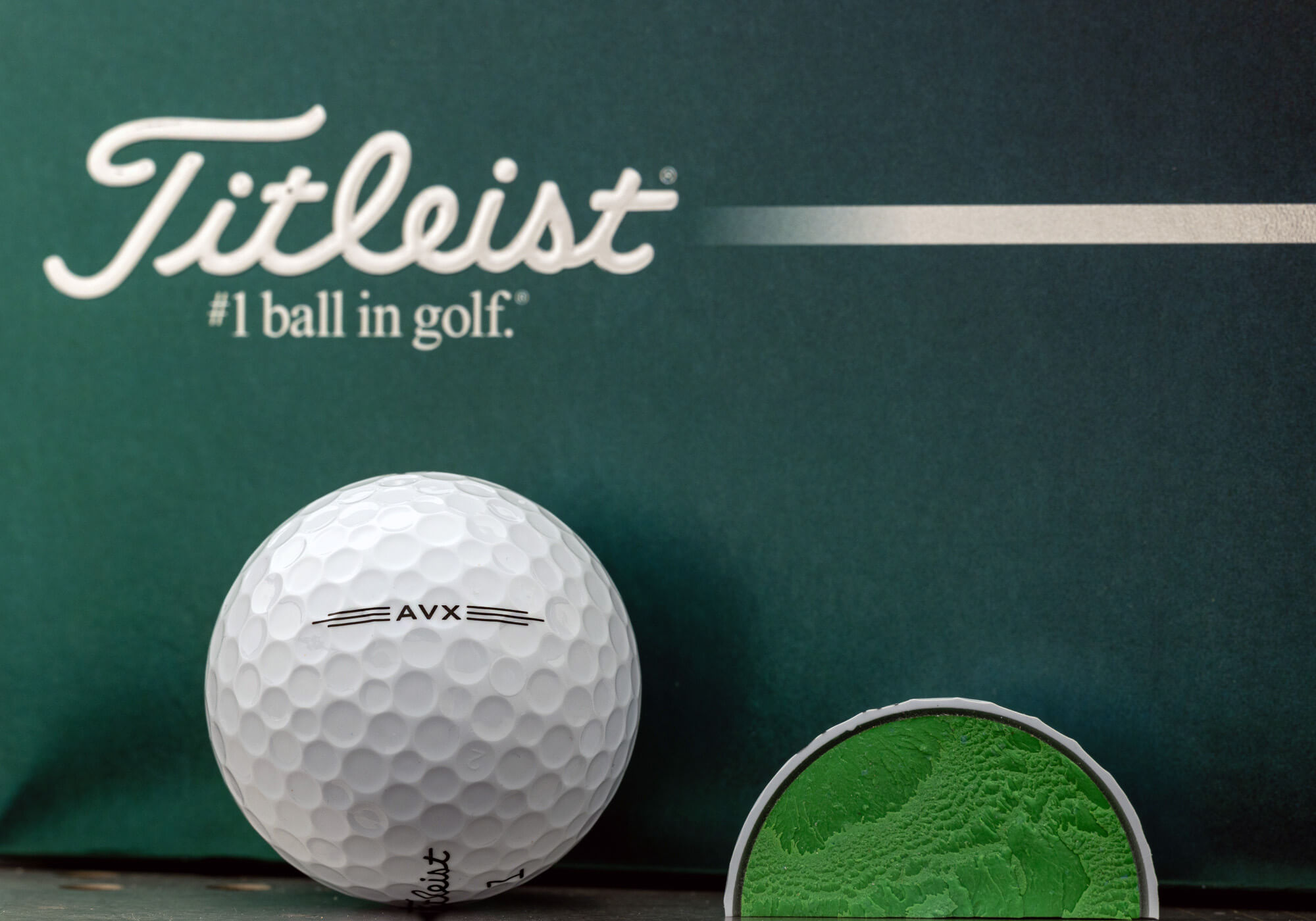
While there’s a case to be made that AVX should have been the Pro V1s, it continues to stand apart from the Pro V1 lineup, philosophically and physically.
Pro V1 and Pro V1x are cast urethane balls produced at Titleist’s Ball Plant 3. Starting with the 2024 AVX, Title shifted its production to Ball Plant 2, where it uses the injection-molded cover process originally developed for the discontinued Tour Speed.
Performance-wise, relative to the Pro V1 family, AVX delivers lower flight and lower spin throughout the bag, a softer feel, and a stronger emphasis on long-game distance. Titleist does not position AVX as a Tour performance offering and it was never intended to be one. Instead, it occupies a lane the Pro V1 family deliberately avoids: a urethane ball optimized for golfers who benefit more from reduced spin and prefer a softer feel.
About that soft feel
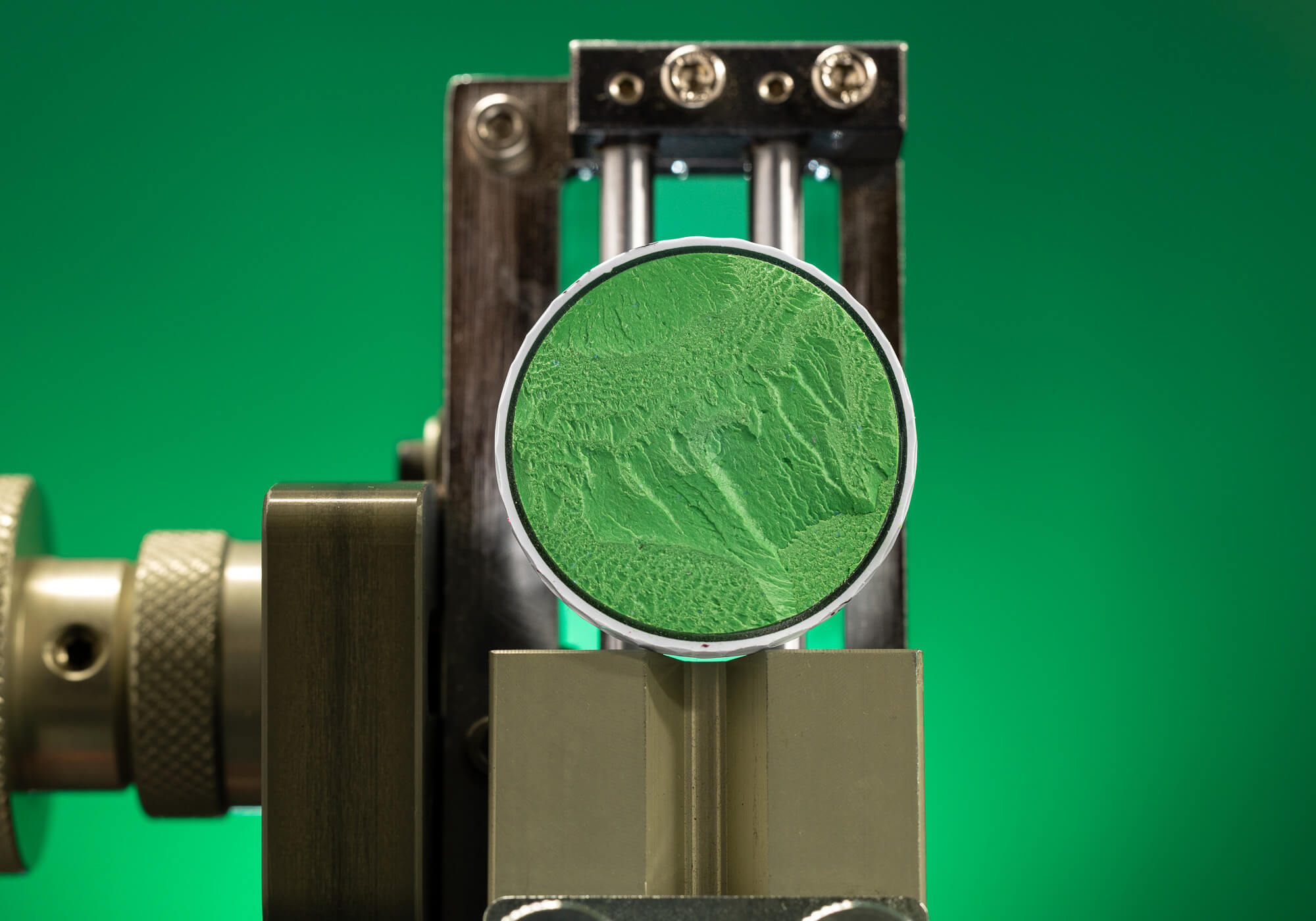
Titleist describes AVX as its soft-feel urethane offering and, on a relative basis, that’s accurate—especially when compared to something like Left Dash where the gap in feel is substantial.
That said, AVX is not soft in the broader market sense.
With compression values in the high 70s, AVX is softer than anything routinely played on Tour and softer than Pro V1, Pro V1x and Left Dash but it is not soft relative to the wider consumer market. AVX is best described as relatively soft for a urethane golf ball, but not a low-compression offering where soft feel is all but the entirety of the story. That distinction matters, particularly for golfers coming from ionomer offerings like Supersoft or TruFeel.
The Fountain of Youth—refined
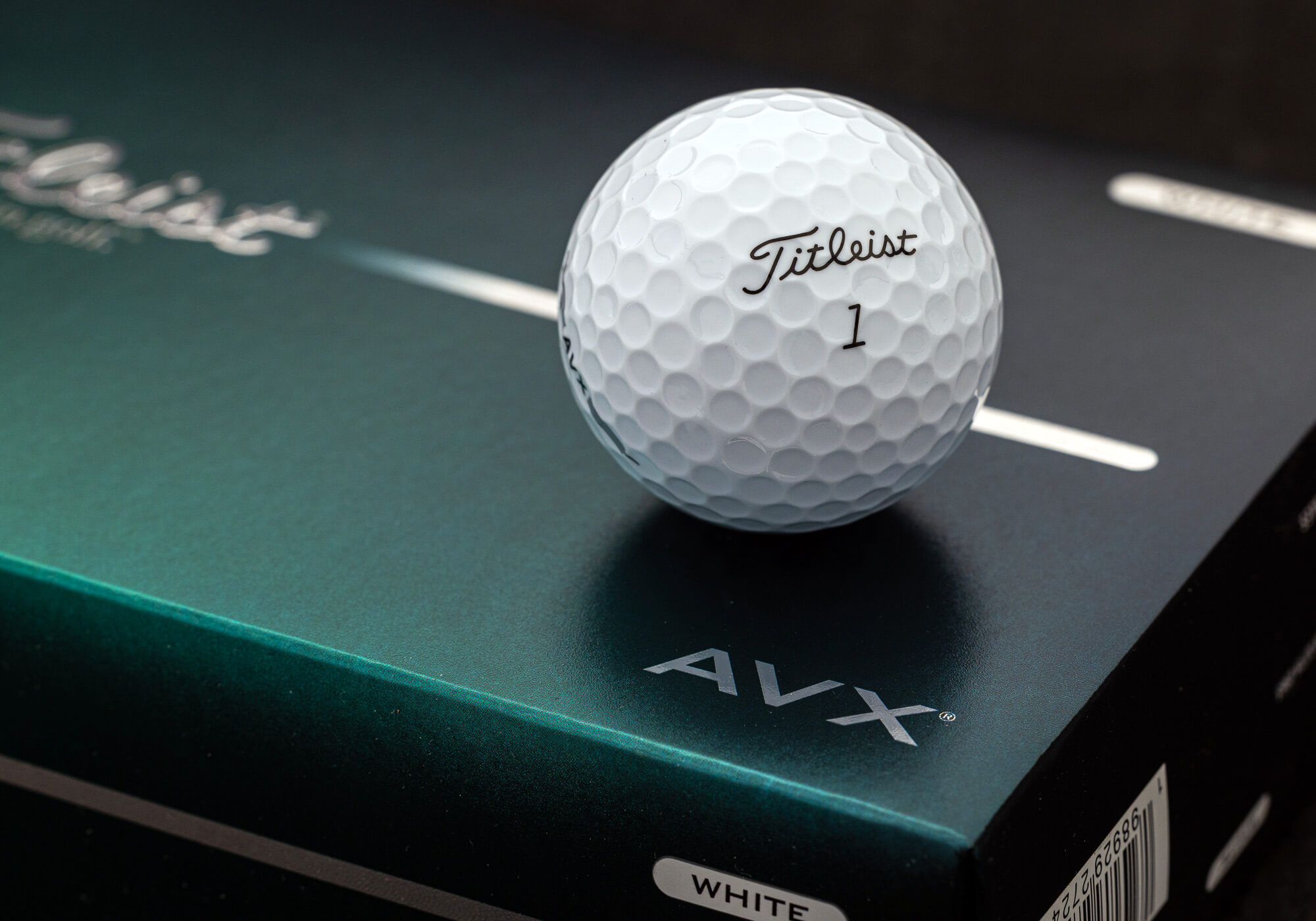
Internally, Titleist still refers to AVX as a fountain-of-youth ball and the 2026 updates reinforce that positioning.
Lower long-game spin and a flatter flight allow golfers to preserve distance and, to some extent, offset the gradual loss of speed that comes with time and age (and, in my case, a general lack of fitness).
What’s notable is how AVX’s audience has expanded. While moderate-speed players remain central to the original brief, faster players looking to reduce spin, manage trajectory or simply experience a different feel profile have found AVX to be a viable alternative, even if it was never intended as a Tour ball.
Color options, pricing, and availability
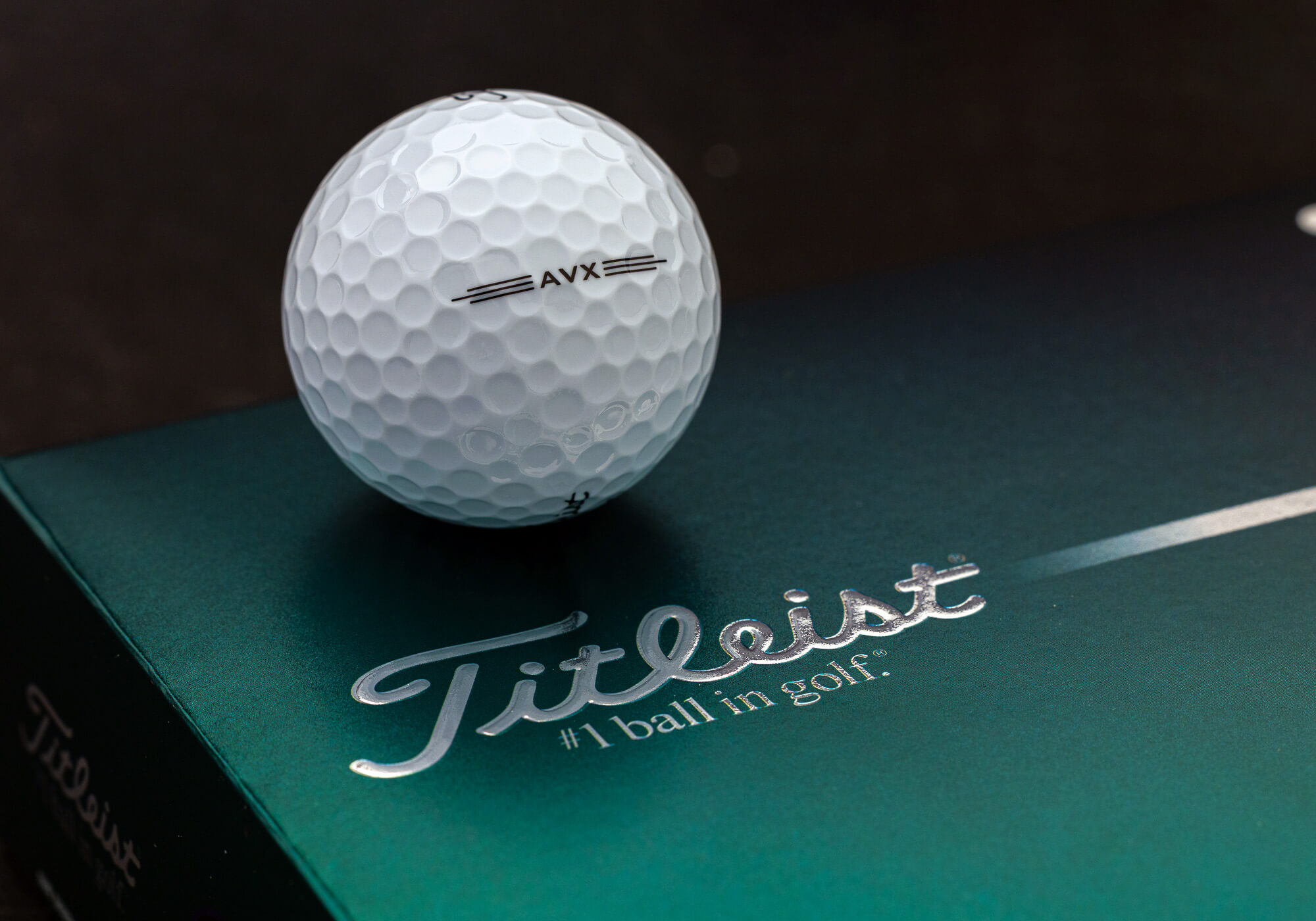
The 2026 Titleist AVX is available in white and high optic yellow. While it doesn’t carry the $57.99 price tag of everything in the Pro V1 family, at $49.99, it still occupies a premium position in the market.
It is what it is.
If you’re happy with the current model or just AVX-curious, it’s worth noting that the 2024 ball has been discounted to $44.99.
Retail availability for the new Titleist AVX begins Jan. 21.
For more information, visit Titleist.com.
The post AVX: Titleist Updates Its Other Urethane Ball appeared first on MyGolfSpy.
