The Tri-Force Face in the Callaway Quantum driver isn’t just Callaway’s lead metalwood technology for 2026. It’s arguably the most consequential face innovation the company has introduced since the lurid green Jailbreak bars first showed up and made everyone ask uncomfortable questions.
In fact, it may end up being the face tech story of 2026. And that’s saying something in a year that also includes Mizuno’s Nanoalloy push, COBRA’s POI framing and TaylorMade’s fourth-generation carbon face. That doesn’t even account for whatever Titleist has waiting in the wings when the GT series eventually gives way to its successor.
So, yes, expectations are high.
Which brings us to the predictable—but still necessary—disclaimer: You should not expect landmark driver face technology to fully carry over to fairway woods and hybrids.
Why driver breakthroughs rarely scale down
The reason is simple and largely unavoidable: surface area.
Whether we’re talking about carbon, polymesh, nanoalloy or any other exotic material, meaningful gains require face real estate. Fairway woods and hybrids simply don’t have enough of it to justify the cost or complexity of most driver-level advancements. The proverbial juice still isn’t worth the squeeze.
That doesn’t mean fairway woods are an afterthought. In fact, they might be the opposite.
As a useful point of reference, the 2024 Callaway Ai Smoke driver posted strong market-share numbers and landed two of the top three spots in our annual Most Wanted testing—yet it was outsold by the Ai Smoke fairway wood.
Fairway woods outselling drivers? What’s next? Taylor Swift releasing an album about emotional stability and healthy communication?
Oh, how the turn tables. (Courtesy of Michael Scott)
Anyway … back to Quantum.
Quantum fairways and hybrids: a CG story (because it always is)
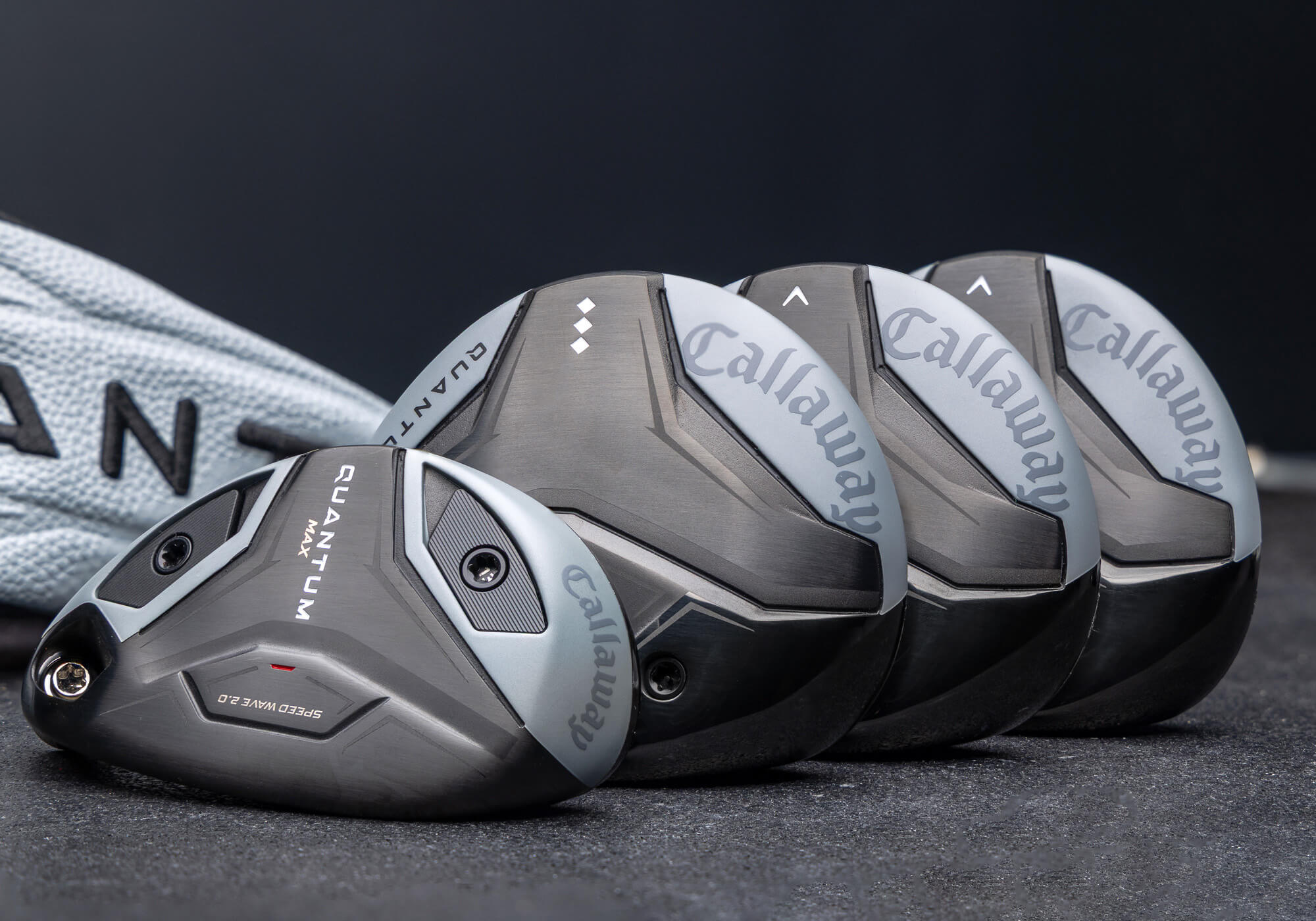
It’s not my intention to slight the Quantum hybrids but, in every meaningful way, they are Quantum fairway woods—just in hybrid form.
That’s because this is fundamentally a CG story. And when people say “physics always wins,” this is what they’re talking about.
Pushing the center of gravity low and forward is great for ball speed and for moderating launch and spin. The tradeoffs are equally real:
- Reduced stability (or what most golfers think of as heel-toe MOI)
- Less ball speed retention on misses
- Potential stiffness issues if too much mass is clustered near the face
In short: too much structure near the face can prevent it from flexing the way you want it to.
That’s where Speed Wave 2.0 enters the picture.
Speed Wave 2.0: Low-forward without killing face flex
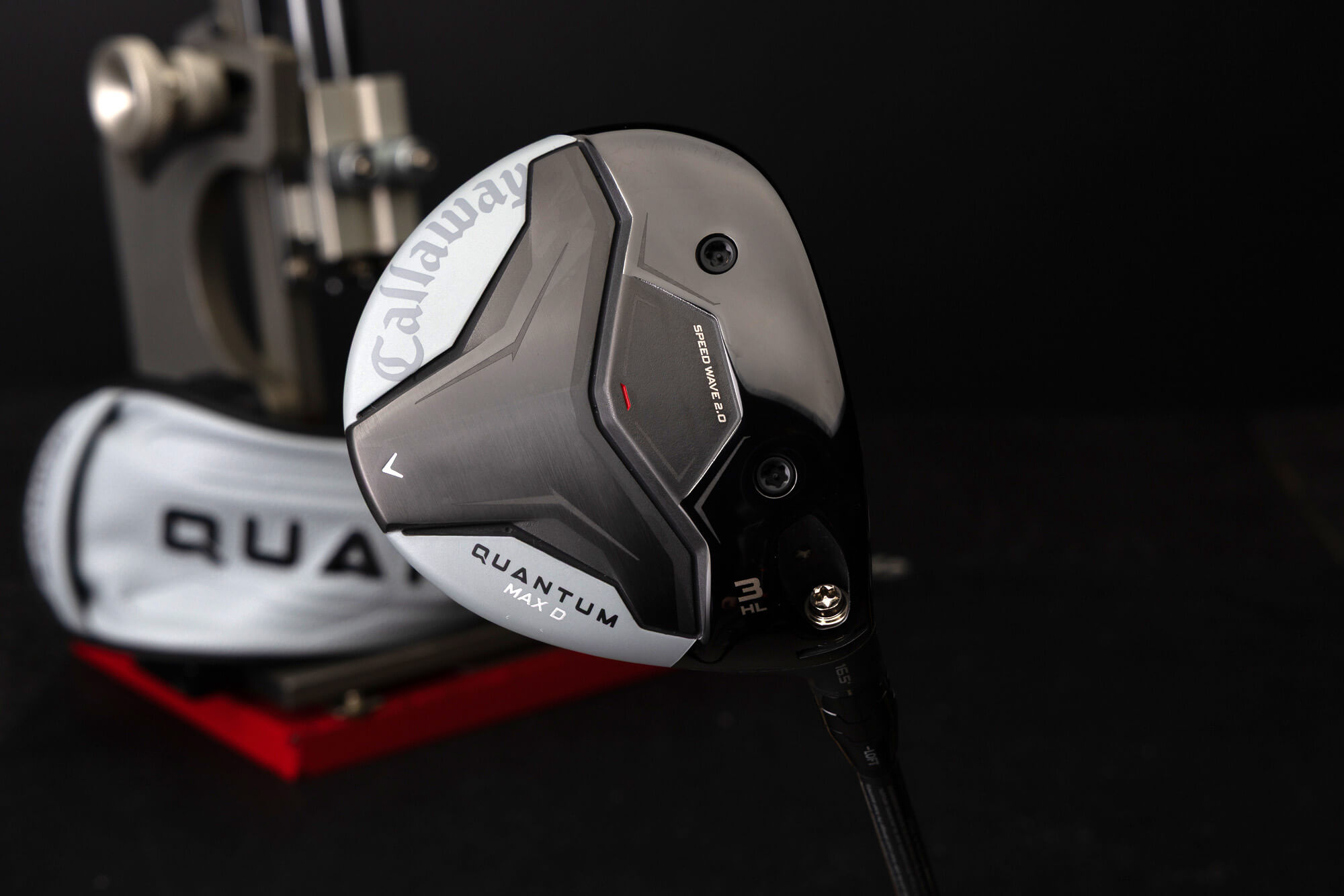
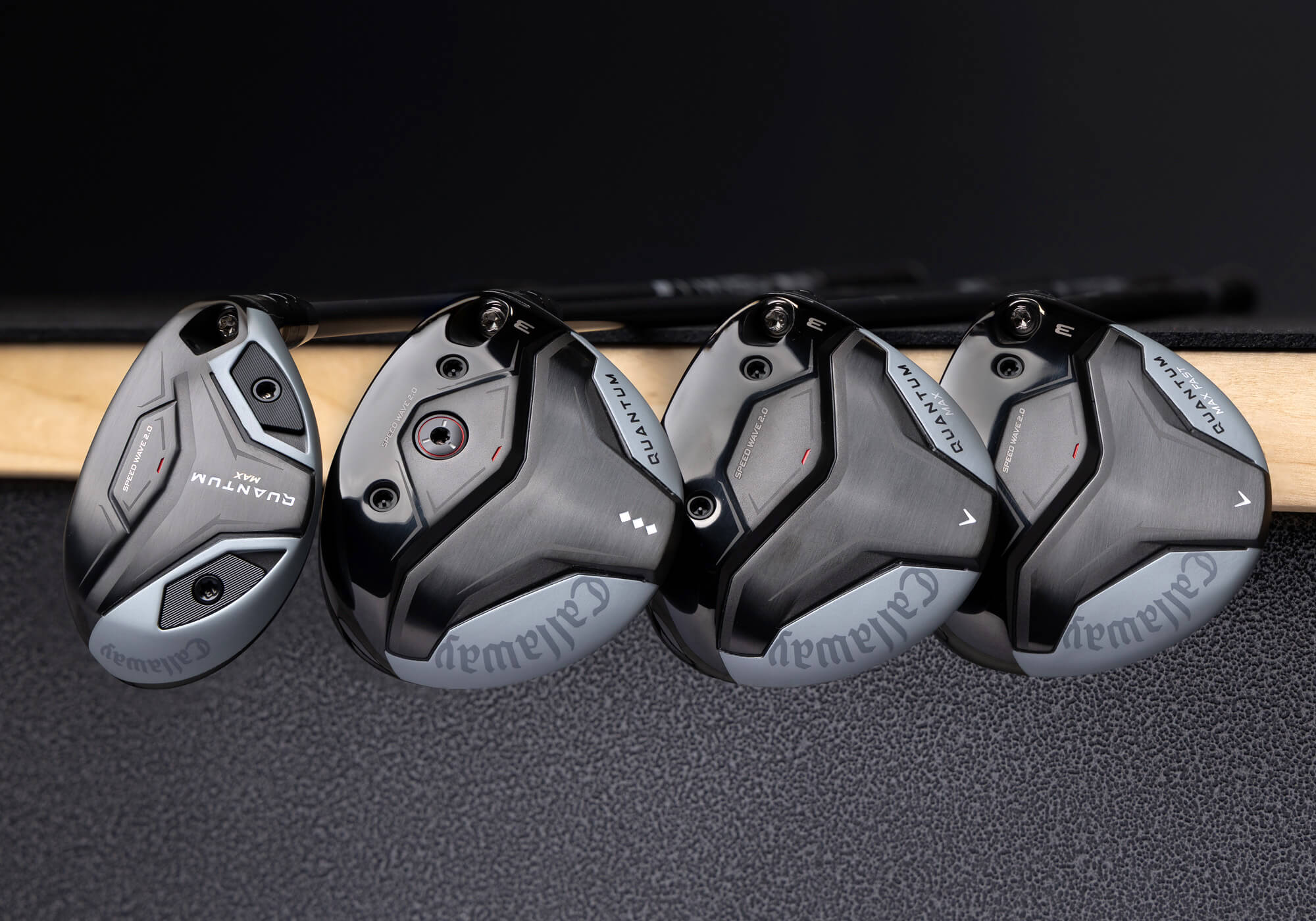
Think of Speed Wave 2.0 as a floating tungsten bar. It positions mass low and forward but with very specific placement, span and spacing that allows the face to hinge and deflect—particularly on low-center strikes.
More deflection means more ball speed. Pair that with appropriate spin and launch and, yes, that’s generally a good thing.
This is an iterative change, not a moonshot, but it addresses a real design tension that shows up any time you chase low-forward CG.
Step Sole, take two (and why it matters)
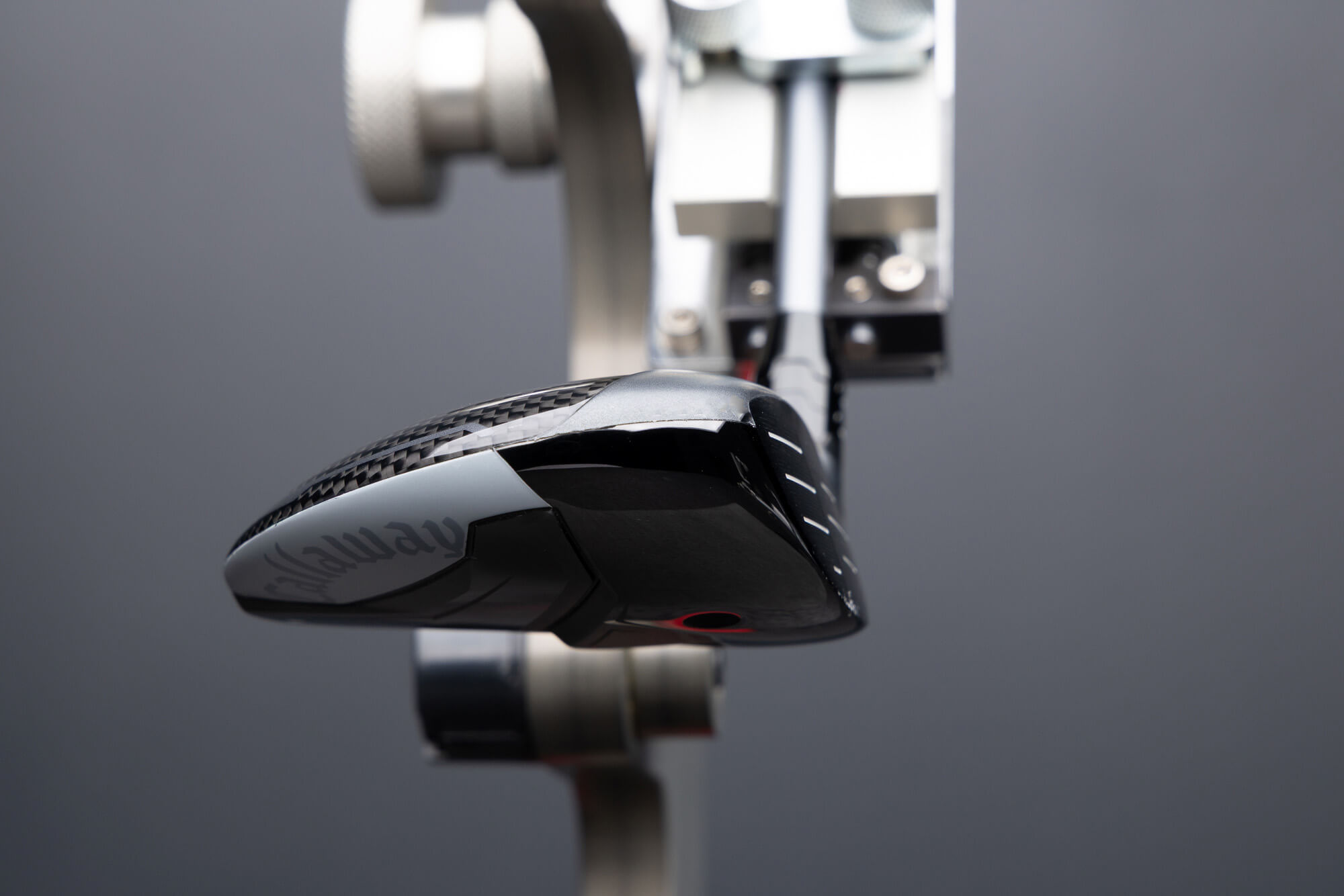
The updated Step Sole design returns with the same overarching goal as before: reduce turf interaction to help golfers find center-face contact more often.
Anything that improves strike quality is going to pay dividends. And while “gets the ass end of the club out of the way” may be the blunt description, Step Sole is more like carrying a quarter-inch tee in your pocket for every fairway shot.
It’s subtle. It’s practical. And it works in service of something golfers actually experience—cleaner contact. It’s also less awkward than fluffing your lie while your playing partners aren’t watching.
AI face optimization and adjustability
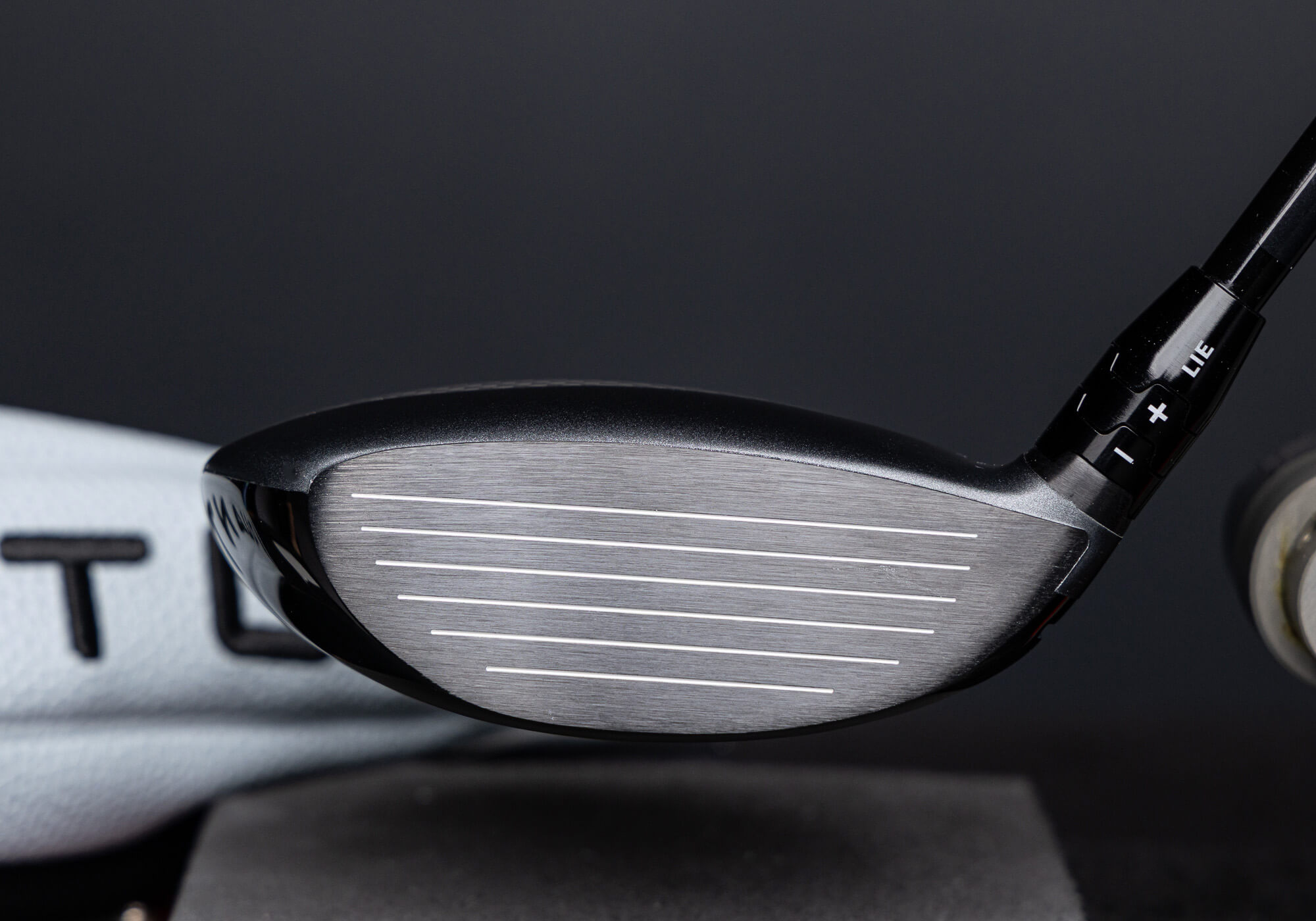
AI modeling continues to outpace human iteration when it comes to face topology and Callaway remains deeply invested here.
Each Quantum face is optimized for its intended golfer profile, accounting for swing characteristics and impact patterns to balance speed, spin, launch and accuracy. Callaway isn’t alone in using AI but they would argue the way they apply it still provides a competitive edge.
On the adjustability front, OptiFit 4 remains one of the better hosel systems on the market. Most notable is the ability to adjust lie angle by ±2° without altering loft. Change loft and lie moves accordingly: more loft increases lie angle; less loft flattens it.
It’s not full independent adjustability but it’s thoughtful and functional.
Quantum fairway models: Familiar but clearly segmented
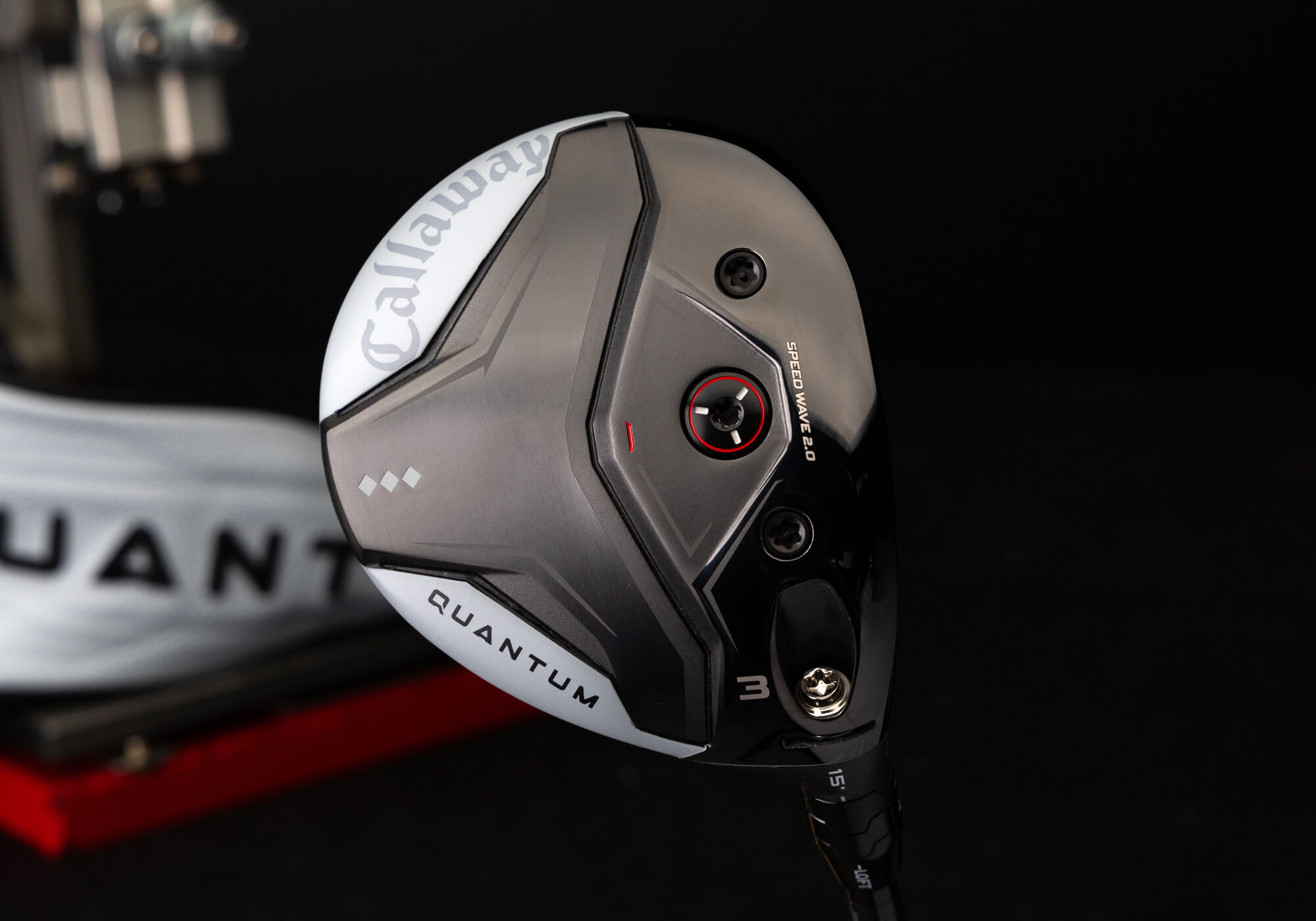
The fairway lineup mirrors the driver naming and intent:
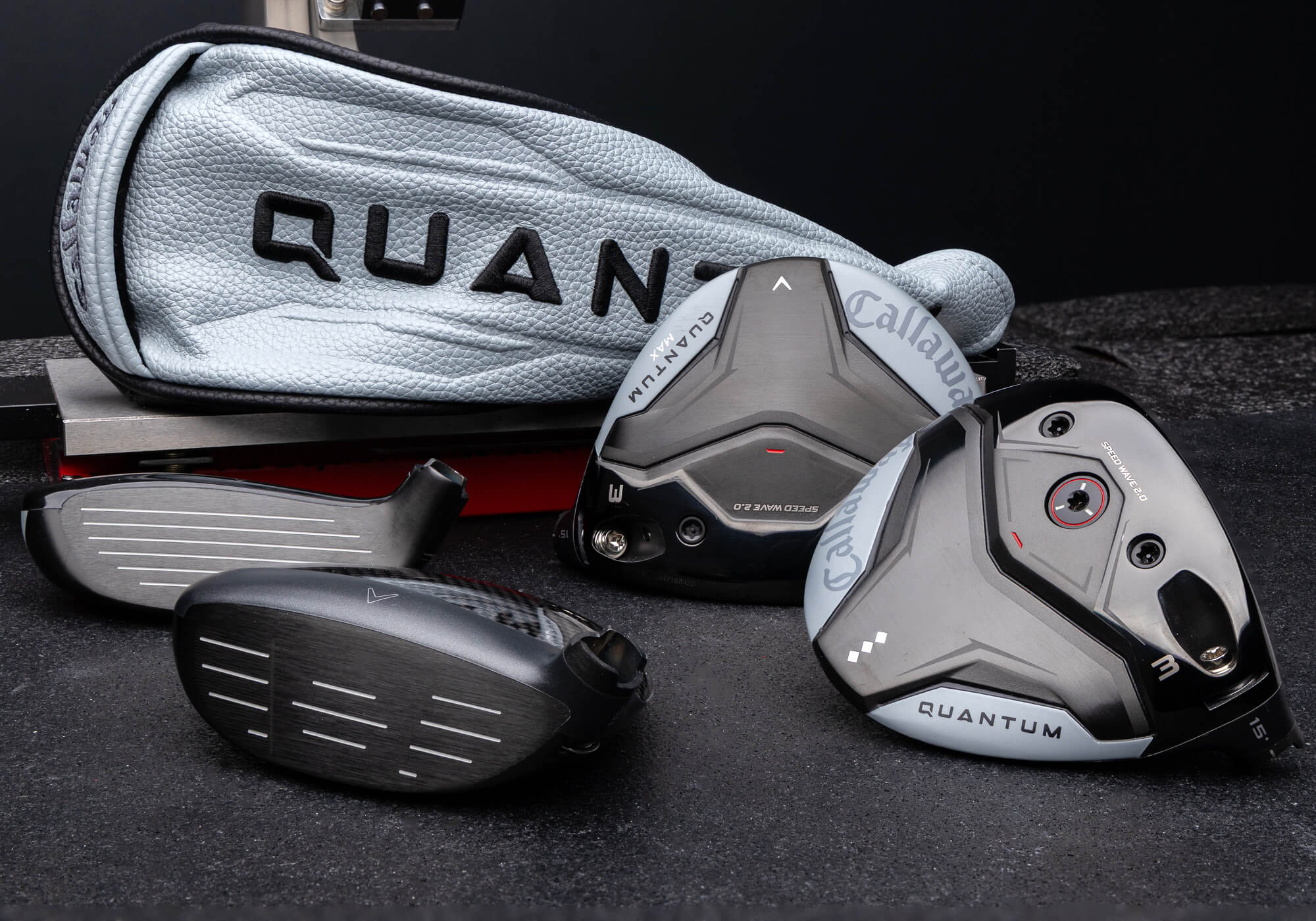
- Quantum Max – Mid-sized footprint, shallow face, neutral flight; widest appeal
- Quantum Max D – Slightly larger with draw-biased weighting
- Quantum Max Fast – Same shape as Max with lighter components to boost speed
- Quantum Triple Diamond – Deeper face, compact profile, lowest launch and spin; neutral-to-fade bias for faster players
Nothing revolutionary here—and that’s not a criticism. The segmentation is logical and well executed.
Quantum hybrids: One more verse
As Herman’s Hermits once sang, “Second verse, (largely) same as the first.”
The low-forward CG concept carries over as do Speed Wave 2.0, Step Sole, Ai face optimization and the OptiFit 4 hosel. The notable difference is the return of split rear weighting.
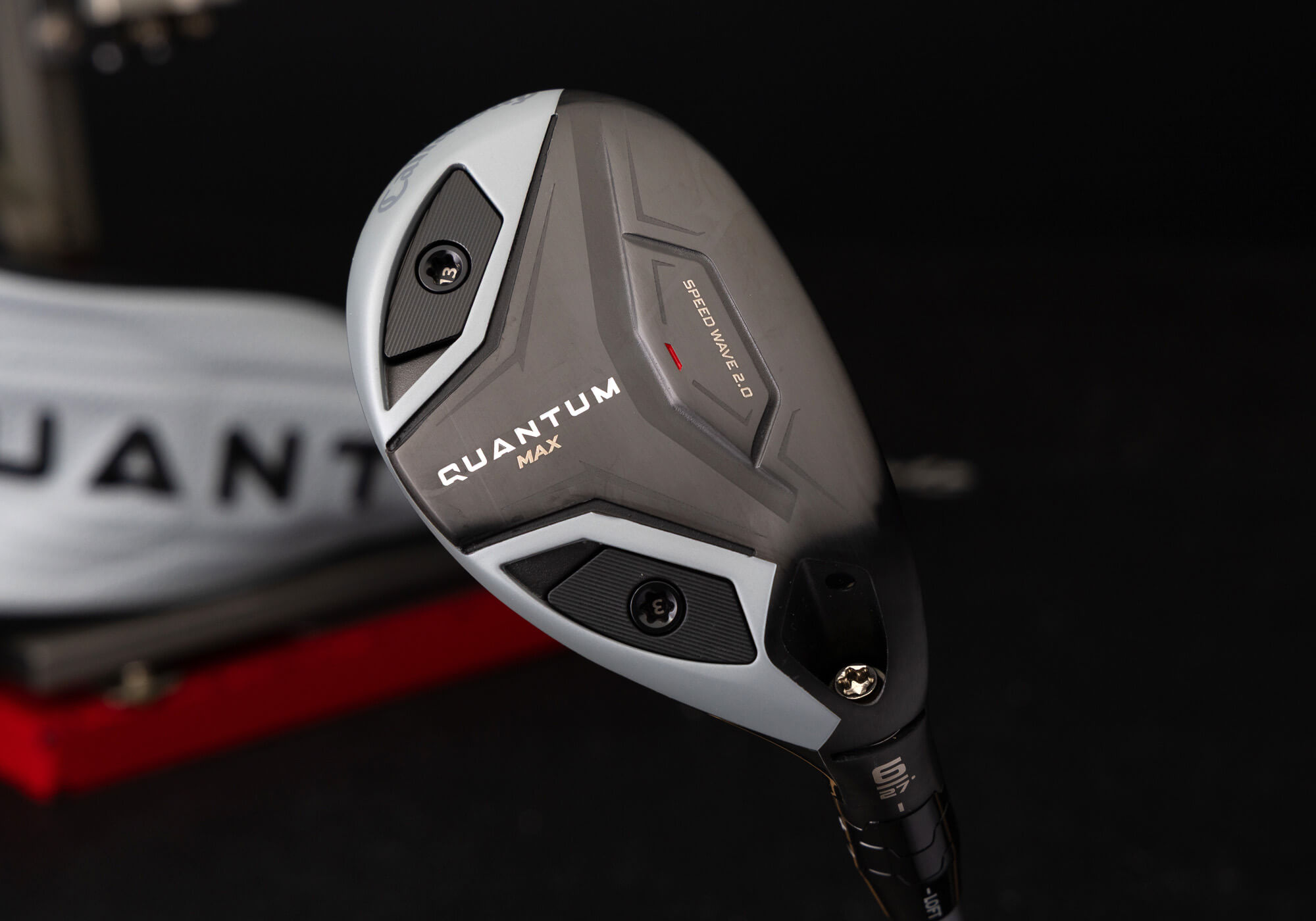
It’s an expensive construction and if fitter and consumer feedback doesn’t clearly justify the performance benefit, I wouldn’t be surprised to see Callaway move away from it in the next generation.
Shaping is more traditional than Elyte: fewer visual cues, a more squared toe and an aesthetic that aligns cleanly with the Quantum irons.
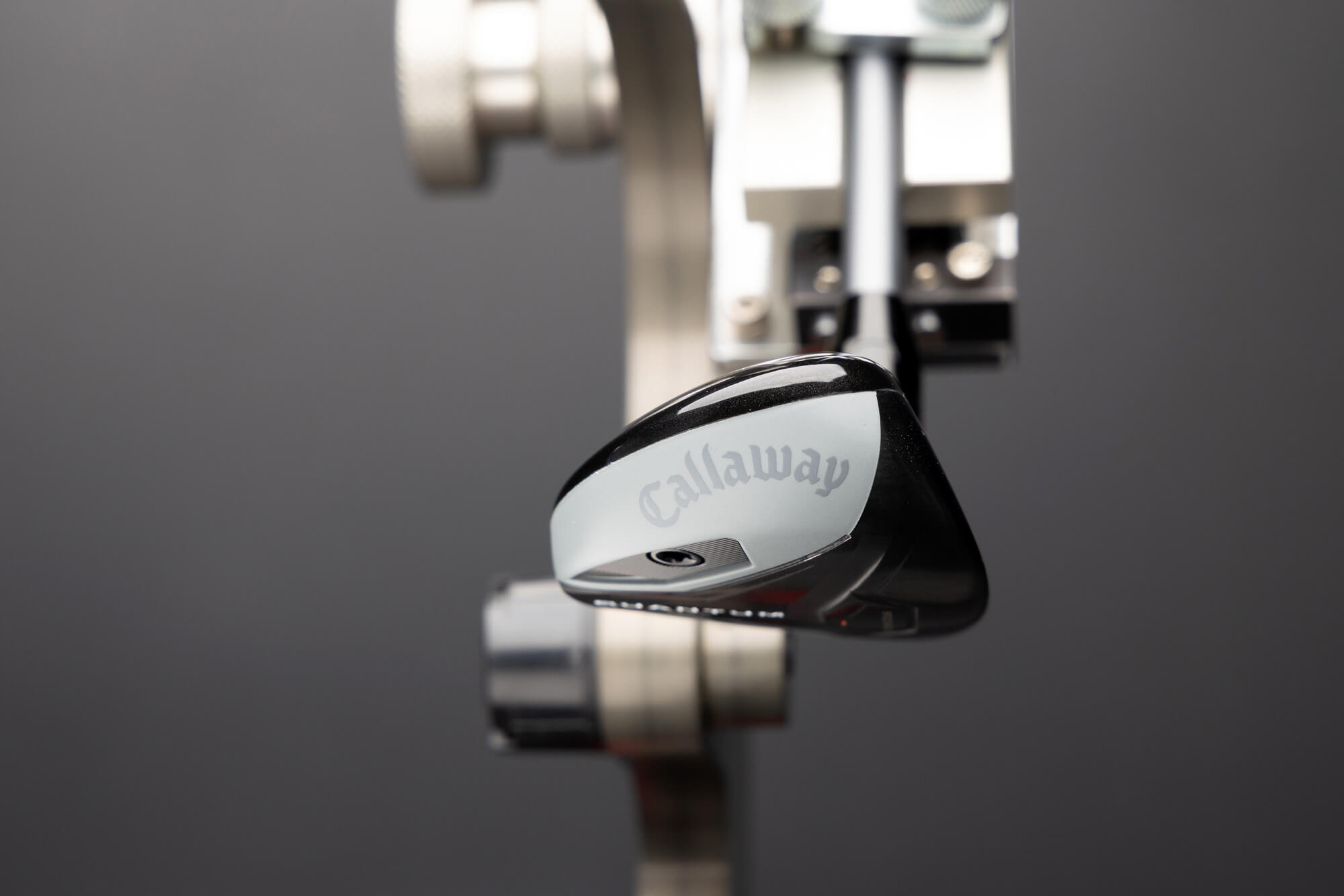
The hybrid lineup breaks down as follows:
- Quantum Max – Neutral flight, mid-sized footprint
- Quantum Max OS – Larger, more draw-biased
- Quantum Max Fast – Lighter build for speed
My $0.05
Quantum shows clear evidence of learning—both from previous generations and from adjacent products.
The updated Step Sole builds logically on what started with the Apex UW, and Speed Wave 2.0 feels like a smart, targeted refinement rather than a marketing reset. Designing around where golfers actually strike the ball (low-center) while improving their odds of finding the center in the first place is a strategy that should resonate.

Credit where it’s due: allowing ±2° lie adjustment without altering loft is genuinely useful. And if Callaway ever decides to go all-in on fully independent loft and lie adjustability, I’d happily co-sign that decision.
Higher-lofted fairway woods continue to grow in popularity across skill levels which only strengthens the case for broader hosel adjustability. Quantum improves on Elyte by including OptiFit 4 in all 3- and 5-woods—but with competitors offering more robust systems, there’s still room to push further.
All told, Quantum doesn’t chase hype. It refines the fundamentals—and that’s usually where the real gains are hiding.
Pricing and availability
- Retail availability: Feb. 13
Fairways
- $399.99 – Quantum Max, Max D
- $449.99 – Quantum Max Fast, Triple Diamond
Hybrids
- $349.99 – Quantum Max, Max OS
- $379.99 – Quantum Max Fast
The post Can Callaway Quantum Fairways And Hybrids Help Me Find The Sweet Spot? appeared first on MyGolfSpy.
