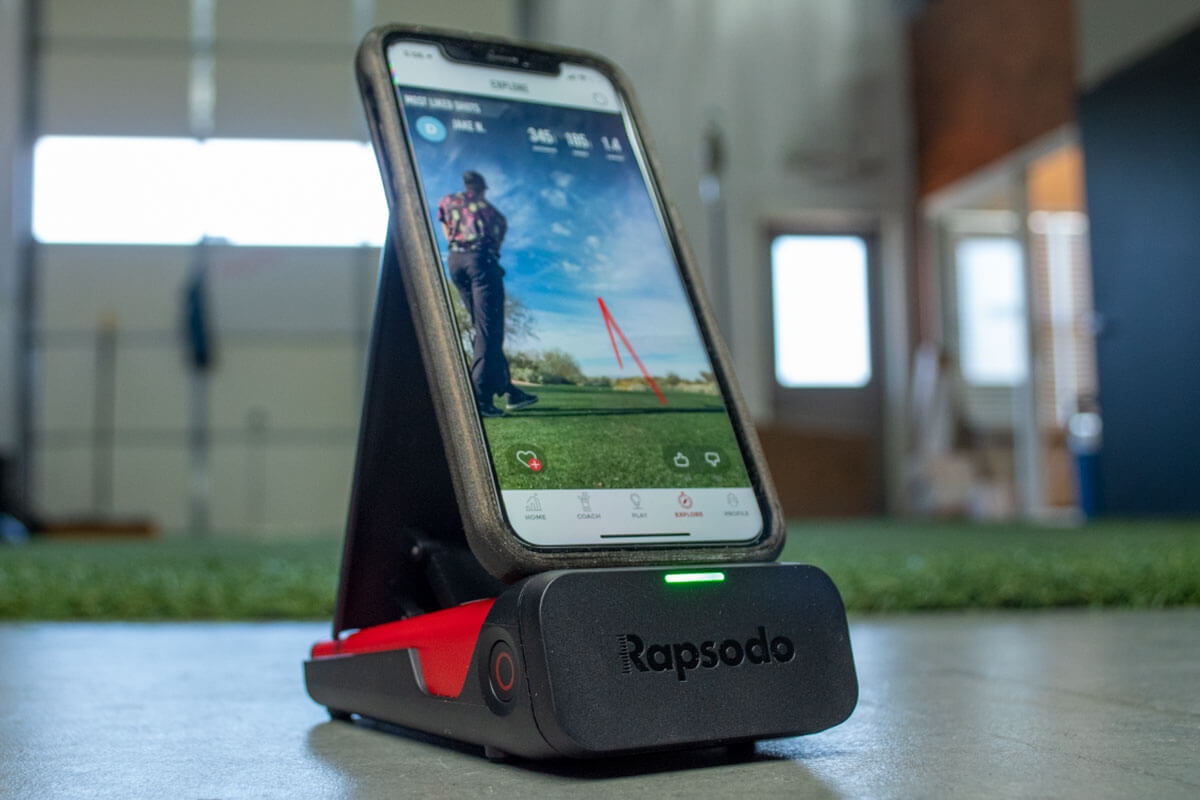
After more than 30 years of playing golf, I’ve been through plenty of club fittings. Some were helpful. Others were not.
Most modern clubs are more adjustable, shafts are more specialized and data is more available than at any point in history.
That complexity leads to wasted money instead of better performance. These are the club-fitting myths that I think continue to cost golfers money.
Myth 1: A fitting is basically the same everywhere
From the outside, fittings look similar. You hit balls, numbers appear and a recommendation follows. It’s easy to assume the difference between fittings comes down to brand selection or how many shafts are on the wall.
The real difference is the fitter.
A knowledgeable fitting professional understands far more than launch monitor numbers. They understand how golfers play, how misses show up on the course, when data needs context and when not to chase a better number just because it exists.
Having a wide range of heads and shafts matters. But fittings rarely fall apart because of limited options. They fall apart when the person running the session doesn’t know how to interpret what they’re seeing or how those changes translate on the golf course.
Myth 2: Perfect shots matter in a fitting
Many fittings are built around your best swings. The shots you wish you could repeat every time. Those shots feel good and they make the data look impressive.
But they tell you very little.
Golf is not played on perfect swings. It’s played on slightly thin strikes, heel misses, toe misses and shots that feel fine but are not quite right.
The best fittings spend time understanding:
- Where you miss the face
- How the ball reacts on those misses
- How big the penalty is when timing is off
Clubs that survive your misses stay in the bag longer. When you go through a fitting, look for the clubs that produce the best misses and make sure your fitter is looking for them too.
Myth 3: If distance goes up, the fitting worked
Distance is the easiest thing to sell in a fitting. It’s visible, measurable and satisfying, especially indoors.
It’s not the main goal of a fitting.
Distance gains can come from changes that introduce problems elsewhere. Lower loft, longer shafts and lower spin can all add yards while quietly hurting consistency.
Spin and flight matter more than many golfers realize. Look for spin consistency, proper flight window and peak height. You’ll also want to measure carry distance reliability, even on those off-center strikes.
A fitter who understands ball flight will give up a few peak yards to deliver tighter windows and more predictable outcomes.
Myth 4: Forgiveness doesn’t get matter when you get better
If you’re going for a fitting because you feel like it’s time to graduate or move on from forgiveness, you may want to reconsider your goals.
- Tighter dispersion on misses
- Less curvature penalty
- More consistent distance gaps
Golfers often move away from forgiving setups too soon because they associate them with beginner clubs. When clubs are no longer forgiving and misses get punished again, the solution becomes another purchase.
Myth 5: A golf club fitting is all about buying new clubs
A fitting should not just tell you what to buy. It should teach you something about your game.
After decades of playing, my recent fittings gave me insight I didn’t have: how I deliver the club, how spin affects my misses, why certain setups worked and others didn’t.
When a fitting is treated as a transaction, golfers leave with specs but no understanding. When performance changes later, they don’t know why.
The takeaway
Most fitting-related money waste doesn’t come from bad clubs. It comes from misunderstanding what a fitting is meant to do. Talk to your friends about the fitting they went to, find a local fitter with knowledge and access to equipment and remain loyal to them.
The post Club Fitting Myths That Cost Golfers Money appeared first on MyGolfSpy.
