Is it better to be able to hit a 230-yard drive every time or to have a random 260-yard one show up once or twice a round?
Most golfers would say consistency matters more. But when it comes to equipment choices, practice habits and how we judge good performance, distance potential still tends to win. We remember the longest drive. We ignore the three that came up short, leaked offline or forced a recovery shot.
Lately, I have been thinking about this more in my own game. I am far less concerned with how far I might hit a driver and much more focused on how often I can reproduce a distance that keeps me in position. Distance still matters. It just has to show up often enough to matter.
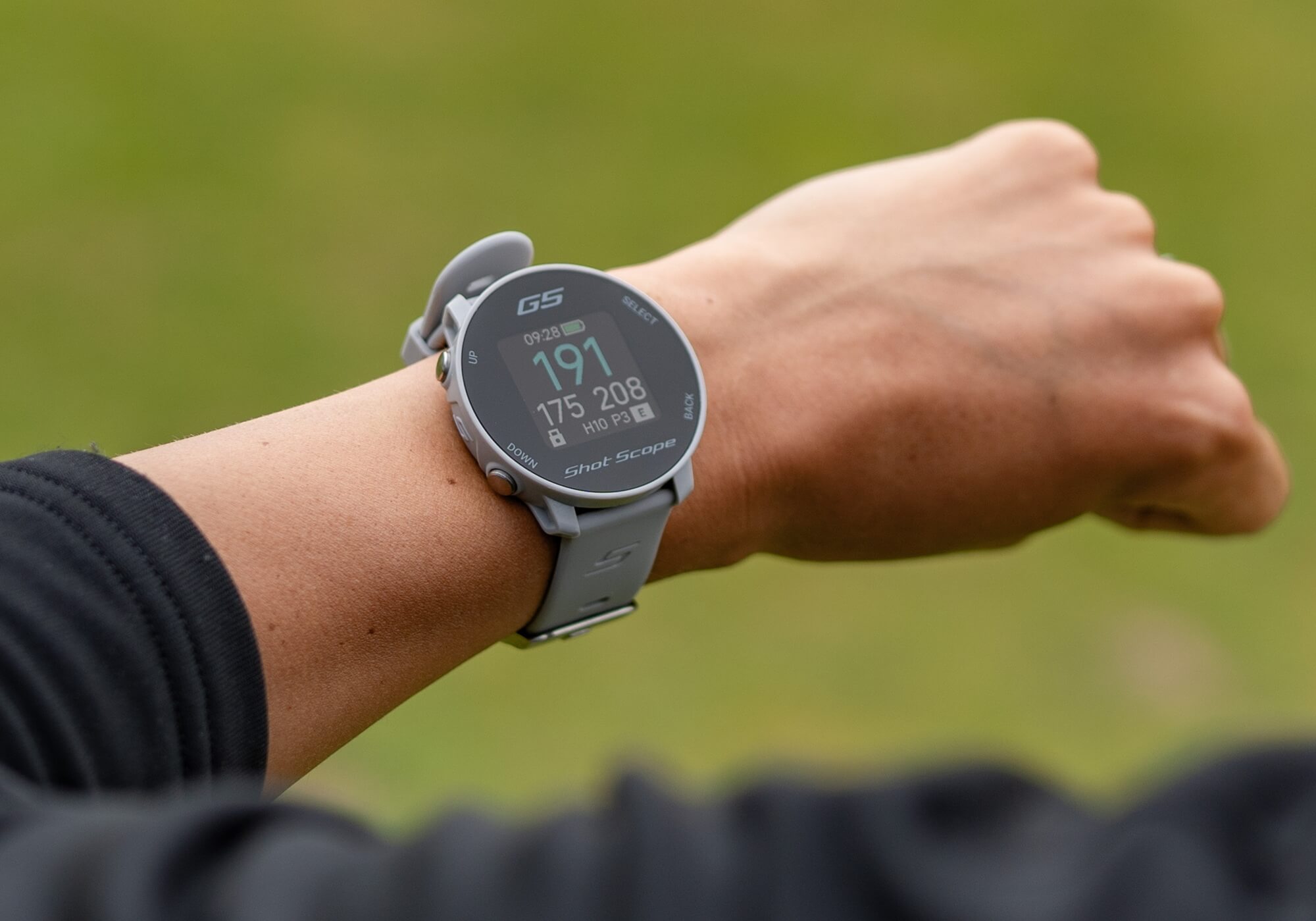
To see how this plays out across amateur golfers, I asked Shot Scope to pull driver distance data that separates potential from repeatability.
Average distance versus performance average
Shot Scope tracks two different driver distance metrics.
Average distance includes every drive including mishits and extreme outliers.
Performance Average or P Avg removes those outliers to show a golfer’s repeatable, well-struck distance.
P Avg is not your longest drive. It represents the distance you already produce when contact and launch conditions are reasonably solid.
What the data shows
Shot Scope data shows a golfer’s repeatable P-Avg distance often rivals or exceeds the average distance of players in the next lower handicap range.
In practical terms, this means many golfers already possess enough distance to play at a lower handicap. They just do not access it often enough.
Shot Scope driver distance comparison
| Handicap Group | Avg Driver Distance (yards) | P Avg Driver Distance (yards) |
|---|---|---|
| Scratch–5 | 250 | 263 |
| 6–10 | 227 | 245 |
| 11–15 | 214 | 236 |
| 16–20 | 200 | 222 |
| 21+ | 185 | 208 |
A 15-handicap golfer’s repeatable distance of 236 yards is longer than a 10-handicap golfer’s average distance of 227 yards. The difference between those players is not the raw power that it looks like; it’s consistency.
What this means for scoring
Distance consistency leads to shorter approach shots, more predictable yardages, fewer recovery situations and better scoring opportunities.
A drive that goes 260 once but 210 the next time is not helpful. A drive that reliably carries 230 to 235 is.
Where equipment fits in
Equipment indisputably influences how punishing your misses are.
Some driver and golf ball combinations produce large swings in launch and spin. When that happens, the gap between Average distance and P Avg distance widens.
More stable setups tend to compress that gap and it’s one of the reasons we look so closely at consistency in our driver testing. The goal is to get your pretty good swings to start flying much closer to your best ones.
How to apply this in your practice
The simplest way to apply this is to change how you evaluate driver performance during practice, especially if you have a launch monitor.
Instead of focusing on max carry, peak ball speed or the single best drive, pay attention to how tightly your carry distances cluster. Notice how often your launch height and spin stay in a similar range. Track how many drives fall noticeably short of your typical good strike.
A productive practice session is one where your average drive starts moving closer to your repeatable distance. Hit 10 drives and see if you can keep them all within a similar flight and carry window.
Final thoughts
Most golfers already hit the ball far enough to score better.
What holds them back is how rarely they reproduce the distance they already have. If you’ve been solely chasing power on the range, it may not get you to your goals. Instead work on consistency first and then go after the power.
Distance potential is fun. Distance consistency is what actually lowers scores.
The post Distance Consistency Versus Distance Potential: Which Lowers Scores? appeared first on MyGolfSpy.
