A day after nine Major League Baseball clubs officially terminated their contracts with Main Street Sports, the parent company of the FanDuel-branded RSNs is attempting to bring the teams back into the fold.
Main Street’s course-changing efforts are said to include offering revised terms to its departing MLB partners, although given the endemic stressors on the regional distribution model, any new deals are likely to hinge on reduced fee structures.
Advertisement
More from Sportico.com
As first reported by The Athletic’s Evan Drellich, the dissolution of the RSN contracts effectively serves as a safeguarding measure in the event Main Street files for bankruptcy. The company of late had been negotiating a sale of its assets to DAZN, but those talks are said to have sputtered out. Scuttlebutt about the emergence of a second potential buyer remains unconfirmed.
“We remain in dialogue with all of our team and league partners as we progress discussions with potential strategic partners to enhance our long-term capital position,” a Main Street Sports spokesperson wrote in a statement.
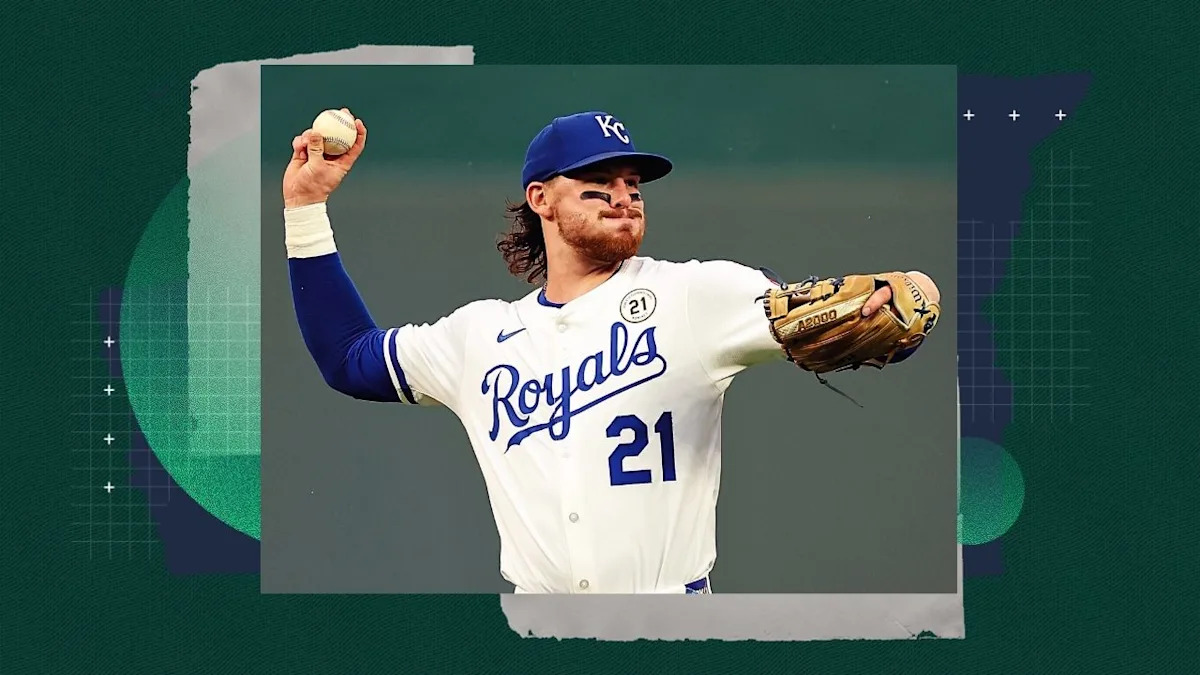
Three of the teams that have elected to walk away from their in-market media deals—the Cincinnati Reds, Kansas City Royals and Milwaukee Brewers—had re-upped with Main Street in early November. Also choosing to exit were the Atlanta Braves, Detroit Tigers, Los Angeles Angels, Miami Marlins, St. Louis Cardinals and Tampa Bay Rays.
Advertisement
The ongoing erosion of the pay-TV bundle has continued to plague the RSN business, and while Main Street predecessor Diamond Sports Group officially exited Chapter 11 bankruptcy protection a year ago, court documents made it clear that a post-reorg cash crunch was all but inevitable. In one projection, Diamond’s number crunchers estimated that total linear TV revenue would decline 19% in 2025 from $2.17 billion to $1.75 billion, while this year’s take was expected to fall to $1.65 billion.
While advertising dollars were largely expected to hold up, far more significant losses were thought to be in store on the distribution front. Per an unaudited projected income statement filed with the U.S. Bankruptcy Court in Houston in April 2024, DSG anticipated that carriage fees would plummet 28% between 2024 and 2026, which would work out to a net loss of $498 million in distribution revenue. DSG had projected a more moderate 5% dip in advertising revenue over the same period, which translates to an anticipated loss of $20 million in sales.
The ongoing exodus from the legacy pay-TV bundle continued apace last year, as an estimated 5 million cable/satellite/telcoTV subscribers cut the cord. Per MoffettNathanson estimates, the bundled headcount fell another 10% to 43.2 million households in the third quarter, reducing penetration to just 34% of all U.S. TV homes. Even when virtual MVPDs are blended with the traditional TV platforms, the overall tally (64.8 million subs) represents just 50.6% of homes that use television.
At the industry’s peak in 2010, when some 105 million customers mailed out paper checks to cover their monthly TV bills, nine in 10 homes subscribed to a pay-TV package.
Advertisement
Despite the steady subscriber losses, the FanDuel RSNs saw their MLB ratings improve by 18% in 2025, as in-game coverage averaged 1.5 million viewers across all platforms. Per internal Main Street estimates, MLB games last season accounted for more than 2.8 billion minutes of consumption, a figure which marked a doubling on the year-ago results.
The incredible shrinking bundle has posed an existential threat to the RSNs long before Diamond filed for bankruptcy in March 2023. In an early filing with the Houston court, the company stated that it had lost 22 million subscribers, or 35% of its customer base, since 2019. While the vMVPDs have in some measure helped claw back a chunk of pay-TV apostates, most of those slimmed-down platforms don’t have carriage deals in place with any RSNs. In other words, Main Street doesn’t necessarily benefit from the recapturing of consumers via alternative video services.
MLB commissioner Rob Manfred on Thursday addressed the RSN situation during an appearance on WFAN’s The Carton Show. “No matter what happens, Major League Baseball is in a position to put all of the games on locally and to make a digital streaming product available in-market for those fans,” Manfred said. They will never miss a game.”
Baseball first began bailing out some of its RSN-affiliated clubs in 2023, when it assumed control of the San Diego Padres’ local broadcasts after Diamond missed a payment. Other teams that have since found shelter under the MLB Media umbrella include the Arizona Diamondbacks, Colorado Rockies and Minnesota Twins. Meanwhile, in the wake of the shuttering of ROOT Sports, the Seattle Mariners last fall announced their intention to cede local distribution to MLB before the start of the 2026 season.
Advertisement
And the defections continue to pile up. Upon the dissolution of their longstanding, often turbulent arrangement with the Baltimore Orioles’ Mid-Atlantic Sports Network, the Washington Nationals are also in the hunt for a new local TV home.
Manfred said MLB is ready to provide a similar service to the nine clubs that voided their Main Street contracts. “Remember, two years ago, there was a bankruptcy filing, [and] San Diego, they pulled the plug on them,” Manfred said. “We put them up in one day. There was never a game missed. So, we are prepared, even if all nine end up without an alternative, MLB will have them, they will be available on cable in the markets and there will be a digital alternative.
Unfortunately for the newly stateless nine, MLB’s backstopping won’t include any cash considerations. While reserves of as much as $15 million were allocated to teams that walked away from their RSN deals in 2024, Manfred during a separate Thursday media hit said the league would not be providing financial assistance to any clubs that align with MLB Media in the coming year. The discretionary-spending policy appears to have been a one-shot deal, as similar payments were not extended in 2025.
In addition to the option of signing on with MLB Media, the exiting teams may also seek to forge in-market deals with over-the-air providers like Scripps Sports and Gray Television. The current crisis was precipitated last month when Main Street missed a scheduled rights payment to the Cardinals.
Advertisement
(Updated with a statement from Main Street Sports.)
Best of Sportico.com
Sign up for Sportico’s Newsletter. For the latest news, follow us on Facebook, Twitter, and Instagram.
