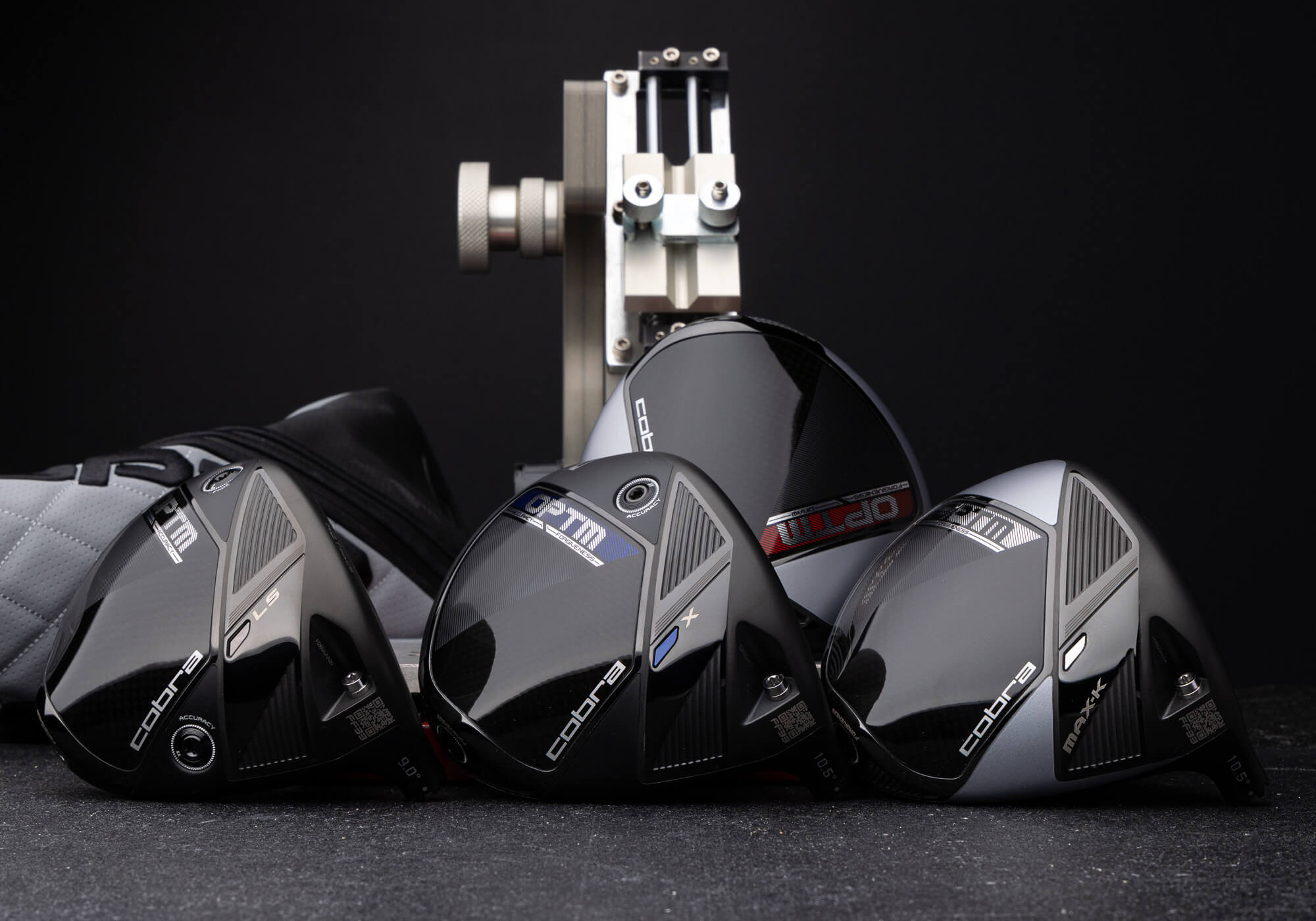
COBRA’s new OPTM drivers challenge the industry’s obsession with MOI by introducing POI—an overlooked variable that may explain why some “forgiving” drivers still miss fairways.
Instead of leaning into a pervasive misunderstanding of MOI, COBRA is introducing a new concept that promises to deliver exactly what many golfers inaccurately assume they’re already getting: straighter shots and tighter dispersion without sacrificing speed.
Think of it as redefining, or at least extending, our understanding of forgiveness.
Fair warning: There’s not a ton of fluff here. This story is rooted in physics. It’s nerd shit … arguably the most nerd-shit story we’ll take on this year but if you’re trying to challenge the golfer’s longstanding understanding of forgiveness, you better be able to show your work.
And so, before we dig into the unfamiliar, it makes sense to take a brief but deep dive into the industry standard forgiveness metric—MOI.
A brief exploration of MOI
In simple terms, moment of inertia describes an object’s resistance to twisting. For a good bit of my time writing about golf equipment, MOI discussions were focused almost entirely on MOI_YY (or i_yy)—often referred to as heel-to-toe MOI. When industry folks and knowledgeable golfers quote the USGA MOI limit of 5,900 (grams per cm squared), they’re talking about MOI along the y-axis.
More recently, golf companies have started marketing around MOI_XX values—or top-to-bottom MOI. These values are typically lower than i_yy values but they can be high enough that when you combine i_XX with i_YY values you can get a total MOI value above 10,000, which basically explains how this 10K/MAX MOI driver category became a thing.
To date, golf companies have discussed MOI along two axes (x and y) but as should be obvious enough, golf clubs are three-dimensional objects and that suggests there’s a third axis that hasn’t been discussed in any real detail.
MOI_ZZ refers to the clubhead’s resistance to twisting along the z-axis and describes toe-up or toe-down twisting during the swing and at impact. It’s critical to understand that during the swing part. The key point being that your driver is rotating and twisting well before it makes impact with the ball.
If you’re struggling to visualize the z-axis, imagine your steering wheel has been replaced by a driver head and think about how it would move if you needed to swerve around a road hazard and then quickly return to your lane. (The steering wheel visual works for me so I hope it helps.)
Broadly, MOI helps to mitigate off-center hits by resisting twisting and preserving ball speed but COBRA’s position is that MOI itself cannot properly account for all the twisting that happens before and during impact.
So how do you account for that twisting (you might ask)?
Enter POI (Product of inertia)
While MOI resists twisting around a single axis (COBRA uses a door hinge as an example), POI values explain how a clubhead twists around multiple axes simultaneously which is exactly what happens when you hit a golf ball even a little bit off center.
Unlike MOI where higher is better, lower POI values are considered more desirable. The lower the POI, the less unwanted face rotation which in turn provides more consistent initial launch direction, a reduction in spin axis tilt (the ball curves less) and, ultimately, tighter downrange dispersion.
If you take only one thing away from this, understand that while many golfers incorrectly associate higher MOI with straighter shots, lower POI is the thing that actually helps create them.
The conflict between MOI and POI
It’s reasonable to say that both MOI and POI are key elements of what typically gets framed as forgiveness (even if MOI is what golfers get and POI may be what they actually need). The challenge is that POI and MOI often are opposing forces. That is to say that high MOI drivers are also typically higher POI while lower MOI drivers often boast higher POI values.
At an absolute minimum, this helps to explain why in years of Most Wanted testing, low-spin drivers (which are also inherently lower MOI) often produce straighter shots and tighter dispersion than high-MOI alternatives.
According to COBRA, a driver with a lower POI helps the clubhead rotate more naturally with your swing which reduces sidespin (spin axis tilt) and directional misses.
If you’re struggling to make sense of this, think of forgiveness as the combination of POI and MOI that works for you. MOI still matters but COBRA’s position is that golfers need to strike the right balance between the two. For some, that will mean leaning hard into low POI, others will still benefit from chasing high MOI, and a good chunk of us will find our happy place somewhere in the middle.
For COBRA, that balance can be found in two design tweaks.
POI shaping
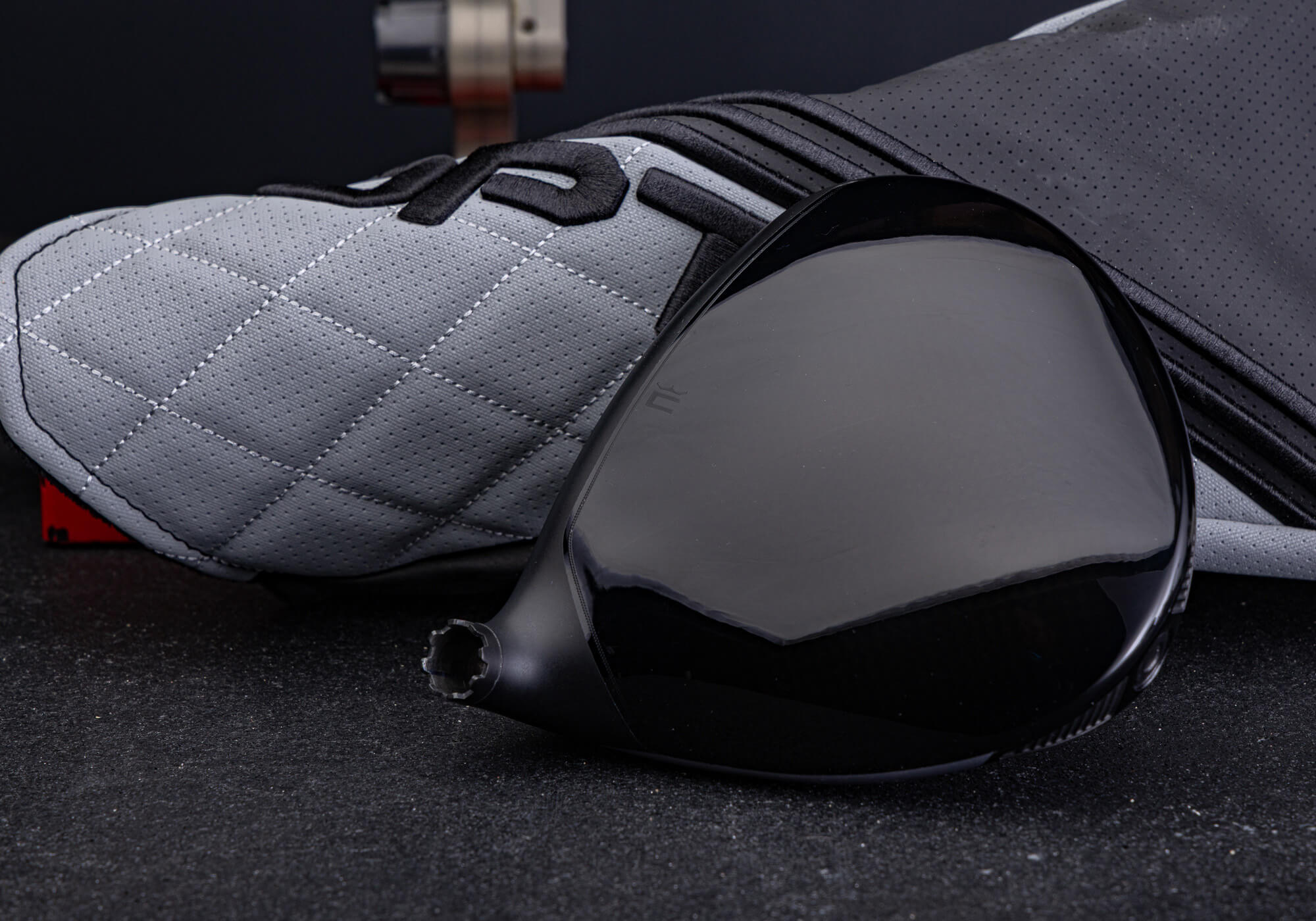
A good bit of creating optimal POI values comes from reshaping the driver heads. Since we’re effectively talking about fighting what COBRA calls parasitic rotation, removing areas of imbalance is at least part of the POI battle. Some of that work is relatively easy but some areas of imbalance (the hosel area, for example) are entirely unavoidable.
It’s also true that every manufacturer needs a selection of purpose-built heads. Low POI is relatively easy to achieve in an LS model, for example. The shape of those designs is already reasonably well-balanced.
When you get into MAX designs (MOI still matters) and draw-biased options like the MAX D, it’s more about accepting that there will be limitations on what is possible but doing what you can to maintain the unique performance characteristics of each model, all while finding ways to meaningfully lower POI.
Adaptive POI Weighting (and new weight port labels)
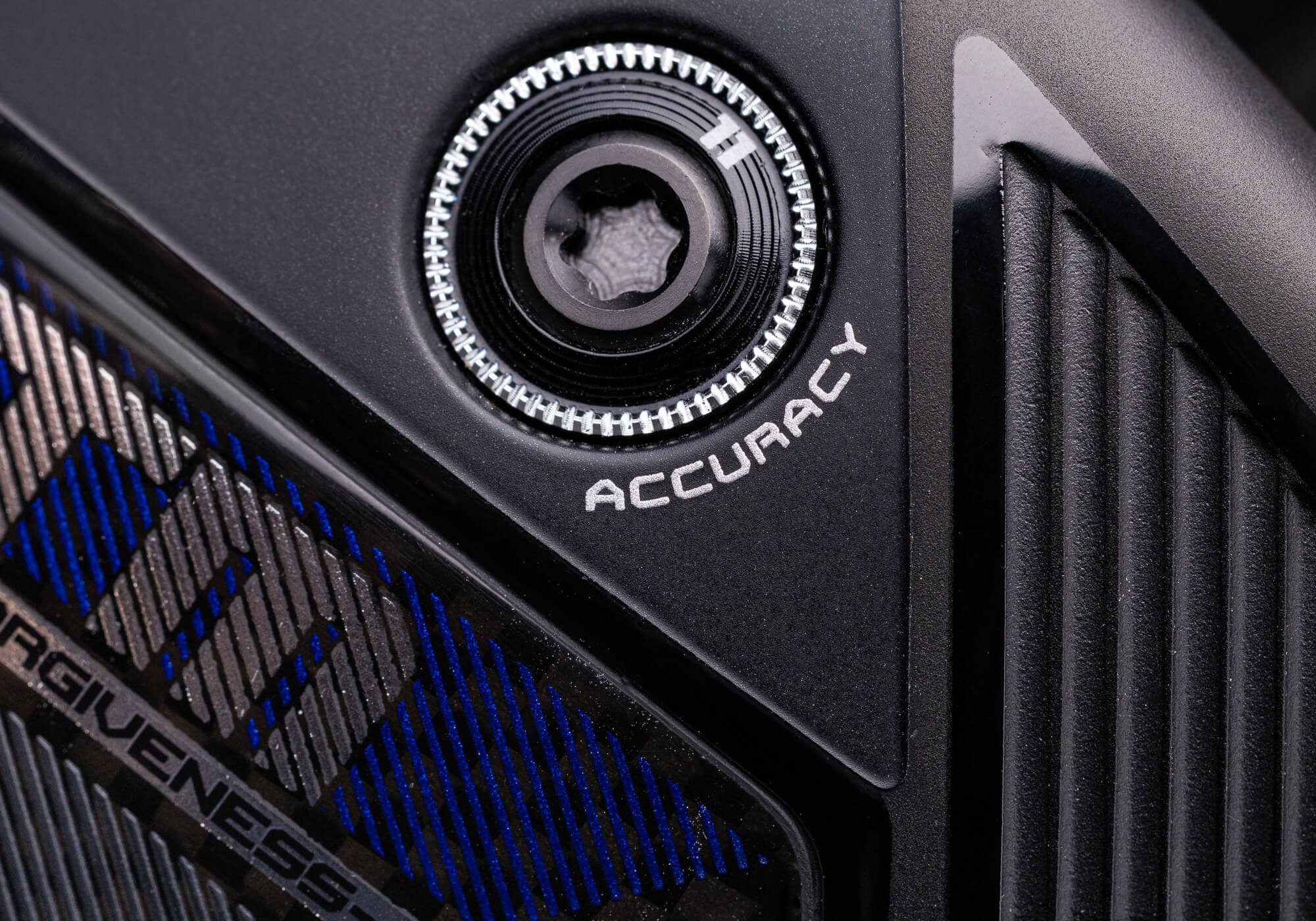
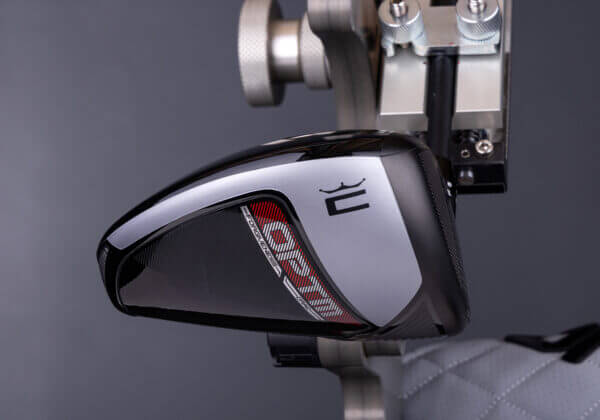
One way COBRA was able to improve POI was by adjusting the locations of the weight ports on its movable-weight models. If you’re familiar with past models, you’ll note that the positions have shifted appreciably. The objective was to maintain the shot shape corrections/adjustments provided by the weight system in a more balanced, POI-lowering way.
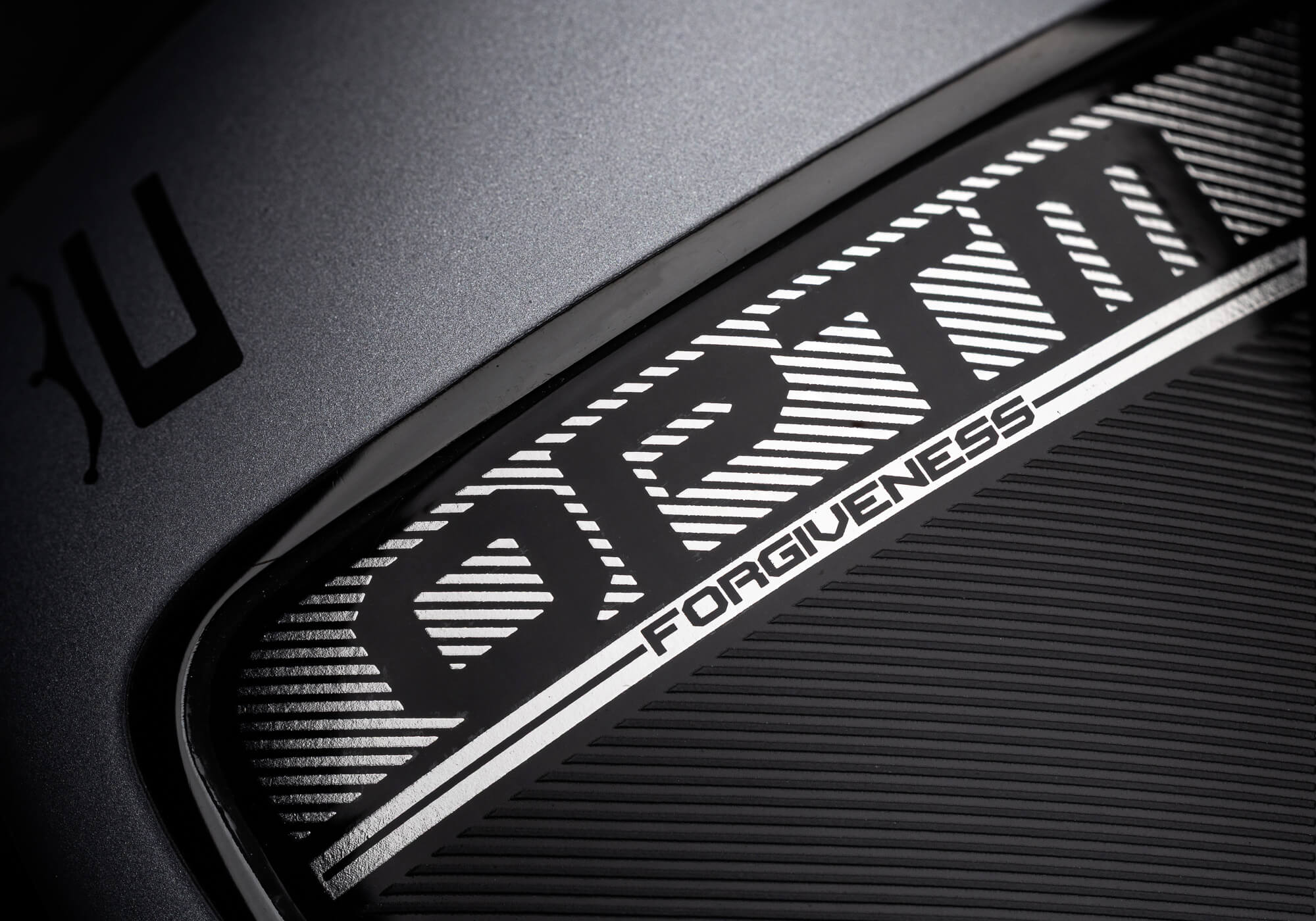
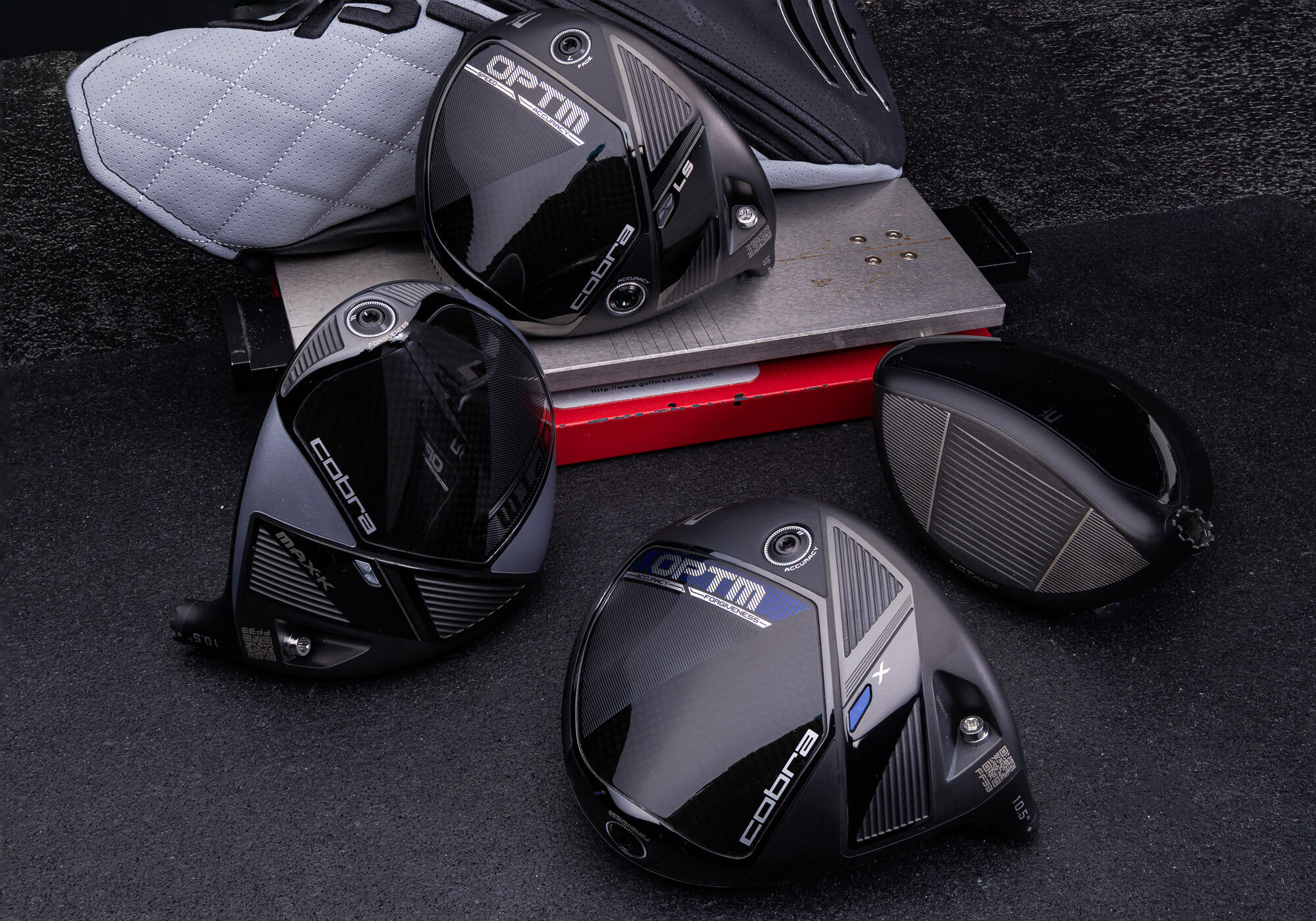
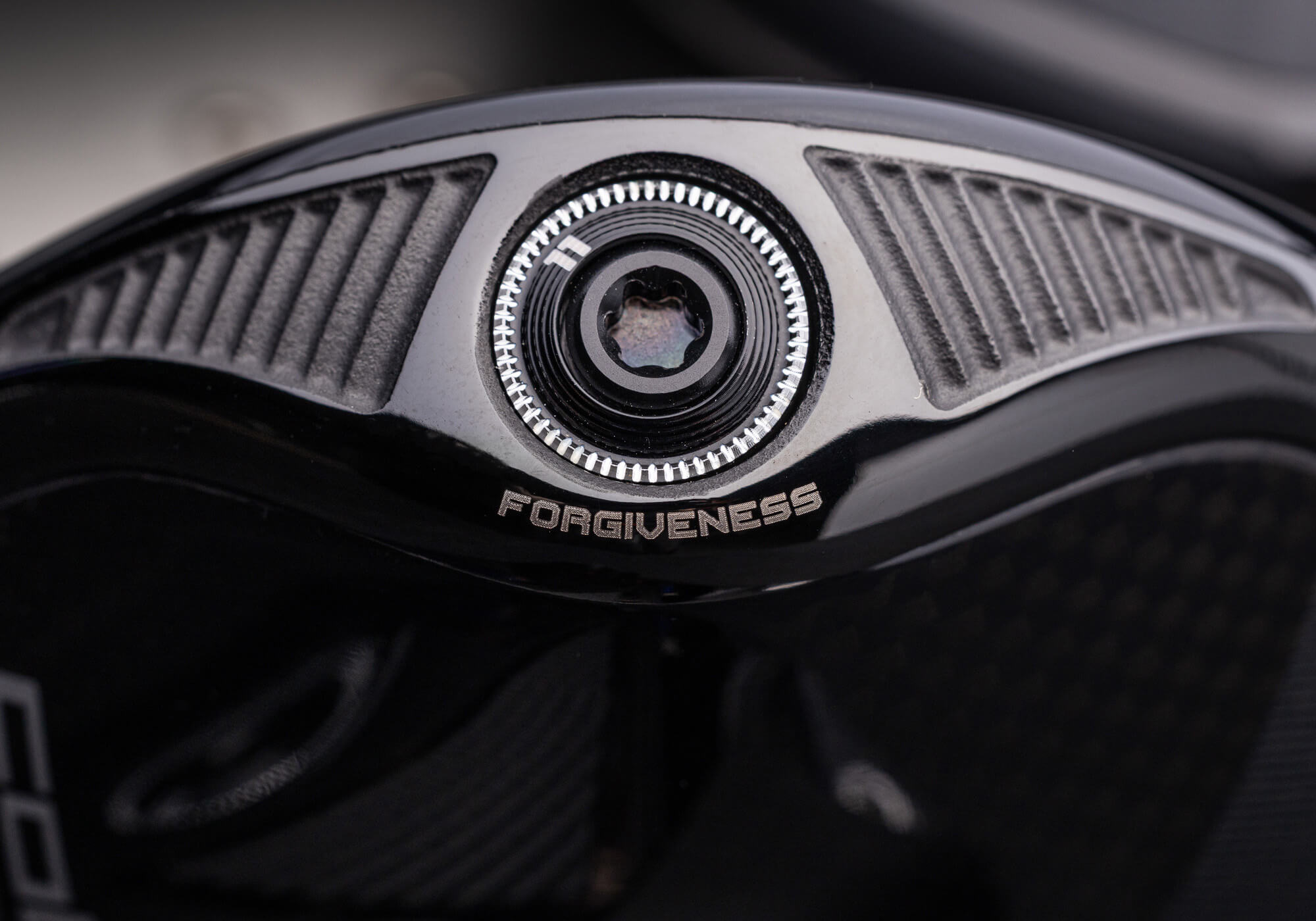
You’ll also note that, to help tell the POI story—or at least the benefits thereof, COBRA has relabeled its weight ports. On the OPTM LS, you’ll find ports labeled Fade, Accuracy and Forgiveness. On the OPTM X, they’re labeled Accuracy and Forgiveness. The fixed back weight on the OPTM MAX-K is labeled Forgiveness while the MAX-D’s weight port is labeled Draw.
When it comes to front-back weighting in particular, the idea is to convey that while putting a heavy weight in the back position provides higher MOI (“forgiveness” as many golfers understand it), putting the heavy weight more forward will push POI down, providing enhanced accuracy.

Other good stuff
While the POI stuff—refined shapes, adaptive POI weighting and generally straighter shots—is the big story for COBRA, there are continuing technologies and cosmetic changes that are worth discussing.
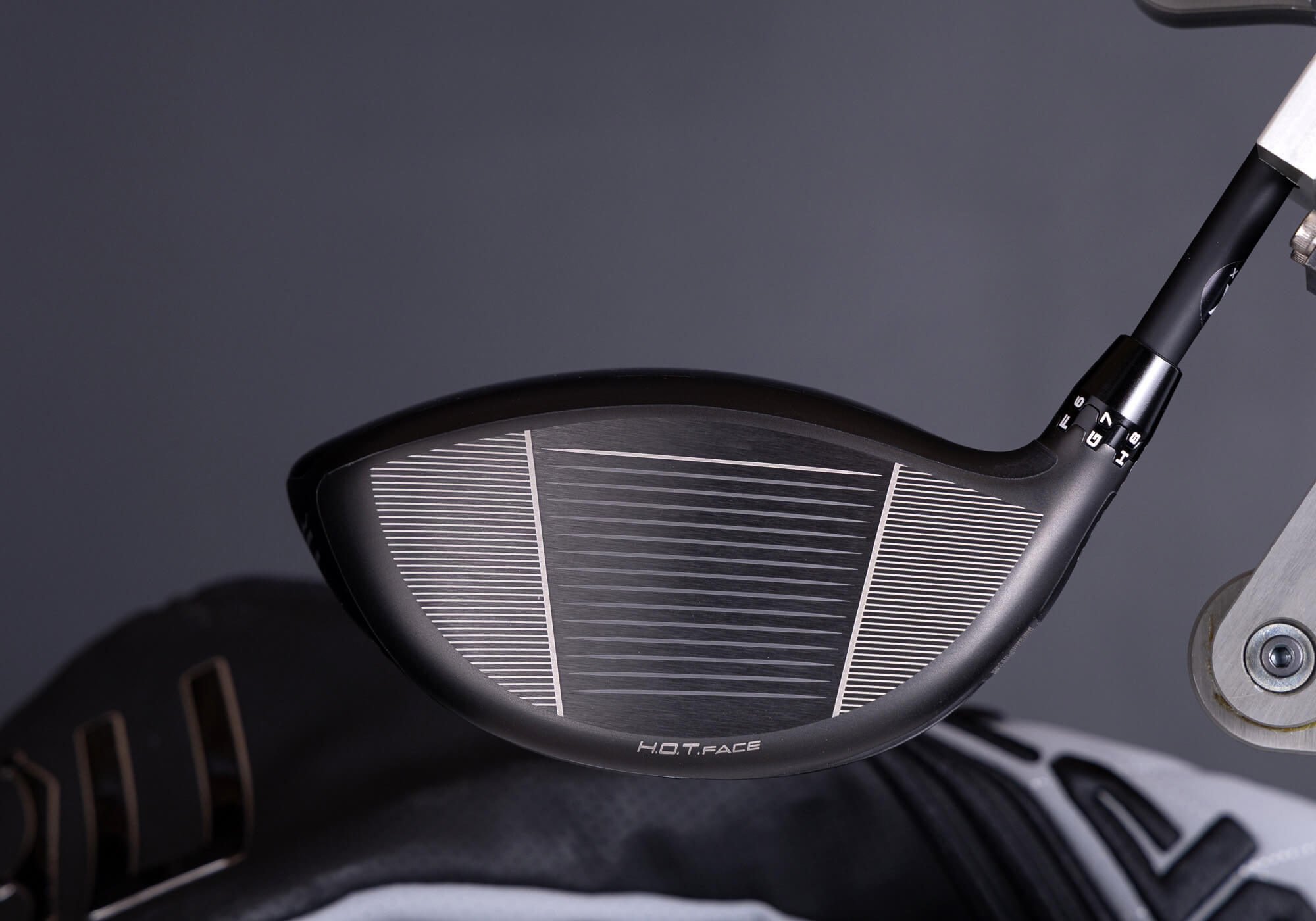
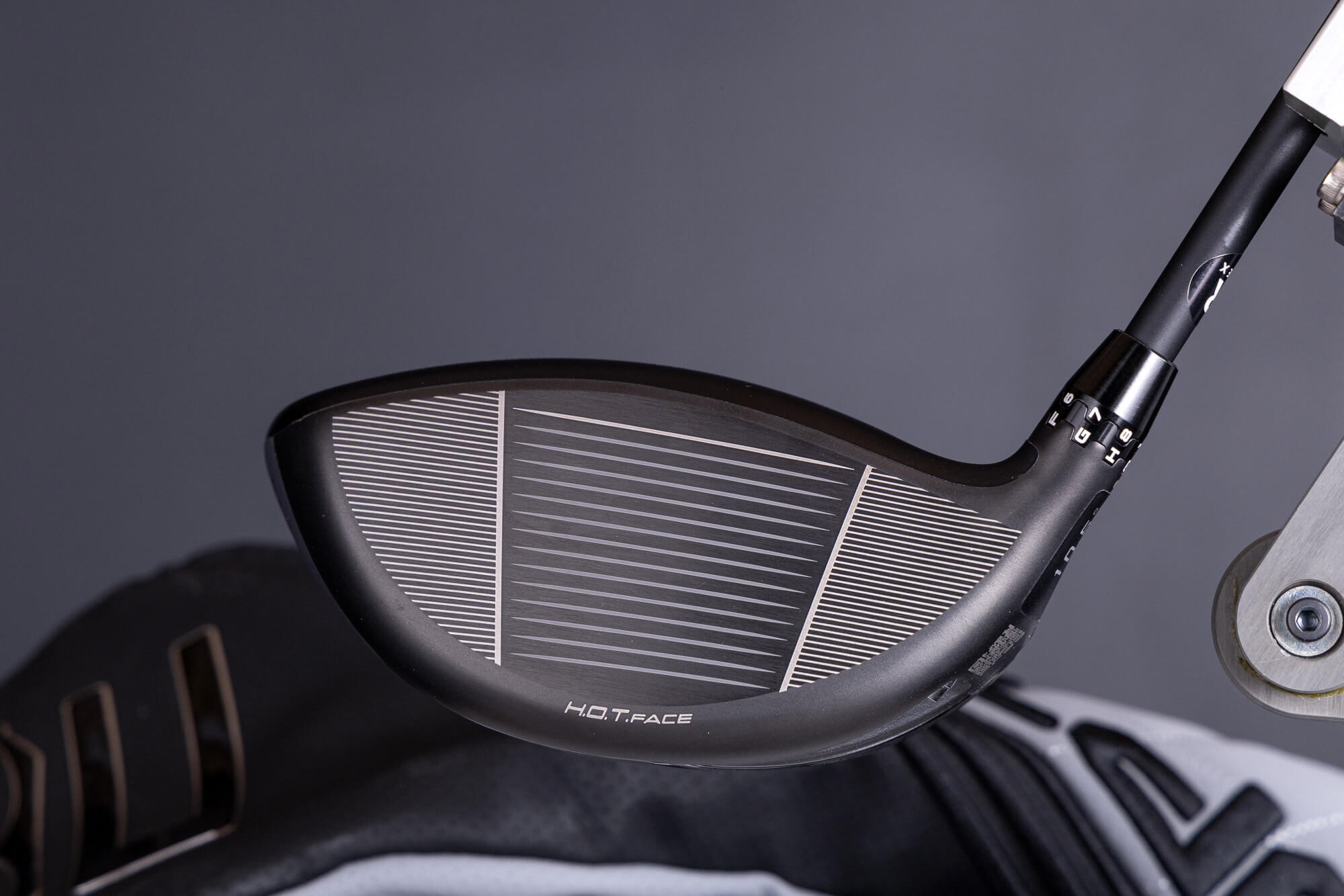
H.O.T. Face – COBRA’s signature face (designed with AI/machine learning) carries on. We’ve covered the specifics before, but the simple version is that it’s how COBRA works to maintain speed on off-center strikes above and beyond what it gets from MOI alone.
FUTUREFIT33 – COBRA’s insanely adjustable flight tuning system. The 33-position hosel provides a broader and more granular mechanism for tuning trajectory via the hosel. It allows fitters to better dial in ideal flight and spin characteristics. Worth mentioning: COBRA has found that better players typically land on one of the more central settings while a good bit of the rest of us tend to find our best fit on the edges of COBRA’s flight matrix.
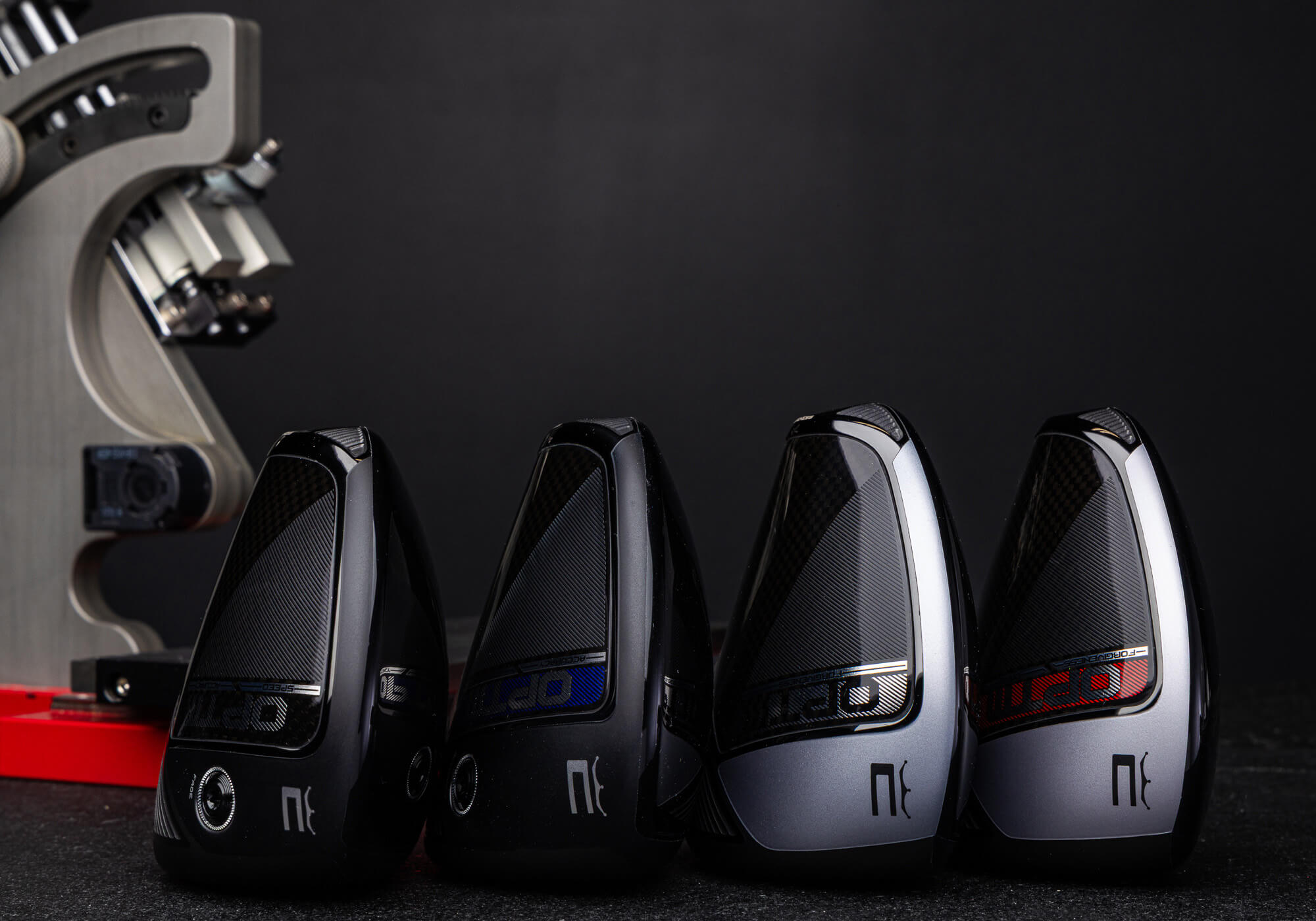
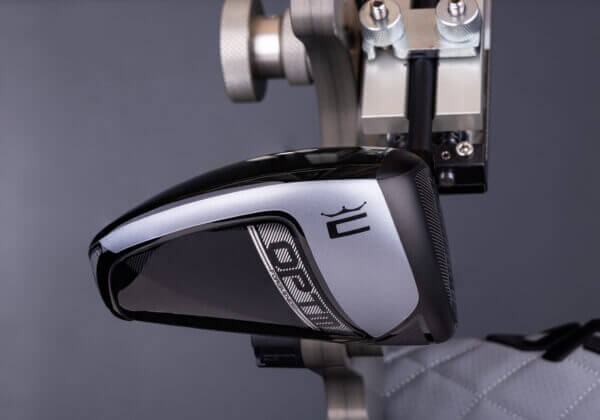
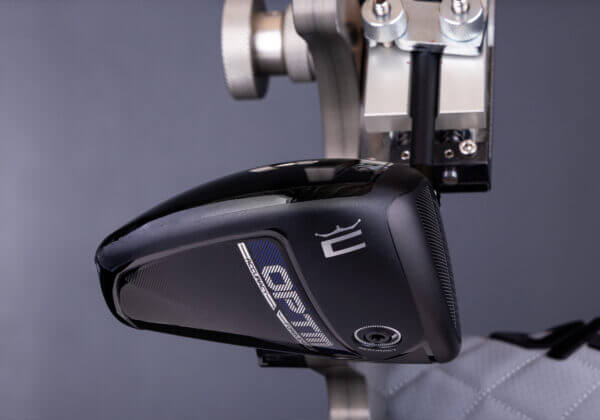
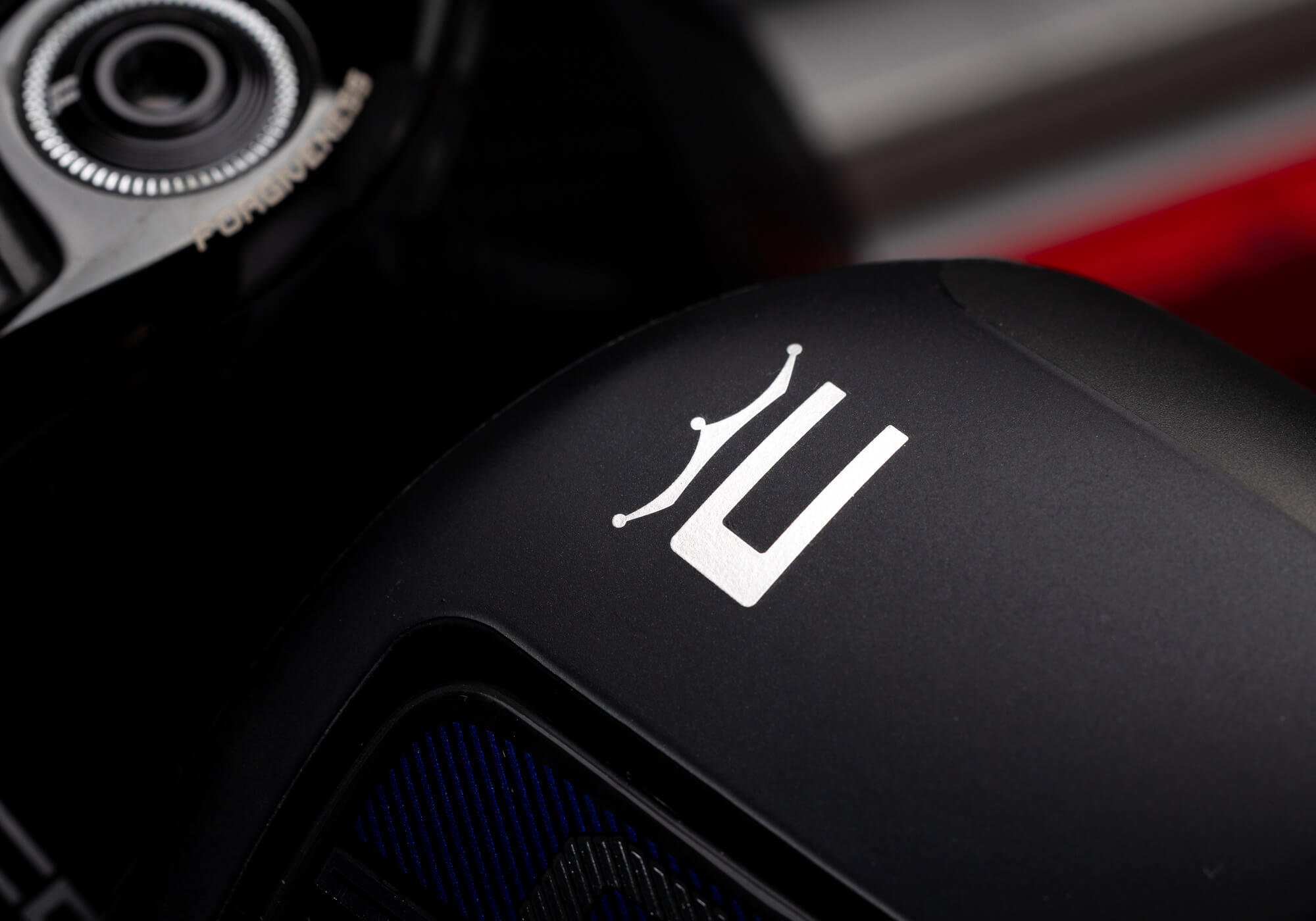
Cleaner address profiles – While there are some not-so-subtle shaping differences between models, COBRA has worked to unify and improve what you see at address. All four of COBRA’s OPTM drivers feature a satin alignment graphic and a gloss carbon crown with a visible but not intrusive carbon weave pattern.
The models are again effectively color coded. The LS features black accents. Those same accents are blue on the OPTM X, silver on MAX-K and red on the MAX-D. That’s fun … maybe.
With a good bit of the nerd stuff out of the way, let’s look more closely at each of the four COBRA OPTM driver models.
COBRA OPTM LS
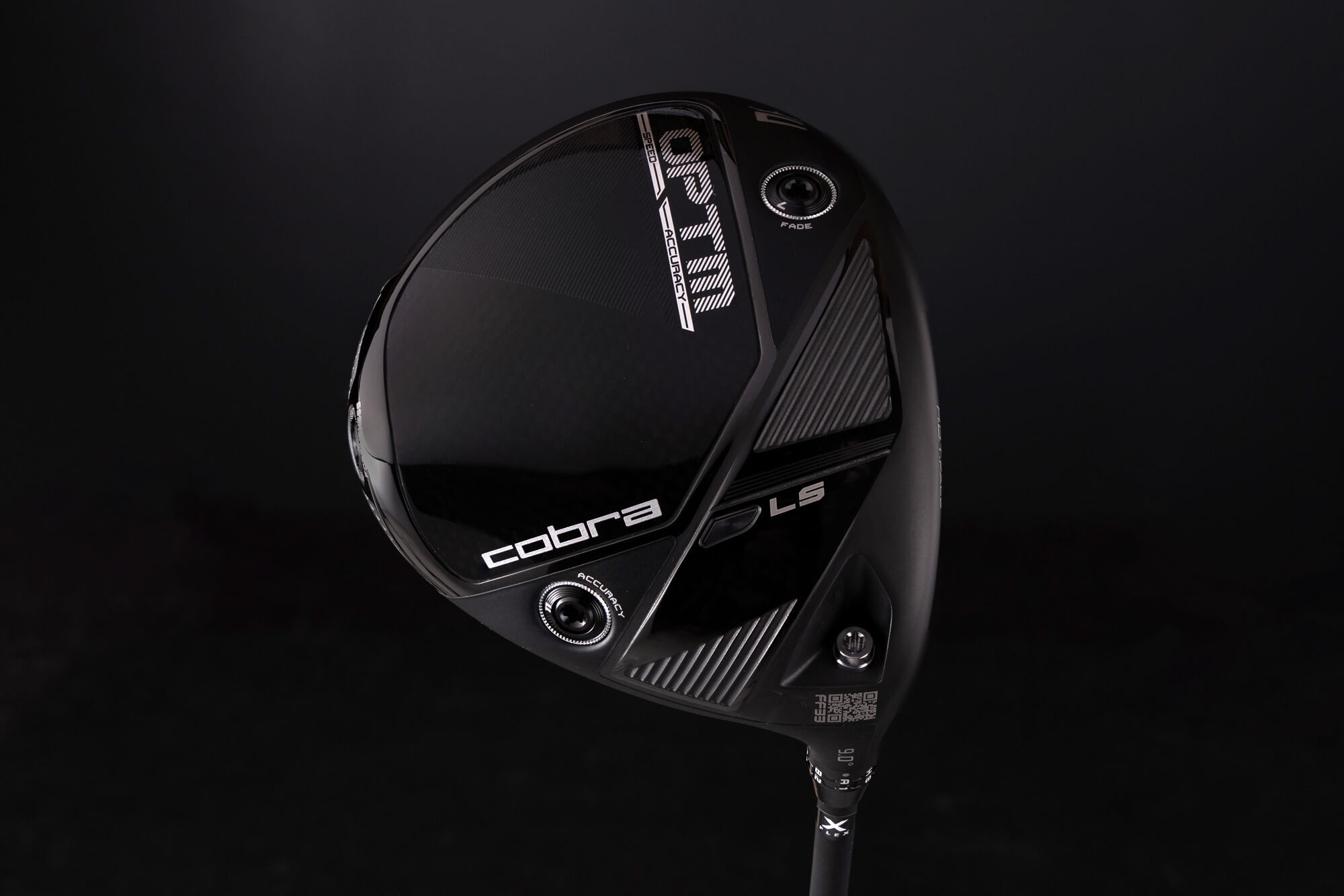
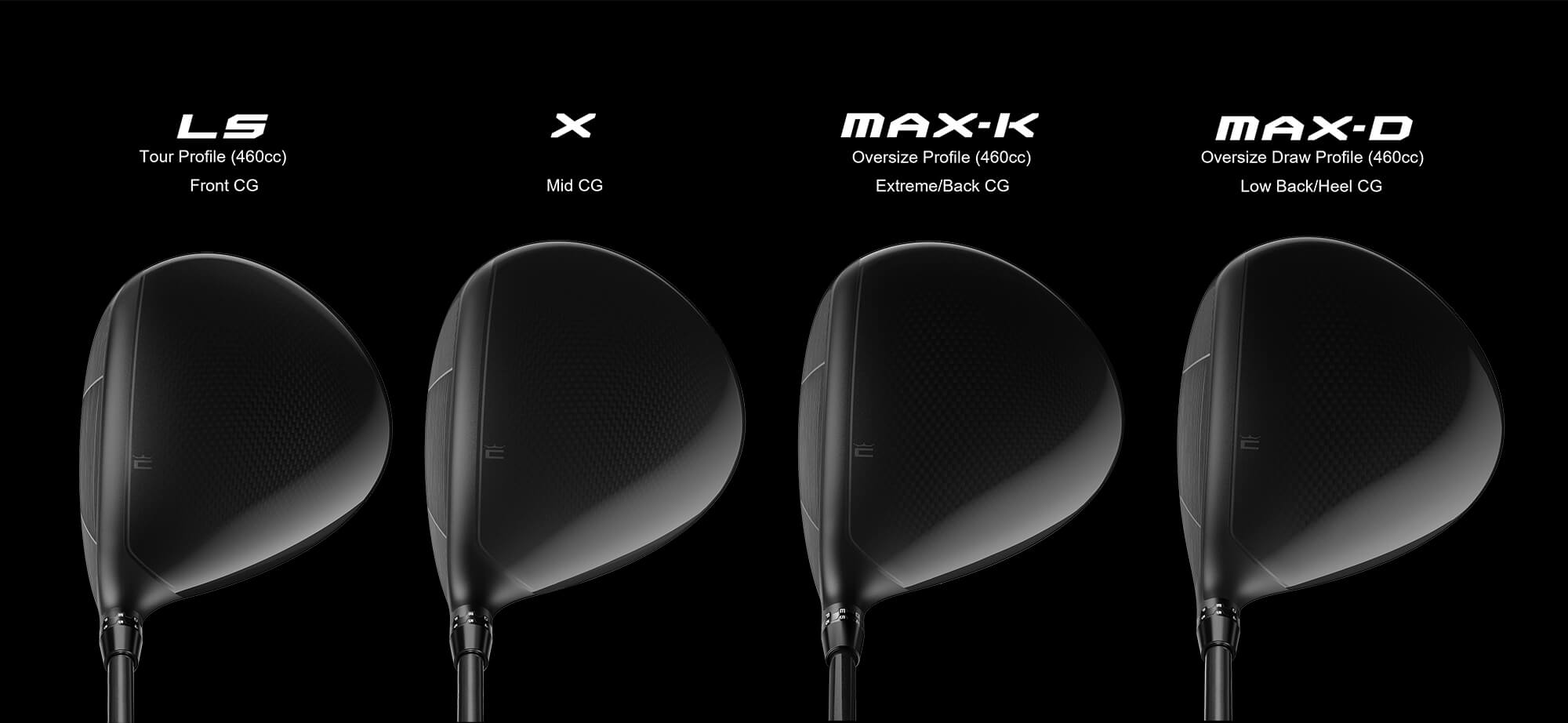
The COBRA OPTM LS is a 460cc head with a compact address profile. As with many low-spin models, COBRA says its latest LS is for faster players who want to manage launch and spin.
That said, years of testing have taught us that low-spin models can work well for a variety of golfers and, given the emphasis on POI, I suppose there’s a case to be made that golfers who emphasize straight shots above all else might want to spend a little time in the hitting bay with the OPTM LS.
With respect to MOI and POI, COBRA lists the i_yy (heel/toe) value at roughly 4,500 with a total (X+Y) MOI value of just under 7,200. We’re nowhere near 10K but LS drivers aren’t supposed to be forgiving high MOI.
COBRA puts the total POI value at 292. I think that’s good but since COBRA is the only company talking about POI right now, we really don’t know how that compares to the competitive set. For what it’s worth, COBRA’s data shows POI in the LS to be significantly improved over both DARKSPEED LS and DS-ADAPT LS, so good, bad or otherwise, we’re making progress.
The OPTM LS features an adjustable three-weight system. The stock build ships with 11-, seven- and three-gram weights. The lowest POI configuration places the 11-gram weight in the heel and the seven-gram in the toe. As you might expect given what we’ve learned about POI thus far, this also happens to be the lowest MOI configuration.
Conversely, the max MOI build for the OPTM LS necessitates the 11-gram weight in the rear and the seven-gram weight in the heel. The 11 in the heel with the seven in the rear is the draw-biased configuration while the 11 in the toe and the seven in the heel provide a slight fade bias.
The COBRA OPTM LS is available in nine and 10.5 degrees.
COBRA OPTM X
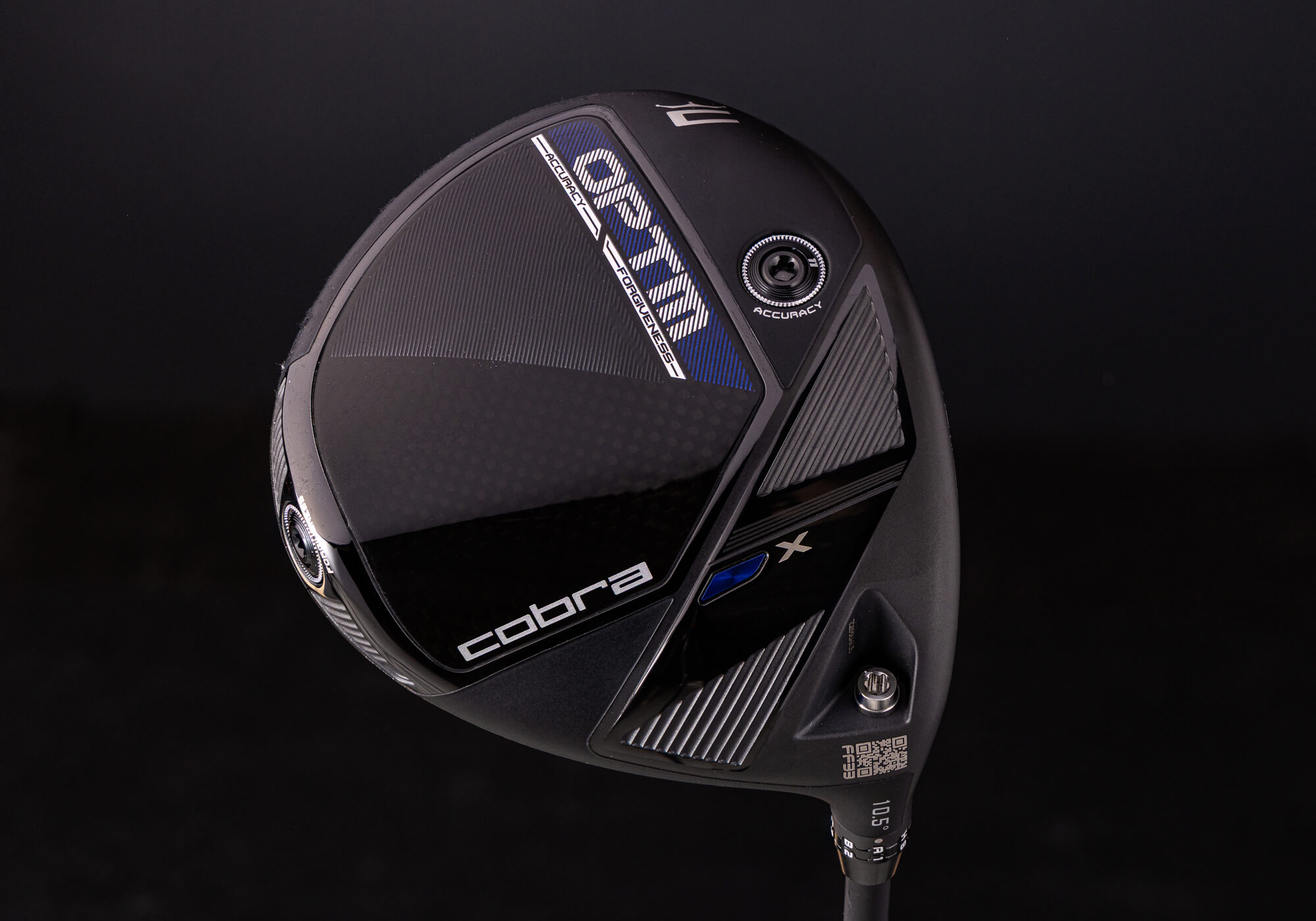
The OPTM X is designed to serve the broadest range of golfers by balancing speed, forgiveness and directional control.
The shape borrows heavily from COBRA’s F9 Speedback which, pound for pound, might be COBRA’s best effort in the last decade. If nothing else, bringing the shape back should stir some fond memories.
The stated MOI values are above 5,200 in the heel-to-toe direction (when the heavy weight is in the back). X+Y MOI in that same configuration exceeds 8,800.
With its balanced shape (not overly compact, not the least bit elongated), COBRA says the X delivers the lowest POI values in the lineup. The stated value is -500 and changes. The fact that the value is negative suggests POI is really low but, again, we don’t have much to compare it to.
COBRA’s numbers suggest the X is both higher MOI and lower POI relative to pretty much anything else it’s released in recent memory.
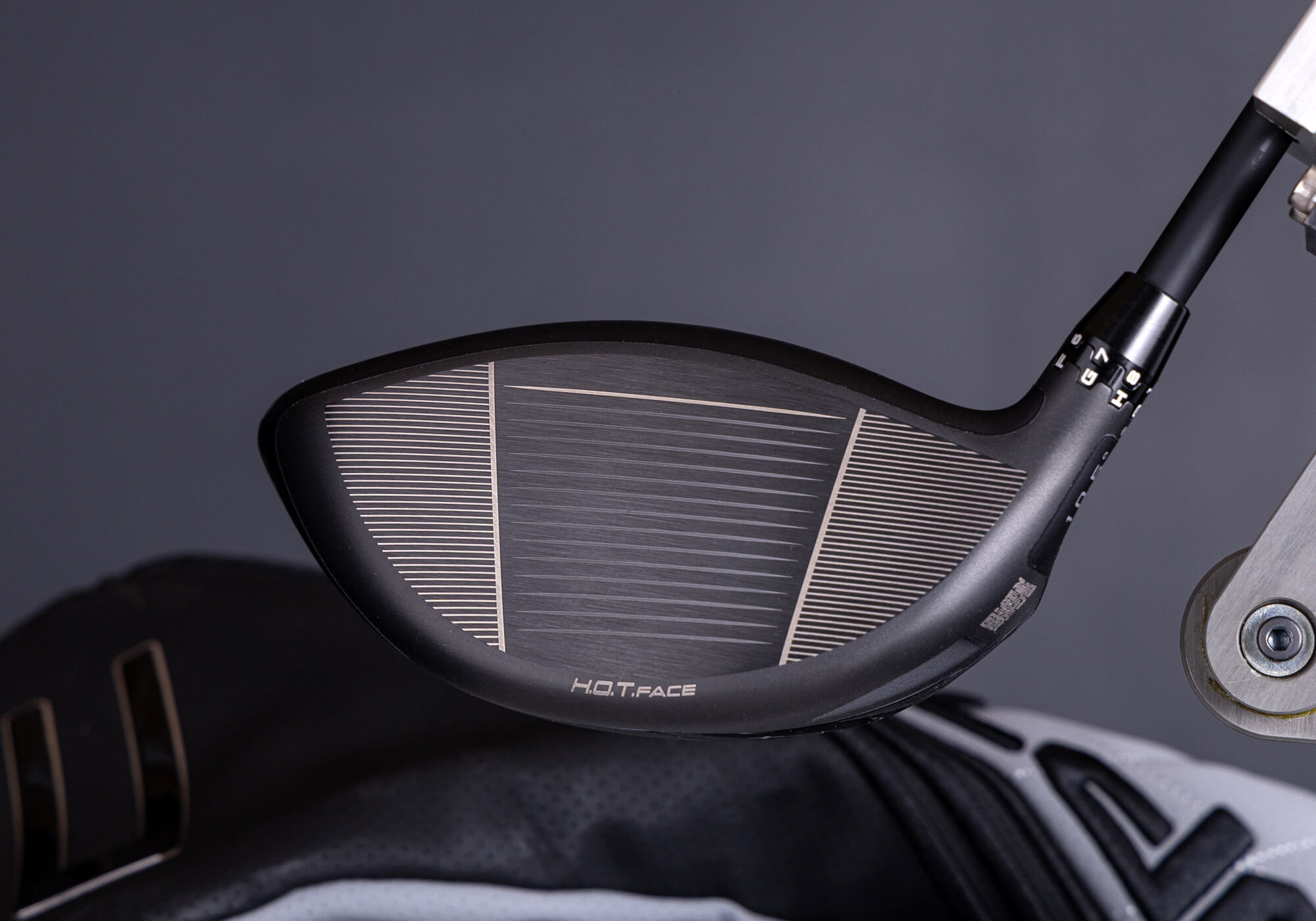
If nothing else, the combination of relatively high (although not otherworldly MOI) with low POI implies a design that strikes a meaningful balance between the speed preservation of higher MOI values and the straightness offered by lower POI.
The updated two-port adaptive weight system includes an 11-gram and three-gram weight. The neutral setting, which places the 11-gram weight in the toe, offers the lowest POI, while placing the heavier weight in the rear offers higher MOI.
The COBRA OPTM X is available in nine, 10.5 and 12 degrees.
COBRA OPTM MAX-K
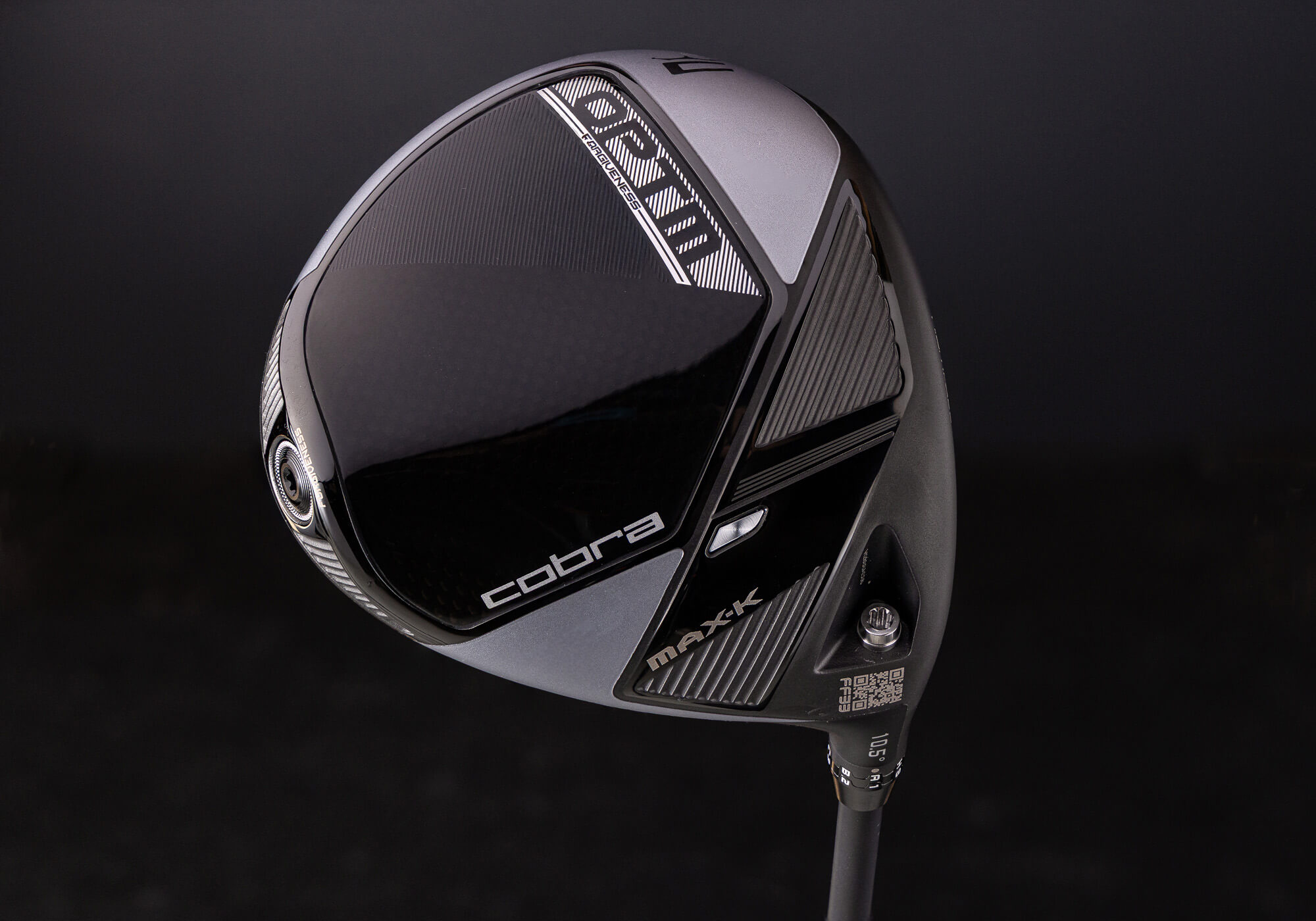
MAX-K represents COBRA’s highest-forgiveness head and the clearest evolution of its ultra-high MOI designs. The challenge with this new MAX-K was delivering the stability promise of higher MOI without letting POI climb unchecked.
With a value of nearly 10,100, COBRA’s charts show MAX-K with the highest combined X+Y MOI in the OPTM family. If you want to throw every MOI number we have in the equation, X+Y+Z MOI is just under 13,000 (in the 10.5-degree head). That’s a bit higher than the previous model but the more important detail, I suppose, is that despite higher MOI values, COBRA was able to lower POI by 75 points or so.
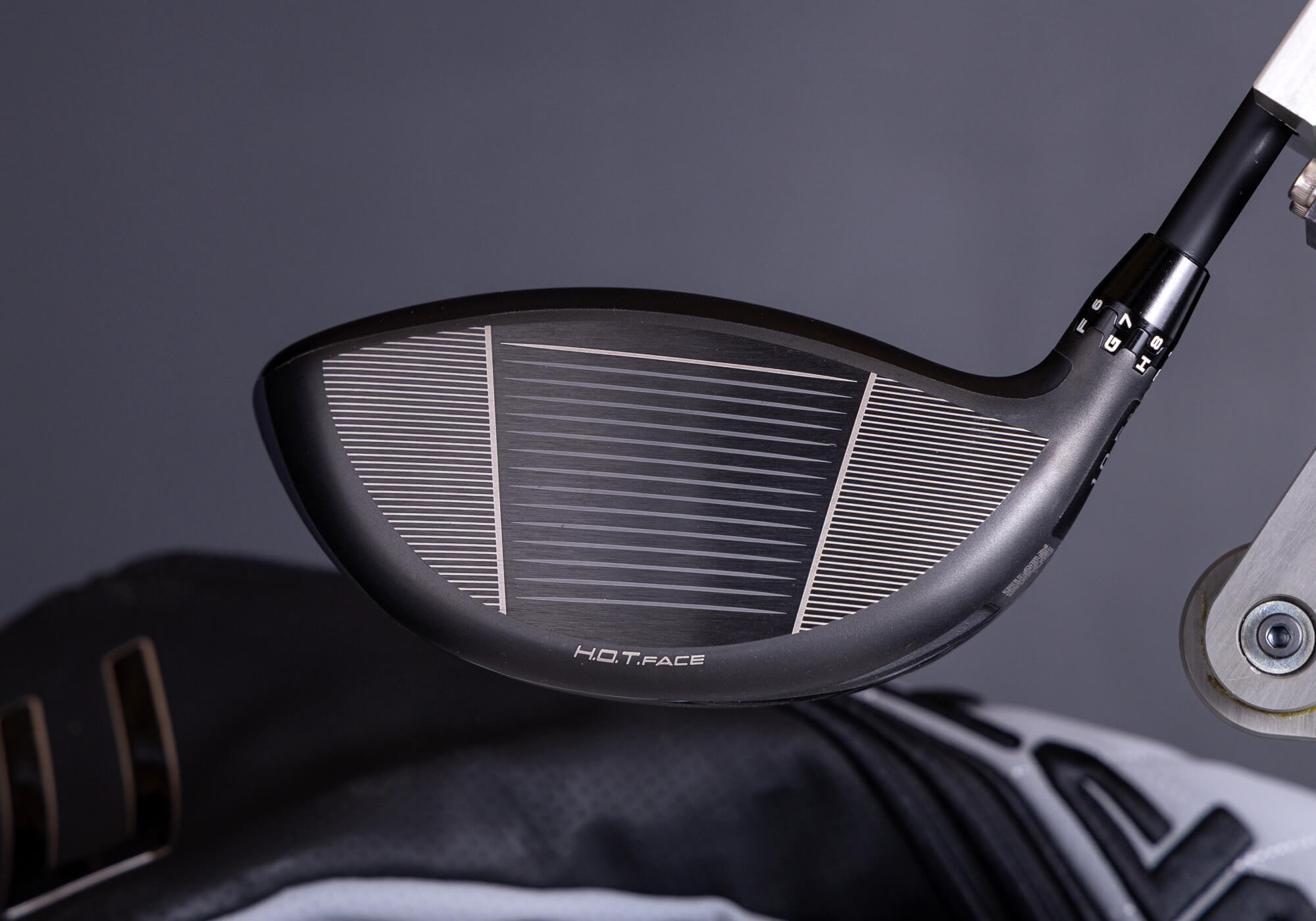
It’s not a mind-blowing number by any stretch but it suggests that the new MAX-K should be more forgiving in any meaningful sense than its predecessor.
The OPTM MAX-K ships with a single 11-gram backweight. I’m not saying you should, but if you were to purchase a heavier weight in the aftermarket, I’d wager you’d push MOI to a level that the USGA would frown upon.
The COBRA OPTM MAX-K is available in 10.5 and 12 degrees.
COBRA OPTM MAX D
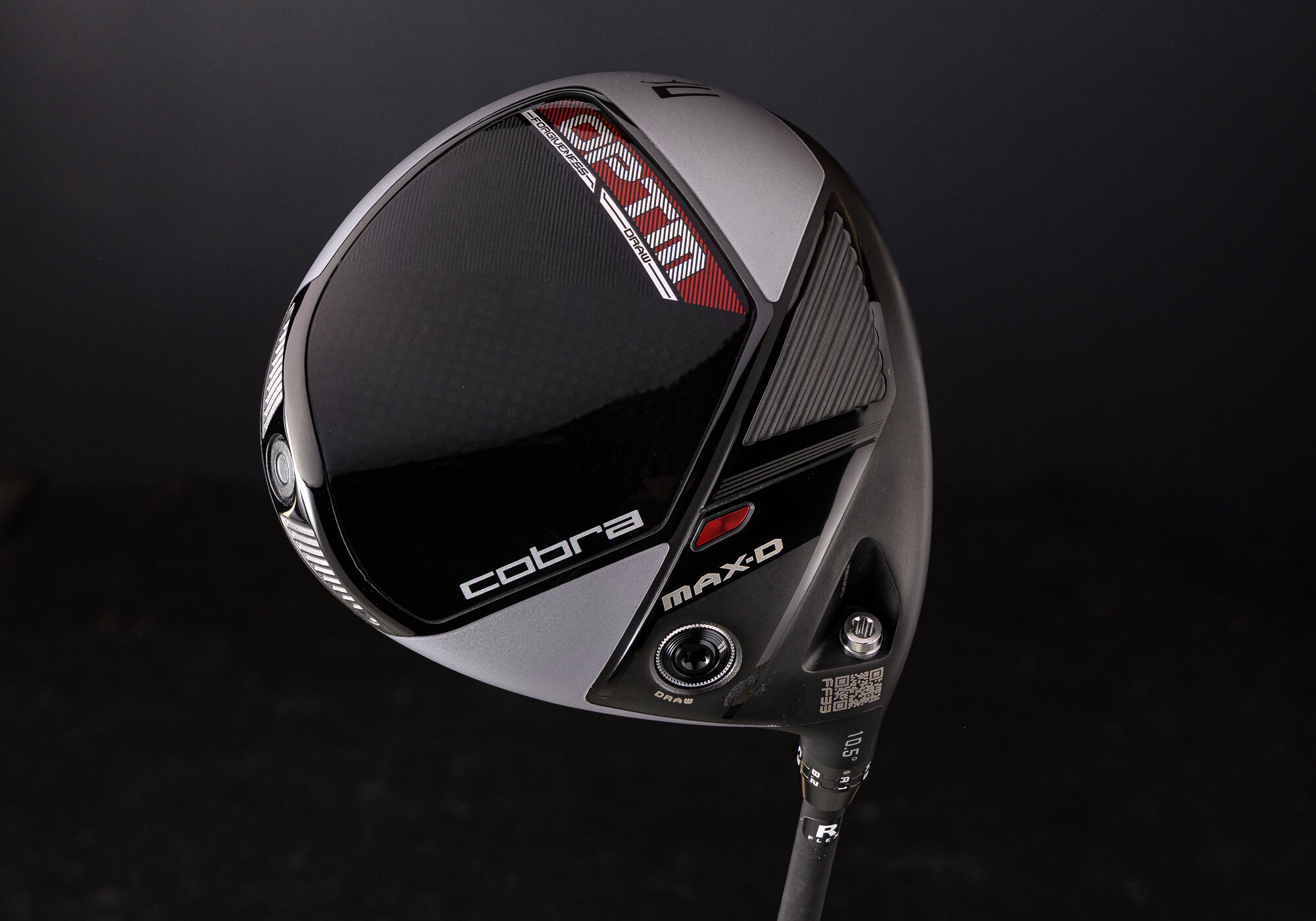
Unlike the rest of the OPTM lineup, which seeks to deliver a balance of forgiveness and accuracy (and also speed) for the target golfer, the MAX D is designed for a near-singular purpose.
Because the objective (slice correction) mandates compromise in other areas, COBRA isn’t going deep into the weeds on POI or MOI. Reasonably, it’s not going to touch the MOI values of the MAX-K or the POI values of the X but it will help slicers take the right side of the golf course out of play—and that’s entirely the point.
The footnote, I suppose, is that COBRA says POI values are better kept in check than with competitive draw-biased drivers but, again, to an extent, the point of draw-biased drives is to actively fight straight.
The stock build ships with an 11-gram heel weight.
The COBRA OPTM MAX D is available in 10.5 and 12 degrees.
Cool, but what does all this POI stuff get me?
We can safely claim that the benefit of lower POI is improved accuracy or tighter dispersion. You can probably extend that to more shots in the fairway and fewer on the wrong side of the white stakes.
While like everything else, getting the most out of improved POI is player-dependent and, to an extent, reliant on a good fitting, but in the interest of throwing something quantifiable out there, COBRA says that its OPTM driver can provide golfers with upwards of a 23-percent reduction in shot area.
I can’t promise you’ll get that but if you feel like hitting the ball straighter of the tee would help you lower your scores, it’s probably worth taking a few swings to see if there’s something to this POI thing.
Final thoughts
COBRA’s OPTM isn’t about replacing MOI. It’s about finishing the conversation.
High MOI helps preserve speed. Low POI helps control direction. By deliberately engineering both, COBRA is redefining what forgiveness means while explaining why some drivers seem to fly straight when contact isn’t perfect.
Fast and forgiving is easy. Fast and accurate is harder. OPTM is COBRA’s attempt to deliver both.
Whether it can get golfers to buy into what amounts to a straightness-first story remains to be seen but given how unexpectedly receptive golfers have been to 10K messaging in recent years, I’m saying there’s a chance.
Have your say
Does the promise of straighter shots and tighter dispersion to appeal to you? Are you more or less likely to try a COBRA driver than you were last year?
Specs, pricing, availability
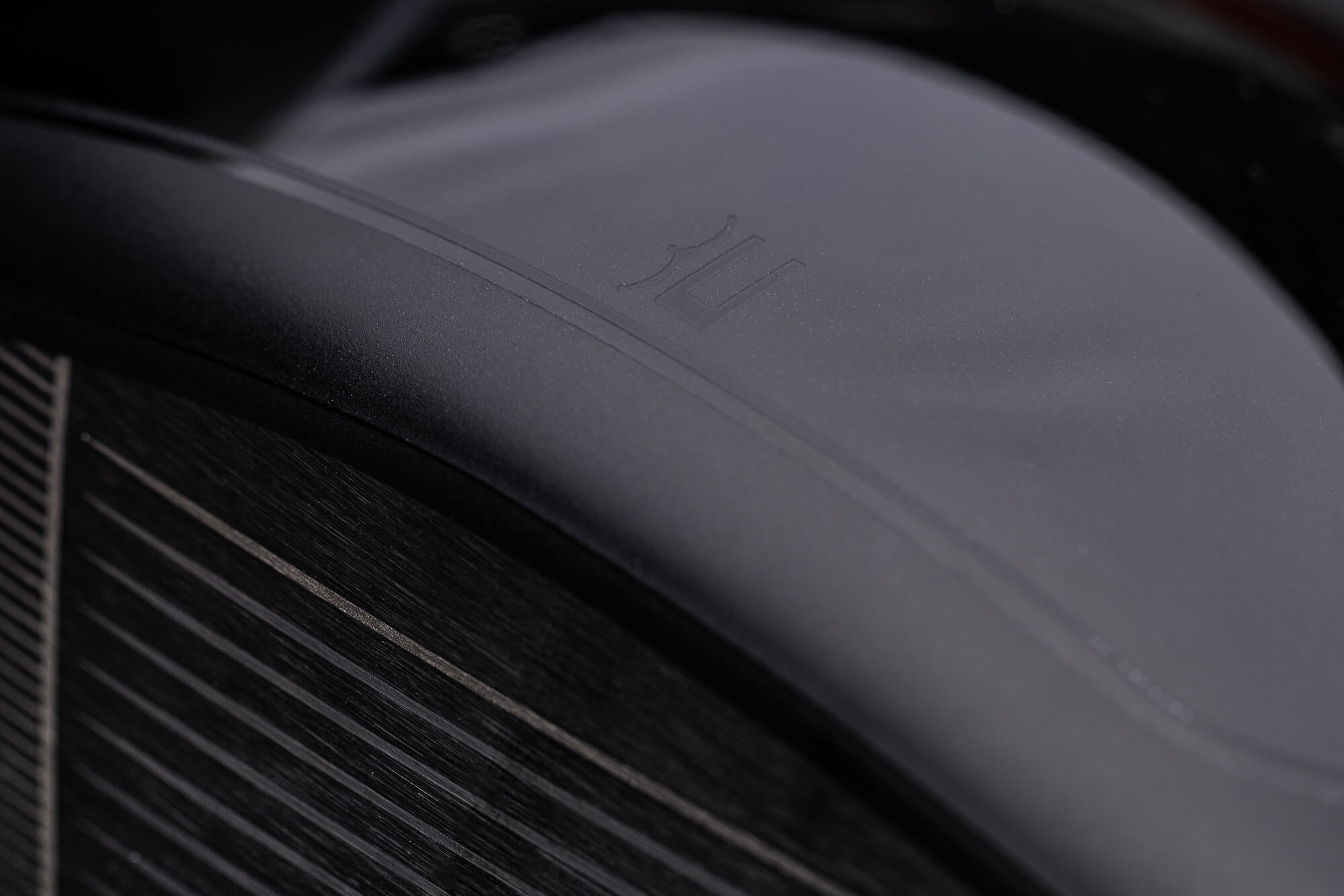
The COBRA OPTM driver lineup includes LS, X, MAX-K and MAX D models. All are 460cc and feature FutureFit33 hosels.
Stock shaft options include (from high- to low-launch profiles) MRC Vanquish, MRC Ka’li Red, PX Denali Frost Blue, MRC Kai’li Blue, MRC Kai’li Black and PX Denali Frost Black.
Pre-sale begins Jan. 13 with full retail availability on Jan. 20. Retail price for all COBRA OPTM drivers is $599.
If you’re more interested in a good deal than buying the latest and greatest, to make room for OPTM, last season’s COBRA DS-ADAPT drivers have been discounted to $429.
For more information, visit COBRAGolf.com.
The post Forgiveness Redefined: COBRA Launches OPTM Drivers appeared first on MyGolfSpy.
