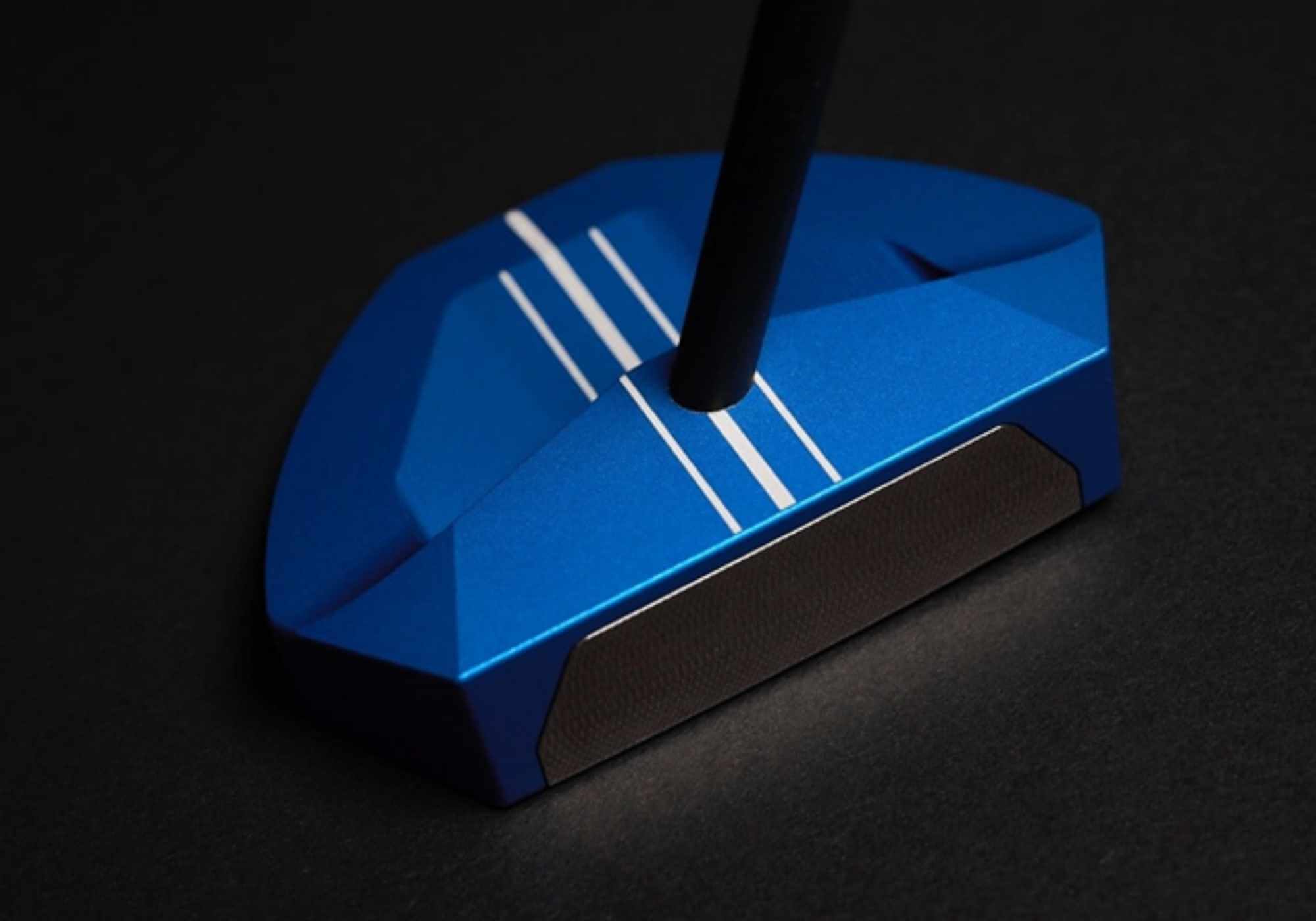
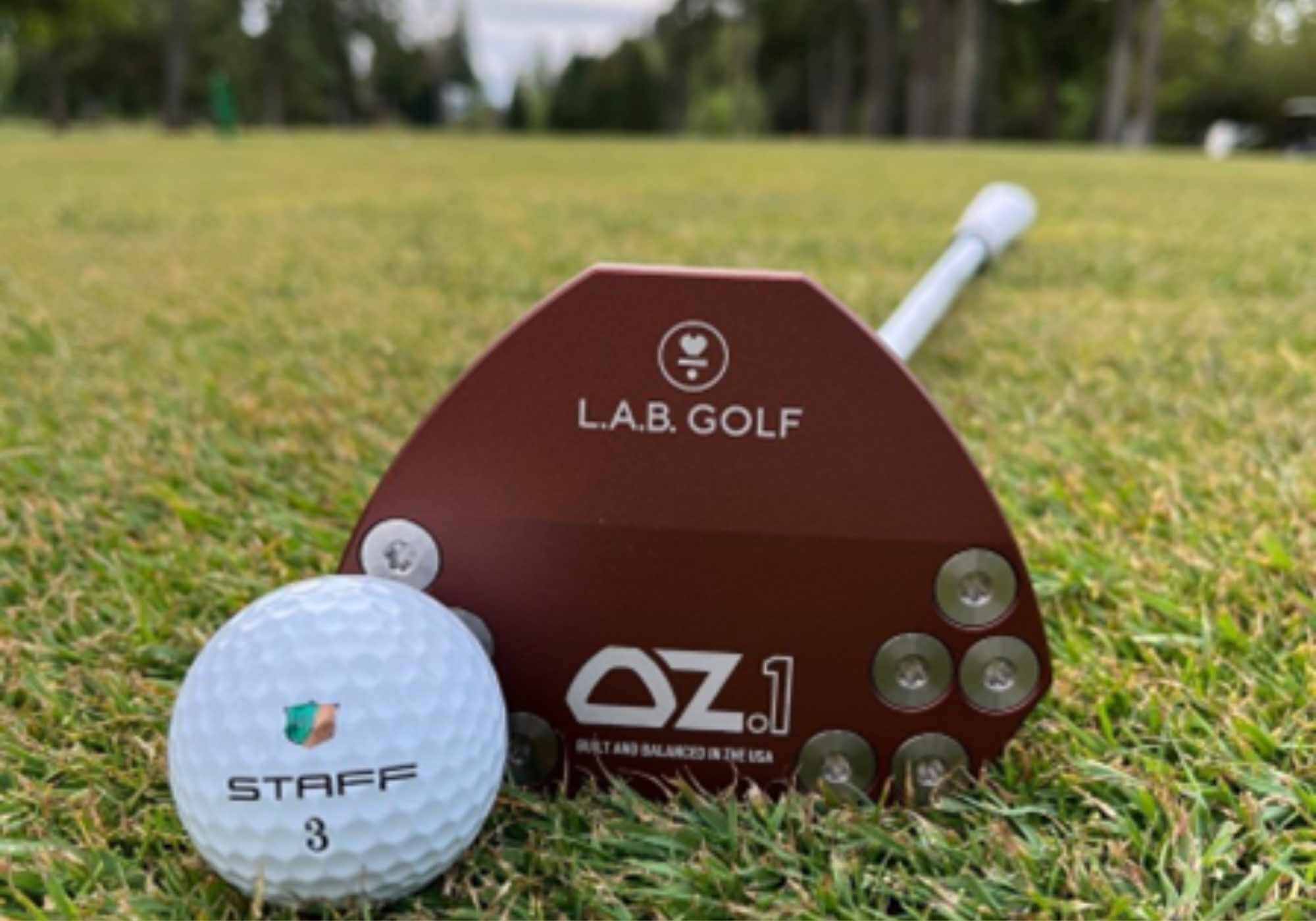
L.A.B. Golf has never been about doing what everyone else does. Founded in 2018 and based in Creswell, Ore., the brand’s patented Lie Angle Balance (L.A.B.) technology redefined what a putter can be. The Oz.1 and Oz.1i (insert) models are their most stylish high-MOI mallets to date and are their latest expressions of zero-torque putting, each bringing something distinct to the table.
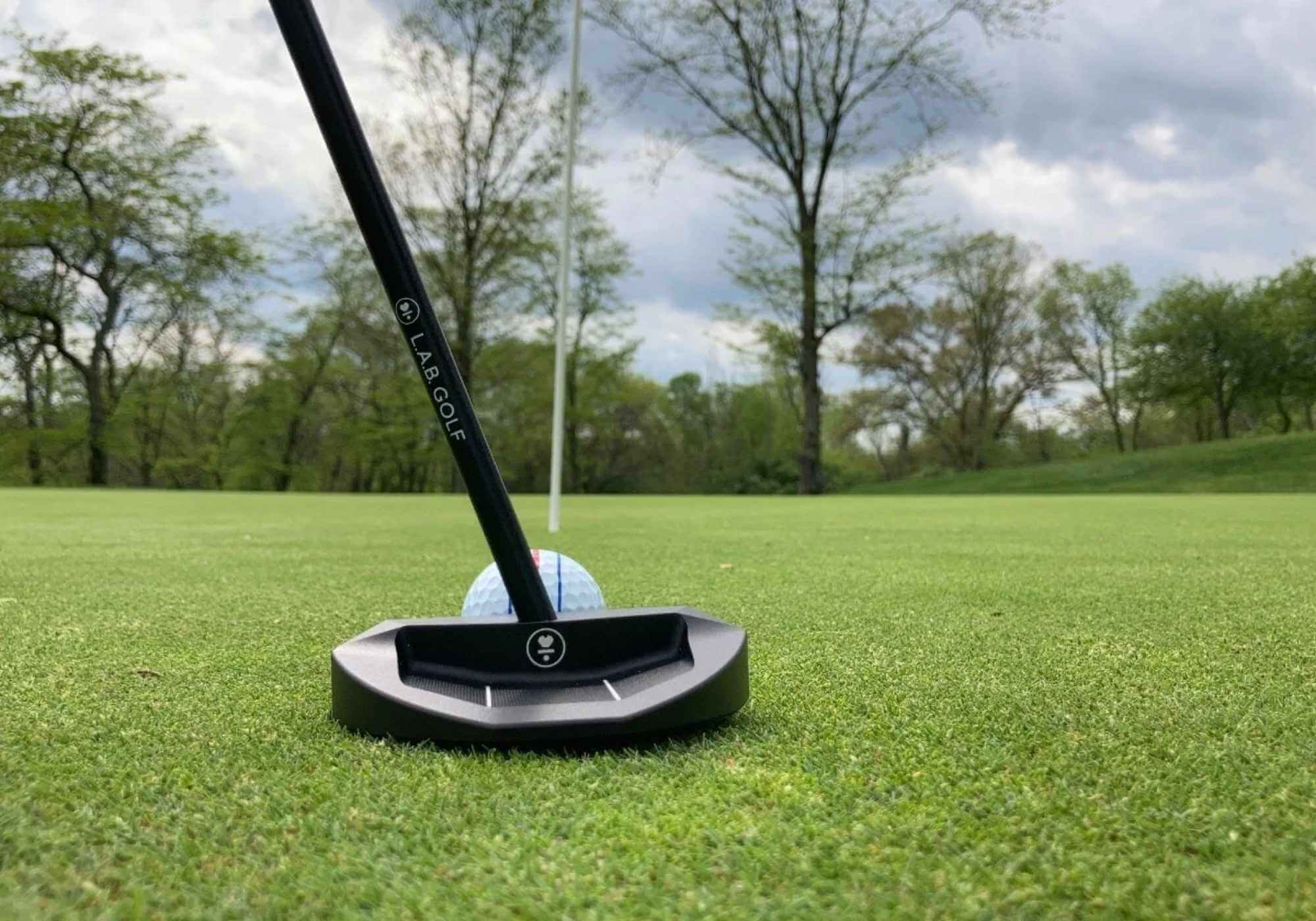
The L.A.B. OZ putter is their most traditional looking putter, an evolutionary mallet that embodies the cutting edge of putting technology and design. They were designed with the input of PGA Tour veteran Adam Scott. Built on the foundational principles of Lie Angle Balance—L.A.B. Golf’s patented innovation—the Oz is engineered to deliver true face-angle stability throughout the stroke, virtually eliminating torque. This means less manipulation, more consistency and putts that start on line more often.
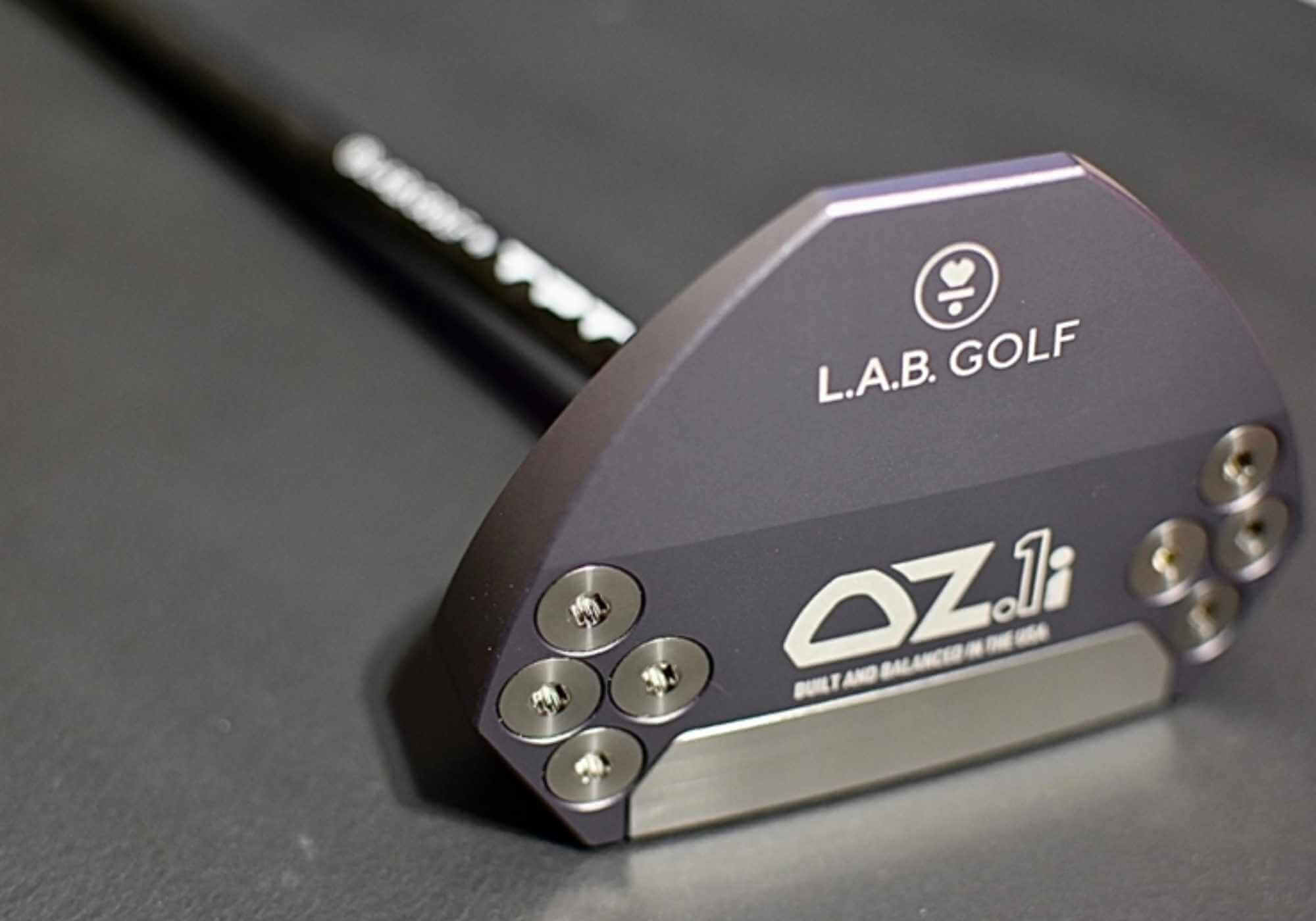
The Oz.1 embodies the company’s mission to create face-balanced putters that naturally remain square to the arc without manipulation. The Oz.1i introduces a stainless steel insert designed to alter feel and ball speed. Testers explored these differences in depth, along with shaft options like TPT, Gears and Accra, the impact of shaft lean and whether these putters deliver measurable gains.
Methodology
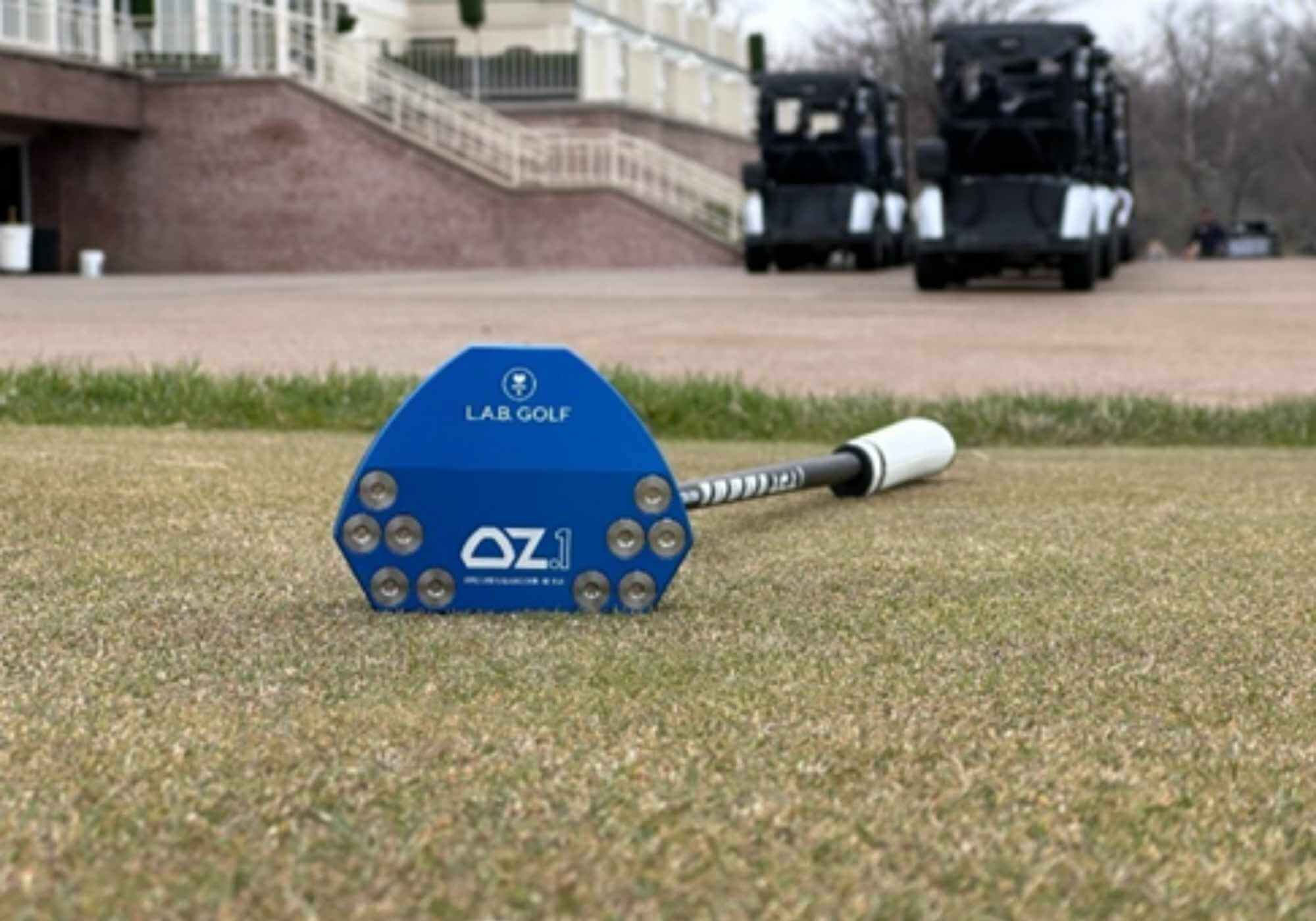
Testers were divided into two four-man teams: Team Oz those with the Insert model and Team Wizards with no insert. Testing was conducted over a 10-week period and included testing on SAM PuttLab, Quintic, Trackman and GC3, as well as on-course Arccos or Shot Scope data. Specifically, they looked at and evaluated:
- The L.A.B. Oz versus their reference putters
- Insert (OZ.1i) versus non-insert (Oz.1). Is there a difference?
- TPT shaft versus Gears shaft. What are the differences?
- Two-degree forward shaft lean versus zero degree, no shaft lean
- L.A.B. Oz versus L.A.B. DF3. Is one better than the other?
Key highlights from testers
Performance summary
Across multiple testers, a few standout findings emerged.
- Insert versus non-insert: The Insert produced a noticeably firmer feel with slightly higher ball speeds versus the muted soft feel from the non-insert.
- Distance control and dispersion: Improvement in both short putts and lag putting performance.
- Feel and confidence: Testers described newfound confidence on putts inside 10 feet and from long range.
- Learning curve: Adapting to the zero-torque design took time. Some adjusted easily, others took much more time. Overall, many saw significant improvements in Strokes Gained putting and other putting metrics.
Key features
The stainless steel insert was a particular point of interest. Sam Hahn, CEO of L.A.B. Golf, stated that ball speeds were roughly 10 percent faster off the insert face in internal testing compared to the non-insert aluminum head. Testers verified this difference during on-course trials.
@Cfhandyman: “For me, having used the L.A.B. DF3 all last year, at times the ball would come up short on putts. So would having an insert partially address the issue? We put it to the test. On course, over multiple rounds making identical putts with either the DF3 or the Oz and alternating back and forth. The overall observation was that with the Oz and insert, putts felt a hair quicker off the face and would often travel further than with the DF3, not in all cases, but in the vast majority. Putts indeed felt firmer off the face with the stainless steel insert.”
Overall impressions
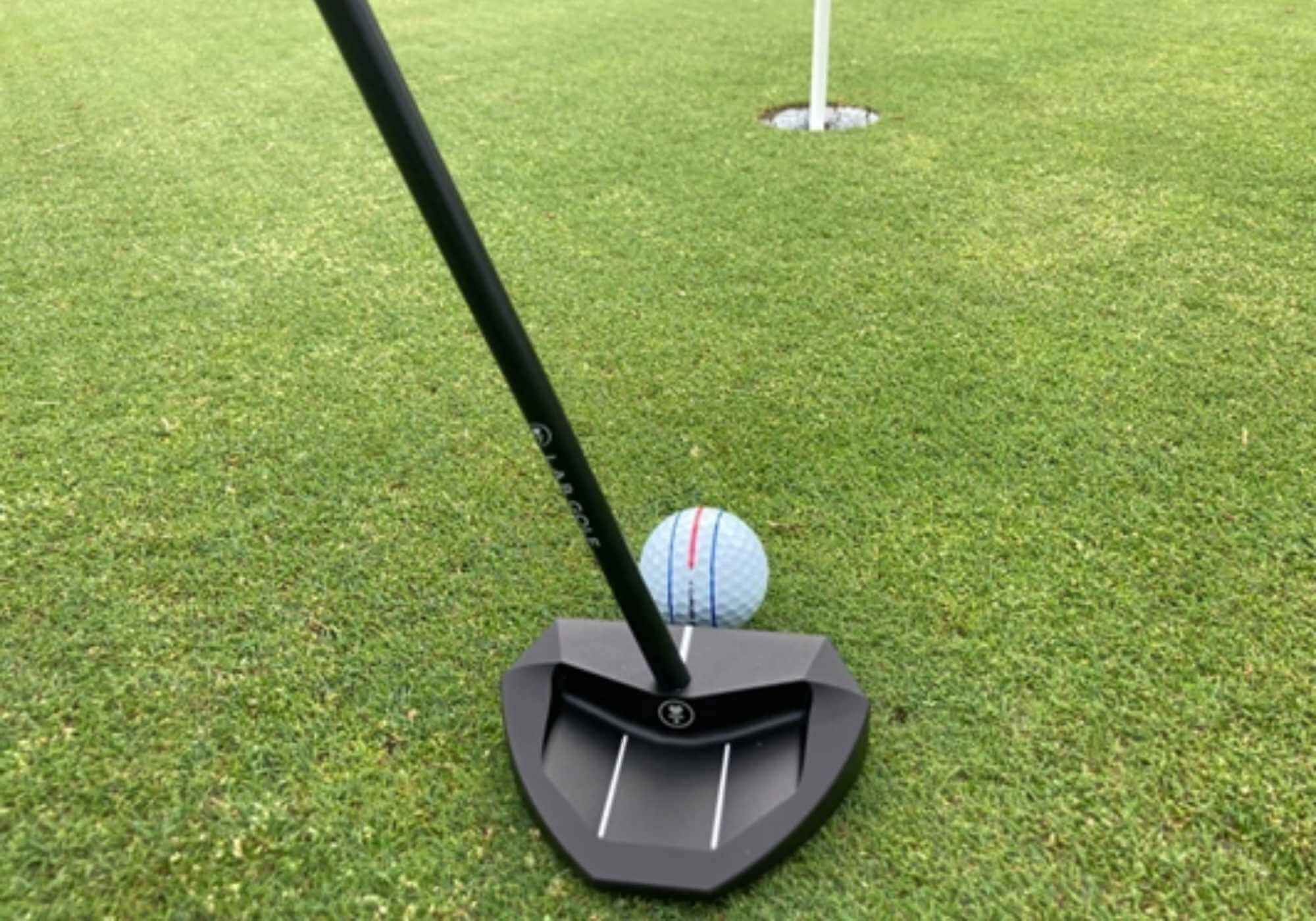
Testers were almost unanimous in describing the Oz.1 as a premium, high-quality build with exceptional aesthetics and balance.
@Wolfstrum” “The L.A.B. OZ.1 putter is a work of art. The putter looks amazing in the photos. In person it is unmatched. The OZ.1 is a sophisticated and refined blend of form and function. L.A.B. took their innovative technology advancement and re-imagined the mallet putter. The result is something beautiful.”
He listed his first impressions as:
- Firm
- Responsive
- Well-balanced
- Smooth
- Steady
- Precise
- Effortless
Tester insights: Performance and impressions
First impressions and aesthetics
@On-in-Two explained how the technology felt different from traditional putters: “Let’s talk about the tech, because LAB doesn’t do ‘standard.’ The OZ.1 is built around LAB’s Lie Angle Balance technology. In simpler terms, most putters want to twist open or closed during the stroke, which is where things go wrong for a lot of us. LAB has engineered the OZ.1 to stay ‘square’ to your path automatically. That means less manipulation by your hands and wrists, and more consistency in your stroke.”
Sound and feel
The insert created a distinct auditory and tactile feedback which some testers preferred while others leaned toward the traditional muted aluminum face.
@RickM71: “The insert is a HUGE improvement to me over the DF 2.1 and DF 3 – I think Lab got it exactly right for speed control.”
@Sirchunksalot commented: “The L.A.B. Golf OZ 1i is a beautiful putter that performed well in both PuttLab testing and on the course from a Strokes Gained standpoint. I love the amount of customization L.A.B. offers in colors, shafts and alignment aids. The components are all top-notch and the putter just oozes quality.”
Performance data

@On-in-Two: “Quantitatively, the OZ.1 has made me a better putter. My Strokes Gained putting are up. I’m holing more putts from 10–20 feet, and the lag putting has noticeably improved. I’ve been tracking performance using SAM PuttLab, Perfect Practice mat drills and on-course play—everything points to increased consistency.”
@Cfhandyman: “Overall, it resulted in a +0.2 strokes gained over the equally excellent L.A.B. DF3 and a +0.7 strokes gained compared to a zero-handicap golfer, over 20 rounds of play. It performed exceptionally well from 6-7 feet and in, dropped to about 40% at 8 feet and approximately 30% at 10 feet. Distance control is very very good. The Gears shaft is an excellent upgrade shaft and together with the pistol grip are a great combination.”
@RickM71: “I am by far the most consistent on speed for long putts compared to any other putter I’ve tried.”
@sirchunksalot: “I’m really impressed with the performance and saw the most Strokes Gained in two areas: 7-12 feet and putts over 25 feet. In both ranges I gained 0.62 strokes a round. I do believe there’s something special to the Lie Angle Balance technology of the OZ and hope over time I’ll be able to adjust to it and tell you that the putter is helping me score better.”
@Old Mill Golf: “The OZ.1 raised my performance ceiling. It helped me gain strokes in multiple rounds, improved my lag putting, and gave me a glimpse of what “effortless face control” can feel like when Lie Angle Balance is working its magic. Most precise stroke feedback I’ve ever had. Rolls start on line like they’ve been GPS-locked. Lag putting became a strength. Build quality is off the charts and customization is unmatched”
On-course performance
Several testers shared real-world gains.
@J Golfs: “Where it has shined for me on the golf course and made its largest impact is in lag putting. I am currently gaining nearly a full stroke against my target goal of a 12 handicap on putts from 40+ feet. When combining SG for putts 15′ and longer, I am gaining 1.4 strokes. That has paid dividends in my rounds over the last month as I have posted a career low 83 and multiple 9-hole rounds in the low 40s. 3 putts have decreased dramatically to the point where if I have more than two in 18 holes, I’ve had a very poor round.”
Increased confidence
@On-in-Two highlighted a mental transformation: “It became a confidence engine. I started making longer putts, saving more pars, and even altering how I approached greens. I no longer had to force an approach close to avoid a three-putt. I trusted my putter—and as a result, my course management improved.”
@cfhandyman: “The biggest transformation has come in my confidence level in knowing now that I can make those 3-7 footers routinely. I went from, ‘I think I can make this’ to ‘I definitely can make this.’”
@On-in-Two: “My coach saw technical improvements in my stroke, and my playing partners saw something else: swagger. I walked onto greens knowing I had a weapon in hand. That confidence changed my game, and it changed my scoring.”
Adjustability and customization

Customization and the many options available was a consistent theme. Options included:
- Insert versus non-insert
- Shaft lean (zero or two degrees)
- Multiple shaft choices including stock steel, Accra, Gears and TPT
- Eight colors and seven grips
- Multiple alignment aids and head weights
The choice of shaft had performance implications as well. @Cfhandyman praised the Gears shaft for its stability and feedback while others opted for the TPT for a different feel profile.
What they liked
- High-end build quality and premium materials
- Consistent and stable ball roll, particularly for short putts
- Firmer feel and faster ball speeds with the insert
- Strong customization options to fit individual preferences
- Lie Angle Balance technology simplifying stroke mechanics
- Significant Strokes Gained improvements for many
@Cfhandyman: “This is a premium, very high-quality and very well-built putter. Essentially, it’s a hand-built, hand-balanced putter with great balance, weight and feel. It sits beautifully and feels very smooth. Face control as measured by Quintic was elite and seen on course is excellent. As a result, putts track on their intended line. For this reason, short putts (0 to 6 feet) are now almost routine.”
@On-in-Two: “As one of my playing partners jokingly (but also seriously) said during a round, ‘If you put any other putter in the bag, I’ll stab you with it.’ That comment perfectly captures how obvious the improvement in my putting has been with the OZ.1—and how much my playing partners are rooting for me to stick with it. This one stays in the bag.”
What they didn’t like
- High price, particularly with shaft upgrades (up to $700 or more)
- Learning curve to adjust to the zero-torque design
- Insert feel may not suit all preferences
- Performance gains require proper fit and possible stroke adjustments
@Old Mill Golf described the challenges:
“But it also exposed every flaw I’ve been hiding, especially inside 10 feet. My stroke tendencies (closed face, left path, too handsy) were magnified, not masked. The feel is phenomenal. The ball starts online, the roll looks pure, and the Press Pistol grip gives me a natural forward shaft lean without manipulating my hands. It’s doing what it’s designed to do. But the results haven’t caught up. I don’t feel like I’m fighting the putter, but I’m not scoring with it either.”
Final verdict
The L.A.B. Oz.1 and Oz.1i are high-precision putters engineered to deliver measurable improvements in face stability, distance control and confidence for golfers willing and able to embrace their design. The L.A.B. difference and technology are real. The performance differences are real. The learning curve is real. But will it make you a better putter? They are not quick-fix putters or a magic bullet. While they can offer significant advantages, they don’t eliminate the need for proper reading of greens, speed control or a fundamentally sound putting stroke.
Recommendation
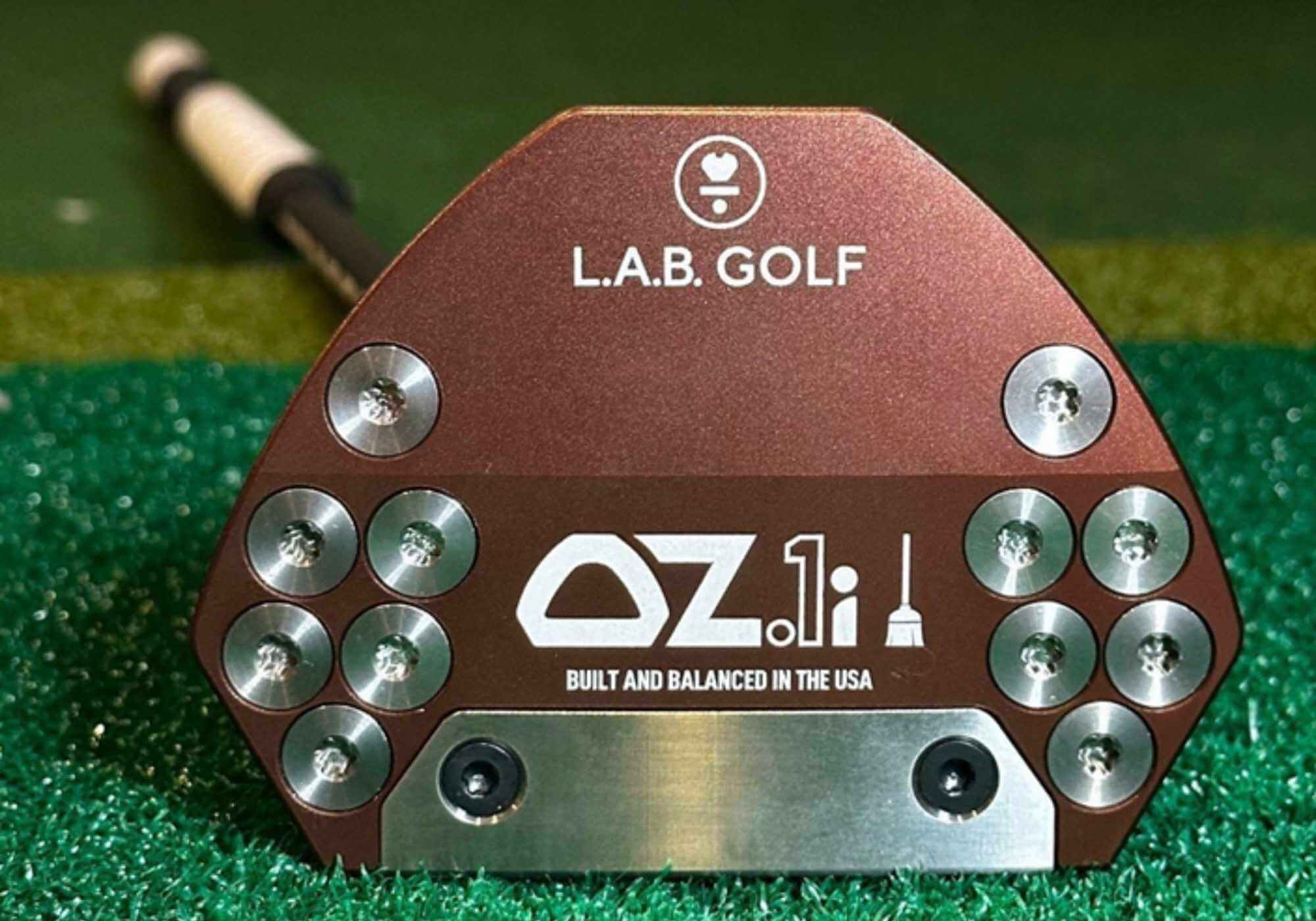
Golfers seeking a firmer faster feel will prefer the Oz.1i insert version. Traditionalists or those who prefer a muted and softer feel may opt for the non-insert model. Either way, fitting is crucial to maximize benefits and a commitment to learning the putter’s torque-free mechanics will pay dividends.
FAQ
Is the insert version better?
Testers who wanted firmer feel and faster ball speeds found the insert advantageous. It comes down to personal preference.
Does it improve putting?
Most testers saw real Strokes Gained improvements, especially from long range and inside 10 feet. While they can offer significant advantages, they don’t eliminate the need for proper reading of greens, speed control or a fundamentally sound putting stroke.
Who will benefit from it?
Best suited for relatively straight/back, straight/through strokes. For those who value performance and have the budget.
Who will struggle with it?
Golfers with heavy arc strokes or used to manipulating their hands may find adapting challenging.
What is the best shaft option?
Each shaft offers different feel and stability. Accra offers the softest feel: very smooth and responsive and is the best value choice. TPT is stiffest in terms of feel, offering elite face control and performance. It provides clear and immediate feedback but is the most expensive. The Gears feel is stiffer than Accra but less than TPT; similar to steel in feel but very stable with excellent face control and good feedback.
Does it replace the DF3?
It’s a different feel and shape. Performance of both is excellent but comparable. Some testers saw incremental gains over the DF3 while others preferred the DF3’s feel. The DF3 is larger and slightly more forgiving, a touch easier to set up and align. The Oz is sleeker and aesthetically beautiful. With the insert, it gives it a definitely firmer and crisper feel off the face with a very slight increase in ball speed: higher pitched, almost a “click” versus the soft muted feel and much quieter DF3.
The post Forum Member Review: L.A.B. OZ.1 and OZ.1i: Part One appeared first on MyGolfSpy.
