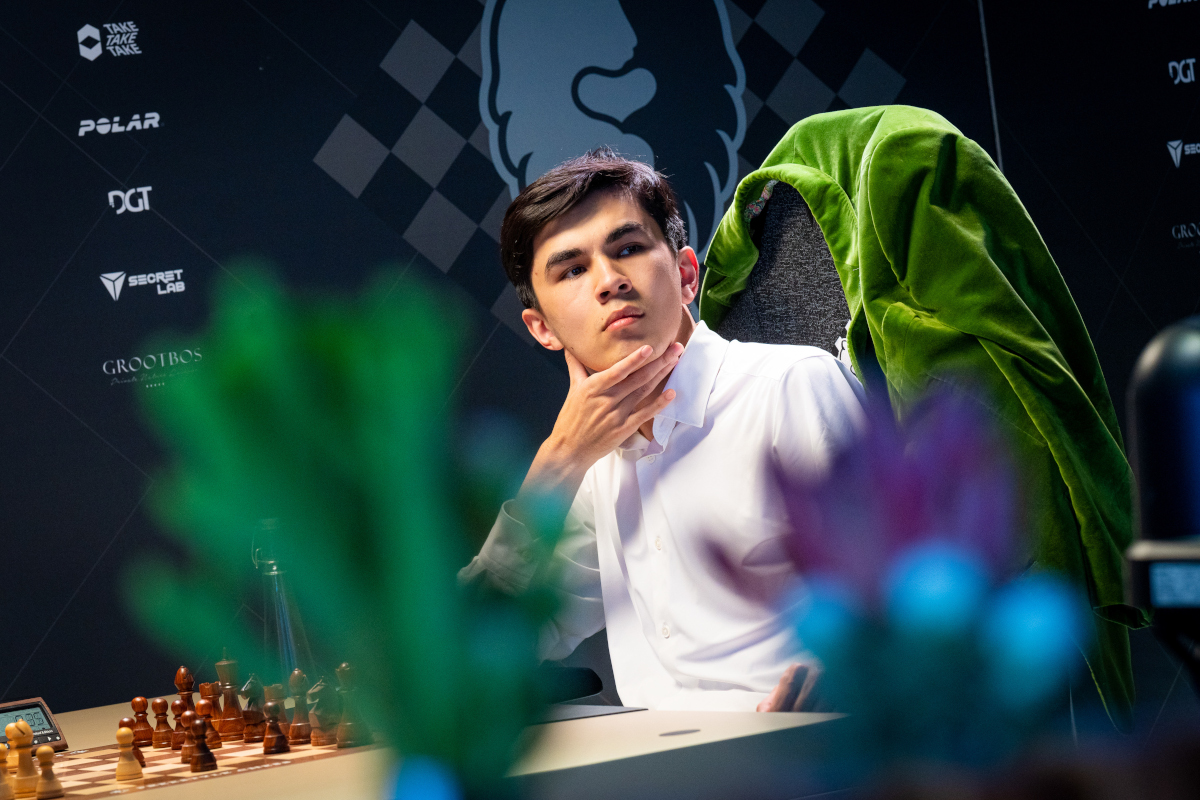
Sindarov beats Carlsen and Caruana
The Finals of the Freestyle Chess Grand Slam began on Monday in Cape Town, South Africa, marking the start of a four-day programme to determine the 2025 Freestyle Champion. The opening stage consisted of a single round-robin tournament with a 10+5 time control.
Although no players were eliminated, the results were of clear importance: they decide the quarterfinal pairings, with the top three finishers earning the right to select their opponents for Tuesday’s knockout round. The knockout phase itself will feature two-game matches played at a slower 30+15 time control.
The Ragozin Defence (1.d4 Nf6 2.c4 e6 3.Nf3 d5 4.Nc3 Bb4) has become a cornerstone of modern chess theory. With 3.Nf3 gaining popularity as a way to avoid Nimzo-Indian setups and the challenges Black faces in the Queen’s Indian, the Ragozin offers a solid and dynamic alternative.
Free video sample: Introduction
Free video sample: 5.cxd5 exd5 6.Bf4
Each of the seven rounds was played from a different Freestyle Chess (also known as chess960 or Fischer Random) starting position. The eight participants qualified for the Finals by accumulating points across the four previous Tour events held in Weissenhaus, Paris, Karlsruhe and Las Vegas. Of the players who finished in the top eight of the overall standings, only Hikaru Nakamura is absent, as he is expecting the birth of his first child. His place in the Finals has been taken by Javokhir Sindarov, fresh from his victory at the FIDE World Cup.
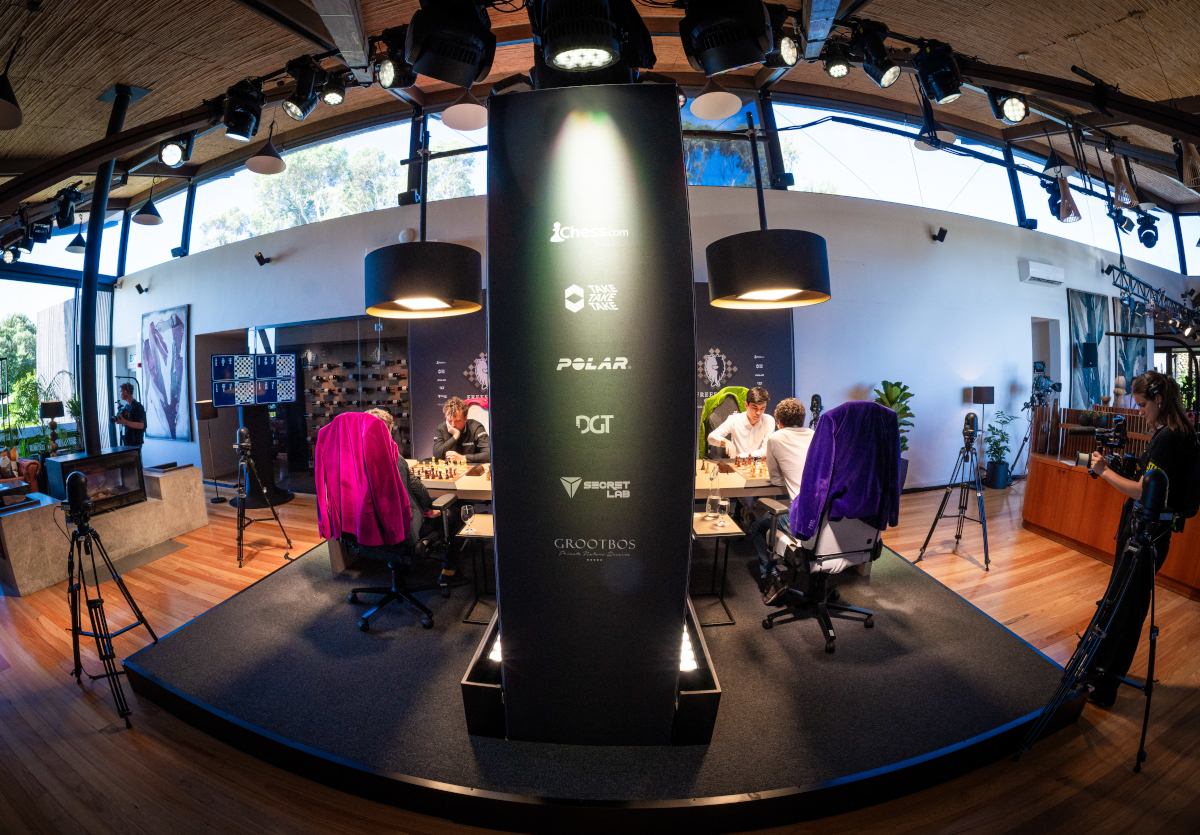
A great-looking playing hall has been set up for the Finals of the Grand Slam | Photo: Freestyle Chess / Lennart Ootes
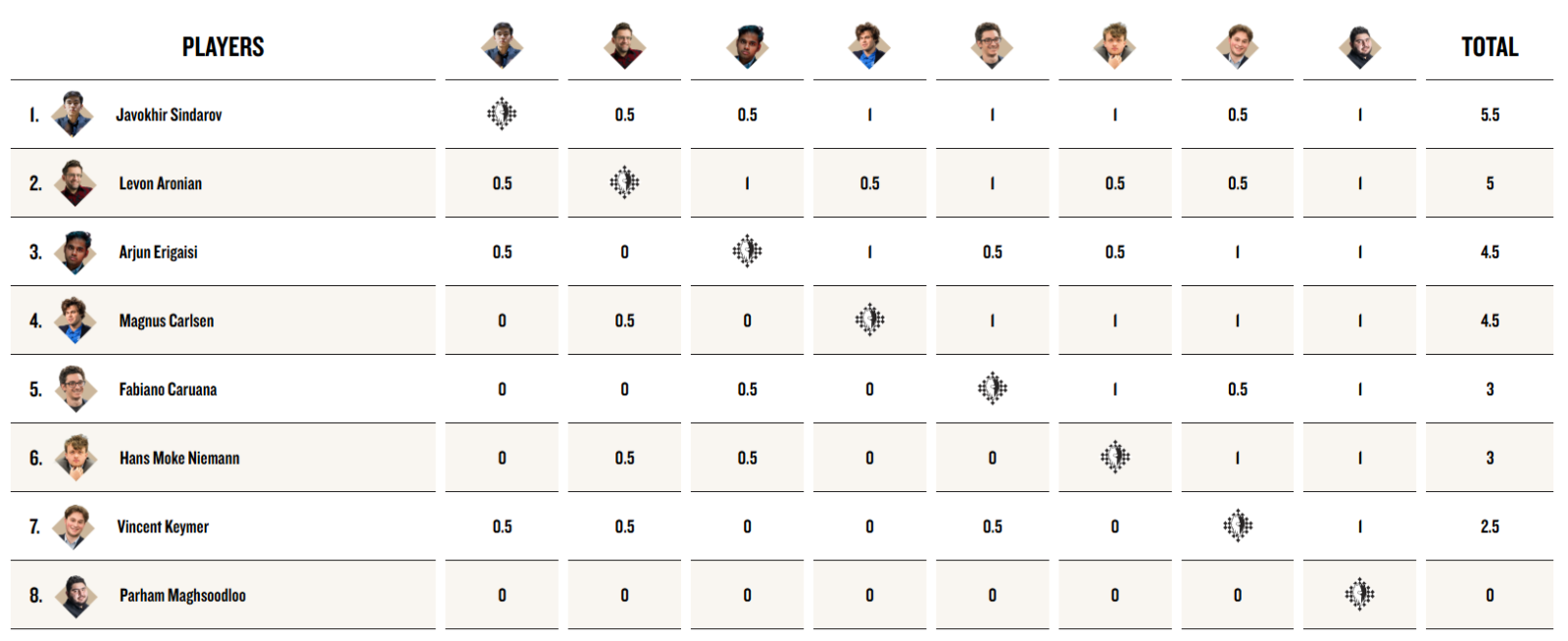
Sindarov made the most of his late inclusion. On the day he turned 20, the Uzbek ace produced an outstanding performance, finishing clear first with 5½/7 points. He scored wins over Magnus Carlsen, Parham Maghsoodloo, Fabiano Caruana and Hans Niemann, drawing his remaining three games. Levon Aronian claimed second place with 5/7, becoming the only other undefeated player in the field. Carlsen and Arjun Erigaisi shared third place on 4½/7.
The remaining four players all ended with minus scores. While Caruana, Niemann and Vincent Keymer might not be happy after finishing in the lower half of the table, Parham Maghsoodloo surely had the most difficult day, losing all seven of his games. Given these results, it appears likely that Sindarov will opt to face the Iranian grandmaster in the quarterfinals, though the official pairings have not yet been published.
Final standings – Round robin stage
(Click on the image to enlarge)
In this insightful video course, Grandmaster David Navara shares practical advice on when to calculate deeply in a position — and just as importantly, when not to.
Free sample video: Introduction
Free sample video: Invisible moves
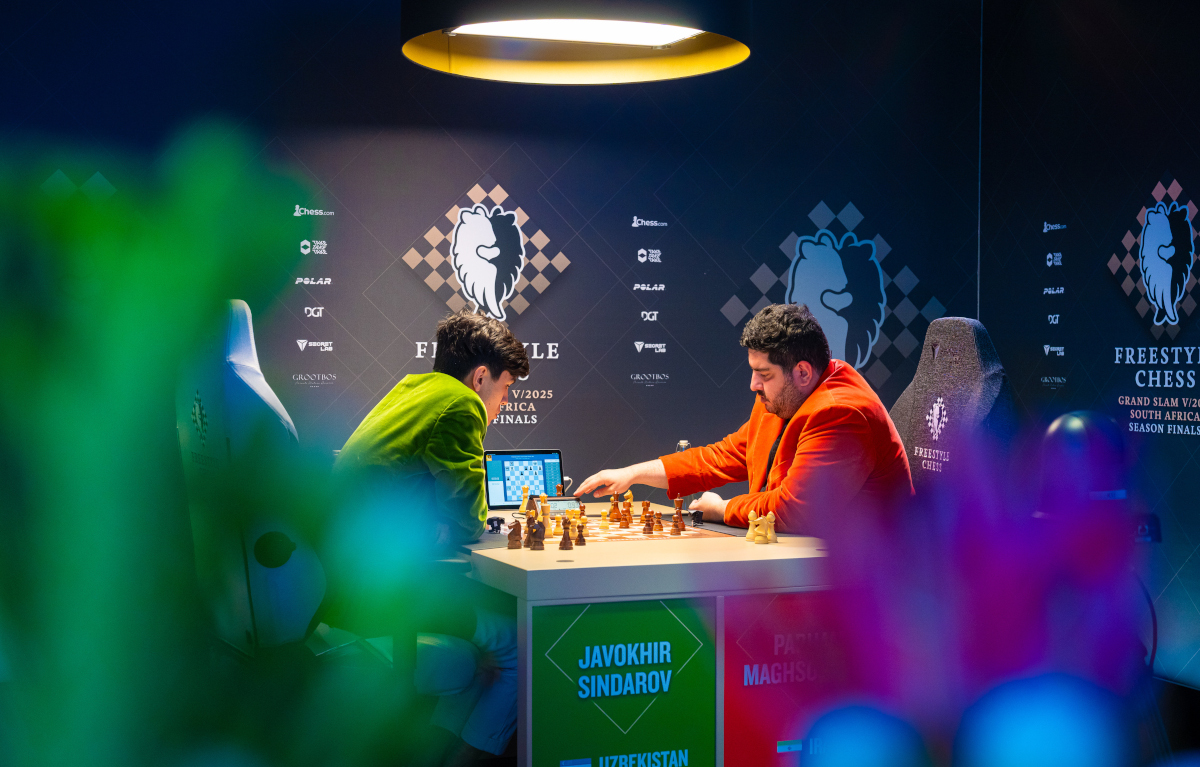
Javokhir Sindarov and Parham Maghsoodloo had very different experiences on the first day of action in Cape Town | Photo: Freestyle Chess / Lennart Ootes
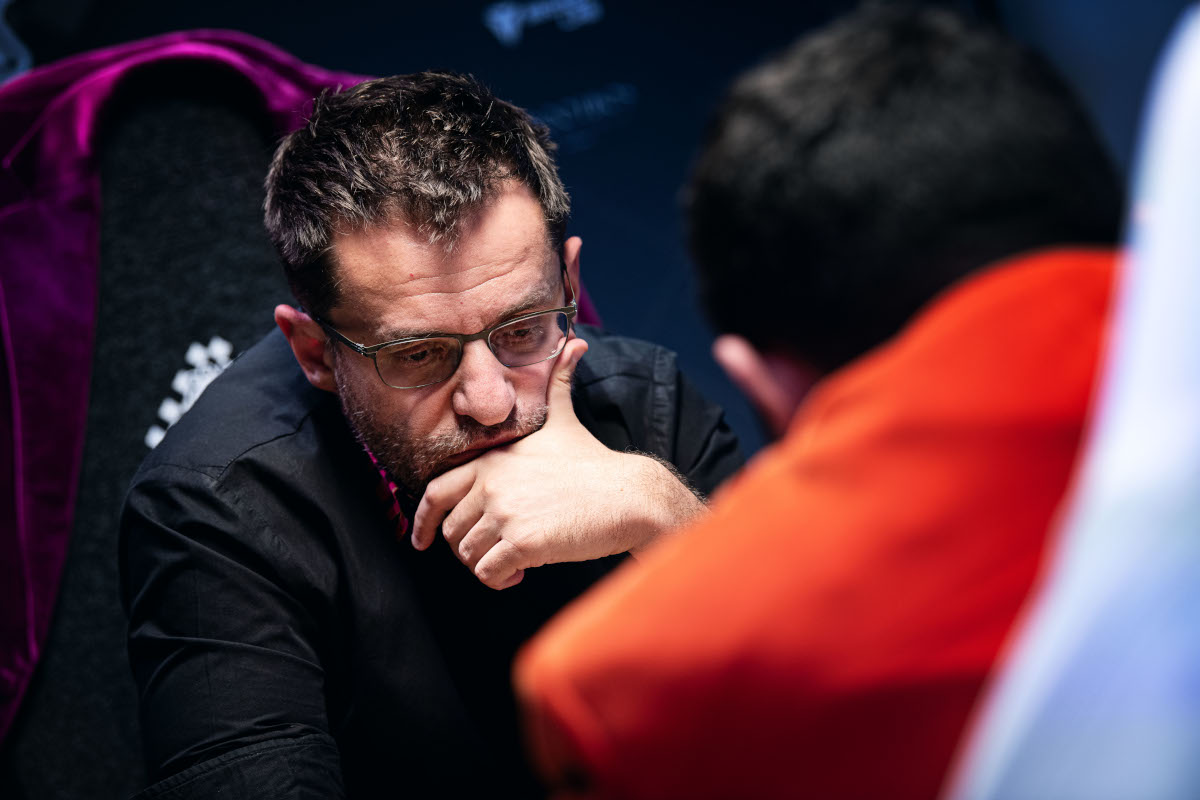
Levon Aronian finished second in the round-robin | Photo: Freestyle Chess / Stev Bonhage
Sindarov 1-0 Carlsen
Max Euwe became the fifth World Chess Champion after beating Alexander Alekhine in the 1935 World Championship match. A maths teacher by profession, Euwe remained an amateur throughout his life, but was still the best chess player in the Netherlands, and one of the world’s best players. Euwe holds the record for the most Dutch national championships, with twelve. After winning the World Championship, Euwe was also the world’s best player for a while. He lost the title again in 1937 in the rematch against Alexander Alekhine.
Free video sample: Openings
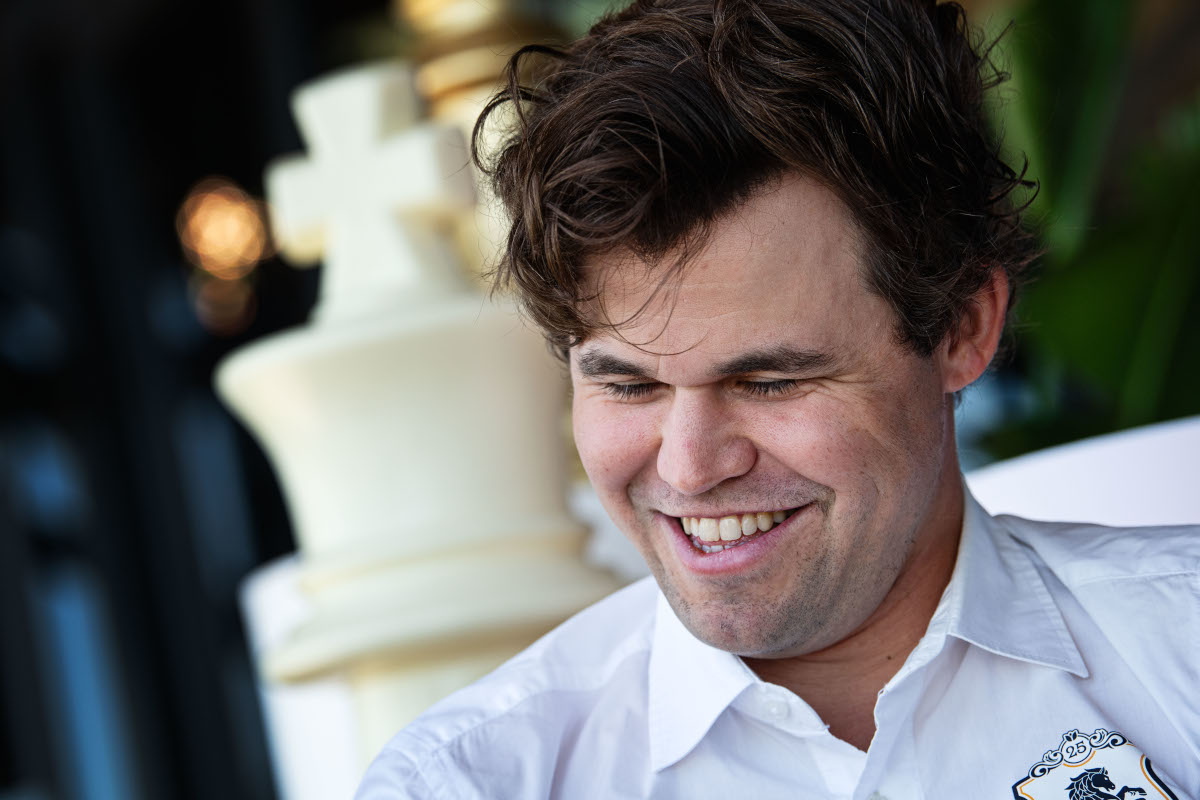
Magnus Carlsen, the perennial favourite and a big promoter of Freestyle Chess | Photo: Freestyle Chess / Stev Bonhage
Erigaisi 1-0 Carlsen
Annotations by GM Karsten Müller
Picture this: you’ve outplayed your opponent move by move, you’re clearly better – and then the endgame slips into a draw, simply because you lacked the crucial theoretical knowledge. That is exactly where this course comes in. Without solid endgame skills, there’s no way forward. Rook endgames are most essential: they occur more often than any other type of endgame, and often make the difference between victory and half a point. If you master them, you’ll confidently convert your advantages into wins!
Free video sample: Introduction
Free video sample: Bodycheck
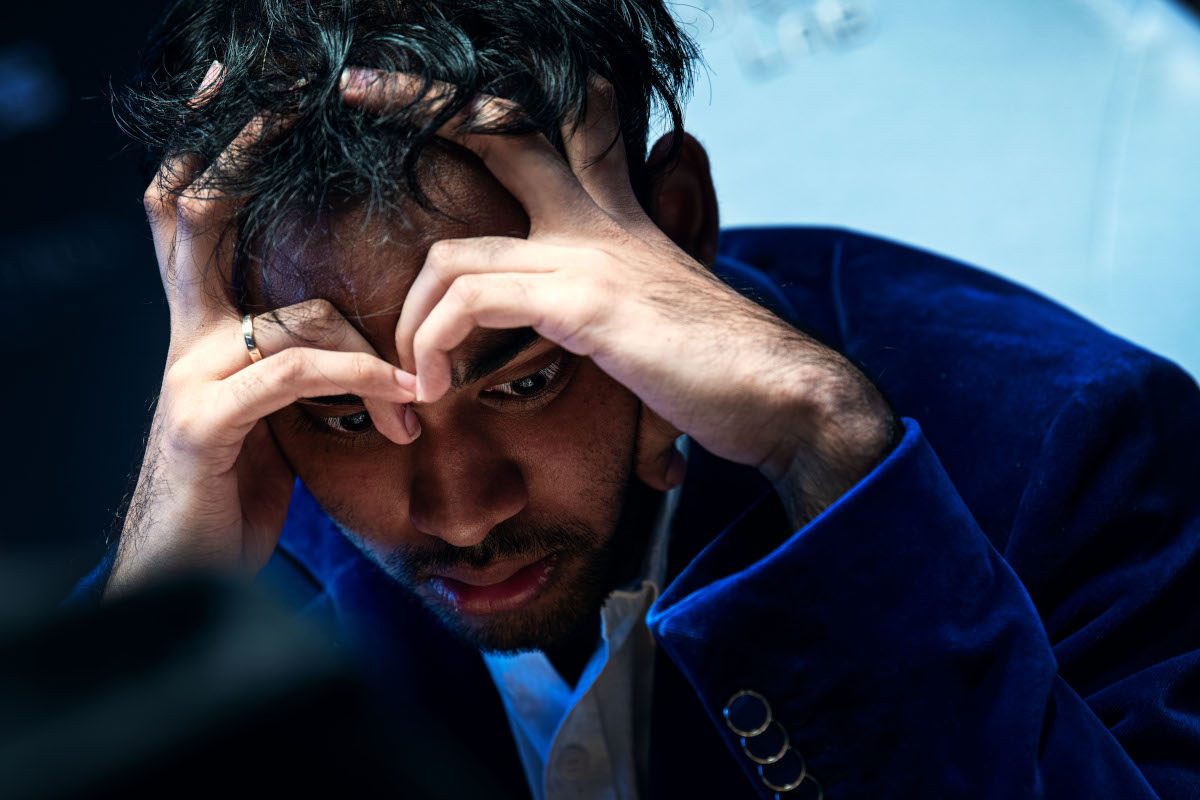
Arjun Erigaisi | Photo: Freestyle Chess / Stev Bonhage
All games
EXPAND YOUR CHESS HORIZONS
Data, plans, practice – the new Opening Report In ChessBase there are always attempts to show the typical plans of an opening variation. In the age of engines, chess is much more concrete than previously thought. But amateurs in particular love openings with clear plans, see the London System. In ChessBase ’26, three functions deal with the display of plans. The new opening report examines which piece moves or pawn advances are significant for each important variation. In the reference search you can now see on the board where the pieces usually go. If you start the new Monte Carlo analysis, the board also shows the most common figure paths.
