Adding swing speed should make golf easier. More ball speed, more carry, more distance. But driver performance does not scale evenly as speed increases. A head that launches the ball easily and keeps spin manageable at moderate speed can behave very differently once ball speed climbs into the high-speed range.
Using data from our 2025 driver test and the high swing speed test, a pattern starts to show up. Some drivers hold onto spin or produce excessive height instead of letting launch and spin settle into a more efficient window. When that happens, added speed does not turn into added distance.
These drivers are not bad but if your speed has gone up recently, they may be working against you.
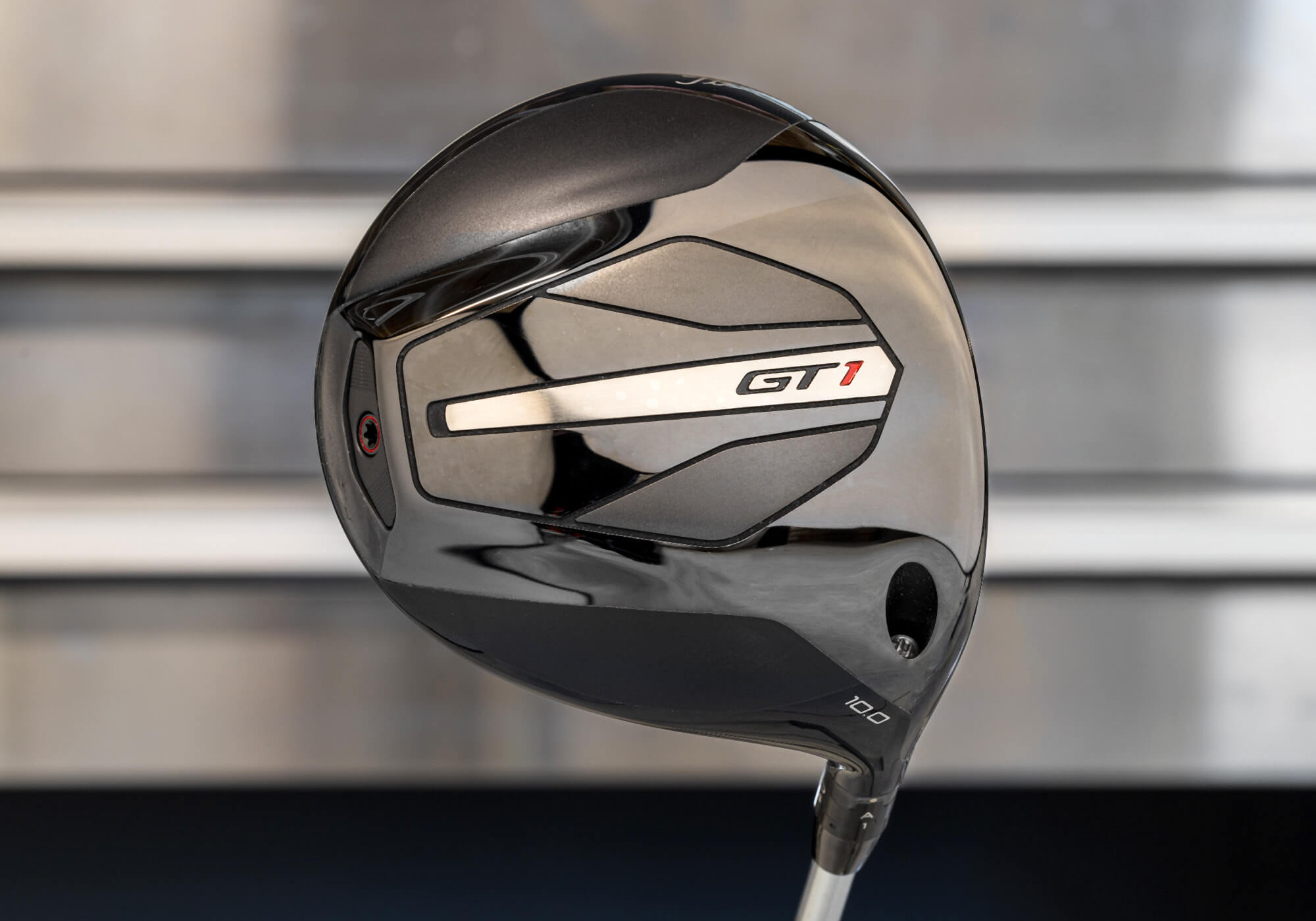
Titleist GT1
The GT1 is built to help golfers launch the ball higher with more stability, which shows up clearly in the main test with elevated launch and spin. At high swing speeds, spin climbs above 3,000 rpm and peak height jumps, even as launch drops. That combination produces a towering flight that costs higher swing speeds carry compared to more neutral or lower-spin GT models.
What to try instead: Titleist GT2 or GT3
Srixon ZXi Max
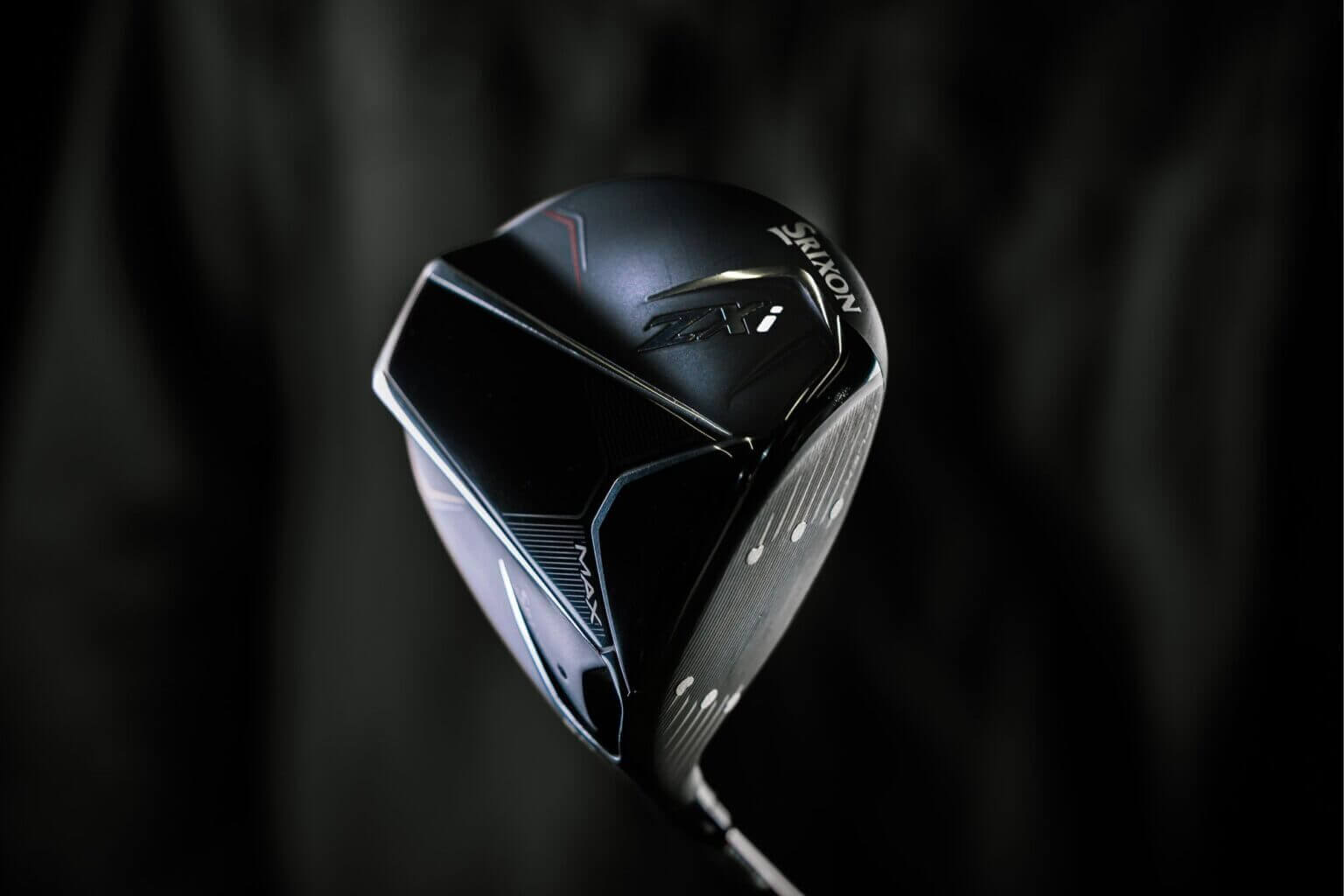
The ZXi Max delivers forgiveness and consistency at moderate speeds but its spin profile does not compress as speed increases. In the high swing speed test, launch drops as expected while spin stays near 3,000 rpm, leading to a flatter but floaty flight. The result is carry that lags behind faster, more spin-controlled heads.
What to try instead: Srixon ZXi LS
PING G440 SFT
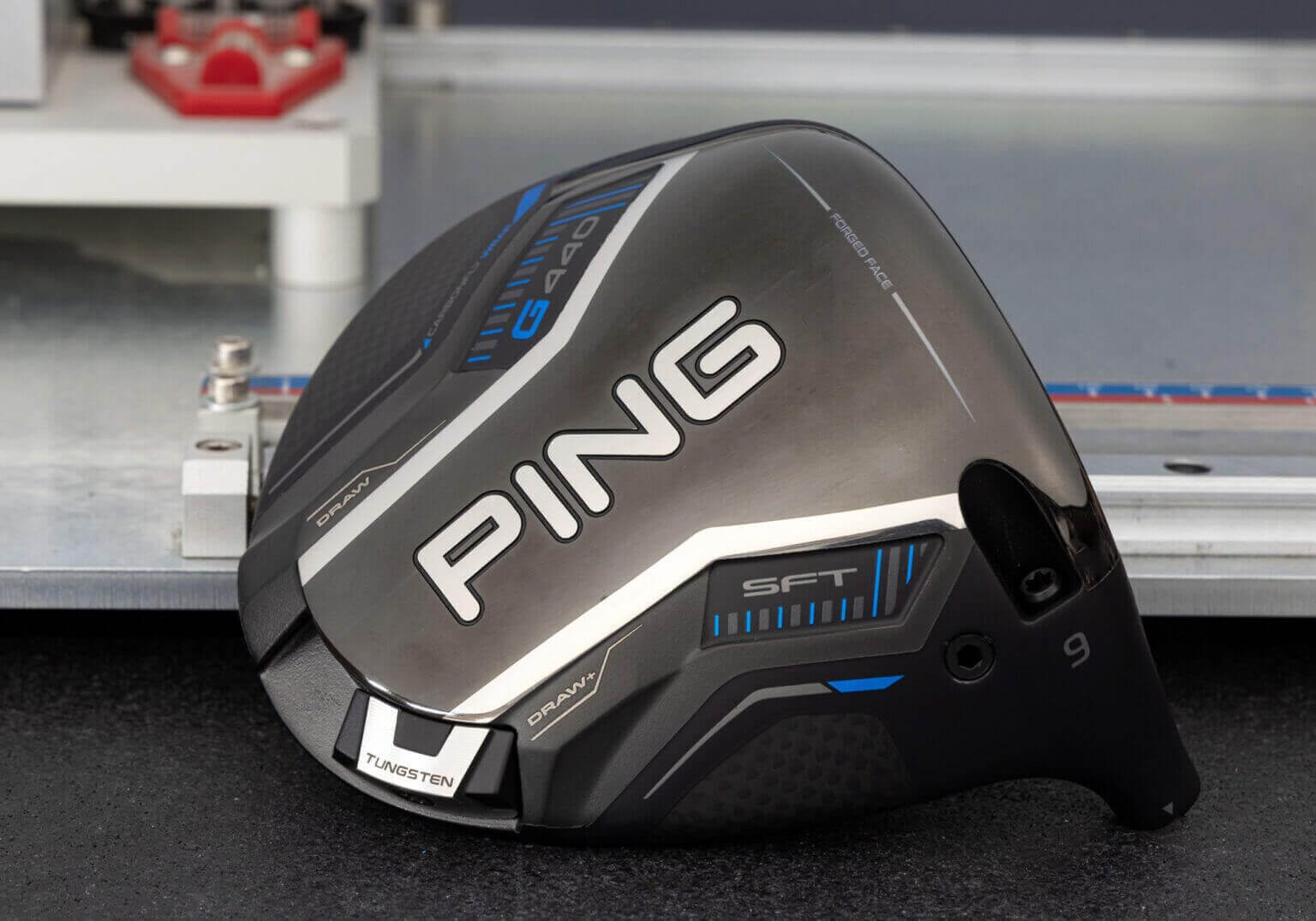
The G440 SFT is designed to help players who fight a fade or slice and that built-in correction comes with higher spin. At higher speeds, spin remains elevated and peak height increases past 40 yards, limiting rollout and overall efficiency. For golfers who no longer need help turning the ball over, the spin from this head becomes excessive.
What to try instead: PING G440 LST
Callaway Elyte
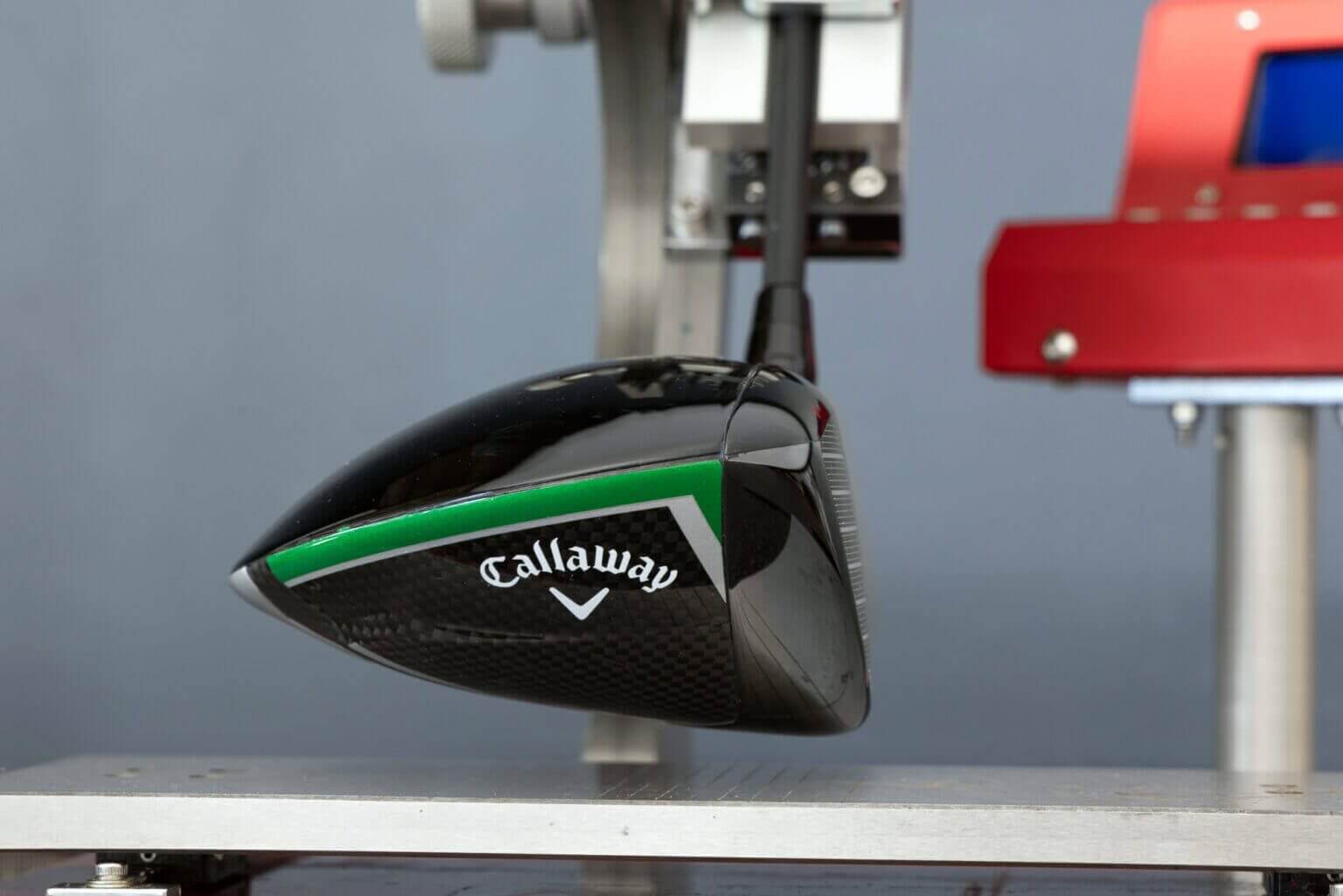
The standard Elyte produces a playable launch and spin window in the main test. In fact, it was one of the better drivers in 2025. However, high-speed data shows spin rising instead of stabilizing. Peak height climbs and carry does not scale as well as other Elyte variants when ball speed increases.
What to try instead: Callaway Elyte Triple Diamond
Final thoughts
When swing speed increases, launch and spin tolerance narrows. Drivers that once helped get the ball airborne can start producing too much height or too much spin. This will make it harder for you to get distance you should be getting with your extra speed.
If you feel like you’re not getting the distance you should be, check out the results of our 2025 driver testing:
The post Gaining Speed? These Four Drivers From 2025 May Be Working Against You appeared first on MyGolfSpy.
