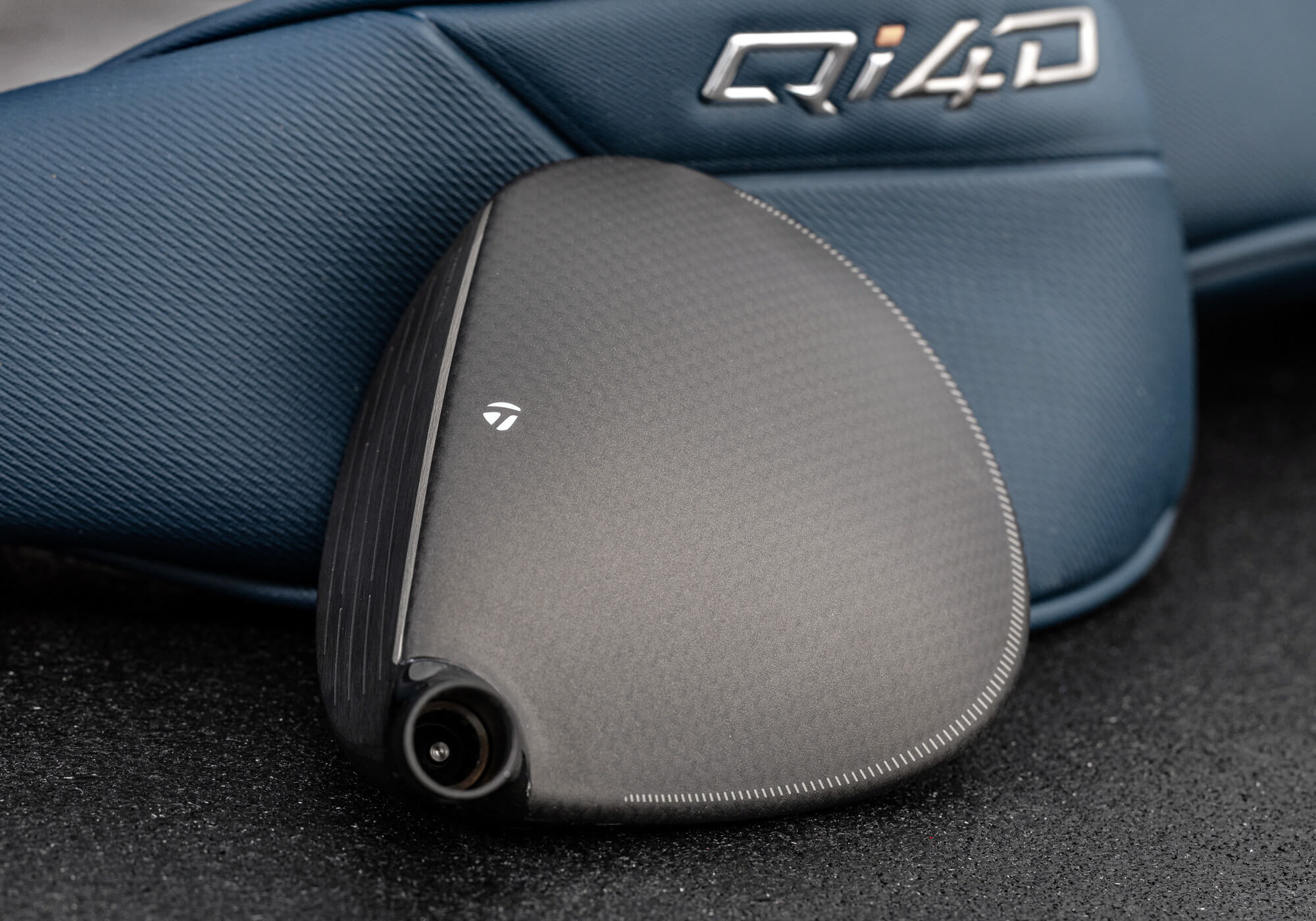
Over the last 10-plus years, TaylorMade’s fairway woods have been the most-played on the PGA Tour and with the launch of the new Qi4D fairways and hybrids, I’d be shocked if 2026 doesn’t yield similar results.
I point this out for two reasons. Well, actually two and a half.
First, this doesn’t happen unless you make a damn fine fairway wood. And, second, as we’ve seen less direct investment from brands “buying” equipment counts, you reach this level of dominance only when players who aren’t paid to play your gear trust it enough to put it in their bag.
The “half” reason is that sometimes what makes a piece of equipment attractive to tour players also benefits competitive amateurs and recreational golfers.
So, the design imperative becomes “make it better, but don’t change anything.” In practice, this becomes “maintain everything that golfers want and change only what they can’t see or explicitly request.”
Qi4D Fairways – What’s the competitive advantage?
TaylorMade’s proven recipe of size, shape and performance hinges primarily on the competitive advantage of its proprietary Speed Pocket technology.
Yes, many of you are already muttering, “Don’t other brands have basically the same thing?”
Similar? Sure. But not exactly the same.
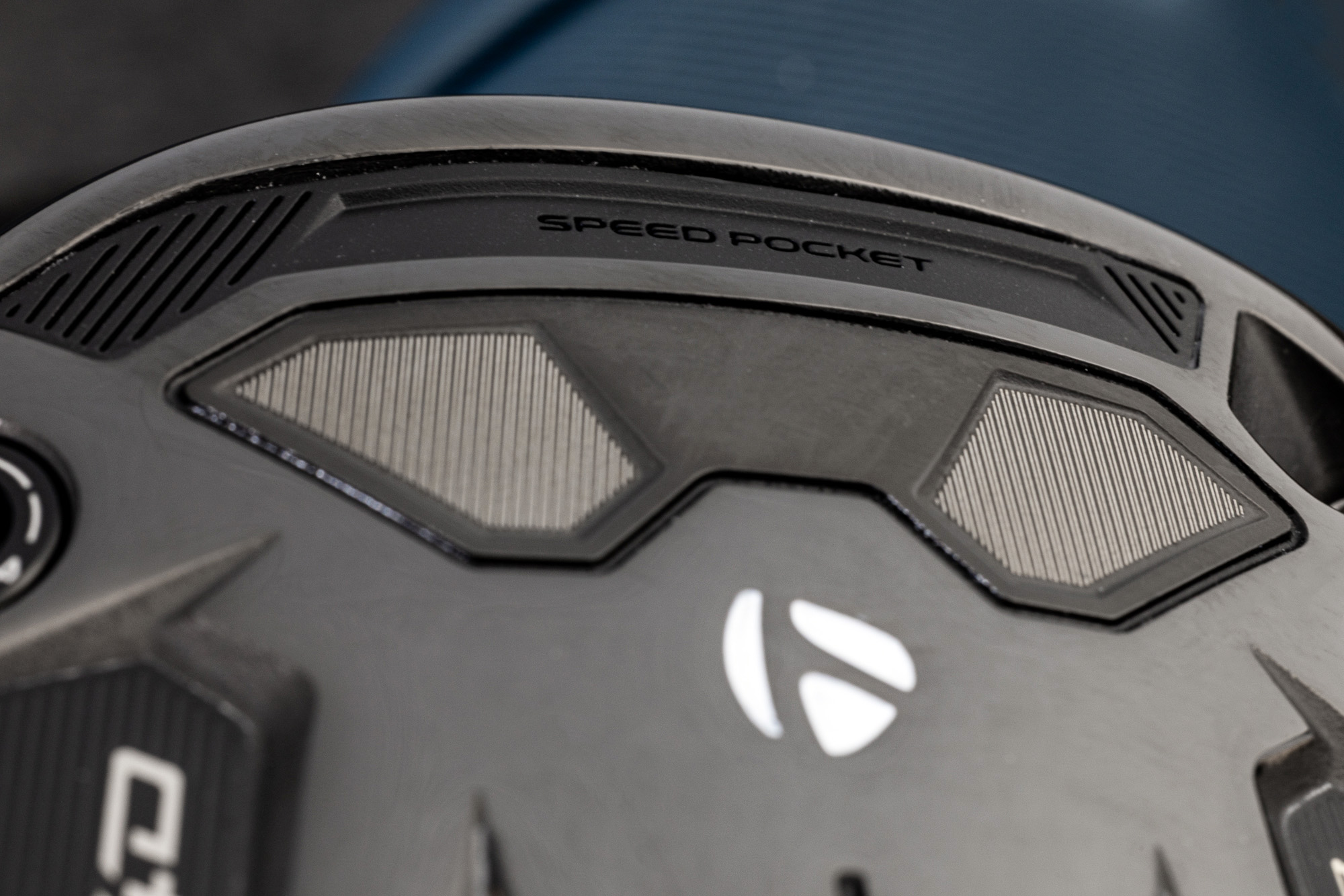
The basic principle of any “face-slot” technology is to impact how the sole and face behave, particularly on off-center and low-face hits. No one is looking to give up center-face performance but that’s not really where the battle is won with fairway woods (and, to a lesser degree, hybrids).
Chiefly, what TaylorMade’s Speed Pocket allows for is to make a fairway wood with a deeper face that performs similarly to one with a shallow face. Generally speaking, a deeper face is advantageous for tee shots and a shallower face is preferable for shots off tighter lies and from the fairway. TaylorMade contends that, absent its IP-protected slot-face tech, competitor products are likely better suited for one condition more than another.
With Qi4D, it’s a “have your cake and eat it, too” scenario where there’s plenty of versatility without any obvious compromise.
Qi4D Fairways – Three models
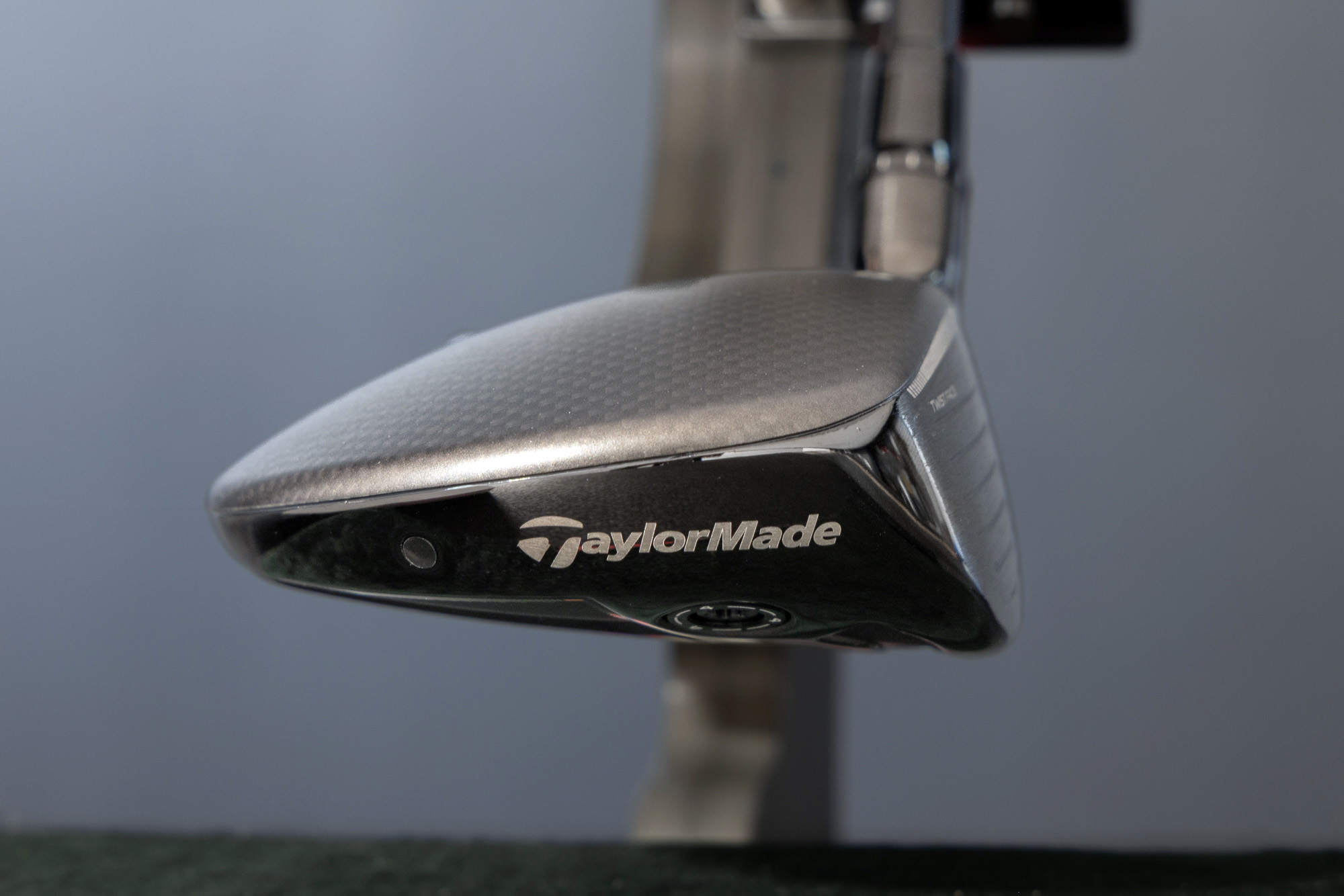
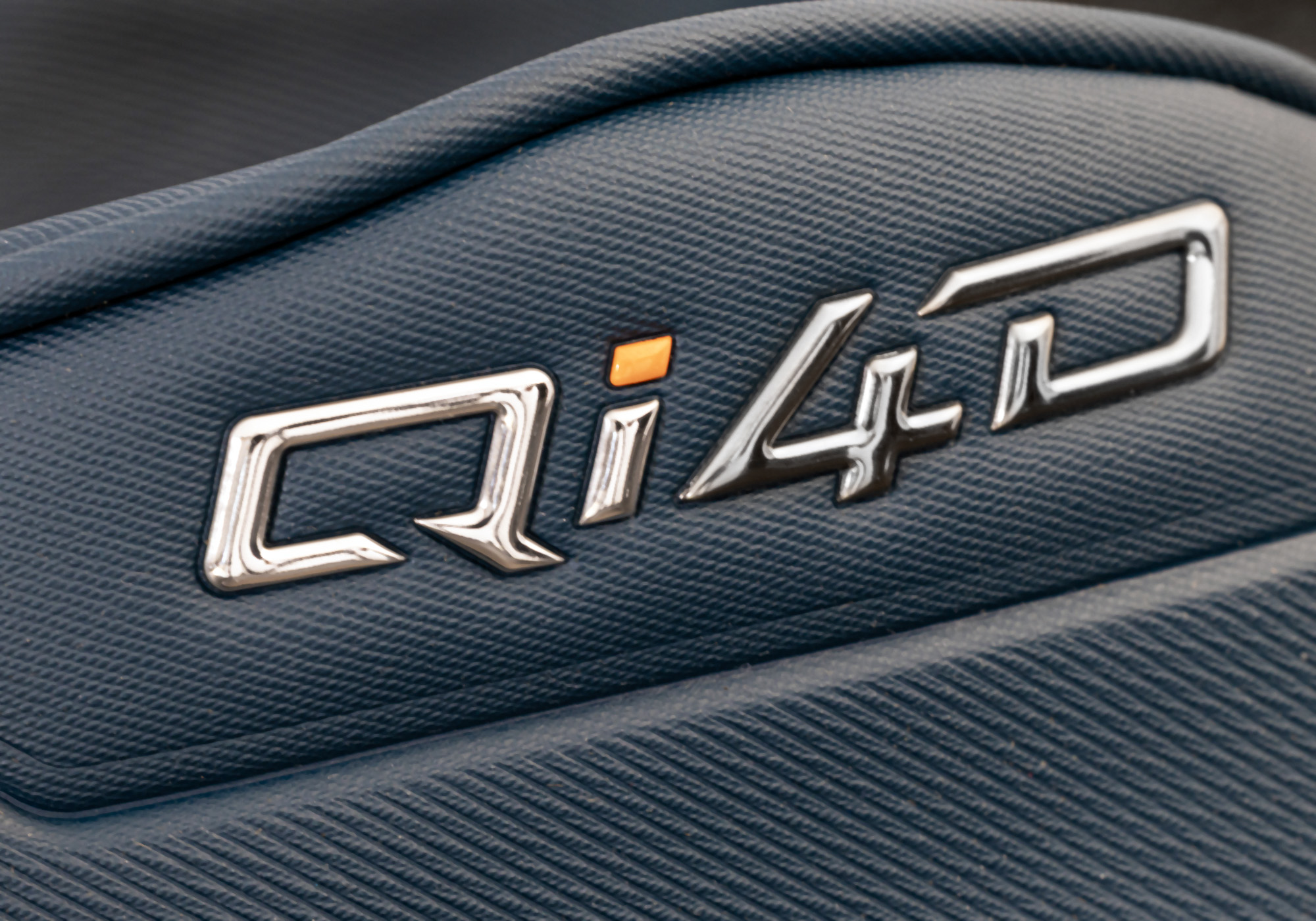
Two of the three Qi4D fairway models (Core and Max) work off a similar construction, leveraging a lightweight carbon crown, stainless-steel body and C300 face with inverted-cone topology.
The titanium-faced Qi4D Tour is built for maximum adjustability with a lower CG projection (higher launch). All models hold over the infinity crown with many of the SKUs featuring the adjustable (+/- 2°) loft sleeve. Why every company doesn’t offer some level loft/lie adjustability in at least every standard or core model SKU baffles me. Then again, if you’re looking to cut costs, going with a bonded hosel is a reasonable place to save a few bucks.
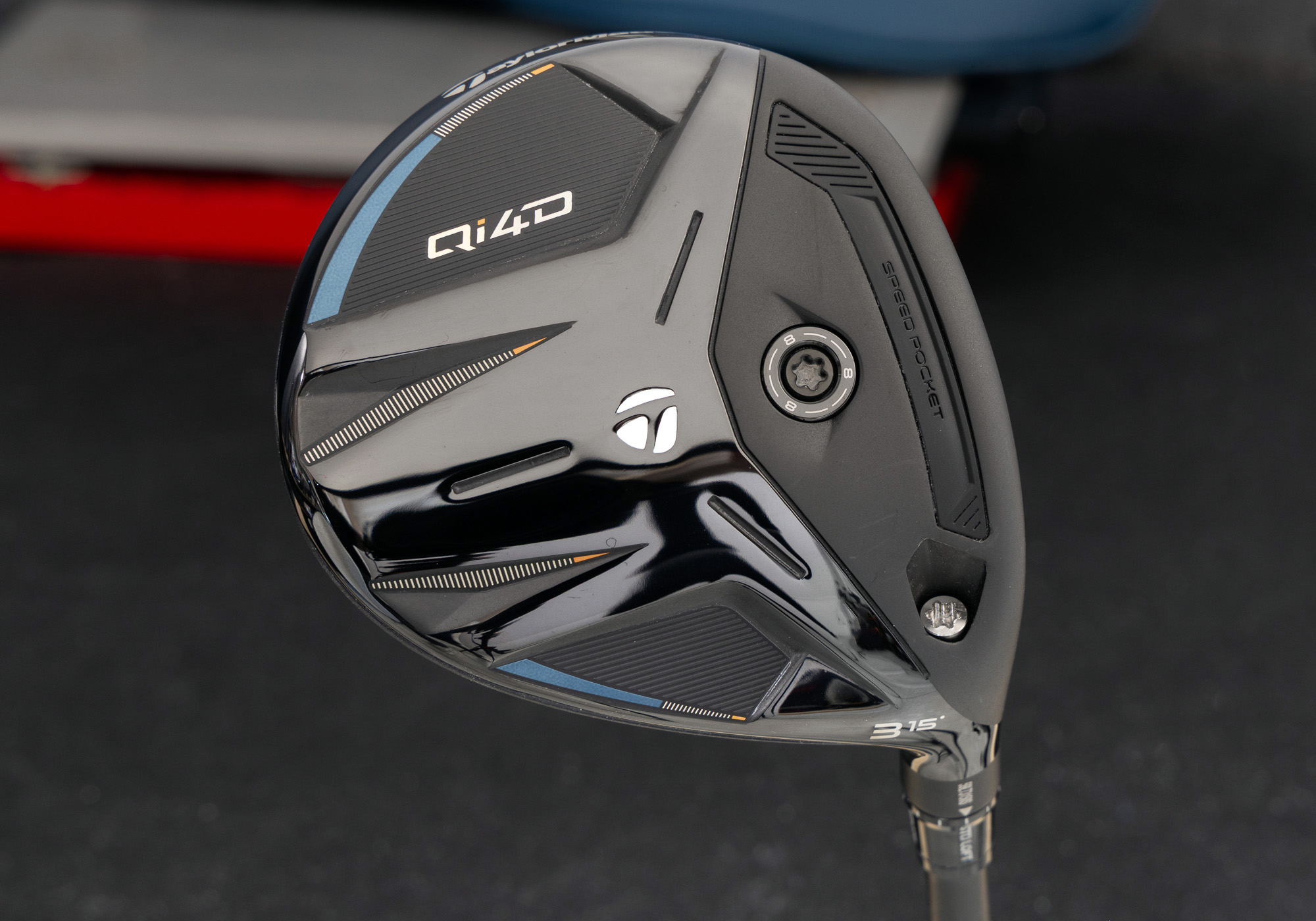
At 185cc, the Qi4D core model offers a moderate footprint and, again, given its popularity, the theme of this version is subtle refinements. If you look closely, you might notice more tucked heel and toe protrusions. Now that I have you considering protrusions, I’ll also note that the face sits a bit more open at address and the standard lie angle is 1.2 degrees flatter than the Qi35 core model.
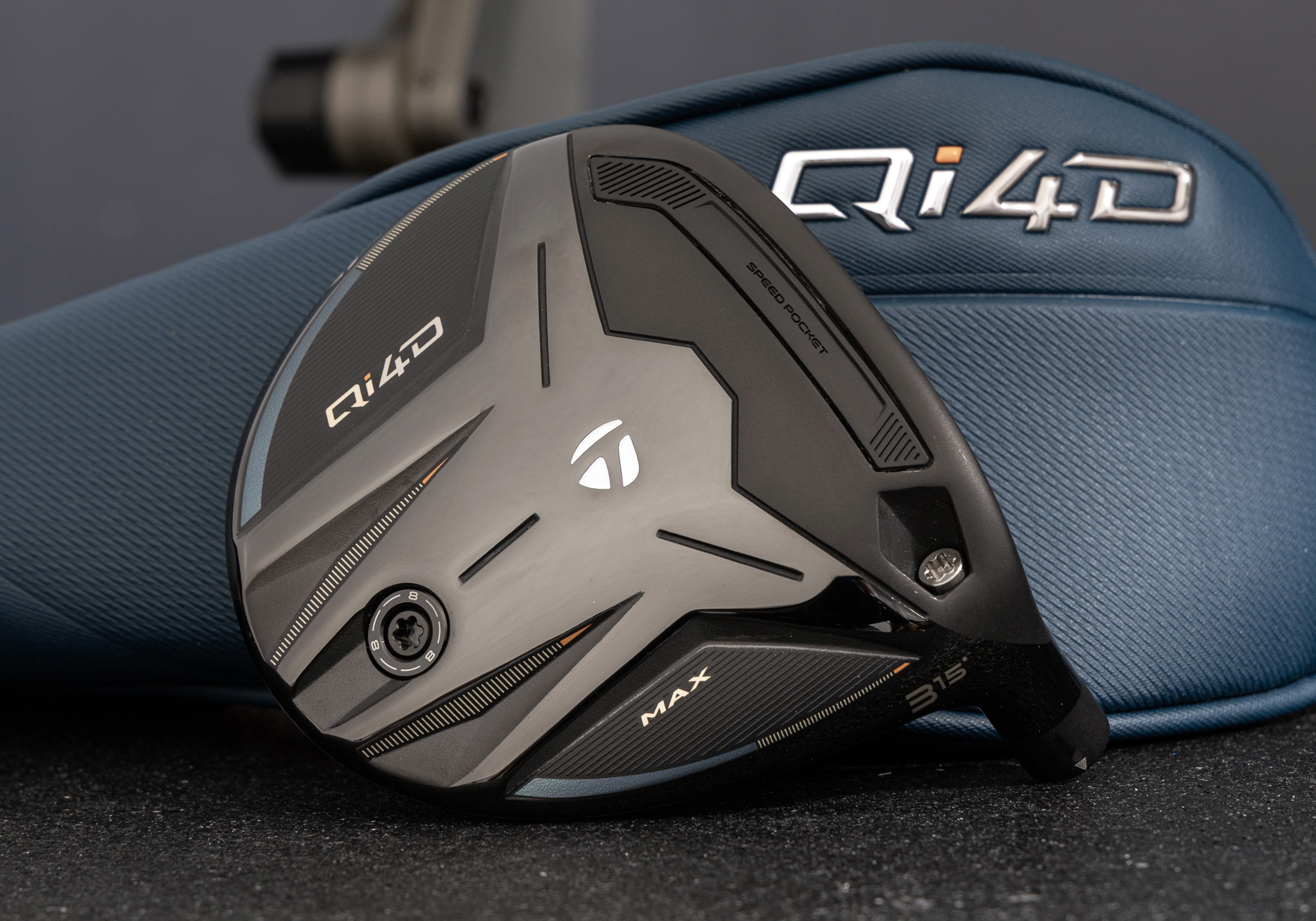
Both the Qi4D MAX and MAX Lite are all-in on maximum forgiveness and high launch. The larger 200cc footprint allows for more mass around the perimeter which is good for boosting MOI and stability on off-center strikes. The MAX Lite version is, as the name suggests, a less weighty version of the Qi4D MAX. Simply, the MAX Lite uses lighter components (head, shaft, grip) to reduce weight to help maximize clubhead speed.
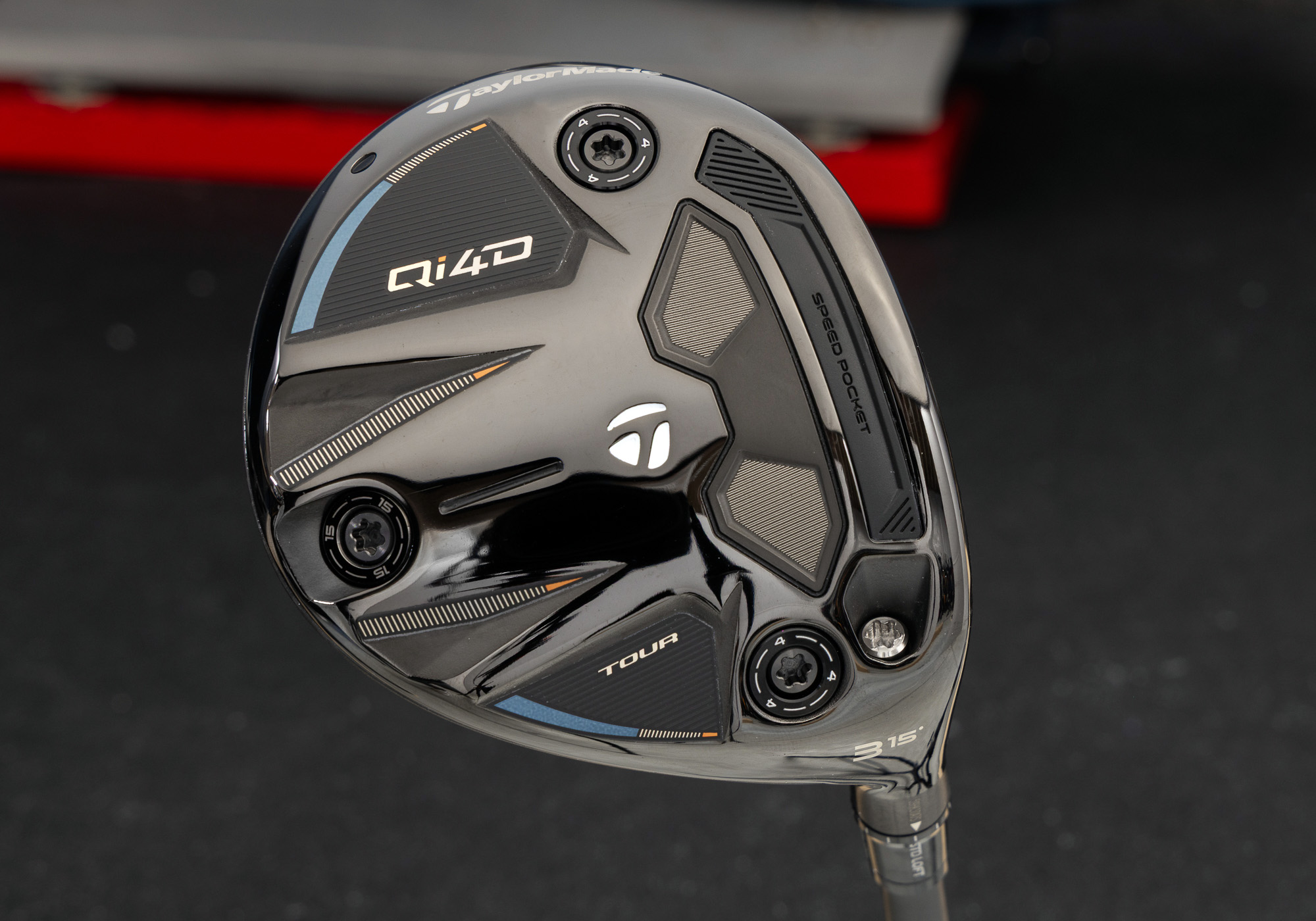
Compared to Qi35, the Tour model (175cc) has seen the most significant design improvements. The large sliding sole weight (aka “the garage) is gone in favor of 65 grams of concentrated tungsten that sits directly behind the titanium face.
Why, you might ask? Well, the lightweight carbon crown and titanium face free up a massive amount of discretionary weight. In the Stealth 2 Plus, Qi10 Tour and Qi35 Tour, the thinking was to take the weight savings and invest it primarily in a heavy-ass sliding weight to manipulate CG (and thus trajectory and spin). But because moveable weights require additional structure, parts and pieces, the native CG was always a bit higher than desired.
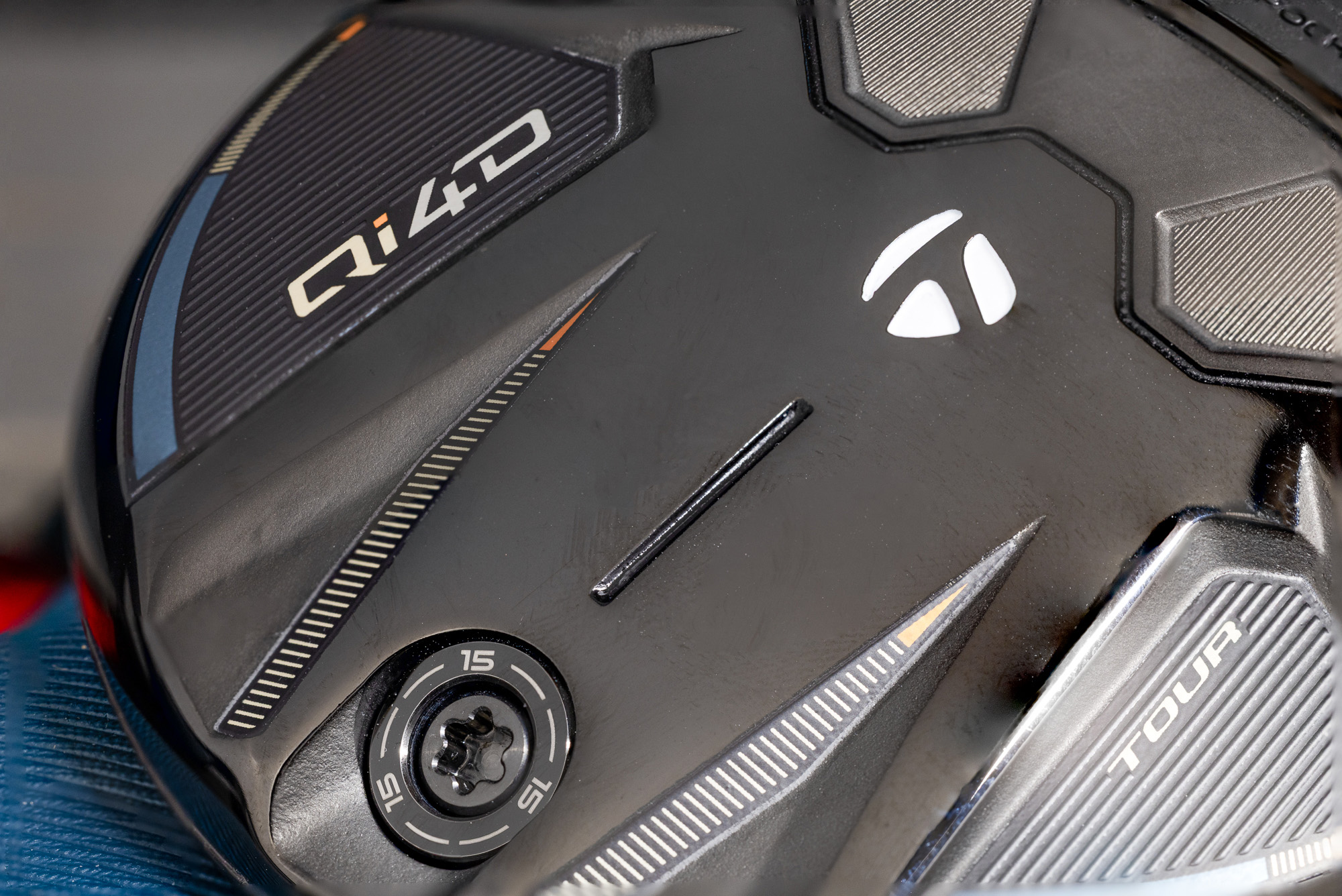
So, to get the CG projection as low as possible and generate higher launch with fractionally more spin, the sliding weight and “garage” housing had to go. However, this gave TaylorMade space for three movable TAS weights (one 15-gram weight and two four-gram weights) to moderate shot-shape bias.
This story is going to sound remarkably similar to what you just read regarding the Qi4D fairways. Substitute “rescue” for “fairway” and you should have the gist of it. With the Qi4D hybrids, the recipe calls for a lightweight carbon crown, 450 stainless-steel body, Twist Face bulge and roll and an adjustable loft sleeve in every SKU.
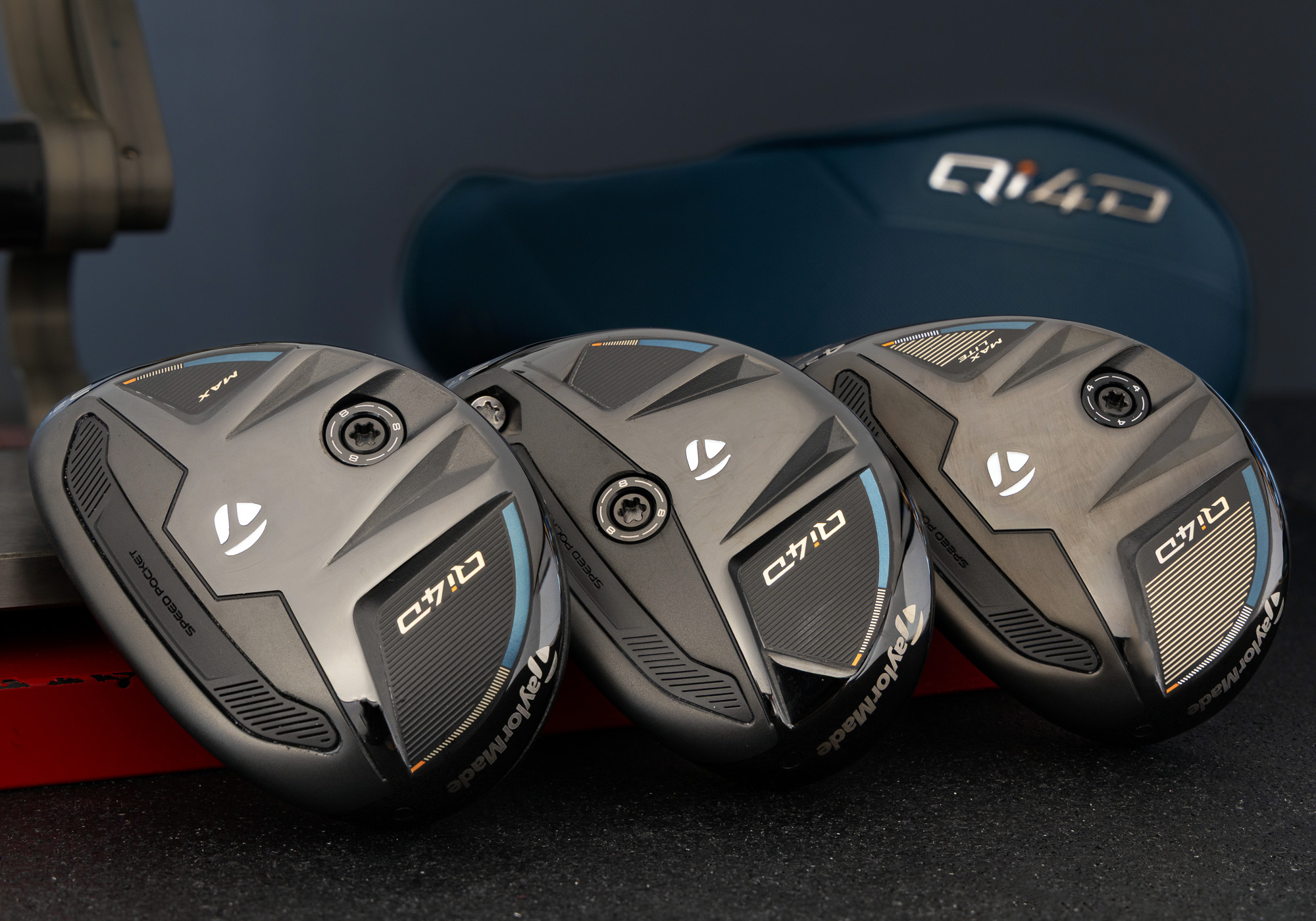
Beyond that, the primary difference between the Qi4D fairways and hybrids is the absence of a dedicated “tour” rescue club. That said, the core Qi4D rescue has a slightly thinner topline, giving it an aesthetic that will more likely appeal to better players looking for a sleeker, more tour-inspired, long-iron replacement.
The core Qi4D rescue features an eight-gram TAS weight and overall neutral flight bias. If you want more forgiveness and higher launch, the Qi4D MAX, with a larger footprint and deeper CG, will be a better choice. As with the fairways, the Qi4D MAX Lite features similar performance as the Max, albeit with lighter components.
A bit about shafts
The driver shaft fitting protocols relying on primarily on closure rate don’t have exactly the same application in fairway woods and hybrids. In the future, they might be more applicable. However, golfers do bizarre things when the ball is on the ground. Some golfers increase closure rate while others see it drop with very little data to suggest any consistent pattern.
My $0.05
TaylorMade fairways stand on their own merit and have for quite some time. When TaylorMade went all in on carbon driver faces, beginning with Stealth, each generation (Stealth, Stealth2, Qi10, Qi35) faced plenty of criticism, some self-inflicted. Yet the fairway woods remained popular on tour and at retail.
Now, there’s reason to believe that with Qi4D, TaylorMade has a metalwood franchise where drivers, fairways and hybrids are all on solid footing and, should the drivers hold up their end of the bargain, it could be a massive year for the brand that’s largely been synonymous with
Pricing and availability
Qi4D fairway woods and hybrids are available for preorder now and at retail locations on Jan. 29.
Qi4D fairway woods will sell for $379. The Qi4D Tour fairway will sell for $449.99.
All Qi4D hybrids are available to consumers for $299.99.
All TaylorMade Qi35 and Qi10 fairways and hybrids are discounted up $70 off while supplies last.
For additional information on specs, stock options, and availability, visit taylormadegolf.com.
The post I Might Put The New TaylorMade Qi4D Fairways And Hybrids Straight In The Bag appeared first on MyGolfSpy.
