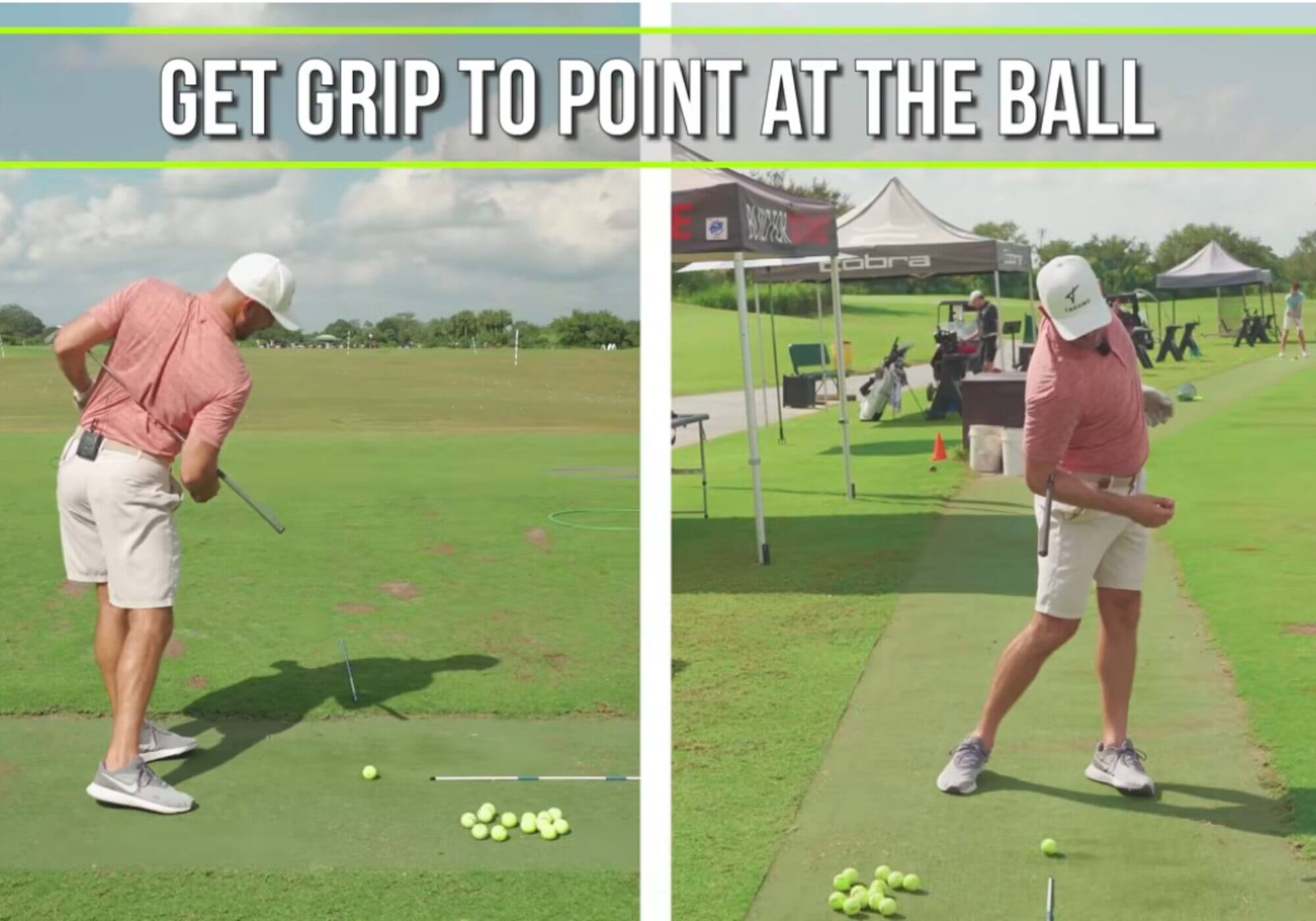
Most golfers think they are turning correctly but what rotation feels like and what is happening are rarely the same thing. That disconnect is why so many players struggle with contact, consistency and ball flight, even when they feel like they are making a good move.
This drill from Eric Cogorno does a good job of bringing awareness to that gap. I learned a version of this drill when I was a kid and had not thought about it for years until I came across this video. Watching it now, it is clear why it stuck with me early on. It explains rotation without forcing positions or swing thoughts and it shows why turning in golf is more than just spinning your hips.
Where the drill starts in the video
If you are short on time, start at the two-minute mark and watch through the blending section.
- Drill introduction and setup: around 2:00
- Explanation of the three movements: around 2:45
- How to blend the movements: around 5:00
- Transitioning to real swings: around 7:00
How to do the drill
To do this drill, all you need is an 8-iron or 9-iron. You’ll also need enough space to stand comfortably but you don’t need to hit golf balls to complete the drill.
Setup
- Place the club behind your back so it runs horizontally across your mid-back.
- The shaft should sit between your elbows.
- The grip points out toward your trail side.
- Your arms are slightly bent which creates the compact setup Cogorno refers to in the video.
What you are trying to do
The goal is to move your body so the butt end of the club points down toward where the golf ball would be during the downswing. If you want to place a ball there for reference, you can do that.
This drill works because it blends three movements that need to happen together in the downswing.
1. Shift
You need pressure moving into your lead side.
- Feel your belt buckle move toward your lead ankle.
- Pressure shifts into the lead foot.
- Your upper body stays slightly back.
This helps move low point forward and reduces thin and heavy contact.
2. Turn with extension
As you shift forward, you also need rotation.
- Your belt buckle begins to point toward the target.
- Your hips move forward and rotate at the same time.
- There is a small upward push as you rotate.
3. Tilt
The final piece is side bend.
- Your trail shoulder moves down.
- There is a small trail-side crunch.
Some of this happens naturally from the shift but adding awareness here helps get the club down to the correct height and improves low-point control.
Mistakes you will start to notice
Once you try this drill, a few things become obvious. These are not things most golfers feel during a normal swing but the drill makes them hard to miss.
Sliding without rotation
Some players do manage to move forward but they never add enough turn. The lower body shifts but the chest and hips stall, leaving the club trapped behind them.
Spinning instead of shifting
Many golfers think they are turning but they are just rotating in place. When there is no pressure moving into the lead side, the grip stays behind the body and never points toward the ball.
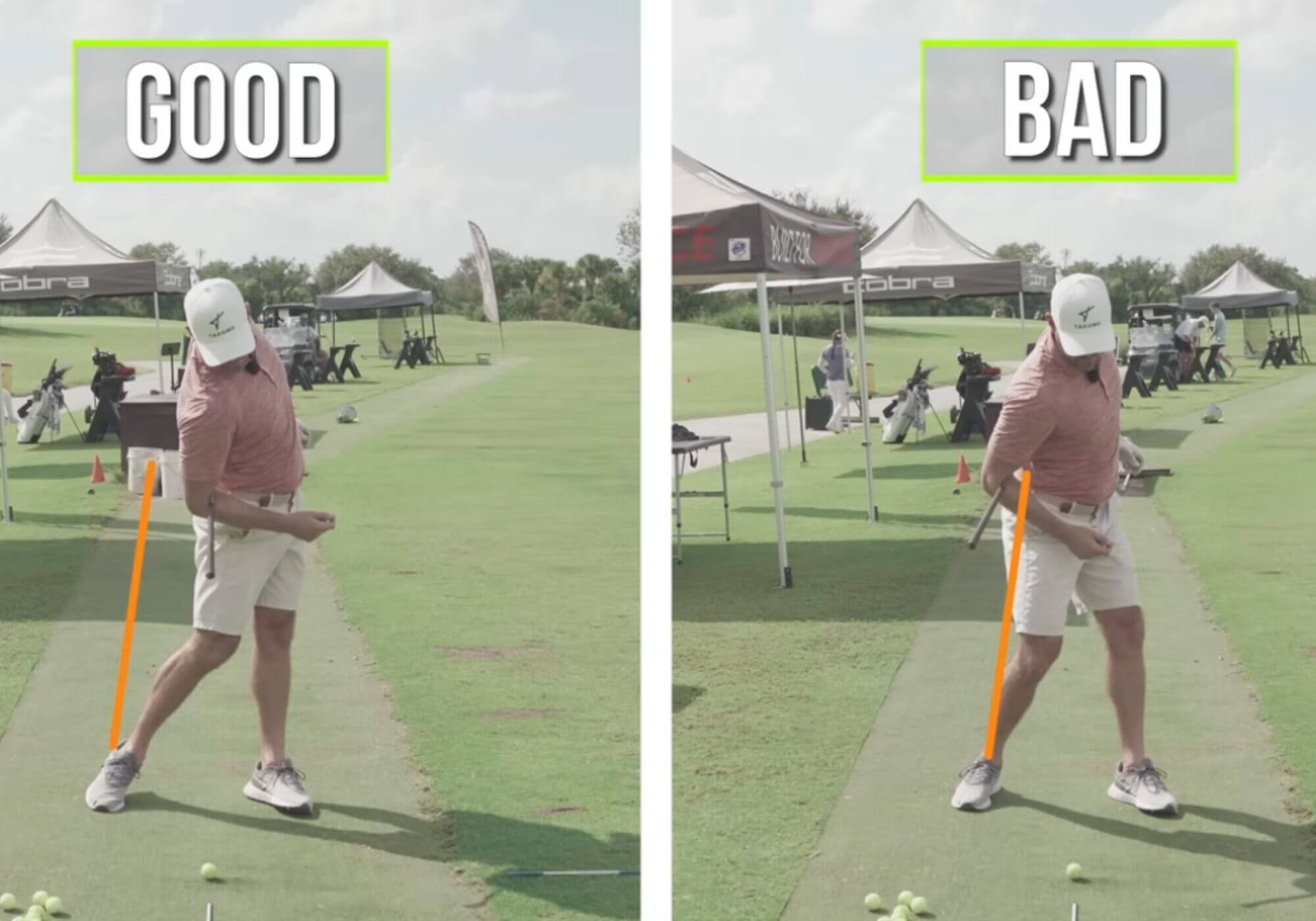
No tilt through impact
Even with a good shift and some rotation, a lack of side bend keeps the grip of the club too high. If thin shots show up often, this is one of the first areas to check.
Late effort instead of early movement
A lot of golfers try to fix things late in the downswing. This drill makes it clear that the blend of movements has to happen early, not at the last second.
Who this drill is for
When I talk to golfers, the topics of rotation, weight shift and sequencing always come up. If you ever feel like your contact varies, you have trouble narrowing down the right thoughts on your downswing or you never knew how to rotate properly, this drill makes it easier.
While I think golfers of all ability levels can use this drill as a warm-up or even indoor practice, I would recommend beginners first work on some of the fundamentals (stance, ball position, grip, etc.) before focusing too heavily on rotation.
Why I still like this drill
This drill does not try to force positions. It shows how rotation, pressure and tilt work together. That is why it still works for a wide range of players.
If golf rotation has never clicked for you, I’d give this one a shot. It creates awareness first and that’s important if you are looking for long-term solutions and a better understanding of your swing.
The post If Golf Rotation Has Never Made Sense to You, This Drill Explains It appeared first on MyGolfSpy.
