Over the last few months, the topic of financial change within professional cycling has been routinely aired. In early November, Jérôme Pineau proposed the privatisation of the final five kilometres of Alpe d’Huez. Just last week, Wout van Aert shared his concern over the “fragility” of the sport’s financial format with De Tidj.
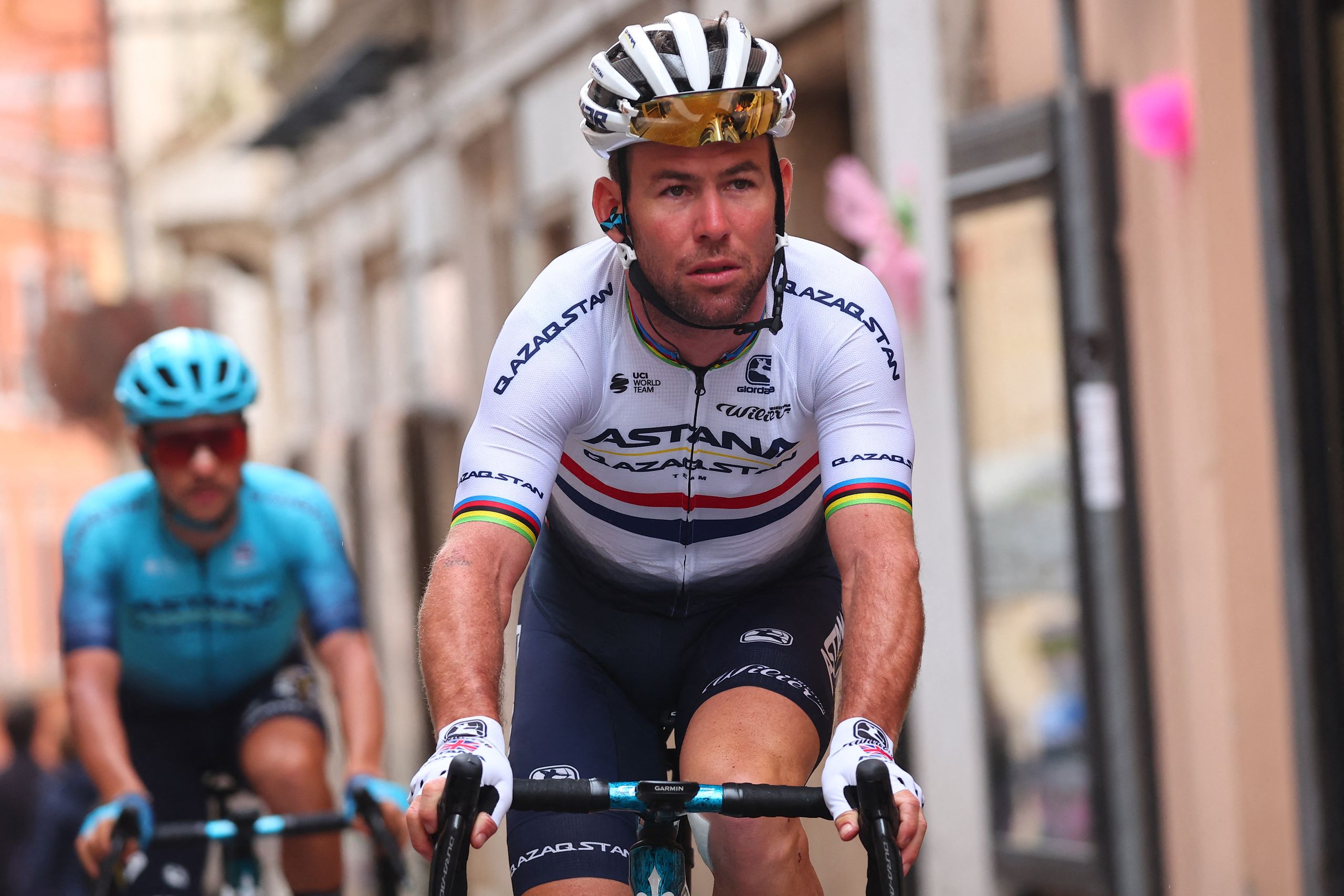
Now, in an interview with the Financial Review, Mark Cavendish is adding to the financial fervour. “There are revenue streams that aren’t being properly utilised,” he said, on the topic of starting a possible future team. The sport the Manx retiree envisions, however, would look different to the current offer, more akin to high-spectacle, king-maker sports like Formula 1.
“Something I never really understood with cycling is that you were more likely to get a [professional] contract based on quite subjective decisions,” he said on the difficulty he faced on securing sponsorship as he aged, despite retaining “marketability”. “Sport is run 100 per cent on media spend. So even though I was winning as I got older, I couldn’t get contracts because I don’t think any team wanted the risk of me not winning.”
Cycling, in other words, might produce superstars, but the industry lacks the impetus to capitalise on their existence. “I don’t mean this arrogantly but that didn’t make sense because I was always valuable to a sponsor. There were a lot more people making a benefit from sweat in my last years than I was.”
At the moment, most of a rider’s income comes from their teams. The money teams get comes from sponsors, and the income generated at races tends to stay in the pockets of the race organisers. The legacy of this scramble for sponsorship funding has contributed to the Lotto-Intermarché merge, and the complete closure of Arkéa B&B. The French media estimated that ASO earned about $350 million in 2023 – a sum most teams didn’t see a proportion of.
“Spectators come to watch the race to see your riders, but your riders don’t get paid anything. That’s what’s unfair,” Pineau said in a podcast interview with RMC Sport. “Hospitality areas are set up at the Tour and other major races, but it’s the organiser who takes the money, not the people who put on the show.”
“This winter is a real battlefield of people losing their jobs,” Van Aert told De Tidj. “I think that fragility would be far less if income came not just from sponsors but also from the sport itself. From TV rights, for example, or other sources, so that losing one sponsor doesn’t immediately put a team on the brink.”
As Cavendish looks to Formula 1 as an enviable structure that could be in part mimicked in cycling (insofar as individual athletes are able to explore alternative income streams), Van Aert looks to America’s National Basketball Association (NBA): “it controls its playing field while still letting the teams benefit from TV money.”
“But in cycling, we might be too focused on its charm and folk character. Charging five euros for entry doesn’t mean it’s no longer a people’s sport.”
The UCI boss David Lappartient disagrees. “A legal framework needs to be established,” he told Ouest-France. “Charging for public space in France is complicated. It’s not impossible, but it would be a revolution. Just look at the pension reform … So if you want to charge for the Tour de France, you’re in for a long haul.”
