The Stavenhagenhaus is located in Groß Borstel, a small district of Hamburg set between the neighbourhoods of Eppendorf and Niendorf. Groß Borstel is still relatively unknown even among Hamburg residents, though some now consider it a quiet gem that has stayed off the radar.
Although Groß Borstel has officially belonged to Hamburg since 1325, it lay outside the historic city limits for most of its history. The old village was built on a curve of the Tarpenbek, today just a narrow stream, close to the border of the County of Pinneberg. This was once the edge of the Free Imperial City of Hamburg. On the opposite bank was Holstein, which for centuries was part of Denmark, and relations between Hamburg and Denmark were often strained.
In the 1930s, the formerly Danish city of Altona and several surrounding villages were incorporated into Hamburg. As the rapidly growing city expanded around it, Groß Borstel became more urbanised, yet it has managed to retain a hint of its old village character.
The most impressive building in the district is the Stavenhagenhaus, built in 1703. It is named after the poet and playwright Fritz Stavenhagen, who died young. He once rented a room just around the corner, but otherwise had no connection to the house. After falling into disrepair during the Second World War, the building was extensively restored in the 1960s and has since served as the district’s splendid cultural center. Several local associations and cultural volunteers help keep its program active, offering regular lectures, concerts and exhibitions. The Groß Borstel community association plays an important role in organising these events.
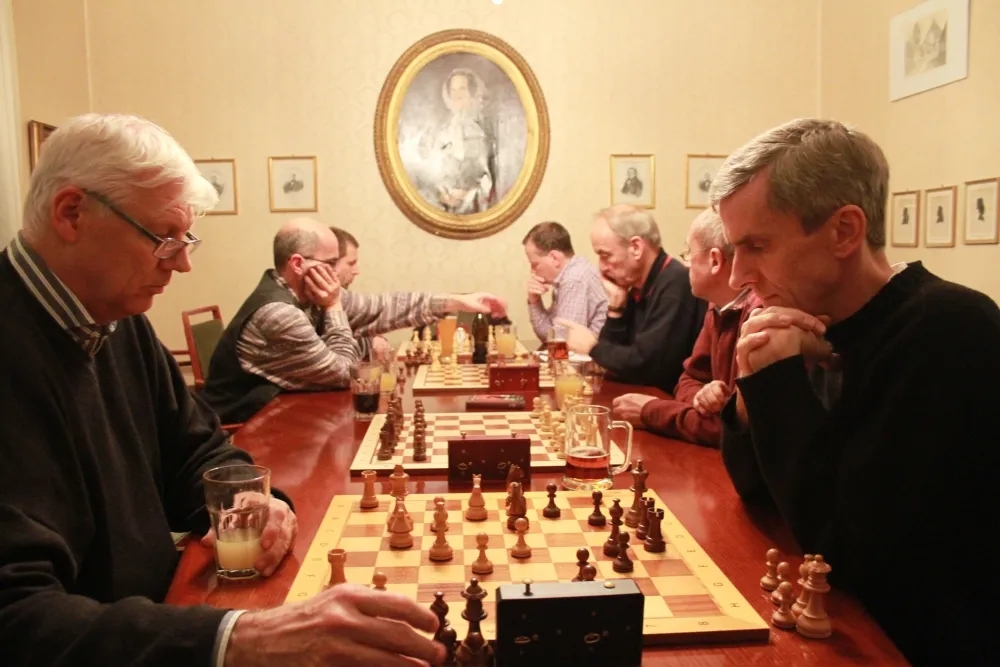
One of the groups based in the house is a small chess community that has been meeting here for many years. Its members follow current chess events, analyse games or try to understand difficult endgames.
From time to time the Stavenhagenhaus has also hosted larger events that placed chess at the center. The pianist and music lecturer Volker Ahmels, himself a strong chess player, organised a Schönberg Day together with the chess group and the organisation “Initiative Marcus und Dahl”. The event presented the full range of Arnold Schönberg’s work, including Schönberg’s “Coalition Chess”.
This later inspired the idea of organising a simul at the house. Elisabeth Pähtz was happy to take part. She had already visited the chess group once before, where she tried to deepen the members’ understanding of the game, with modest success.
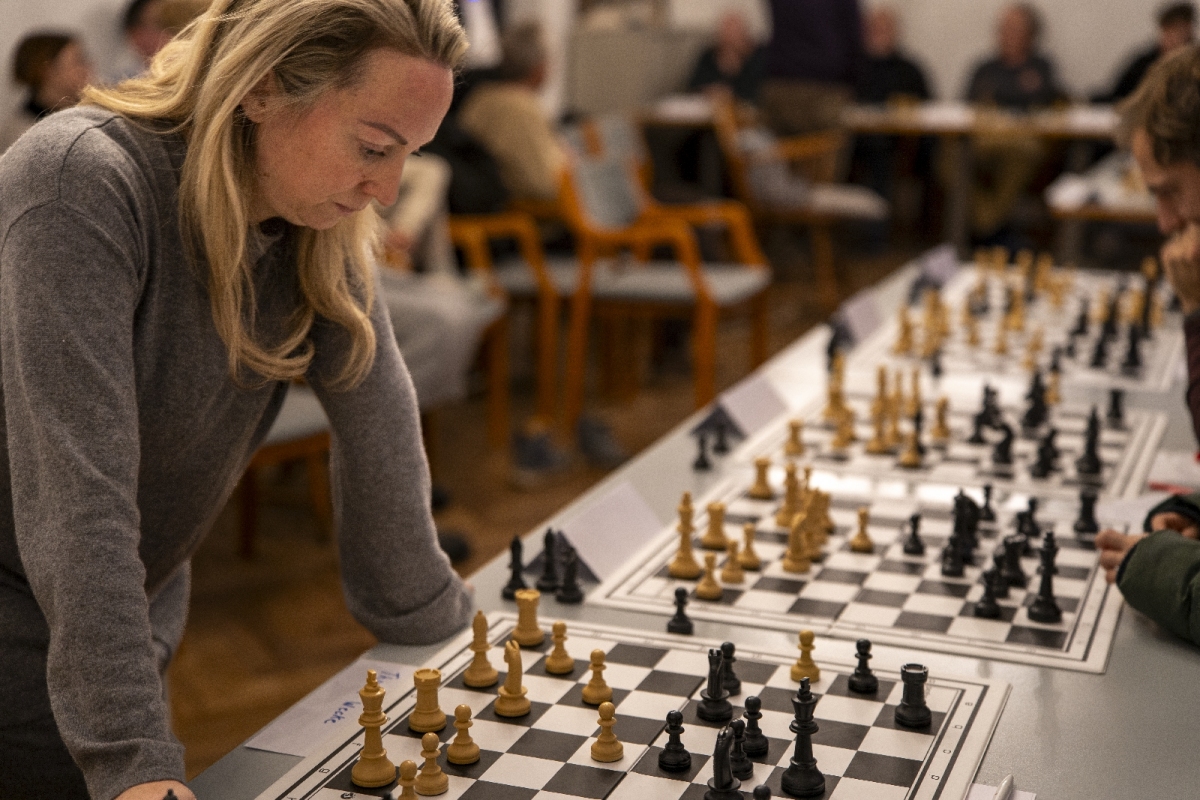
On 15 November the house hosted its first chess simul, featuring Germany’s strongest female player and the country’s first and only woman to have been awarded the full GM title by FIDE. Pähtz often visits Hamburg, records video courses for ChessBase and currently plays in the Landesliga for Schachklub Johanneum Eppendorf.
This time she was not alone when she arrived for the event, as she has been pregnant for a few months. Fifteen boards had originally been planned, but because of the strong interest the number grew to twenty. Some participants had travelled quite far to take part. One chess enthusiast from the state of Hesse had the longest journey.
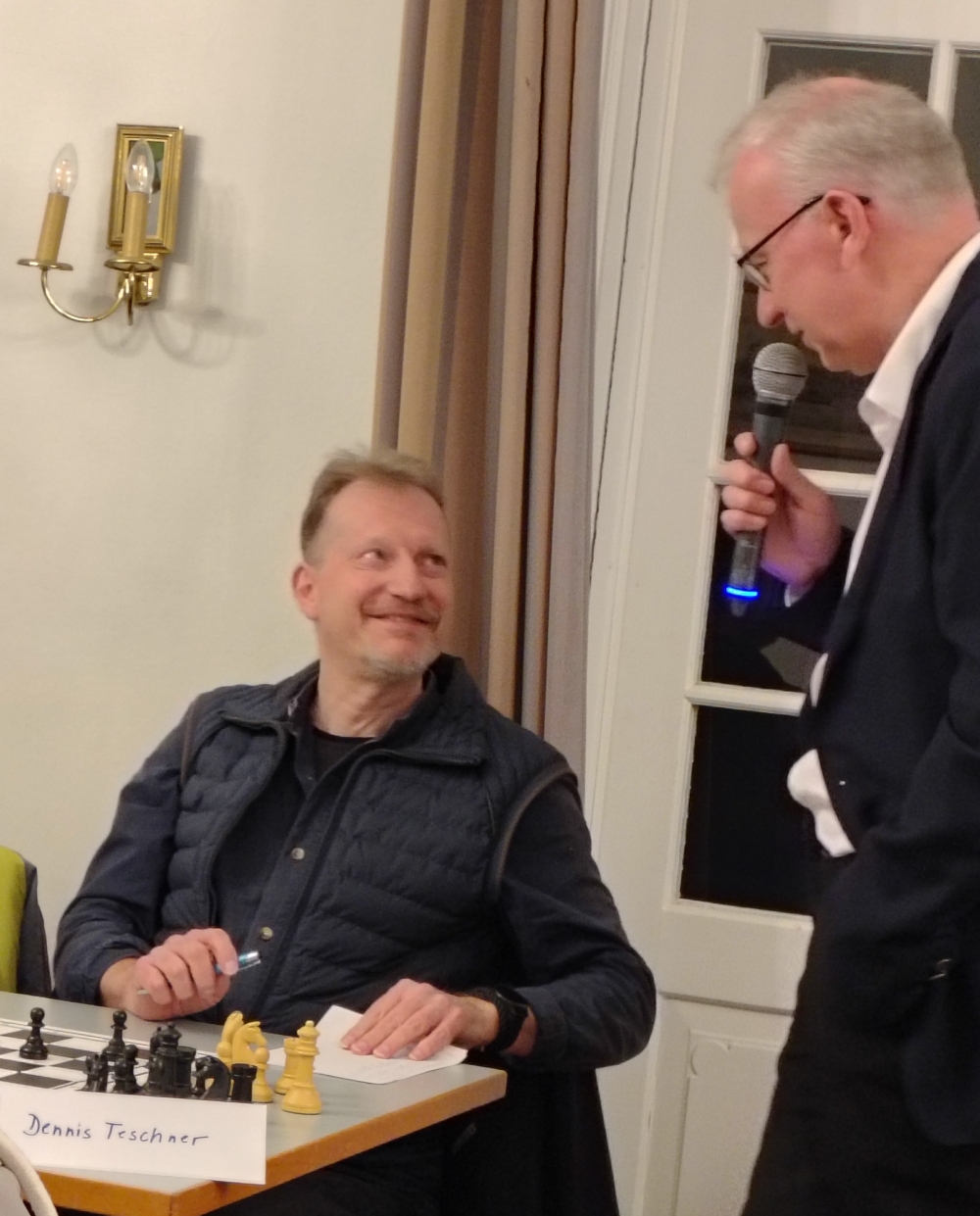
Dennis Teschner had come all the way from Hesse and thoroughly enjoyed the event.
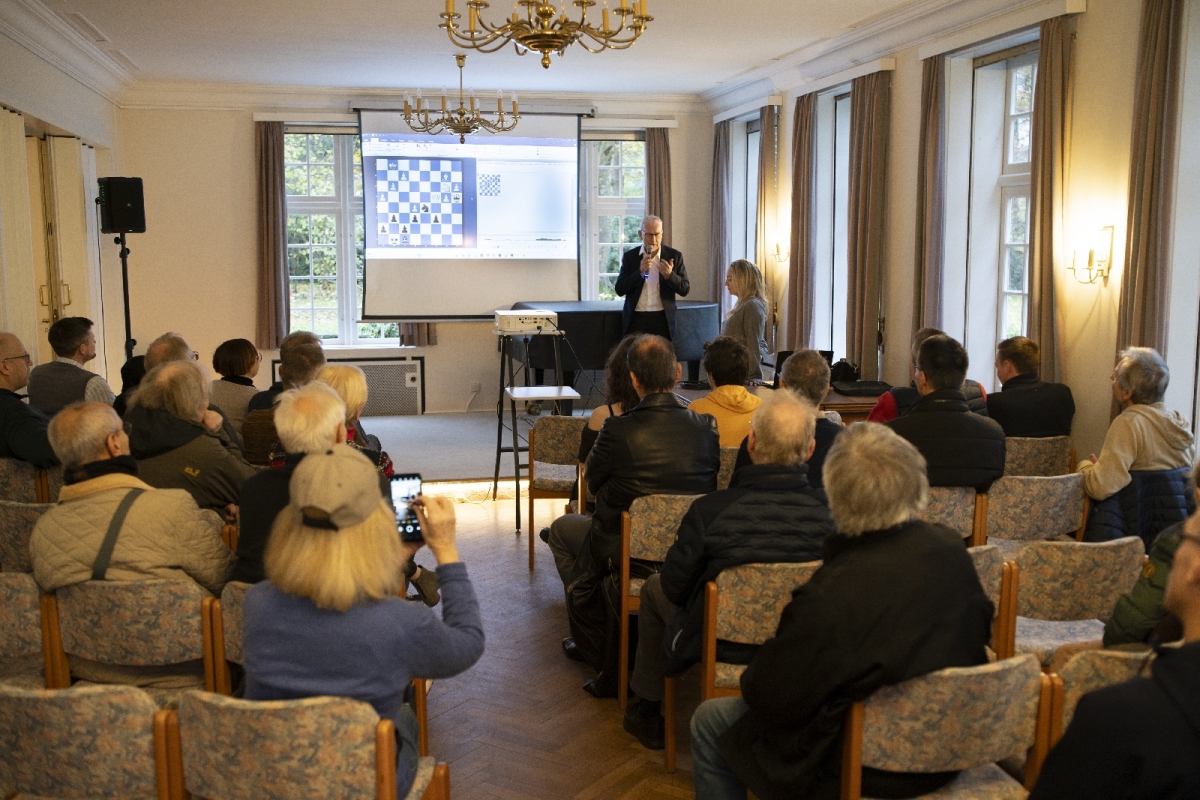
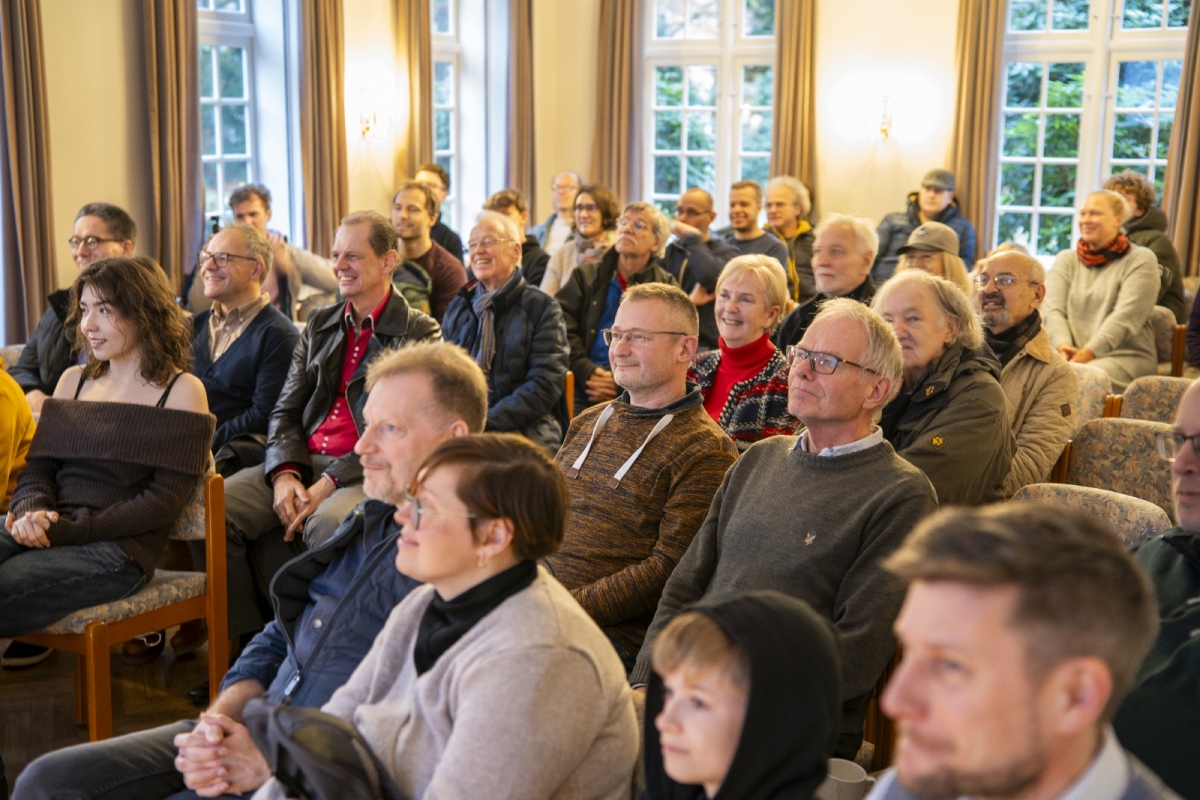
In fact, the event consisted of more than just the simul. Before the games started, Pähtz offered a chess lesson in the Esther Bejarano Hall, and it was demanding. The former World Junior Champion showed how grandmasters think and how they approach concrete problems during their games.
The Jobava London System is a minor form of the London System. White tries to play Lf4 quickly followed by Nc3.
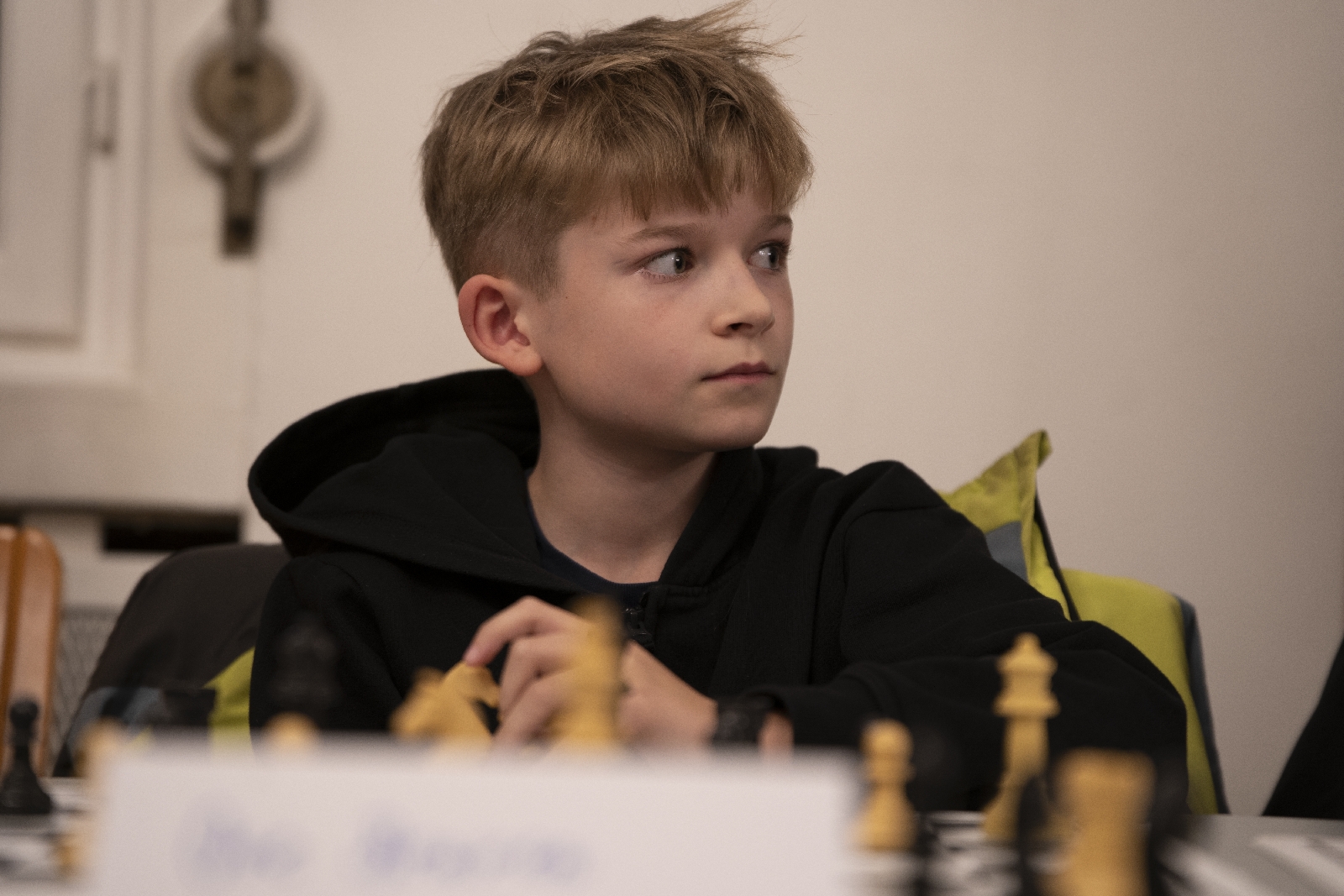
Then the games began. Elisabeth Pähtz faced a group of capable opponents, most of them club players with solid ratings around 2000 Elo or DWZ. Some were a little below that range, others a little above. A few participants had significantly lower ratings, including seven year old Nike, the youngest player in the field.
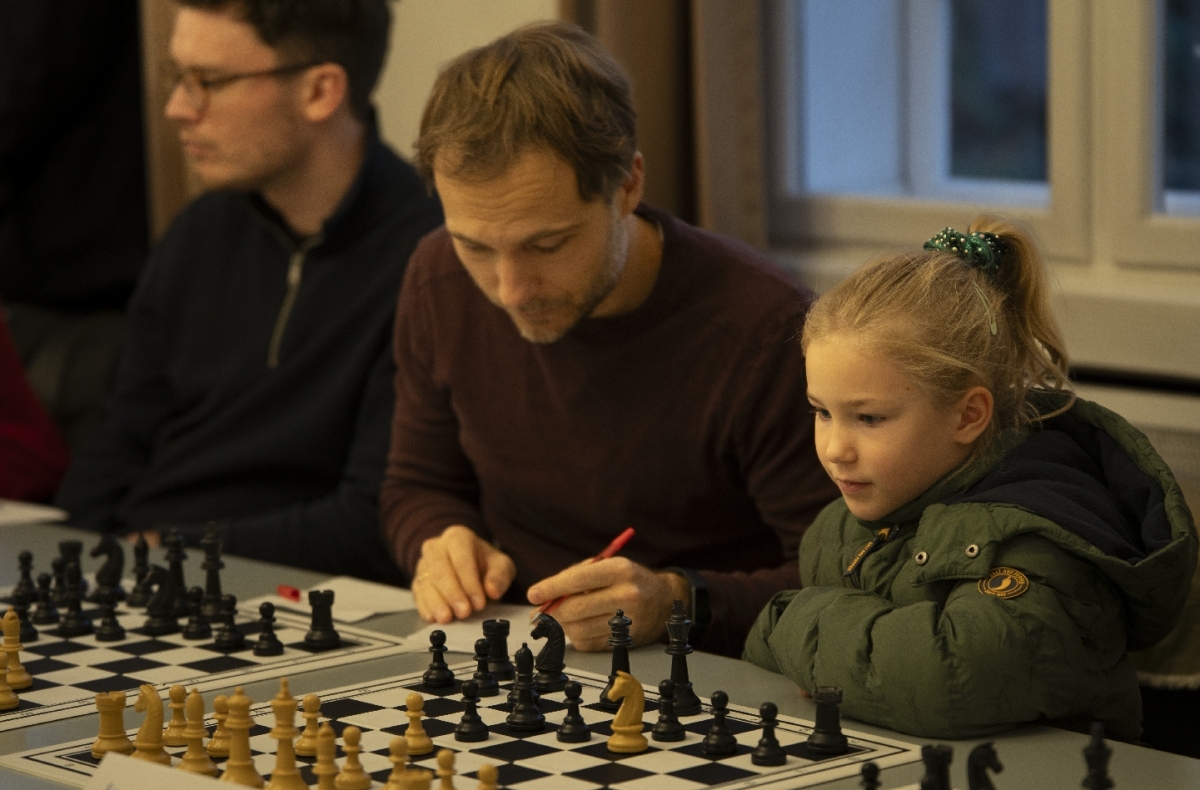
Elisabeth Pähtz played White on all boards, as is customary in simul exhibitions, and she opened every game with 1.d4. On most boards the game continued with the London System. After several publications and training courses on this opening, the German top player has become a recognised expert. In the opening she played quickly.
In a total of 6 chapters, we look at the following aspects: the right decision based on tactical factors, decisions in exchanges and moves, complex and psychological decisions in longer games and in defence.
The Neo-London System offers many new, creative possibilities to present your opponents with serious problems in the early stages of the game.
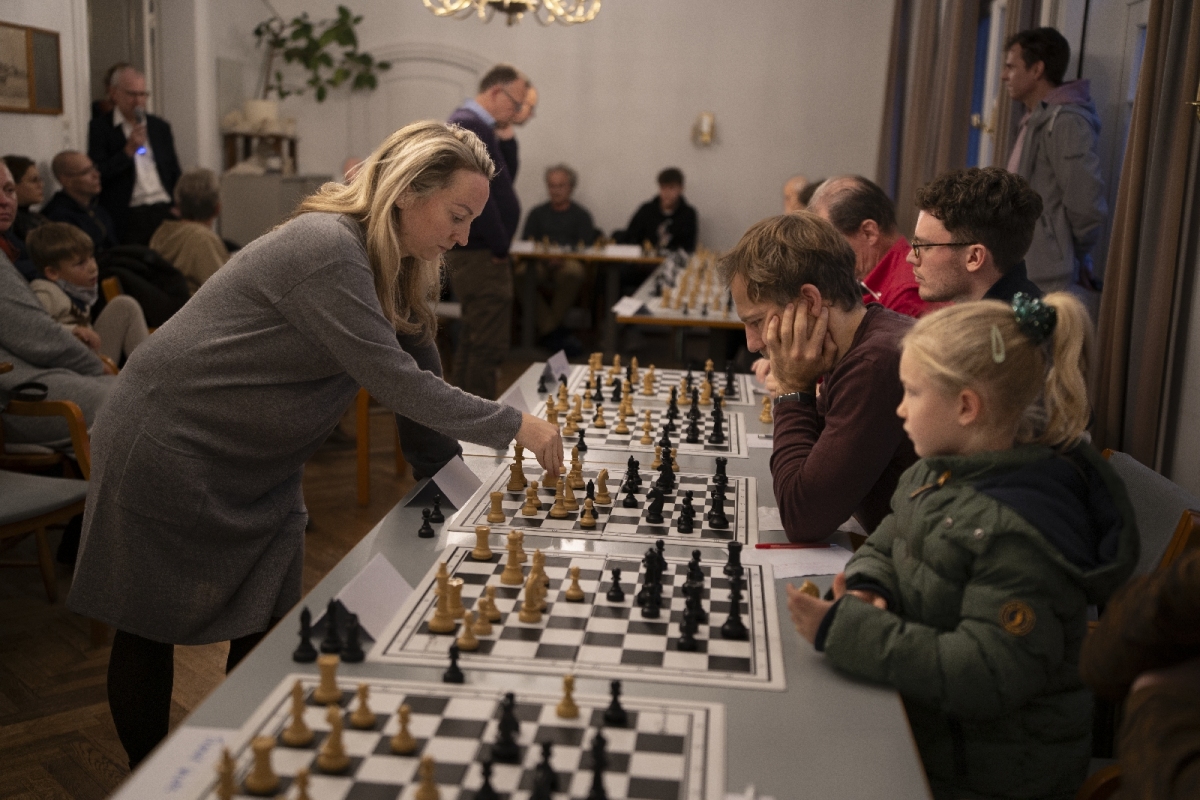
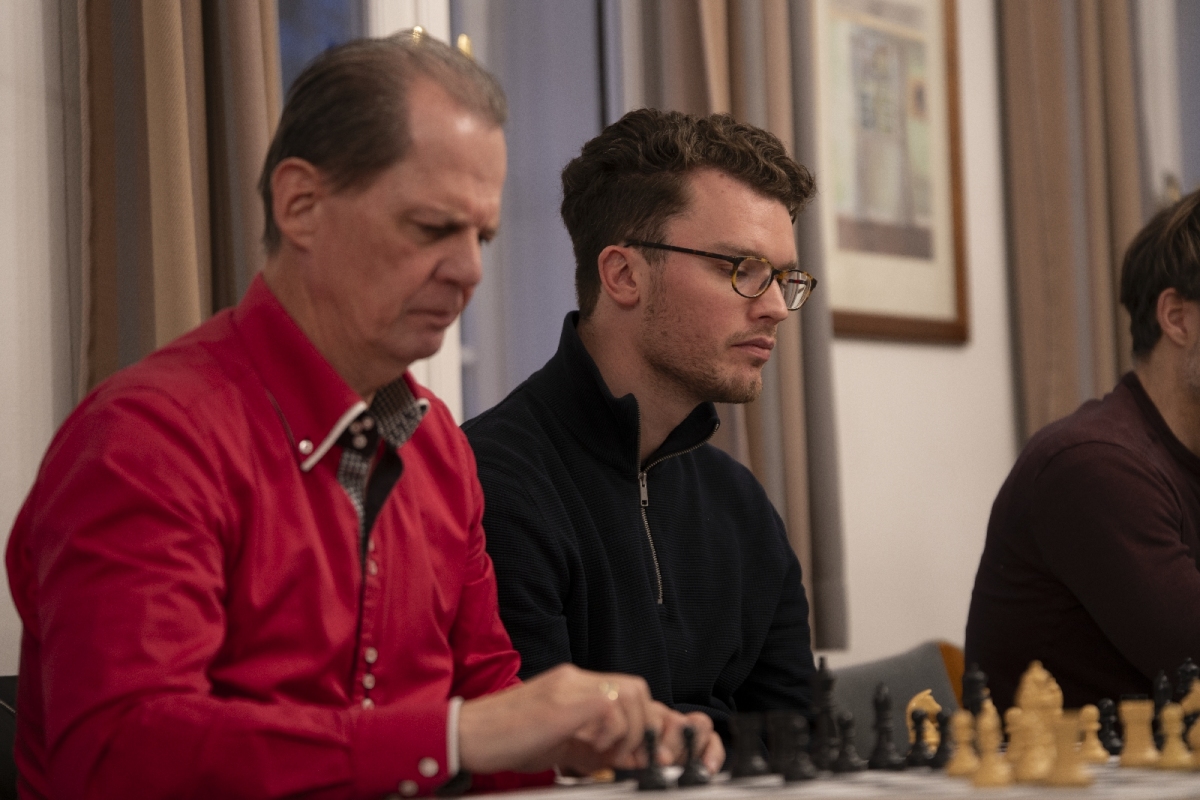


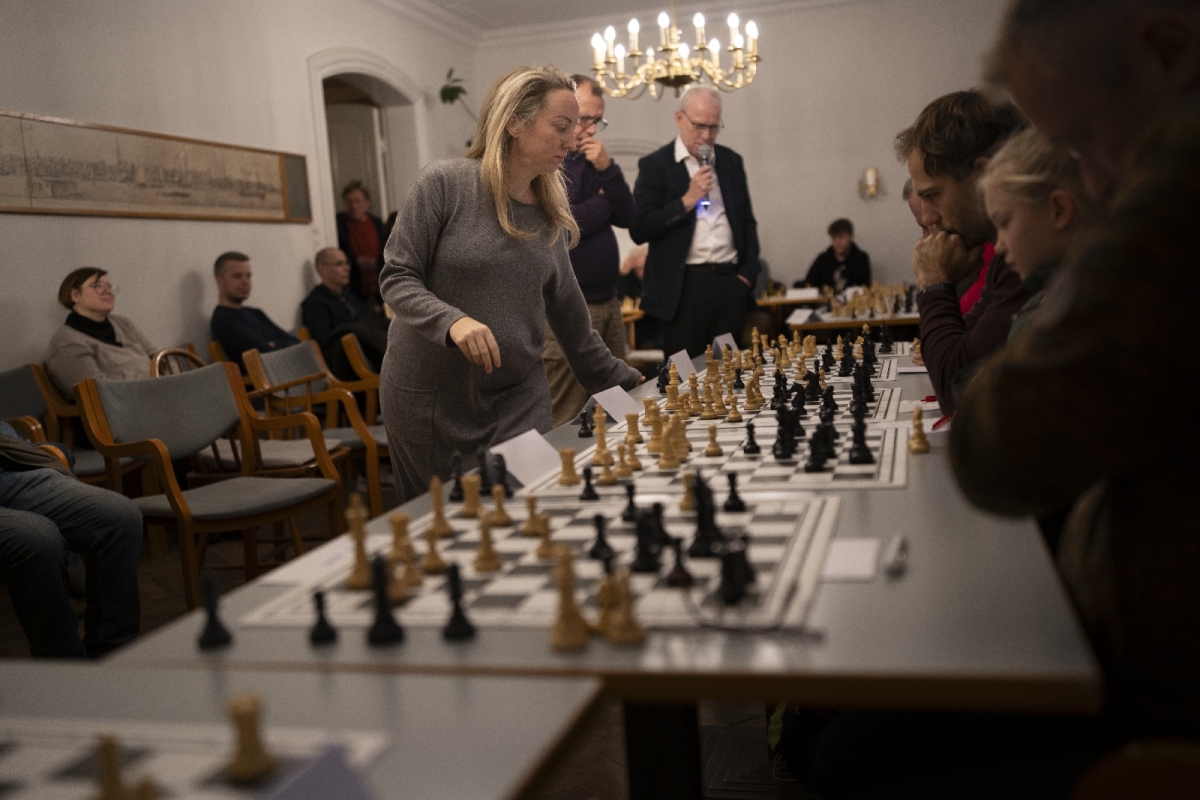
On some boards she gained an advantage out of the opening. On others she met well-informed resistance. In simuls grandmasters are usually pleased if they can win a few games quickly or take a few pragmatic draws in order to reduce the number of opponents. That was not the case on this Saturday afternoon. Elisabeth Pähtz was neither able to win games quickly nor willing to settle for a draw. Even when an endgame looked drawn, she continued to play ambitiously for a win — and she succeeded.
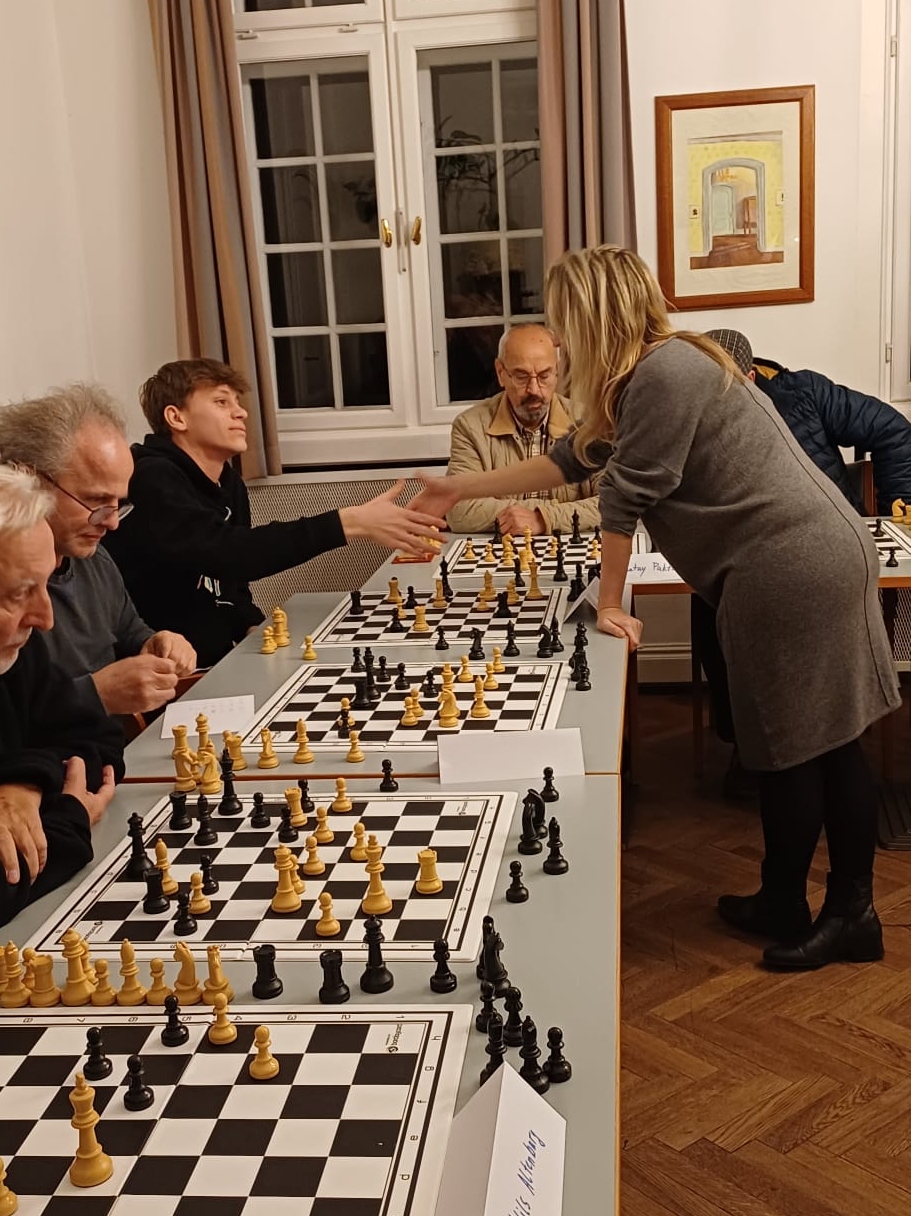
Thus, the games on almost all boards lasted around three hours, until the boards gradually emptied one after another. In the end the grandmaster won fifteen games, lost three and drew two. Final score Pähtz against Groß Borstel: 16 to 4.
Sylvin Müller-Navarra won his game after the grandmaster lost the thread in a good position.
Thoralf Wecke drew.
In addition to the chess players, a number of spectators were present who normally have little to do with chess but wanted to see such an event up close. The organisers and volunteers of the community association provided them with coffee, tea, cold drinks and small snacks alongside the boards. In his commentary André Schulz explained several technical terms from the world of chess.
The chess enthusiasts were pleased to enjoy their hobby in such a beautiful setting as the Stavenhagenhaus. And the non-chess players also had a good time. A different kind of culture, what one might call game culture.
Here’s a video about the event (in German)
Camera and editing: Arne Kähler
