Alun Wyn Jones was part of the Twickenham triumphs of 2008, 2012 and 2015 and was Wales’ captain when they were top of the world.
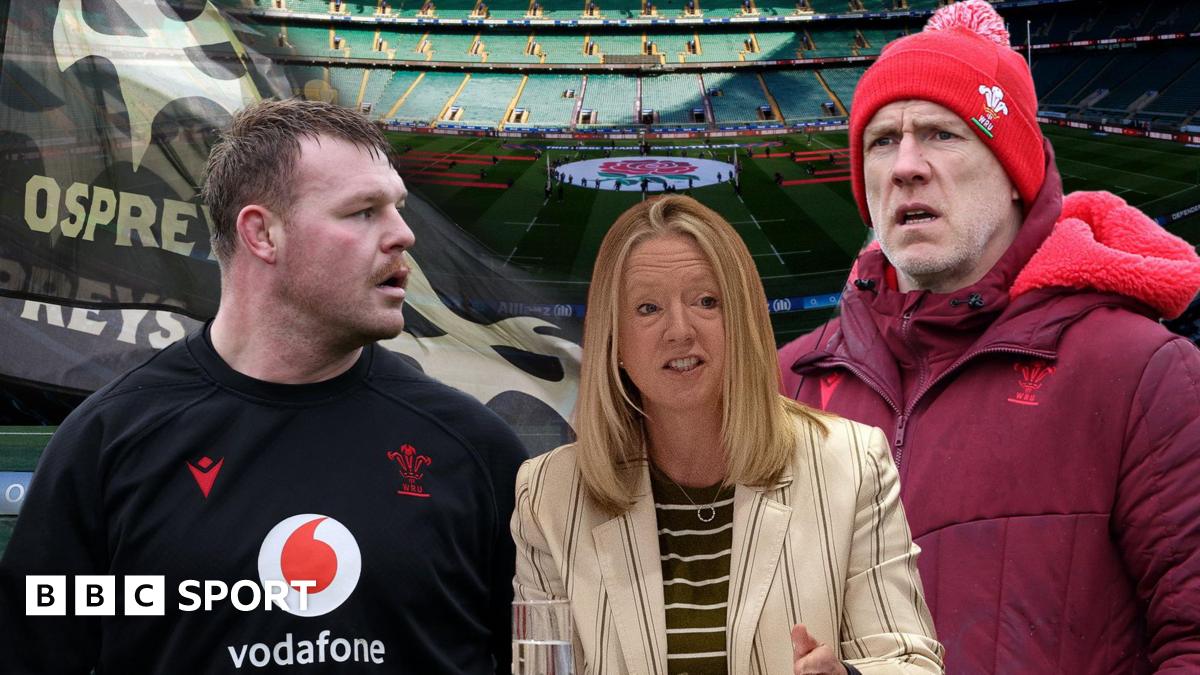
This week he found himself sitting in a council meeting in Swansea – alongside current and former players – discussing whether Ospreys would still be a top-tier side after next year.
The news that Ospreys owners Y11 Sport and Media have been named as the preferred bidder by the Welsh Rugby Union (WRU) to buy rivals Cardiff, who went into administration in 2025, sent shockwaves through Welsh rugby.
With the WRU committed to cutting a men’s professional side, Ospreys’ existence is in doubt.
The region covers proud rugby areas like Swansea, Neath, Aberavon, Maesteg and Bridgend, and there has been widespread criticism of the WRU’s plans from current players, coaches and staff, who say they have been left in the dark.
There has been political condemnation, petitions and protests from supporters and former players, public meetings and threats of legal action from Swansea Council.
As a result the proposed restructure of the Welsh game has attracted the most headlines in a troubled Six Nations build-up, tied in with a fascination about why Welsh rugby has fallen into the abyss.
English, French and Irish journalists and broadcasters have been travelling to Wales to try to establish the reasons for the Welsh game being in such a state.
In previous years, the prospects for a Six Nations opener against England at Twickenham, now called Allianz Stadium, would have filled airwaves and column inches.
On this occasion, the match has not been mentioned in Wales as much as the off-the-field issues affecting Welsh rugby.
The belief in a huge gulf between the rivals has led to alarmingly few giving Tandy’s team a hope against an England side who embarrassed Wales 10 months ago with a 10-try, 68-14 demolition victory in Cardiff.
