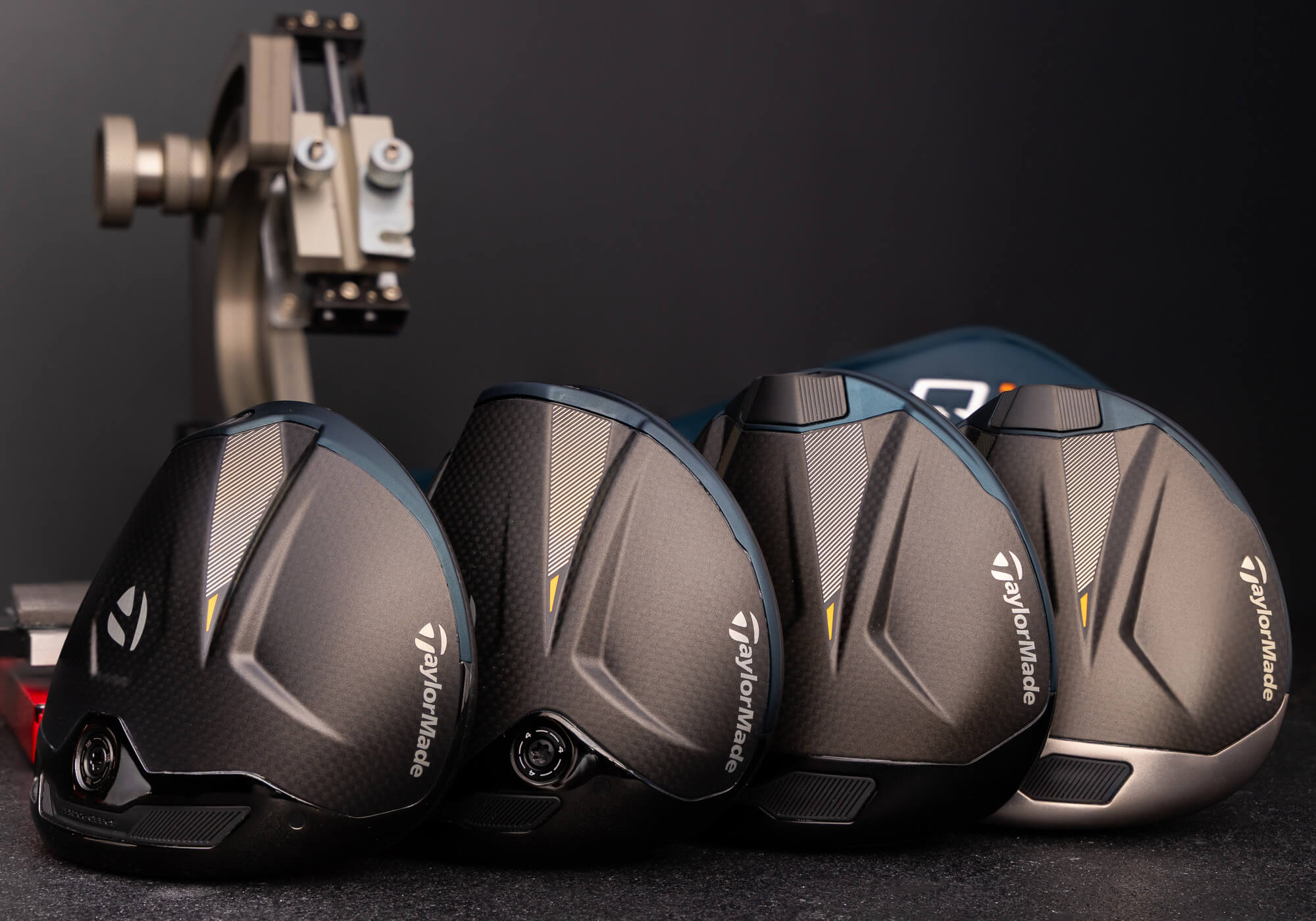
After drifting away from its speed-first identity, TaylorMade hits reset with Qi4D—refocusing on ball speed, smarter fitting, and controlled forgiveness.
For better or worse, TaylorMade has long been the industry’s speed brand. From Burner through SLDR and into the original Stealth, the company’s identity has been built around distance—often unapologetically so.
I mean, say what you want about Jet Speed—it was absolutely an exercise in industrial design done wrong—but it wasn’t slow.
For a speed-focused company, TaylorMade’s transition from Stealth 2 to Qi10 (and then Qi35) felt… off.
In chasing extreme MOI, TaylorMade lost some of what made its drivers compelling in the first place. Forgiveness matters, but for a company that built its reputation on speed, prioritizing inertia at the expense of ball speed felt at least slightly antithetical to the brand ethos. With the possible exception of the LS models, previous Qi offerings gave up speed in pursuit of stability.
Said succinctly, TaylorMade got slow.

Qi4D feels like a reset.
“In chasing inertia, we probably went a little too far,” said Brian Bazzel, TaylorMade’s VP of Global Product. “Drivers are the category this company was built on, and speed still matters.”
As far as the new name goes, the “4” in Qi4D doesn’t denote a generation. It refers to four dimensions of speed: head design, aerodynamics, face technology, and fitting. TaylorMade’s position is that speed doesn’t come from a single breakthrough—it comes from aligning all four.
What’s Carrying Over (and What Isn’t)
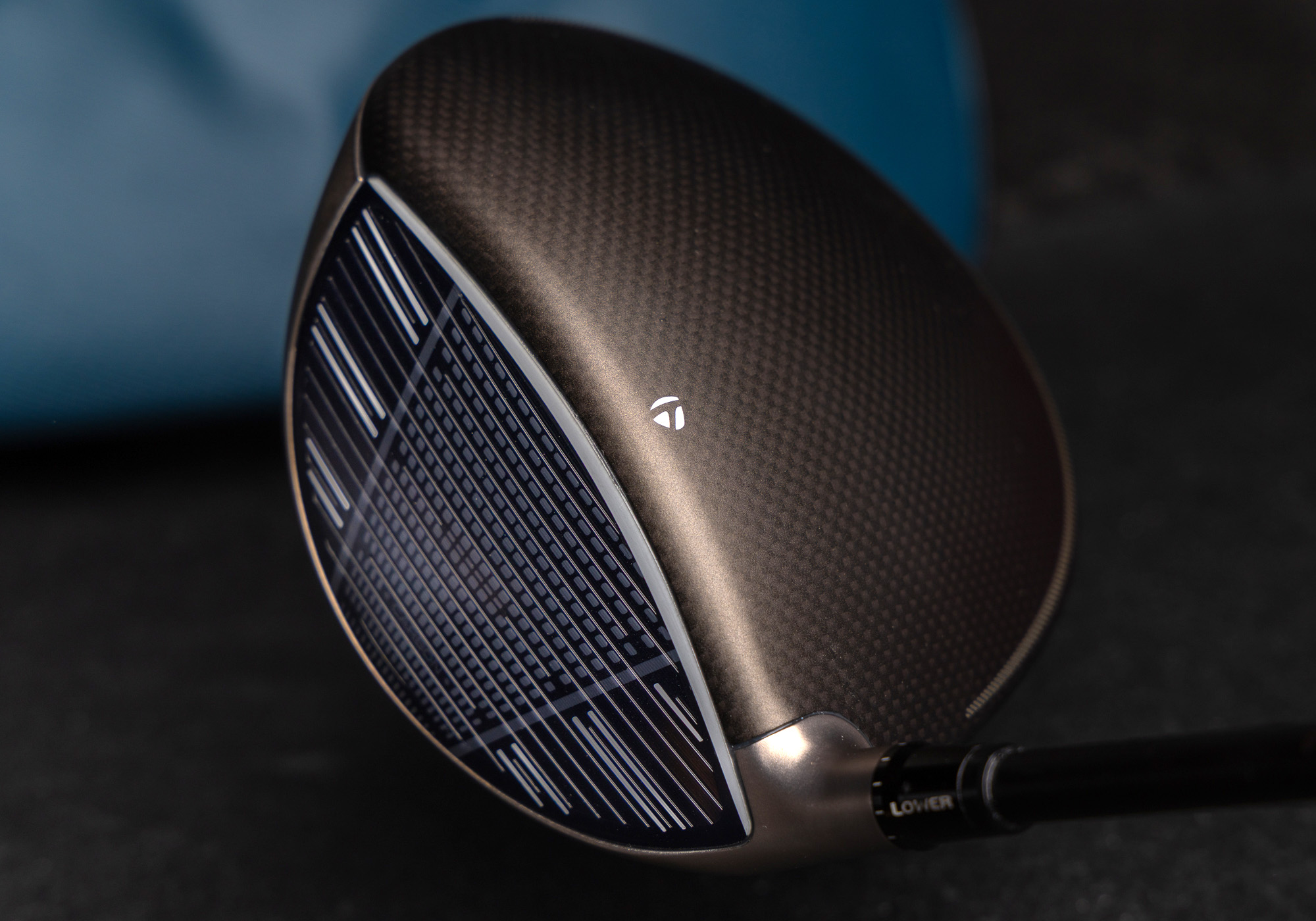
If you’re hoping Qi4D would signal a return to titanium faces, you’re going to be disappointed.
TaylorMade is doubling down on carbon (and aluminum).
Qi4D drivers feature carbon faces, carbon crowns, and, in the case of the Qi4D Max and Max Lite, aluminum bodies. Instead of moving back to titanium faces, TaylorMade has stripped the material from two of its driver models entirely and replaced it with forged and fully milled 775 aluminum components that are lighter, stronger, and significantly more precise to manufacture.
As the products continue to evolve, titanium may disappear from TaylorMade drivers entirely.
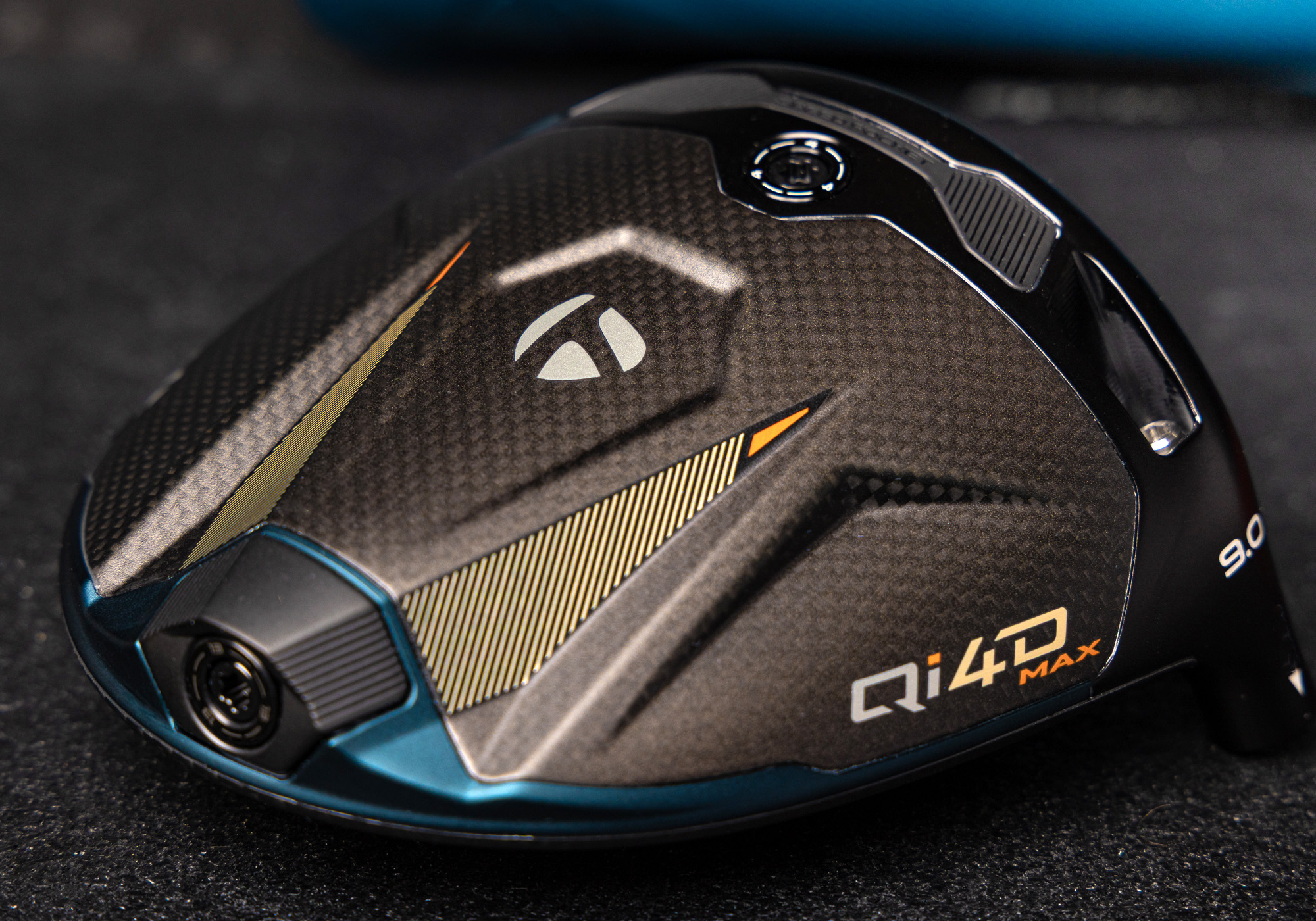
“We’re not moving back toward titanium,” Bazzel said. “If anything, we’re moving further away from it.”
Carbon faces remain central to the performance story. TaylorMade believes lighter faces improve energy transfer, which directly impacts ball speed. Just as important, TaylorMade says carbon allows for tighter manufacturing tolerances. Metal faces still require polishing (the industry-standard euphemism for grinding), introducing human variability. Carbon faces are produced robotically, with far less variation in curvature.
Enhanced spin consistency
That manufacturing precision allowed TaylorMade to implement a measurably tighter roll radius in Qi4D. The company says the updated geometry reduces spin variation by more than 30 percent overall, with reductions approaching 50 percent in certain impact locations—most notably higher on the face.
That’s a nerdy way of saying you can expect more consistent spin.
Spin variance tied to impact location was identified internally and raised repeatedly by fitters as an area of concern in previous generations of TaylorMade drivers. While ball speed and launch were within reasonable ranges, inconsistent spin—particularly on high and low strikes—made it harder to deliver predictable distance and repeatable fitting outcomes.
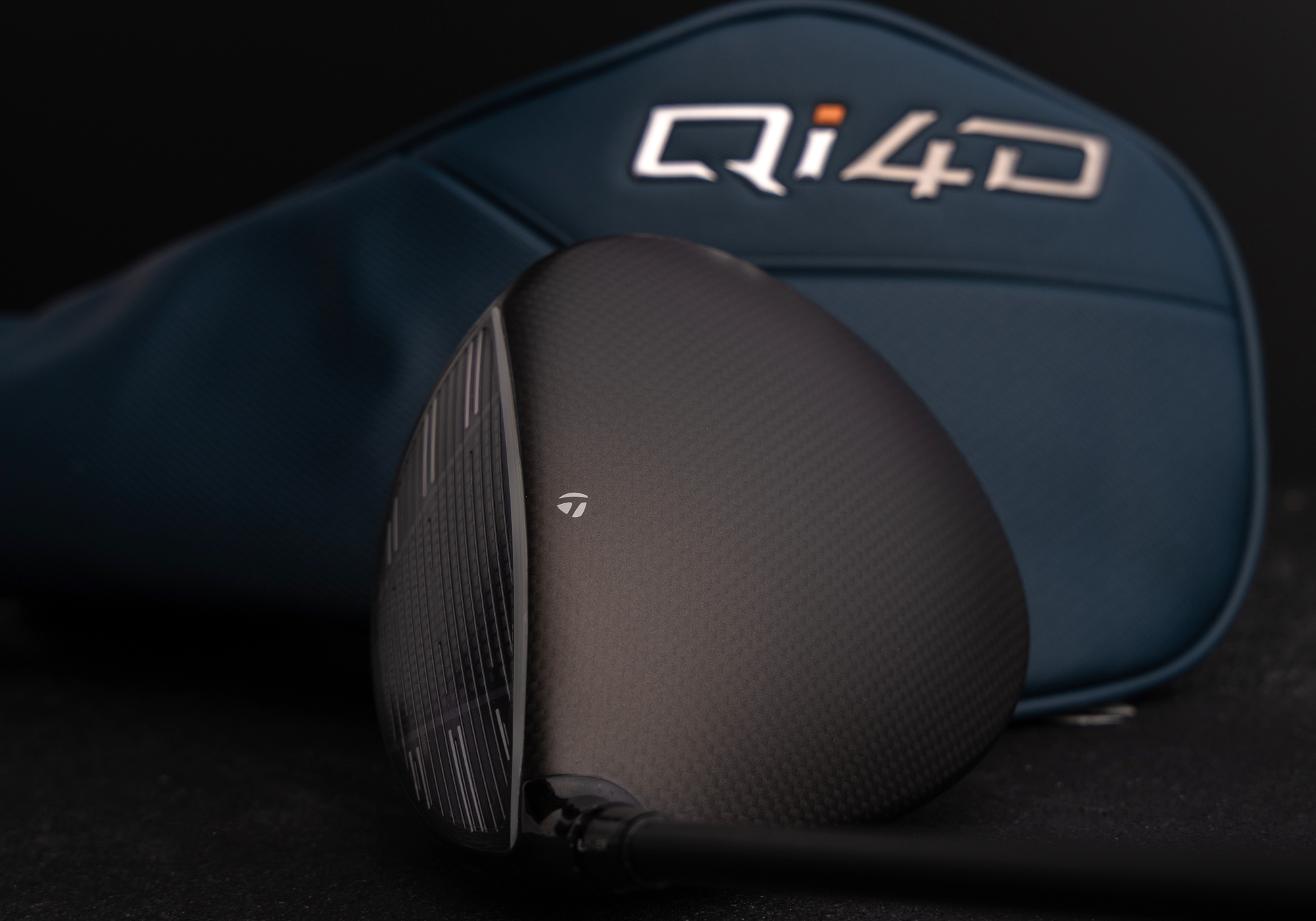
The tighter roll radius is designed to directly address that issue. By better controlling how spin changes as impact moves vertically on the face, Qi4D trades a small amount of launch variation for significantly tighter spin consistency. TaylorMade’s view is that this is a better outcome for golfers in real-world conditions, as excessive spin variability tends to create larger distance gaps than modest changes in launch.
In short, the change isn’t about chasing peak numbers. It’s about reducing the penalty that comes from missing the center of the face vertically. Think of it as forgiveness that doesn’t require higher MOI.
About those durability issues
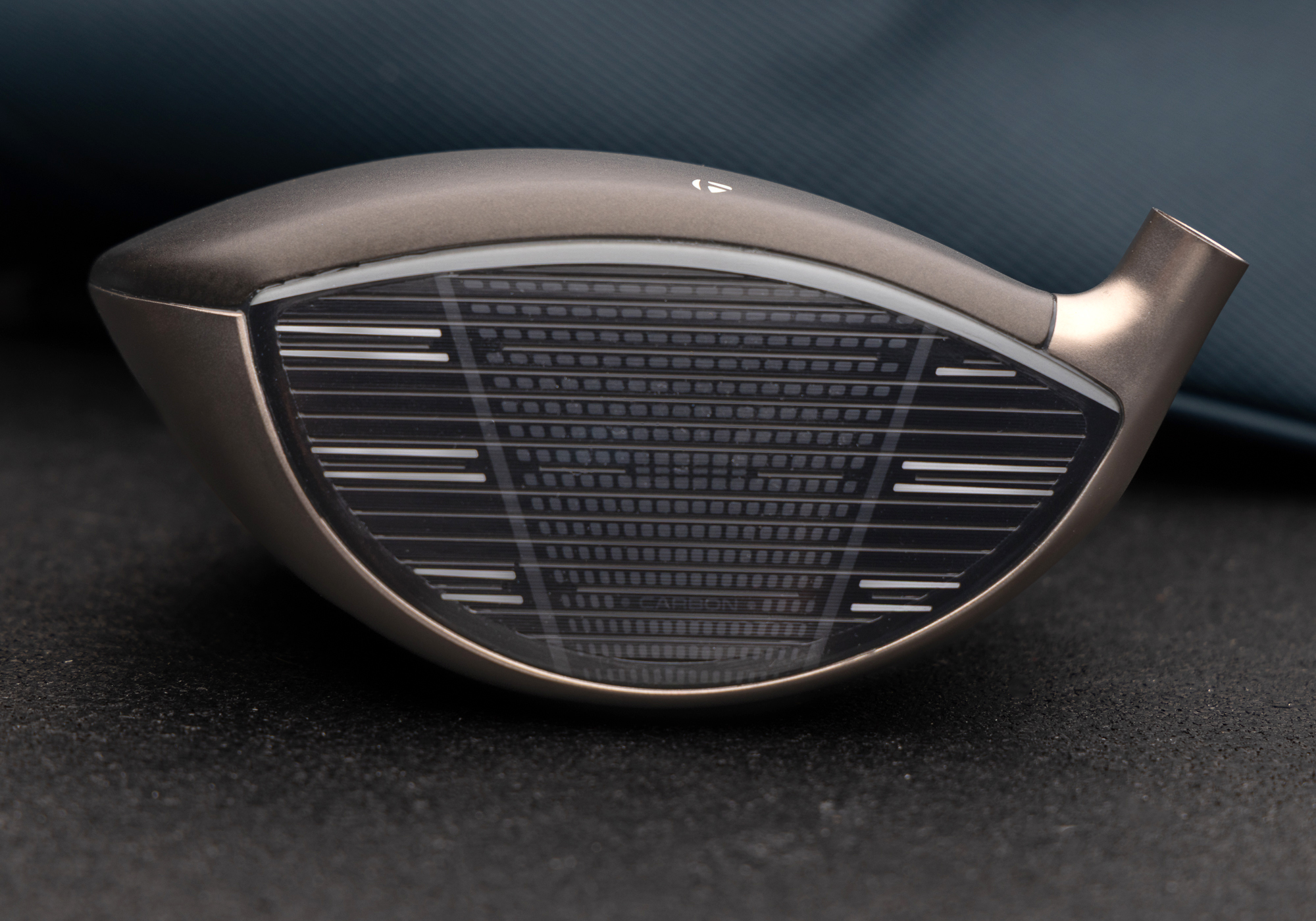
With the first few generations of carbon-faced drivers, TaylorMade had some challenges with faces staying attached. While those problems were significantly reduced with Qi35, some owners experienced cracking near the trailing edge of the driver—an area that absorbs a significant portion of impact stress.
“The stress at the trailing edge was something we identified,” Bazzel said. “The new aluminum collar and robotic bonding process fundamentally change how that load is managed.”
Qi4D’s redesigned aluminum collar is lighter and stronger than titanium, and the bonding process is now fully robotic. TaylorMade believes this construction materially reduces the likelihood of both face separation or trailing-edge cracking.
4 Models (again)
As it did last year, TaylorMade will again offer four models in its driver family.
Qi4D Core: Fast, Adjustable, and Balanced
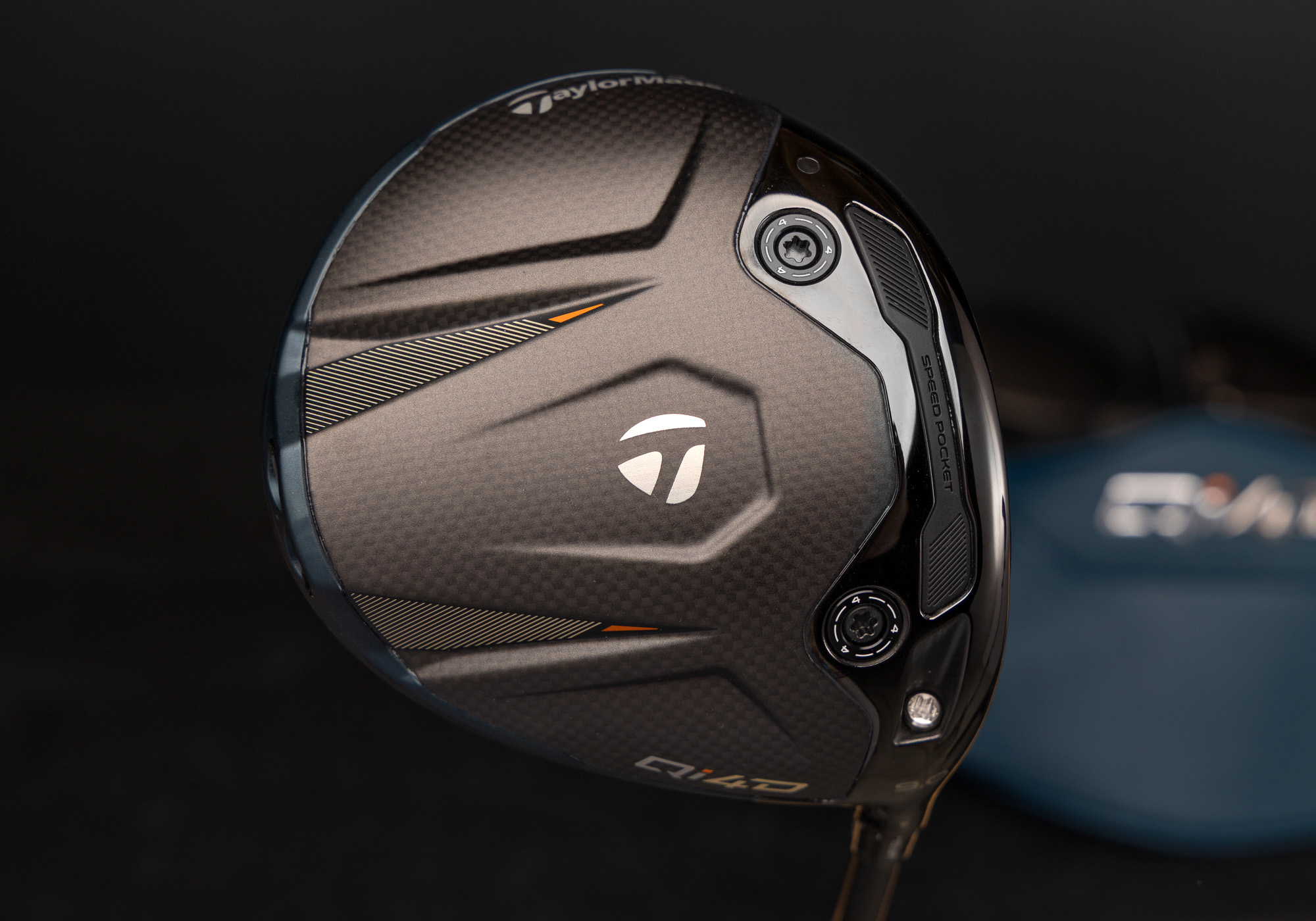
The Qi4D Core is the centerpiece of the lineup and the clearest expression of TaylorMade’s reset.
Like R7 Mini Driver, it features quad weighting, with two 9-gram weights in the rear and two 4-gram weights in the front as the stock configuration. That setup favors forgiveness while preserving the adjustability to add speed or shot shape correction. Heavy weights can be moved forward to lower spin (and increase speed) or placed heel-to-toe to influence shot shape.
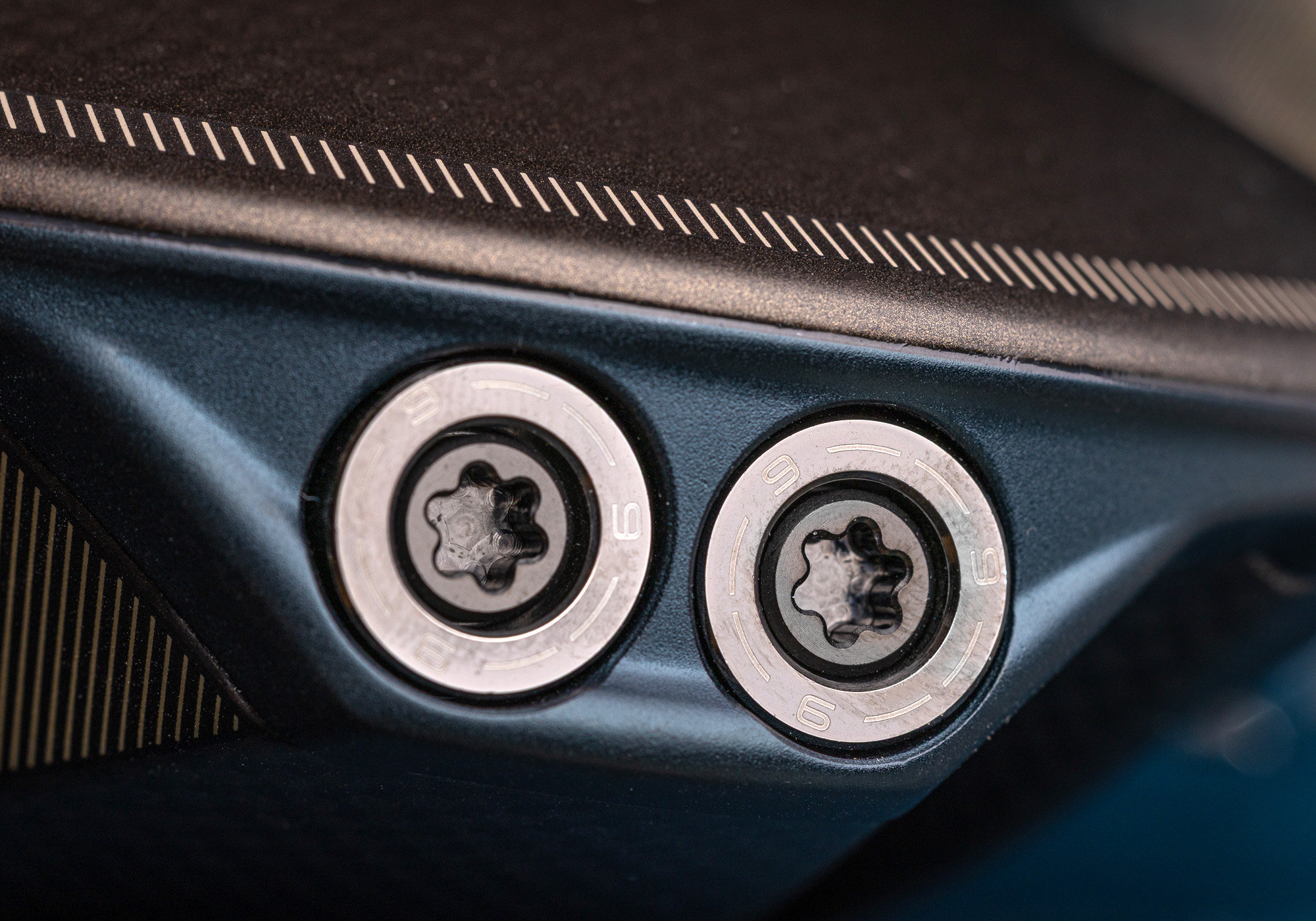
In its most stable configuration, the total MOI of the core model approaches 8,500—lower than Qi35, but intentionally so. TaylorMade wanted to regain speed, and that meant dialing MOI down slightly while still keeping a sensible amount of forgiveness.
TaylorMade describes the Core as the most fit-able head in the lineup and one of the fastest for the widest range of players.
The TaylorMade Qi4D Core model is available in …
Qi4D LS: Speed First, No Apologies
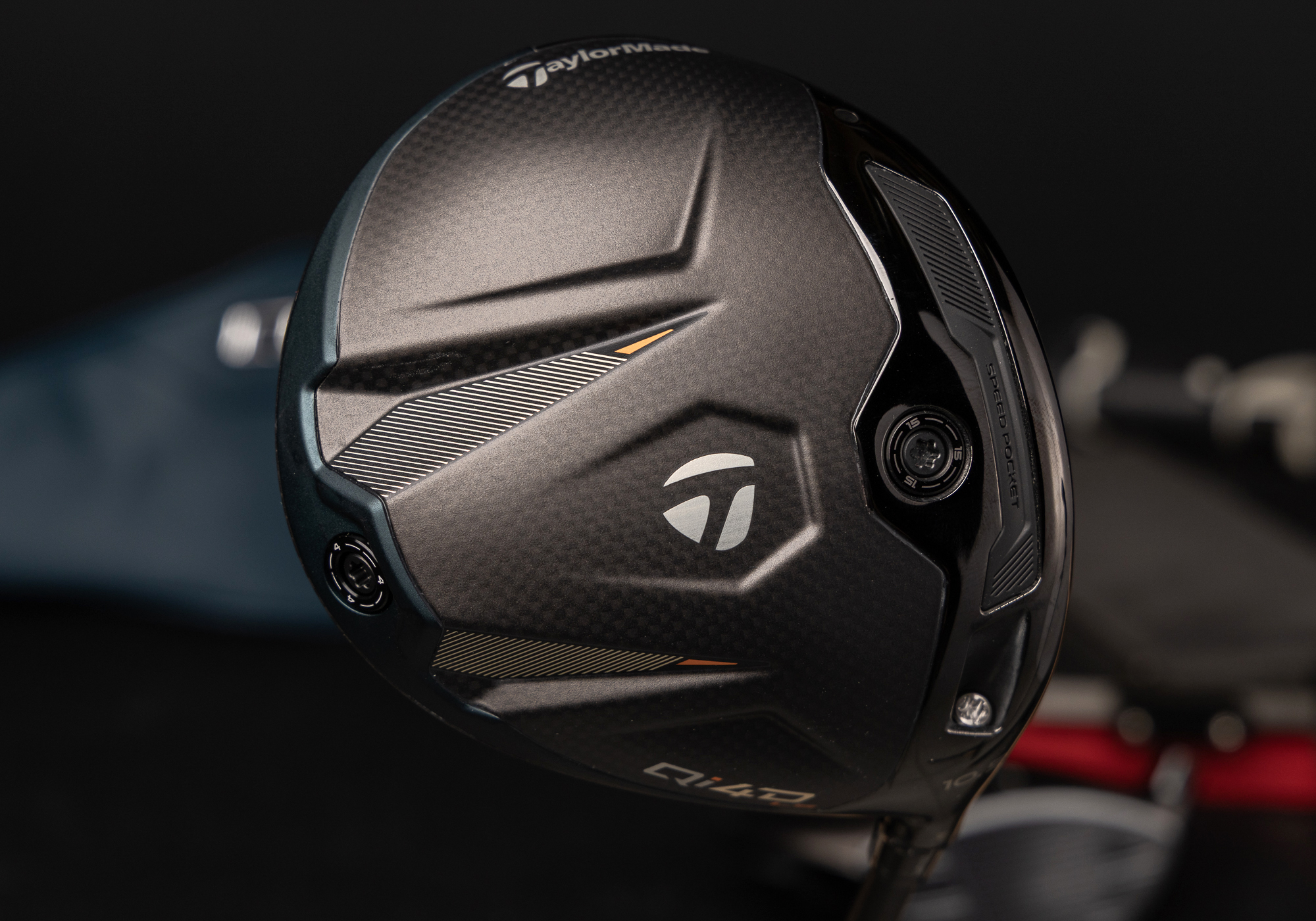
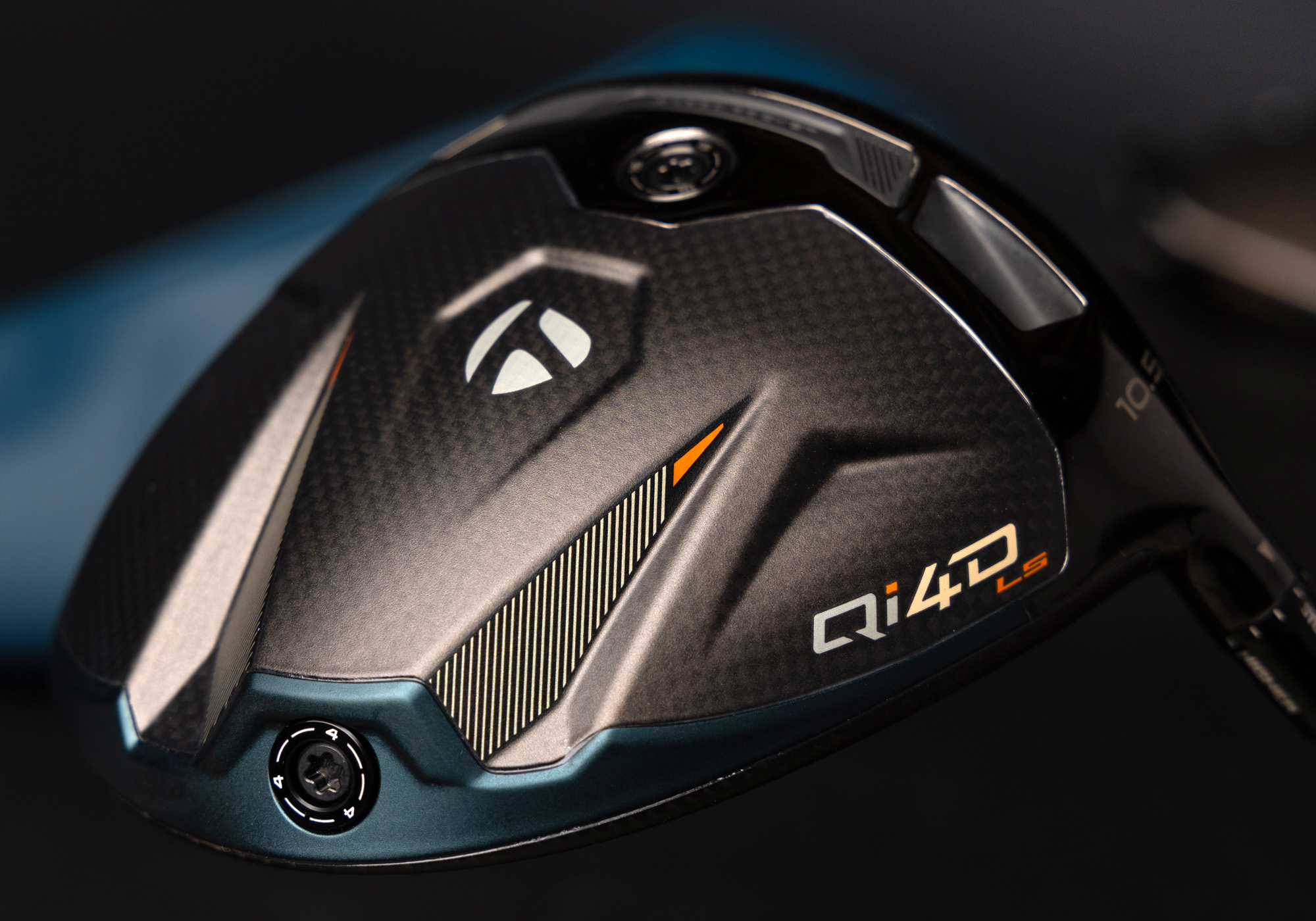
Qi4D LS is the most overtly TaylorMade driver in the lineup.
No longer the little one, the new LS features a 460cc head with a more traditional, compact footprint. The stock configuration places the heavier 15-gram weight forward and a 4-gram weight in the rear, creating a low, forward CG designed explicitly for low spin and all the speed TaylorMade can give you.
As you would expect, MOI is the lowest in the Qi4D family, but TaylorMade says it’s forgiving by LS standards. Aerodynamically, the inertia generator sole feature is reduced and tucked in a bit to improve aerodynamic performance and, by extension, promote more speed in the downswing.
“We’re really putting emphasis on low, forward center of gravity,” Bazzel said. “That player doesn’t need a low-back CG.”
The LS is the model where TaylorMade is seeing its largest speed gains with Tour players—often two to three miles per hour—and it most clearly signals the company’s renewed emphasis on speed.
I love that.
Qi4D Max: High MOI but not 10K
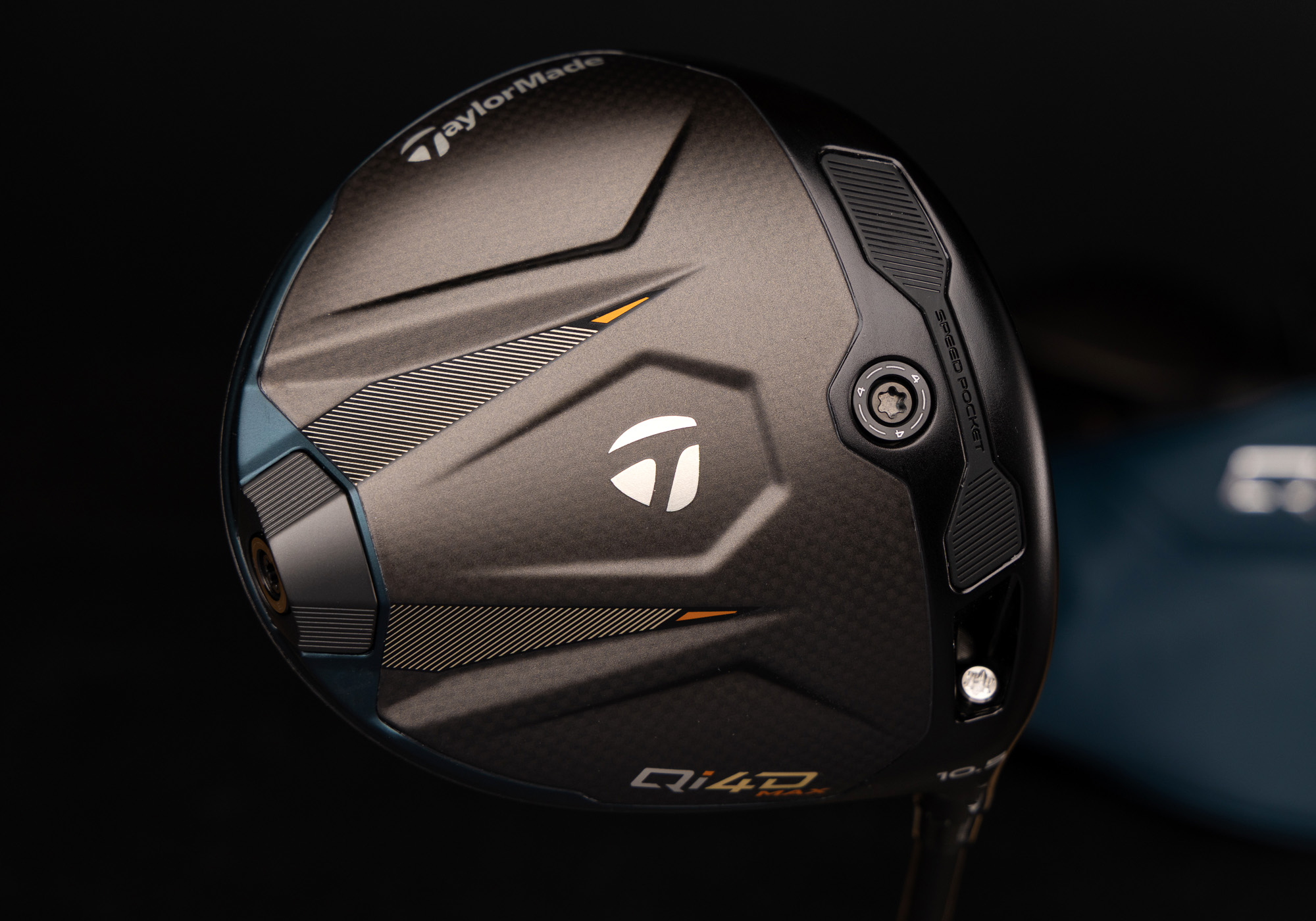
Qi4D Max isn’t simply an upscaled Core model.
It remains TaylorMade’s highest MOI head, but this year it’s staying below the 10K barrier. TaylorMade puts the MOI value at roughly 9,700. That gets you almost to 10K, while retaining movable weight adjustability, something often sacrificed at these inertia levels.
As I’ve said before, chasing 10K for the sake of chasing 10K doesn’t make a ton of sense. Adding additional versatility to a high-enough MOI driver probably does.
“We could get this to 10K no problem,” Bazzel said. “But speed and fit-ability were the choices we were making.”
The stock configuration uses a 13-gram rear weight and a 4-gram front weight. Importantly, the head itself is lighter than the previous Max, which should help juice swing speed a bit.
The profile is noticeably larger than both the LS and the Core models, but I suppose you could frame that as big enough to inspire confidence without overtly signaling game improvement.
Qi4D Max Lite: Lightweight Without Compromise
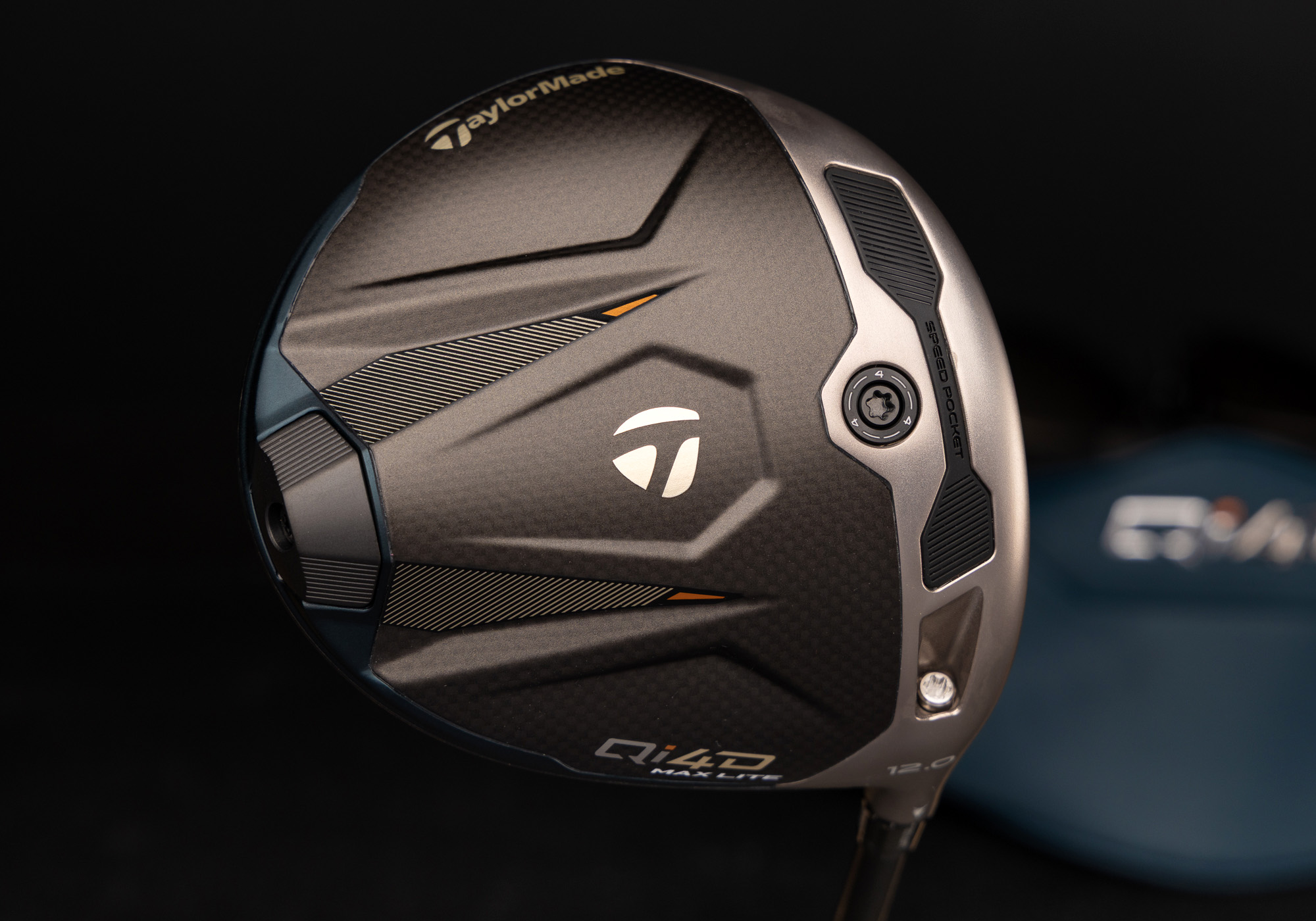
Lightweight drivers have traded some performance in pursuit of more head speed.
Qi4D Max Lite is different.
Rather than simply stripping mass, TaylorMade designed Max Lite to retain a good bit of the high-MOI DNA of the Max while pairing it with lighter overall build specs. The goal is to help moderate swing speed players generate speed without the head feeling unstable or insubstantial.
Nevertheless, TaylorMade expects it’s going to be a strong performer.
“This is the one I’m most excited for you guys to test,” Bazzel told MyGolfSpy. “I’d be shocked if this one doesn’t surprise people.”
The Qi4D Max Lite’s viability shouldn’t be limited to slow swingers. Weight-sensitive players—or those who perform better when they don’t feel like they have to manufacture speed—should have it on their fitting list.
Shaft Fitting by Closure Rate
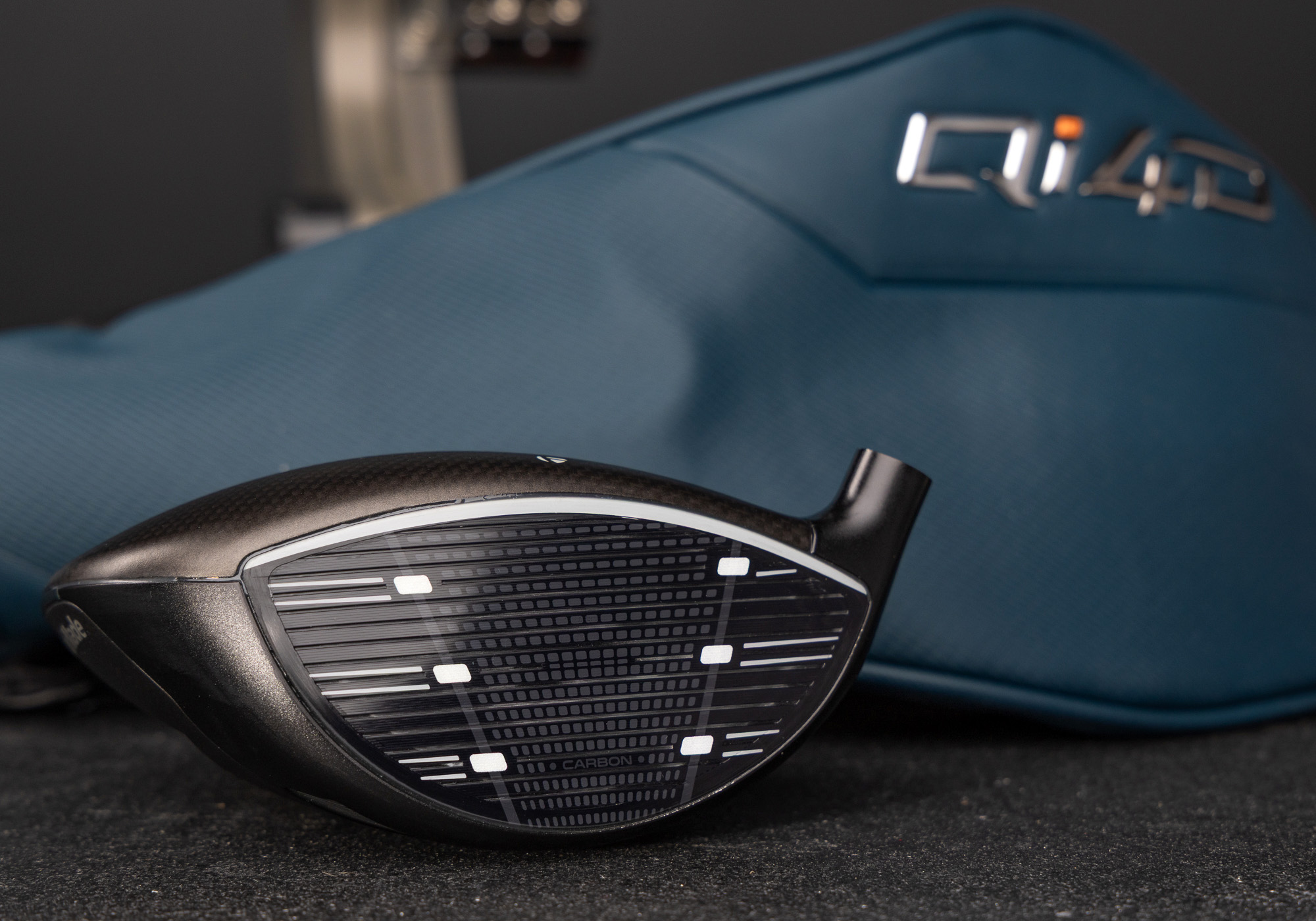
One of the most important parts of the Qi4D story is TaylorMade’s continued focus on shaft fitting, particularly around how the clubface rotates through impact.
Rather than treating shafts as generic launch or spin tools, TaylorMade prioritizes identifying the correct shaft based on Foresight’s closure rate metric. The belief is that dispersion tightens significantly once the correct shaft is in place.
“The shaft is the most misunderstood part of the golf club,” Bazzel said. “It’s important, but it’s messy. It’s really difficult to look at the data and understand what’s happening.”
TaylorMade is candid that this approach is still evolving.
”For the first time, I think, we’re onto something,” Bazzel said. “ We’re starting to see our theories come to life and actually prove out to work, and we’re closer today than ever before.
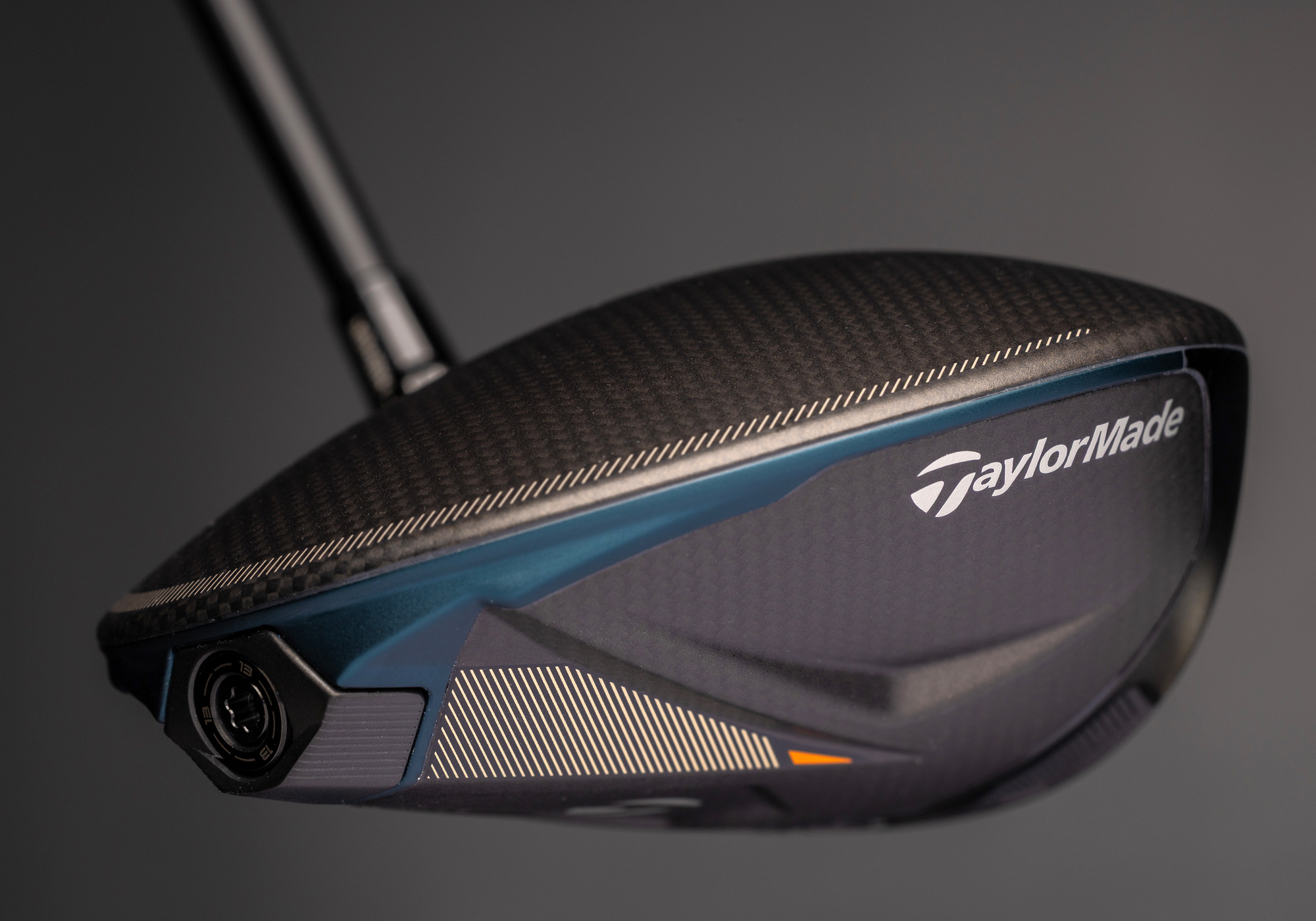
The unfortunate ripple in the Closure Rate fitting story is that an accurate measurement still depends on using a Foresight Quad launch monitor in the fitting.
When TaylorMade fit MyGolfSpy staffers at The Kingdom, the fitters ran Foresight and Trackman in parallel. Foresight gives you the head data necessary to power the shaft recommendation, while Trackman gives you the full flight of the golf ball.
Not that you asked, but it turns out, I’m still an LS guy … really thought the Core model would be the one.
Anyway … while there’s benefit to running two launch monitors in parallel, it’s not lost on TaylorMade that most fitters aren’t going to do that and not every fitter uses Foresight.
So while the closure rate approach appears to have merit, not every golfer is going to be able to take advantage.
A better approach to stock shafts
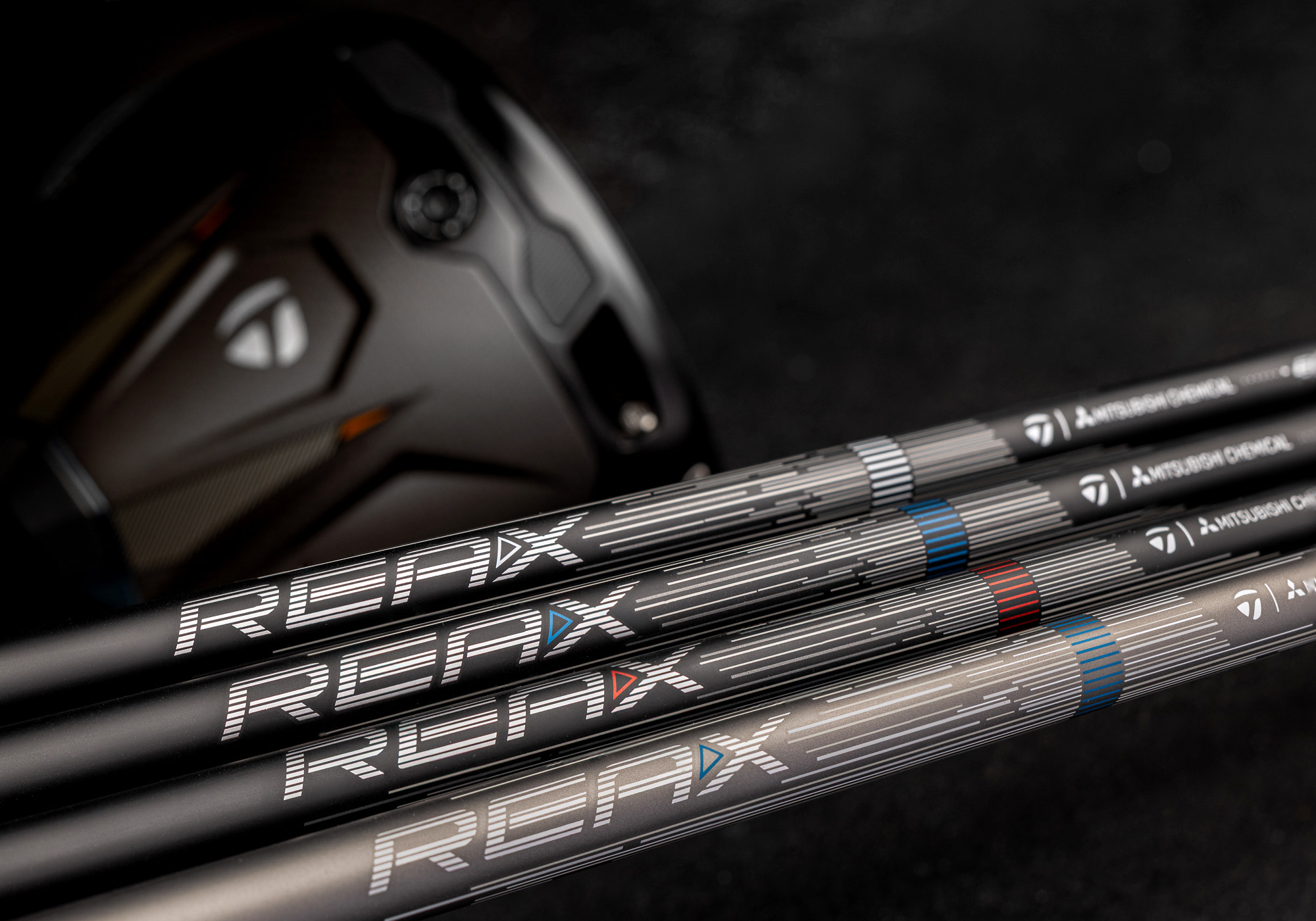
I have beaten TaylorMade up for years over its insistence on using watered-down, made-for versions of premium shafts. Basically, they’ve leveraged the reputation without delivering the performance, and that’s not cool.
With that said, I’m happy to report that with Qi4D TaylorMade is taking a fundamentally different approach. The Qi4D family features proprietary stock shafts designed around TaylorMade’s fitting philosophy. The three models were developed in partnership with Mitsubishi, leveraging their material and engineering expertise rather than branding alone.
While engineered around how players deliver the club, the familiar red, blue, and white color coding still loosely aligns with traditional high-, mid-, and low-launch profiles.
I’m good with all of it.
Looks Matter (and they look good)
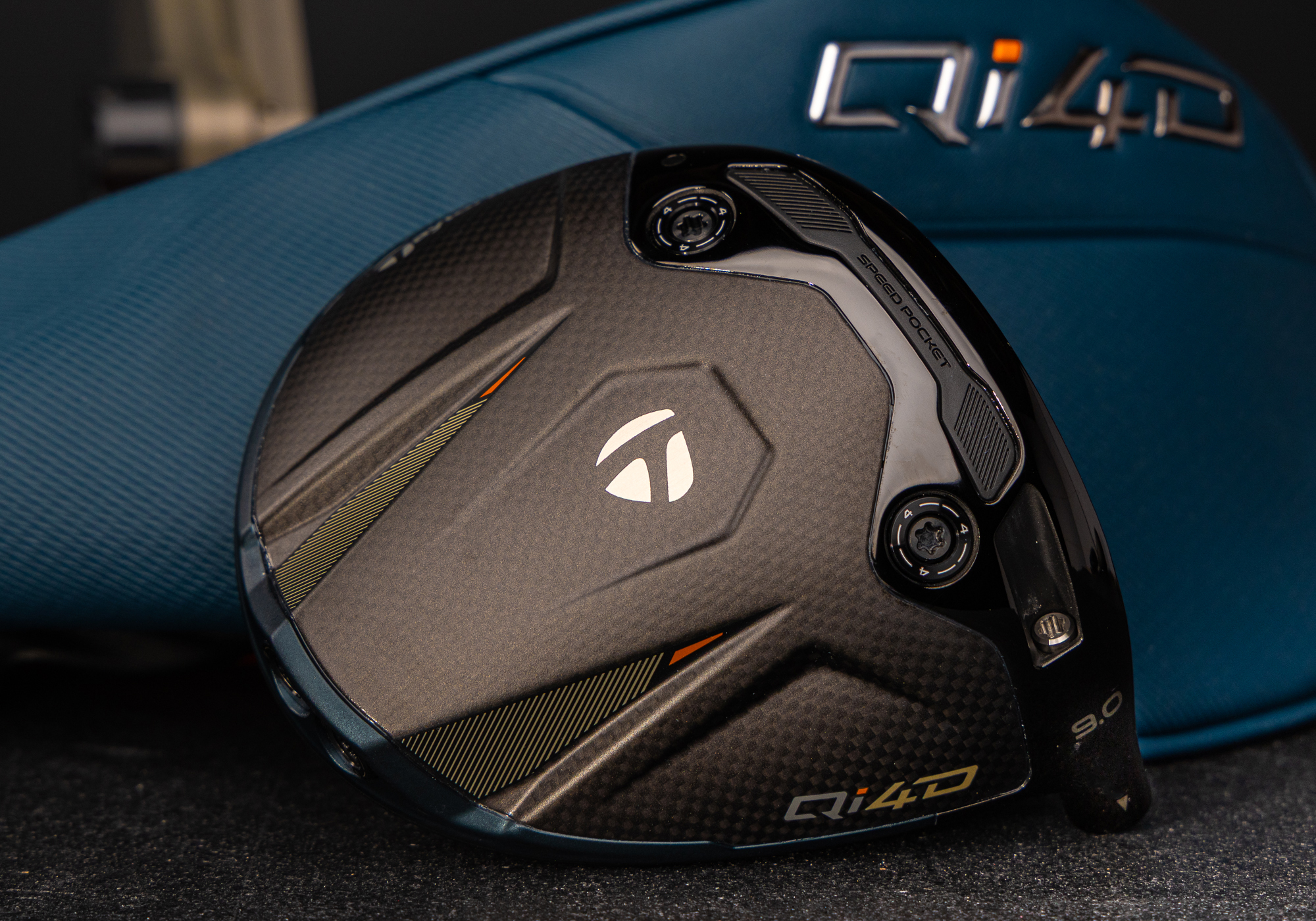
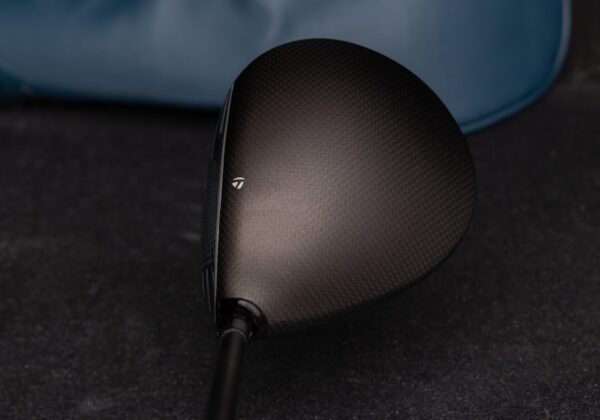
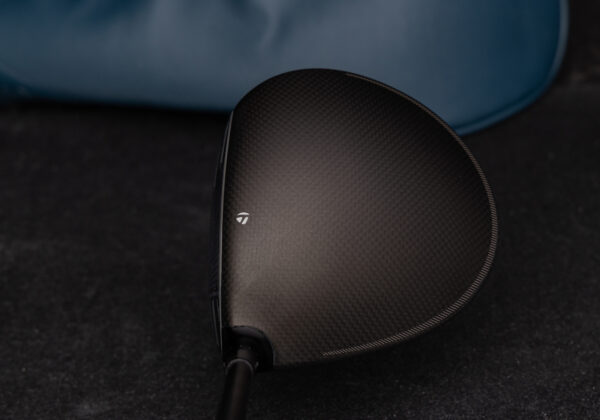
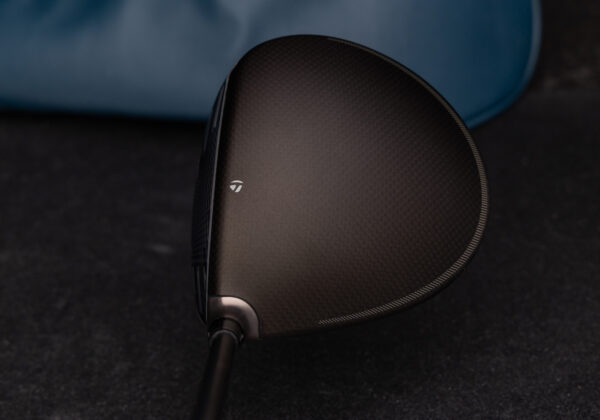
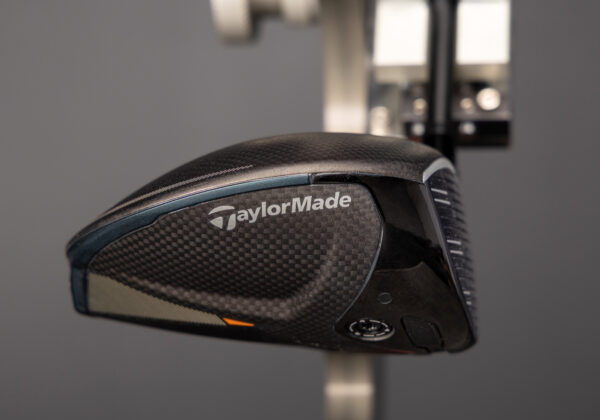
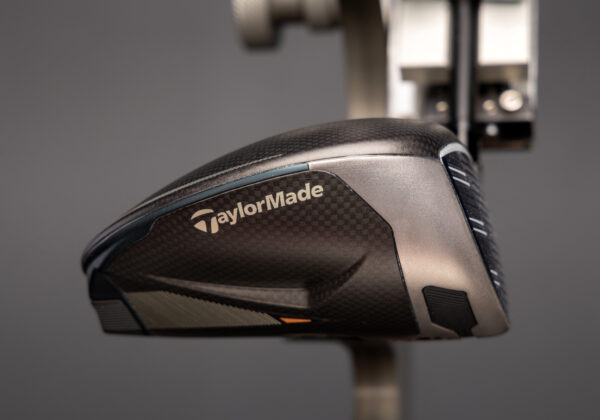
Visually, Qi4D reflects a deliberate tightening of the driver’s shape and proportions. TaylorMade repeatedly referenced pulling the overall footprint back from Qi35, refining the heel-to-toe length, and moving closer to a more traditional profile inspired by the Qi35 DOT models popular on Tour.
The intent was to create designs that don’t look overtly oversized or overly game-improvement at address. Qi4D offers a cleaner, more restrained look that’s still unmistakably TaylorMade.
You’re still getting plenty of carbon weave visual, but it’s a bit more subtle this year.
TaylorMade is also continuing its Designer Series for golfers who want cosmetic alternatives without altering performance.
A final thought
With Qi4D, TaylorMade hasn’t abandoned forgiveness—but it no longer worships it.
For the first time in a few cycles, TaylorMade drivers feel like TaylorMade drivers again. Fast. Adjustable. Fit-able. And unapologetically focused on speed first.
If Qi10 and Qi35 felt like TaylorMade overcooking inertia at the expense of its signature flavor, Qi4D feels like its signature recipe coming back into balance.
Pricing and availability
TaylorMade Qi4D drivers will retail at $649.
For the first time (and for a $50 upcharge), golfers can order drivers with the integrated Foresight reflective markers.
“I’d love to have it in all of them,” Bazzel said. “But it costs more, and not everyone values it.”
Pre-sale for the TaylorMade Qi4D Driver starts now. Full retail availability for TaylorMade Qi4D drivers begins January 29.
For more information, visit TaylorMadeGolf.com.
In preparation for the new model, TaylorMade has discounted last season’s Qi35 to $499 and $549 (LS only).
The post TaylorMade Qi4D Drivers: TaylorMade Finds Its Way Back appeared first on MyGolfSpy.
