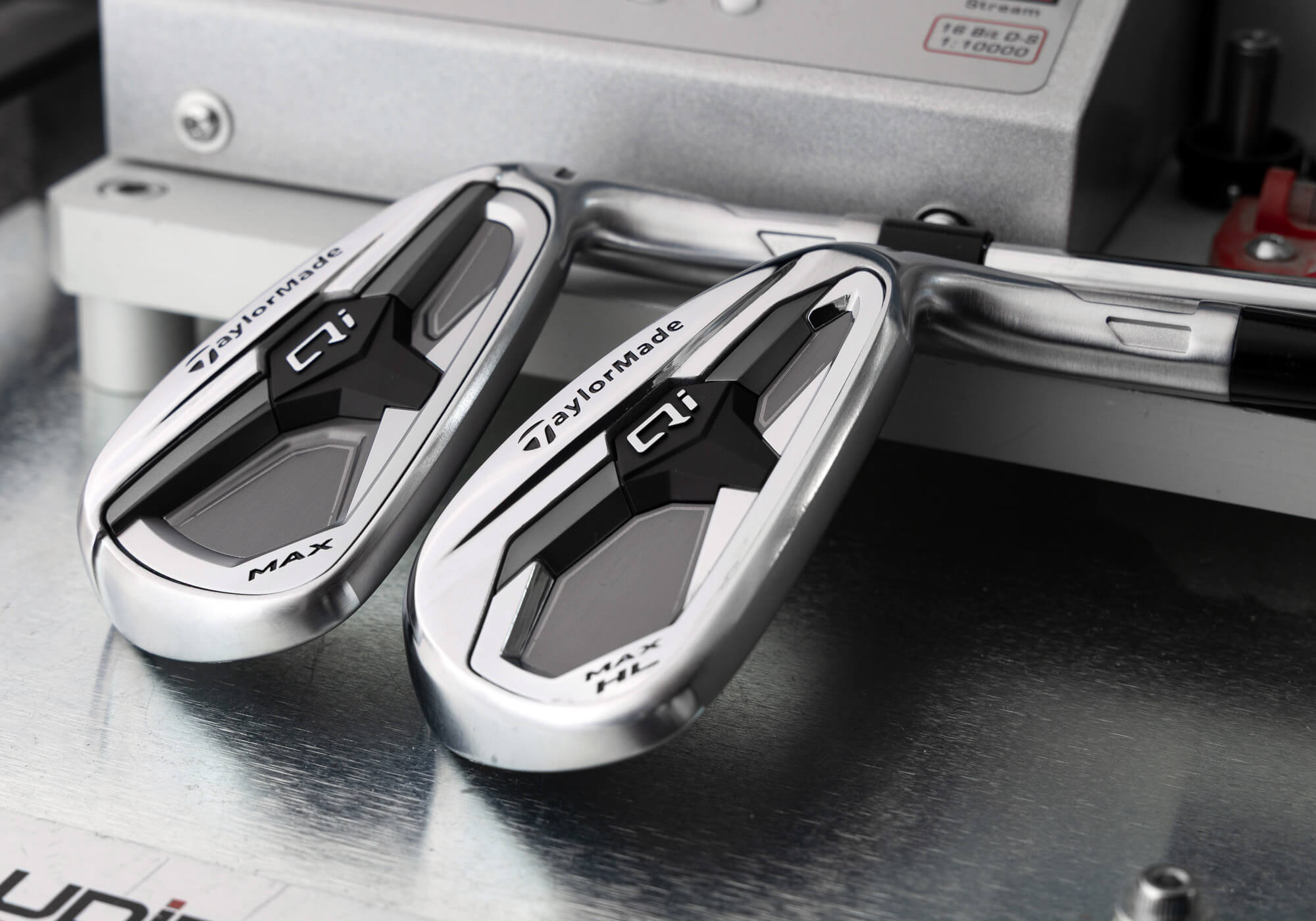
If you needed any proof that the 2026 model year in golf isn’t going to be what you thought it was going to be, I submit to you Exhibit A: the new TaylorMade Qi Max irons.
So far, 2026 has been the “Year of Playability” for new golf gear. Even though we expect to hear about longer, straighter and faster, so far that’s not what OEMs are giving us. Not entirely, anyway. We’re hearing about new materials, new manufacturing methods and the new industry buzzword:
Playability.
The big stories surrounding the new TaylorMade Qi Max irons are all about playability. They’re also a little bit different than what you’d maybe expect from TaylorMade. All that does is make them all the more interesting.
Let’s take a look and see if they belong on your must-demo list.
TaylorMade Qi Max irons: A change you didn’t see coming
The list of major OEMs on a one-year life cycle for metalwoods isn’t as long as you’d think. There’s Callaway, COBRA, TaylorMade and … that’s pretty much it. The list of OEMs on a one-year life cycle for game-improvement irons is even shorter, with Callaway, COBRA and …
That’s it.
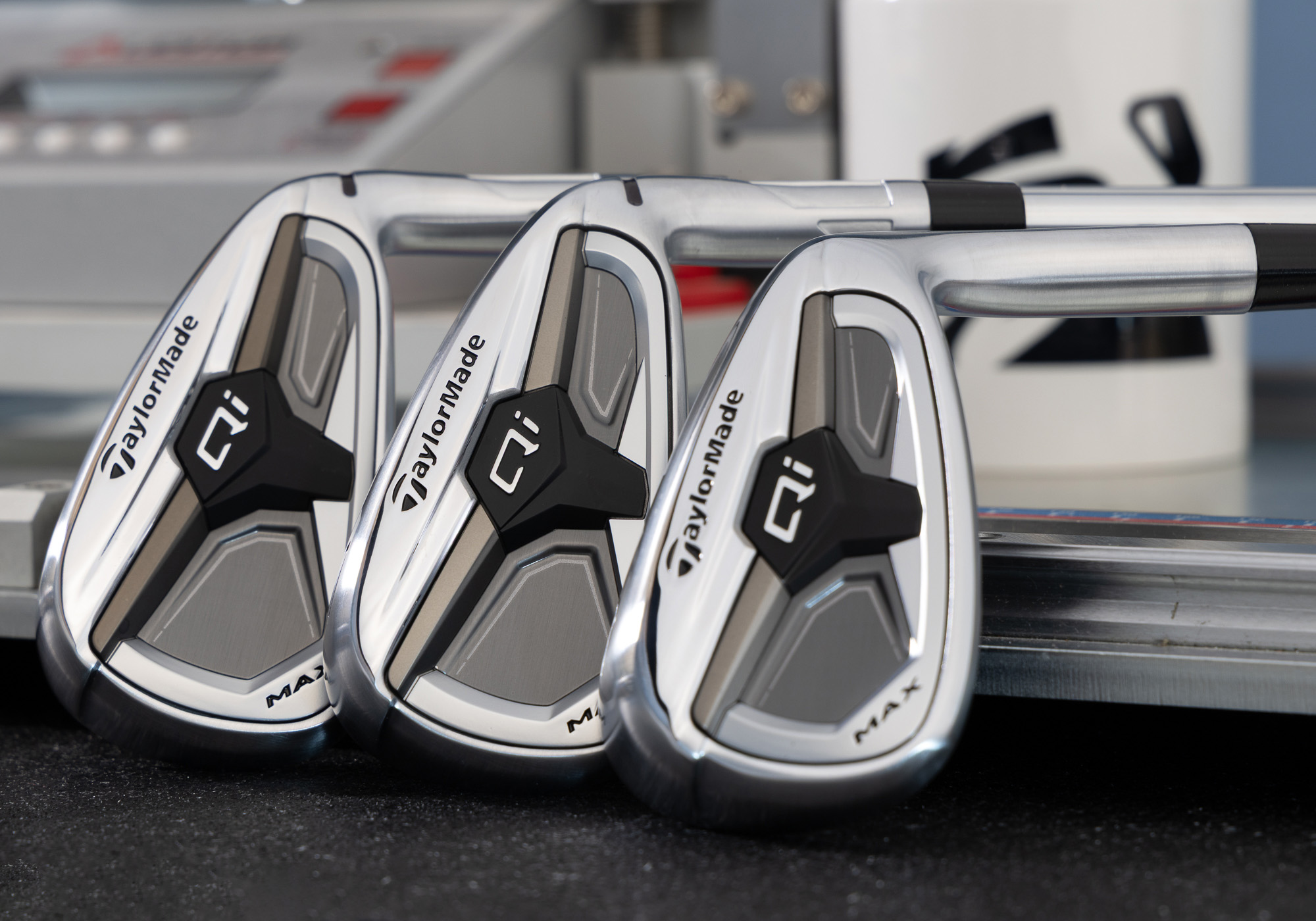
The Qi Max and its bigger, higher-flying brother, the Qi Max HL, are TaylorMade’s first new game-improvement irons since the Qi from 2024.
“That’s a big strategic shift for us,” TaylorMade Iron and Wedge Director Matt Bovee tells MyGolfSpy. “Iron purchase cycles are longer and it takes more time to build equity in things. It’s huge for us in terms of being able to create a better-performing product throughout the set.”
If that’s a surprise to you, here’s another: TaylorMade has, in fact, been on a two-year game-improvement cycle since 2022 when it launched the Stealth.
Now I know you didn’t see that coming.
As for performance attributes, TaylorMade remains committed to its original Qi message of straight distance. It’s also adding an attribute one doesn’t normally connect to a cast game-improvement iron: the concept of feel.
Straight distance is the best distance
TaylorMade first told the “straight distance” story two years ago but it bears repeating. A game-improvement iron face is designed to be fast. To achieve that, it has to flex, and it flexes more on the toe area than anywhere else on the face. That’s not unexpected, as variable-face thickness technology is designed to minimize ball speed loss on mishits.
Nature plays a role, too. Any iron face is asymmetrical. The toe is longer from top to bottom than the heel is so it will naturally flex more anyway. Both conspire for one big unintended consequence.
“When the ball hits the face, the toe is going to react differently than the heel,” explains Bovee. “The toe deflects a lot, the heel deflects a little. Because the heel didn’t deflect as much, it wants to rebound faster. That puts a cut spin on the ball.”
A cut spin, friends, sends the ball to the right. In the hands of a golfer who tends to miss toward the toe anyway, and who tends to leave the face slightly open at impact, the ball is going to go even more right.
“Variable-face thickness is designed to expand the sweet spot and that’s all fine and good,” says Bovee. “But our patents control the flexibility grading from heel to toe. We control the thickness and stiffness on the toe compared to the heel and we control that ratio so we can eliminate cut spin.
“It’s more prominent in your long irons because that’s going to be the fastest face.”
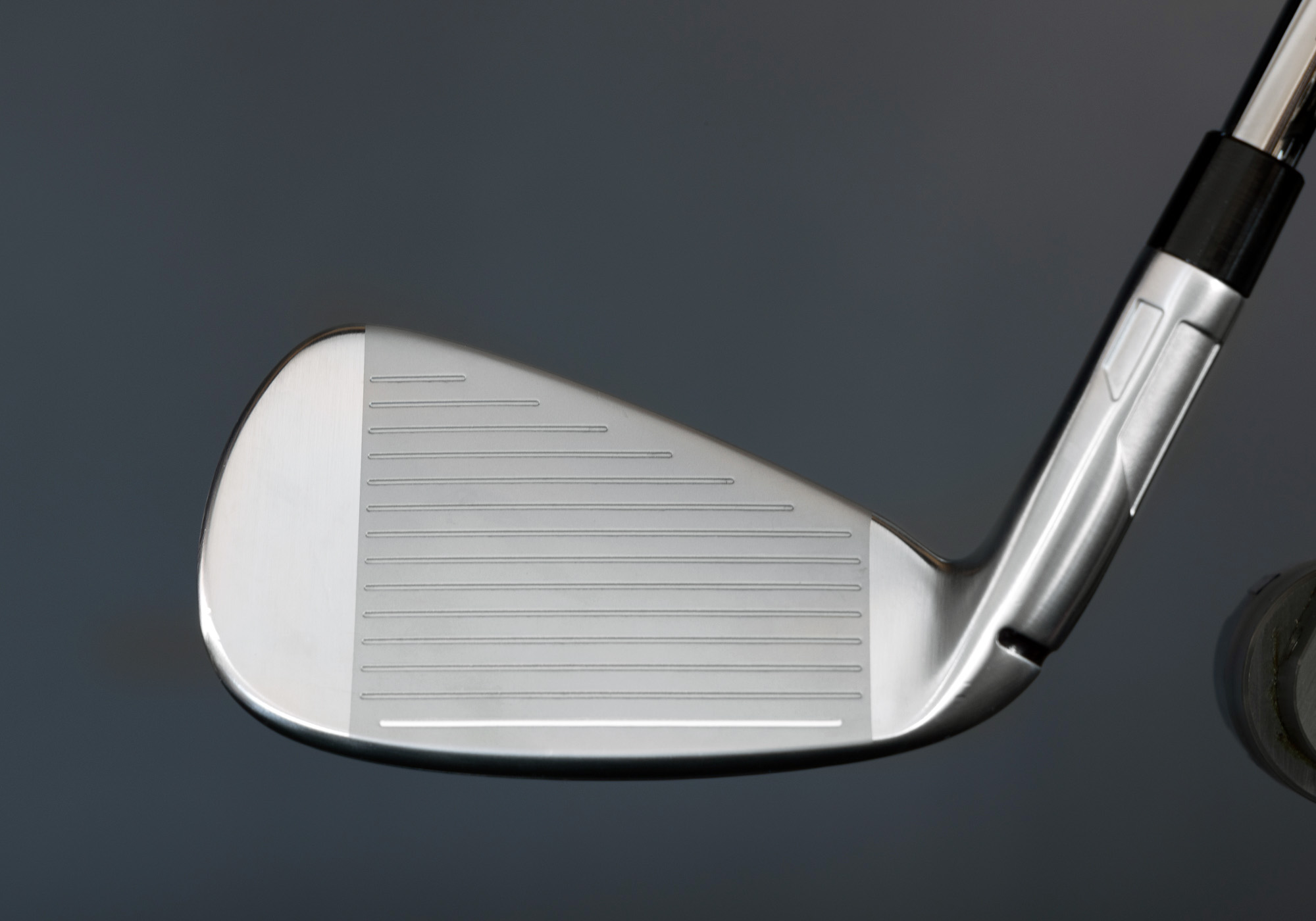
Unique faces throughout the set
Each iron face throughout the set is unique and somewhat counterintuitive. Most GI irons with variable-face thickness will have thin toes and thin heels, again to preserve ball speed when you miss the middle. The TaylorMade Qi Max, however, has a thicker area in the toe.
“The toe has to be thicker than the heel because you want to balance out that stiffness,” explains Bovee. “The heel is substantially thinner.”
Controlling the rebound rate has different benefits depending on the iron. Controlling face stiffness in longer irons can help get the ball up in the air which is important when your 5-iron is 21 degrees. With higher-lofted mid-irons, it’s more about maximizing ball speed and making the sweet spot larger.
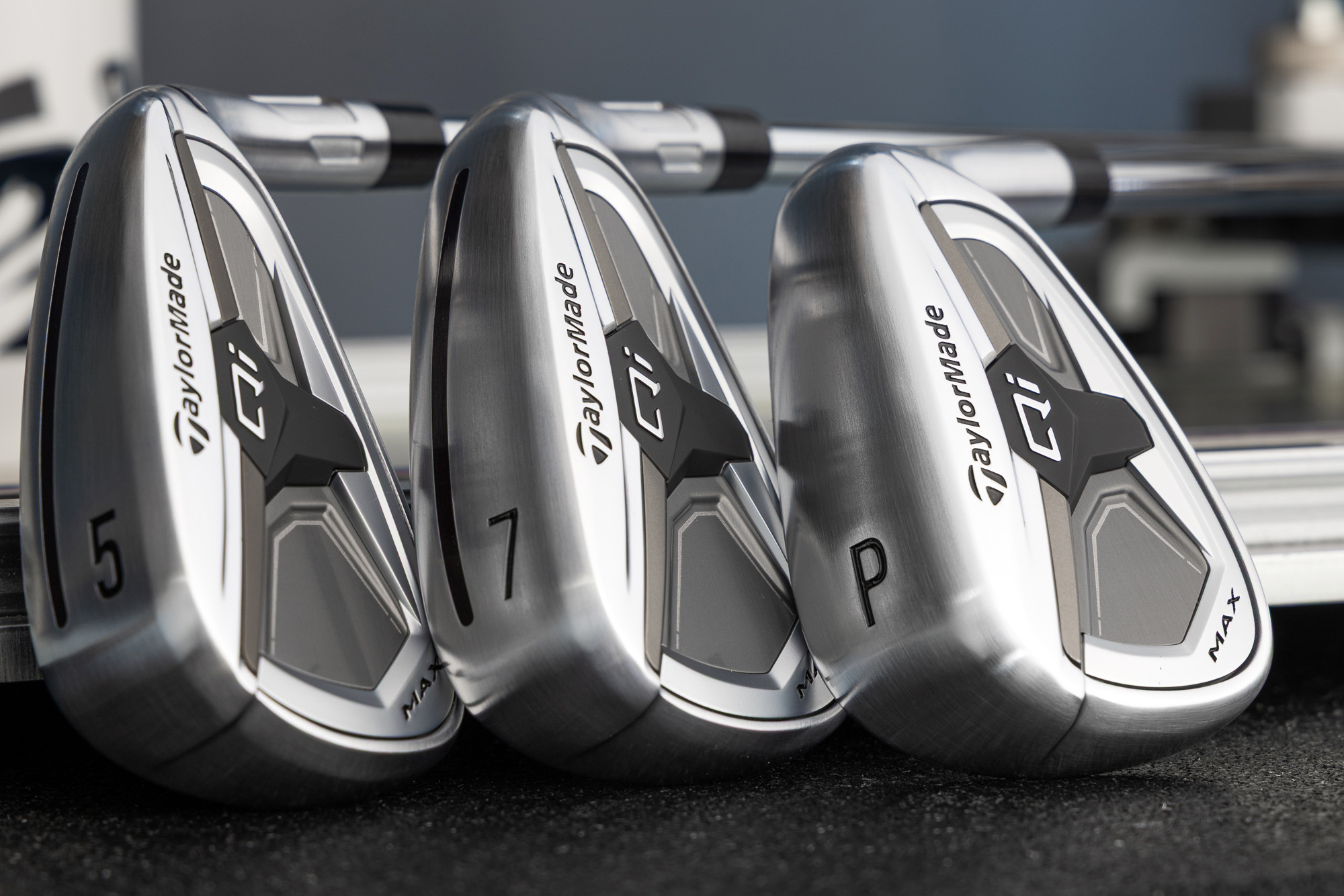
“In shorter irons, we actually want to control launch angle and drive spin higher,” Bovee says. “You’ll have more control, more stopping power and more playability.”
The importance of feel
TaylorMade asked 11,000 of its most involved customers what they wanted out of a game-improvement iron. The top two answers were, predictably, distance and forgiveness.
However, No. 3 with a bullet was feel. Unfortunately, feel and game-improvement irons don’t usually go together.
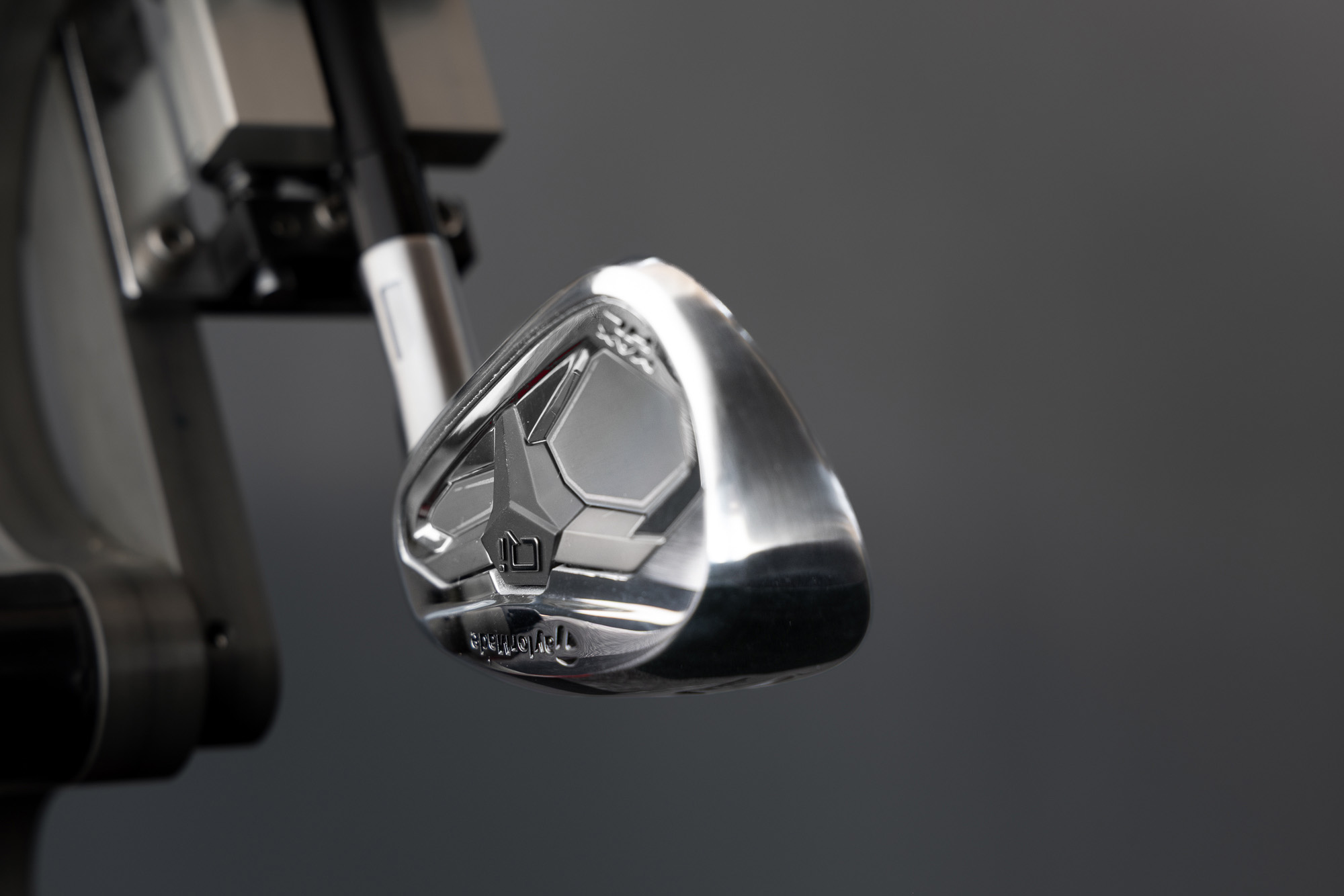
“All the face flexibility creates a sort of clacky sound,” Bovee says. “Feel really is sound but that’s not something a normal golfer understands.”
Flush any iron and what you feel is a combination of frequency, energy and duration. Frequency is the pitch of the actual sound. Energy is how loud it is and duration is how long it lasts. If two of those three are out of whack, you get unpleasant sound and, ultimately, unpleasant feel.
Where you make contact on the face matters, too. TaylorMade says game-improvement golfers hit the center – an area the size of a golf tee top – 10 percent of the time. Nearly 70 percent of the time, they don’t come close.
“If it’s just the center that feels good, then only one out of four shots feels good,” says Bovee. “The majority of the time, you don’t love it.”
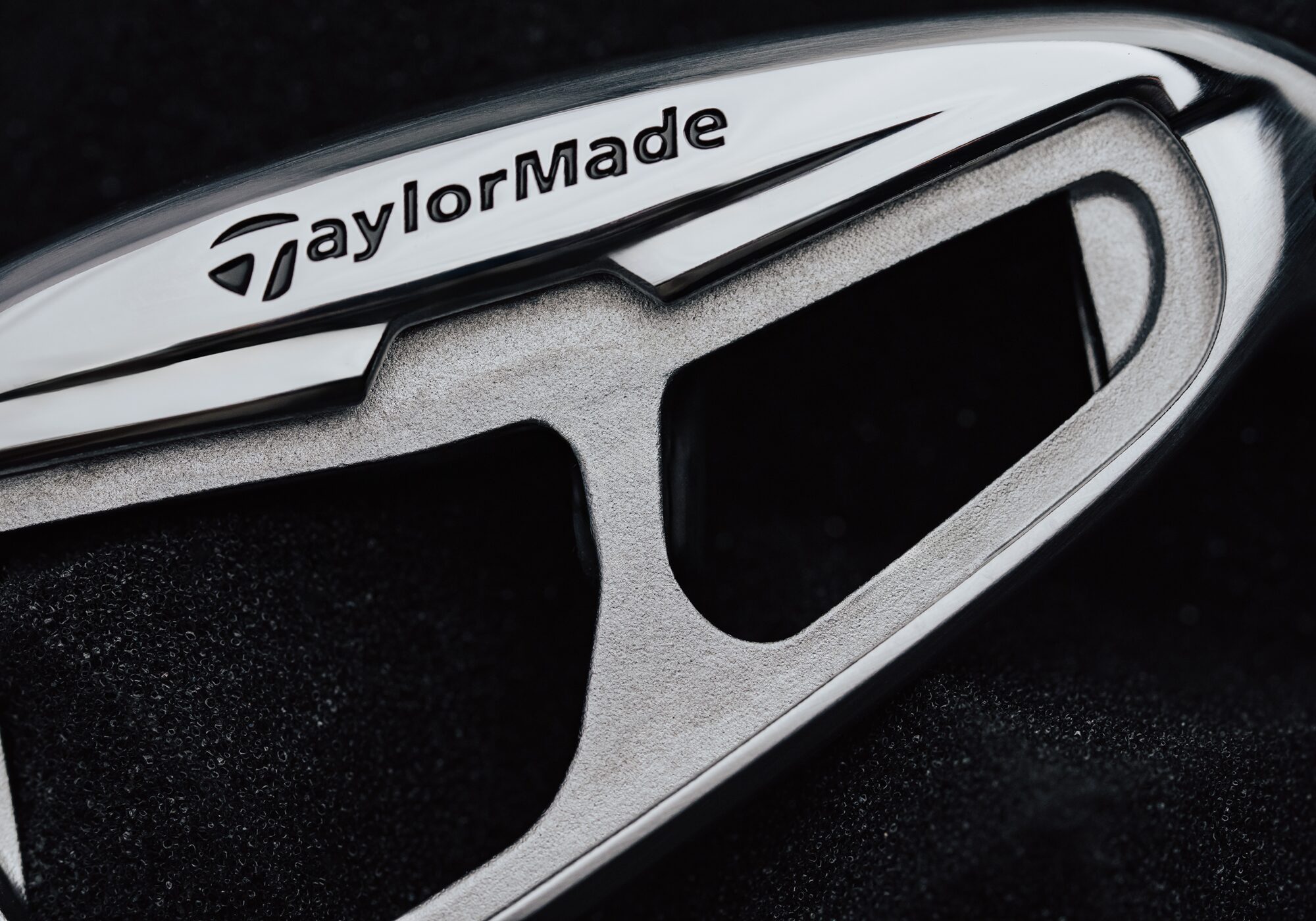
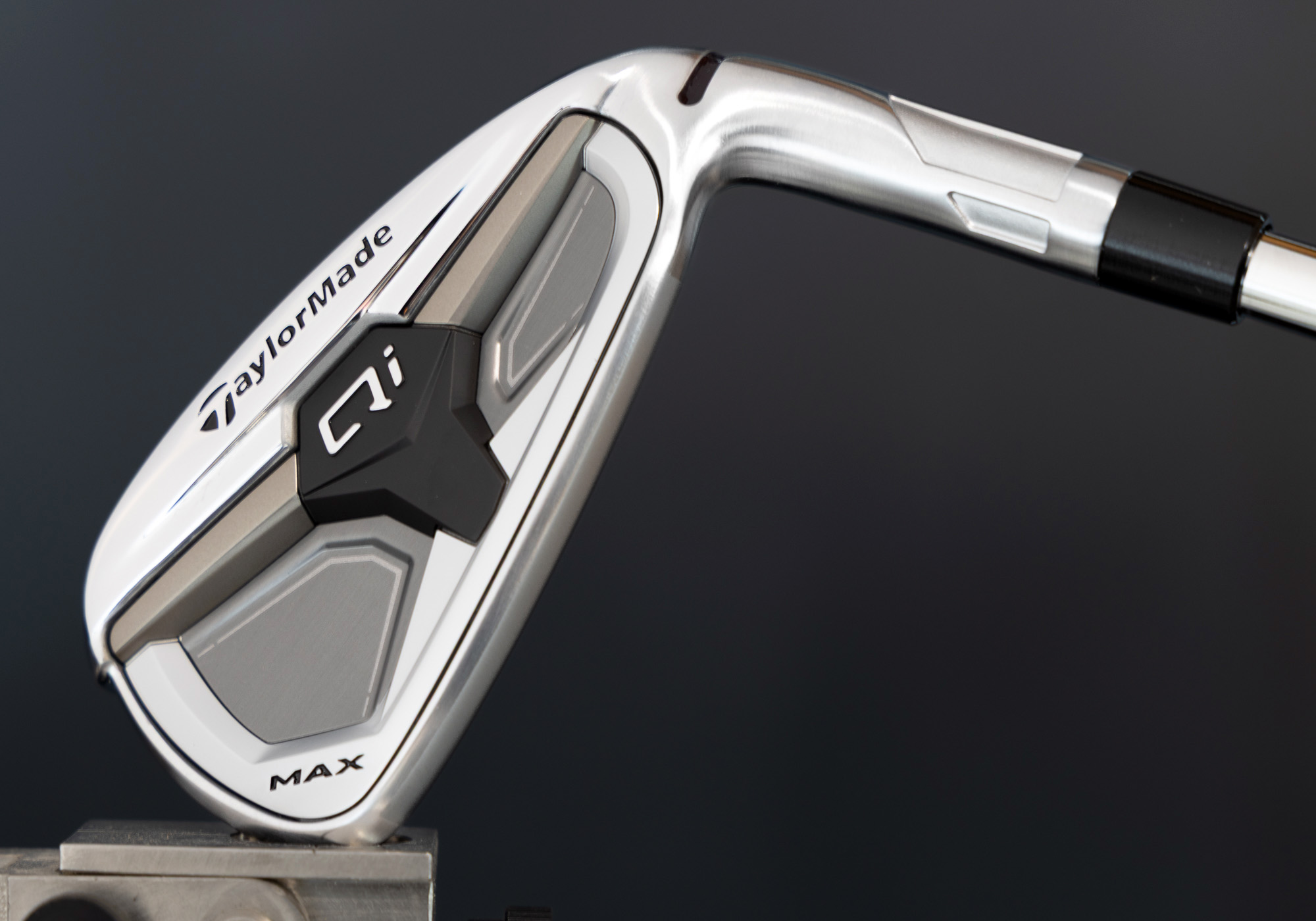
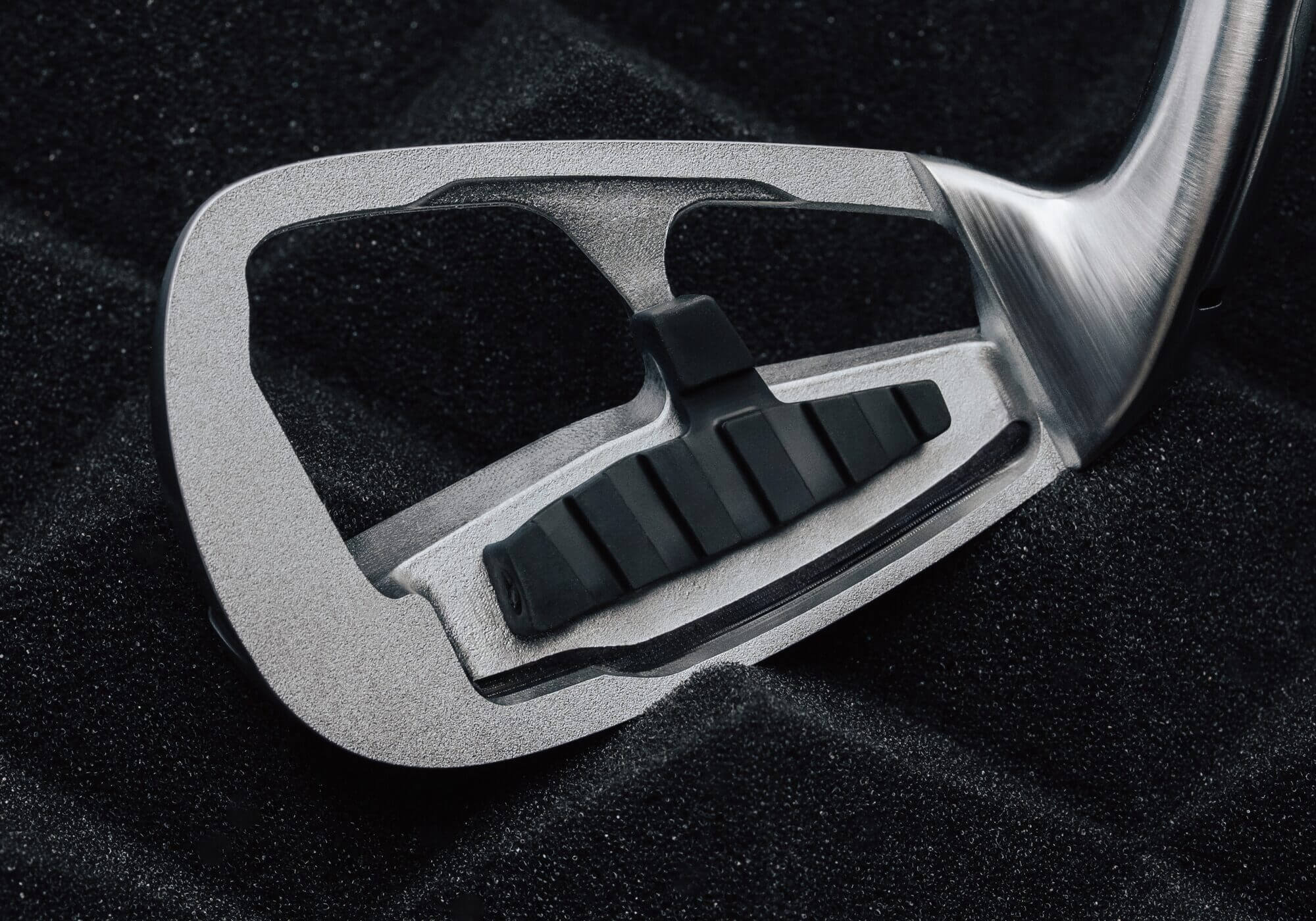
To improve feel for the Qi Max, TaylorMade had to expand that sweet-sounding center impact to a larger area of the face. Internally, it’s adding what it calls a Sound Stabilization Bar to connect the topline to the lower portion of the structure. It’s also expanding its Echo sound-dampening polymer onto that bar.
The result is that while the frequency of the sound might still be high, the combination of the expanded polymer and the Sound Stabilization bar reduces the volume and shortens the duration. What’s left is a sound and feel that TaylorMade calls explosive and solid at the same time.
The TaylorMade Qi Max: It’s aspirational
On my personal 2026 Launch Season Marketing Lingo Bingo card, I have to admit that I did not have “aspirational.” The new Qi Max and Qi Max HL are, to these eyes anyway, much nicer looking than the two-year-old Qi models. I’m not sure I’d call the look aspirational, however.
Bovee did, though. Three times, at least.
“Some players want their GI irons to not look like GI irons,” he said. “They want an iron that looks, for lack of a better word, aspirational. It needs to look like a player’s iron but not actually be a player’s iron.”
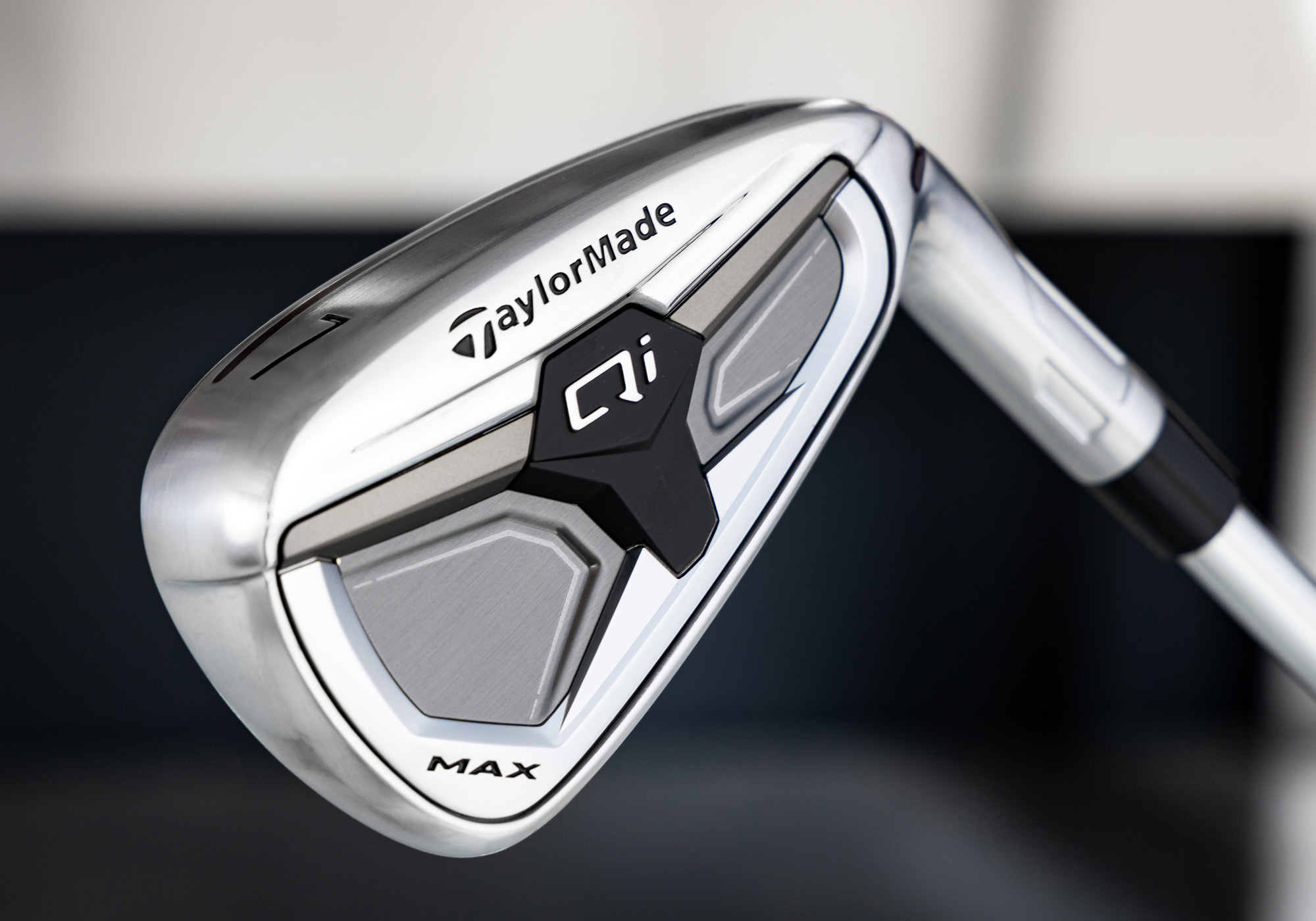
For what it’s worth, the Qi Max gives “aspirational” a pretty good shot compared to the iron it’s replacing. It’s more compact with a thinner topline, shorter blade length and less offset than the original Qi. When you add in the mostly monochromatic look, maybe aspirational does work.
And maybe it’s just me, readers, but is the backside geometry vaguely reminiscent of the Adams XTD from 2014?
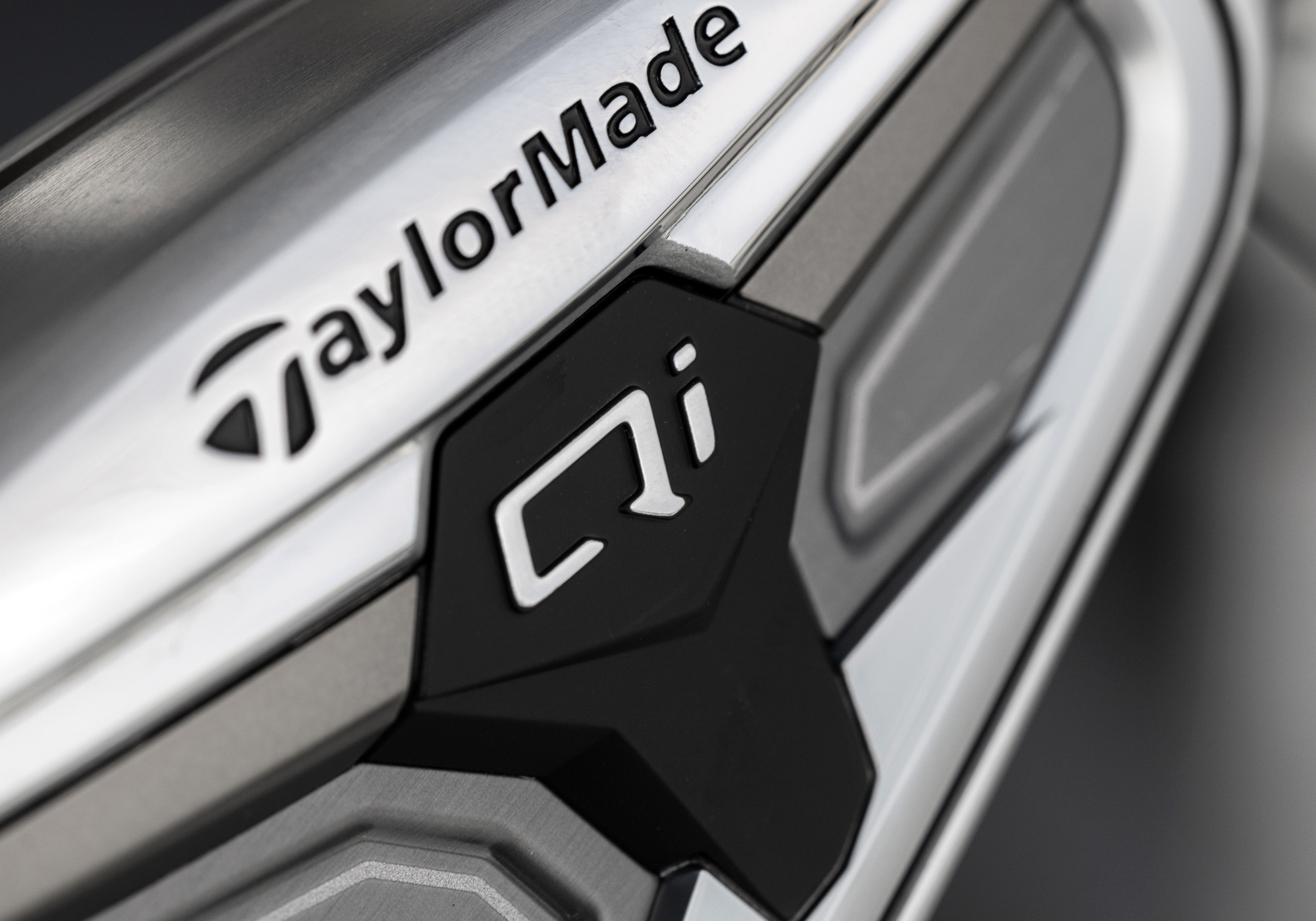
Okay, maybe it is just me.
The Qi Max HL is a more forgiving, higher-launching version of the standard Qi Max. The look is consistent (and aspirational), just supersized with a larger face area, longer blade length, wider sole, thicker topline and more offset. It’s also weaker lofted by three degrees per club across the board.
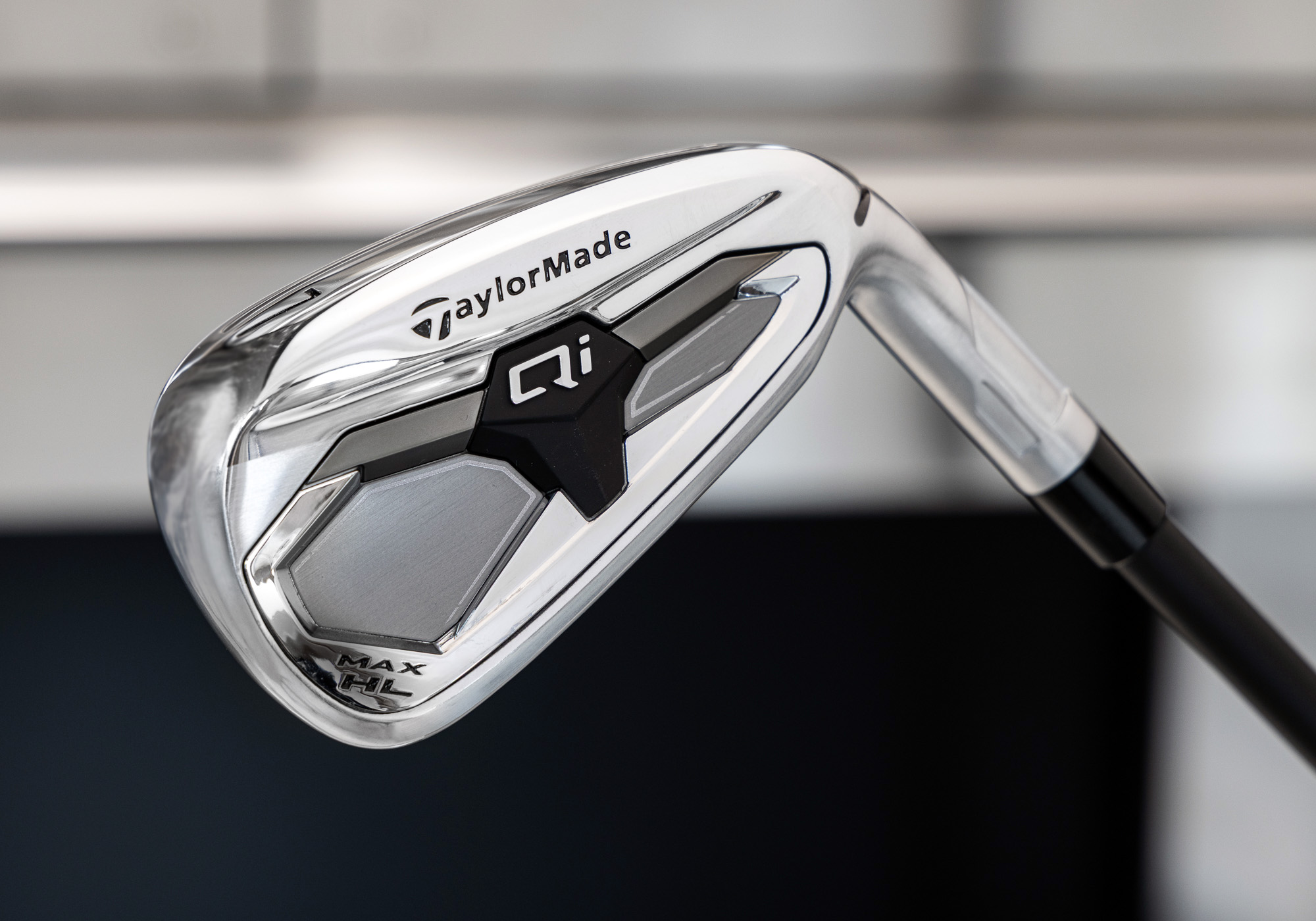
“Just because you’re somebody who needs a little help launching the ball in the air or would benefit from a larger clubhead, you don’t necessarily want to signal that to the rest of the world,” says Bovee.
“It looks like a legit club, not a cry for help.”
The TaylorMade Qi Max and Qi Max HL: Specs, price and availability
The new TaylorMade Qi Max irons will be available in a 4-iron through sand wedge in left- and right-handed (an optional 58-degree lob wedge is available for righties only). The Qi Max HL is available in a 5-iron through sand wedge, also in righty and lefty. No lob wedge is available.
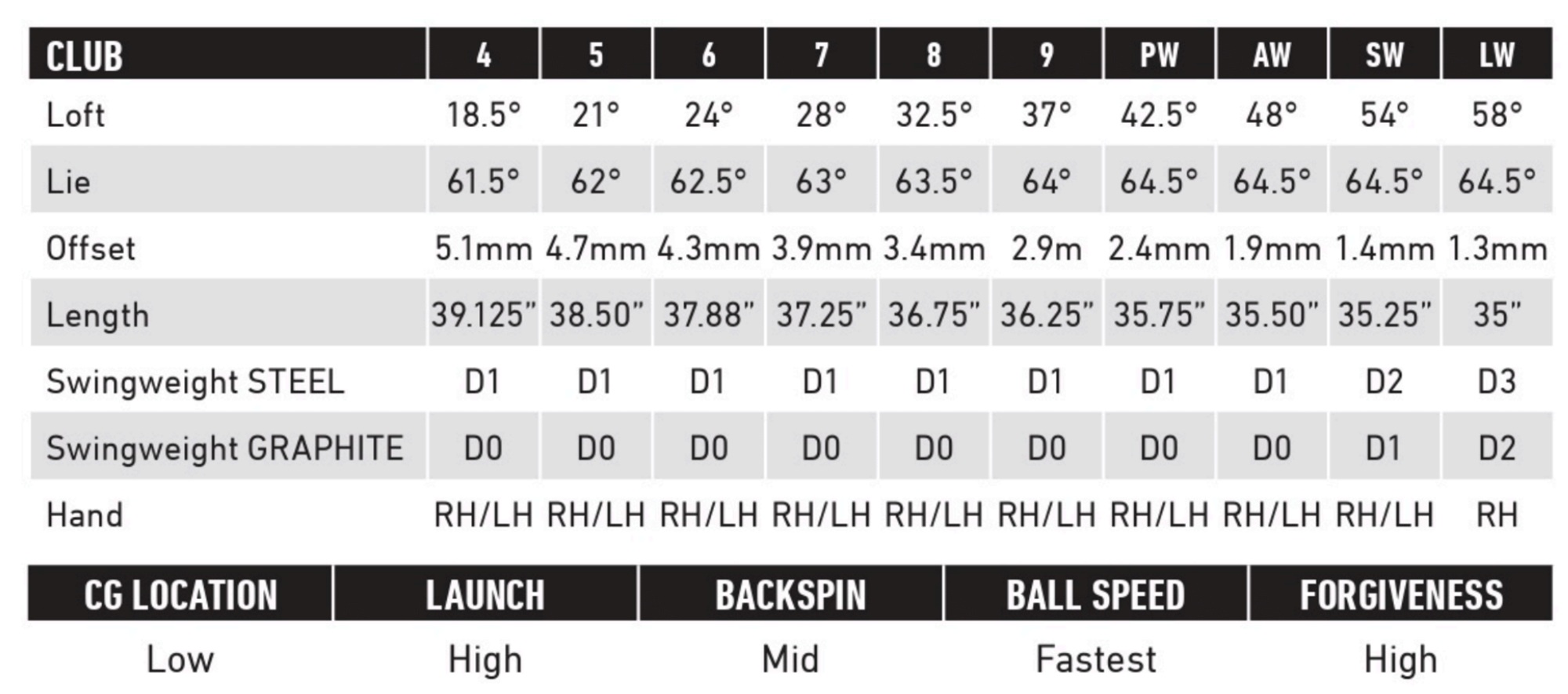
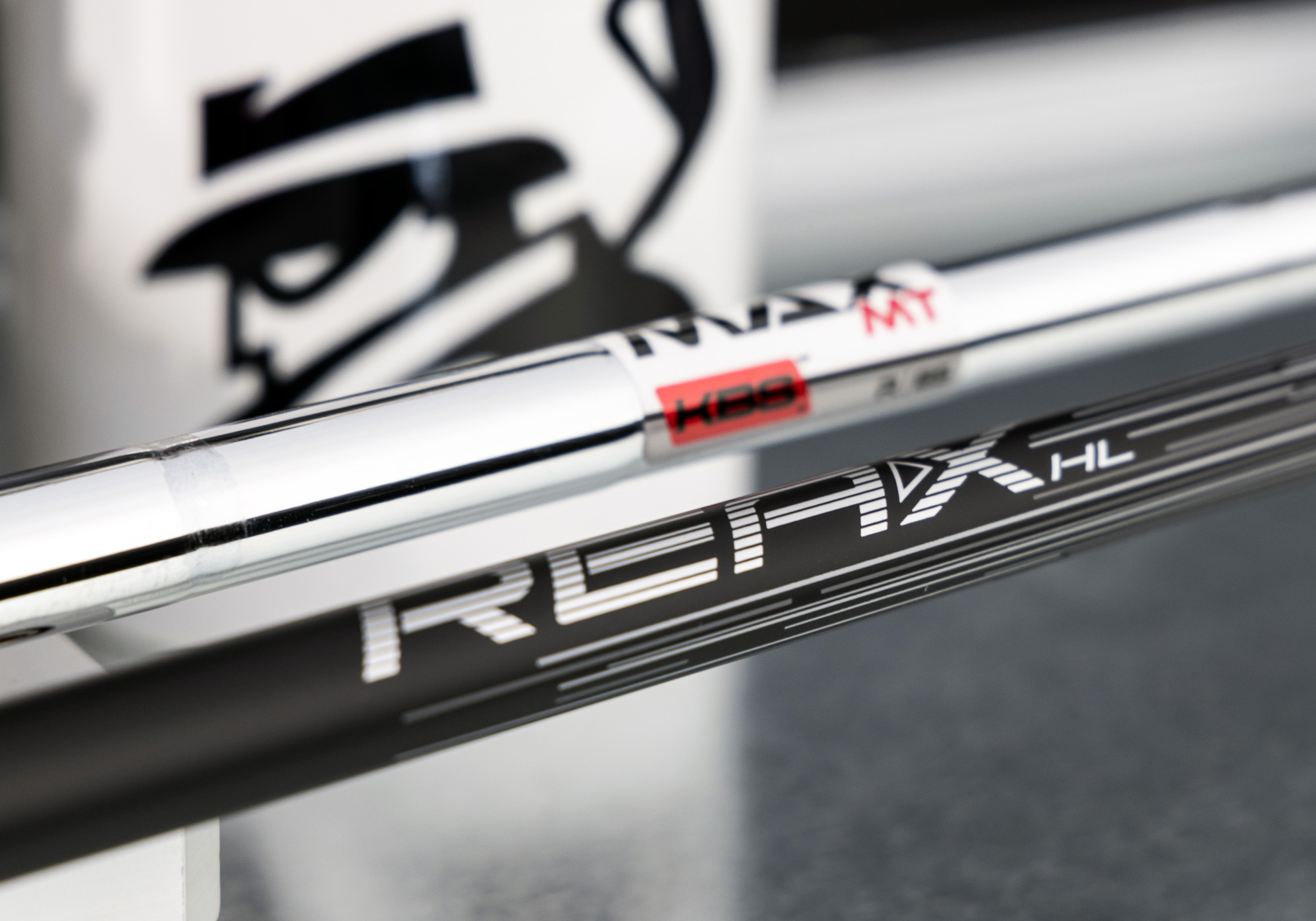
The standard Qi Max comes with the KBS Max 85 MT (S, R flexes) as the stock steel shaft. The stock graphite is a joint venture between Taylormade and KBS called the REAX. It’s available in a 75-gram S flex, 65-gram R-flex and a 55-gram A flex.
The SuperStroke (formerly Lamkin) Crossline 360 Black is the stock grip.
The Qi Max HL comes stock the KBS Max Lite steel shaft and a lighter REAX HL in graphite. A lighter version of the Crossline 360 grip rounds out the Qi Max HL’s overall lighter-weight build.
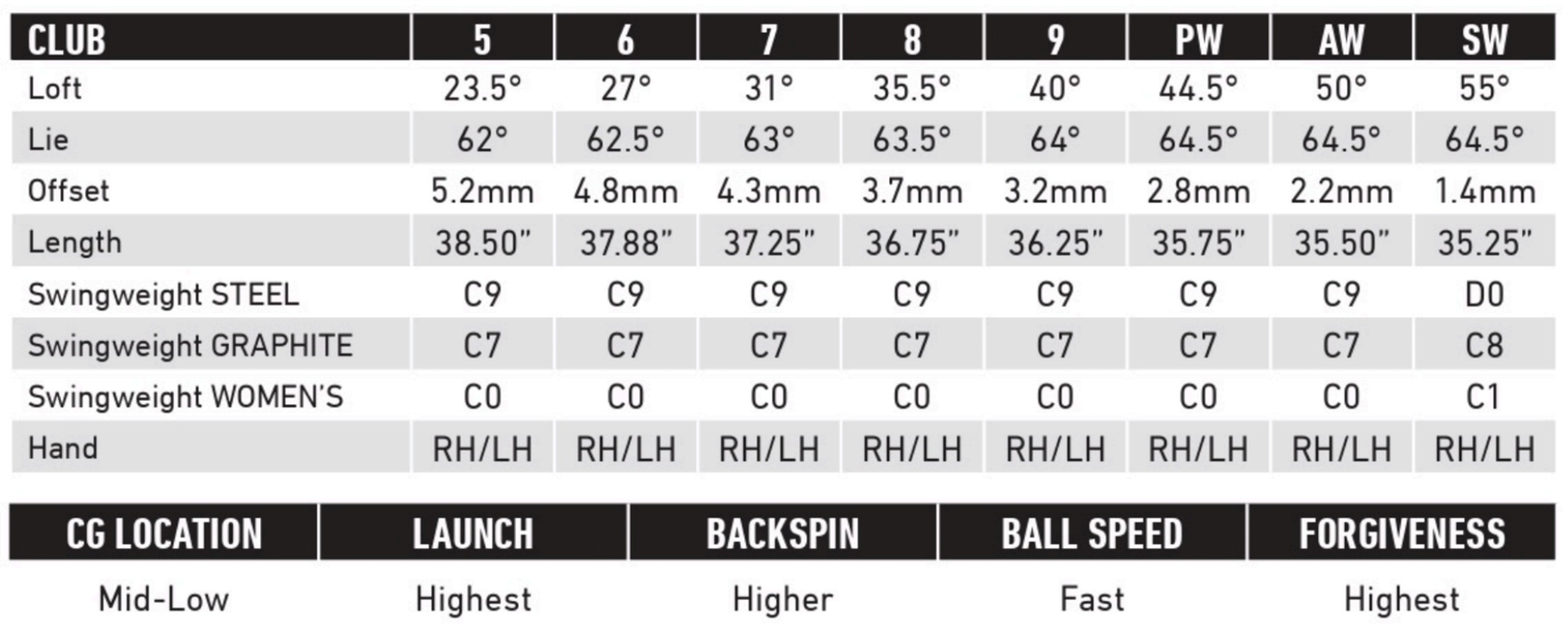
Both irons will be available in seven-piece sets for $1,099.00 in steel and $1,199.99 in graphite. They’re available for pre-order starting today and will hit retail on Jan. 29.
For more information, visit TaylorMade.com.
The post The Sound And The Fury Of The New TaylorMade Qi Max Irons appeared first on MyGolfSpy.
