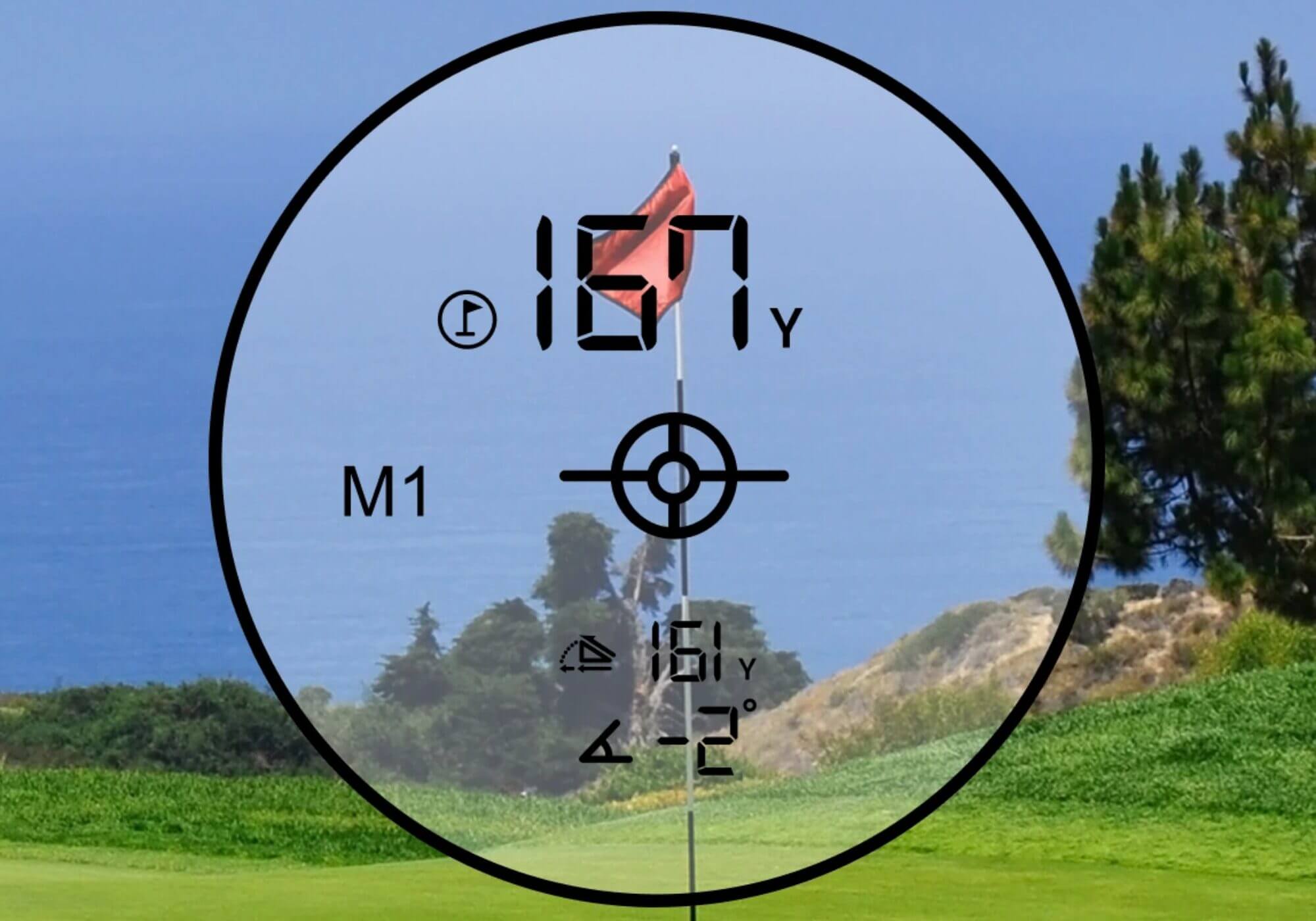
Most amateur golfers believe they have a “stock” yardage for every iron in the bag, e.g., “I know my 7-iron goes 160 and my 8-iron goes 145.” The numbers feel repeatable and predictable. Practice sessions reinforce that belief. But golf isn’t played on a range mat with no wind and perfect lies.
So how often do amateurs actually hit their stock yardage on the course?
Using Shot Scope on-course data, we looked at 7-iron performance only. Instead of focusing on how far the ball traveled, we measured consistency: specifically, how often a golfer finishes within ±5 yards of their own performance average distance.
This includes everything real golf throws at you: wind, uneven lies and elevation changes. Here’s what the Shot Scope data shows.
How often golfers hit their “stock” 7-iron
| Handicap Group | % of Shots Within ±5 Yards of P-Average |
|---|---|
| Scratch | 18.5% |
| 5 Handicap | 17.2% |
| 15 Handicap | 14.0% |
| 25 Handicap | 12.5% |
These numbers, with a 7-iron in hand, were lower than I expected. While consistency improves steadily as handicap decreases, it’s still not all that high. Scratch golfers hit their stock 7-iron about six percentage points more often than 25-handicap golfers.
The best players in this group land within five yards of their stock number less than 20 percent of the time. True repeatability on a “stock” yardage is rarer than most amateurs expect.
Why this matters for golf course management
Knowing your yardages is still critical. But the mistake many amateurs make is assuming their average distance represents what will happen most of the time.
It doesn’t.
If your 7-iron performance average is 160 yards, that means your typical full swing centers around 160. It does not mean 160 is what you can expect every time you pull that club.
Let’s say the pin is 162.
Many golfers immediately think, “That’s a 7-iron.”
But if you only finish within five yards of 160 about 14 percent of the time (15-handicap average), a large portion of your shots are landing shorter than that number. A slightly low strike, a touch into the wind or a small ball-speed drop can easily turn that 160-yard club into a 152-yard shot.
Now you’re short of the green, bringing front bunkers and short-sided misses into play.
This is where better players separate themselves. They miss their number less often and manage dispersion more intelligently.
Think in ranges, not single numbers
The quickest way to apply this to your game is to start thinking in ranges.
Instead of saying, “My 7-iron is 160,” shift to: “My 7-iron typically carries between 152 and 165.”
That range will vary by player but the principle is the same. Your average is the center of your dispersion, not the number you should expect every time.
If your 7-iron averages 160 and your common misses are six to eight yards short or long, your effective carry window might realistically be 152 to 165.
Now let’s go back to that 162-yard pin.
If your lower-end carry is 152 and a meaningful percentage of your shots fall there, the 7-iron becomes a probability decision. This is where amateurs get into trouble. They match the club to the laser number instead of matching it to their dispersion pattern.
The takeaway isn’t that stock yardages are useless. It’s that they’re probabilities. The better you understand your dispersion, the smarter your decisions become and those small consistency gains are exactly what help you move to a lower handicap.
The post The Stock Yardage Myth: How Often Amateurs Actually Hit Their Number appeared first on MyGolfSpy.
