Two-piece, ionomer-covered golf balls don’t typically invite comparisons to Pro V1. As I wrote in my story on the new Titleist Velocity, they’re usually designed with singular intent: soft feel, low price or straight-line distance. Most knowledgeable golfers understand those tradeoffs before they hit their first tee shot.
While it may have taken us a couple of cycles to notice, Tour Soft, it seems, has never entirely fit into that mold.
For instance, when we tested Tour Soft for our 2025 Ball Test, it measured 88 on our compression gauge. That’s essentially indistinguishable from Pro V1 (which typically sits around 87). That also makes Tour Soft quite a bit firmer than most of the two-piece market but that detail alone doesn’t make it a Tour ball. However, it does hint at why Tour Soft continues to blur the lines between “distance” balls and multi-layer urethane models.
It’s also fair to say that if the compression wasn’t what it is, we’d have been hard-pressed to explain why Tour Soft was among the longest balls we tested off the tee. It was, by far, the biggest surprise of the 2025 test.
With the launch of the new Tour Soft, Titleist is hinting that the gap between Tour Soft and what are generally considered Tour balls may have narrowed a bit more.
Core-to-cover, revisited
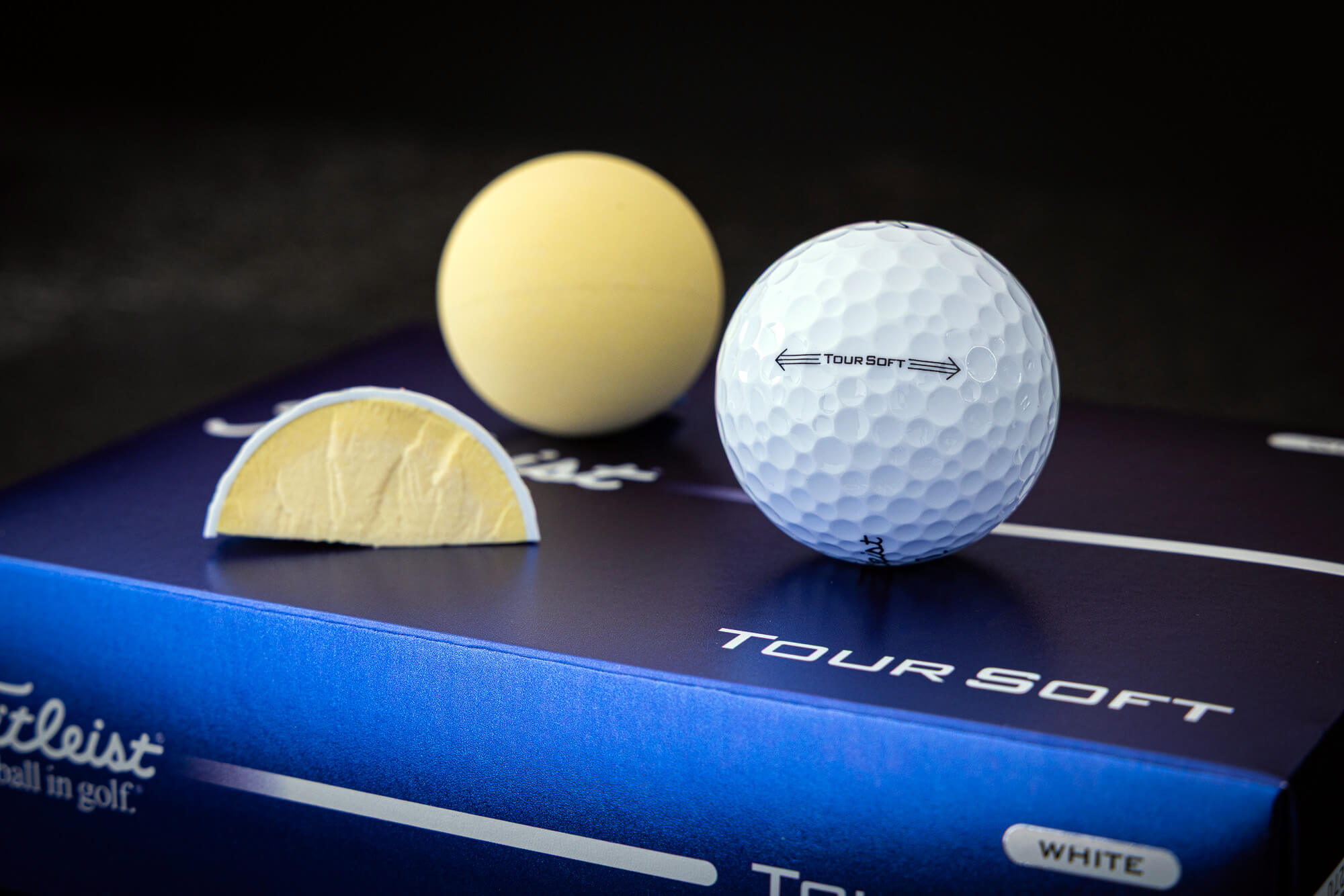
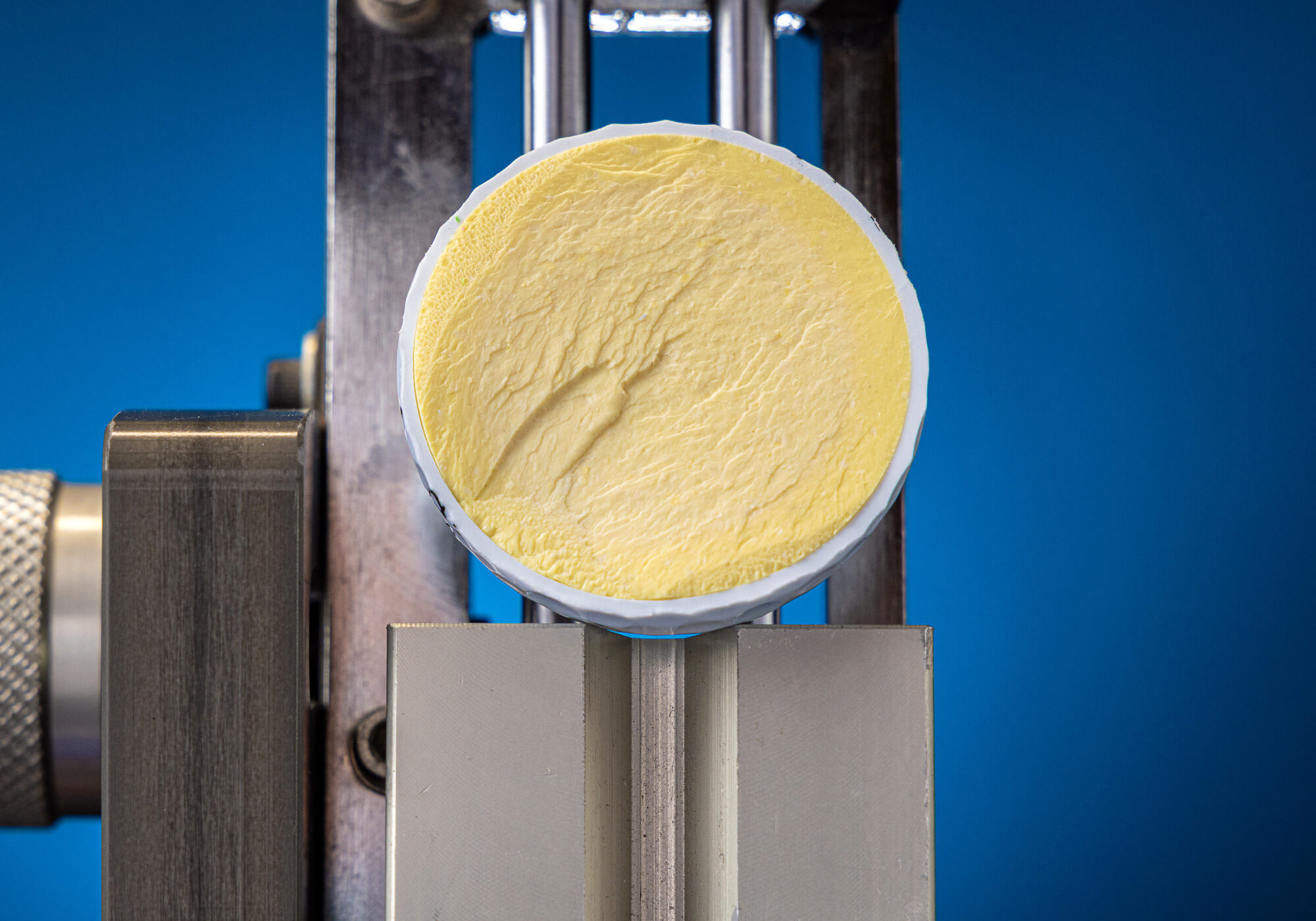
Titleist describes the new Tour Soft as a core-to-cover redesign and while that phrasing has become a reliable industry cliché, at least it checks out.
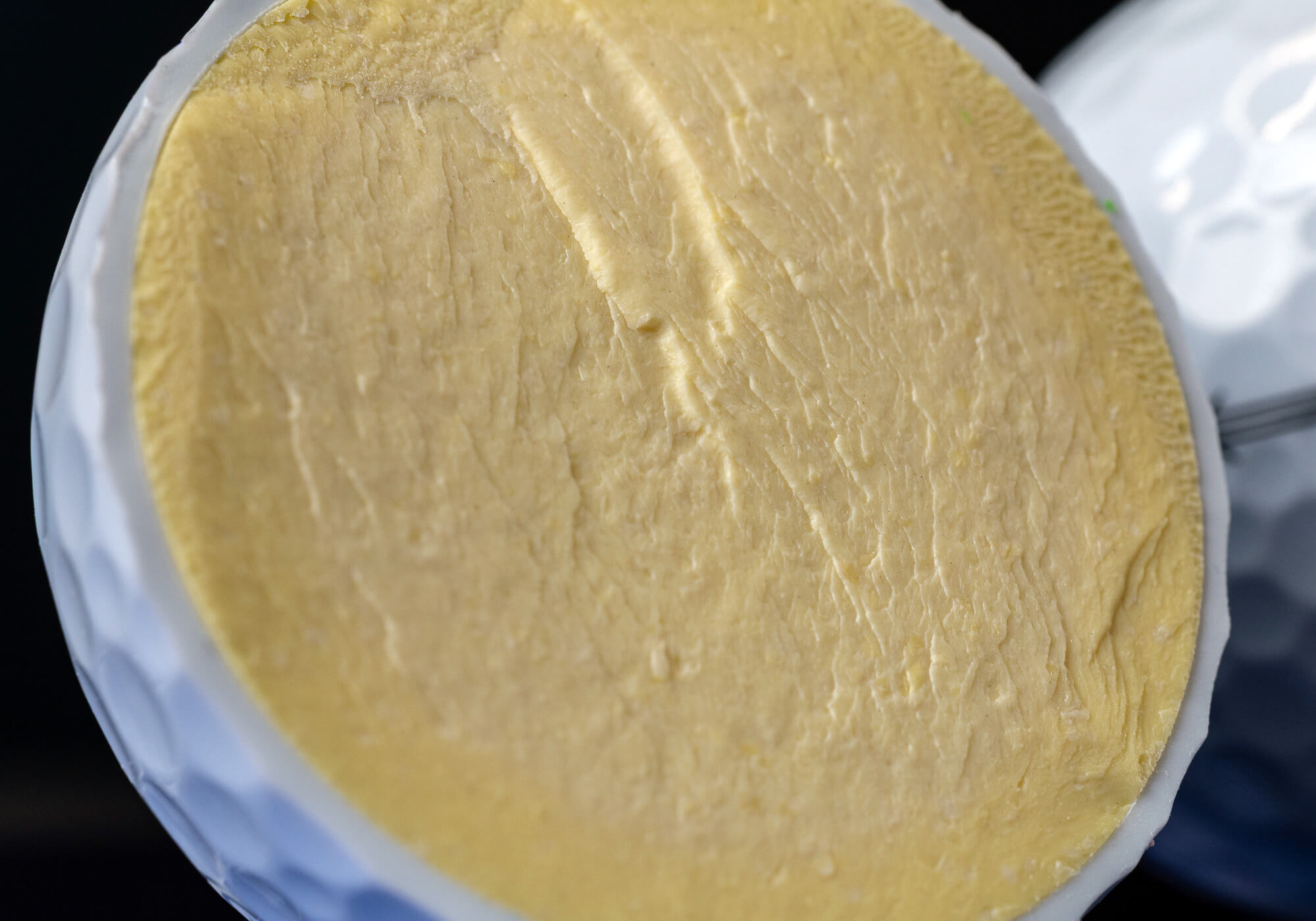
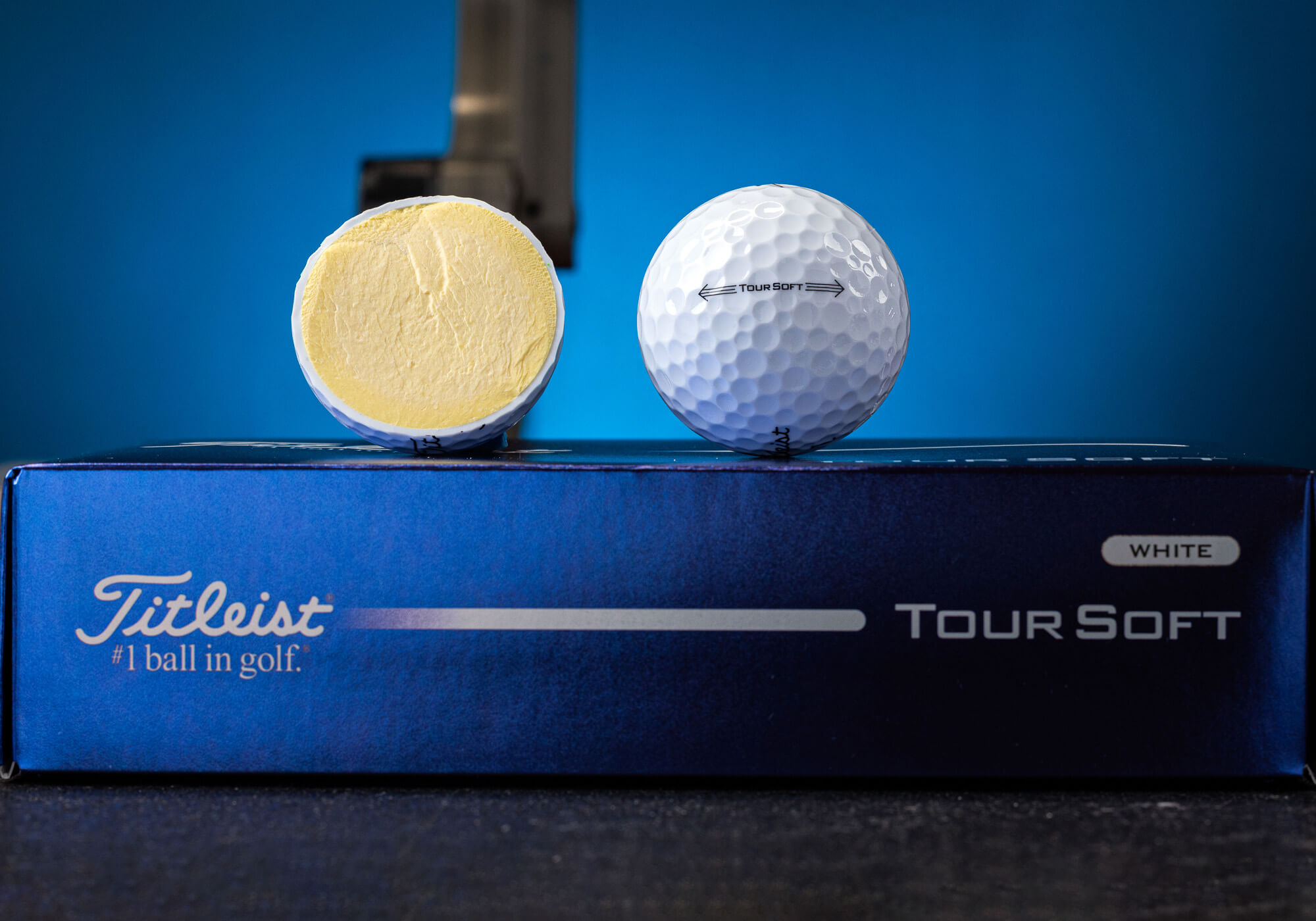
At its foundation, Tour Soft remains a two-piece, Surlyn-covered golf ball, but the internal geometry has changed a bit. The new design features a slightly smaller core paired with a thicker, softer elastomer cover, a combination intended to reduce long-game spin without sacrificing the soft feel the name suggests.
That lower spin profile creates more distance off the tee while the softer, thicker cover helps preserve short-game control—an area where most ionomer balls fall short.
There is, of course, some nuance here. On full (or reasonably full) wedge shots, Tour Soft will typically roll out just a few feet more than Titleist’s premium balls. I’ve stood in the landing area as wedge shots landed and will attest there’s probably less of a difference than you might think.
A bit closer to the green is where it’s fair to say that Tour Soft doesn’t fully replicate urethane performance but it would be unreasonable to expect otherwise. There are always trade-offs.
Still, if you’re looking for an ionomer/Surlyn ball that’s as close as you can get to urethane, I’d put my money on Tour Soft.
Aerodynamics matter (Even if you don’t care about the geometry)
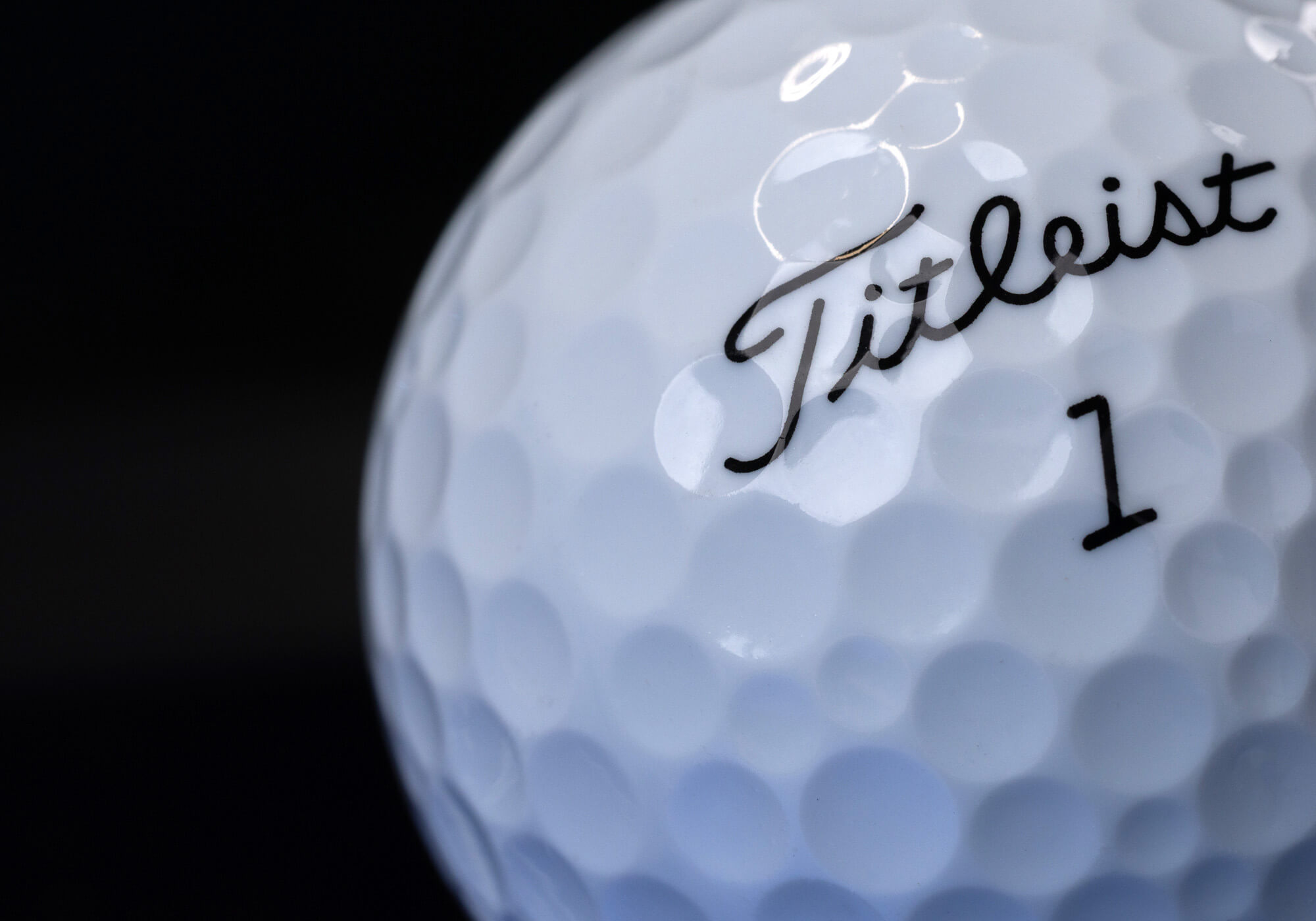
One of the more substantial updates is with the aerodynamic package (the dimples).
The new Tour Soft introduces a 386 quadrilateral dipyramid dimple pattern, developed specifically for this ball. I mention the specifics only because those words are fun but I’m guessing the geometry itself likely won’t matter much to most golfers so let’s at least consider the intent.
Unlike many competitors that reuse dimple patterns across multiple models, Titleist designs a unique aerodynamic package for every golf ball it makes. It’s a more difficult, more expensive approach, but when you’re optimizing a ball with limited construction levers, every variable carries more weight.
The result is a more consistent ball flight and incremental gains in distance without transforming Tour Soft into something it’s not meant to be.
Distance and stopping power (Yes, both)
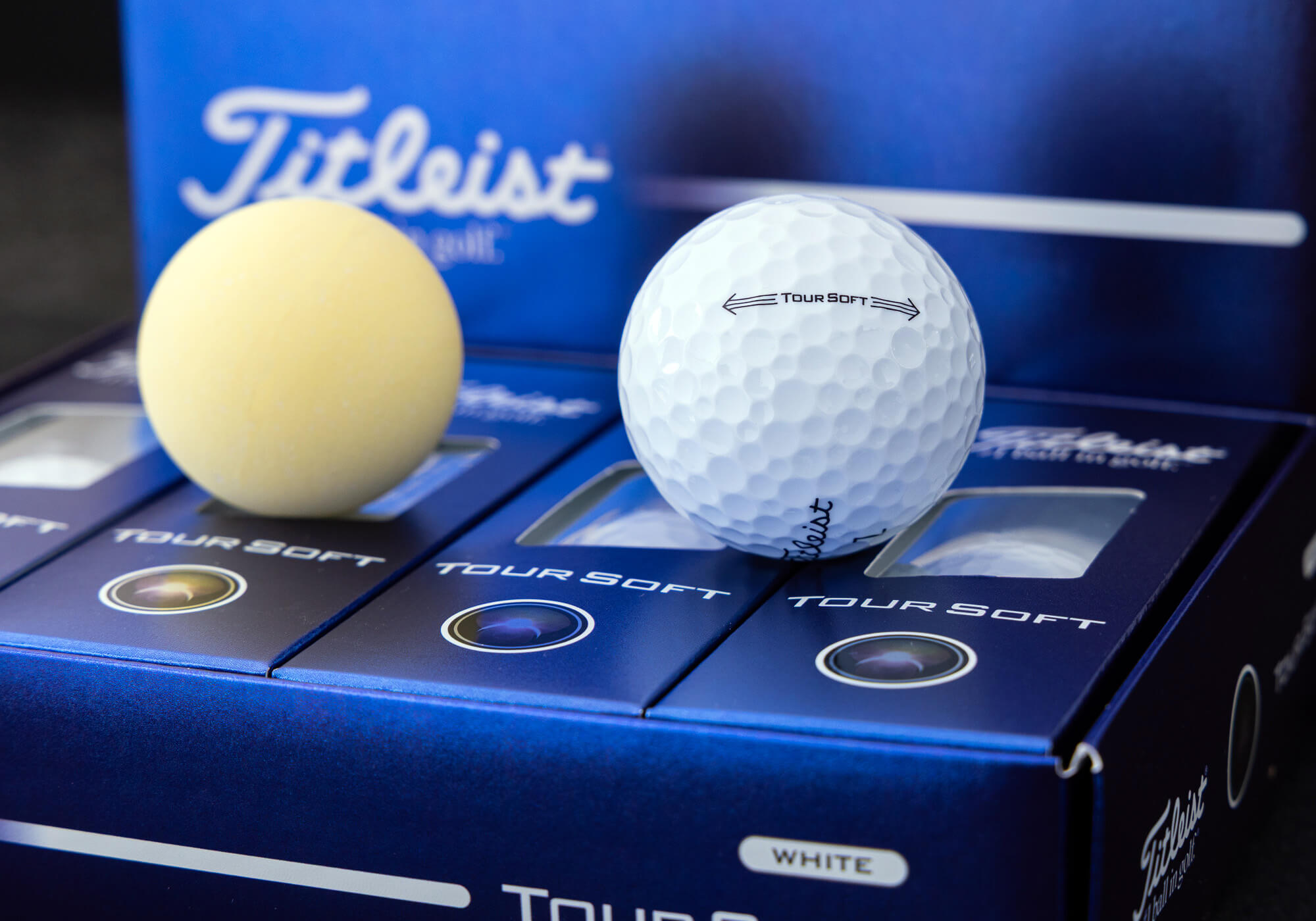
Titleist focused on two primary objectives with the new Tour Soft: more distance and enhanced stopping power.
It sounds like one of those stop me if you’ve heard this before kind of things (and it is) but it’s a tricky balance for a two-piece design.
Lower spin in the long game is achieved through the revised core and cover dimensions. At the same time, the new construction promotes higher-flying iron shots, increasing peak height and descent angle. That steeper landing angle is part of what allows Tour Soft to hold greens better than most ionomer balls, despite Titleist dropping a little bit of spin from the design.
Softer cover, smarter materials
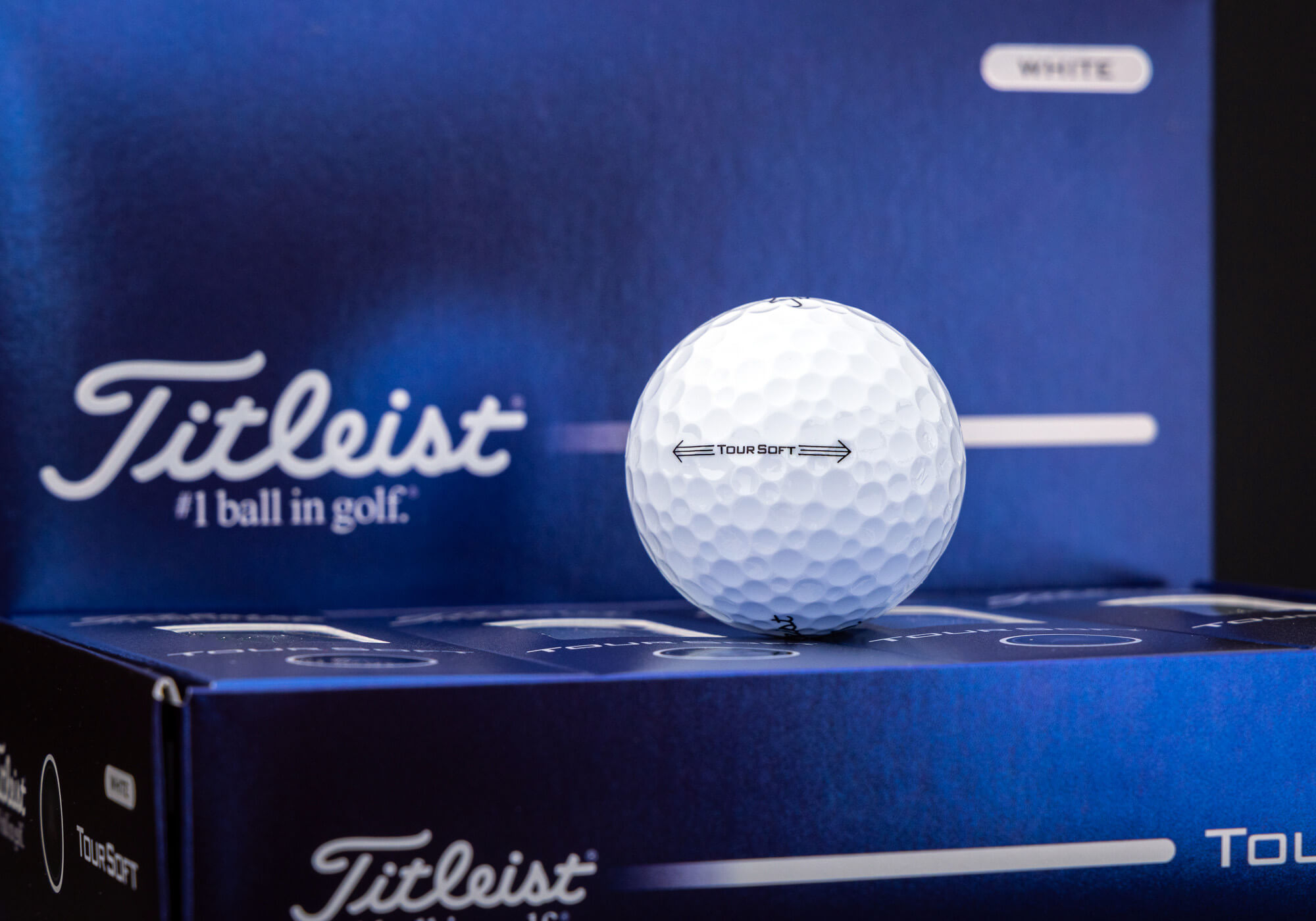
One of the quiet upgrades is the cover itself.
Titleist reformulated Tour Soft’s elastomer cover using a new blend of softening agents (essence of fluffy bunny, perhaps?), resulting in a cover that’s softer than the previous generation.
The takeaway for golfers is simple: Tour Soft maintains its signature feel while delivering better distance and improved iron-shot stopping power.
As for how soft that feel truly is … many things in the golf ball are relative but my two-cents is that Tour Soft is the rare two-piece ball where the “tour” part is a more accurate descriptor than “soft”, but, hey, what’s in a name?
Who it’s for
Tour Soft isn’t trying to be Pro V1. Frankly, if Tour Soft had one more layer and a urethane cover, it would be Pro V1.
Tour Soft is designed for golfers who want nearly complete tee-to-green performance and Titleist quality without paying Tour-ball prices.
Options, pricing, availability
The new Titleist Tour Soft is available now in white and yellow. Retail price is $39.99 per dozen.
The post Titleist Tour Soft Golf Balls: More “Tour” Than “Soft” appeared first on MyGolfSpy.
