Considering that much of golf equipment is on one-year release cycles and most of the rest gets reset and replenished every two, it’s absolutely wild that it has taken Titleist the better part of nine years to update its Pro V1x Left Dash golf ball.
Launched as a tour-only CPO (custom performance option) in 2017, it took two years for Titleist to figure out that there was any kind of market for its take on a lower-spinning Pro V1x. It turns out—and this may shock you—average golfers really like hitting the ball farther.
What took so long to create the new and improved model? Given its position as the most-played golf ball on the PGA Tour, Titleist always has to balance performance improvement with the demands of its staffers, many of whom would be perfectly content if nothing ever changed.
Even the most adaptive of the lot ask Titleist to make it better but also not to change anything.
With middle-of-the-bell-curve options like Pro V1 and Pro V1x, I suppose one could argue that Titleist has wider freedom to tweak and tune, but when you’re dealing with a tail-of-the-bell-curve ball like Left Dash, those opportunities are exceedingly narrow and it’s easy to make a ball that isn’t what it was intended to be.
That’s exactly why it has taken Titleist this long to roll out an update.
The hard part: Improving Dash without breaking it
Titleist began work on the current generation of Left Dash roughly three years ago with a deceptively difficult question: Can you improve Dash without changing what makes it Dash?
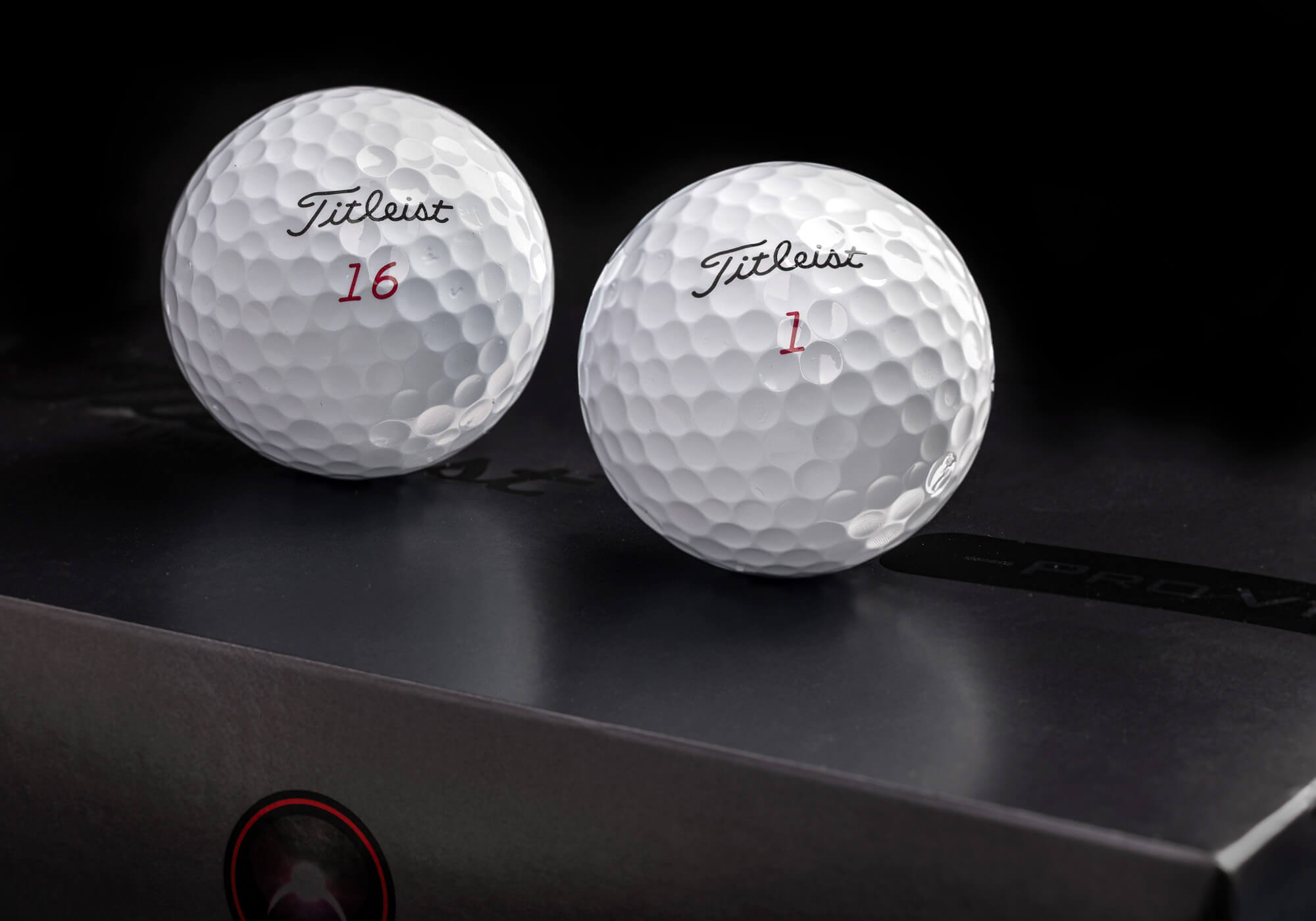
At one point, they thought they had something. The “16” prototype of Left Dash made it deep into the process and, for a time, looked like it would be the one to replace the original. That ball offered more greenside spin with softer feel.
It looked really good on paper (and on course, too, for some golfers) but as testing progressed, Titleist realized that although they had what might be a really good golf ball, it wasn’t Left Dash.
The team developed a prototype that added greenside spin and softened feel—changes that, on paper, would have made the ball more appealing to a broader range of players. In testing, however, it became clear the ball had crossed a line.

“We had a very viable, very good, golf ball,” says Frederick Waddell, Director, Golf Ball Product Management at Titleist. “But Dash players told us, ‘That’s not Dash.’”
The “16” ball spun too much. It flew differently. In some cases, it climbed and stalled in ways Dash players don’t want. Some players lost distance. For golfers who play Left Dash specifically for long-game efficiency and a controlled spin profile at high speed, that was a deal-breaker.
Rather than force the product to market, Titleist scrapped it … or at least put it in a drawer for later. The decision underscores how narrowly the company defines Dash’s role—and how important it is to get it right.
A quick reset: What Left Dash is (and isn’t)
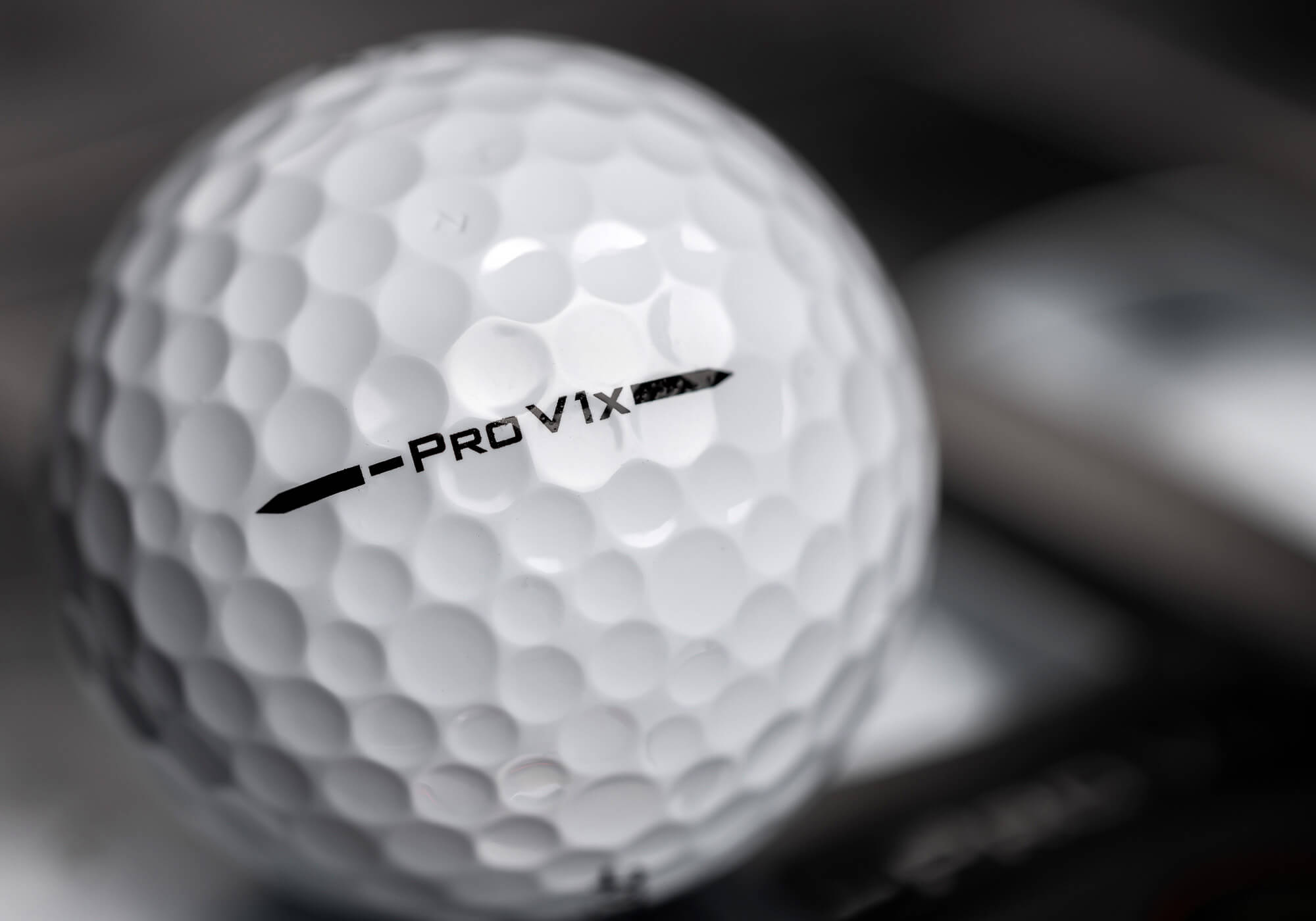
Left Dash was never designed to be a better Pro V1 or Pro V1x. From its origins in 2017, it was created for players who wanted the absolute fastest, longest ball Titleist could make and were willing to accept trade-offs elsewhere to get it.
“Dash was created for players who were willing to sacrifice some spin and control into and around the greens to have the absolute fastest, longest product you can make,” says Waddell.
That’s the key. This is a speed-and-efficiency-first ball, particularly in the long game. And while the spin profile separates it, the flight window still sits in a high-trajectory space—much closer to Pro V1x than anything else in the lineup.
Just as important is what Left Dash was never supposed to be. It was never intended to be the most-played ball on tour or in the marketplace. That role still, and likely will always, belong to Pro V1 and Pro V1x. Left Dash, like AVX, exists because some players simply need something different.
What’s new under the hood

The performance brief for the new Left Dash was clear: more speed and distance, the same low-spin long-game profile and no meaningful loss of tour-level control.
That clarity shows up in the changes. It’s faster, it flies a tick lower, and you might notice just a bit more spin around the green. It’s a delicate balance. Too much of anything (even if it still looks good on paper) and Left Dash isn’t Left Dash anymore.
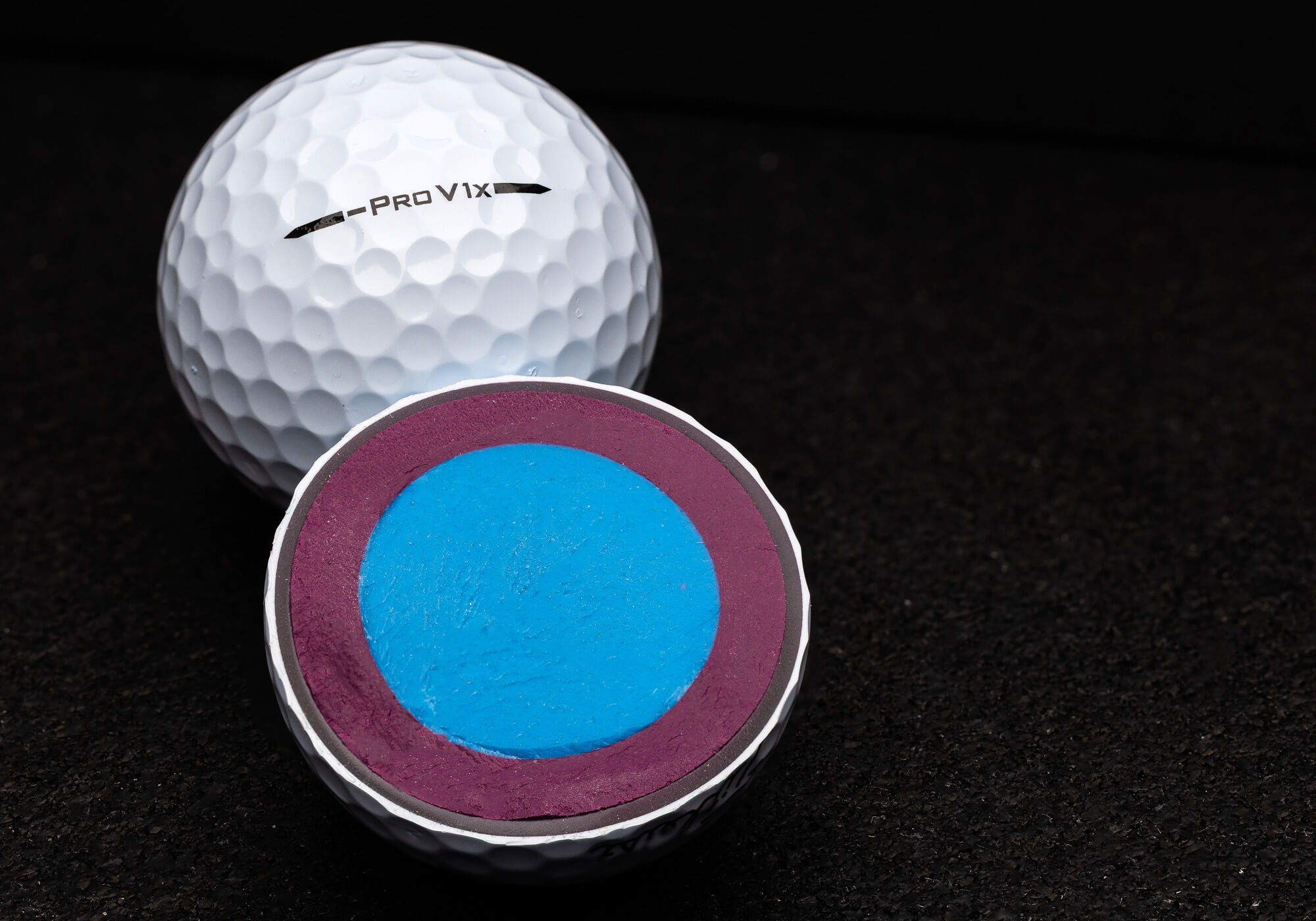
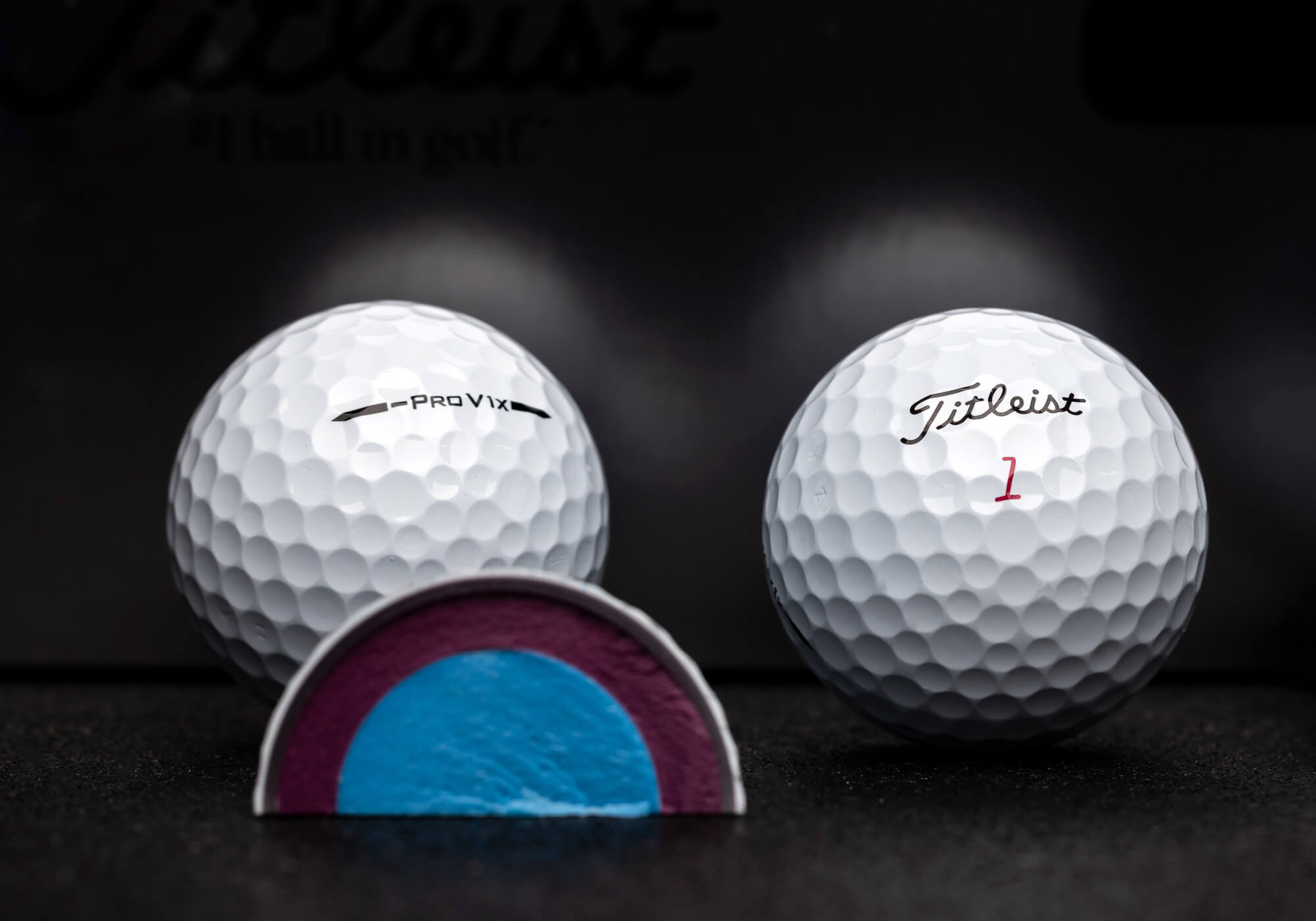
The core was the first lever. Titleist reformulated its high-gradient dual core to increase ball speed, particularly on full shots. I’ve used the “lava cake” metaphor before. The idea is to increase the firmness difference between the soft inner portion of the cores and the firmer outer areas.
A good bit of the speed story can be attributed to the casing layer (the ionomer layer that sits between core and cover). The material itself hasn’t changed but Titleist has increased the thickness slightly. Generally, the casing layer is the firmest (and fastest) material in a golf ball so leveraging it as a speed lever made sense.
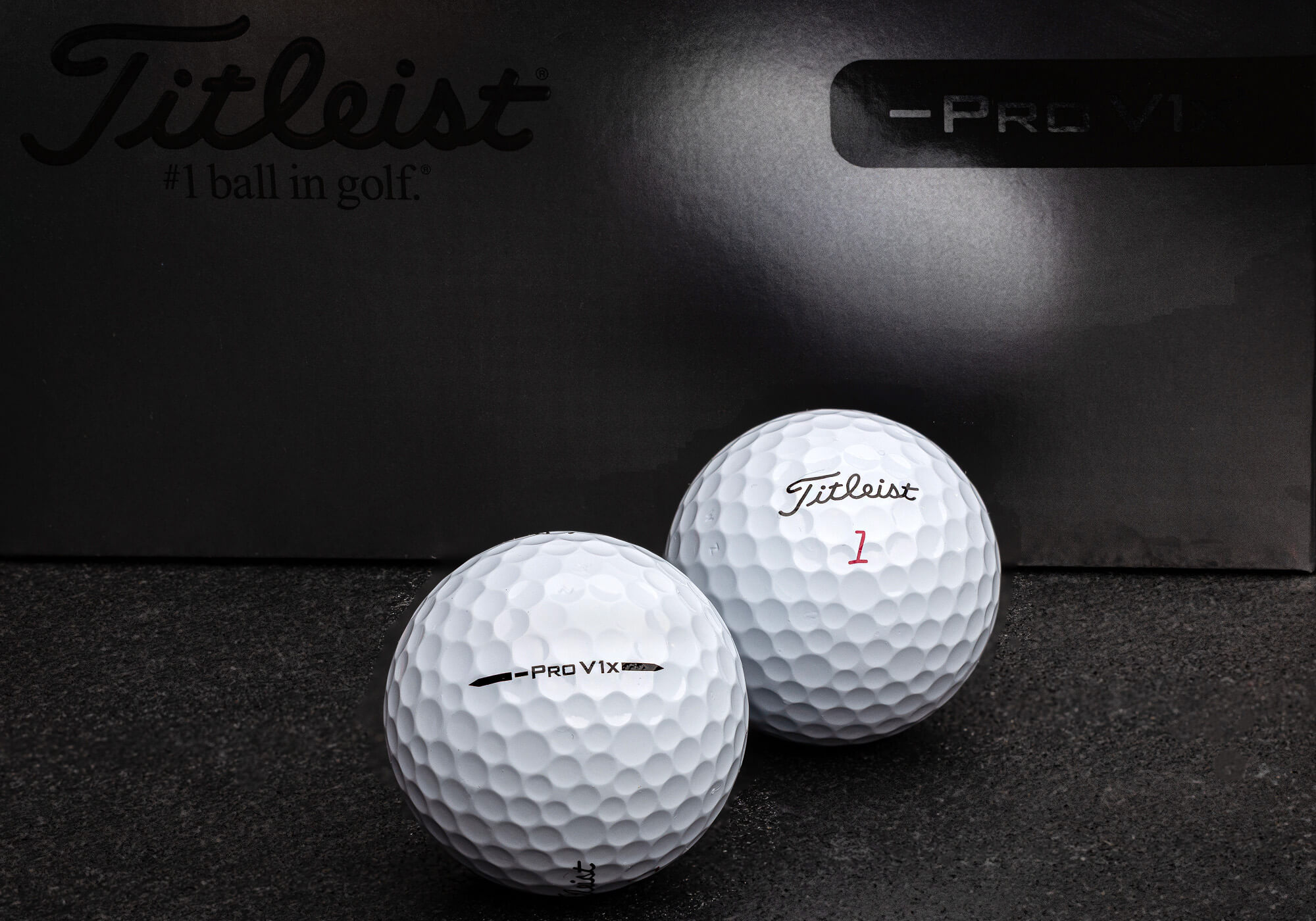
To offset that change, Titleist didn’t make the ball bigger or the core smaller. Instead, it thinned the urethane cover. As it happens, urethane is the slowest (least responsive) material in the construction so the logic here is to add more of what gives you speed, use less of what robs it, and when it all comes together, hopefully you land on a faster ball that spins a bit more around the green.
Look, Left Dash is never going to be among the leaders in the greenside spin category and, frankly, even with some improvements, it’s probably still going to spin less around the green than most but it’s nevertheless an improvement that doesn’t sacrifice the essence of Dash.
Is that a compromise worth making?
“This is a legit Tour-validated golf ball. It prioritizes certain things over others—but it still has enough control to win at the highest level,” says Waddell.
For the players Left Dash is designed for, the trade-offs remain acceptable—and intentional.
Left Dash has won at the highest levels including a U.S. Open and a U.S. Amateur. Pinehurst No. 2—a venue that exposes any weakness around the greens—was specifically cited as validation.
Updated aero
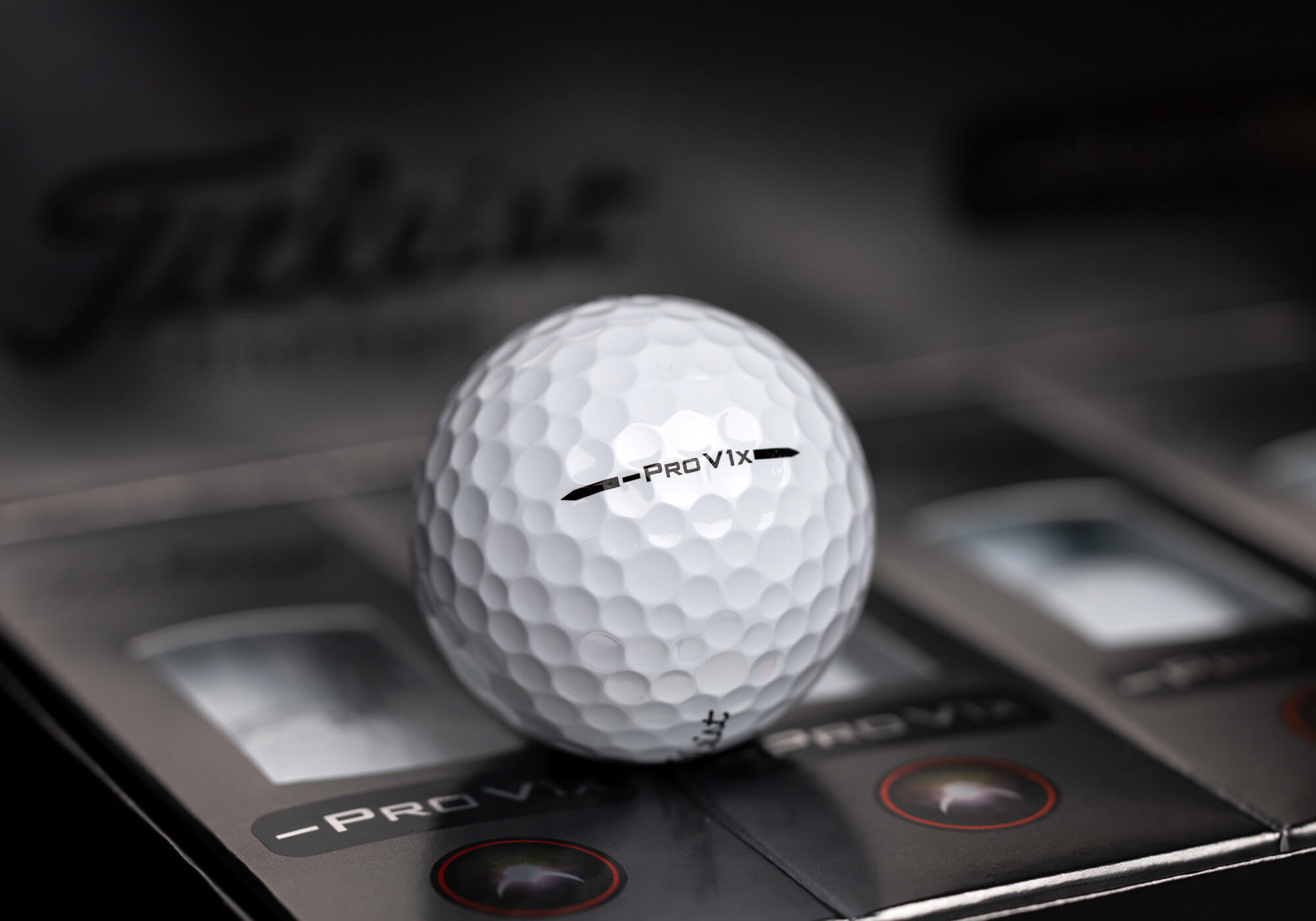
Aerodynamically, the 2026 Pro V1x Left Dash gets a new 348-tetrahedral dimple pattern. While the dimple count matches Pro V1x, the depths are tuned specifically for Left Dash with the goal of tightening flight consistency and nudging the window slightly lower.
Again, we’re talking about a gentle nudge towards lower flight, not something that fundamentally changes the Left Dash equation. It’s still going to fly through a similar window as Pro V1x but USGA conformance sometimes requires subtle tweaks.
Who should play Pro V1x Left Dash
Left Dash is not a golf ball for the masses. It is a specialized product (Titleist says it fits somewhere between five and 10 percent of golfers) and its benefits are most apparent for a specific type of player.
Pro V1x Left Dash is best suited for golfers who:
- Generate high ball speed off the tee
- Produce excess spin with Pro V1 or Pro V1x
- Prioritize distance and efficiency in the long game
- Like the Pro V1x-style trajectory window but want lower long-game spin
- Are comfortable giving up some greenside spin in exchange for tee-to-green performance
If your primary goal is maximizing distance off the tee while keeping spin under control, Left Dash was built with you in mind. The biggest gains show up off the driver and in the long game where reduced spin and added speed can translate directly into yards.
Golfers who rely heavily on greenside spin, prefer maximum short-game stopping power or don’t generate the height to benefit from Dash’s low-spin long-game profile are almost certainly better served by Pro V1, Pro V1x or AVX.
Left Dash isn’t about providing balance to the masses. It’s about specialization.
Tour adoption and what comes next
Once the new Left Dash officially launches in January, the previous generation will be phased out. Titleist does not plan to continue production of the original.
That decision reflects confidence in the update and feedback from existing Dash players, who are expected to transition into the new ball.
Play on the PGA Tour will likely remain limited—roughly five or six players per event—but that’s how it has always been.
As for when we might see another Left Dash, there is no fixed cadence. Unlike Pro V1 and Pro V1x, Left Dash does not operate on a predictable two-year cycle. As you can imagine, the impending golf ball rollback doesn’t help clarify the Left Dash timeline.
For now, the new Pro V1x Left Dash gives players more of what they already value without drifting toward the middle ground well served by Pro V1 and Pro V1x.
For the small group of golfers who live at that edge of the performance curve, that restraint may be the most important upgrade of all.
Availability and pricing
The Pro V1x Left Dash will be available beginning Jan. 21. Retail price is $57.99 a dozen. Pricing on other Pro V1 family golf balls has also been increased to $57.99.
The now prior-generation of Pro V1x Left Dash has been discounted to $49.99 while supplies last.
For more information, visit Titleist.com.
The post Titleist’s New Pro V1x Left Dash: More Of What Dash Players Actually Want appeared first on MyGolfSpy.
