This year the focus is on destinations that combine exceptional marine life, improving reef-health and meaningful conservation efforts. The top dive spots for 2026 reflect a balance between adventure, sustainability and unforgettable diving. Whether you are drawn to big animals, vibrant coral reefs, or dramatic cold-water environments, where to go for an exciting dive trip this year.
Raja Ampat, Indonesia
Raja Ampat remains one of the most celebrated dive destinations in 2026, thanks to its unmatched marine biodiversity. This remote region in eastern Indonesia is home to over 600 coral species and more than 1,500 fish species. Expect manta rays, reef sharks, pygmy seahorses and thriving coral gardens on nearly every dive.

Water temperatures typically range from 27 to 30°C (80 to 86°F), with visibility often exceeding 20 meters (66 feet). While currents can be strong in some areas, sheltered lagoons provide calmer dives for newer divers. Ongoing conservation programs and visitor fees directly support the reef, making diving in Raja Ampat not only inspiring but helping to protect the environment.
Socorro Islands, Mexico
For divers seeking bucket-list pelagic encounters, the Socorro Islands continue to rank among the top dive destinations for 2026. Located in the Pacific Ocean and accessible only by liveaboard, these volcanic islands are renowned for their giant Pacific manta rays, which interact closely with divers, as well as dolphins, whale sharks, and multiple other pelagic species.
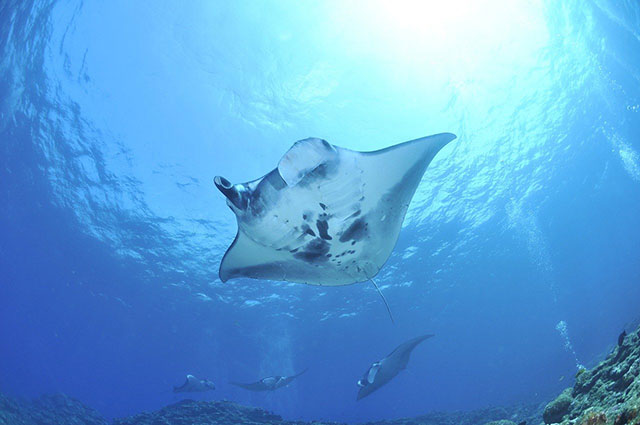
Diving conditions can be demanding, with strong currents at times. Water temperatures range from 21 to 26°C (70 to 79°F), depending on the season. This destination is best suited to experienced divers, but few places deliver such consistent big-animal encounters.
Belize
Belize earns its place among the top places to dive in 2026 by offering an ideal mix of accessibility, biodiversity and iconic landmarks. The Belize Barrier Reef supports colourful coral gardens, turtles, reef sharks and eagle rays, while the Great Blue Hole provides a dramatic geological dive experience.
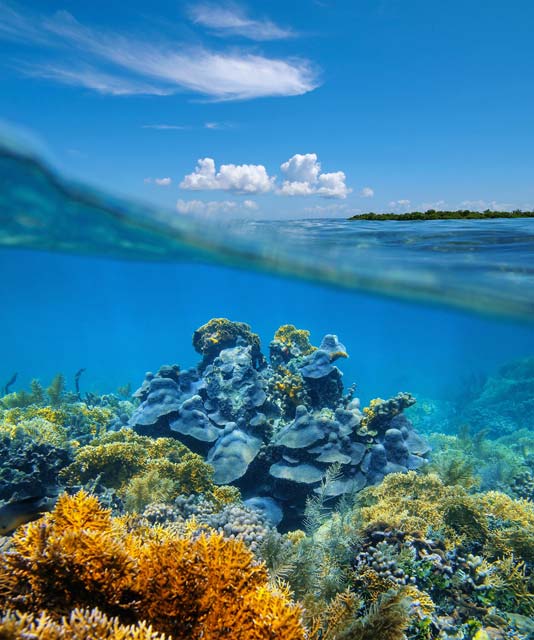
Water temperatures usually sit between 26 and 29°C (79 to 84°F), with calm conditions throughout much of the year. Belize suits divers of all levels, from beginners enjoying shallow reefs to advanced divers exploring walls and deeper formations. Strong marine protections continue to support reef recovery and fish populations.
Palau
Palau’s reputation for world-class drift diving keeps it firmly positioned among the top places to dive this year. Sites such as Blue Corner and German Channel deliver thrilling dives where sharks, barracuda, and manta rays gather in nutrient-rich currents.

Water temperatures generally range from 28 to 30°C (82 to 86°F), with excellent visibility year-round. Palau’s commitment to conservation, including shark sanctuaries and protected reefs, has helped maintain healthy ecosystems. While currents can be strong, calmer sites allow divers to progress comfortably.
Red Sea, Egypt
The Egyptian Red Sea continues to be one of the most reliable and affordable destinations for 2026. The warm waters, dramatic coral walls and historic wrecks attract divers from around the world. Famous sites like Ras Mohammed and the SS Thistlegorm combine biodiversity with history in a single destination.

Water temperatures range from 21 to 29°C (70 to 84°F), and visibility often exceeds 30 meters (98 feet). With options for beginners through to technical divers, the Red Sea offers exceptional value without compromising quality, making it a consistent favourite.
Bonaire
Bonaire stands out for its unmatched shore diving and relaxed pace. You can explore healthy reefs directly from shore, enjoying maximum flexibility and long bottom times. The island’s marine park protects the reefs, which host turtles, reef fish and vibrant coral formations.

If you want to try scuba diving for the first time, this is a great place to start. Water temperatures average 26 to 29°C (79 to 84°F), with generally easy, calm conditions. Bonaire is particularly appealing to photographers, beginners building confidence, and divers who value independence and sustainability.
Fiji
Known as the Soft Coral Capital of the World, Fiji’s beautiful coral reefs continue to draw attention as one of the top dive spots for 2026. Strong currents bring nutrient-rich water that fuels brilliant soft coral growth, creating colourful underwater landscapes filled with reef fish, manta rays, and sharks. Fiji is one of the few places in the world where you can dive with bull sharks.

Water temperatures typically range from 26 to 28°C (79 to 82°F), with the best conditions from April through November. Fiji offers a balance of exciting drift dives and calmer sites, making it suitable for a wide range of experience levels while also delivering rich cultural experiences on land.
Alaska, United States
Looking for something new? Cold-water diving is gaining momentum, and Alaska earns recognition as one of the top places to go for those seeking something truly different. Giant kelp forests, massive Pacific octopus, sea lions, and even orcas create unforgettable encounters beneath the surface.

Water temperatures range from 7 to 12°C (45 to 54°F), requiring appropriate thermal protection. Summer months offer the best conditions and longer daylight hours. Alaska is ideal for experienced divers looking to expand beyond tropical environments.
Galápagos Islands, Ecuador
The Galápagos Islands remain firmly among the top dive destinations for 2026 due to their legendary large-animal encounters. Hammerhead sharks, whale sharks, marine iguanas and playful sea lions define diving here, supported by strict conservation policies.

Water temperatures vary between 12 and 26°C (53 to 79°F), influenced by seasonal currents. Diving conditions can be challenging, making this destination best suited to confident, experienced divers seeking truly wild marine interactions.
How to Plan Affordable, Eco-Friendly Dive Trips This Year
Visiting the world’s best dive destinations doesn’t have to mean overspending or over-impacting fragile ecosystems:
- Plan ahead without locking yourself in. Booking flights and dive trips early often secures better prices, while travelling just outside peak seasons reduces costs without sacrificing conditions.
- Choose dive centres that protect the places you dive. Booking with dive centres that limit group sizes, use mooring buoys and support local communities helps protect dive sites and often leads to better experiences.
- Protect dive sites with everyday choices. Reef-safe sunscreen, reusable water bottles and good buoyancy all help preserve the underwater environment
