
Vokey’s latest wedge update doesn’t look revolutionary—and that’s the point. SM11 focuses on CG consistency, refined grooves and subtle grind changes designed to remove noise from wedge fitting and deliver more predictable performance.
Every time Vokey (or pretty much anyone else) launches a new wedge, the comments are almost invariably the same.
“Nothing new here.”
“Same shit. Different name.”
“WTF, Vokey? Still no Slate Blue?”
OK, that last one was me. As for the other two? It’s not like I don’t understand where the first two guys are coming from. With wedges, it’s damn near impossible for the engineers in R&D to show their work. There are no carbon crowns, few instances of movable weights, and an obvious visual tech story you can point to is hard to come by.
For better or worse, that’s all pretty much true about the Vokey SM11 wedge, not that you should expect any different.
SM11 isn’t about reinventing the Vokey look or feel. It’s about quietly removing variables that previously influenced trajectory, spin, and—most importantly—grind selection. If SM10 was about tightening profiles and how they present at address, SM11 is about leveling performance so you can focus on finding the grind that’s right for you.
Improvements can be easy to miss
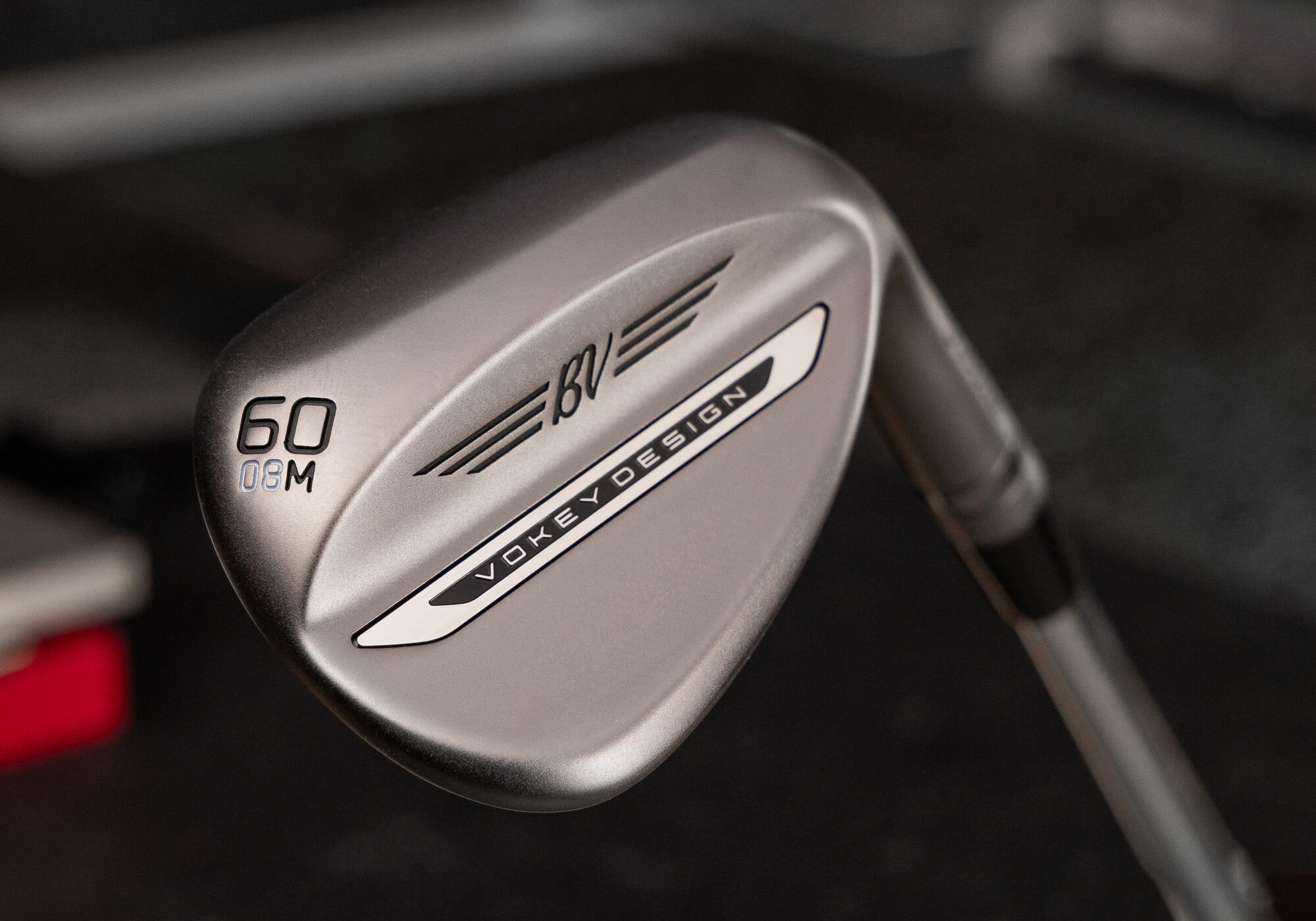
With wedges, meaningful improvements are often invisible.
Changes to groove geometry often require microscopes to see. Center of gravity enhancements don’t show up at address. Even grind refinements can be significant without being particularly obvious. That’s why it’s easy for golfers to assume nothing meaningful has changed from one release to the next, even when the differences are meaningful.
But the thing is that to assume that nothing has changed with SM11 because the design doesn’t look much different entirely misses the point.
This generation of Vokey focuses on three things that are entirely critical but easy to overlook.
Center of gravity: Consistent trajectory—independent of grind
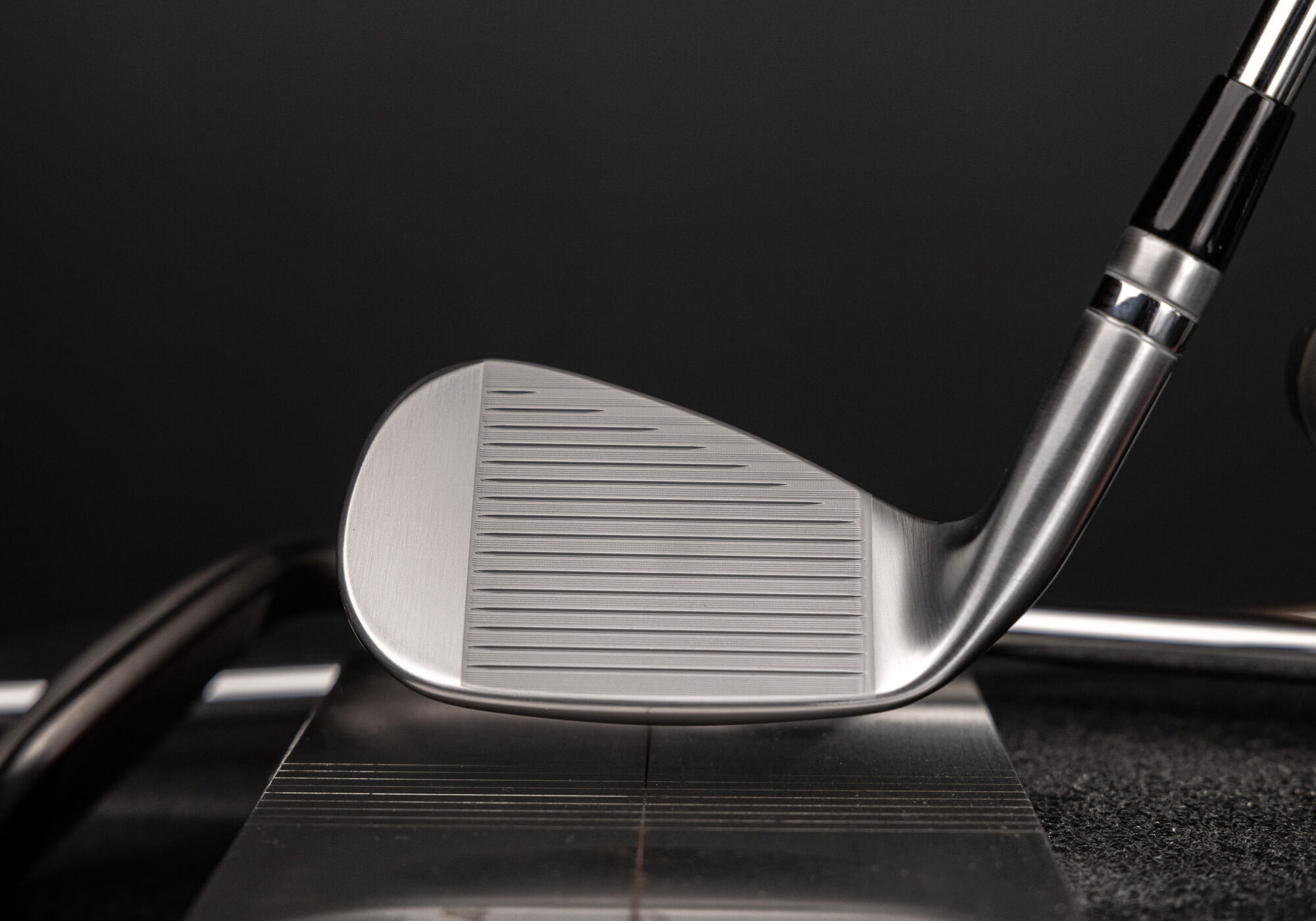
With SM11, the most significant improvement is actually born from a change, not in what gets measured, but how.
Bear with me. This is definitely some in-the-weeds stuff but it should help to explain how Vokey was able to make meaningful improvements to SM11.
In previous generations, Vokey center of gravity targets were determined relative to the ground plane. The issue is that different grinds sit differently at address. For example, the entire point of a T Grind is a leading edge that hugs the ground at address. By way of comparison, the leading edge of the wide-sole, high-bounce K Grind sits appreciably higher off the ground. The CG’s location varies between those two grinds not because of some intentional thinking around optimizing performance but rather because the nature of the grinds themselves meant the distance from the ground plane to the geometric center of the club face (as a frame of reference) was different.
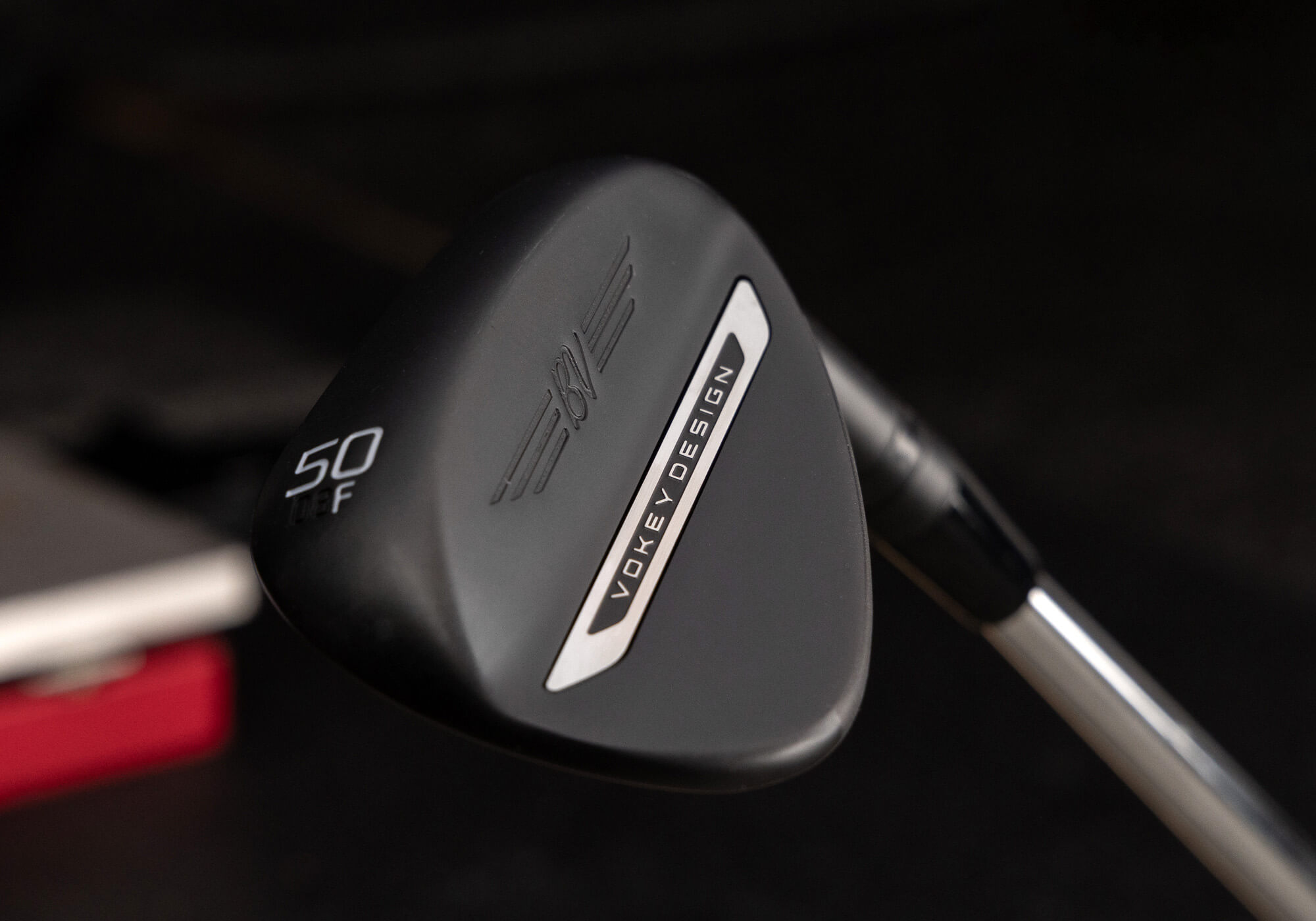
So, if the ground plane is your reference point for center of gravity placement, even at the same loft, CG height can vary depending on the sole grind.
That meant your trajectory could vary based on grind choice for reasons other than how the grind actually moves through the turf.
With SM11, Vokey changed its reference point. Instead of referencing the ground plane, CG targets are based on the distance from the leading edge. Unlike the ground plane, leading-edge distance remains constant across all grinds.
It matters, because when the leading edge is the reference point:
- Every grind at a given loft now has the same CG position
- Trajectory is no longer grind-dependent
- Grinds can be selected purely for turf interaction and impact location which is pretty much the point.

As with many things in the golf club world, the change was driven by Tour feedback. Vokey Tour Rep Aaron Dill noticed that some grinds—most notably the T Grind—were consistently producing a lower, more controlled flight than other grinds at the same loft. When Vokey dug into why, the culprit wasn’t the grind but rather variation in CG height based on the ground plane measurement.
In redesigning for SM11, Vokey took the SM10 grind that produced the best trajectory at each loft and applied that same CG placement across all grinds. The result is consistent trajectory regardless of the grind … at least when struck in the same place.
Grooves: Spin where you want It, control where you need it
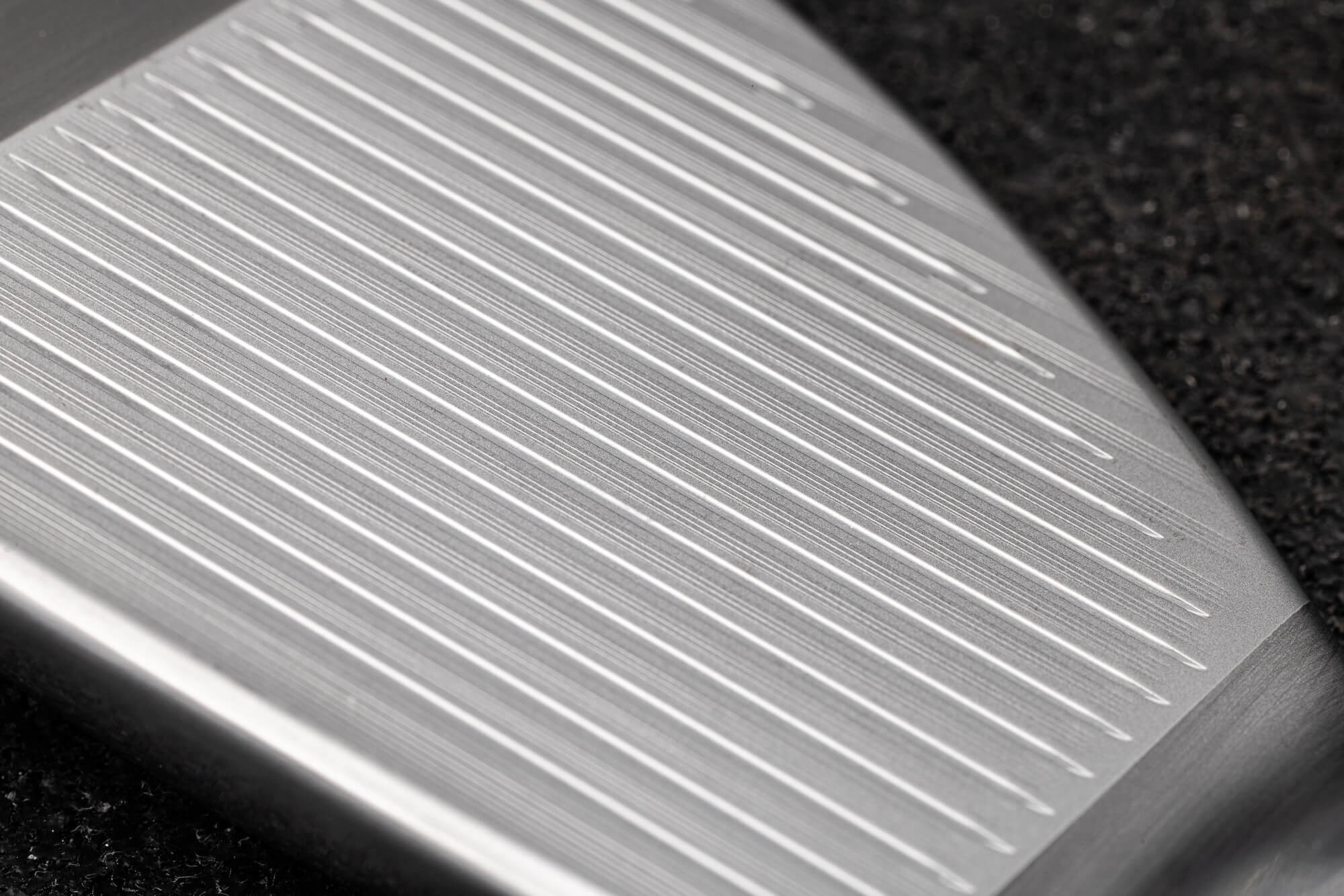
Just about every wedge story features the requisite bit about more spin. I suppose there’s some of that here but, to be clear, the groove changes to SM11 aren’t about chasing as much spin as possible. Instead of trying to max out spin on every shot, Vokey focused on optimizing spin by loft and shot type.
New to SM11 are three distinct groove profiles:
- Pitching and gap wedges emphasize consistency and distance control on full swings. Basically, they’re designed to perform like the immediate extension of your iron set.
- Sand wedges balance full shots and touch shot spin because, at sand wedge lofts, you’re probably going to hit a good mix of both.
- Lob wedges prioritize greenside spin and channeling grass and debris out of the way.
Also of note, with SM11, Vokey has increased groove volume by five percent. This isn’t so much the result of reconceived geometry. It’s simply the benefit of tighter manufacturing tolerances that allow Vokey to push closer to USGA limits but it should help preserve spin from the rough and in wet conditions.
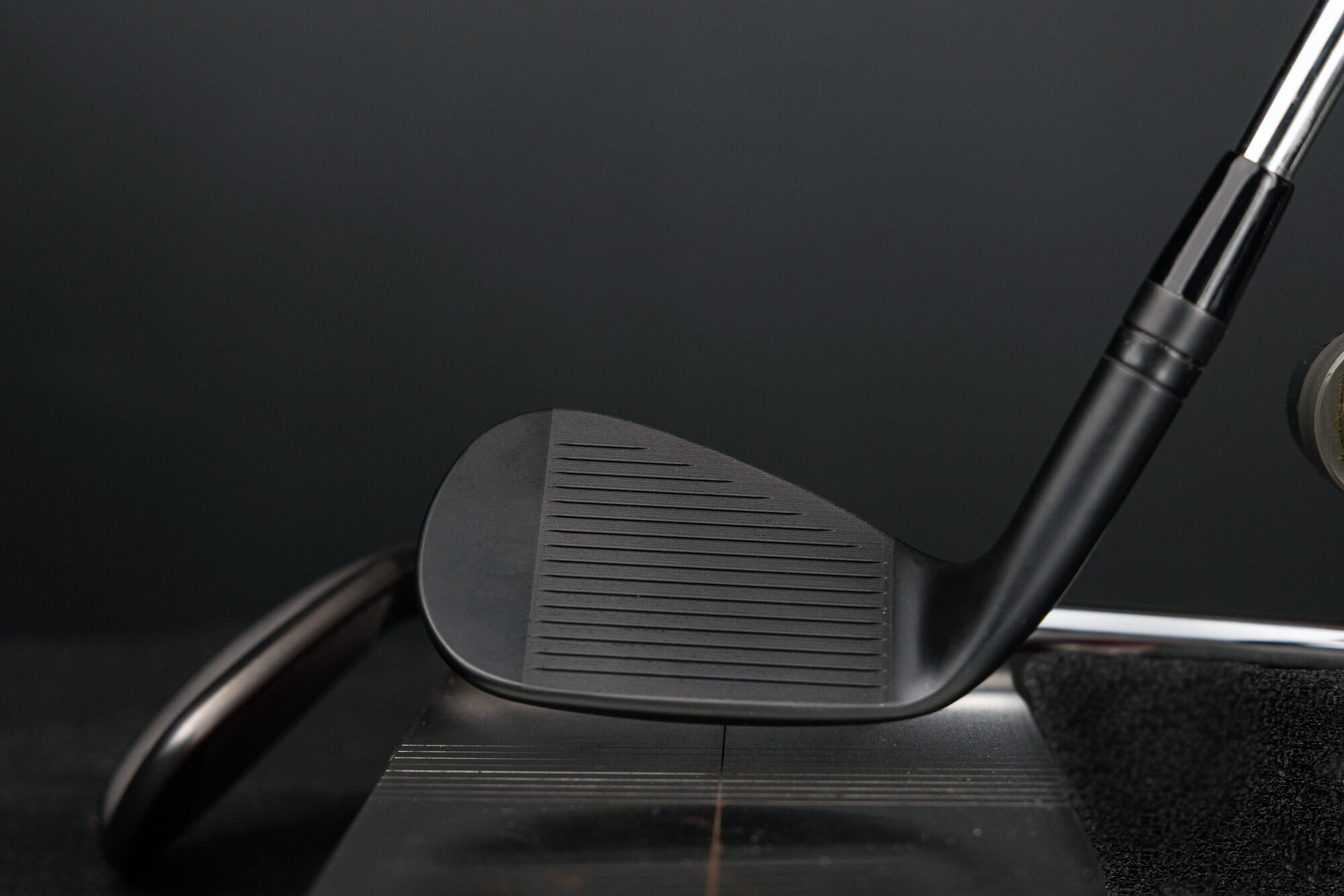
Lastly, SM11 introduces a new directional face texture.
That texture itself doesn’t create spin. It works by helping the ball stay on the face long enough for the groove edges to do their job. The benefit is consistency, not unpredictable rip-backs from yardages where you’d prefer the ball land softly and stay there.
To be clear, the new grooves-between-grooves features aren’t a coating that’s going to give you big spin numbers in a hitting bay but wear away quickly once your wedge meets the elements. Vokey’s new face texture is an integral part of the wedge face that’s designed to last.
And speaking of “designed to last” …
New heat treatment
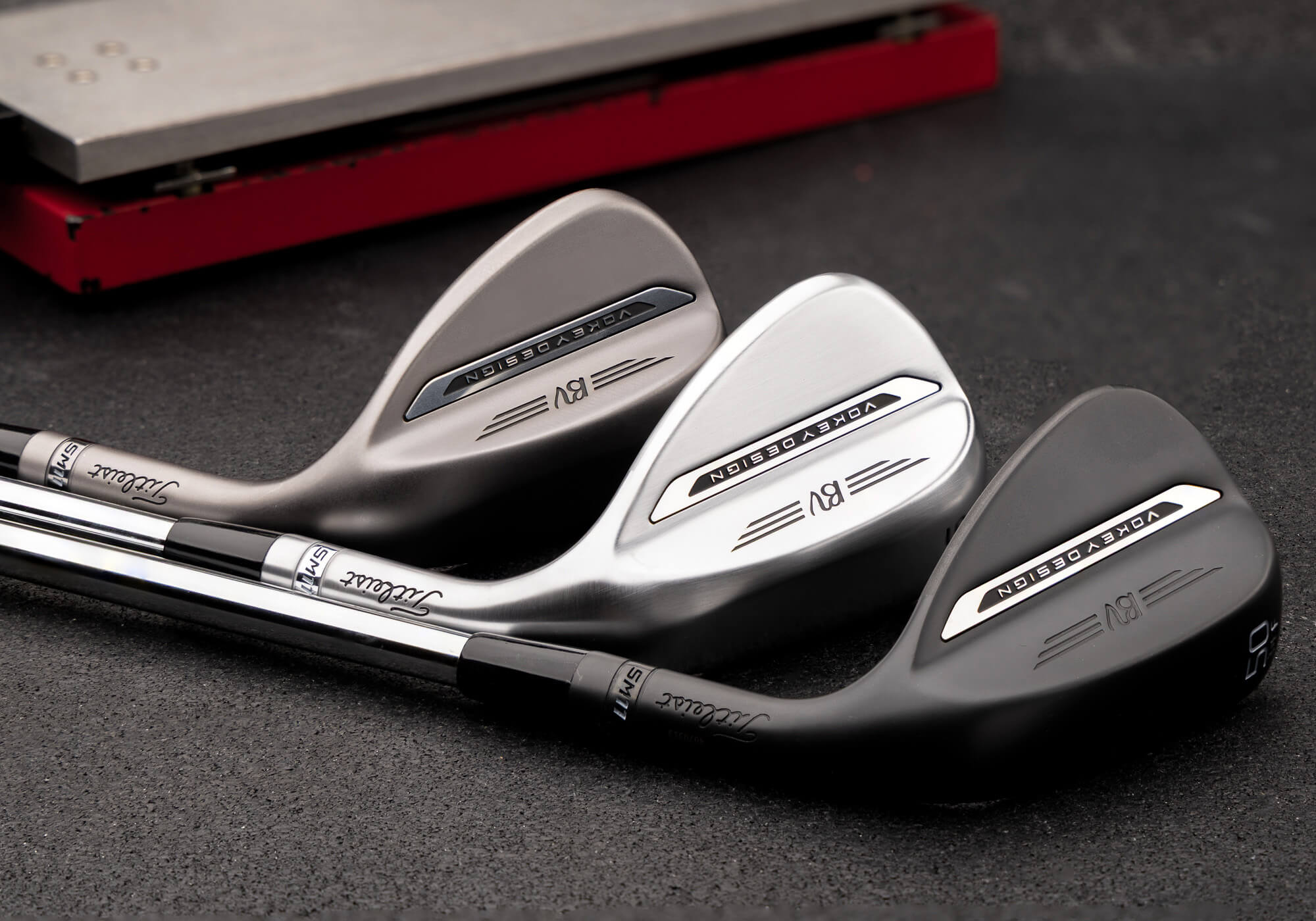
Furthering durability, Vokey has added a new high-frequency heat treatment to the impact area (the intended impact area, anyway). According to Vokey, the new process doubles the durability of the grooves. Golfers have a nasty habit of holding on to wedges longer than they should. By increasing the durability of the grooves, Vokey hopes to extend the functional life of the wedge but they’re still not going to last forever.
Fresh grooves are important, people.
New and updated grinds
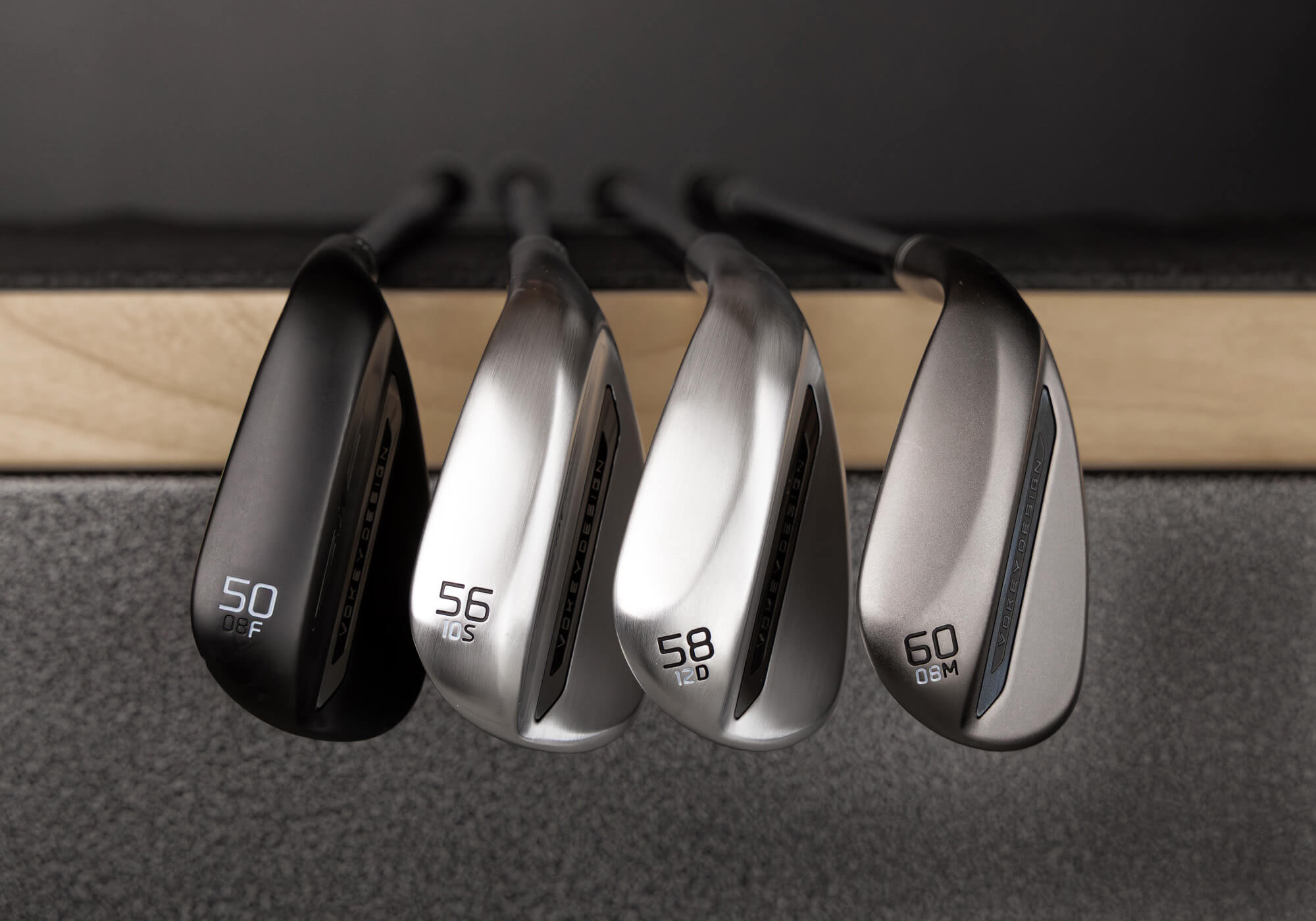
It seems that with each iteration, Vokey either adds grinds or tunes existing ones, so here you go.
The popular low bounce (six degrees) K Grind joins the retail lineup as a wide-sole lob option alongside the T Grind.
The high-bounce K Grind moves from 14 degrees to 12 degrees of measured bounce. This is a legitimate spec change, not a fudging of the numbers because somebody decided the retail market might like a smaller bounce number better.
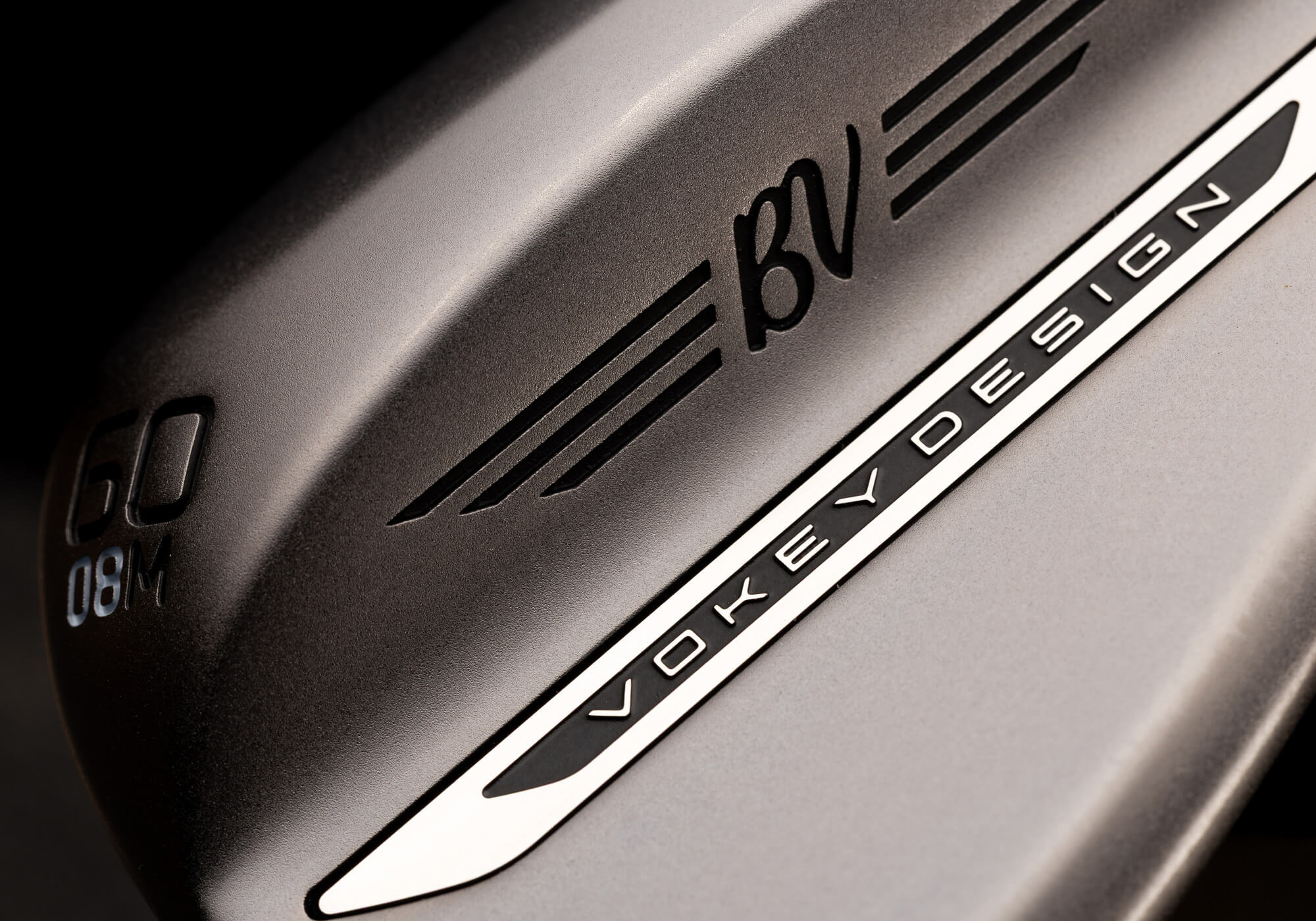
The 44.10F that was WedgeWorks-only last year joins the retail lineup as well, bringing a Vokey pitching-wedge option to players with stronger-lofted irons (like T350, for example).
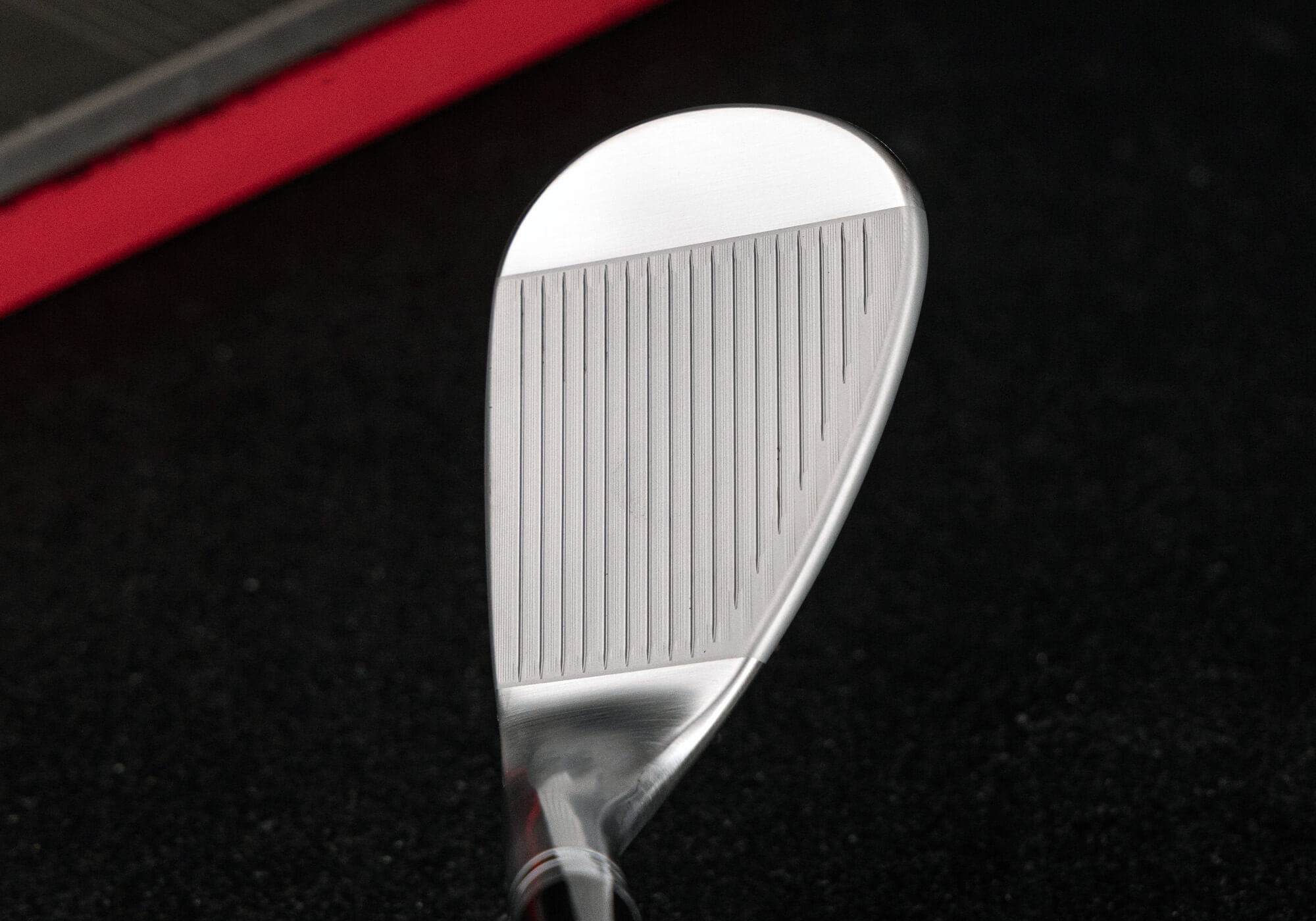
While adding even more options to the most robust wedge lineup in golf risks introducing confusion and indecision, the goal isn’t to overwhelm golfers with choices. It’s to provide a full breadth of options to support nearly every swing type and course condition.
It’s a good strategy but I’d be remiss not to mention that while a good wedge fitting can be absolutely transformative, the market for such fittings is grossly underserved.
Lightweight options from Day 1
In recent years, Vokey has released lightweight options of its wedges well after the initial retail launch. This time around, they’ve realized that some golfers would prefer not to wait.
Go figure.
To that end, SM11 launches with lightweight head options designed for golfers already playing lighter iron shafts and I’d wager that’s an increasing number of you. The heads themselves are approximately six grams lighter and paired with appropriately lighter shafts and grips.
If your irons are built light (think 105 grams or less, including most graphite options), it’s only logical that your wedges be light, too. SM11 finally treats weight as a system decision instead of an afterthought.
Finish changes (Still no Slate Blue)
As far as SM11 finish options are concerned, Slate Blue (The Best Finish ) is still missing. Frankly, I’m not sure who I need to talk to about this because I’ve been beating this long-dead horse for years and it’s gotten us nowhere. Does anyone have Bob Vokey’s number?
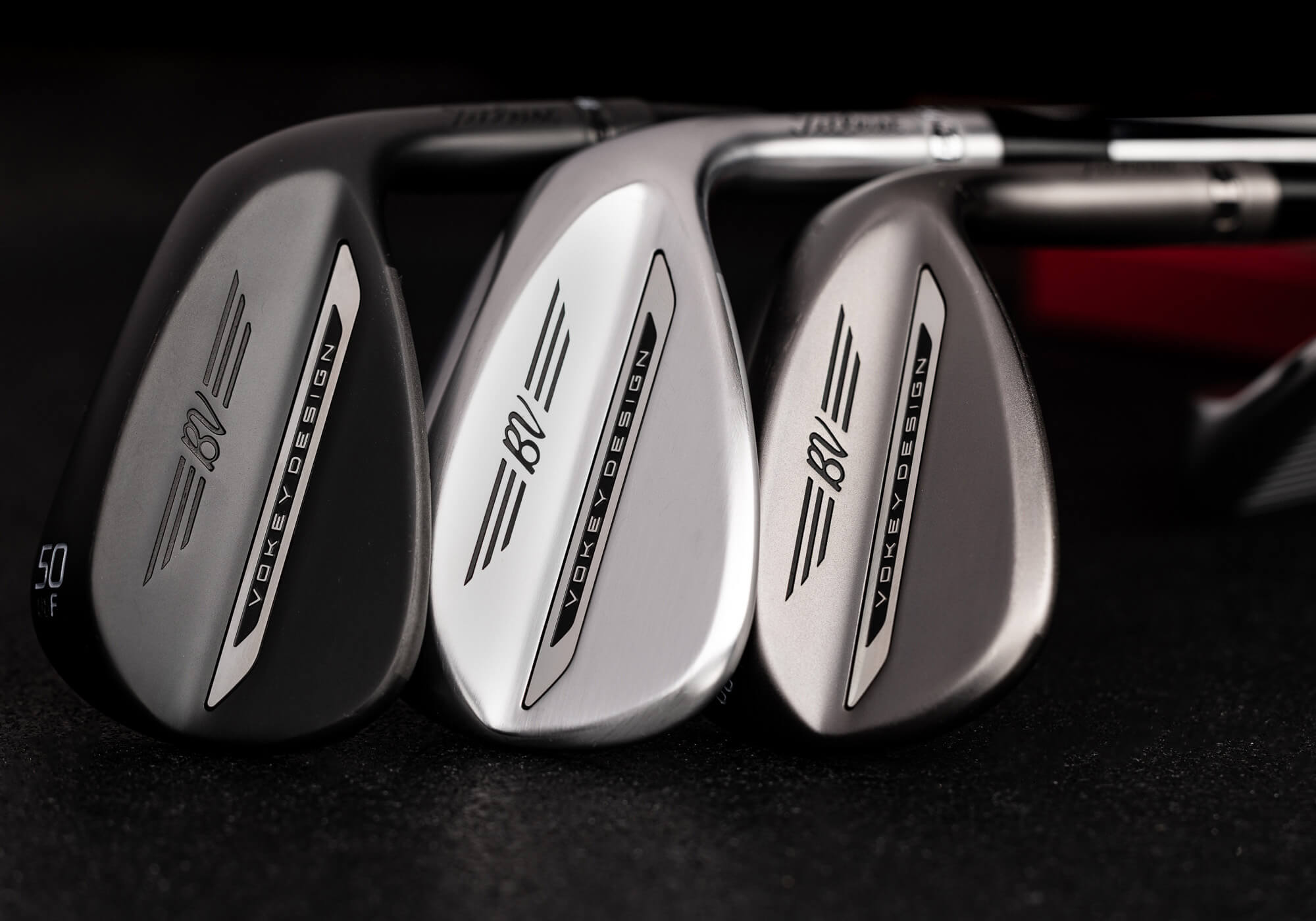
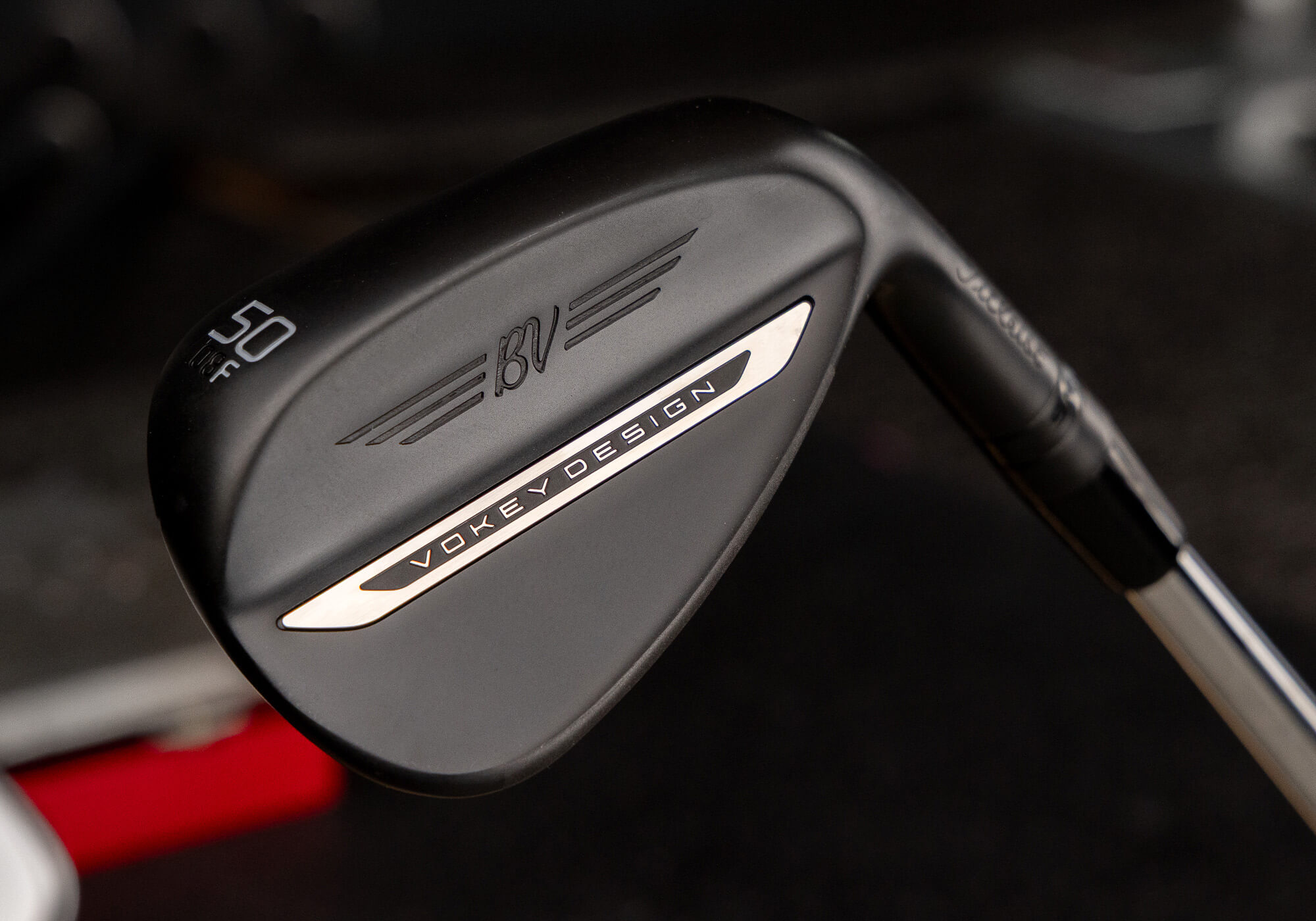
Tour Chrome and Nickel return. The same is mostly true for Jet Black, albeit in an enhanced version.
Previously, Jet Black could be described as a flat or matte black. The updated version borrows just a bit from the Jet Black Premium finish that Vokey leveraged in WedgeWorks and a Year 2 refresh of SM10. It’s not nearly as glossy (for lack of a better word) as Jet Black Premium but it has a bit more luster and offers the same resistance to fingerprints and other oils as the Nickel.
I suppose you could describe it as a really dark take on Nickel.
Some will probably prefer the previous iteration but I think it’s better (even if it’s not blue).
A Raw option is available through Vokey custom.
Changes coming to WedgeWorks
While we can’t say much about it yet, there are some changes coming to how Vokey approaches its WedgeWorks platform. We’ll have more to say after SM11 lands at retail but the short version is that while limited-edition offerings will surely continue to feature, the platform is becoming less about scarcity and more about accessibility.
I think you’re going to like the new direction.
The bottom line
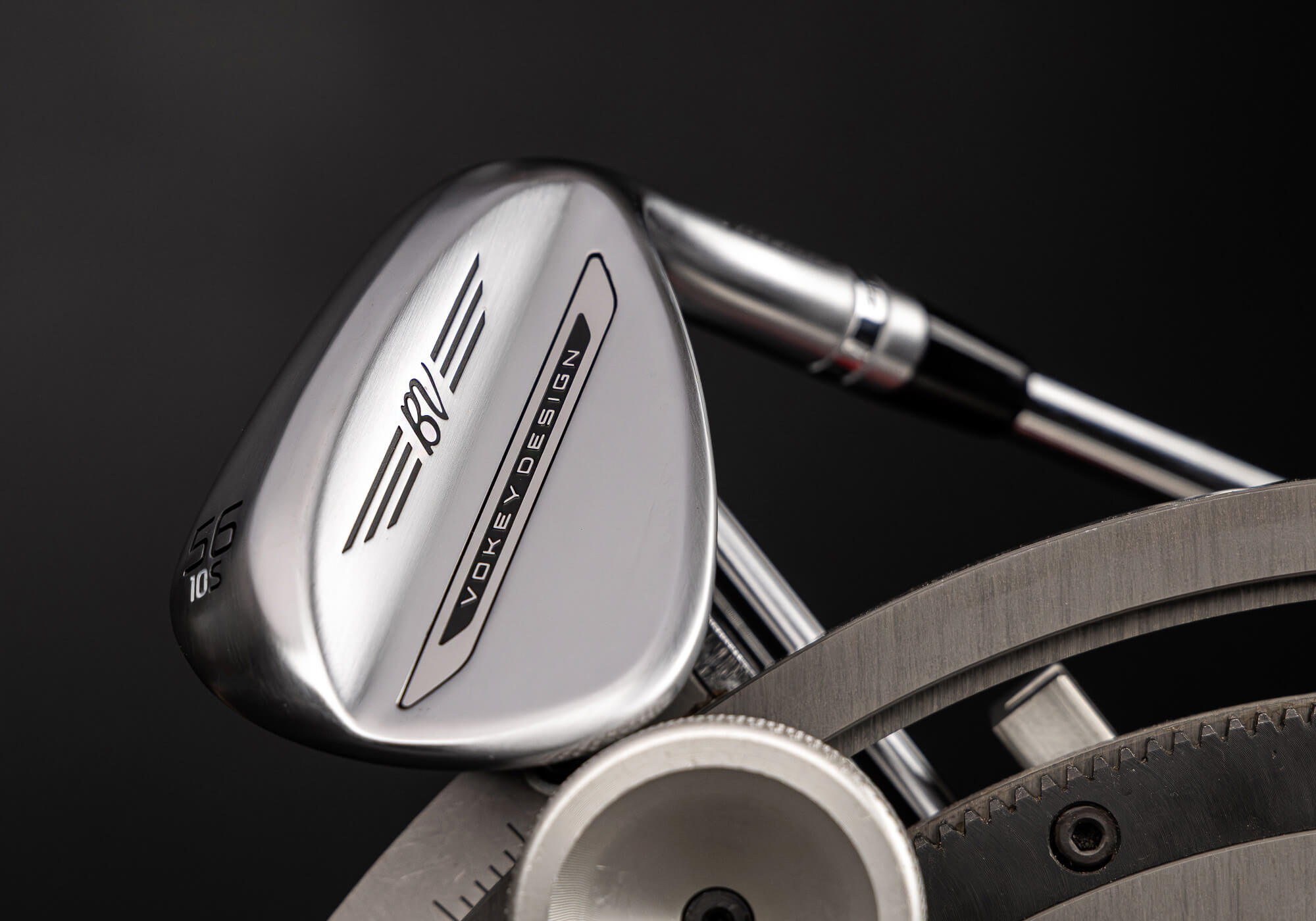
SM11 isn’t designed to be obviously different. Vokey’s are the most-played wedge on the PGA Tour and the most purchased wedge at retail. Titleist isn’t going to make wholesale changes to things like shape and feel just to give golfers something they can see. Each iteration needs to be better without looking much in the way of different.
With that in mind, if SM11 is better and there’s nothing obvious you can point to that plainly illustrates why, Vokey can consider its objectives met.
So, yeah, with SM11, absolutely some small cosmetic stuff changed but some important stuff did, too.
Specs, pricing, availability
Vokey SM11 wedges are available in 27 discrete loft, bounce and grind combinations. Every model is available in all finishes and in both right- and left-handed versions.
Loft, Bounce and Grind options
| Pitching / Gapb | Sand Wedge | Lob Wedge |
| 44.10F | 54.08M | 58.04T |
| 46.10F | 54.10S | 58.06K |
| 48.10F | 54.12D | 58.08M |
| 50.08F | 54.14F | 58.10S |
| 50.12F | 56.08M | 58.12D |
| 52.08F | 56.10S | 58.12K |
| 52.12F | 56.12D | 60.04T |
| 56.14F | 60.06K | |
| 60.08M | ||
| 60.10S | ||
| 60.12D | ||
| 60.12K |
Stock shafts and grips
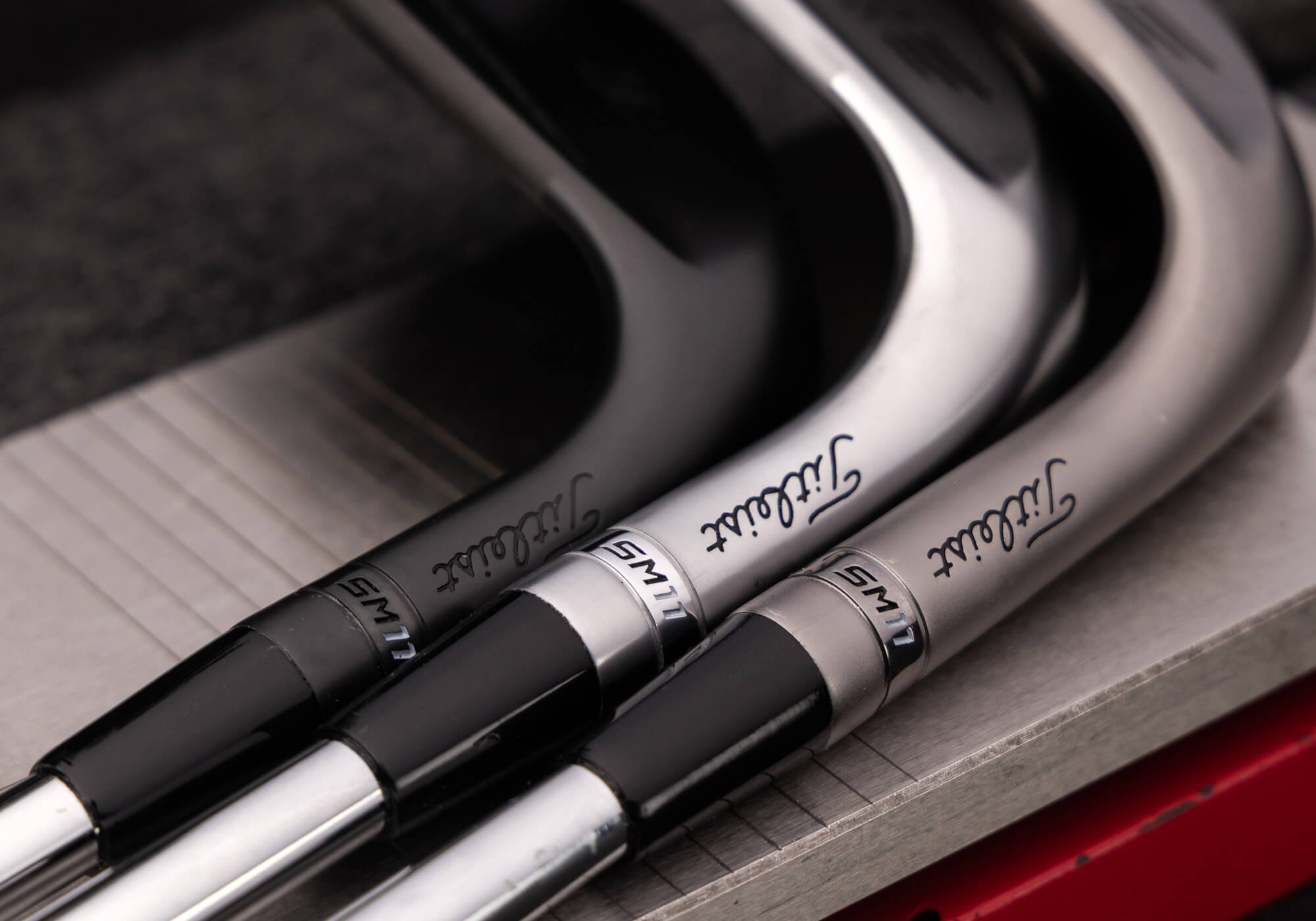
Stock shafts include True Temper Dynamic Gold (steel), True Temper Dynamic Gold 105 (lightweight steel) and MRC MMT MCA Red (graphite). The stock grip is a Titleist Universal 360.
Vokey SM11 wedges are available for fittings now. Full retail availability begins Feb. 20. Retail price is $199 steel, $209 graphite, $229 Raw.
For more information, visit Vokey.com.
The post Vokey SM11 Wedges: More Than Meets The Eye appeared first on MyGolfSpy.
