When was the last time a Wilson driver made you stop what you were doing and go, “Hey, sailor, new in town?”
I’ll wait.
That’s not to say Wilson hasn’t given us some pretty good drivers over the years. Last year’s DYNAPWR Carbon was pretty good. The D7 from 2019 was pretty good, too, as was the D200 from 2015. Hell, call me crazy, but I thought the Triton and Cortex drivers from Driver Vs Driver were pretty good, too.
One small problem, though. Callaway and TaylorMade can get away with “pretty good” and still sell a buttload of drivers. Wilson can’t. Pretty good, for Wilson (and any other OEM outside of the Big Four, for that matter) isn’t good enough.
Needles remain immobile.
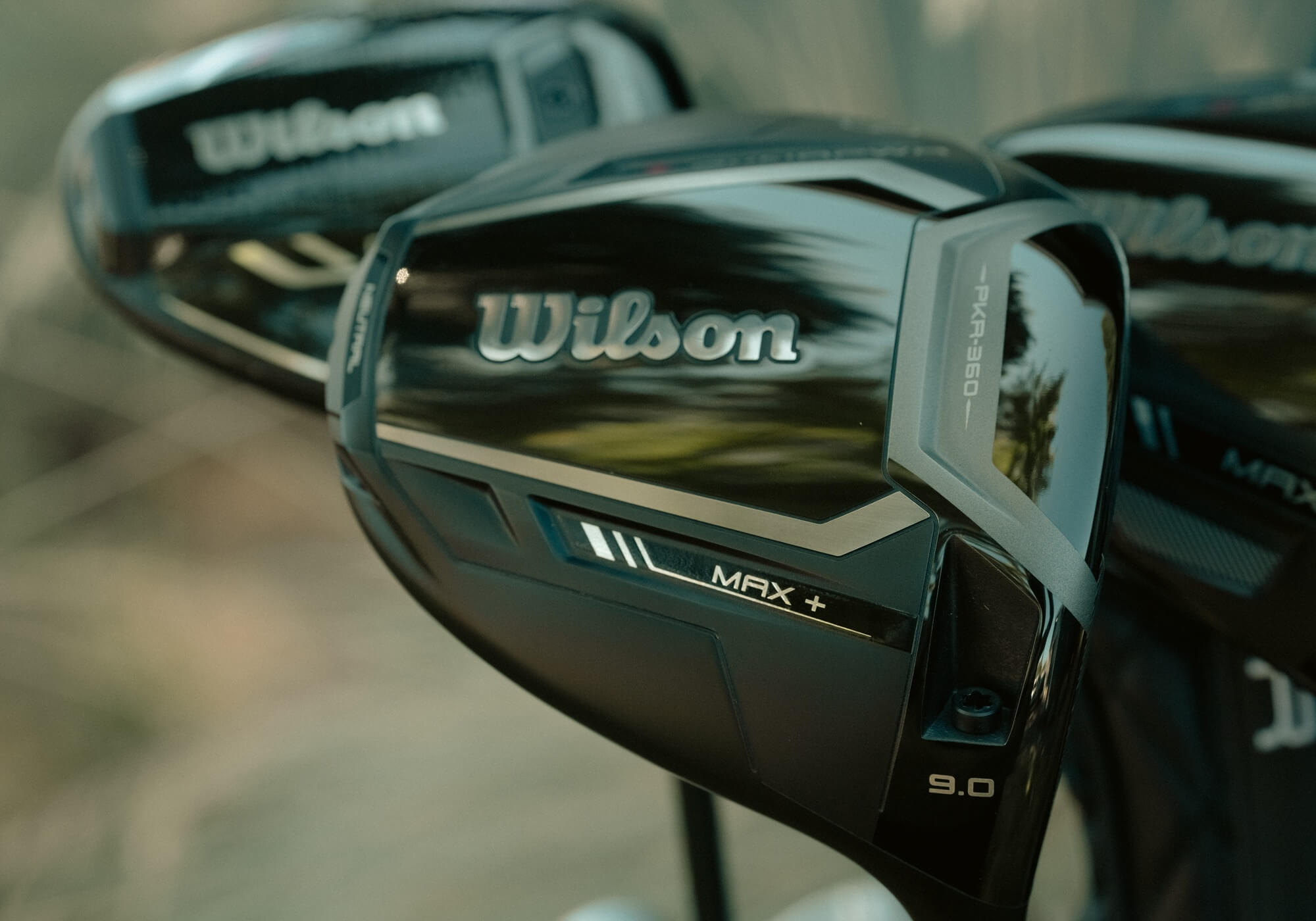
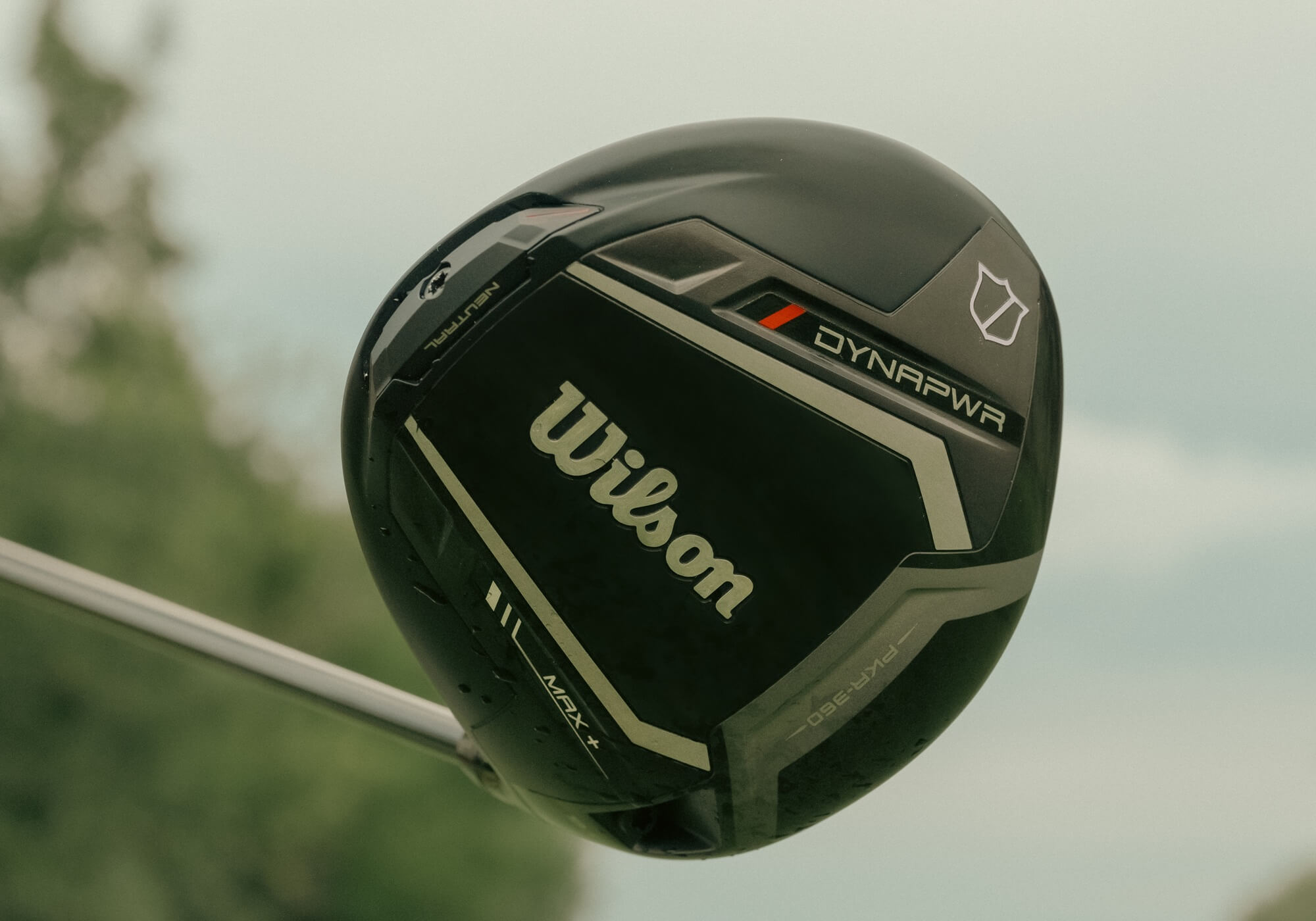
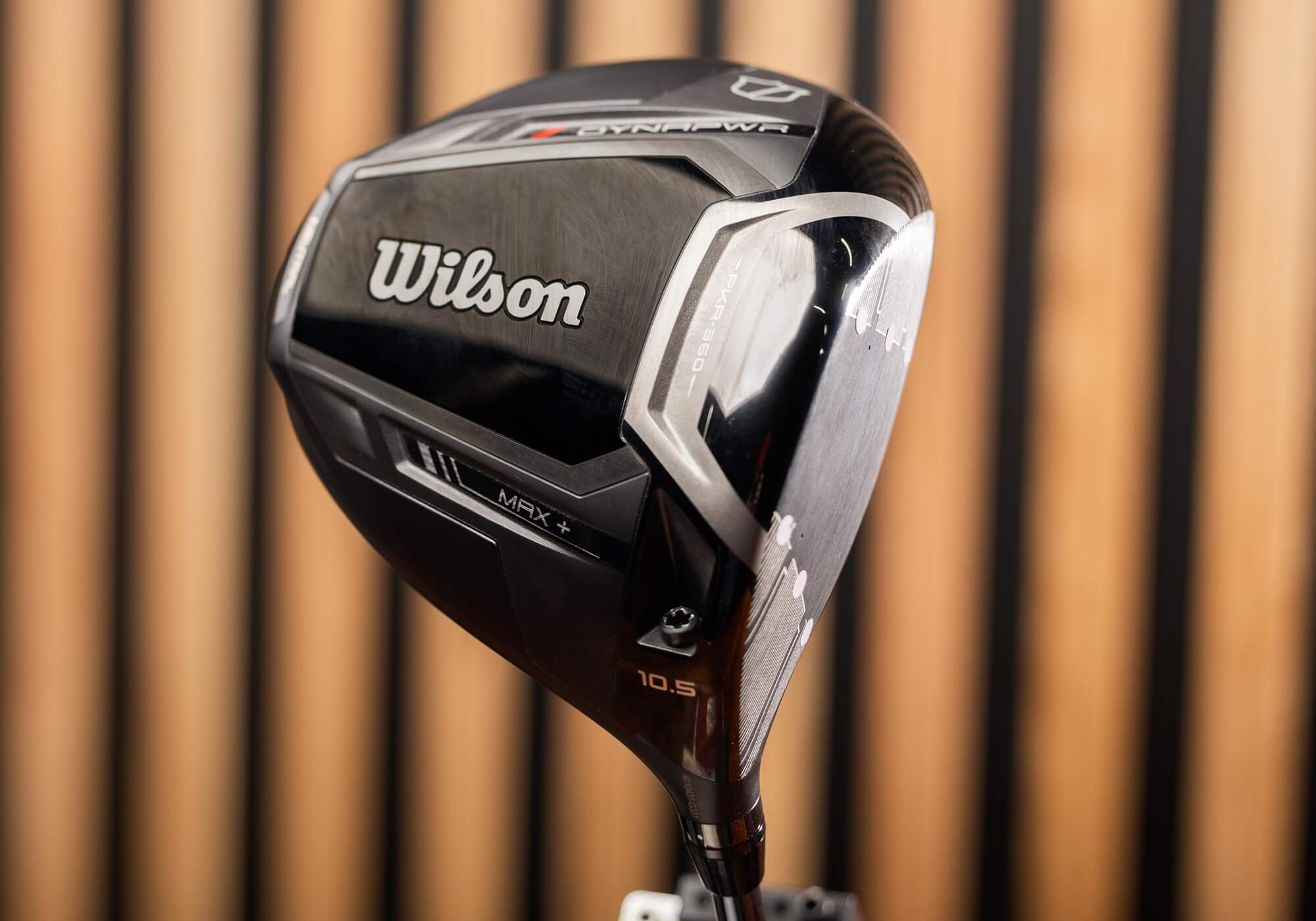
That said, the DYNAPWR driver series is the best Wilson has given us since the Killer Whale. And its new model, the DYNAPWR MAX+, has a chance to move the ball a little further downfield.
At least that’s what the good folks in Chicago are hoping.
Wilson DYNAPWR MAX+: 10K worth of hope
First things first. For the remainder of this article, the DYNAPWR MAX+ will be called the Dynapower Max+. I stand firm in my love of vowels and a steadfast foe of unnecessary capitalization. It’s a hill I will die on and, besides, it’s a pain in the butt to type. (Eds note: One more reason I love this guy!)
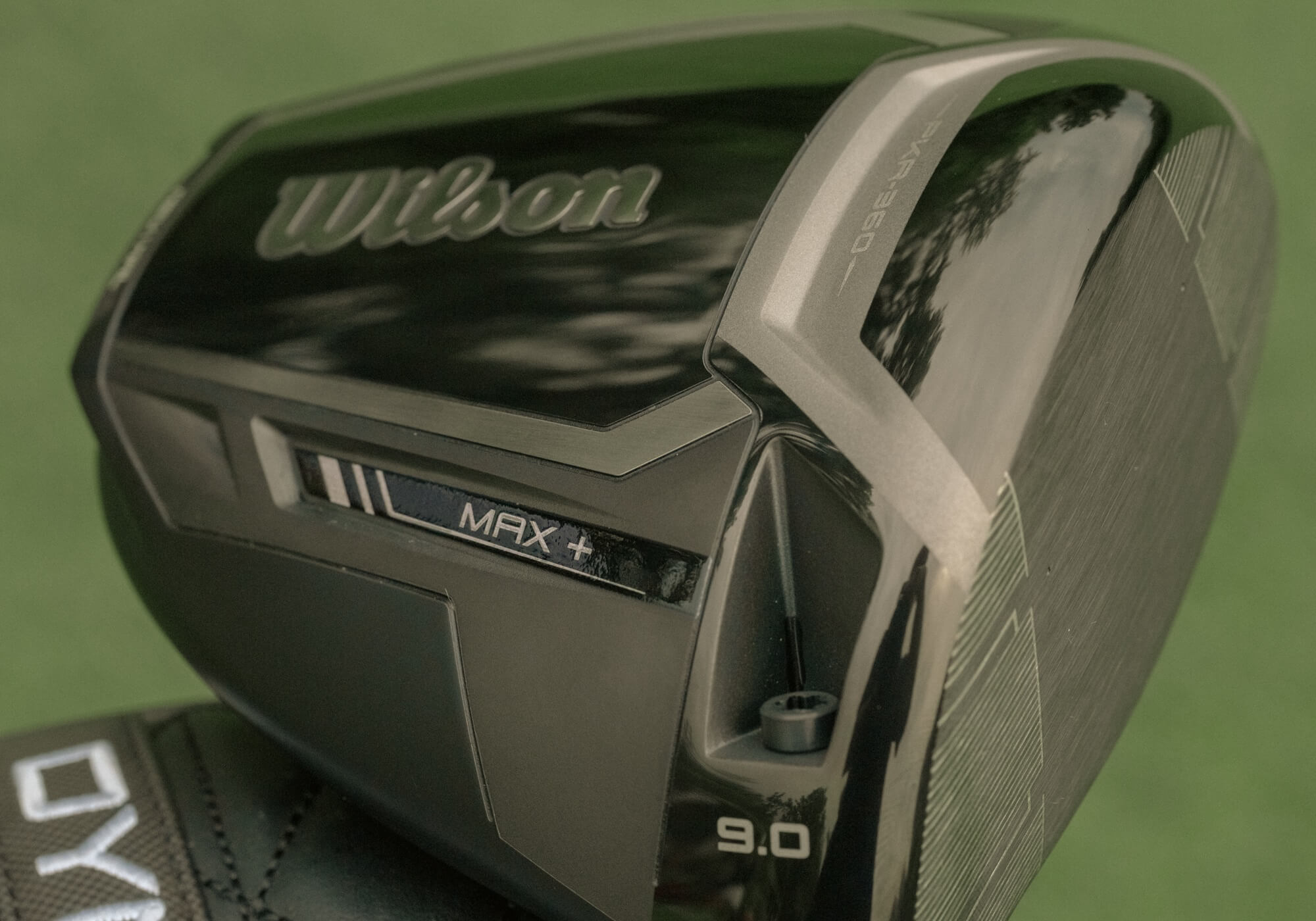
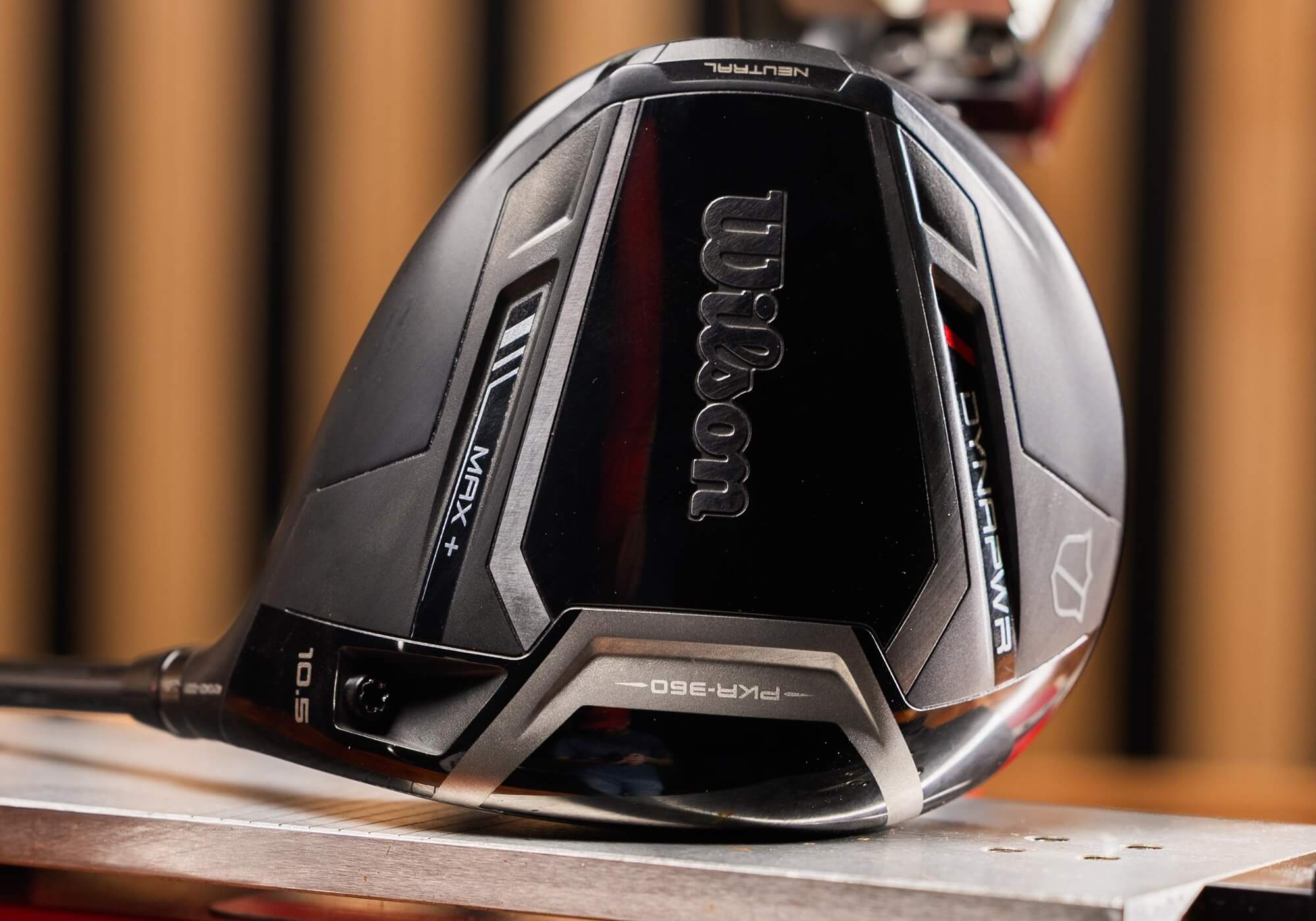
Caps and vowels notwithstanding, there is driver hope in Chicago. Wilson is touting the new Dynapower Max+, in all of its 10K combined MOI splendor, as the “straightest, most forgiving driver in the brand’s history.”
“10k MOI is something we’ve wanted to do for a while, but we wanted to do it correctly,” Wilson Advanced Golf R&D Manager Jared Guttman tells MyGolfSpy. “It took us quite a few different approaches to get to the point where we’re satisfied.
A 10K MOI driver isn’t an oddity anymore. It’s probably easier to list the OEMs that don’t have one at this point. That 10K number is a bit of a contrivance, by the way, as it combines heel-toe MOI and north-south MOI. It’s a marketing term but the net result is a stable, forgiving driver that keeps spin more consistent, loses less speed on mishits and holds its line better on heel and toe strikes.
In other words, for those of us who like to use the entire driver face (Hey, I paid for the whole face, might as well use the whole face), we’ll tend to hit straighter (OK, straight-ish) shots with better dispersion.
Since the USGA has that pesky 460cc head-size limit, 10K worth of MOI can present unintended challenges, particularly with sound and feel. That’s something Wilson struggled with in the past, regardless of MOI. Getting sound and feel right in the Dynapower Max+ was a top design priority.
Big bodies, big challenges
When you go 10K, driver geometry changes a bit. While the volume stays at 460cc, the profile looks, well, bigger.
“When you go with a larger profile, super-forgiving head, you exponentially increase how difficult it is to make it sound and feel the way, say, a Carbon LS driver sounds,” says Guttman.
“The first thing a golfer understands, even before the launch numbers show up on the screen, is the sound at impact.”
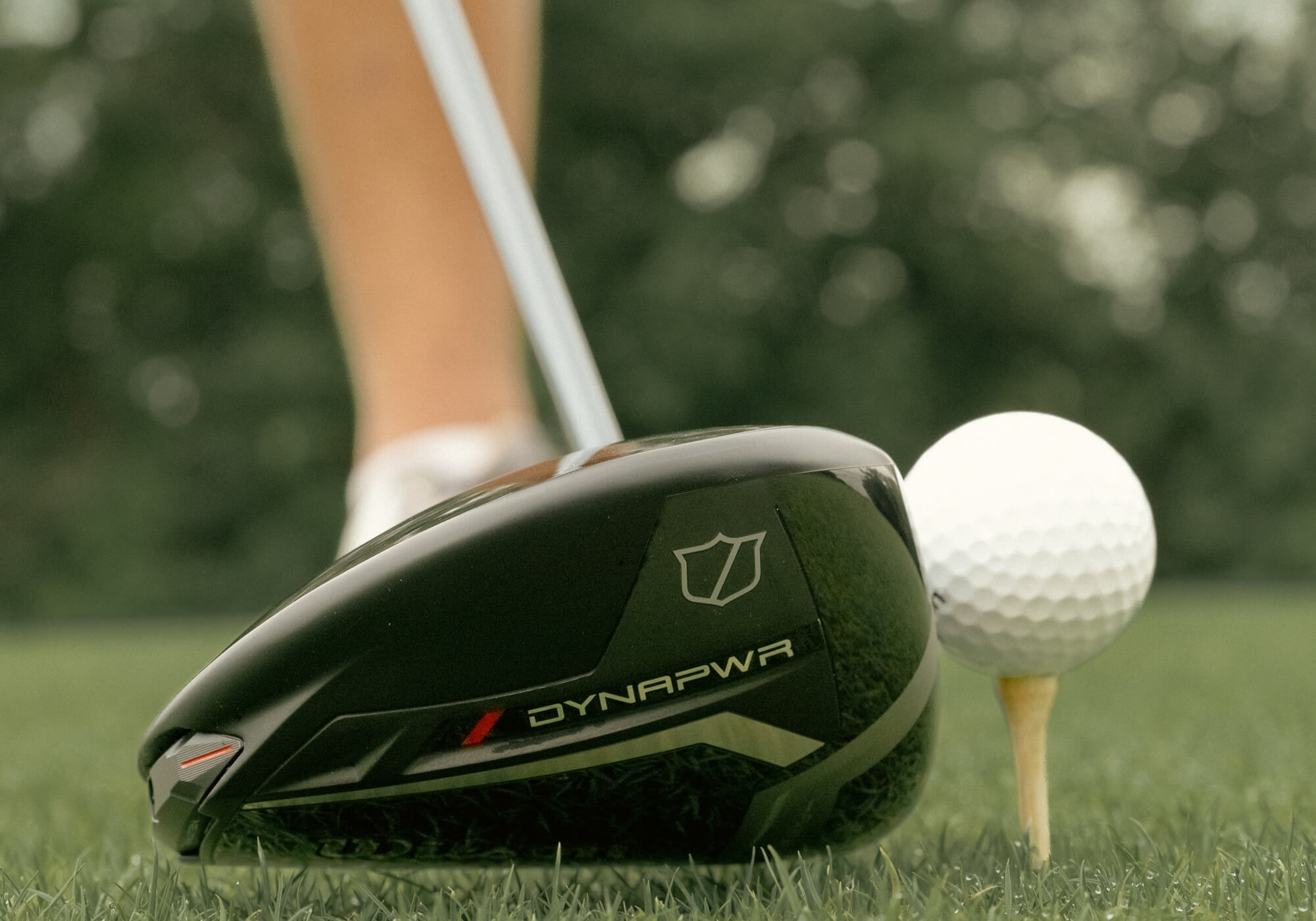
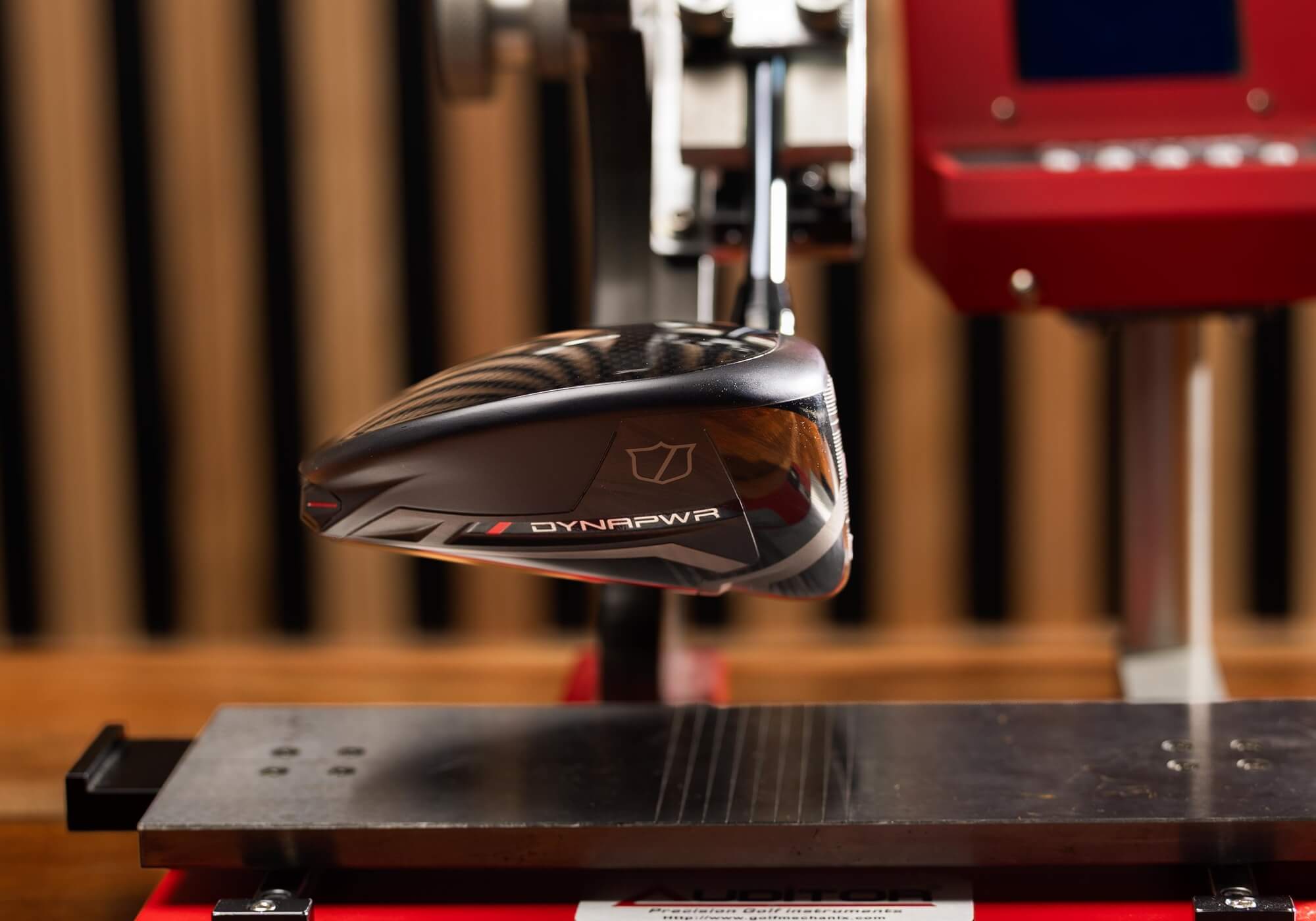
Those most recent Wilson Dynapower Carbon and Dynapower LS drivers feature plenty of carbon fiber and deliver a solid, powerful sound. To get the new Max+ 10K in the same sound and feel ballpark, Wilson utilized what it calls its Topology Optimization technology.
“Topology Optimization helps us figure out the internal structure to get a positive sound,” Guttman explains. “We wanted it to sound good no matter where we put the weight internally or where you strike the ball on the club face.”
Another challenge for 10K driver heads is ball speed. Overall, the idea is that the added forgiveness and straightness more than make up for ball speed loss.
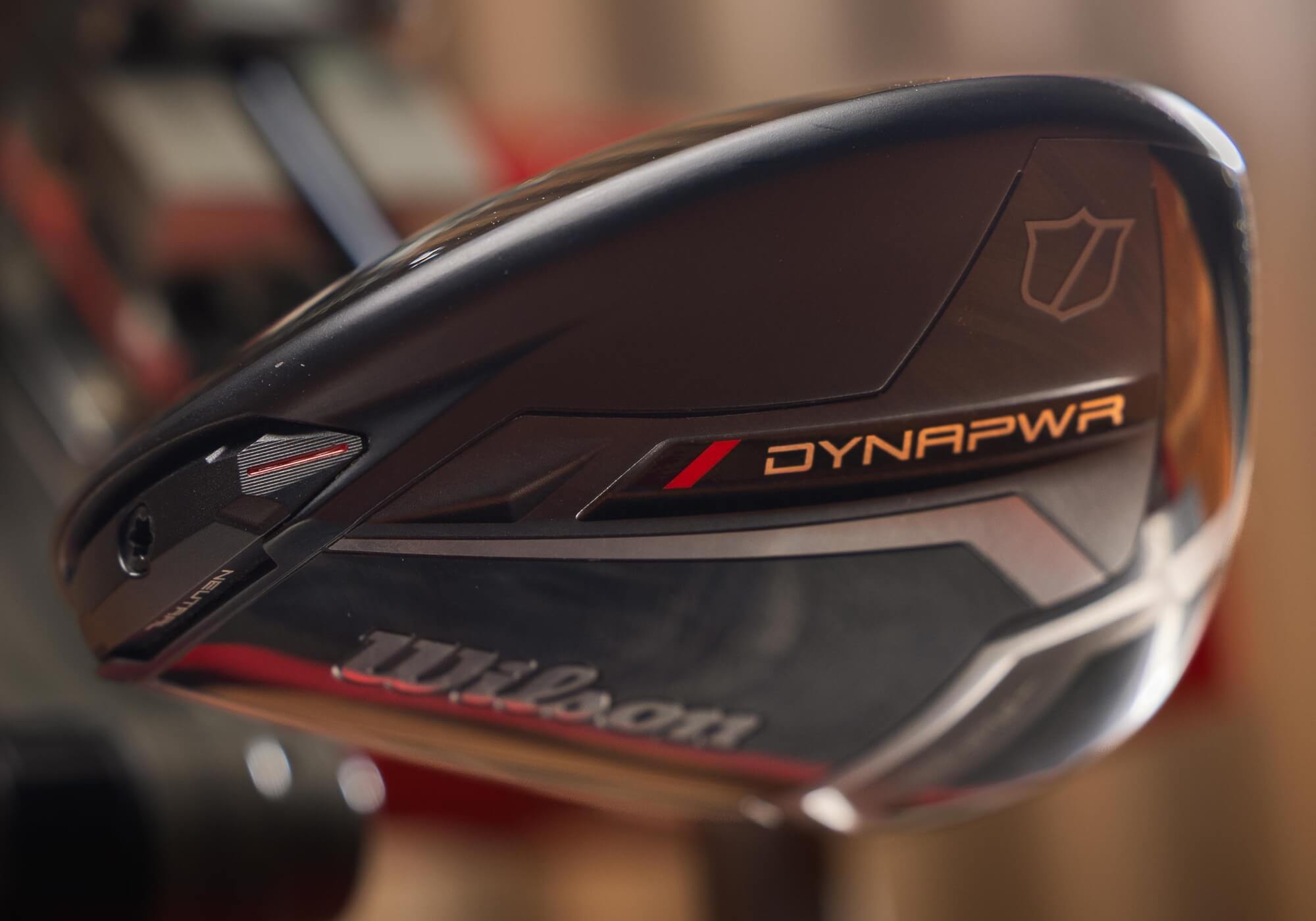
“Players want forgiveness, but they don’t want to sacrifice speed to get it,” Guttman says. “You can add mass indiscriminately to a clubhead to raise MOI, but we want to keep the head fast and ball speed fast. So we set a limit that the head would weigh 200 grams, just like our Carbon, LS and standard Max.”
Small faces and PKR-360
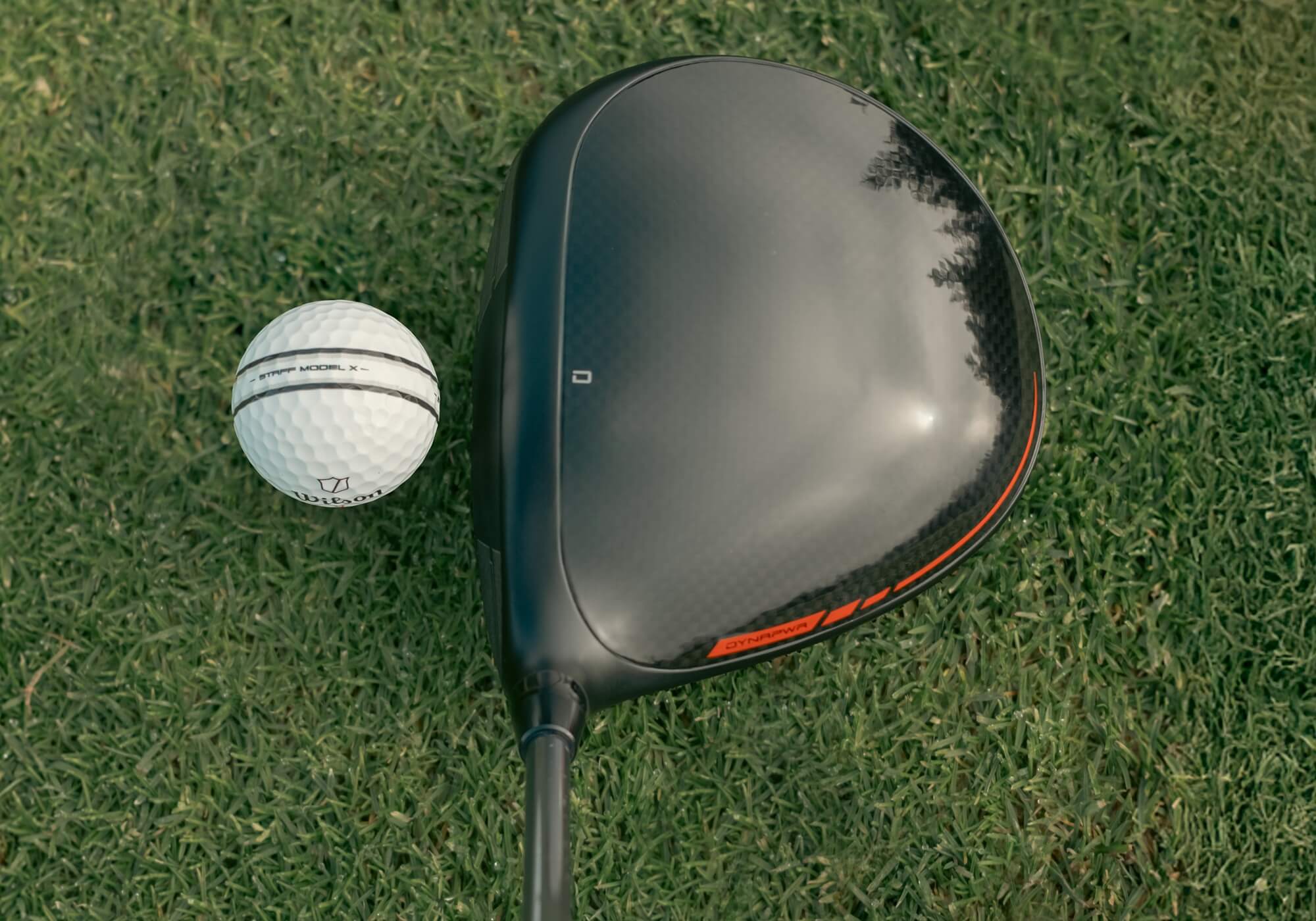
Given the volume constraints, the face on the Dynapower Max+ is a tad smaller than you’d expect. Wilson was able to remove five grams of mass from the face in the process. The face is usually the heaviest part of a driver head and it’s also not the greatest spot for mass from an MOI standpoint. In a 200-gram head, another five grams of discretionary weight to move to the rear means Wilson doesn’t have to alter the head shape much.
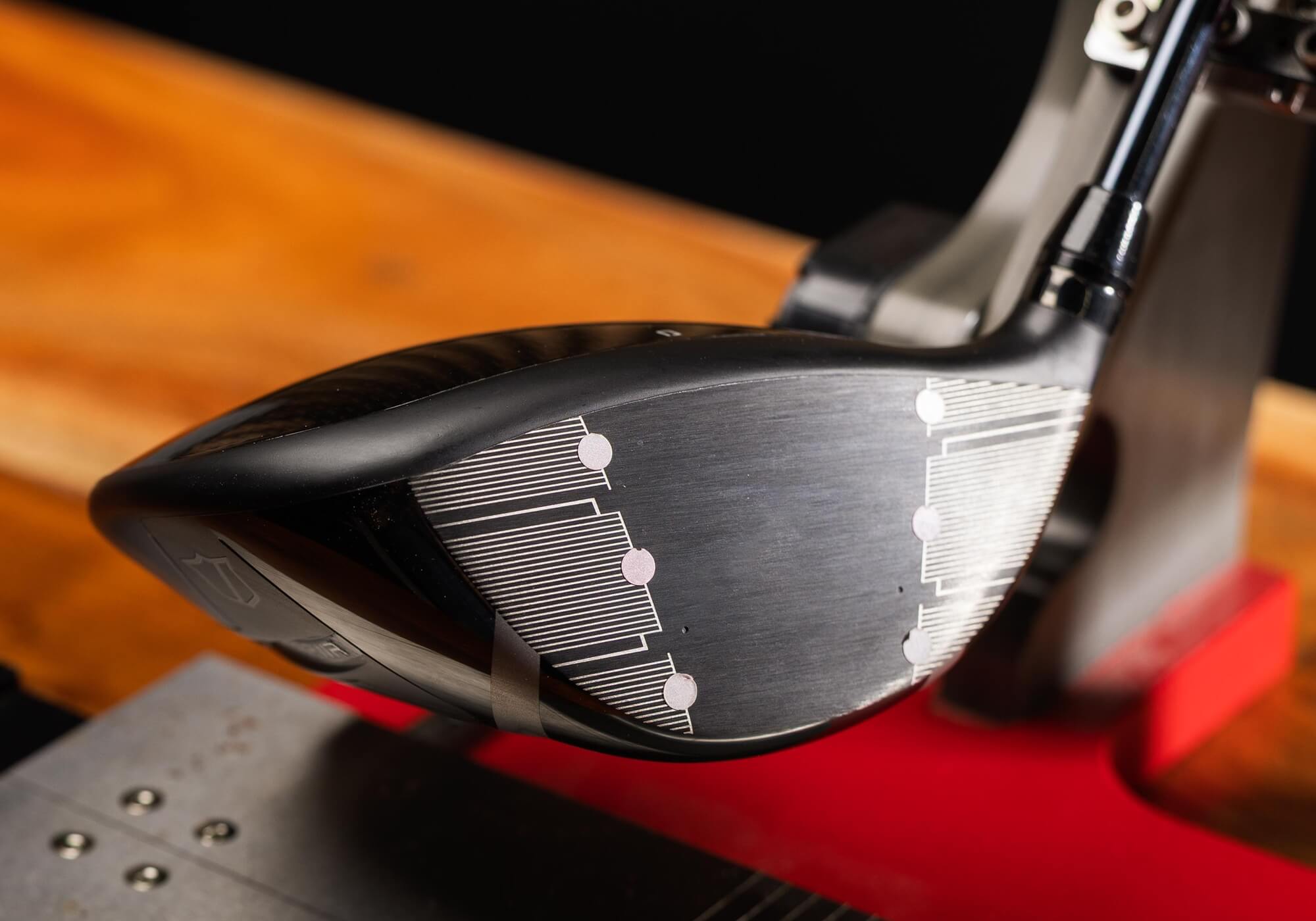
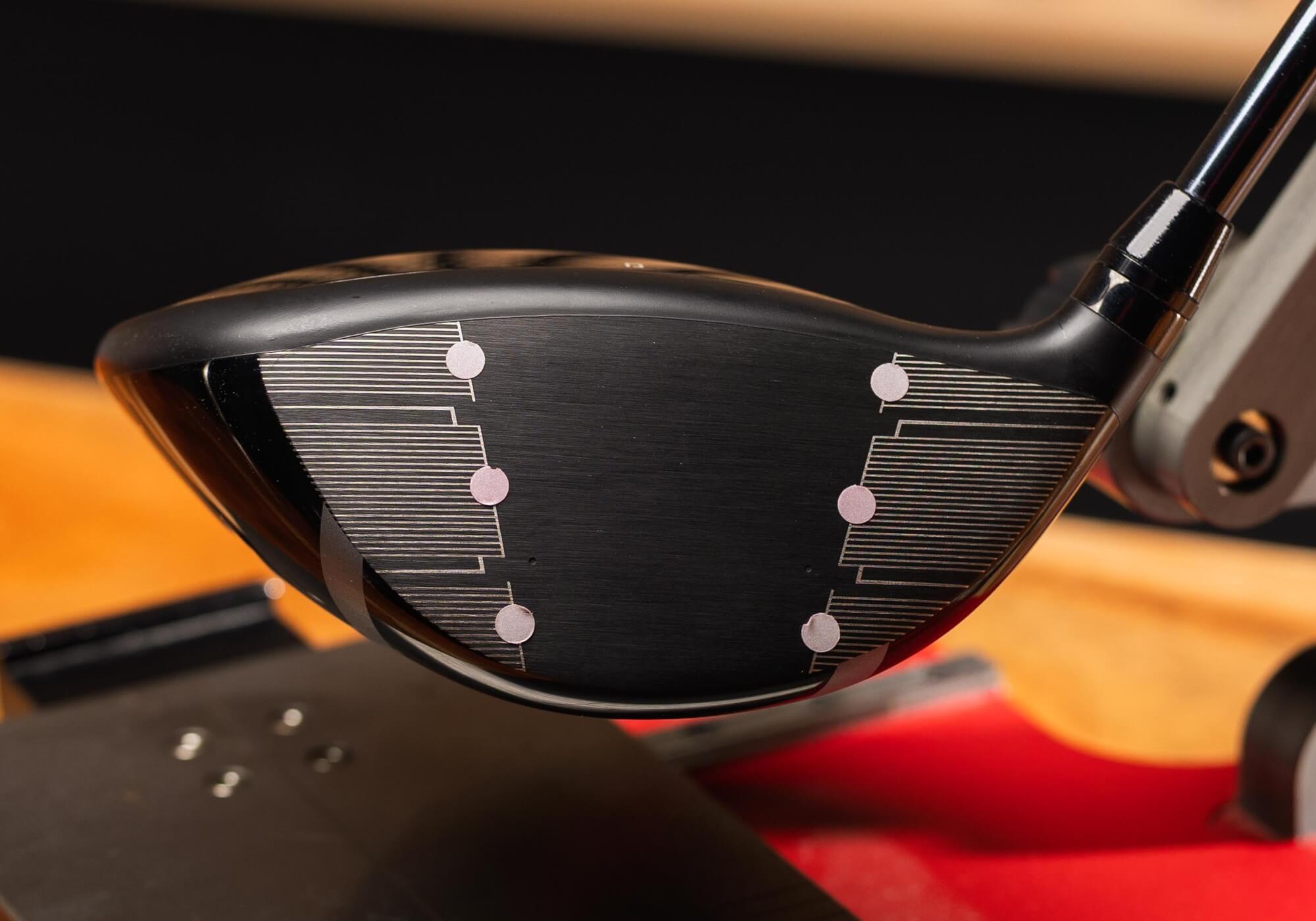
Additionally, Wilson updated its AI-designed PKR-360 variable-thickness face for the 10K world. PKR stands for Peak Kinetic Response, a marketing-science hybrid term that describes the moment during impact when a material transitions from absorbing energy to actually releasing it.
“When you change the thickness of an area, it doesn’t just affect that spot,” Guttman explains. “It affects the rest of the system. When we plug an analysis into our supercomputer, we can optimize how the face insert moves front and back but we can also have the crown, leading edge, topline, heel and toe all moving as well.”
Wilson is also stressing the unique bulge and roll face design for the Dynapower Max+.
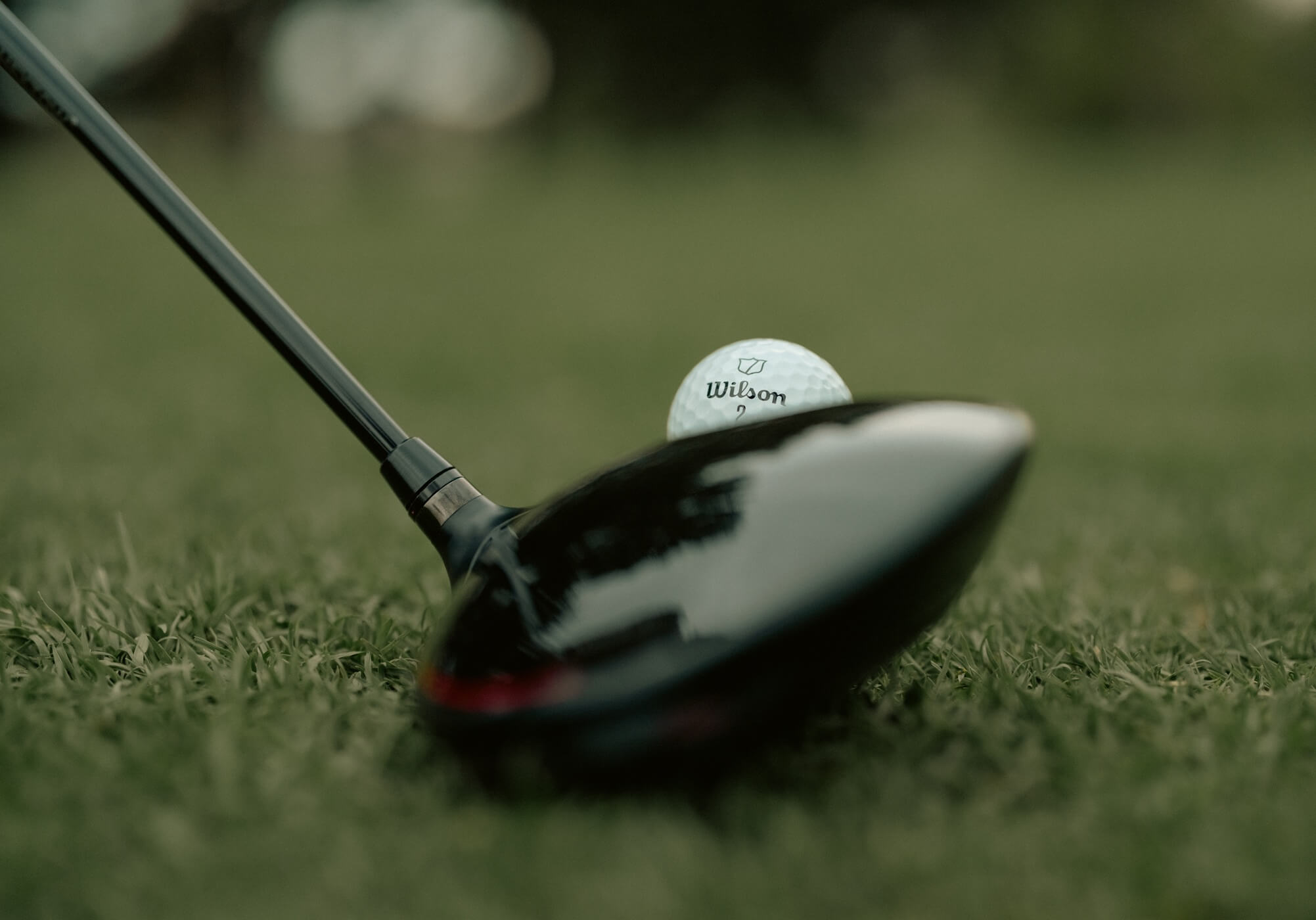
“As you look at where you can place the CG in a driver head, you look at the front-to-back distance and where the CG is relative to impact location,” Guttman explains. “That’s going to drive a change in how much the clubhead moves. The more it moves, the more you need a rounder bulge and roll to get the proper gear effect to keep the ball flying straight.
“As you look at our lineup, there’s a different bulge and roll all the way from the LS to the Max+, because each has a different CG depth.”
The Wilson Dynapower Max+ and the new world order
We’re getting very near the end of the launch season. I hope you’ve been paying attention. The driver messaging from every OEM has been very different this year. 2026 isn’t a distance year; it’s a distance equality year.
It’s not a ball speed year, either. It’s a smaller circle year.
I don’t know about you but I find that refreshing.
In pretty much every driver story we’ve published, OEMs are talking the same talk. It’s about getting the rest of the face to act more like the center of the face and to make the delta between a center strike and a heel or toe strike as small as possible.
“If you focus too much on distance, you forget that we’re just trying to score better,” says Guttman. “You can do everything to make distance happen and forget about the rest of the club, the playability, the sound, the aerodynamics.”
We do know drivers aren’t maxed out but we also know they’re getting closer. OEMs really can’t raise the ceiling much more but they can raise the floor in the name of distance equality.
I kind of like that term.
On the other hand, it could be that all the supercomputers OEMs use for their AI designs have somehow learned to communicate with each other and are taking over.
I’m no conspiracy theorist, but you never know …
Final Dynapower thoughts
We started this piece off wondering if Wilson’s new 10K driver will move the needle for the good folks in Chicago. Hate to be glib but it depends on what you mean by “move.” Wilson faces an uphill, near Sisyphean, battle to be a player in the driver game. That’s not to say the Dynapower Max+ isn’t a good driver. I’ve tried it. It’s pretty good.
I’d even say it’s very good.
But, as we said, “pretty good” and even “very good” doesn’t cut the mustard. The Big Four’s stranglehold on the driver market seems virtually impregnable and the competition among the next tier of combatants is fierce. COBRA, Mizuno, PXG and Srixon all have compelling drivers as do the growing cadre of direct-to-consumer brands. Pretty good will sell some drivers but I don’t think even Wilson believes it’s going to suddenly become a market force.
None of that matters, however. The only thing that really matters is whether it works for you. The best Wilson can hope for is that if you give the Dynapower Max+ a fair shake, you’ll find that it does what you need it to do: hit the ball reasonably far and playably straight.
And for those of you who like to bloviate on how Wilson should price things, here’s a little nugget: the new Dynapower Max+ will retail for $499.99. That, friends, is a good $150 to $200 below the usual suspects. At that price point, good enough will, in fact, save you some cash.
Wilson Dynapower Max+: Specs, price and availability
The new Wilson Dynapower Max+ 10K driver comes in four loft options. The standard Max+ comes in 9-, 10.5- and 12-degree heads (only the 10.5-degree model comes in left-handed). There’s also a Max+ LITE model, which comes in a 12-degree head.
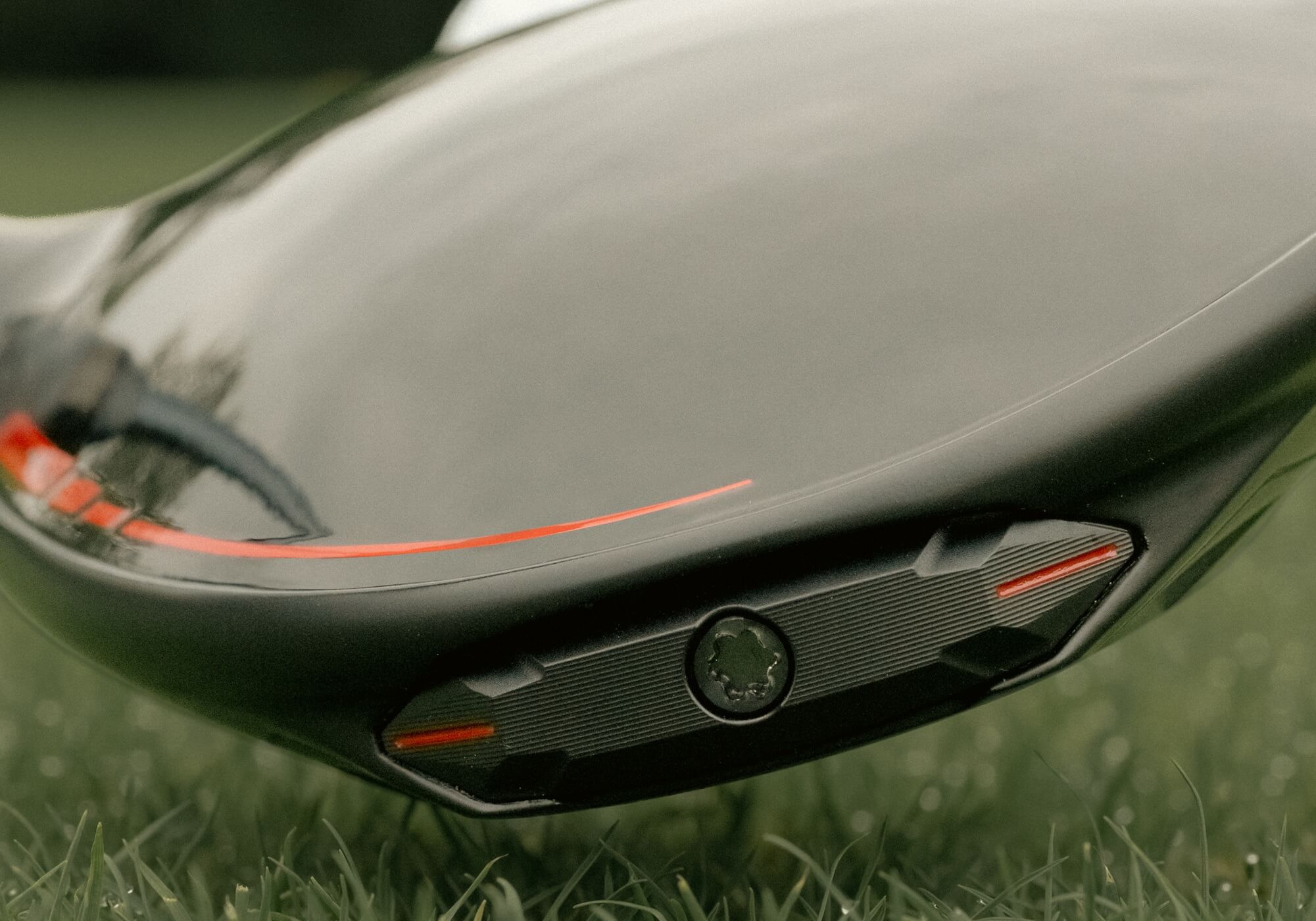
The heads feature a six-way adjustable hosel and an adjustable rear weight.
The UST LIN-Q PowerCore Blue is the stock shaft. It comes in A-, R- and S-flexes, all weighing 55 grams. The LITE model features the 40-gram UST Helium NCT 4.
The Lamkin Crossline 360 Black is the stock grip.
As mentioned, the Wilson Dynapower Max+ will retail at $499.99. It’s available for presale starting today and should hit retail on February 12th.
For more information, visit www.wilson.com.
The post Wilson Joins The 10K Driver Parade: Can It Move The Needle In Chicago? appeared first on MyGolfSpy.
