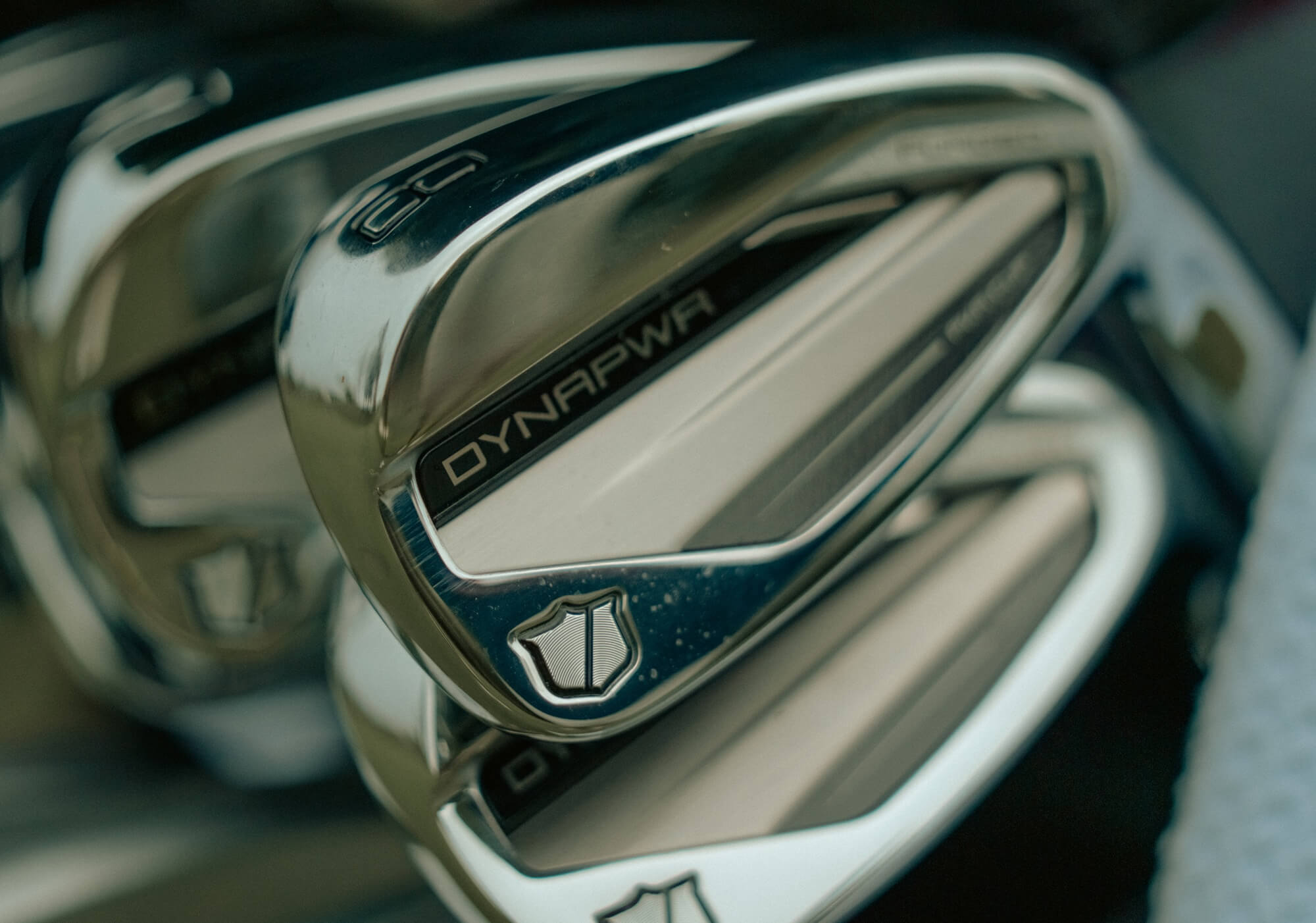
Well, technically, Wilson is calling it the DYNAPWR Forged.
Sorry. I’m not gonna go along with it. I’m just not.
As far as this column is concerned, it’s the new Wilson Dynapower Forged. It’s also the latest iteration of something Wilson is very good at making: player’s distance irons.
The updated Dynapower Forged shouldn’t be confused with last week’s launch of the Wilson Staff Model XB. Wilson tabs the XB as a “player’s precision iron” while the Dynapower Forged sits squarely in the player’s distance category.
What’s the difference between the two? Oh, about a degree-and-a-half worth of 7-iron loft and a noticeably larger profile for the Dynyapower.
This new update now gives Wilson six iron sets on its roster. Dynapower Forged joins the game-improvement Dynapower and super game-improvement Dynapower Max as well as the Staff Model trio (blades, CB, XB) which were launched last week.
More than anything else, Wilson defines itself as an irons company. It should. Wilson’s 112-year legacy was built on its forged irons and say what you want about where the company stands today but you can’t say it makes bad irons.
So, what should we make of the new Wilson Dynapower Forged player’s distance irons? Well, we do know that when it comes to this category, Wilson knows what it’s doing. Ever since we started testing player’s distance irons in 2018, Wilson’s entries have rarely missed placing in the top five each year with the 2020 D7 Forged winning the whole fish fry.
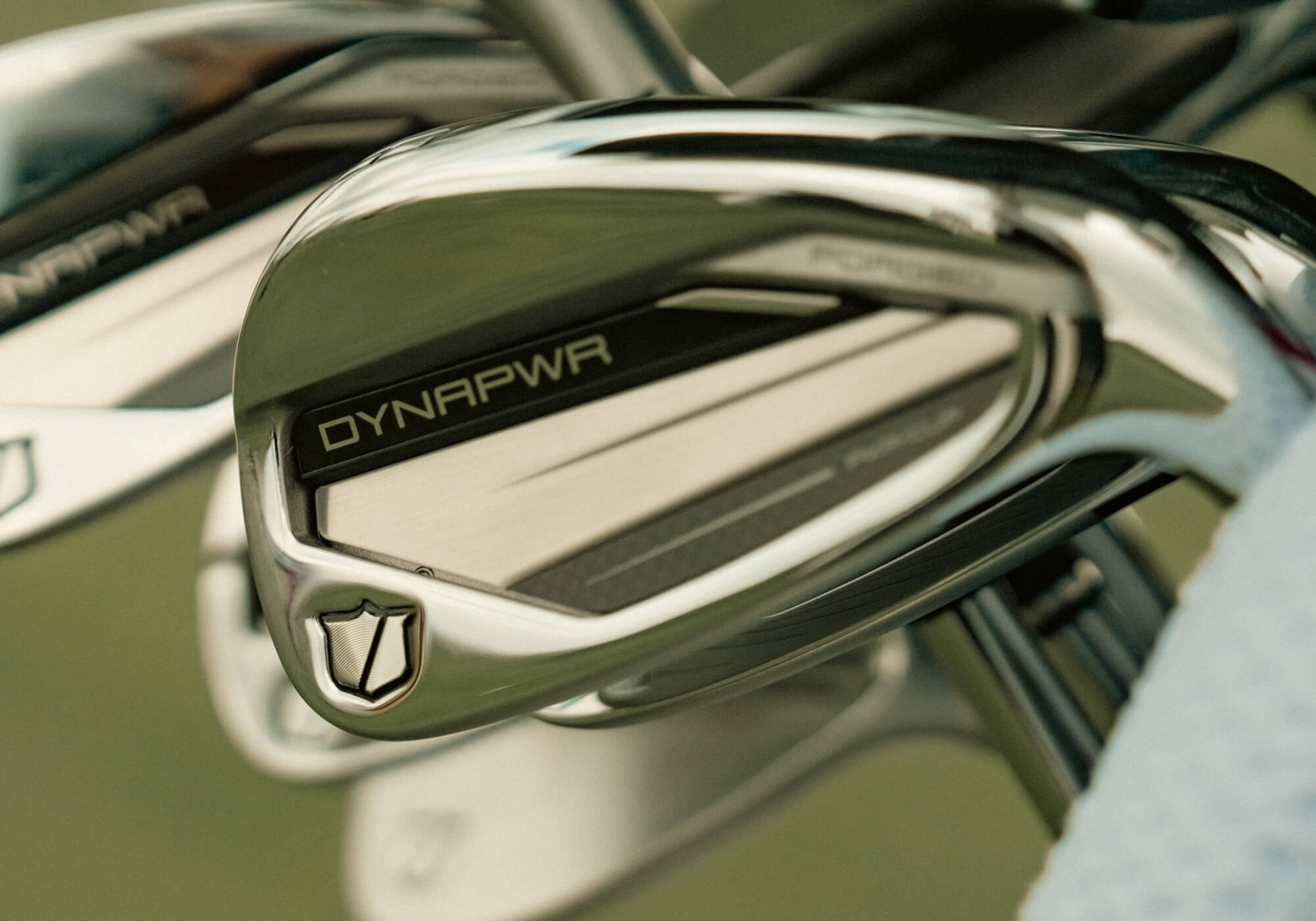
So what’s new with the 2026 Dynapower Forged line? Let’s start with what’s missing and it’s probably something you’ll be pleased about.
Wilson Dynapower Forged: Power Holes, we hardly knew ye ….
Remember Wilson’s Power Holes? Yeah, those.
Wilson first introduced Power Holes back in golf’s “old days” of 2016 in its C200 series. The Power Hole idea, and Wilson was a little ahead of the rest of the industry in this thinking, was to give the face more opportunity to flex at impact. The extra flex would impart more ball speed which would lead to more distance.
And give Wilson credit, Power Holes worked like a champ. People may have hated the way they looked but they did the job they were created to do.
However, the ascent of AI-powered design and advances in materials, specifically variable face thickness technology, has made Power Holes dead, gone and buried.
They are no more
They have ceased to be. They’ve expired and gone to meet their maker.
Bereft of life, they rest in peace.
They’ve shuffled off this mortal coil, run down the curtain and joined the bleeding Choir Invisible.
Sorry, I’m back now.
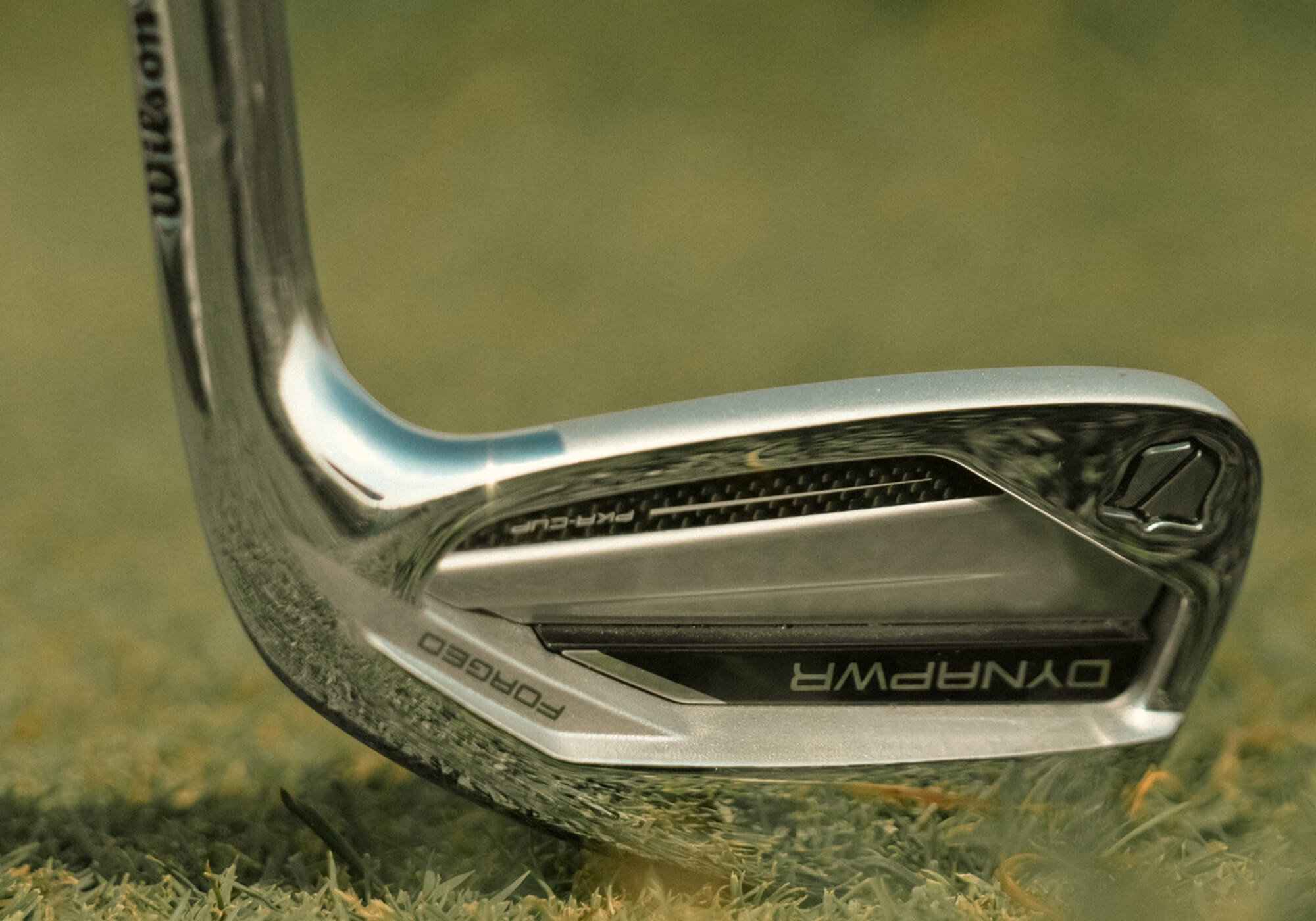
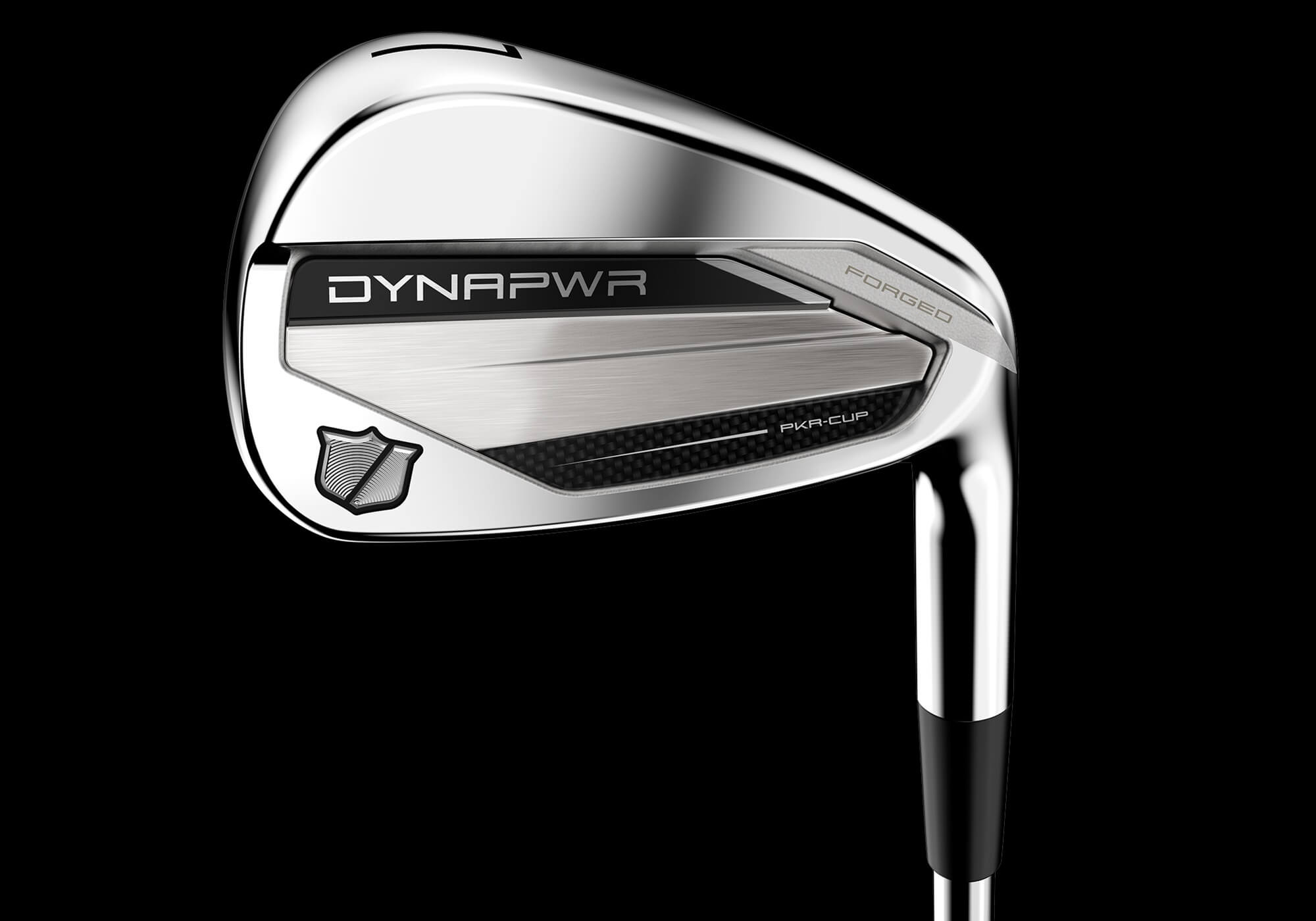
The new, Power Hole-free Wilson Dynapower Forged irons now share the same face-flex technology as its Dynapower game-improvement brothers: Wilson’s PKR cup face.
PKR stands for Peak Kinetic Response. As we learned in last week’s piece on the new Wilson Dynapower Max+ driver, Peak Kinetic Response is a hybrid science/marketing term describing the moment during impact when a material transitions from absorbing energy to actually releasing it.
Why a Peak Kinetic Response cup face is good for you
When you hit a golf ball, you want a lot of Peak Kinetic Response.
“That’s what we call our optimization-driven variable face thickness technology,” Wilson CAD engineer Scott James says of the new Dynapower Forged’s PKR 360 cup face. “We’re controlling the hinge as well as the face for more face flex.”
But what is a cup face and what does it actually cup?
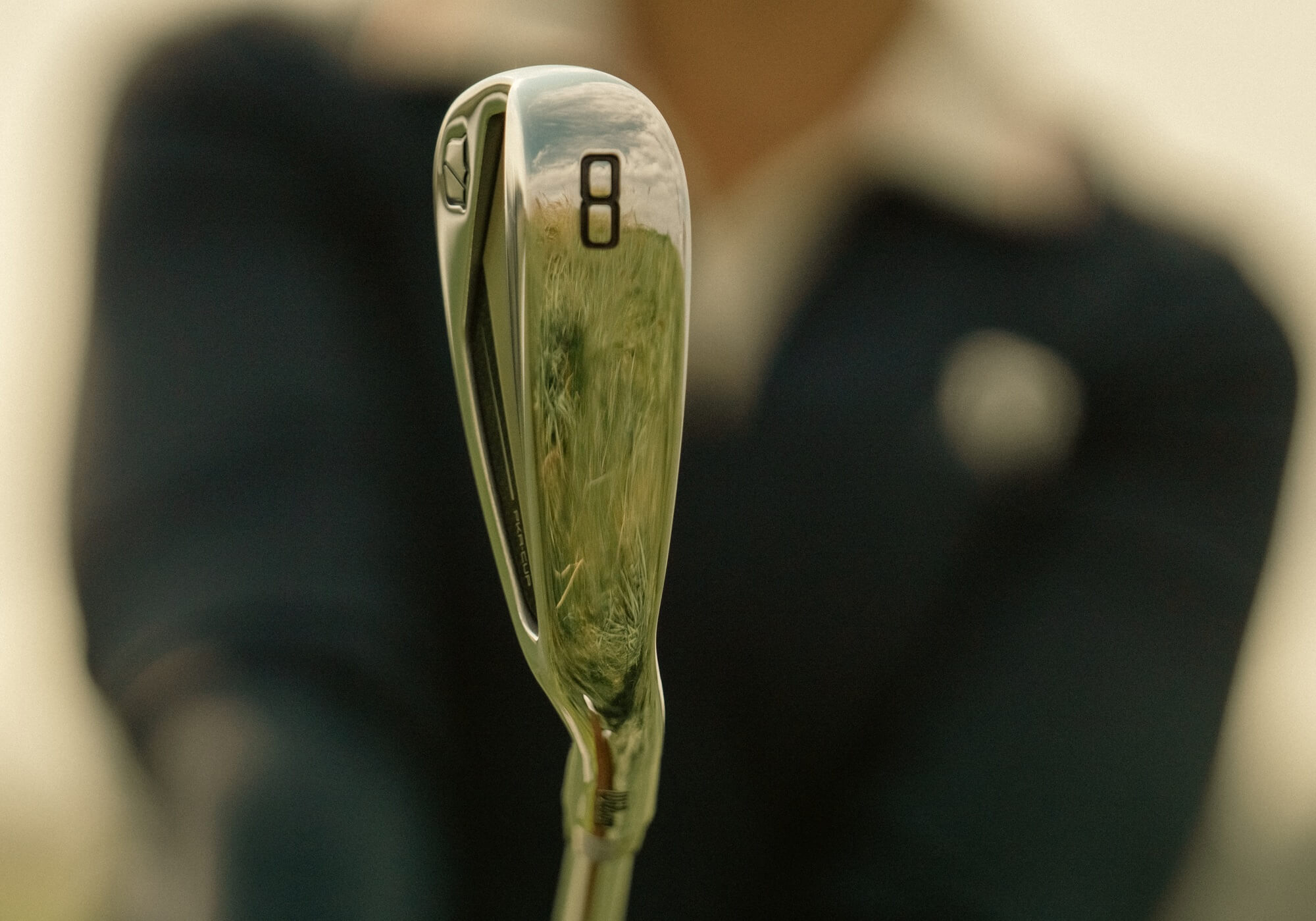
The term “cup face” is thrown around in golf so it probably bears some explanation. In standard multi-piece iron construction, a face insert is welded onto a body piece that includes the hosel and the sole. There’s always a weld line somewhere low on the face, often around the second or third score line.
The problem is that weld lines don’t flex much which can negatively impact flex on low-face strikes. A cup face includes cup at the base which actually extends into the sole.
“With a cup face, that weld is now actually on the sole,” explains James. “That means we’ll have much more consistency from club to club.”
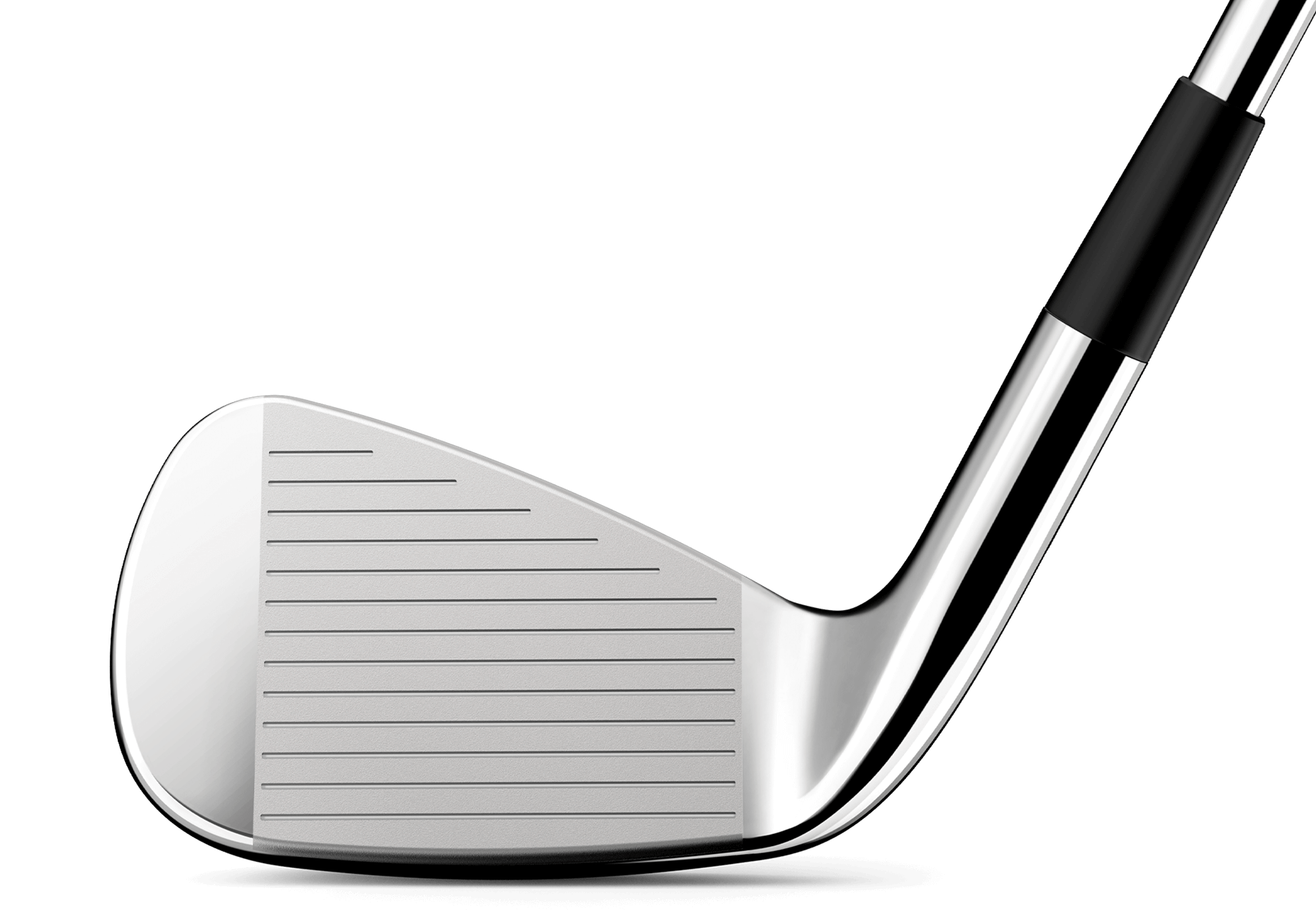
When comparing the new Wilson Dynapower Forged with a cup face against the old model with the welded face insert, Wilson found the consistency it was looking for.
“We saw improved ball speeds and launch angles,” says James. “The performance on low strikes was more similar to center strikes. We’re seeing less distance loss.”
If there was ever a sentence that sums up virtually every iron launch we’ve seen over the past month, that one was it.
Dynapower Forged facts ‘n’ figures
As the name suggests, the Dynapower Forged irons are forged from 8620 carbon steel. The PKR 360 variable thickness cup face is AI-optimized for maximum flex and energy transfer. Wilson’s supercomputer sifted through more than 4,000 unique designs before reaching the final product. Wilson is using TE-031 urethane infused into the iron cavities to help dampen vibrations and refine acoustics for a smoother feel.
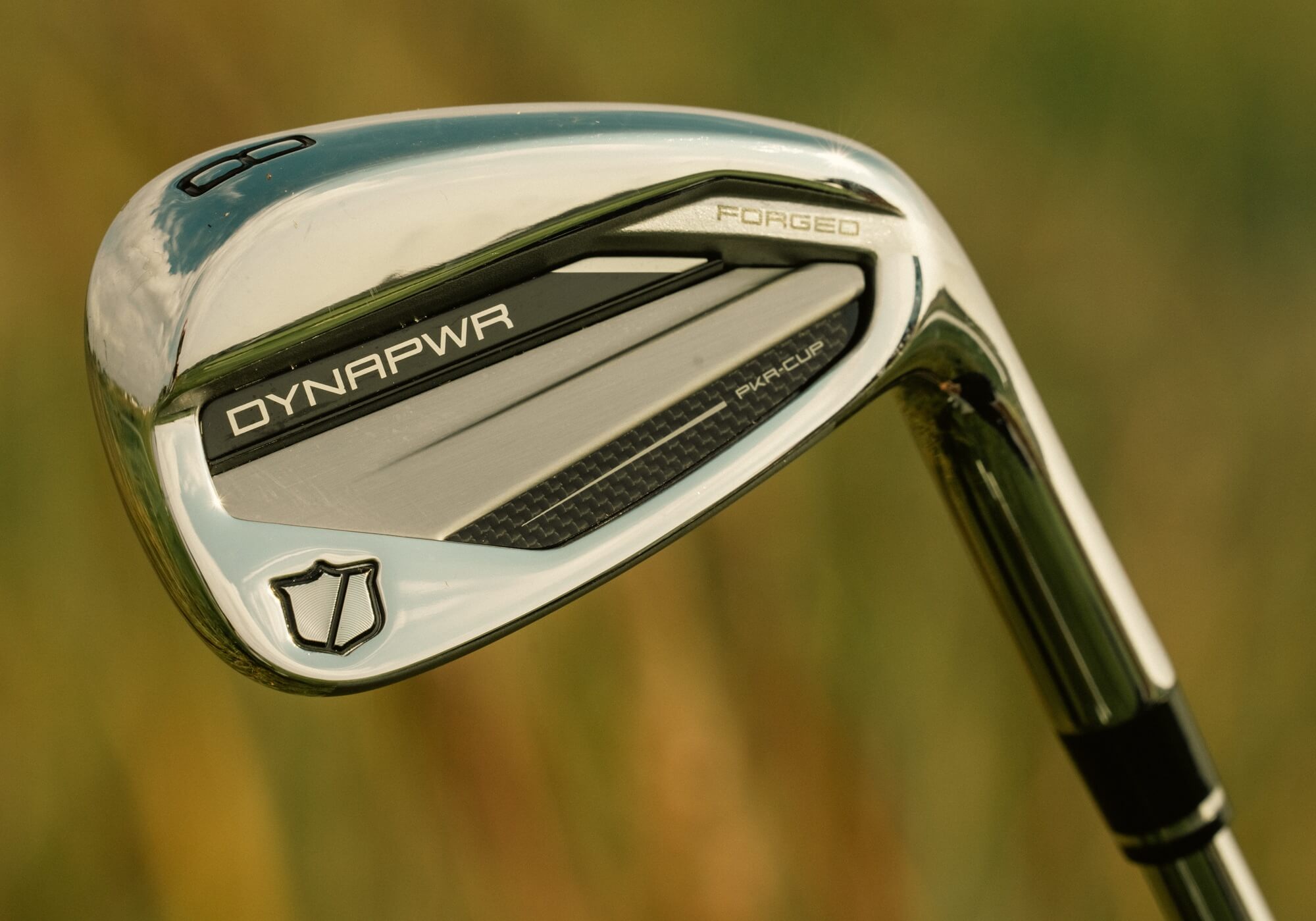
“That urethane is the same material we used in our Power Holes,” James says. “It helps make everything feel softer even though we have a pretty thin face that’s meant to be hot and provide ball speed.”
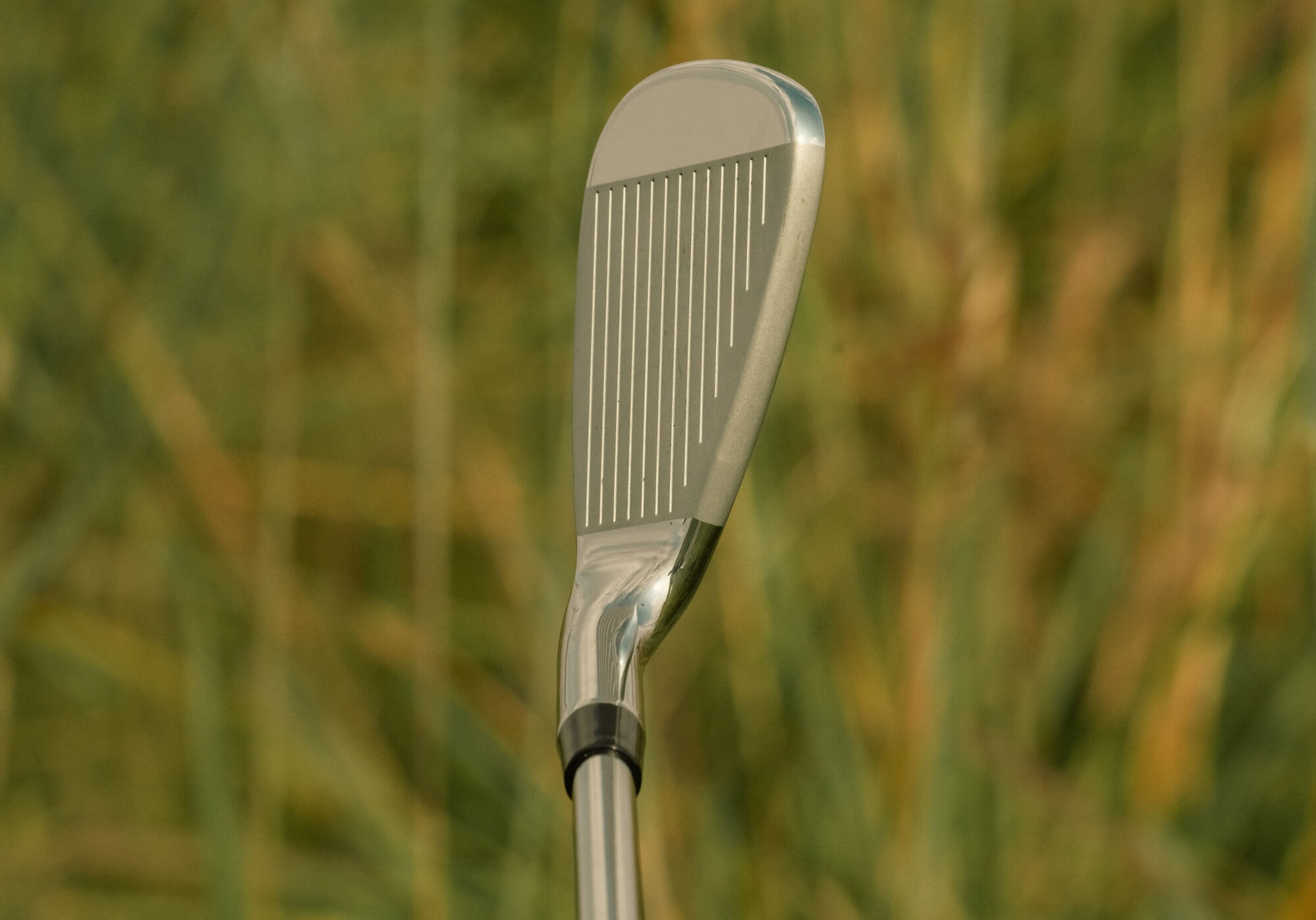
Since it’s a member of the Dynapower family, Wilson chose to keep the polished mirror finish on the Dynapower Forged rather than opting for a brushed satin finish like the new Staff Model lineup, not to mention its Dynapower brothers. Wilson defines it as having a compact, player-inspired profile at address with Tour-level aesthetics, a premium look and high MOI for an iron its size.
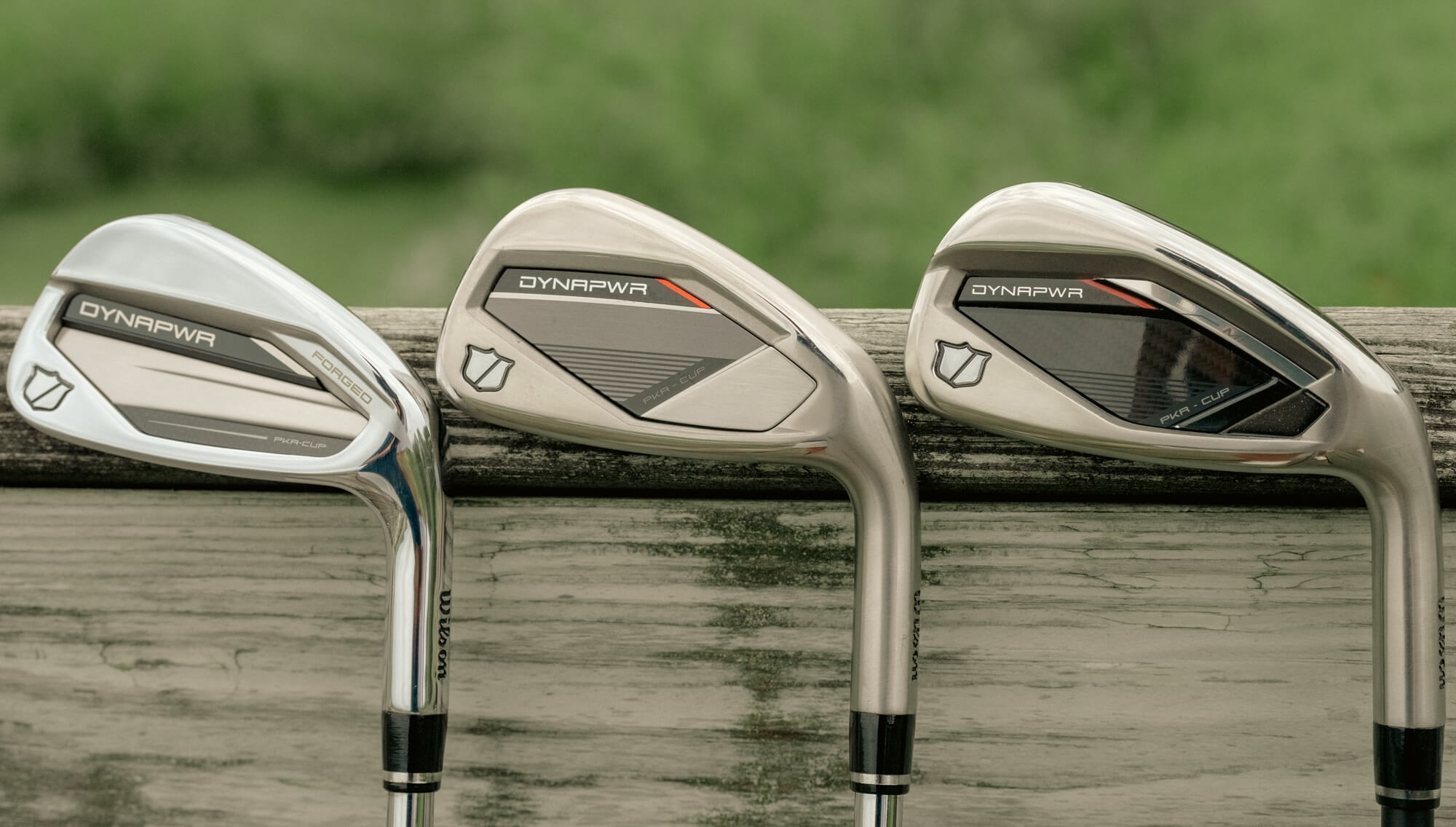
The Dynapower Forged loft structure aligns perfectly with the player’s distance category. It features a 30.5-degree 7-iron, making it a degree-and-a-half stronger lofted than the Staff Model XB.
Wilson Dynapower Forged: Final thoughts
This launch pretty much ends the 2026 iron launch season. We still have the new i540 from PING due out in a few weeks but by now all the major OEMs have shown their cards for the year.
The unofficial theme of launch season has been playability. Raw distance is nice but distance without launch angle, peak height and a usable descent angle makes golf a little harder to play.
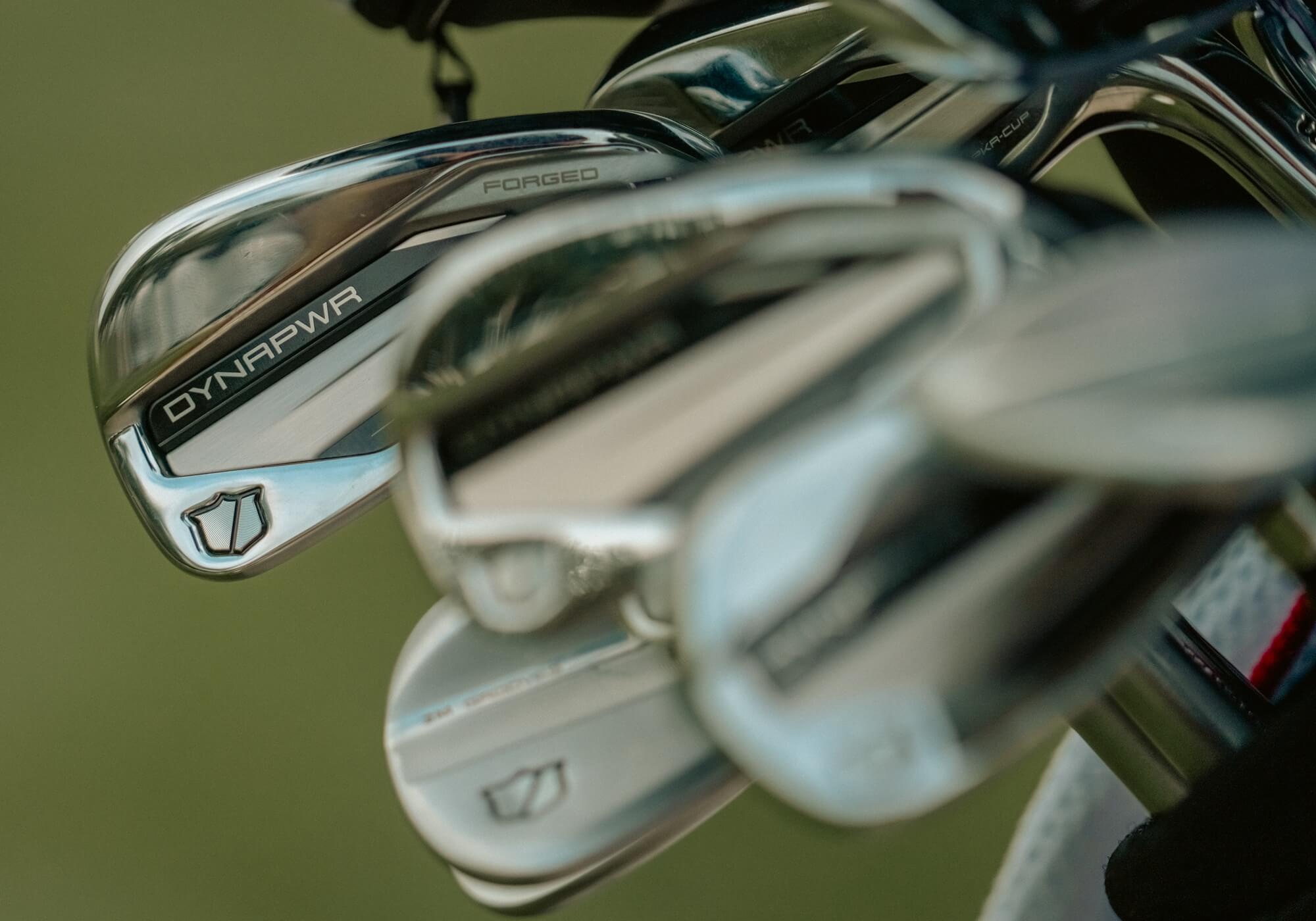
The Guardians Against Loft Jacking can squawk all they want about a 30.5-degree 7-iron but remember that the category name is, in fact, player’s distance irons. They’re designed for the player who, for whatever reason, could use a little extra juice. It could be the improving golfer moving up from game-improvement irons. It could also be the aging player who still has some game left but is also losing a few yards to that rat bastard known as Father Time.
Either way, the messaging this year has been, dare I say it, refreshing. The end of the distance rainbow is in sight and OEMs are focusing on normalizing distance over a larger swath of the face. That, combined with ample peak height, a satisfactory descent angle and as much spin as AI can give a low center of gravity iron, should equal improved playability.
Given Wilson’s track record in the player’s distance category, we can say with some confidence that the new Dynapower Forged irons should perform well in our testing this year.
Can’t wait to find out.
Wilson Dynapower Forged irons: Specs, price and availability
The new Wilson Dynapower Forged irons will come with the KBS Tour Lite as the stock steel shaft. The UST Recoil DART HDC 70 is the stock graphite. Both versions come with a Wilson-logoed Lamkin Crossline 360 grip.
Multiple additional shaft and grip options are available via Wilson’s custom department.
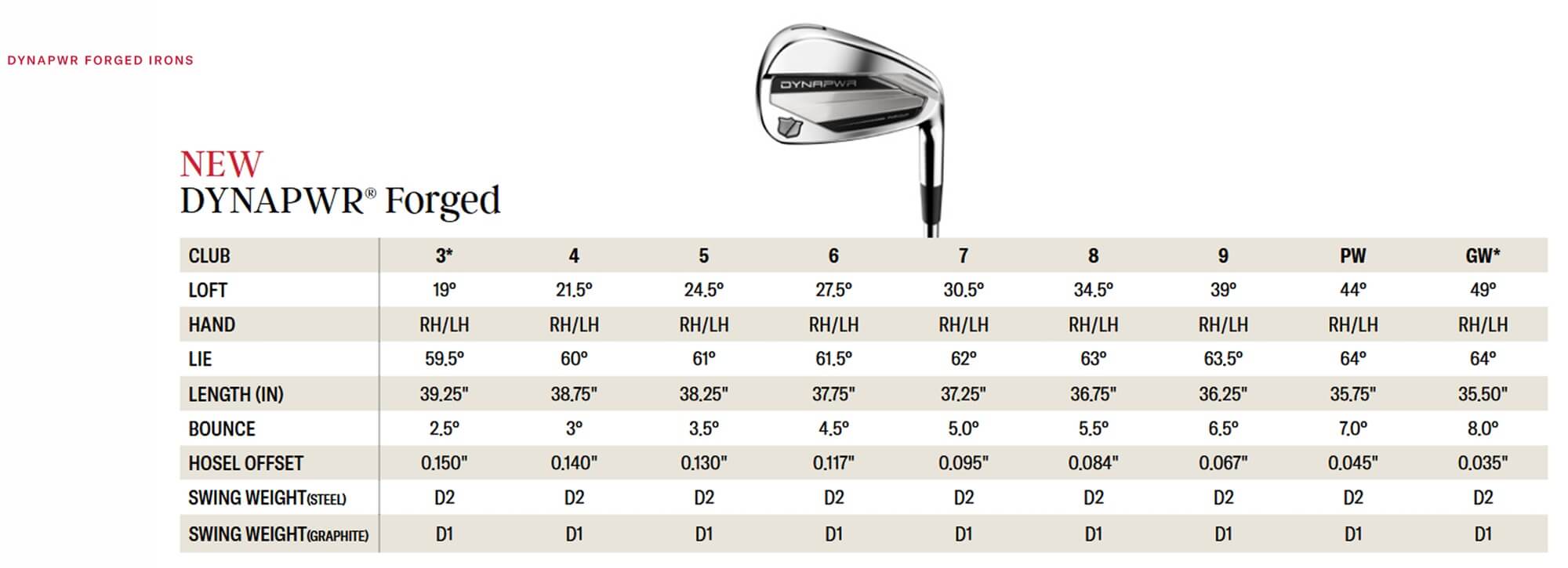
A standard 7-piece set features a 5-iron through gap wedge. Both a 3-iron and a 4-iron are available, also through Wilson’s custom department.
The entire lineup is available for both lefties and righties.
The Wilson Dynapower Forged irons will run $1,199.99 for a 7-piece set in steel. The same set with the stock graphite shafts are $1,299.99.
They’re expected to hit the stores on Feb. 12.
The post Wilson Rounds Out Its 2026 Lineup With A New Dynapower Forged appeared first on MyGolfSpy.
